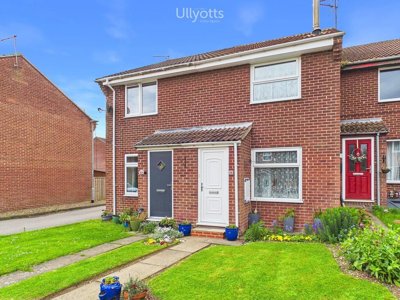
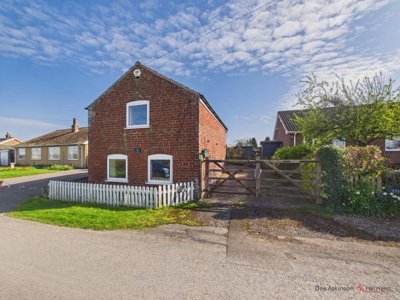
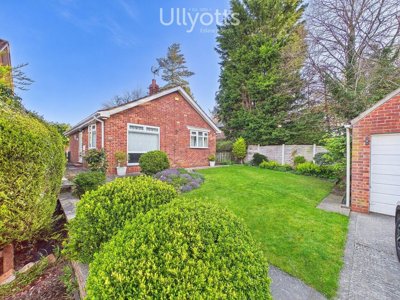
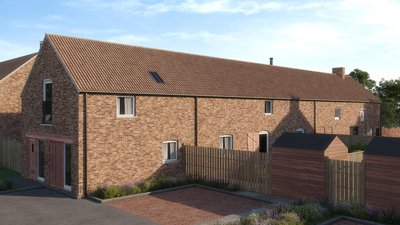
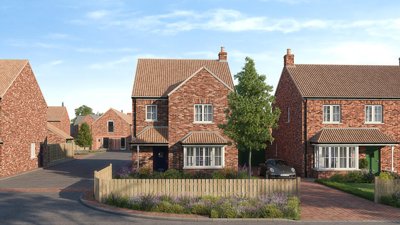
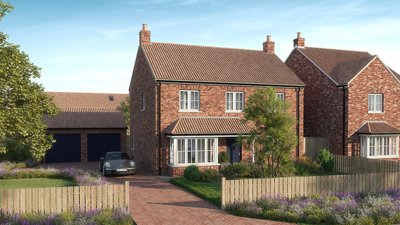
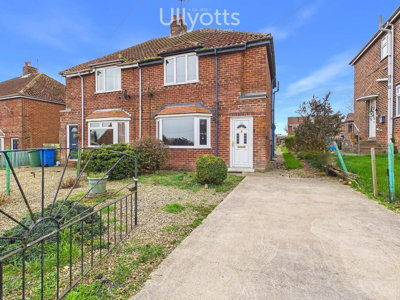
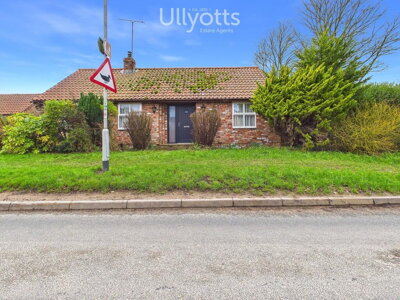
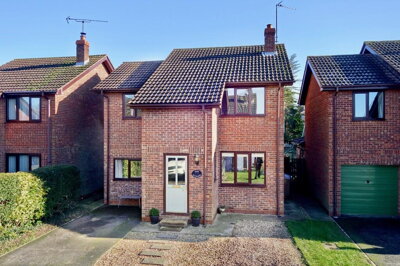
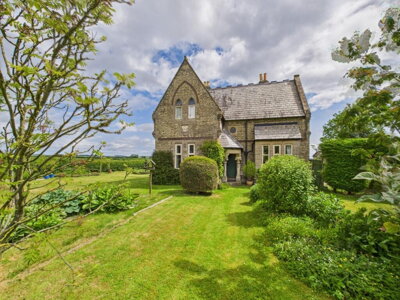
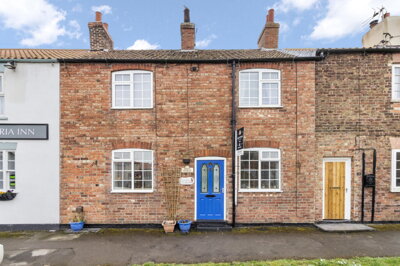
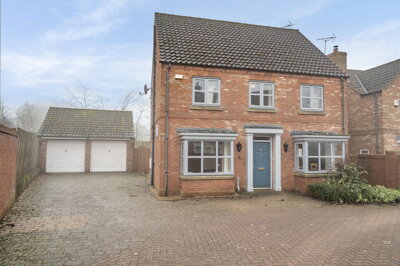
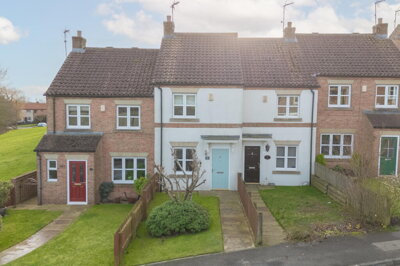
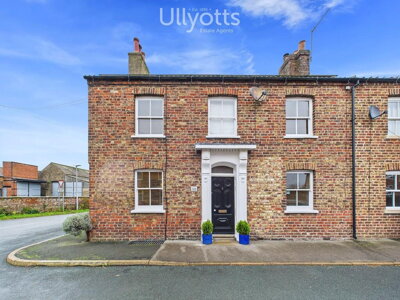
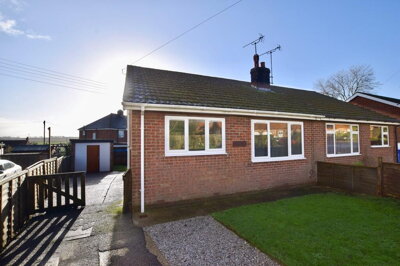
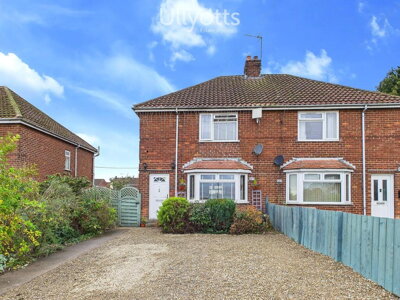
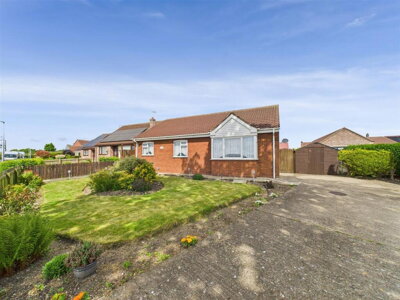
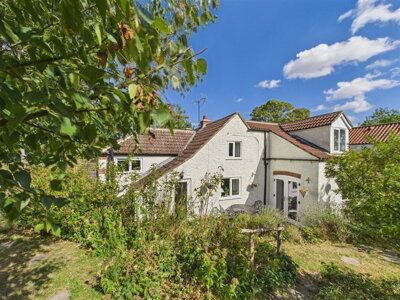
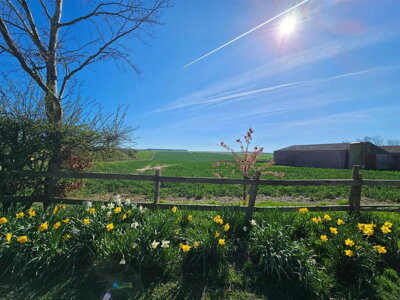
Browse 29 homes for sale in Wetwang, East Riding of Yorkshire from local estate agents.
£273k
14
1
145
Source: home.co.uk
Source: home.co.uk
Detached
4 listings
Avg £498,750
Semi-Detached
3 listings
Avg £198,333
Terraced
3 listings
Avg £244,833
Detached Bungalow
2 listings
Avg £272,500
Barn Conversion
1 listings
Avg £425,000
Cottage
1 listings
Avg £220,000
Source: home.co.uk
Source: home.co.uk
Wetwang's housing market is much like the village, small in scale, varied in character. In our current listings, detached homes sit at around £350,000 on average, marking out the premium end where buyers are paying for extra space, privacy, and in many cases wide views across the Wolds countryside. Semi-detached houses usually come in at around £220,000 and tend to offer strong value for families after a comfortable home in an established setting. Terraced properties, at approximately £180,000, remain the most affordable route into this well-liked rural spot.
Over the past twelve months, around 15 sales have completed in Wetwang, which fits the village's modest size. Prices have risen by 2% in that time, pointing to measured growth rather than sharp swings. Our searches for new build schemes in the YO25 postcode area have not turned up any active construction within the village itself, so buyers wanting a newer home may need to look towards nearby towns, or consider older stock with scope for renovation.
Wetwang's spread of property ages is one reason we always push for a proper survey. Around 25-35% of homes date from before 1919, including older farmhouses and village cottages with plenty of character and, in some cases, conservation issues to think through. Another 30-40% were built between 1945 and 1980, practical post-war family housing that can still bring the maintenance concerns typical of that period. Only 15-20% of properties were built after 1980, so most buyers here are dealing with period housing and all that comes with it during conveyancing.

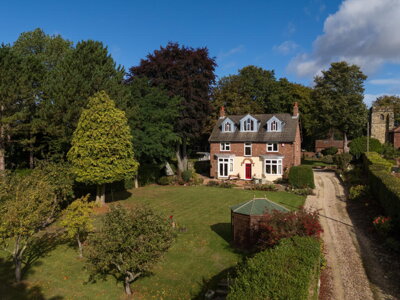
At the centre of village life is Wetwang's historic core, with the Conservation Area protecting the look and feel of Main Street and Church Lane. St. Nicholas' Church, a Grade I listed building with medieval origins, remains a defining part of the village both visually and historically. Most homes are brick-built, often in the local light red or orange-brown brick that gives Wetwang its distinct warm tone. Some of the older buildings also use chalk or flint, sometimes under render, a direct nod to the geology and long-standing building traditions of the Yorkshire Wolds.
Agriculture still shapes much of Wetwang, both in the surrounding landscape and in local employment. Plenty of residents travel out to work in Driffield, Beverley, and York, which keeps the village attractive for people who want countryside living without cutting themselves off from larger employment centres. Day-to-day needs are covered by a well-stocked shop, and the pub remains a social anchor for gatherings and village events. Running through all this is the Gypsey Race, a winterbourne stream that adds real character to the setting, although buyers should be aware that lower ground near it carries some surface water and fluvial flood risk in periods of heavy rain.
Historic buildings, active farmland, and a close local community all help give Wetwang its appeal. It suits buyers looking to step back from town or city pressure. Through the year, community events help keep that neighbourly side of village life going strong. For anyone used to having everything on the doorstep, the amenity mix can feel limited at first, but Driffield and Beverley are close enough for supermarkets, healthcare, and the wider services many households need.

For families, education in Wetwang starts with the village primary school, which serves the village itself as well as nearby hamlets. Children attend from Reception to Year 6, and the smaller class sizes often mean more individual attention alongside a strong local identity. After that, most pupils travel out for secondary education, usually to schools in Driffield or elsewhere in the East Riding area, where there is a mix of academic and vocational routes.
Before choosing a property, we suggest checking the latest catchment boundaries and admissions rules for both primary and secondary schools. In the East Riding, admissions work on a catchment area basis, so distance and location can have a big effect on which homes best fit a family's plans. Beverley may also come into the picture for some buyers, as Wetwang's links to the historic town make its well-regarded secondary schools relevant to search decisions.
Families wanting an alternative to state education also have private options across the wider region, including independent schools in York and Hull. For secondary pupils, travel usually means a school bus or lifts from parents, so it is sensible to check the latest arrangements and costs as part of the budget for a move to the village.

Though Wetwang is firmly rural, getting to the main surrounding centres is fairly straightforward. Driffield, the nearest market town, is around 8 miles away and is where many residents go for supermarkets, healthcare, and extra shopping. Beverley sits about 15 miles to the south and offers a wider spread of services, cultural attractions, and strong secondary schooling. York is reachable along the A166, which keeps both day trips and occasional commuting realistic for buyers working there.
Anyone travelling further regularly will usually rely on the A1079, which gives a direct link towards Hull and York and joins the wider motorway system through the M62 for Leeds and places beyond. Under normal traffic conditions, York is about one hour away by car, and Hull is similarly within reach for those employed in the port, manufacturing, or service sectors. Bus routes do connect Wetwang with nearby towns, but services can be limited, so for many households a car is less a convenience and more a necessity.
Rail users will need to head to stations in nearby towns, and from Hull there are direct services to major destinations including London. For flights, Humberside Airport covers a smaller range of international routes, while Leeds Bradford Airport gives access to more destinations. Cycling around the Wolds can be rewarding, thanks to the rolling landscape, but it is not always easy going, and the narrow country lanes around Wetwang call for care, especially in winter when shorter daylight hours make conditions trickier.

It is well worth spending time in Wetwang outside the usual viewing schedule. We recommend visiting at different times of day, checking what is actually open locally, and having a word with residents about how daily life works in practice. A clear handle on the Gypsey Race flood risk areas, and on the restrictions tied to the Conservation Area, can make a real difference when judging a property properly and steering clear of expensive surprises later.
Before arranging too many viewings, speak to a lender or mortgage broker and get an Agreement in Principle in place. It puts you in a stronger position when it is time to offer and shows estate agents acting for sellers that you are serious, which matters in a small village market where a property can attract more than one enquiry.
We can help arrange viewings through our listed estate agents for any homes that look suitable. With only around 15 sales each year, chances do not come up constantly, so acting quickly when a listing appears makes sense. It can also help to register with several agents at once, simply to widen the net.
Because around 65-75% of Wetwang homes were built before 1980, we regard a detailed survey as essential before you commit. Our surveyors regularly find issues in the village's older housing, including damp in solid-walled buildings, defects to pantiled roofs, and ageing electrical installations that need bringing up to modern standards.
Next comes the legal side, and that means appointing a conveyancing solicitor. Fees for a standard transaction usually start at around £499. They will carry out local searches, review flooding and drainage matters linked to the Gypsey Race, and deal with the formal transfer and registration of ownership.
Once the survey results are acceptable and the legal work is done, your solicitor will move matters on to exchange of contracts and fix a completion date. Wetwang is a small place, and that can matter more than people expect, so keeping relations constructive with everyone involved often helps a transaction progress more smoothly.
Buying in Wetwang brings a few local complications that are less common in urban searches. The Conservation Area covering the historic centre means exterior changes, extensions, and even major landscaping works may need planning permission from East Riding of Yorkshire Council. Anyone planning alterations to a period home, especially one with listed building status, may also need specialist surveys and formal consent before works begin. It is sensible to build both the likely cost and the likely timescale for permissions into your renovation plans from the outset.
Ground conditions matter here. The Yorkshire Wolds sit on chalk bedrock, with variable superficial deposits above that can include clay-rich till, and that mix can affect both foundations and overall condition. Chalk usually carries a low shrink-swell risk, but where clay content is higher there can be moderate risk for shallow foundations, especially near mature trees or where drainage is poor. Our surveyors look closely at those indicators and will suggest further checks where needed. The Gypsey Race is a winterbourne, flowing only in wetter periods, so flood risk needs to be judged with particular care during times of heavy rainfall when the stream is active.
Across Wetwang, post-1930s housing is mainly brick cavity wall construction, while the older stock often has solid walls with very different behaviour in terms of insulation and damp-proofing. Roof coverings are usually pantiles or slate, and our findings show that roof condition is a recurring issue in the village's older homes. We also see properties needing electrical and plumbing upgrades, with some wiring still dating back to the original build and, in certain cases, needing full replacement.
Insurance is another point to pin down early. Homes close to the Gypsey Race may attract premiums that reflect flood exposure, so we advise obtaining specialist buildings insurance quotes before you complete. Where there is a history of flooding, cover can become more expensive, or the choice of insurer can narrow, and that needs to be factored into the budget alongside the purchase price and any renovation spend.
Based on sales over the last twelve months, the average house price in Wetwang is approximately £290,000. Detached homes are around £350,000, semi-detached properties about £220,000, and terraced houses roughly £180,000. Values have edged up by 2% over the year, which points to a steady rather than overheated market in this East Riding village. With only about 15 sales in a typical year, stock can move quickly when the right property appears, so we usually suggest registering with local estate agents and being ready to act.
For council administration, Wetwang falls within East Riding of Yorkshire Council. Council tax bands locally run from A to H, depending on the type and value of the property. Smaller terraced houses and older cottages often sit within bands A-C, while larger detached homes and newer executive-style properties can fall into the higher bands. Buyers should always ask for the exact banding of any address they are considering, as council tax forms part of the ongoing ownership cost alongside mortgage payments and maintenance. The latest East Riding of Yorkshire Council charges can be checked direct with the council or on its website.
Schooling is often a key part of the decision for families looking at Wetwang. The village has its own primary school for Reception to Year 6, and that local provision, combined with small classes and strong community links, is a real draw for some buyers. For secondary education, pupils generally travel to nearby market towns such as Driffield, where there are several schools with good Ofsted ratings and a mix of academic and vocational options. Beverley, around 15 miles away, is also part of the conversation for many families because it offers a number of well-regarded secondary schools, both state and independent. Even so, admissions rules and catchment areas should always be checked before purchase.
Public transport in Wetwang is limited by comparison with larger places. Buses do link the village with nearby towns, including Driffield, but service frequency means journeys usually need a bit of planning. In practice, most households will want access to a car, and for many it is effectively essential. Rail travel means driving or travelling to the nearest stations in surrounding towns, from where there are connections to Hull, York, and further afield, including direct trains from Hull to London. By road, the main routes are the A166 and A1079, and under normal traffic conditions York is about one hour away by car.
From an investment angle, Wetwang has some clear strengths and a few limits. Its setting in the Yorkshire Wolds Area of Outstanding Natural Beauty, together with Conservation Area protection, helps support values and curbs unsuitable development. The annual 2% rise in prices suggests steady growth rather than speculation, although gains may be less dramatic than in faster-moving urban markets. The trade-off is liquidity, because with only around 15 transactions a year the market is small, and rental demand in a village of this size may also be modest given the restricted local jobs base. Any investor should weigh the stable residential setting against the thinner rental evidence and the upkeep costs that can come with older properties, especially where conservation controls apply.
For an ordinary residential purchase, stamp duty is charged at 0% on the first £250,000, then 5% on the portion from £250,001 to £925,000, 10% on the next slice up to £1.5 million, and 12% on anything above £1.5 million. First-time buyers get relief on the first £425,000, with 5% payable between £425,001 and £625,000. On Wetwang's average price of £290,000, that means a first-time buyer would pay no stamp duty at all, while someone who is not a first-time buyer would pay 5% on the £40,000 above £250,000, which is approximately £2,000. We would still suggest confirming the exact position with a solicitor or financial adviser, as personal circumstances can change the final figure.
Flooding is one of the main local risks buyers need to understand in Wetwang. The Gypsey Race, a winterbourne stream running through the village, can trigger fluvial flooding in heavy rainfall when underground water feeds it and it starts flowing. Properties close to the watercourse, and lower-lying parts of the village, can also face increased surface water risk, so we advise asking your solicitor for clear information on any flooding history during conveyancing. There is no major coastal flood risk here because Wetwang is inland in the Yorkshire Wolds. A RICS Level 2 Survey can comment on flood-related risk factors, and your solicitor should also obtain detailed drainage and flooding searches. Before completion, it is wise to get specialist buildings insurance quotes as well.
There are restrictions affecting period property in Wetwang, and buyers need to understand them early. The Conservation Area along Main Street and Church Lane means outside alterations will often need planning consent from East Riding of Yorkshire Council, which can limit what can be changed without approval. Some buildings are also listed, among them St. Nicholas' Church as well as a number of Grade II listed farmhouses and cottages, and that brings tighter control over repairs and alterations, with a direct effect on cost and renovation planning. Those protections are part of what preserves the village's character, but they do need careful budgeting. For listed homes, we may recommend a RICS Level 3 Building Survey because age and construction often call for a more detailed inspection than a Level 2 survey can provide.
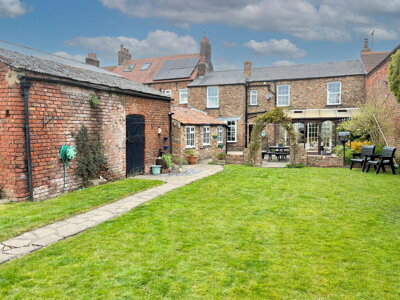
Traditional Yorkshire Wolds building methods are easy to spot in Wetwang. Most houses are brick-built, often in the local light red or orange-brown brick that gives the village its recognisable warm look. Homes from after the 1930s are usually cavity wall construction, while older properties tend to have solid walls, with all the different insulation and damp-proofing implications that follow. Some of the oldest buildings also include chalk or flint, sometimes beneath render, which reflects the geology of the area. Roofs are commonly pitched and finished in pantiles or slate, and our surveyors regularly flag roof condition as something that deserves close attention on the village's period homes.
Wetwang buyers should keep a few environmental points in mind. The Yorkshire Wolds' chalk geology generally gives sound foundation conditions and a low shrink-swell risk, but clay-rich superficial deposits in some areas can still mean moderate concern for shallow foundations. The Gypsey Race winterbourne also brings flood considerations during heavy rainfall. On the other hand, the village's inland location means there is no coastal erosion risk, and Wetwang is outside a coal mining area, so the mining subsidence issues seen elsewhere in Yorkshire are not part of the picture here. Where a property sits near the stream or on lower ground, detailed flood checks during conveyancing are especially important.
From 4.5%
Find competitive mortgage rates for your Wetwang purchase
From £499
Expert legal services for your property transaction
From £450
Detailed surveys for Wetwang homes built before 1980
From £80
Energy performance certificate for your new home
Alongside the agreed price, buyers in Wetwang need to allow for several extra costs. Stamp Duty Land Tax, SDLT, is usually the largest of them, although at the village's average price of £290,000 a first-time buyer would get full relief, while a standard buyer would pay 5% on the £40,000 above £250,000. That works out at approximately £2,000 in stamp duty for a non-first-time buyer, and it is due within 14 days of completion. Your solicitor will handle the submission to HMRC after completion and will usually take the money from the funds you have already provided.
Survey fees deserve close attention in Wetwang because so much of the housing stock is older. For a typical 3-bedroom home, a RICS Level 2 Survey usually falls between £450 and £700, with larger detached houses costing more because they take longer to inspect. Given that around 65-75% of homes in the village date from before 1980, that outlay can be money well spent, helping identify common issues such as damp in solid walls, defects to pantiled roofs, and outdated electrics before you are committed. If the building is listed or built in an unusual way, a RICS Level 3 Survey may be the better option despite the extra cost.
Legal fees for conveyancing generally start from about £499 on a standard purchase, although listed status, Conservation Area issues, or flood-related complexity can push the cost higher. The searches your solicitor carries out should cover drainage, flooding, and planning history relevant to the East Riding of Yorkshire, with proper attention given to the Gypsey Race risk. You may also need to budget for lender arrangement fees, mortgage valuation charges, and title registration fees. Buildings insurance has to be in place from completion, and homes in higher risk locations may need specialist quotes with higher premiums. Getting all of those figures lined up before you offer can make the move far less stressful.

Properties for Sale In London

Properties for Sale In Plymouth

Properties for Sale In Liverpool

Properties for Sale In Glasgow

Properties for Sale In Sheffield

Properties for Sale In Edinburgh

Properties for Sale In Coventry

Properties for Sale In Bradford

Properties for Sale In Manchester

Properties for Sale In Birmingham

Properties for Sale In Bristol

Properties for Sale In Oxford

Properties for Sale In Leicester

Properties for Sale In Newcastle

Properties for Sale In Leeds

Properties for Sale In Southampton

Properties for Sale In Cardiff

Properties for Sale In Nottingham

Properties for Sale In Norwich

Properties for Sale In Brighton

Properties for Sale In Derby

Properties for Sale In Portsmouth

Properties for Sale In Northampton

Properties for Sale In Milton Keynes

Properties for Sale In Bournemouth

Properties for Sale In Bolton

Properties for Sale In Swansea

Properties for Sale In Swindon

Properties for Sale In Peterborough

Properties for Sale In Wolverhampton

Enter your details to see if this property is within your budget.
Loans, cards, car finance
Estimated property budget
Borrowing + deposit
You could borrow between
Typical borrowing
Monthly repayment
Est. at 4.5%
Loan-to-value
This is an estimate only. Your actual budget may vary depending on interest rates, credit history, and personal circumstances. For an accurate affordability assessment, speak to one of our free mortgage advisors.
This calculator provides estimates for illustrative purposes only and does not constitute financial advice. Your home may be repossessed if you do not keep up repayments on your mortgage. Estimates based on 4.5% interest rate, repayment mortgage. Actual rates depend on your circumstances.
Homemove is a trading name of HM Haus Group Ltd (Company No. 13873779, registered in England & Wales). Homemove Mortgages Ltd (Company No. 15947693) is an Appointed Representative of TMG Direct Limited, trading as TMG Mortgage Network, which is authorised and regulated by the Financial Conduct Authority (FRN 786245). Homemove Mortgages Ltd is entered on the FCA Register as an Appointed Representative (FRN 1022429). You can check registrations at NewRegister or by calling 0800 111 6768.

We use cookies to show you personalised content and improve your experience of our website. Find out more in our Privacy policy and Cookie policy.