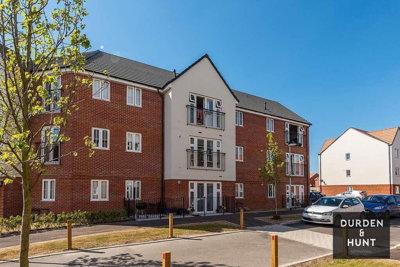
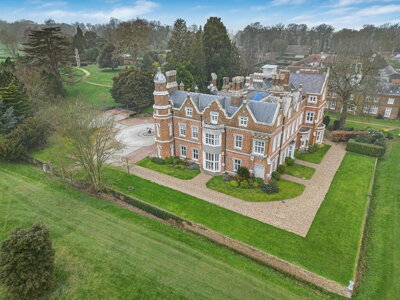
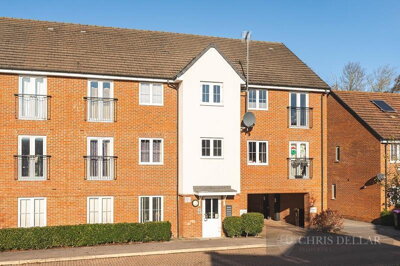
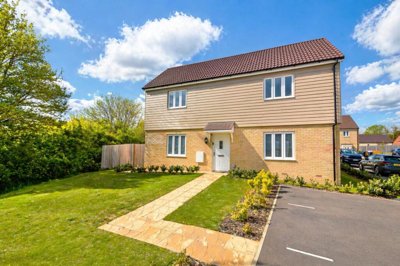
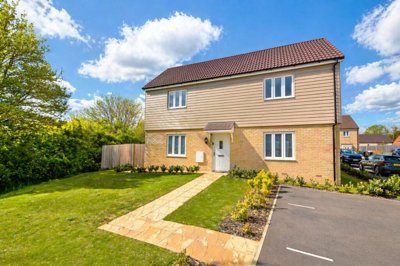
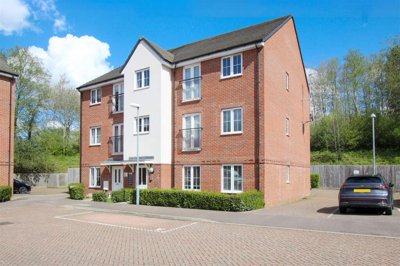
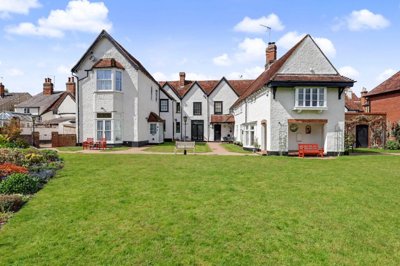
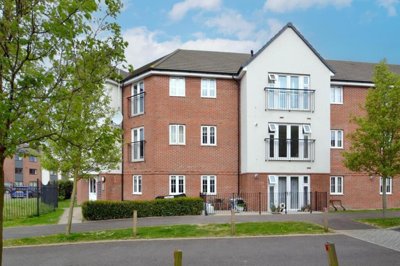
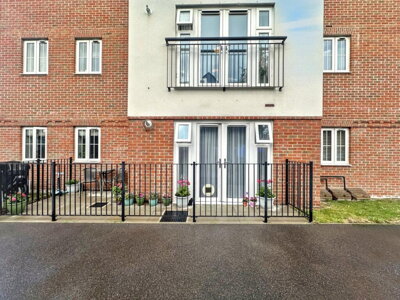
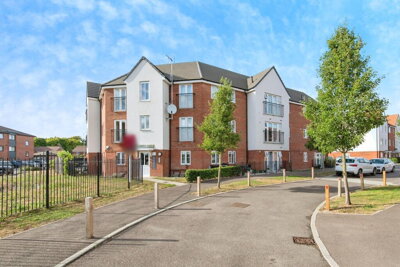
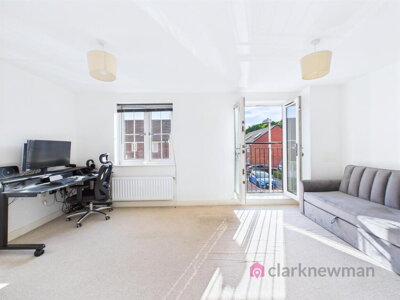
Browse 12 homes for sale in Westmill, East Hertfordshire from local estate agents.
The 2 bed flat sector typically includes two separate bedrooms, dedicated living areas, and bathroom facilities. Properties in Westmill span purpose-built blocks, converted period houses, and modern apartment complexes on various floors.
£0k
0
0
0
Source: home.co.uk
Showing 0 results for 2 Bedroom Flats for sale in Westmill, East Hertfordshire.
Westmill is a very small market in practice, with only a handful of homes changing hands in a typical year. In the past twelve months, approximately 4 property sales completed, and over the past two years detached properties made up an impressive 90% of all transactions. That tells you a lot about the village, large detached houses and converted period homes dominate here, rather than flats or starter properties. Prices stay high because the stock is strong and the supply is scarce.
Against a wider Hertfordshire backdrop that saw a modest 2% decline, Westmill has moved the other way. Sold prices are up 30% year-on-year, which points to steady demand from buyers who want a rural setting without giving up accessibility. The homes on offer range from Grade II Listed cottages from the early 18th century to substantial Victorian and Edwardian family houses, along with converted former school buildings with unusual layouts and original detail. Fireplaces, exposed beams and traditional construction are common, and they give many Westmill homes a character that newer builds rarely match.
Within the village postcode, new build supply is close to non-existent. One notable historic conversion at School Court created four homes in the early 1990s, using traditional flintstone elevations that sit comfortably alongside the Victorian school building, but there are currently no active new-build developments verified within Westmill itself. Buyers who want modern construction standards may need to widen the search into neighbouring towns in East Hertfordshire. Even so, the pull of a genuine Westmill period property is often hard to beat.

Life in Westmill feels unhurried, but it is far from cut off. The village takes its name from the historic mill that once stood along the River Rib, and although that original structure has long since gone, the water and the wider rural setting have shaped this part of East Hertfordshire for centuries. Walk around the village and you see buildings from several periods sitting side by side, early Georgian cottages, Victorian enlargements and Edwardian additions, all tied together by local materials such as flintstone and chalk-lime mortar. The River Rib runs through the Hertfordshire countryside near the village and helps give the landscape its green, open character.
What stands out in Westmill is the sense of community. The village has a well-regarded pub, a historic church from the medieval period, and a number of converted buildings now used by artisan businesses and creative enterprises. Around it, the countryside opens up into walking and cycling routes across rolling Hertfordshire farmland, and public footpaths link Westmill with villages including Watton-at-Stone and Little Hormead. For families and anyone who likes being outdoors, that easy access straight from the front door is a real part of the appeal.
Buyers in Westmill tend to be established families and professionals who are willing to trade urban convenience for space and a better pace of life. Many work in nearby centres such as Bishop's Stortford, Stevenage and Cambridge, then come back each day to a quieter setting. Values have held up well in recent years, helped by limited supply and consistent demand from people drawn to the village's mix of heritage, landscape and accessibility. The large number of Grade II Listed buildings also keeps new development tightly controlled, and East Hertfordshire District Council applies planning policies that reflect the village's architectural and historical importance within the district.
For families looking at Westmill, schooling usually means looking just beyond the village itself. There is a good spread of primary schools in surrounding villages, and several within easy reach are rated Good or Outstanding by Ofsted, including schools in Buntingford, the nearest market town at approximately three miles from Westmill. These village primaries often offer smaller class sizes than urban schools, which many parents value. Access to strong primary options is one of the main reasons younger families keep Westmill on their shortlist.
Older children have a decent range of options too. Secondary provision across East Hertfordshire includes well-regarded comprehensive schools and academies, while families wanting grammar schools can look towards Hertford and Bishop's Stortford, both reachable by regular bus services from Westmill village centre. Independent prep and senior schools are also available across the wider Hertfordshire area, with some offering transport from villages in the Westmill catchment. Sixth form places are available in surrounding towns, and further education colleges in Stevenage and Hertford add more academic and vocational routes.
Anyone researching schools around Westmill should pay close attention to catchment areas. They can have a major effect on allocations, and early registration is sensible because the village is popular with families. Good nearby schools are a big part of Westmill's draw for buyers with children, giving them rural living without losing access to strong education. We always suggest checking the latest admission policies, catchment boundaries and performance information before committing to a purchase, particularly in sought-after rural locations where competition for places can be strong.
Westmill sits in a useful spot within East Hertfordshire. It remains unmistakably rural, yet it is only approximately three miles from Buntingford, where regular bus services connect with larger towns including Royston and Stevenage. For rail commuters, the nearest stations are in Royston, approximately 10 miles away, and Bishop's Stortford, approximately 12 miles away, and both offer regular services to Cambridge, London and intermediate stops. Trains to London King's Cross usually take from 45 minutes to just over an hour, which keeps the village in play for buyers who still need the capital within reach.
By road, most journeys in and out of Westmill hinge on the A10 through nearby Buntingford. It gives a straightforward route north towards Cambridge and south towards London, while the A1(M) can be reached via Stevenage, approximately 15 miles east, for wider north-south travel across the eastern region. Commutes by car to places such as Stevenage, Welwyn Garden City and Cambridge are commonly in the 30 to 45 minutes range. Parking in the village is generally workable for day-to-day residential use, but because many houses are historic, off-street parking varies a lot and is something we would always check carefully during viewings.
Cyclists know this part of Hertfordshire well. Around Westmill there is a web of country lanes used by both leisure riders and people commuting short distances, and the relatively flat local terrain makes trips to nearby villages and towns quite practical. For anyone working from home, or splitting time between home and office, the village setting is quiet and broadband is now reliable across most of the settlement. So although Westmill feels rural, its mix of road, rail and digital links suits several different working patterns.
We would start with the current Westmill listings on Homemove and on the main property portals. Stock is limited, so alerts matter here, they can give you a crucial head start when something suitable comes up. It also helps to understand how this market behaves, especially the high proportion of period homes and the length of time properties usually stay available. In a village this small, being ready to move quickly can make all the difference.
Before arranging too many viewings, we recommend getting a mortgage agreement in principle from a qualified lender. Sellers and agents will see it as proof that you are in a position to proceed, which can strengthen your hand in a competitive market. With average values approaching £1 million, buyers in Westmill often need substantial borrowing in place from the outset. It can also be worth speaking to lenders who understand rural property.
Then comes the practical part, booking viewings for homes that suit both your budget and your brief. In Westmill, where older houses dominate, it is worth being clear about the upkeep you are willing to take on, from roof repairs and damp proofing to electrical upgrades and plumbing work. We suggest keeping detailed notes at each visit and taking photographs where permitted. It makes later comparisons much easier.
Once a property stands out, we would usually suggest arranging a RICS Level 2 Survey (Homebuyer Report) before you move much further. Many homes in Westmill date from the 18th and 19th centuries, and some are Grade II Listed, so a survey can highlight structural defects, renovation needs and issues that may affect either your offer or your appetite to proceed. In the case of larger, older or more complicated historic buildings, a Level 3 Building Survey may be the better route. It often is.
Legal work is another area where experience counts. We recommend using a solicitor who regularly handles rural and period property transactions, because they will be dealing with local authority searches, title checks and communication with the seller's side. In Westmill, where listed buildings and possible conservation area controls are part of the picture, that specialist knowledge can be particularly useful. It is sensible to choose someone who already understands heritage property issues.
After the survey is satisfactory and the legal searches are back, the transaction moves to exchange and completion. At exchange, contracts are signed and your deposit is paid. On the agreed completion date, your solicitor transfers the balance and the keys are released. That is the point where buying gives way to moving, and you start settling into life in Westmill itself.
Buying in Westmill calls for a bit more care than buying in a more modern setting. A good number of homes are Grade II Listed, and that can affect everything from extensions and alterations to routine maintenance. Before you commit, check whether the property has listed status and think through what that means for any renovation or changes you have in mind. Listed building consent may be needed for works that would not require planning permission on an unlisted home, and we would expect your solicitor to review any existing listed building consents as part of the conveyancing process.
Conservation area controls may also come into play. Given the concentration of listed buildings in Westmill, conservation area status is highly probable, although this should be confirmed with East Hertfordshire District Council during the legal searches. If a property sits within such an area, extra planning restrictions can apply to external changes, demolition and even tree works. Those rules help protect the village's appearance, but they can also mean more detailed applications and longer wait times for future projects. Better to know that before completion than after it.
Construction matters here, and not just cosmetically. Many Westmill period homes use flintstone and solid stone walls, and while these materials are part of the village's appeal, they also bring specific maintenance demands. Repair work should usually use traditional lime-based mortars and renders so the building fabric can breathe, because modern incompatible materials can damage historic structures. When we book surveys for this kind of property, we want a RICS surveyor who understands traditional construction and can comment properly on ongoing maintenance. If the house has a thatched roof or original flagstone floors, specialist advice on condition and remaining lifespan should form part of your checks.

The average house price in Westmill is currently approximately £928,000. That reflects its premium standing within East Hertfordshire and the fact that large detached period homes make up so much of the stock. Recent sold figures point to a 30% rise in sold prices over the past twelve months, which suggests demand remains strong in a village where supply is always tight. Individual values still vary widely, of course, depending on size, condition, listed status and exact position within the village, with detached houses generally achieving the highest prices.
For council tax, Westmill properties come under East Hertfordshire District Council. The exact band depends on the individual home and the valuation band set by the Valuation Office Agency, but period and listed houses here often sit in the upper ranges because of their size and character, with many substantial properties falling into bands F through H. We would always advise confirming the council tax band during conveyancing, as it should appear in the standard searches your solicitor obtains. In a village where detached homes with four or five bedrooms are common, the higher banding is not unusual.
There is not much schooling provision within Westmill itself, so most families look to nearby villages and towns. Primary options are commonly found in places such as Buntingford and Watton-at-Stone, and several nearby schools hold Good or Outstanding Ofsted ratings. For secondary education, families have access to comprehensive schools in local market towns, while grammar school options can be reached in Bishop's Stortford and Hertford. That access to well-regarded schools adds a lot to Westmill's family appeal, especially as Buntingford is often the nearest choice for younger children.
Public transport in Westmill is serviceable rather than extensive. Bus routes connect the village with Buntingford, Royston and other surrounding villages, and the nearest rail links are at Royston and Bishop's Stortford for onward travel to Cambridge and London. Drivers are better served, with the A10 giving access towards the A1(M) and beyond to the wider motorway network. Most residents will still find a car practically essential, but public transport is there for commuting and the occasional trip into nearby towns.
From an investment point of view, Westmill has been notably strong. Prices have risen 30% year-on-year even while the wider Hertfordshire market recorded modest falls of 2%, and that gap says a lot about demand here. Limited stock, buyers looking for rural character, and tight planning control over new development all support the case for continued resilience. Listed and period homes often hold value well, although owners do need to budget for the upkeep older buildings demand. For long-term capital growth paired with village living, Westmill makes a persuasive argument.
For 2024-25, stamp duty rates are 0% on the first £250,000 of the purchase price, 5% on the portion between £250,001 and £925,000, 10% on the portion between £925,001 and £1.5 million, and 12% on any amount above £1.5 million. At Westmill's average price of £928,000, the stamp duty bill would be approximately £33,900. First-time buyers get relief on the first £425,000 and pay 5% on the slice between £425,001 and £625,000, but there is no relief above £625,000. Because values in Westmill are so high, most purchases here fall outside first-time buyer relief.
Grade II Listed homes in Westmill come with extra responsibilities, and that needs weighing up at the start. Any alteration that could affect the building's character may need listed building consent, and repairs are expected to use suitable materials and methods. Running costs can also be higher, especially where original windows, fireplaces and other traditional fabric need specialist attention. Insurance may cost more, and some lenders apply additional requirements to mortgages on listed property. Even so, many buyers are drawn precisely by that mix of character and prime village setting, and they see the obligations as part of owning a genuine piece of local heritage.
From £350
A detailed inspection of the property's condition, well suited to most Westmill homes including period properties
From £600
A comprehensive building survey is usually the sensible choice for older or historic Westmill properties
From £80
An Energy Performance Certificate is required for all property sales
From 4.5% APR
Competitive mortgage rates for Westmill property purchases
From £499
We can point you towards specialist solicitors for rural and period property transactions
Buying in Westmill means allowing for costs that sit on top of the purchase price. The biggest of these is usually stamp duty land tax, and at the village average price of £928,000 a standard buyer would pay approximately £33,900. That figure is based on the current bands, zero percent on the first £250,000, five percent on the portion between £250,001 and £925,000, and ten percent on the balance up to £1.5 million. First-time buyers only receive relief on the first £425,000, so at Westmill values most purchasers will not be able to use first-time buyer exemptions.
Survey fees are another key part of the budget, especially in a village where so many homes are older and full of character. A RICS Level 2 Survey typically starts from £350, depending on the property value, while a more detailed Level 3 Building Survey for larger or older houses may start from £600. With Grade II Listed buildings and period properties so common in Westmill, spending properly on a thorough inspection is usually money well spent. Conveyancing fees generally start from £499 for a standard transaction, although listed status, title issues or other complications can push legal costs higher.
There are a few more items to factor in, mortgage arrangement fees often fall between £500 to £2,000, and you will also need to budget for survey and valuation fees, searches and registration fees, plus moving costs. Buildings insurance must be in place from the date of completion, and period or listed homes may call for a specialist insurer. The bill can mount up quickly, but these are necessary parts of buying well. Through Homemove, we can help you compare quotes for mortgages, conveyancing and surveys, which makes the purchase process more manageable in this exceptional East Hertfordshire village.
Properties for Sale In London

Properties for Sale In Plymouth

Properties for Sale In Liverpool

Properties for Sale In Glasgow

Properties for Sale In Sheffield

Properties for Sale In Edinburgh

Properties for Sale In Coventry

Properties for Sale In Bradford

Properties for Sale In Manchester

Properties for Sale In Birmingham

Properties for Sale In Bristol

Properties for Sale In Oxford

Properties for Sale In Leicester

Properties for Sale In Newcastle

Properties for Sale In Leeds

Properties for Sale In Southampton

Properties for Sale In Cardiff

Properties for Sale In Nottingham

Properties for Sale In Norwich

Properties for Sale In Brighton

Properties for Sale In Derby

Properties for Sale In Portsmouth

Properties for Sale In Northampton

Properties for Sale In Milton Keynes

Properties for Sale In Bournemouth

Properties for Sale In Bolton

Properties for Sale In Swansea

Properties for Sale In Swindon

Properties for Sale In Peterborough

Properties for Sale In Wolverhampton

Enter your details to see if this property is within your budget.
Loans, cards, car finance
Estimated property budget
Borrowing + deposit
You could borrow between
Typical borrowing
Monthly repayment
Est. at 4.5%
Loan-to-value
This is an estimate only. Your actual budget may vary depending on interest rates, credit history, and personal circumstances. For an accurate affordability assessment, speak to one of our free mortgage advisors.
This calculator provides estimates for illustrative purposes only and does not constitute financial advice. Your home may be repossessed if you do not keep up repayments on your mortgage. Estimates based on 4.5% interest rate, repayment mortgage. Actual rates depend on your circumstances.
Homemove is a trading name of HM Haus Group Ltd (Company No. 13873779, registered in England & Wales). Homemove Mortgages Ltd (Company No. 15947693) is an Appointed Representative of TMG Direct Limited, trading as TMG Mortgage Network, which is authorised and regulated by the Financial Conduct Authority (FRN 786245). Homemove Mortgages Ltd is entered on the FCA Register as an Appointed Representative (FRN 1022429). You can check registrations at NewRegister or by calling 0800 111 6768.

We use cookies to show you personalised content and improve your experience of our website. Find out more in our Privacy policy and Cookie policy.