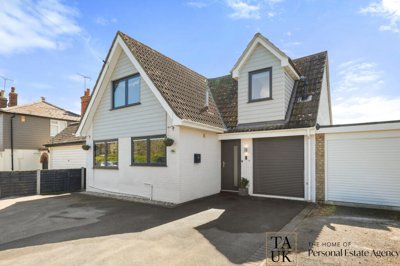
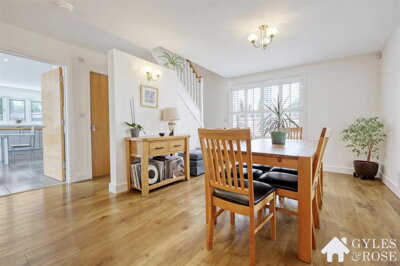
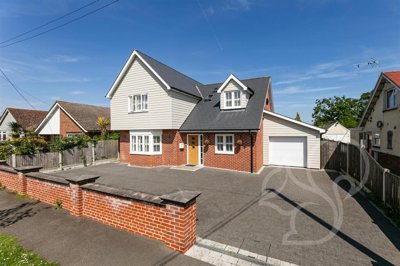
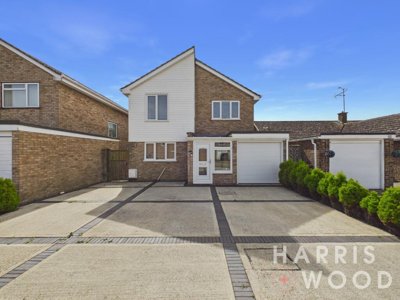
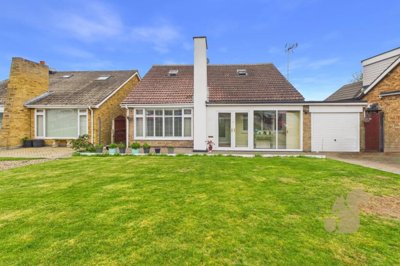
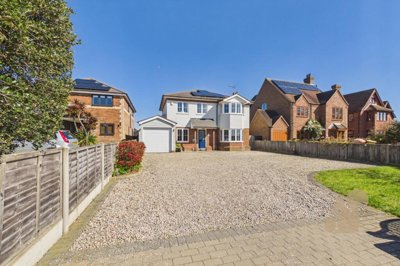
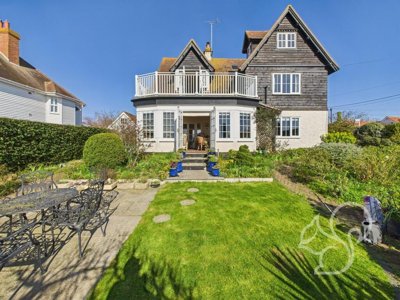
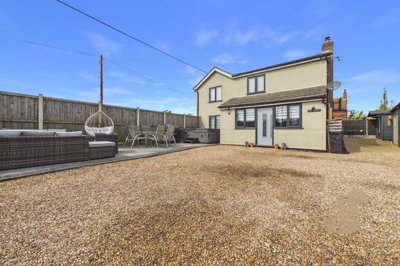
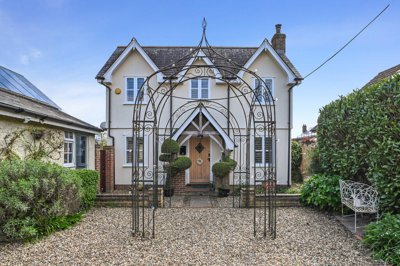
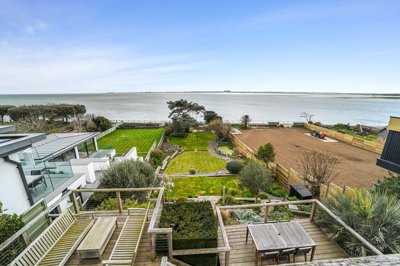
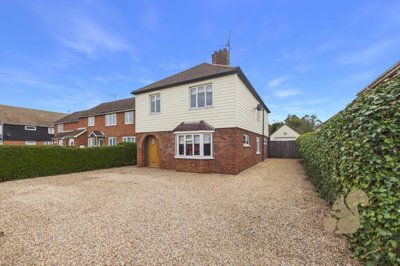
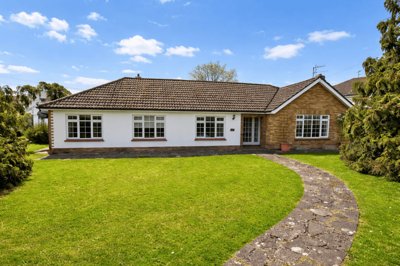
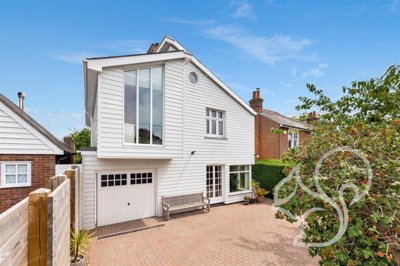
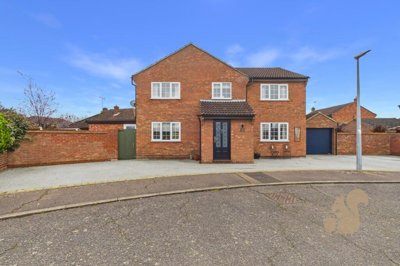
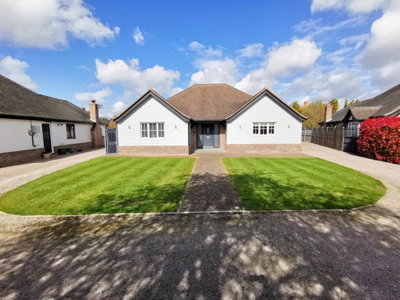
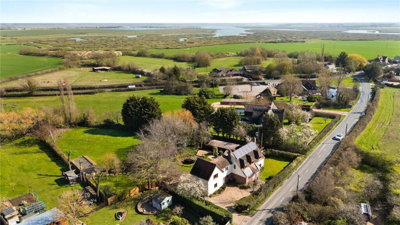
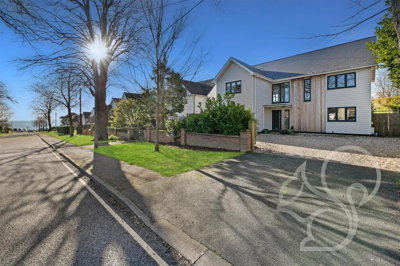
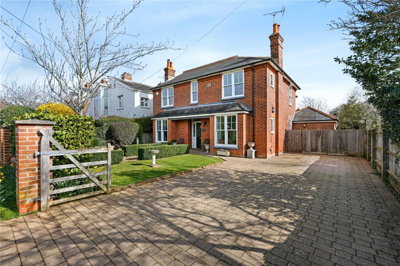
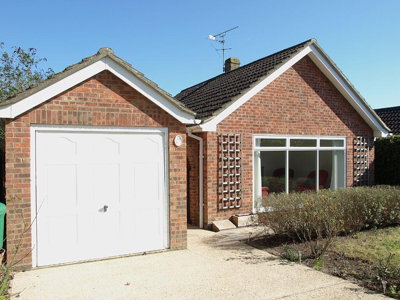
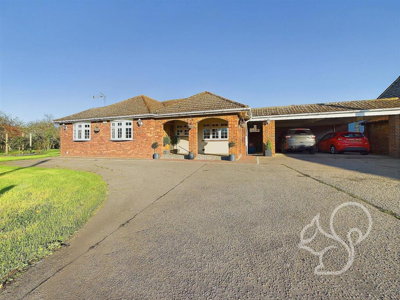
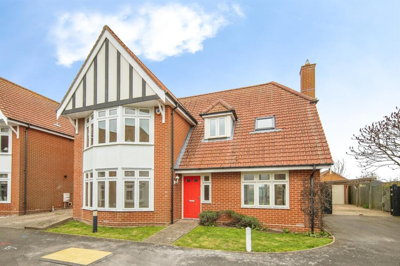
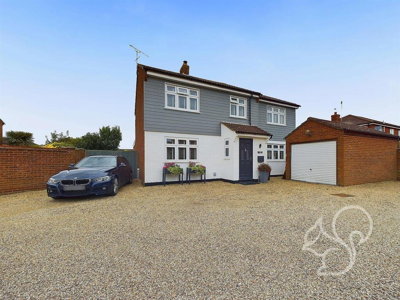
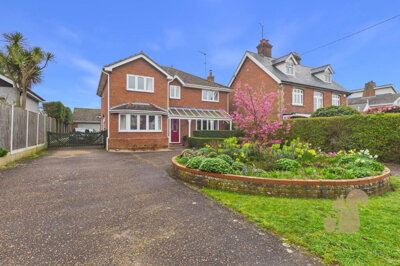
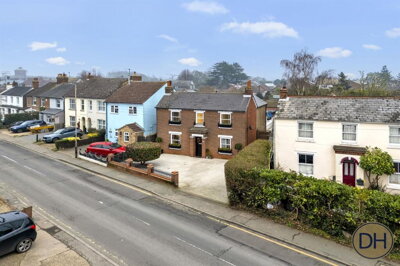
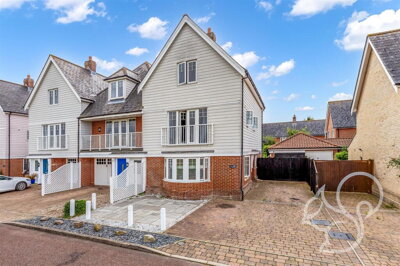
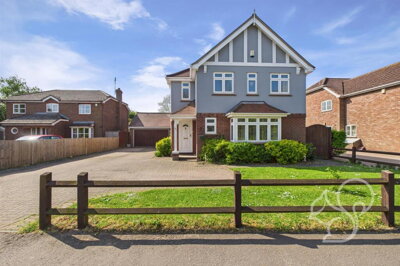
Browse 50 homes for sale in West Mersea from local estate agents.
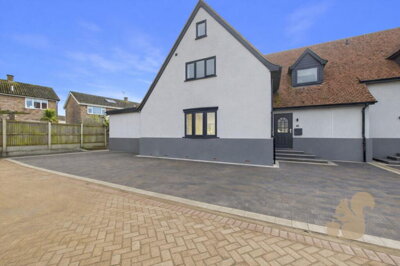
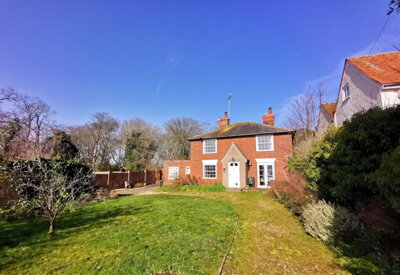
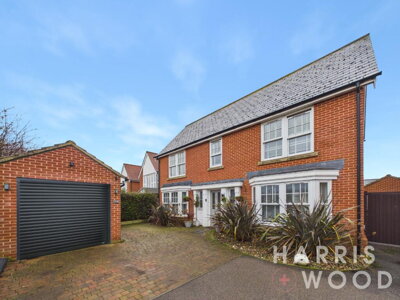
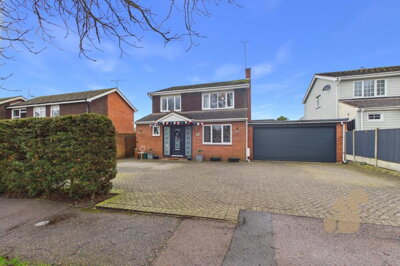
The larger property sector typically features multiple bathrooms, substantial reception space, and private gardens or off-street parking. Four bedroom houses in West Mersea span detached, semi-detached, and occasionally terraced configurations, with styles ranging from period properties to modern executive homes.
Detached houses lead the sold market in West Mersea, which fits a coastal parish with more families and downsizers than a city-centre buyer mix. homedata.co.uk records show values still moving up, not stalling, with 12-month growth of between 2% and 7.6% across the datasets in the research pack. That leaves the area looking steady and resilient, rather than prone to boom-and-bust swings. Demand is usually strongest for well-placed homes with a bigger garden, parking and a quieter setting.
Across the research pack, new-build supply is still limited. The Dawes Lane site has, however, had a planning application to modify affordable housing provisions, including First Homes, which points to ongoing development interest without suggesting a wave of brand-new stock that would compete heavily with older houses. In practice, most movers are still choosing between established homes, coastal bungalows and the occasional flat, not a large new estate. For the broadest choice, we would keep watching live inventory on home.co.uk, because stock here can shift quickly.

Life on Mersea Island has a rhythm of its own, and West Mersea feels very different from a mainland suburb. The Strood is the link back to the mainland, so tides, road access and the exposed coastal edge all shape daily routines. Buyers drawn to sea air, walking routes, sailing culture and a calmer pace tend to be happier here than those looking for a dense urban centre. It suits people who like a neighbourhood that feels self-contained.
With a population of about 7,800, excluding caravans, the area has the scale to keep a distinctly local feel in the housing market. The research suggests younger families can struggle to get on the ladder here, while older owners with equity often want to downsize within the parish. Low-rise homes, especially bungalows, are sought after because there are fewer of them than many buyers want. That balance matters during a search, since the most practical homes can draw just as much attention as the prettiest ones.
The supplied research pack does not name schools or Ofsted grades, so we would treat the latest catchment maps as the safest starting point before any offer goes in. Families buying in West Mersea often weigh island primary options against secondary provision on the Colchester side, because the school run can shape everyday life just as much as the house itself. Where a specific intake matters, it makes sense to speak with Essex County Council admissions and ask the selling agent which streets are most often picked by school-led movers. That extra step can stop a purchase in the wrong part of the parish.
Because West Mersea has a smaller population, school demand can turn out to be very postcode-sensitive. A house with an easier route to the mainland, simpler parking and a smoother morning routine may prove more useful than a larger property in a trickier position. We usually suggest shortlisting homes and schools together, then viewing with the school journey in mind. One family's best option will not always be the next one's, especially once travel times and after-school logistics are factored in.

The main transport link is the Strood, connecting West Mersea to the mainland, and it can flood at high tide. Research notes that bus services may be affected for up to four hours on some days, which leaves the timetable more exposed than it would be in a typical town. For that reason, transport planning is a major part of the buying decision here, especially for anyone commuting every weekday. We would always check the route off the island at the time of day it is most likely to be used.
Road access tends to come first for most buyers, with public transport second. Anyone relying on the bus should check tide times, service frequency and the return journey before making an offer, not afterwards. Parking deserves the same attention, because coastal streets can feel very different in summer when visitors and day-trippers are around. A house that seems quiet on a Tuesday morning can feel much busier once the weather improves.
For short local trips, cycling works well, and plenty of residents use it for the school run or getting to the seafront. Still, the island layout means journey times are not always predictable, so being near the route out can remove a lot of day-to-day stress. Anyone commuting into Colchester or further afield should treat the causeway as part of the routine, not merely a scenic extra. That is often what separates a home that works in real life from one that only has a holiday feel.
Flood risk should be the first thing we look at here. The Strood can flood at high tide, so it is sensible to ask about insurance history, access in poor weather and any past water-related repairs before committing. Even where the house itself has never flooded, the route in and out may still affect daily life. In this coastal market, that can matter just as much as the building itself.
Maintenance needs close attention in coastal homes. Salt air can wear down roofs, windows, metalwork and exterior paint, so a survey needs to look beyond the standard basics. Ventilation and damp control also matter, particularly in older properties that have been updated in stages. Leave small defects for several winters and the bill can climb quickly.
Flats need careful checking on lease terms, service charges and ground rent. West Mersea is driven more by detached houses than flats, so apartment stock can be quite niche and the running costs may come in higher than expected for a small block. We would also ask about planning history where an extension, conversion or alteration to a character home is part of the plan. In a parish with a strong coastal identity, those checks can have a real effect on long-term costs.
On the sold side, homedata.co.uk records a typical price of £486,841, and the broader range in the research pack runs from £483,000 to £524,021. Detached homes average £546,326, semi-detached homes about £357,500 and flats around £274,200. Those figures place West Mersea above many inland Essex markets, which reflects the island setting and the limited supply. When budgeting, we would use the higher end of the range for the sort of home actually wanted.
West Mersea sits within the Colchester billing area, but council tax banding is tied to the individual property, not just the postcode. A smaller terrace, a coastal bungalow and a larger detached house may all fall into different bands. The quickest way to pin down the right figure is to ask the agent for the current band and compare it with the property details. That gives a firmer monthly budget before an offer is made.
As the research pack does not list specific schools, we would go back to the latest Essex County Council admissions information and catchment maps. Families commonly compare island primary options with secondary schools on the Colchester side, since the school run and travel time can matter as much as the address itself. Where school access is high on the list, it helps to shortlist homes and schools together before we book viewings. That usually gives a clearer picture than a league table alone.
Public transport has its uses, but it is not as simple as living in a town with a rail station and frequent bus corridors. The Strood causeway is the main link, and the research notes that bus services can be affected for up to four hours on some days when high tide causes flooding. Commuters should therefore check timetables alongside tide times. For regular travel, the road off the island matters more than the view.
From a longer-term ownership angle, the market here has a few clear strengths, limited supply, strong appeal to downsizers and steady price growth in the research pack. homedata.co.uk shows sold prices increasing by between 2% and 7.6% over 12 months, depending on the dataset, which points to resilience rather than a flat market. The trade-off is lower turnover, with only 83 residential sales recorded over the last year, so this is not a fast-moving trading market. Buyers wanting a coastal home with broad lifestyle appeal often find the best fit in West Mersea.
For a main residence, the 2024-25 SDLT rules apply at 0% up to £250,000, then 5% from £250,000 to £925,000. On a £483,000 purchase, that puts the standard bill at about £11,650, while a first-time buyer would pay about £2,900 under the current relief rules. On a £524,021 purchase, the standard bill is about £13,701, and a first-time buyer would pay about £4,951. Once the price goes above £625,000, first-time buyer relief no longer applies.
Here, a survey is money well spent, especially on older homes, bungalows and anything near the coast. A RICS Level 2 survey can flag damp, roof wear, drainage problems and signs of salt exposure before matters become binding. It is even more useful where the house has been altered over time or sits near the Strood. A modest upfront cost can head off a much larger one later.
Stamp duty plays a big part in the budget in West Mersea, not least because many homes are comfortably above the £250,000 threshold. For main-home buyers in 2024-25, SDLT is charged at 0% up to £250,000, then 5% from £250,000 to £925,000, 10% from £925,000 to £1.5 million and 12% above that. A purchase at £483,000 means about £11,650 for a standard buyer, while £524,021 comes to about £13,701. First-time buyers get 0% up to £425,000 and 5% from £425,000 to £625,000, so £483,000 would be about £2,900 and £524,021 would be about £4,951.
Stamp duty is only one line in the total cost, so we would leave room for the survey, legal fees, mortgage costs and moving expenses as well. Buyers in West Mersea also need to think about insurance, especially where a property is close to the causeway or on exposed coastal streets. A mortgage agreement in principle helps while shopping around, but it does not remove the need to total the full cost of buying. Between 2 homes at similar prices, the one with lower running costs can turn out to be the better purchase over time.
Properties for Sale In London

Properties for Sale In Plymouth

Properties for Sale In Liverpool

Properties for Sale In Glasgow

Properties for Sale In Sheffield

Properties for Sale In Edinburgh

Properties for Sale In Coventry

Properties for Sale In Bradford

Properties for Sale In Manchester

Properties for Sale In Birmingham

Properties for Sale In Bristol

Properties for Sale In Oxford

Properties for Sale In Leicester

Properties for Sale In Newcastle

Properties for Sale In Leeds

Properties for Sale In Southampton

Properties for Sale In Cardiff

Properties for Sale In Nottingham

Properties for Sale In Norwich

Properties for Sale In Brighton

Properties for Sale In Derby

Properties for Sale In Portsmouth

Properties for Sale In Northampton

Properties for Sale In Milton Keynes

Properties for Sale In Bournemouth

Properties for Sale In Bolton

Properties for Sale In Swansea

Properties for Sale In Swindon

Properties for Sale In Peterborough

Properties for Sale In Wolverhampton

Enter your details to see if this property is within your budget.
Loans, cards, car finance
Estimated property budget
Borrowing + deposit
You could borrow between
Typical borrowing
Monthly repayment
Est. at 4.5%
Loan-to-value
This is an estimate only. Your actual budget may vary depending on interest rates, credit history, and personal circumstances. For an accurate affordability assessment, speak to one of our free mortgage advisors.
This calculator provides estimates for illustrative purposes only and does not constitute financial advice. Your home may be repossessed if you do not keep up repayments on your mortgage. Estimates based on 4.5% interest rate, repayment mortgage. Actual rates depend on your circumstances.
Homemove is a trading name of HM Haus Group Ltd (Company No. 13873779, registered in England & Wales). Homemove Mortgages Ltd (Company No. 15947693) is an Appointed Representative of TMG Direct Limited, trading as TMG Mortgage Network, which is authorised and regulated by the Financial Conduct Authority (FRN 786245). Homemove Mortgages Ltd is entered on the FCA Register as an Appointed Representative (FRN 1022429). You can check registrations at NewRegister or by calling 0800 111 6768.

We use cookies to show you personalised content and improve your experience of our website. Find out more in our Privacy policy and Cookie policy.