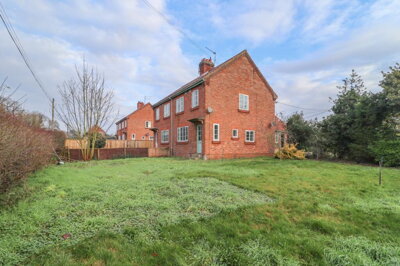
Browse 1 home for sale in West Acre from local estate agents.
Three bedroom properties represent a significant portion of the West Acre housing market, offering space for families with multiple reception rooms and gardens in many cases. Browse detached, semi-detached, and terraced options ranging from period character homes to contemporary developments.
West Acre's property market mirrors the village itself, with period homes taking the lead in an area of clear historical weight. Our data shows detached properties in West Acre have fetched around £550,000 in recent transactions, while semi-detached homes have sold for approximately £230,000. Terraced houses have averaged £338,750 on the basis of historic sales data, so demand for that type remains firm even as the wider market has softened. The 17.9% year-on-year fall comes after a broader correction from the 2019 peak, which leaves buyers looking at a market that has already reset to more realistic values.
Most of West Acre's housing stock is older and traditional, built from local materials such as coursed flint, stone, and the Holkham estate gault brick that turns up so often across Norfolk. New build activity is still very limited, with no active residential developments currently under way in the postcode area. That scarcity means buyers searching for character homes will find a small but worthwhile selection of period properties, many with listed building status or set within areas of historical significance. The village's conservation character and concentration of protected structures add to its appeal, while also bringing the usual responsibilities that come with owning heritage property.
On surveys in West Acre, we often come across building methods that are typical of Norfolk's historic housing. Coursed flint and stone walls, like those seen at the remains of West Acre Priory itself, show the traditional techniques used throughout the village. High House, one of the village's best-known Grade I listed country houses, displays high-quality Holkham estate gault brick with stucco dressings and pantiled roofs, which gives a good sense of the materials behind the area's finest residential architecture. Those traditional methods are striking, but they also tend to mean solid wall construction without modern damp-proof courses, something our surveyors regularly pick up when assessing period homes here.
The West Acre market is small enough for listings to appear only occasionally, and the most appealing homes can draw strong interest from buyers who are taken with the village's character. Getting to grips with the difference between listed and non-listed properties, along with what conservation area status means in practice, will make it easier to act when the right place comes up. Our team can put you in touch with local estate agents active in West Acre and offer guidance on a property search in this distinctive Norfolk village.

Life in West Acre is shaped by its remarkable history and the slow pace of rural Norfolk living. The village draws its name from West Acre Priory, whose evocative ruins still sit beside the peaceful River Nar. The Priory Gatehouse, Church of All Saints, and the impressive High House with its stable court all speak to the village's importance in English history. Homes here span the medieval period through to the early nineteenth century, so residents really do live within a working layer of heritage. For many, that is the attraction, along with dark skies, country walks, and a genuine sense of community.
Local amenities within the village are modest, which is normal for a place of West Acre's size, but King's Lynn is close enough to provide a full range of shopping, healthcare, and leisure facilities. Routiere, the artisan bakery that once traded from Abbey Farm in West Acre, has now moved to Newton near Castle Acre, a sign of the shifting local food scene in this part of Norfolk. Castle Acre, only a few miles away, gives residents extra day-to-day facilities, including a primary school, pub, and local shop. Beyond King's Lynn, the North Norfolk coast, with its celebrated villages, beaches, and Areas of Outstanding Natural Beauty, is still within comfortable driving distance.
West Acre's setting on the River Nar shapes both the landscape and the way people use it, with the waterway offering pleasant walks and a valuable wildlife corridor. Properties close to the river, including those at Abbey Farm, enjoy attractive surroundings but also need careful thought around flood risk, which we cover in detail in our property survey guidance. Around the village, the Norfolk countryside opens out into public rights of way, making it a good base for walkers and anyone who likes the county's mix of farmland, heathland, and coastal scenery.

Families looking at West Acre will find that most education options sit in nearby villages and in King's Lynn. Primary provision locally is served by village schools in surrounding communities, with St Mary's Church of England Primary Academy in Castle Acre taking younger children. That school serves several nearby villages, West Acre included, and school transport is usually available for village pupils. Parents should check catchments and admission arrangements carefully, as places at popular schools can be competitive, especially for families moving in from further afield.
For secondary education, King Edward VII School in King's Lynn is a long-established option, with a solid academic base and grammar school provision for those who qualify. St Peter's School in the town centre offers another route. Because West Acre is some distance from those schools, transport is an important practical point, with journey times of around 20-30 minutes by bus or car depending on traffic. Many families feel the village primary setting suits younger children well, and then the move to King's Lynn for secondary school opens up broader curriculum choices as they get older.
Older pupils needing sixth form or further education can look to King's Lynn College, which offers a broad range of vocational and academic programmes. It also provides alternatives to A-level study, including apprenticeships and professional qualifications, which may suit students who want a different path. Living in West Acre means after-school lifts and return journeys need some planning, particularly through the winter when daylight runs short. Families who place a high value on educational access may want to think carefully about school transport routes before choosing a home in the village.

West Acre sits in a handy part of Norfolk, keeping its rural feel while still giving reasonable access to larger towns and cities. The village is roughly 8 miles from King's Lynn, where the mainline station links to Cambridge, around 1 hour 30 minutes, Norwich, approximately 1 hour 15 minutes, and London King's Cross via Cambridge, usually 2 hours 30 minutes to 3 hours. That rail access makes London realistic for day trips, while Cambridge's technology and research economy is within reach for people working that way. The A47 trunk road also runs nearby, opening up routes east to Norwich and west towards Peterborough and the A1.
Bus services link West Acre with King's Lynn and nearby villages, giving a basic option for people without their own transport. Even so, frequencies on rural routes are limited compared with those in towns, so most residents still find a private vehicle essential. The village has a bus stop of its own, and services run through a mix of local operators to market towns and surrounding communities. Cycling is fine for leisure, though the Norfolk lanes need care because they are often narrow and can carry farm traffic.
Commuters can park at King's Lynn station, although spaces may be tight at busy times. Those who work from home often get the best of West Acre, because the setting gives room and calm for productive remote work, with the rail links there for the occasional trip in. Broadband speeds vary from one part of the village to another, but for most homes they are adequate for modern home-working needs. If your job suits a hybrid pattern, West Acre makes a strong base, with countryside living and access to major employment centres both in the mix.

Begin by looking at current listings in West Acre through Homemove, and take note of the property types on offer, the price bands, and the very particular feel of the village's historic housing stock. Getting clear on the difference between listed and non-listed homes, and on what conservation area status means, will help you make better decisions from the start. Given the area's heritage concentration, a little research into the history and status of any home you're interested in can spare you unwanted surprises after purchase.
Once a few homes stand out, arrange viewings through the listed estate agents. With West Acre's heritage properties, it is sensible to keep an open mind about renovation potential, but to remember the Listed Building Consent rules for any changes you may have in mind. We would also look closely at the condition of traditional building elements, including flint and brickwork, roof coverings, and any signs of damp or structural movement that may need a closer look later.
Get a mortgage agreement in principle before you make an offer. Lenders who know the Norfolk rural market can advise on non-standard construction and properties in conservation areas. Speak to Homemove's mortgage partners for competitive rates and specialist advice on borrowing options. With period homes in West Acre, some lenders may ask for a more detailed valuation because heritage properties can be more complex.
For older homes in West Acre, a RICS Level 2 Survey, also known as a HomeBuyer Report, is strongly recommended to pick up structural concerns, damp problems, or timber defects that often crop up in period property. A Level 3 Building Survey may be a better fit for listed buildings or homes with more complex construction. Our surveyors have experience with traditional Norfolk building, including coursed flint, stone, and gault brick, and produce detailed reports that pick out defects specific to the village's housing stock.
Choose a conveyancing solicitor who knows rural Norfolk property transactions well, especially where listed buildings or conservation areas are involved. They will deal with local searches, check the title, and cover any planning conditions attached to the purchase. Local searches through King's Lynn and West Norfolk Borough Council will show planning constraints, conservation area requirements, and any flood risk designations that matter to the property.
When the searches are clean and the finance is in place, your solicitor will exchange contracts and agree a completion date. West Acre purchases usually complete within the standard 4-6 week timeframe, after which the keys are handed over and life in this historic Norfolk village can begin properly. Our team can suggest local tradespeople and services to help you get settled into the new home.
Buying in West Acre does mean thinking about a few area-specific issues that are different from more standard residential locations. The village has a high concentration of listed buildings, so many homes come with legal duties around upkeep and alteration. Grade I and Grade II* listed properties, such as those in West Acre, need Listed Building Consent for almost any external or structural change, which can make renovation work more involved and more expensive than the same job on an unlisted home. Before you buy, make sure you are comfortable with those obligations and with the extra time and cost they can bring.
Another point to watch is flood risk for properties close to the River Nar, where flooding can affect land near the watercourse. Homes at Abbey Farm and those near the priory ruins deserve particular attention when it comes to flood history and any mitigation already in place. Insurance can be more expensive than average in flood risk areas, and lenders will want flood risk assessments where relevant. Survey reports should also cover damp penetration, which can be an issue in older homes built with traditional solid walls and no modern damp-proof courses.
The historic buildings in West Acre use materials such as coursed flint, stone, and handmade brick, and those need a specialist eye when property condition is being assessed. They breathe differently from modern brickwork, and age-related marks can be normal for the type even if they need proper interpretation. When we survey homes in West Acre, we routinely check for rising damp through solid walls, worn lime mortar pointing, and the condition of timber-framed elements where these are present.
Where older properties do contain timber-framed sections, we look for signs of woodworm or rot, both of which turn up often in Norfolk's period housing stock. Homes with thatched or pantiled roofs need specialist roof surveys and can attract higher insurance premiums. The Holkham estate gault brick seen at High House and other prominent buildings shows the quality of materials once used in the village, although even strong construction needs ongoing upkeep. When viewing any period home in West Acre, it pays to look beyond the decoration and check the underlying structure for movement, damp, or deterioration that could mean future spending.

Planning your West Acre purchase means looking beyond the sale price and taking the full cost picture into account. The current average property price of £230,000 would attract stamp duty land tax at standard rates unless first-time buyer relief applies. At that price, a standard buyer would pay no SDLT on the first £250,000, so the tax bill is zero. First-time buyers get the same result because the qualifying threshold reaches £425,000. Even so, if you are buying a larger period home or a detached property close to £550,000, the SDLT calculation needs careful attention to the right thresholds.
Stamp duty is only one part of the bill. You will also need to budget for solicitor fees for conveyancing, usually somewhere between £500 and £1,500 depending on how complex the matter is and whether the property is freehold or leasehold. Rural homes with listed building status or conservation area issues often need extra legal work, which can push costs towards the top of that range. Search fees from King's Lynn and West Norfolk Borough Council, including local, drainage, and environmental searches, are generally £250-£400. Those searches matter, because they help reveal planning limits, flood risk designations, and environmental issues that could affect the property.
For a property in West Acre, a RICS Level 2 Survey often costs between £380 and £600, although the figure varies with size and value. Across the country, the average for RICS Level 2 Surveys sits at roughly £445-£455, with homes under £200,000 possibly costing around £384 and those over £500,000 averaging £586. If the property is listed or has a more complicated construction, a RICS Level 3 Survey may come in at £600-£1,000 or more, but that usually gives the depth of assessment heritage homes need. Our team can arrange surveys with surveyors who know West Acre's traditional building methods, so defects tied to the village's housing stock are properly picked up.

Recent sales data puts the current average property price in West Acre at £230,000. That is a marked correction from the 2019 peak of approximately £425,500, which means values are down by around 46% from the high point. Detached homes have sold at around £550,000, semi-detached properties at approximately £230,000, and terraced homes at an average of £338,750. Over the last 12 months the market has fallen by 17.9%, so buyers now have more accessible entry points than they did a few years ago. Even with 28 total property sales over the past year, the village has kept a steady level of activity alongside the price changes seen across the wider Norfolk market.
King's Lynn and West Norfolk Borough Council covers properties in West Acre. Council tax bands run from A through H, depending on the assessed value of the home. Rural Norfolk properties, especially older period homes with historic features, fall into different bands according to their characteristics. You can check the band for any property through the HM Government valuation office website or by speaking to King's Lynn and West Norfolk Borough Council directly. Their website also gives online access to band checks and estimated council tax costs for homes in the West Acre area.
Primary education for West Acre is available at nearby village schools, including St Mary's Church of England Primary Academy in Castle Acre, which serves several surrounding villages, West Acre among them. Secondary options include King Edward VII School in King's Lynn, which also offers sixth form provision and works as a grammar school for eligible pupils, and St Peter's School in the town centre, which gives another choice. For post-16 education, King's Lynn College provides vocational and academic programmes. Families should check catchment areas and admission criteria as they can affect school places, and transport arrangements should also be considered when weighing up homes in West Acre.
Transport is limited in West Acre, as you would expect in a rural Norfolk village, with bus services running to King's Lynn and nearby communities at lower frequencies than urban routes. King's Lynn railway station, about 8 miles away, gives mainline links to Cambridge, 1 hour 30 minutes, Norwich, 1 hour 15 minutes, and London King's Cross via Cambridge, 2 hours 30 minutes to 3 hours. The A47 trunk road gives road access to Norwich and Peterborough, while the A10 offers routes towards Ely and Cambridge. Most residents still depend on private cars for everyday travel, with public transport used mainly for occasional journeys and commuting to larger employment centres.
West Acre has a niche appeal that comes from its strong heritage credentials and quiet Norfolk setting, which draws buyers looking for character homes in a historic village. Property values have corrected sharply from the 2019 highs, so investors who believe in the long-term draw of rural Norfolk village property may see an opening. That said, the village is small, local amenities are limited, and listed properties carry obligations, so rental demand is likely to remain modest. Homes near the River Nar also bring flood risk questions that can affect future value or insurance. As with any property investment, proper local research and a clear view of rental yields and capital growth are needed before committing to a purchase in West Acre.
Standard SDLT rates apply to purchases in West Acre, with 0% on the first £250,000 of the purchase price, 5% on the part between £250,001 and £925,000, 10% on the part between £925,001 and £1.5 million, and 12% on amounts above £1.5 million. First-time buyers get relief on the first £425,000 at 0%, with 5% applying between £425,001 and £625,000, although no relief applies above £625,000. Given West Acre's current average price of £230,000, most first-time buyers would pay no SDLT on qualifying homes. For higher-value period properties or detached houses in the village, the stamp duty calculation needs to reflect the correct thresholds.
Buying a period property in West Acre means taking a close look at the condition of the traditional building materials, especially the coursed flint, stone, and gault brick walls that define the village's historic homes. These often sit as solid wall construction without modern damp-proof courses, so damp assessment is a key part of any survey. Check for movement in walls, worn lime mortar pointing, and the state of timber elements, including joists, beams, and any timber-framed sections. If the property is listed, allow for the time and cost of Listed Building Consent before any work starts. Homes near the River Nar should be checked for flood risk signs, and insurance for flood-affected properties can be higher than average.
New build activity in West Acre stays minimal, with no active residential developments currently under way in the village postcode area. The historic character of the village and its conservation qualities mean that new development is likely to remain tightly controlled, which helps preserve the area's distinctive appearance. Buyers looking for a newly built home in this corner of Norfolk may need to look to neighbouring villages or to King's Lynn itself. Because there is so little new build stock, the West Acre market is made up almost entirely of period properties, which suits character home buyers but also brings maintenance and renovation considerations.
From £380
A detailed inspection for West Acre's period homes, looking closely at defects common in traditional construction, including damp, timber issues, and structural concerns.
From £600
A more detailed building survey for listed properties, older homes, and complex construction, giving a full assessment of structural integrity and renovation issues.
From 4.5%
Mortgage rates with specialist advice for rural Norfolk properties, including homes in conservation areas and listed buildings.
From £499
Conveyancing solicitors with experience in rural Norfolk property transactions, including listed building purchases and conservation area requirements.
Properties for Sale In London

Properties for Sale In Plymouth

Properties for Sale In Liverpool

Properties for Sale In Glasgow

Properties for Sale In Sheffield

Properties for Sale In Edinburgh

Properties for Sale In Coventry

Properties for Sale In Bradford

Properties for Sale In Manchester

Properties for Sale In Birmingham

Properties for Sale In Bristol

Properties for Sale In Oxford

Properties for Sale In Leicester

Properties for Sale In Newcastle

Properties for Sale In Leeds

Properties for Sale In Southampton

Properties for Sale In Cardiff

Properties for Sale In Nottingham

Properties for Sale In Norwich

Properties for Sale In Brighton

Properties for Sale In Derby

Properties for Sale In Portsmouth

Properties for Sale In Northampton

Properties for Sale In Milton Keynes

Properties for Sale In Bournemouth

Properties for Sale In Bolton

Properties for Sale In Swansea

Properties for Sale In Swindon

Properties for Sale In Peterborough

Properties for Sale In Wolverhampton

Enter your details to see if this property is within your budget.
Loans, cards, car finance
Estimated property budget
Borrowing + deposit
You could borrow between
Typical borrowing
Monthly repayment
Est. at 4.5%
Loan-to-value
This is an estimate only. Your actual budget may vary depending on interest rates, credit history, and personal circumstances. For an accurate affordability assessment, speak to one of our free mortgage advisors.
This calculator provides estimates for illustrative purposes only and does not constitute financial advice. Your home may be repossessed if you do not keep up repayments on your mortgage. Estimates based on 4.5% interest rate, repayment mortgage. Actual rates depend on your circumstances.
Homemove is a trading name of HM Haus Group Ltd (Company No. 13873779, registered in England & Wales). Homemove Mortgages Ltd (Company No. 15947693) is an Appointed Representative of TMG Direct Limited, trading as TMG Mortgage Network, which is authorised and regulated by the Financial Conduct Authority (FRN 786245). Homemove Mortgages Ltd is entered on the FCA Register as an Appointed Representative (FRN 1022429). You can check registrations at NewRegister or by calling 0800 111 6768.

We use cookies to show you personalised content and improve your experience of our website. Find out more in our Privacy policy and Cookie policy.