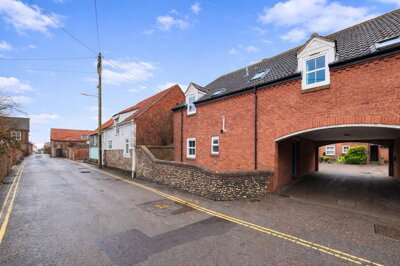
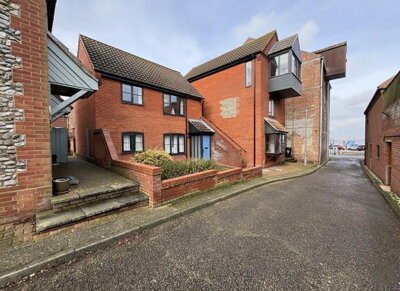
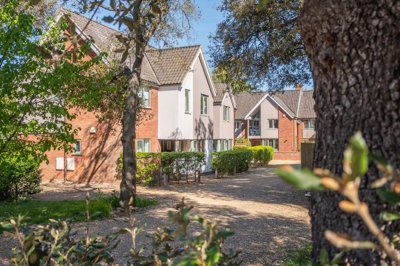
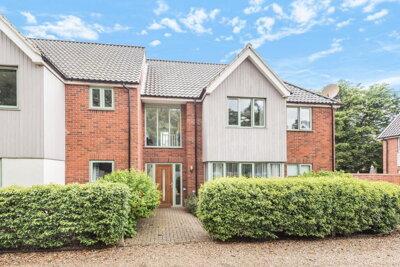
Browse 7 homes for sale in Wells-Next-the-Sea from local estate agents.
Studio apartments feature open-plan living spaces without separate bedrooms, incorporating sleeping, living, kitchen, and bathroom facilities. The Wells Next The Sea studio market includes properties in modern apartment complexes, converted Victorian and Georgian buildings, and purpose-built developments.
===PASSAGE 1=== The Wells-Next-the-Sea property market feels fairly steady, though there are small changes in pricing momentum from one type of home to the next. Our figures show detached properties at the top of the tree, averaging £737,136, with semi-detached homes around £405,625. Terraced properties in the town usually sell for £398,177, while the small pool of flats averages £387,500. Across all property types, the current asking price is £446,307, which underlines the premium attached to homes in this sought-after coastal location. ===PASSAGE 2=== Recent activity points to a gentle easing in prices rather than any sharp correction. House prices in the NR23 postcode fell by -3.6% over the past twelve months, after a 7% drop from the 2022 peak of £514,778. Even so, the longer-term picture is still positive, with prices up 3% against previous years. Asking prices have also softened by roughly 2.7% over the last six months, which may open a window for well-prepared buyers. With only 31 property sales recorded in the past year, the market moves at its own pace, and good homes still draw plenty of interest. ===PASSAGE 3=== We suggest arranging a mortgage agreement in principle before viewings begin. With average prices in Wells-Next-the-Sea sitting around £446,307, most buyers will need mortgage finance. Having the paperwork in place strengthens any offer and shows sellers that the buyer is serious. A mortgage broker who knows Norfolk properties can be particularly useful, especially where older homes, listed buildings, or non-standard construction call for specialist lending criteria. ===PASSAGE 4=== Wells-Next-the-Sea has a sizeable stock of older homes, including listed buildings and historic cottages, so a RICS Level 2 survey gives useful detail on condition before purchase. Survey costs usually sit somewhere between £400-800, depending on value and complexity. For older buildings, converted properties, or homes showing visible defects, a RICS Level 3 Building Survey may be the better fit, even if it costs more. Listed buildings can call for surveyors with real experience of historic construction and traditional methods. ===PASSAGE 5=== A conveyancing specialist with knowledge of Norfolk properties and historic buildings is a sensible choice. The solicitor will deal with searches, contract review, and registration. Where a property is listed or sits in a conservation area, the legal work becomes more involved, and that specialist experience matters. Local search results for Wells-Next-the-Sea can uncover issues tied to flood risk, coastal erosion, and historic designations, all of which need careful reading. Legal fees are usually around £500-1,500, and they can rise for more complicated transactions. ===PASSAGE 6=== Based on recent sales data in the NR23 postcode, the average house price in Wells-Next-the-Sea is about £446,307. Detached homes are the most expensive at around £737,136, while semi-detached properties average £405,625 and terraced homes sell for about £398,177. Flats average roughly £387,500, although supply is limited. The current average asking price is also £446,307, a reflection of the pricing expectations in this desirable coastal market, where harbour views or a short walk to the beach usually add a premium. ===PASSAGE 7=== Stamp Duty Land Tax applies to a Wells-Next-the-Sea purchase according to the price paid and the buyer’s status. For standard buyers purchasing at the current average price of about £446,307, the charge is 0% on the first £250,000 and 5% on the portion from £250,001 to £446,307, which comes to around £9,815 in total. First-time buyers buying homes up to £625,000 may qualify for relief, paying 0% on the first £425,000 and 5% on the remainder, which brings the stamp duty down to approximately £1,065. Properties above £925,000 attract higher rates, with 5% on the band up to £925,000 and 10% above that. A further 3% surcharge applies to second homes and investment properties. ===PASSAGE 8=== Budgeting for a Wells-Next-the-Sea purchase means looking beyond the asking price and taking the full cost of buying into account.
House prices in the NR23 postcode fell by -3.6% over the past twelve months, after a 7% drop from the 2022 peak of £514,778. Even so, the longer-term picture is still positive, with prices up 3% against previous years. Asking prices have also softened by roughly 2.7% over the last six months, which may open a window for well-prepared buyers. With only 31 property sales recorded in the past year, the market moves at its own pace, and good homes still draw plenty of interest.
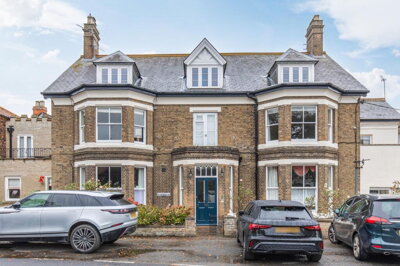
From flint fishermen’s cottages close to the harbour to Georgian townhouses around The Buttlands, Wells-Next-the-Sea offers a wide spread of property styles. There are also converted luxury apartments in former maltings and granary buildings. Most recent sales have been detached homes, though terraced cottages remain popular with buyers who want period character at a more approachable price. New-build activity in the NR23 postcode is extremely limited, so most purchases come from the older stock that gives the town its distinctive look.

Wells-Next-the-Sea is a town that rewards a bit of time and attention. The 2021 census puts its population at around 2,147 residents, and that figure has stayed broadly stable for two decades, apart from the seasonal swell brought by tourists and holidaymakers. The balance between working harbour and visitor destination still feels intact. Fishermen continue to launch boats from the historic harbour, which sits approximately one kilometre inland from the sea because of centuries of silting, while beachgoers head for the wide sands reached along the distinctive flood-defence bank.
Its buildings tell the story neatly enough. Flint fishermen’s cottages sit close to the harbour, their rough walls reflecting generations of maritime life. A short walk takes you to the uneven terraces, the Georgian houses around The Buttlands, and the converted maltings now turned into apartments. St Nicholas Church, a Grade II* listed building dating from the 13th century, gives the historic core its anchor. Second homeowners and holiday lets also shape the local economy, supporting tourism but affecting the amount and make-up of housing available for year-round residents.
Day-to-day amenities are spread around the harbour area and the historic high street, where independent shops, cafes, and pubs serve both residents and visitors. There are galleries, antique dealers, and artisan businesses alongside more traditional trades. During the summer, Wells Beach Road draws several well-liked eateries, while year-round needs are covered by familiar services such as a pharmacy, post office, and convenience stores. The cooperative store near the harbour provides essentials, and farmers markets bring local produce into town throughout the year.
Community life in Wells-Next-the-Sea still centres on events that have been part of town life for generations. The annual carnival, regatta, and lifeboat day all bring people together, while the local football club and sailing club give residents of different ages something to join in with. The Buttlands park is another natural gathering point, especially in warmer months, with open space and mature trees making it pleasant for families and casual meet-ups. The two churches, several pubs, and the community hall all help hold the town’s social life together.

Families moving to Wells-Next-the-Sea tend to focus on Wells Primary School, which serves the town and nearby villages. It teaches children from Reception through to Year 6 and offers a community-led setting where class sizes are usually more manageable than in larger towns and cities. For secondary education, pupils usually travel to Fakenham, about eight miles inland, where Fakenham Academy provides secondary and sixth-form places. School transport is normally arranged by bus between the coast and inland schools.
The wider North Norfolk area gives families a few more choices, including grammar schools in King's Lynn to the west and selective schools in Norwich to the south. Catchment areas in this rural part of Norfolk can stretch a long way, so access to school transport routes matters when looking at properties. Homes near the Fakenham Road corridor may make daily school runs a little easier. Where moving dates are fixed, early registration with Norfolk County Council's school admissions team is wise, especially given the seasonal swings in local population.
Independent schools within a reasonable drive include St Peter's School in Walsingham, along with the broader range of schools in Norwich, where several respected independent preparatory and senior schools are based. Anyone considering private education should think carefully about travel time and logistics, because living in a rural area usually means longer daily journeys. For families coming from towns and cities, the Norfolk set-up can take some adjusting to, particularly once school applications and journey planning come into the picture.

Transport links from Wells-Next-the-Sea reflect its role as a small coastal town rather than a transport hub. There is no railway station, and the nearest National Rail services are at King's Lynn, roughly 25 miles to the southwest, with routes to Cambridge and London King's Cross. Norwich railway station is about 45 miles away and gives access to London Liverpool Street as well as the wider East Anglia network. For people commuting regularly, that rural position means journey times and parking at connecting stations need proper thought.
Road access has a strong influence on daily life in this part of North Norfolk. The A149 coast road links Wells-Next-the-Sea with surrounding towns and villages, although journeys to larger centres often cover 20-30 miles on mostly rural roads. Fakenham is the nearest substantial place for shopping and services, at around eight miles away. Norwich is usually a 45-60 minute drive depending on traffic, while King's Lynn can often be reached in 40-50 minutes. Norfolk Green and other operators run local buses, but frequency reflects the rural setting and may leave limited options for anyone without a car.
Cycling works well for shorter trips, helped by the fairly flat land around Wells-Next-the-Sea. Several scenic routes leave the town, including the path towards Holkham National Nature Reserve and the coastal route towards Stiffkey and Morston. That said, narrow lanes and summer tourist traffic mean cyclists still need to take care. For anyone who commutes to larger employment centres, the lack of direct rail links makes home working or flexible hours an important part of the decision when weighing up Wells-Next-the-Sea as a base.

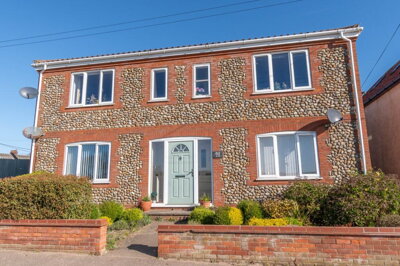
Knowing a little about local construction helps buyers make sense of the homes they see in Wells-Next-the-Sea. The town sits on Late Cretaceous Chalk bedrock with overlying glacial deposits, and that geology has shaped building methods for centuries. Flint from local glacial deposits became the main material for fishermen’s cottages and farm buildings, while chalk was used for foundations and, at times, wall construction. Georgian and Victorian builders also brought in brick for quoins, window surrounds, and the more substantial houses.
Most properties in Wells-Next-the-Sea were built before modern regulations and current construction standards. Flint fishermen’s cottages usually have thick solid walls without cavity insulation, lime-based mortars instead of Portland cement, and traditional timber-framed or single-skin techniques. Georgian townhouses around The Buttlands often combine brick and rendered finishes, with high ceilings and original sash windows. The converted maltings and granary buildings are a good example of adaptive reuse from the 19th century, turned into apartments while keeping features such as exposed beams, high ceilings, and generous windows looking towards the harbour.
This mix of older construction brings plenty of character, but it also adds maintenance questions. Solid walls behave differently from modern cavity-insulated homes, so damp has to be dealt with using traditional methods rather than standard modern fixes. Original timber windows can outlast replacement UPVC when they are properly looked after, although they need regular painting and attention to glazing putty. Clay within the local till deposits can also lead to movement in properties with shallow traditional foundations, especially during drought or heavy rain, when clay soils shrink and swell.
Start by looking through our property listings for Wells-Next-the-Sea and the wider NR23 postcode. It helps to understand current asking prices, the types of homes on offer, and recent sale prices before getting too far ahead. With only 31 properties selling each year in this market, patience and preparation matter. It also makes sense to register with estate agents active in the area, including those with offices in Fakenham, and set up property alerts so new listings do not slip past.
We suggest arranging a mortgage agreement in principle before any viewings start. Average prices in Wells-Next-the-Sea are around £479,302, so most buyers will need mortgage finance. Having finances confirmed gives an offer more weight and shows sellers that the buyer is ready to proceed. Speaking to a mortgage broker who knows Norfolk properties can help too, especially where older homes, listed buildings, or non-standard construction call for specialist lending criteria.
It is well worth spending time in Wells-Next-the-Sea on different days and in different seasons. Summer brings a much busier atmosphere than winter. Talk to local people, visit the harbour, walk down to the beach, and think about whether the pace of coastal life suits daily routines. Attending a few community events, calling into local shops and cafes, and trying the commute route before making an offer can tell you a great deal about the place.
Because Wells-Next-the-Sea has so many older homes, including listed buildings and historic cottages, a RICS Level 2 survey gives important insight into condition before purchase. Survey fees are usually in the £400-800 range, depending on value and complexity. For older buildings, conversions, or homes with obvious defects, a RICS Level 3 Building Survey may be the better option, even though it costs more. Listed buildings may need surveyors who understand historic construction and traditional techniques.
A conveyancing specialist with Norfolk and historic-building experience is the right sort of help here. The solicitor handles searches, contract review, and registration. Where a property is listed or within a conservation area, the legal work becomes more involved and specialist knowledge is valuable. Search results in Wells-Next-the-Sea can highlight flood risk, coastal erosion, and historic designations, all of which need to be interpreted with care. Legal fees are usually around £500-1,500, though more complex transactions can cost more.
The final stages are mortgage offer acceptance, exchange of contracts, and completion. The solicitor keeps the process moving and coordinates with the other parties so ownership transfers cleanly. Extra funds should be set aside for stamp duty, solicitor fees, and removals. For properties in the conservation area, any planning conditions or listed building consent matters need to be settled before completion. It is also sensible to plan for keys, utility changes, and any agreed post-completion works with the seller.
Homes in Wells-Next-the-Sea deserve a careful inspection because of their age and coastal setting. The town’s Late Cretaceous Chalk bedrock and overlying glacial deposits can create ground movement, particularly where clay sits within the local till deposits. Buyers should watch for subsidence, cracking in walls, and doors or windows that stick or refuse to close neatly. Those signs may point to foundation concerns that need professional assessment before any commitment. The chalk beneath parts of the town can also produce localised conditions where shallow traditional foundations react to changes in ground moisture.
The coastal setting creates its own set of questions for buyers in Wells-Next-the-Sea. Properties near the harbour, salt marshes, or flood-defence infrastructure face higher flood risk from tidal surge and surface water. The infamous Wells tide can alter beach conditions very quickly, so buyers should check Flood Risk Assessment data for the exact property and street. Homes with a history of flooding can be harder to insure or finance without specialist providers. It is also important to understand the Environment Agency flood zones for the street in question. Properties on The Quay and Staithe Street deserve particular scrutiny because they sit close to tidal water.
The large number of listed buildings in Wells-Next-the-Sea brings planning issues that affect renovation budgets and future works. Homes on Brigg Square, Church Plain, Staithe Street, Park Road, and High Street include many Grade II designations, while St Nicholas Church holds Grade II* status. Listed building consent is needed for many changes and improvements, so buyers should think about those restrictions when planning a renovation budget. Conservation area status also limits permitted development rights across much of the town centre. Service charges and maintenance contributions for converted buildings, especially the former maltings and granaries, need close attention because they vary a lot between developments.
Some of the more common defects in Wells-Next-the-Sea properties include damp penetration in solid-walled flint cottages where traditional lime mortar pointing has broken down, roof problems where clay or slate tiles have reached the end of their natural life, and timber issues such as wet rot and woodworm where ventilation has been reduced by modern alterations. A number of older homes still have galvanised steel or lead plumbing, which may need replacement. Electrical systems in period properties often fall short of current standards and may need a full rewire before occupation. Asbestos-containing materials are still possible in homes built before 1999, especially in outbuildings, old floor tiles, or pipe insulation.
Based on recent sales data in the NR23 postcode, the average house price in Wells-Next-the-Sea stands at about £479,302. Detached properties are the most expensive at around £594,942, while semi-detached homes average £467,500 and terraced properties sell for roughly £351,600. Flats average about £200,000, although there are not many of them on the market. The current average asking price is £507,366, which reflects price expectations in this desirable coastal market, where harbour views or closeness to the beach usually carry a premium.
Wells-Next-the-Sea falls under North Norfolk District Council for local administration. Most residential homes in the town sit in council tax bands A through D, though the mix of Georgian and Victorian properties means some will sit higher. Smaller flint fishermen’s cottages often land in lower bands because of their modest size, while larger Georgian townhouses around The Buttlands may sit in bands D through F. Banding affects annual council tax and should be added to the wider budget alongside mortgage and utility costs. Specific bandings can be checked on the Valuation Office Agency website using the property address.
Wells Primary School serves children of primary age in the town, with Reception through Year 6 and a reputation for community involvement and individual attention, helped by smaller class sizes. For secondary education, pupils generally go to schools in Fakenham, about eight miles away, including Fakenham Academy, which provides secondary and sixth-form places. Families should check current catchment arrangements with Norfolk County Council, since these can change and may affect school allocation for a property address. Grammar school options also exist in King's Lynn for those who meet the selection criteria, although that involves a long daily journey.
Public transport in and out of Wells-Next-the-Sea reflects its rural coastal setting, with no railway station and a reliance on buses for most public transport access. The nearest National Rail services are at King's Lynn, around 25 miles away, with links to Cambridge and London King's Cross, while Norwich station offers services to Liverpool Street. Local bus services run by Norfolk Green and similar operators connect Wells with surrounding communities including Fakenham, although frequencies can be as low as two or three services a day on the less common routes. Anyone without a car will find regular city-centre commuting difficult, so daily office attendance is rarely practical.
Wells-Next-the-Sea attracts buyers and investors for a few clear reasons, not least the strong tourism sector that supports holiday-let potential through the summer and the shoulder months. Flint cottages, converted maltings, and Georgian homes all have the sort of character that appeals to buyers looking for a coastal retreat. Second homeowners continue to show steady demand for North Norfolk, and there is rental income potential in well-presented properties in good locations. Even so, the market is slow, with only around 31 sales a year, so capital growth tends to be more modest than in busier markets. Flood risk affects some homes and can influence insurance availability, while rental yields may be moderate because tourism is seasonal and purchase prices sit above regional averages.
Stamp Duty Land Tax applies to a Wells-Next-the-Sea purchase according to the price paid and the buyer’s status. For standard buyers purchasing at the current average price of about £479,302, the charge is 0% on the first £250,000 and 5% on the portion from £250,001 to £479,302, which comes to around £11,465 in total. First-time buyers buying homes up to £625,000 may qualify for relief, paying 0% on the first £425,000 and 5% on the remainder, which brings the stamp duty down to approximately £2,715. Properties above £925,000 attract higher rates, with 5% on the band up to £925,000 and 10% above that. A further 3% surcharge applies to second homes and investment properties.
Flood risk is a serious point for property buyers in Wells-Next-the-Sea because of the coastal location, the tidal waters nearby, and the town’s history of flooding in extreme weather. Homes near The Quay, Staithe Street, and the harbour sit within Environment Agency flood zones and are exposed to tidal surge and surface water flooding. The infamous Wells tide can change quickly, and the low-lying parts of town mean insurance premiums can be higher for some properties. Buyers should get a detailed flood risk report for the exact address, confirm insurance is available before committing, and check whether the current owners have already put in flood resilience measures such as raised electrics or hard flooring.
Budgeting for a Wells-Next-the-Sea purchase means accounting for every cost, not just the property price. The current stamp duty Land Tax thresholds for 2024-25 charge 0% on the first £250,000 of residential purchases, 5% on the portion from £250,001 to £925,000, 10% up to £1.5 million, and 12% above £1.5 million. For a typical Wells-Next-the-Sea property at £479,302, that gives a stamp duty bill of around £11,465 for standard buyers, while first-time buyer relief may reduce it to £2,715 for eligible purchases up to £625,000. Second homes and buy-to-let purchases attract an extra 3% surcharge across all bands.
There are other buying costs to keep in mind too. Solicitor fees usually run from £500 to £1,500, depending on complexity and property value. In Wells-Next-the-Sea, older homes, especially listed buildings in the conservation area, may need extra legal work on title checks, planning searches, and listed building consents, which can push those fees higher. A RICS Level 2 home buyers report generally costs £400 to £800 depending on size and value, although older or more complex properties may cost more. Homes above £500,000 typically average around £586 for survey costs, while pre-1900 properties can attract a 20-40% premium because of their construction. Listed building status may add another £150-400.
Mortgage arrangement fees, often 0.5-1.5% of the loan amount, may be added to the mortgage or paid upfront, depending on the deal chosen. Lender valuation fees usually fall between £150-500, again depending on property value. Removal costs vary a lot with distance and the amount being moved, while older homes may also need renovation budgets set aside. In Wells-Next-the-Sea, it is common for buyers to face updates to electrical systems, plumbing, or energy efficiency, so those possible costs need to sit alongside the purchase price and all associated fees.
Properties for Sale In London

Properties for Sale In Plymouth

Properties for Sale In Liverpool

Properties for Sale In Glasgow

Properties for Sale In Sheffield

Properties for Sale In Edinburgh

Properties for Sale In Coventry

Properties for Sale In Bradford

Properties for Sale In Manchester

Properties for Sale In Birmingham

Properties for Sale In Bristol

Properties for Sale In Oxford

Properties for Sale In Leicester

Properties for Sale In Newcastle

Properties for Sale In Leeds

Properties for Sale In Southampton

Properties for Sale In Cardiff

Properties for Sale In Nottingham

Properties for Sale In Norwich

Properties for Sale In Brighton

Properties for Sale In Derby

Properties for Sale In Portsmouth

Properties for Sale In Northampton

Properties for Sale In Milton Keynes

Properties for Sale In Bournemouth

Properties for Sale In Bolton

Properties for Sale In Swansea

Properties for Sale In Swindon

Properties for Sale In Peterborough

Properties for Sale In Wolverhampton

Enter your details to see if this property is within your budget.
Loans, cards, car finance
Estimated property budget
Borrowing + deposit
You could borrow between
Typical borrowing
Monthly repayment
Est. at 4.5%
Loan-to-value
This is an estimate only. Your actual budget may vary depending on interest rates, credit history, and personal circumstances. For an accurate affordability assessment, speak to one of our free mortgage advisors.
This calculator provides estimates for illustrative purposes only and does not constitute financial advice. Your home may be repossessed if you do not keep up repayments on your mortgage. Estimates based on 4.5% interest rate, repayment mortgage. Actual rates depend on your circumstances.
Homemove is a trading name of HM Haus Group Ltd (Company No. 13873779, registered in England & Wales). Homemove Mortgages Ltd (Company No. 15947693) is an Appointed Representative of TMG Direct Limited, trading as TMG Mortgage Network, which is authorised and regulated by the Financial Conduct Authority (FRN 786245). Homemove Mortgages Ltd is entered on the FCA Register as an Appointed Representative (FRN 1022429). You can check registrations at NewRegister or by calling 0800 111 6768.

We use cookies to show you personalised content and improve your experience of our website. Find out more in our Privacy policy and Cookie policy.