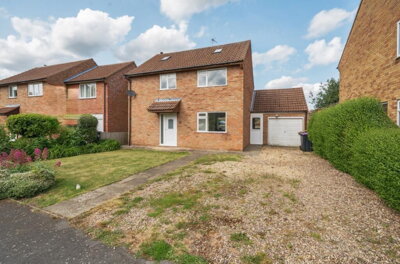
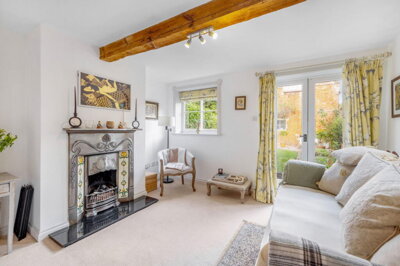
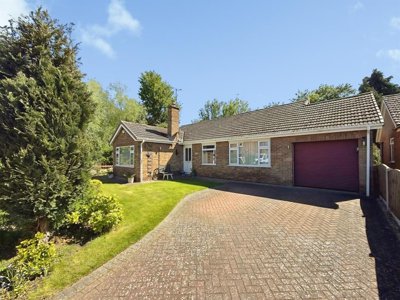
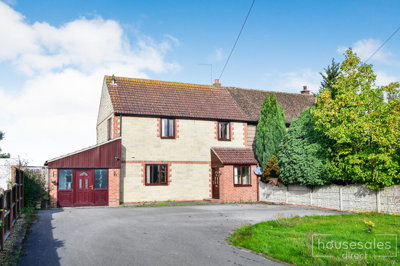
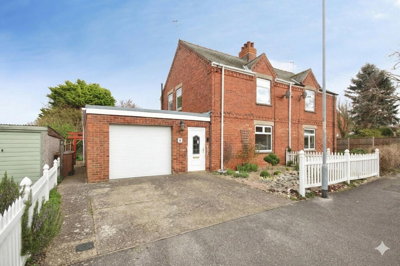
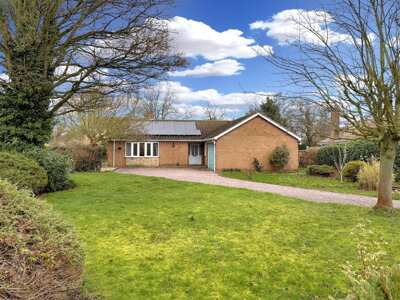
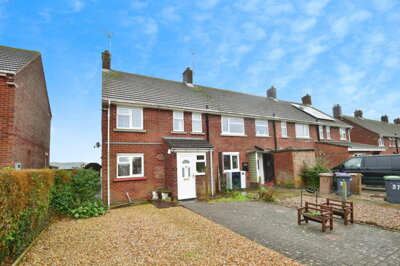
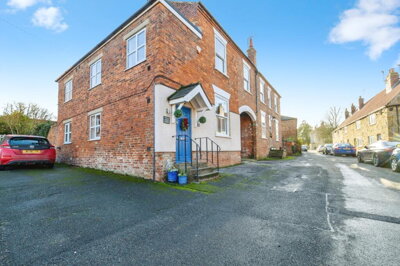
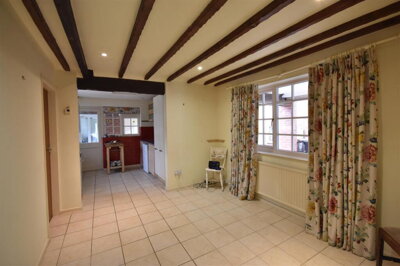
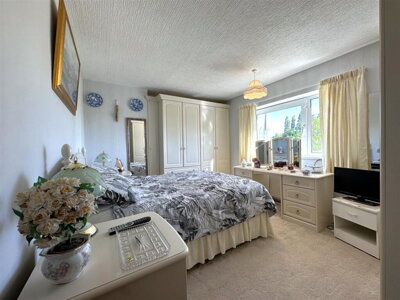
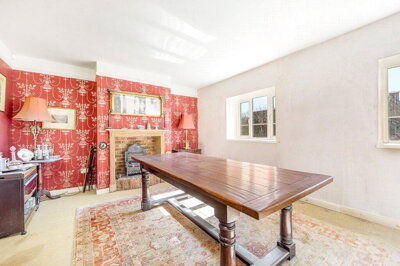
Browse 11 homes for sale in Welbourn, North Kesteven from local estate agents.
Three bedroom properties represent a significant portion of the Welbourn housing market, offering space for families with multiple reception rooms and gardens in many cases. Browse detached, semi-detached, and terraced options ranging from period character homes to contemporary developments.
£235k
2
0
104
Source: home.co.uk
Showing 2 results for 3 Bedroom Houses for sale in Welbourn, North Kesteven. The median asking price is £235,000.
Source: home.co.uk
Semi-Detached
2 listings
Avg £235,000
Source: home.co.uk
Source: home.co.uk
Welbourn’s property market offers a strong pull for buyers who want village life in South Lincolnshire. Average prices are currently around £359,994, depending on the source, and the figures have moved around quite a bit across property types over the past year. Detached homes sit at the top end, with recent sales averaging about £470,000, and median prices for this type have risen by 29.2% compared with 2024. Those bigger family houses, with generous plots and period features, tend to draw buyers who are happy to pay for space and character in a village setting. New-build activity within Welbourn itself is limited, so most homes are established properties with real heritage, although nearby schemes in Leadenham, Ancaster, and Sleaford give buyers a brand-new option if that is the priority.
At around £245,000, semi-detached homes in Welbourn sit in an appealing value bracket and can be a practical way into the local market. That said, this part of the market has softened, with prices falling by around 17.6% year-on-year. Terraced houses, usually from £189,975, have seen a similar dip, down 33.2% on the previous year. The spread means buyers can choose between modest village cottages and larger family houses, depending on budget and priorities. For new-builds, nearby developments include Kings Meadow in Leadenham, with 3, 4, and 5 bedroom houses, The Willows in Ancaster with 3 bedroom homes, and Holdingham Grange near Sleaford, where 2, 3, and 4 bedroom properties and bungalows are available. For anyone set on new construction, those surrounding villages are the obvious alternatives while still keeping Welbourn within easy reach.

Day-to-day life in Welbourn follows the agricultural calendar, with a community spirit that feels familiar to many rural Lincolnshire villages. The parish has around 660 residents, and village events, the hall, and church activities around St Chad’s Church keep the social side of things active. It appeals to people who want to leave urban congestion behind without giving up access to the essentials. The Welbourn Neighbourhood Plan shapes development across the parish, keeping growth in step with the village’s character and protecting the details that make it distinctive. You will find 1950s family houses, early twentieth-century semi-detached homes, and older cottages side by side, which gives the streetscape a layered, lived-in feel.
Beyond the houses, the wider landscape is firmly agricultural, with 62% of local land used for cereal growing and 9% as pasture. That farming background influences both the economy and the look of the place. Two working farms and an engineering works provide local employment for residents who would rather stay close to home than commute. Traditional barns and agricultural buildings sit alongside residential streets, so the village still wears its working history openly. The Lincolnshire Edge escarpment adds a noticeable change in topography, and the “Cliff” area near Welbourn is linked with former limestone quarry sites that helped shape the building materials used here. Those quarries supplied the coursed rubble limestone and ashlar dressings that define many of the village’s older properties.
In the centre of the village, a convenience store and pub cover the basics, while nearby villages fill in some of the gaps. For a larger shop, Sleaford is the main draw, with supermarkets, independent retailers, and a wider range of services about 20 minutes away by car. Grantham and Lincoln broaden the choice further, especially for specialist purchases or bigger retail trips. The village hall does more than host meetings, it regularly runs quiz nights, craft fairs, and other events that give neighbours a reason to gather. Church life, especially around St Chad’s, also plays a part in the social calendar and helps support residents across different age groups.

Families moving to Welbourn will find schooling within sensible travelling distance at both primary and secondary level. Younger children usually travel to primary schools in surrounding villages, and many parents compare Ofsted reports alongside catchment areas before deciding. North Kesteven district has a number of well-regarded rural primaries, and the smaller scale of these communities often means closer teacher-pupil relationships and less crowded classrooms. Schools in places such as Leadenham, Wellingore, and Navenby serve the area, and some are compact village primaries that suit early years and Key Stage 1 pupils very well.
Secondary pupils generally head to market towns nearby, with grammar schools or comprehensives in Sleaford, Grantham, or Lincoln forming the usual options. Lincolnshire’s grammar system gives academically strong students another route, although places can be competitive. Kesteven and Grantham Girls’ School and the King’s School in Grantham are among the better-known choices within reach. For families with education high on the list, it makes sense to look at the market with specific postcodes and catchment boundaries in mind. Sixth form and further education are more concentrated in the larger towns, so they become increasingly important once GCSEs are out of the way. Sleaford has several sixth form options, while Lincoln offers the most wide-ranging college provision in the region.
School runs matter here, because Welbourn is not on the same bus network that serves larger settlements. Many families end up using private transport or sharing lifts with other parents to keep things manageable. Driving to secondary schools in Sleaford, Grantham, or Lincoln usually takes between 20 and 35 minutes, depending on traffic and where the school is. Before buying, parents should check current catchment boundaries and transport arrangements with North Kesteven County Council, since those details can make a real difference to daily life.

Road connections are the main strength when it comes to getting around from Welbourn. The village sits within easy reach of key routes across Lincolnshire and the wider East Midlands, with the A17 to the north giving links to Newark, Nottingham, and King’s Lynn, and the A15 nearby providing access to Lincoln and Peterborough. For commuters heading to Sleaford, Grantham, or Lincoln, travel times are usually reasonable, generally between 20 and 45 minutes depending on the destination and the traffic. Its position on the Lincolnshire Edge helps with access to those routes, although the rural roads between the village and the main highways can be narrower and more winding than many urban drivers expect.
Rail travel comes through stations in surrounding towns, and Grantham is the standout because East Coast Main Line services reach London, Edinburgh, and other major cities. From Grantham to London King’s Cross, the journey takes about 1 hour 20 minutes, so regular commuting to the capital can work for people with flexible arrangements. Newark North Gate adds Cross Country and East Coast services, which widens the options for longer-distance travel. Sleaford station links to Peterborough, Lincoln, and Nottingham via the Nottingham to Grantham line. Buses do connect Welbourn with nearby villages and market towns, though they are nowhere near as frequent as urban services, so most residents find that a car is essential. Cyclists get a different experience altogether, with rolling hills and scenic routes through the Lincolnshire countryside for anyone who enjoys covering ground on two wheels.
The stretch of road between Welbourn and the A17 matters a great deal for people who commute regularly. It runs through rolling farmland, so during harvest time slow-moving agricultural vehicles can add delays, and residents need to allow for that in their journey planning. Road upkeep in rural Lincolnshire sits with the County Council, and while the main routes are usually well looked after, some smaller roads do show the wear you would expect from heavy farm traffic. Knowing that in advance makes it easier to judge realistic commute times and choose a property that fits the way you travel.

Traditional materials dominate Welbourn’s housing stock, and that reflects both the geology and the village’s building history. Many homes are built from coursed rubble limestone with ashlar dressings, while red clay pantiles are the usual roof finish. Those materials need proper care, so during viewings it is worth checking walls for cracking or movement and looking over the roof for missing or damaged tiles. Stone boundary walls are common too, often in the characteristic orange and red brick or limestone, and although they add a lot of charm they can need regular maintenance. Our inspectors often come across older walls where lime mortar has been replaced with cement, which can stop the fabric breathing as it should.
Most of the historic village core falls within the Welbourn Conservation Area, so a good number of properties are covered by planning controls designed to protect character. Any alteration, extension, or substantial change may need planning permission or listed building consent. Buyers should keep that in mind and speak with North Kesteven District Council before committing if they are planning major works. The designation protects original windows, doors, and architectural details that shape the street scene, and swapping them for modern alternatives that do not match may need consent and could affect both character and value. If renovation is on the cards, we would suggest a pre-application enquiry with the planning authority first.
Flood risk deserves a careful look, especially given the Parish Council’s guidance about high watercourse levels in heavy rain and the chance of surface water runoff. Welbourn sits on the Lincolnshire Edge escarpment, so water can gather as it moves down from higher ground, and local watercourses may rise more quickly than people expect during prolonged rainfall. Residents can sign up for Environment Agency flood warnings to keep an eye on conditions. A survey can pick up damp, signs of previous water ingress, or risks linked to the property’s construction and location. Where a home has a cellar or basement, drainage and waterproofing need particular attention, because those spaces are more vulnerable to moisture problems in areas where surface water collects.
Much of the housing here dates from a wide spread of periods, including medieval, Georgian, Victorian, and mid-twentieth century eras, so buyers should expect different construction standards and different types of defect. The older buildings tend to sit close together in the village core near the historic church and manor, while 1950s family houses and early twentieth-century semi-detached homes are found elsewhere. Knowing roughly when a property was built helps you anticipate issues such as outdated electrics, original plumbing, or weak insulation. Our surveyors regularly find older homes in Welbourn still carrying cast iron gutters, lead pipes, or timber-framed windows that need careful inspection and ongoing maintenance.
Our listings give a clear sense of the choice available in Welbourn, from period stone cottages to twentieth-century semi-detached homes. It helps to think about what matters most, whether that is the type of property, the size of the plot, or how close you want to be to the village amenities. The market is small, with fewer than 10 sales usually recorded each year, so it may take patience to secure the right place in the right part of the village.
Before you book viewings, it is wise to have a mortgage agreement in principle from a lender. That puts you in a stronger position when you make an offer and shows sellers that the finance is already lined up, which matters in a village market where competition can still be lively. With average prices around £359,994, most buyers will be using mortgage finance rather than paying cash.
Seeing several homes in person is the best way to compare condition, character, and value. In Welbourn, many properties are period homes, so the amount of maintenance and updating needed can vary quite a bit. It also pays to visit at different times of day, then check traffic and parking while you are there.
For older homes with traditional construction, a full survey really should be part of the process. Homemove offers RICS Level 2 surveys in Lincolnshire from £395, giving a detailed assessment of condition before you commit to a purchase. Because so many Welbourn homes are period properties within the conservation area, a proper survey can highlight issues with traditional construction, possible planning implications, and any structural concerns.
Once the right property comes along, put your offer in through the estate agent. Be ready to negotiate on price, particularly if the house needs work or updating. In a small village market, good relationships with local agents can also help you hear about homes before they are widely advertised.
A conveyancing solicitor should then be instructed to manage the legal transfer of ownership. They will carry out searches, deal with the contracts, and liaise with your mortgage lender right through to completion. In North Kesteven, local searches usually cover drainage and water, local authority enquiries, and environmental checks that may reveal matters affecting the property.
Budgeting for a purchase in Welbourn means looking well beyond the asking price. Stamp Duty Land Tax is the biggest extra cost for most buyers, and the standard threshold is currently £250,000. On a typical Welbourn home at £359,994, the SDLT bill would be 5% on the portion between £250,001 and £359,994, which comes to around £5,499.70. First-time buyers of residential property as their main home benefit from higher thresholds, with no stamp duty on the first £425,000 and 5% only between £425,001 and £625,000. Above £625,000, standard rates apply and first-time buyer relief does not.
There are other costs to allow for as well. Conveyancing usually runs from £500 to £1,500, depending on how complex the matter is and whether the property is freehold or leasehold. A RICS Level 2 Homebuyer Report in Lincolnshire starts at around £395, though larger or more complicated homes cost more. Detached homes in Welbourn average about £470,000, so survey costs for that type may be above the starting figure and can reach £500-600 for a thorough look at a larger period home. Local search fees, Land Registry fees, and mortgage arrangement fees add more on top, often several thousand pounds in total.
We suggest setting aside an extra 3-5% of the purchase price for transaction costs so that completion day does not come as a surprise. On a £359,994 property, that means putting £10,799 to £17,999 aside for the additional bills. It is also sensible to budget for removals, any repair or renovation work that comes up in the survey, and immediate purchases such as furniture or white goods for the new place. A contingency fund beyond that is a good idea, especially where older homes may throw up more issues than first expected.
According to home.co.uk listings data, the average house price in Welbourn is about £359,994, while homedata.co.uk reports roughly £327,500. home.co.uk also showed an average paid price of £359,994 as of early 2026. Prices vary sharply by type, with detached homes averaging £470,000, semi-detached properties around £245,000, and terraced houses from £189,975. The market has moved differently across those sectors, with detached properties seeing price growth of around 29%, while semi-detached and terraced homes have both seen some correction over the past year.
Welbourn properties fall under North Kesteven District Council, and council tax bands run from A to H depending on the assessed value of the home. Most period cottages and smaller terraced houses tend to sit in bands A to C, while larger detached family homes may fall into bands D through F. Exact bands should always be checked for a specific property with the local authority, because the band reflects the value at the 1991 valuation date and any later changes to the house.
Schooling for Welbourn is centred on primary schools in nearby villages, with good options within sensible travelling distance in Leadenham, Wellingore, and Navenby. Secondary education is available in Sleaford, Grantham, and Lincoln, and grammar school choices such as Kesteven and Grantham Girls’ School and The King’s School Grantham are available to academically able pupils. Parents should check current Ofsted ratings and catchment boundaries because both can change and have a direct effect on placements. Transport to secondary schools also needs confirming before buying.
Compared with urban areas, public transport from Welbourn is limited. Buses do link the village with surrounding communities, but services are sparse, typically only a handful a day on most routes, which is pretty standard for rural Lincolnshire. Rail access comes through nearby towns, with Grantham offering East Coast Main Line links to London in about 1 hour 20 minutes, along with other major cities, while Sleaford provides routes to Peterborough, Lincoln, and Nottingham. Most residents depend on private cars for everyday travel, and in a rural spot like this, car ownership is more or less essential.
Welbourn has clear appeal for owner-occupiers and for investors looking for long-term value in a sought-after village setting. The limited stock, strong sense of community, and access to major employment centres all help to keep buyers interested. Even so, the market is small, with fewer than 10 property sales usually recorded each year, so liquidity can be lower than in larger towns and homes may take longer to shift. Rental demand is worth considering from commuters working in Sleaford, Grantham, or Lincoln who want village surroundings. Period homes within the conservation area can also narrow some rental options because planning rules limit certain types of lets.
Stamp Duty Land Tax, or SDLT, applies to purchases above £250,000 at 5% on the portion between £250,001 and £925,000. For a property at £359,994, which is around the current average, the stamp duty bill would be £5,499.70. First-time buyers get relief on homes up to £625,000, paying nothing on the first £425,000 and then 5% only on the portion between £425,001 and £625,000. Above £625,000, the standard rates apply and first-time buyer relief is not available. Higher rates also apply to additional properties and to homes bought by non-UK residents.
With so many historic homes and such a large conservation area, buyers need to think carefully about what ownership means if a property is listed or protected. Alterations may need consent, and traditional materials such as coursed rubble limestone walls and clay pantile roofs can cost more to maintain than modern construction. We strongly recommend a thorough RICS Level 2 survey to identify any structural issues, timber defects, or outdated services before purchase. Homes within the conservation area can also face restrictions on exterior changes that affect the street scene, so anyone with renovation plans should speak to North Kesteven District Council planning department.
From 3.94%
Finance your Welbourn property purchase with competitive rates
From £499
Expert legal services for your property transaction
From £395
Comprehensive survey for Welbourn properties
From £85
Energy performance certificate for your new home
Properties for Sale In London

Properties for Sale In Plymouth

Properties for Sale In Liverpool

Properties for Sale In Glasgow

Properties for Sale In Sheffield

Properties for Sale In Edinburgh

Properties for Sale In Coventry

Properties for Sale In Bradford

Properties for Sale In Manchester

Properties for Sale In Birmingham

Properties for Sale In Bristol

Properties for Sale In Oxford

Properties for Sale In Leicester

Properties for Sale In Newcastle

Properties for Sale In Leeds

Properties for Sale In Southampton

Properties for Sale In Cardiff

Properties for Sale In Nottingham

Properties for Sale In Norwich

Properties for Sale In Brighton

Properties for Sale In Derby

Properties for Sale In Portsmouth

Properties for Sale In Northampton

Properties for Sale In Milton Keynes

Properties for Sale In Bournemouth

Properties for Sale In Bolton

Properties for Sale In Swansea

Properties for Sale In Swindon

Properties for Sale In Peterborough

Properties for Sale In Wolverhampton

Enter your details to see if this property is within your budget.
Loans, cards, car finance
Estimated property budget
Borrowing + deposit
You could borrow between
Typical borrowing
Monthly repayment
Est. at 4.5%
Loan-to-value
This is an estimate only. Your actual budget may vary depending on interest rates, credit history, and personal circumstances. For an accurate affordability assessment, speak to one of our free mortgage advisors.
This calculator provides estimates for illustrative purposes only and does not constitute financial advice. Your home may be repossessed if you do not keep up repayments on your mortgage. Estimates based on 4.5% interest rate, repayment mortgage. Actual rates depend on your circumstances.
Homemove is a trading name of HM Haus Group Ltd (Company No. 13873779, registered in England & Wales). Homemove Mortgages Ltd (Company No. 15947693) is an Appointed Representative of TMG Direct Limited, trading as TMG Mortgage Network, which is authorised and regulated by the Financial Conduct Authority (FRN 786245). Homemove Mortgages Ltd is entered on the FCA Register as an Appointed Representative (FRN 1022429). You can check registrations at NewRegister or by calling 0800 111 6768.

We use cookies to show you personalised content and improve your experience of our website. Find out more in our Privacy policy and Cookie policy.