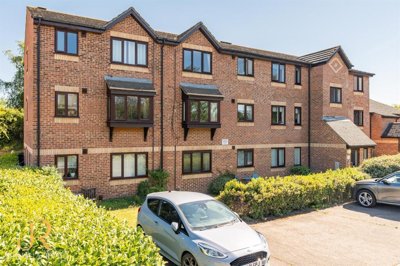
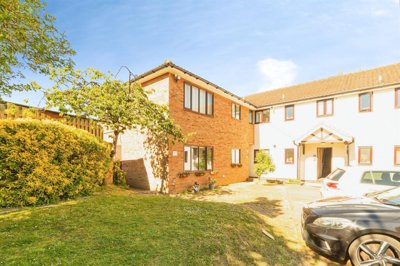
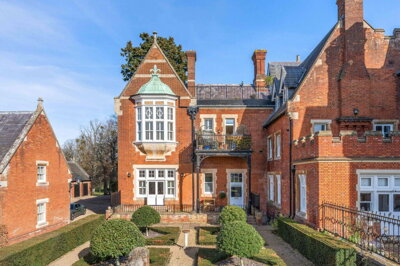
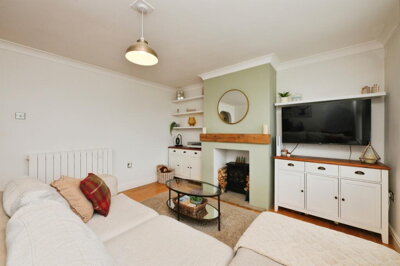
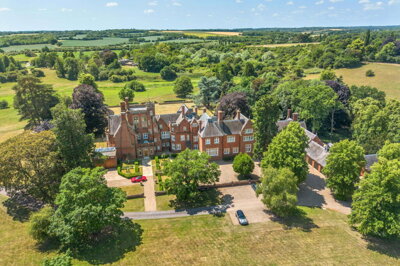
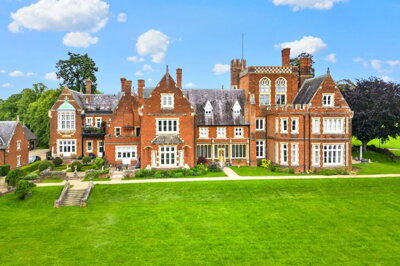
Browse 6 homes for sale in Watton-at-Stone from local estate agents.
Studio apartments feature open-plan living spaces without separate bedrooms, incorporating sleeping, living, kitchen, and bathroom facilities. The Watton At Stone studio market includes properties in modern apartment complexes, converted Victorian and Georgian buildings, and purpose-built developments.
Watton-at-Stone behaves more like a close village market than a quick-turnover town market. homedata.co.uk records show 28 sales in Watton-at-Stone in 2025, and 77 transactions over the last three years, so there simply has not been a large flow of homes for buyers to choose from. Terraced homes accounted for 42.9% of sales in 2025, with semi-detached houses next, which points to a stock mix built around practical family housing. At the upper end, detached homes averaged £658,333, showing how sharply values rise once plot size and privacy come into play.
There is a clear price ladder in the village. Terraced properties averaged £432,750, semi-detached homes averaged £464,817 and flats averaged £347,125, while the overall median sale price was £448,500. That median is often more useful than a bold asking-price figure, because it reflects what homes have actually sold for. With prices up 14.6% over the past year, some owners who bought earlier may now be sitting on useful equity, and buyers with a mortgage agreement in principle are usually better placed when a good home appears.
Large, branded new-build schemes do not dominate Watton-at-Stone. New homes tend to appear as one-off properties or small infill opportunities within or close to the village boundary, so most buyers look at existing stock first and then keep watch for fresh releases. home.co.uk listings in and around the village often draw people who want a rural setting, but still want parking, gardens and better energy performance. The usual decision is character and maturity versus lower maintenance and modern layout.

With 954 households, Watton-at-Stone feels settled rather than sprawling. The River Beane gives the village a green edge that many commuter locations struggle to match, and it stops the place feeling like another stretch of suburbia. People are often drawn in by the slower pace, the footpaths and the sense that the village still belongs to its landscape. For plenty of households, that is the reason they put down roots here.
Traditional brick houses are part of the Hertfordshire village picture, and Watton-at-Stone is no exception, with older construction sitting alongside later additions. Clay soils in parts of the county can be linked with shrink-swell movement, so foundations, cracking and historic movement deserve attention, particularly on older homes. The countryside around the village is also a major pull for buyers who want green space without losing commuter practicality. Compared with a larger market town, the feel is noticeably quieter.
Daily life here is not built around late-night bustle. It is shaped by village amenities, nearby towns and a useful commuter link. Hertford and Stevenage are close enough for shopping, restaurants, healthcare and bigger employment options, while Watton-at-Stone itself keeps things manageable. That split suits people who want home life to run at one pace and the working week at another. Our search helps in a small market like this, because the right house may not sit around for long.
For families, catchment can carry as much weight as floor area or finish. The village primary option will be part of the calculation, but secondary routes into Hertford, Stevenage and the wider East Hertfordshire area often become just as important. Admissions patterns do move, so a house that keeps more than one school route open can be more attractive than one with a single obvious plan. Once the school map and budget line up, a mortgage agreement in principle puts buyers in a stronger position.
Selective and grammar-school choices also sit in the background for many Hertfordshire buyers. Older children may have sixth-form and further-education options in nearby towns, which can affect whether a family stays in the village or moves closer to a town centre. Travel times matter more here than they might on paper, because the school run can depend on trains, buses and peak-time traffic. Sometimes the address matters just as much as the school name.
Ofsted reports and admissions policies need checking at source before a purchase is agreed, as ratings and catchments can change. Even so, the draw for education-led movers is easy to see. Watton-at-Stone offers a calmer base while keeping families within reach of a range of school choices. Buyers planning several years ahead often like that mix, because children get a rural-feeling home without being cut off from wider educational options.

Watton-at-Stone station is one of the village’s strongest practical assets. It provides rail access on the Hertford Loop, with onward links towards London and Stevenage, putting Central London within realistic commuting range on the right service. Stevenage is also close enough for shorter local journeys. For buyers who want countryside living but still need a regular train, the station is often central to the decision, not a minor bonus.
By road, most journeys run through local routes into Hertford and the wider Hertfordshire network, with many drivers using the A1(M) corridor for longer trips. Nearby towns are straightforward enough to reach, although rush-hour traffic can change the feel of a route, so it is sensible to test the journey you expect to make. Parking is often easier than in denser urban areas, but homes close to the centre or station can still feel tighter than detached houses on larger plots. If off-road parking is non-negotiable, check it early.
Walking and cycling work well for some everyday trips because the village is compact. Buses add local connections, but most buyers still see the train as the main workday link and the car as useful for shopping, children and weekend plans. That mix gives Watton-at-Stone flexibility, which is part of its appeal to both commuters and long-term homeowners. Before offering, compare the rail link, the parking situation and the real route times.
Get the mortgage agreement in principle sorted first, then set it against the local price picture around the £448,500 median. It is a simple filter, but it stops wasted viewings and keeps you ready when a suitable Watton-at-Stone home comes up.
Do more than one drive-by. Visit at different times of day and note the distance to the station, local amenities and the River Beane corridor. Parking pressure, noise, flood exposure and day-to-day convenience are all easier to judge before you become too attached.
Roofs, windows, drainage, heating systems, damp patches and signs of movement all deserve a close look. Older village houses can carry hidden upgrade costs, so make notes during the viewing and photograph anything our surveyors should examine properly later.
Bring your conveyancer in early, then book the right survey for the property. A RICS Level 2 survey is usually suitable for standard homes, while a Level 3 survey is better for older, extended or altered properties. At this stage, title questions, defects and chain problems start to become clearer.
Keep the lender, solicitor and estate agent aligned so searches, forms and mortgage checks do not drift. Once exchange is agreed, completion dates can come round quickly. By then, your removals plan should already be more than a rough idea.
The River Beane makes flood risk worth checking near the start, not as an afterthought. Watton-at-Stone can vary from plot to plot, and one road may have a different surface water or fluvial risk profile from another nearby. Ask about drainage improvements, historic flooding and any local mitigation measures, then let the conveyancer’s searches sit alongside your own research. A village address does not remove the need for a proper environmental check.
Structure matters as much as location, particularly where older brick homes, extensions or loft conversions are involved. Clay soils in parts of Hertfordshire can contribute to movement, so cracks, sloping floors and subsidence indicators should not be brushed aside. A RICS Level 2 survey is often a good fit for a typical village house, while a Level 3 report is more suitable for older or heavily altered homes. Listed buildings and conservation area properties can also come with tighter rules on repairs and changes.
Leasehold flats need a different set of questions. Service charges, ground rent and maintenance plans can alter the real ownership cost, even where flats make up a smaller part of the Watton-at-Stone market. Check what external maintenance is included, who owns communal areas and whether any major works are planned. In a village market with limited choice, hidden costs can be just as important as the asking price.

homedata.co.uk records a £448,500 median sale price in Watton-at-Stone, based on 28 sales in 2025. By property type, the differences are clear: flats averaged £347,125, terraced homes £432,750, semi-detached homes £464,817 and detached homes £658,333. The village also saw 14.6% price growth over the last 12 months. Even with those figures, street, condition and plot still matter, because a median can cover a wide spread of values.
Council tax is set by the individual home, not by Watton-at-Stone as a whole, and East Hertfordshire Council uses the standard band system. A cottage, a family semi and a detached house may all fall into different bands, sometimes even on the same road. Check the listing, the agent’s particulars or the council tax valuation record for the exact address. The band will affect your monthly costs as well as the purchase budget.
No single school answer will suit every family here. Buyers usually weigh the village primary option against secondary choices in Hertford, Stevenage and the wider county. Catchment areas can shift from year to year, so one address may work well for one family and badly for another. Anyone considering selective or grammar-school routes should check admissions rules and travel times before offering, because the exact address can be as important as the postcode.
Rail is a real advantage for Watton-at-Stone. The station sits on the Hertford Loop, giving commuter access towards London and Stevenage, which makes the village workable for people who want a quieter base but still travel regularly for work. Buses and local roads connect residents with Hertford and other nearby towns, although peak-hour traffic still affects journey times. The key question is how the route fits your routine, not simply whether the village is connected.
For long-term buyers, the numbers point to a solid village market with commuter appeal and restricted supply. homedata.co.uk records 28 sales in 2025 and 77 transactions over three years, which is a much tighter pattern than you would expect in a larger town. The 14.6% annual price growth shows momentum, but a narrow market can also be less liquid if you need to sell in a hurry. From an investment angle, the main argument is steady owner-occupier demand rather than quick short-term trading.
For 2024-25, stamp duty is 0% up to £250,000, then 5% from £250,000 to £925,000, 10% from £925,000 to £1.5 million and 12% above that. At Watton-at-Stone’s £448,500 median purchase price, standard SDLT would be about £9,925 before reliefs or surcharges. First-time buyers get 0% up to £425,000 and 5% from £425,000 to £625,000, so the same purchase would be about £1,175 if the buyer qualifies. A second home or investment purchase will carry the higher-rate surcharge on top.
Yes, a survey is a sensible spend here, particularly for older homes, altered properties or houses near the River Beane corridor. Damp, roof wear, movement, dated electrics and extension problems can be hard to price from a viewing alone. A RICS Level 2 survey suits many conventional homes, while a Level 3 report is better for older buildings, listed homes or properties showing clear signs of change. The right report can save money and make exchange feel less of a gamble.
Stamp duty should be in the budget from day one, as the thresholds can add a sizeable cost to the move. For 2024-25, the standard rates are 0% up to £250,000, 5% from £250,000 to £925,000, 10% from £925,000 to £1.5 million and 12% above £1.5 million. First-time buyers pay 0% up to £425,000, then 5% from £425,000 to £625,000, with no relief above £625,000. If the purchase is not your only home, the higher-rate surcharge increases the final tax bill.
Using the Watton-at-Stone median sale price of £448,500, a standard buyer would pay about £9,925 in SDLT before any higher-rate surcharge or special reliefs. A qualifying first-time buyer would pay about £1,175 on the same price, which can change how much cash needs to be saved before moving. Those figures are not the whole cost of buying. Legal fees, search fees, survey costs and removals all need room in the budget, and buyers who plan for them early are usually better placed when the right home appears.
Mortgage arrangement fees and valuation costs can also alter the real cost of the purchase, so read the small print before committing. home.co.uk listings help you see what is available now, while our solicitors and surveyors help reduce the risk of expensive surprises later. In a village market where homes may move quickly, financial readiness often counts for more than trying to shave a small amount off the price. The strongest buyers usually know their total figure before they book a second viewing.
Properties for Sale In London

Properties for Sale In Plymouth

Properties for Sale In Liverpool

Properties for Sale In Glasgow

Properties for Sale In Sheffield

Properties for Sale In Edinburgh

Properties for Sale In Coventry

Properties for Sale In Bradford

Properties for Sale In Manchester

Properties for Sale In Birmingham

Properties for Sale In Bristol

Properties for Sale In Oxford

Properties for Sale In Leicester

Properties for Sale In Newcastle

Properties for Sale In Leeds

Properties for Sale In Southampton

Properties for Sale In Cardiff

Properties for Sale In Nottingham

Properties for Sale In Norwich

Properties for Sale In Brighton

Properties for Sale In Derby

Properties for Sale In Portsmouth

Properties for Sale In Northampton

Properties for Sale In Milton Keynes

Properties for Sale In Bournemouth

Properties for Sale In Bolton

Properties for Sale In Swansea

Properties for Sale In Swindon

Properties for Sale In Peterborough

Properties for Sale In Wolverhampton

Enter your details to see if this property is within your budget.
Loans, cards, car finance
Estimated property budget
Borrowing + deposit
You could borrow between
Typical borrowing
Monthly repayment
Est. at 4.5%
Loan-to-value
This is an estimate only. Your actual budget may vary depending on interest rates, credit history, and personal circumstances. For an accurate affordability assessment, speak to one of our free mortgage advisors.
This calculator provides estimates for illustrative purposes only and does not constitute financial advice. Your home may be repossessed if you do not keep up repayments on your mortgage. Estimates based on 4.5% interest rate, repayment mortgage. Actual rates depend on your circumstances.
Homemove is a trading name of HM Haus Group Ltd (Company No. 13873779, registered in England & Wales). Homemove Mortgages Ltd (Company No. 15947693) is an Appointed Representative of TMG Direct Limited, trading as TMG Mortgage Network, which is authorised and regulated by the Financial Conduct Authority (FRN 786245). Homemove Mortgages Ltd is entered on the FCA Register as an Appointed Representative (FRN 1022429). You can check registrations at NewRegister or by calling 0800 111 6768.

We use cookies to show you personalised content and improve your experience of our website. Find out more in our Privacy policy and Cookie policy.