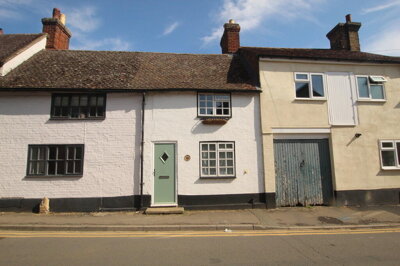
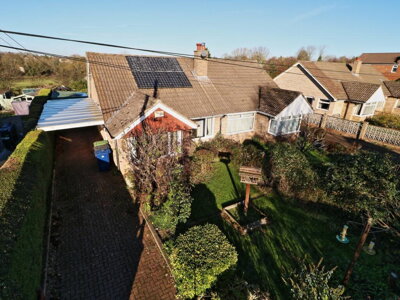
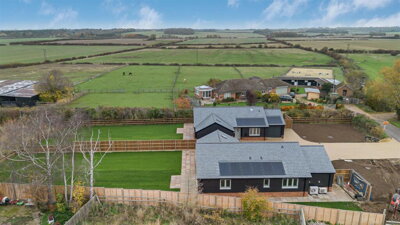
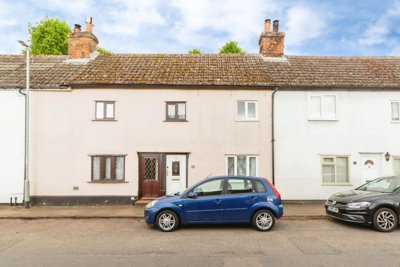
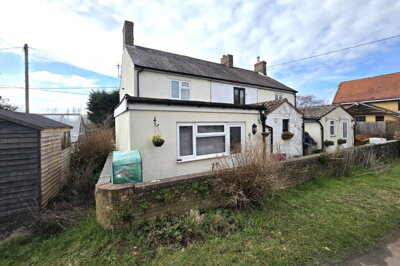
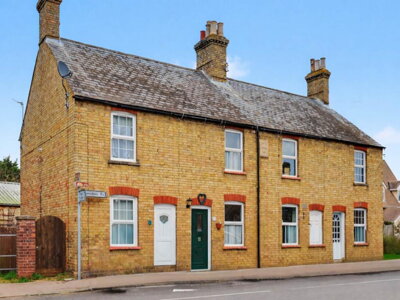
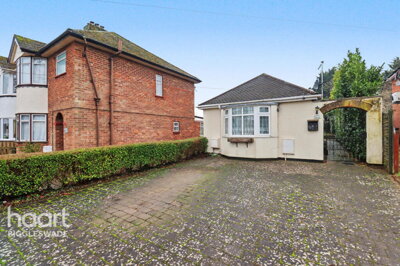
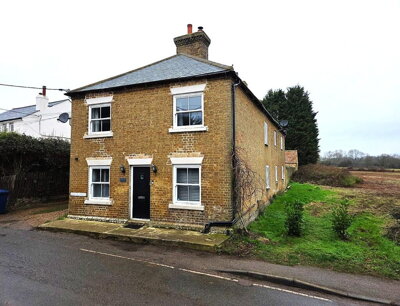
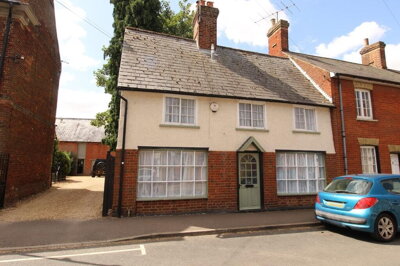
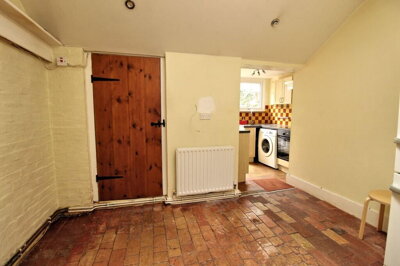
Browse 18 homes for sale in Waresley-cum-Tetworth from local estate agents.
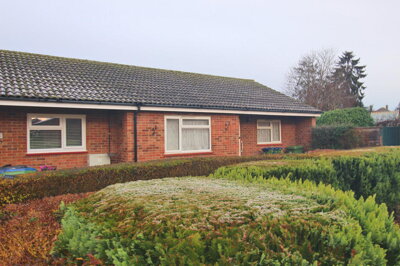
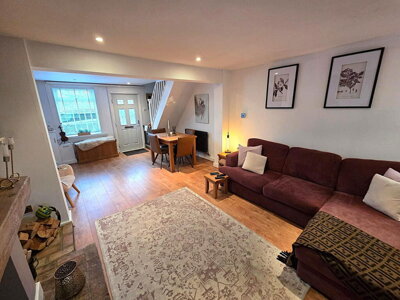
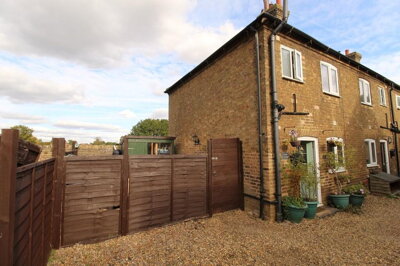
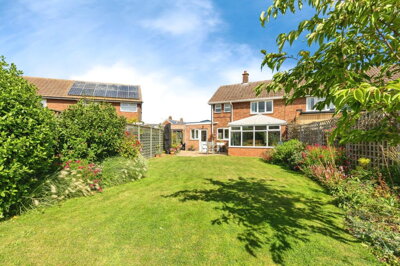
The 2 bed house market features detached, semi-detached, and terraced properties with two separate bedrooms plus living spaces. Properties in Waresley Cum Tetworth range from Victorian and Edwardian period homes to modern new builds, with pricing varying across different neighbourhoods.
Waresley-cum-Tetworth’s property market still feels distinctly village-led, with period homes shaping most of the streetscape. In Cambridgeshire, average sold prices fell by 5.3% over the twelve months to January 2026, leaving the county figure at roughly £370,000. We do not see parcel-by-parcel published transaction data for Waresley-cum-Tetworth parish at this level, but villages with conservation area status and access to large estates usually hold their value well against the wider market. With so many older homes, pre-1919 and interwar, buyers should keep renovation costs in mind, although character properties in this sort of condition are increasingly popular with those who want original features without taking on a full restoration.
Historic architecture gives the village much of its appeal, from the Grade II* listed Tetworth Hall to the run of Grade II cottages and farmhouses along Gamlingay Road and Vicarage Road. A good number date from the mid-19th century and were built by the Duncombe estate, while the Old Vicarage reaches back to the late 18th century. In a place like this, conservation settings often carry a premium because of the architecture, the generous plots, and the simple fact that there are so few comparable homes in a rural spot. The setting is shaped by Lower Greensand and Boulder Clay, which creates the gentle rises and dips typical of this part of Cambridgeshire, and that landscape is part of the draw for buyers.
New build supply is thin in the immediate Waresley-cum-Tetworth area, and there are no active large-scale schemes under way. Land availability work for the 2024-2028 period has pointed to a potential site between West Lodge and Home Farm, although planning consent to regularise its domestic garden use was approved in October 2024. Buyers focused on modern construction and better energy performance may need to widen the search to nearby Sandy or Cambourne, while still keeping the village lifestyle within reach.
Day to day life here follows the pace of rural England, and the village community remains close-knit despite its small size. The parish sits on Lower Greensand and Boulder Clay geology, which gives the surrounding land the soft undulation seen across this part of Cambridgeshire. At the centre stands the Church of St James the Great, rebuilt in 1856 with its distinctive shingled spire, a landmark as much as a place of worship. Nearby businesses also keep a strong link to the agricultural past, from a well-regarded garden centre to free-range egg production.
Another layer is added by the Waresley Park Estate, which brings a luxury spa and outdoor activities that draw visitors from across the region. It is not the usual profile for a village this size, and that mix of working countryside and higher-end leisure helps the local economy as well as the area’s reputation for quality living. A resident sculptor adds to the creative strand that has long been associated with this corner of Cambridgeshire. For families, village events and a shared interest in the landscape help keep the community feeling active and involved.
The demographic picture points to a comparatively prosperous village. Home ownership stands at 83.77%, and the population is approximately 271 residents as of 2024 estimates, which helps explain why the area attracts professionals and families looking for room to breathe without complete isolation. That level of ownership usually goes hand in hand with well-kept homes across the conservation area. Daily errands may mean short runs to Sandy or St Neots, but many long-term residents view that as a fair trade for living among listed buildings, traditional architecture, and a properly preserved rural setting.

Families looking at Waresley-cum-Tetworth will find that schooling is centred in nearby towns and villages, as the parish itself is too small to support much provision. Primary-aged children usually travel to surrounding settlements, so parents need to check current catchment arrangements and admissions policies through Cambridgeshire County Council’s education services. In the wider Huntingdonshire area, Ofsted ratings vary, and that, alongside admission criteria, should sit high on the list for anyone weighing up the educational side of a move.
Secondary education for Waresley-cum-Tetworth residents is also found beyond the parish, with nearby market towns providing the main options. Cambridgeshire’s selective and comprehensive systems offer different routes depending on a child’s ability and preferences, and schools in Sandy, St Neots, and Cambourne all serve the area. Sixth form provision is available at larger institutions. School buses often cover villages within the county, although families should check the latest arrangements with the local authority because they do change.
For early years childcare, the Cambridgeshire Family Information Service is the best starting point for details of registered providers in the area, including childminders and nurseries that may serve Waresley-cum-Tetworth families. Because larger settlements are close by, working parents can usually find Before and After School clubs too, though it is sensible to sort these plans before moving as local provision is limited. Cambridgeshire continues to invest in school infrastructure, so buyers should keep an eye on possible expansions or new school openings that could alter catchment areas and affect property values in nearby villages.

Road access is one of the practical strengths of Waresley-cum-Tetworth, sitting where a network of rural lanes links into the wider Cambridgeshire roads. The A1198 runs through nearby areas and gives access to the A14 corridor, which connects Cambridge to the east and carries traffic onwards to the Midlands and beyond. For those commuting into Cambridge, the trip is usually via the A14 or through the villages on more scenic routes, with journey times to Cambridge city centre generally between 30 and 45 minutes, depending on traffic and the exact destination. That proximity to the A14 suits people working in Cambridge’s biotechnology, technology, and research sectors.
Rail travel comes via stations in surrounding towns, and Sandy station is the key one, with East Coast Main Line services that reach London King's Cross in around 45 minutes. A little further out, St Neots station offers extra route choices through the Great Northern network. For people who work in London on a hybrid schedule, that is a workable compromise, giving them rural space and character at home while keeping commuting times manageable on office days.
Bus links exist, but they are limited, as is often the case in rural Cambridgeshire. Anyone without a car will need to think carefully about journey times and timetables, especially for shopping trips and healthcare appointments that involve larger centres. Cycling is easier here than in many places because the terrain is relatively flat, and recent improvements in local cycling infrastructure have made short journeys more realistic, particularly in summer. Working from home has also become easier thanks to better broadband in recent years, although speeds still vary from one part of the parish to another.

Start by looking at the current listings in Waresley-cum-Tetworth and the surrounding villages. Supply in small rural parishes is usually tight, so automated alerts are useful if we do not want to miss a new instruction. Keeping the Cambridgeshire backdrop in mind matters too, because county averages sit around £370,000 and that helps set realistic expectations for village values.
Before any viewings, we would get a mortgage agreement in principle sorted with a lender. It gives more weight to an offer and shows the seller that funding is already lined up. Rural purchases can take longer, especially where conservation issues or unusual titles come into play, so having the finance side ready early helps avoid avoidable delays.
Once a shortlist is in place, the next step is to visit properties that fit the brief and spend proper time on both the house and the setting around it. We would pay attention to how close the nearest schools, shops, and transport links are, and think about whether the rural character suits day-to-day life. It is also sensible to ask about any planning restrictions that might affect how the property can be used.
Because Waresley-cum-Tetworth has so many older period homes, a full RICS Level 2 Survey is a sensible move. Nationally, these surveys usually cost between £416 and £639, although older properties can attract higher fees. The report should pick up issues common in period construction, including damp, roof condition, and any movement linked to the underlying Boulder Clay geology.
Legal work is best handled by a solicitor who knows rural property transactions well. They will run local authority searches, check the title, and liaise with the mortgage lender. With so many listed buildings and conservation areas in Waresley-cum-Tetworth, extra searches covering planning history and Listed Building consents may also be needed.
After the surveys come back satisfactorily, the searches are complete, and the mortgage offer is in hand, the solicitor can move on to contract exchange. A deposit of 10% is usually paid at that stage, with completion following shortly afterwards. On completion day, the rest of the balance is transferred and the keys to the new Waresley-cum-Tetworth home are handed over.
Buying in Waresley-cum-Tetworth means keeping a close eye on the village’s historic character and rural setting. The density of listed buildings, including the Grade II* and numerous Grade II properties, brings with it the responsibilities that come with owning a heritage asset. Works that would not normally need planning permission may still need Listed Building consent, and any job affecting the fabric of those buildings should be approached with specialist advice. When viewing period homes, we would look for signs of historic maintenance, decent previous renovations, and any unsympathetic alterations that could have affected character or structure.
The Boulder Clay geology beneath the village brings its own considerations. In clay soils, shrink-swell movement can occur during drought or heavy rain, and that can affect foundations over time. Survey reports should be checked carefully for mentions of subsidence, heave, or foundation movement, and any historic remedial work, such as underpinning, should be investigated to confirm it was properly designed and carried out. Older village homes may sit on foundations built to older standards, which is another reason professional surveys matter before purchase.
Flood risk in Waresley-cum-Tetworth is generally low, with the area sitting in Flood Zone 1 and therefore having minimal risk of river or sea flooding. Even so, some localised surface water risk does exist, especially after heavy rain. Sellers’ property information forms should set out any historic flooding, and buyers should check drainage across the property and the surrounding land. Insurance is not currently a major problem here, but flood cover should still be checked with providers before completion.
Title and tenure need careful scrutiny in Waresley-cum-Tetworth. The strong home ownership profile suggests that most homes are freehold, but any leasehold sale or unusual title arrangement should be looked at properly. Ground rent, service charges, and any shared ownership terms will affect both running costs and future resale prospects. For cottages and farmhouses in the conservation area, title investigation should also clarify access rights and maintenance duties for shared lanes, boundaries, and amenities.

Budgeting for a purchase here means looking beyond the asking price and allowing for tax, fees, and professional advice. Stamp Duty Land Tax is often the largest extra cost, with the standard rates charging 5% on values between £250,001 and £925,000. On a village property priced at the Cambridgeshire average of £370,000, a standard buyer would pay £6,000 in SDLT, while purchases above £925,000 move into higher bands. First-time buyers with purchases up to £625,000 benefit from the enlarged nil-rate band, though the relief disappears above that level and the standard rates then apply to the whole purchase price for higher-value homes.
For a straightforward purchase, professional fees usually land somewhere between £1,500 and £3,000, covering solicitor’s conveyancing, local authority searches, and registration charges. In Waresley-cum-Tetworth, where listed buildings and conservation area status are common, extra searches into planning history, building regulations approvals, and Listed Building consents may nudge the bill up a little. A RICS Level 2 Survey costs between £416 and £639 nationally, although period homes dating from the 18th or 19th century can cost more because they are more complex. An Energy Performance Certificate assessment adds another £60 to £120, depending on the size of the property.
Moving to Waresley-cum-Tetworth also needs a realistic allowance for the village location and the distances involved from a previous home. Removal firms may charge more for village deliveries, and storage can come into play during a longer transition. Some lenders add mortgage arrangement fees, usually anywhere from zero to £2,000 depending on the product. Buildings insurance must be in place from completion day, and buyers with mortgage offers should check whether cover is required before funds are released. Careful budgeting across each of these points helps keep the purchase process smooth in this Cambridgeshire village.

Hyper-local parish-level average price data is not published for Waresley-cum-Tetworth. What we do have for the wider Cambridgeshire market is an average sold price of approximately £370,000 as of January 2026, after a 5.3% fall over the previous twelve months. In a conservation village setting like this, especially where there are listed period homes and properties with land, prices often sit above the county average. Values vary a great deal, though, depending on size, condition, tenure, and historic significance, with terraced cottages appearing at one end of the range and substantial detached family homes with grounds at the other.
For council tax, Waresley-cum-Tetworth falls within Huntingdonshire District Council. The bands run from A through H, with the valuation basis tied to 1991 figures and any later band migrations. Period homes with historic character may have been through banding reviews, and current banding can be checked via the Huntingdonshire District Council website or the Valuation Office Agency. Most family homes in the village are likely to sit in Bands C to E, although larger detached properties and those with significant land may fall into higher bands.
There are no schools within the parish boundary, which is no surprise given the village population of approximately 283 residents. Primary provision is found in nearby villages and towns, and Cambridgeshire County Council holds the admissions information for local schools. For secondary education, families look to Sandy, St Neots, and Cambourne, while some also choose selective grammar schools where the exam route is available. Current Ofsted ratings, catchment areas, and transport options all need checking before decisions are made for children.
Transport options reflect the village’s small rural setting, with bus services offering only limited links to surrounding towns. Sandy railway station, around 4-5 miles away, provides East Coast Main Line services to London King's Cross in about 45 minutes, so commuting is workable for people who can reach the station by car or on the occasional bus. Without a vehicle, the limited service pattern would make daily commuting difficult, which is why Waresley-cum-Tetworth tends to suit those working from home often or those with flexible office attendance.
For buyers and investors looking at long-term value, Waresley-cum-Tetworth has several points in its favour. The 83.77% home ownership rate points to steady local demand, while conservation status and the concentration of listed buildings limit new development and help support values. Cambridge is within reach, and rail links to London remain useful, which keeps the area attractive to professionals who want rural living without giving up career access. Period properties with character and land have usually shown resilience through market swings, although liquidity in a small rural market is naturally thinner than in an urban one.
Stamp Duty Land Tax rates for 2024-25 apply to purchases in Waresley-cum-Tetworth as follows: 0% on the first £250,000, 5% on the portion between £250,001 and £925,000, 10% on the portion between £925,001 and £1.5 million, and 12% on anything above £1.5 million. First-time buyers get higher thresholds, with 0% SDLT on the first £425,000 and 5% on the next £200,000, though there is no relief above £625,000. On a typical village property priced around the Cambridgeshire average of £370,000, a standard buyer would pay £6,000 in SDLT, while a first-time buyer would pay nothing on the first £425,000.
Expert mortgage advice for your Waresley-cum-Tetworth purchase
From 3.94%
Specialist solicitors for your property transaction
From £499
Essential survey for period properties in the village
From £416
Energy performance certificate for your new home
From £60
Properties for Sale In London

Properties for Sale In Plymouth

Properties for Sale In Liverpool

Properties for Sale In Glasgow

Properties for Sale In Sheffield

Properties for Sale In Edinburgh

Properties for Sale In Coventry

Properties for Sale In Bradford

Properties for Sale In Manchester

Properties for Sale In Birmingham

Properties for Sale In Bristol

Properties for Sale In Oxford

Properties for Sale In Leicester

Properties for Sale In Newcastle

Properties for Sale In Leeds

Properties for Sale In Southampton

Properties for Sale In Cardiff

Properties for Sale In Nottingham

Properties for Sale In Norwich

Properties for Sale In Brighton

Properties for Sale In Derby

Properties for Sale In Portsmouth

Properties for Sale In Northampton

Properties for Sale In Milton Keynes

Properties for Sale In Bournemouth

Properties for Sale In Bolton

Properties for Sale In Swansea

Properties for Sale In Swindon

Properties for Sale In Peterborough

Properties for Sale In Wolverhampton

Enter your details to see if this property is within your budget.
Loans, cards, car finance
Estimated property budget
Borrowing + deposit
You could borrow between
Typical borrowing
Monthly repayment
Est. at 4.5%
Loan-to-value
This is an estimate only. Your actual budget may vary depending on interest rates, credit history, and personal circumstances. For an accurate affordability assessment, speak to one of our free mortgage advisors.
This calculator provides estimates for illustrative purposes only and does not constitute financial advice. Your home may be repossessed if you do not keep up repayments on your mortgage. Estimates based on 4.5% interest rate, repayment mortgage. Actual rates depend on your circumstances.
Homemove is a trading name of HM Haus Group Ltd (Company No. 13873779, registered in England & Wales). Homemove Mortgages Ltd (Company No. 15947693) is an Appointed Representative of TMG Direct Limited, trading as TMG Mortgage Network, which is authorised and regulated by the Financial Conduct Authority (FRN 786245). Homemove Mortgages Ltd is entered on the FCA Register as an Appointed Representative (FRN 1022429). You can check registrations at NewRegister or by calling 0800 111 6768.

We use cookies to show you personalised content and improve your experience of our website. Find out more in our Privacy policy and Cookie policy.