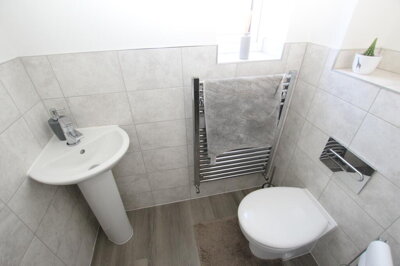
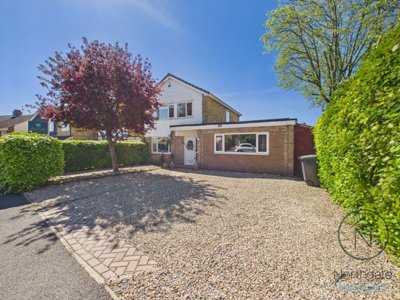
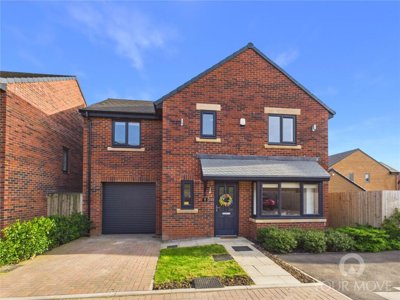
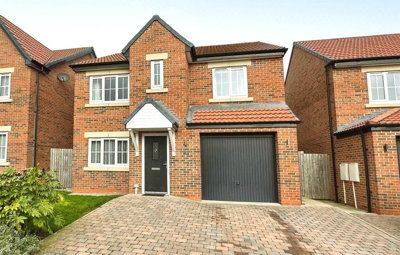
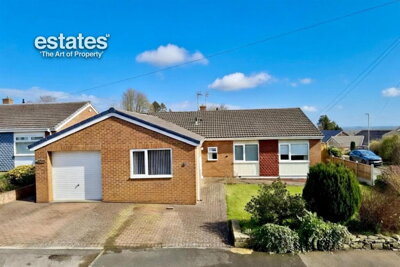
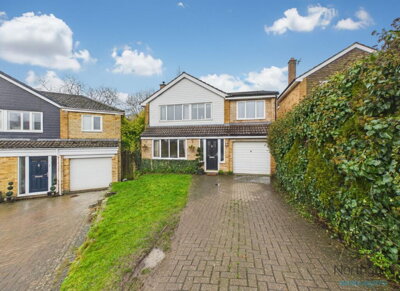
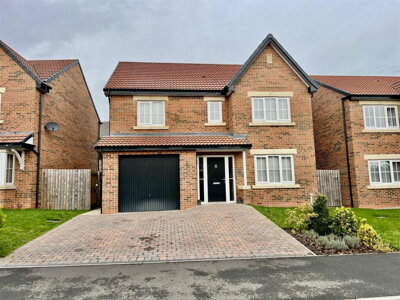
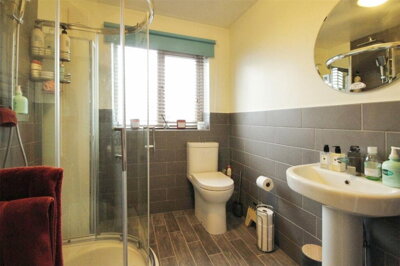
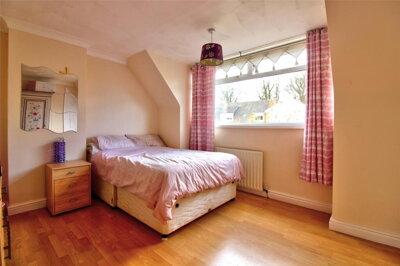
Browse 9 homes for sale in Walworth, Darlington from local estate agents.
The larger property sector typically features multiple bathrooms, substantial reception space, and private gardens or off-street parking. Four bedroom houses in Walworth span detached, semi-detached, and occasionally terraced configurations, with styles ranging from period properties to modern executive homes.
£0k
0
0
0
Source: home.co.uk
Showing 0 results for 4 Bedroom Houses for sale in Walworth, Darlington.
Walworth's property market is varied, and the figures reflect both the location and the age of the housing stock. Detached homes sit at the top end, averaging around £1,093,333, while semi-detached properties typically sell for approximately £800,000. Terraced houses, a large part of the local stock, average around £690,000 and remain popular with families drawn to Victorian or Edwardian architecture and original features. Flats are the most accessible route into the area, averaging £465,000, although new-build apartments in places such as Elephant Park can push past £550,000 depending on size and specification.
Prices in Walworth have held up well, with a modest 12-month change of -1.4%, so we see a market that has not swung wildly by London standards. Its position close to Central London, together with regeneration around Elephant and Castle, keeps demand steady from buyers who spot better value than in some pricier districts. New-build choices include Elephant Park by Lendlease, with one, two, and three-bedroom apartments from approximately £550,000 to over £1,000,000, alongside the Manor Place Depot development by Notting Hill Genesis and The Walworth Collection in SE17.
Elephant Park has been delivered in several phases, including South Gardens, West Grove, East Grove, and Park Central, all of which have helped turn the former shopping centre site into a busy mixed-use neighbourhood. The homes range from one-bedroom apartments suited to first-time buyers through to larger three-bedroom family flats with private balconies and communal gardens. Investment in the area has also meant better public spaces, new shops, and improved walking links to Elephant and Castle station and further afield.

Old and new sit side by side in Walworth, with Victorian terraces standing next to contemporary apartment blocks and a lively feel running through the streets. The local economy benefits from being close to Central London and major employment hubs, and work in retail, hospitality, healthcare, education, plus a growing creative and tech scene nearby, all plays a part. Regeneration around Elephant and Castle has added fresh businesses, better transport infrastructure, and improved public spaces, which have drawn younger residents and working professionals.
Period houses here tend to have London stock brick, tall sash windows, and spacious rooms that speak to Victorian and Edwardian building standards. Along Walworth Road, street markets and independent shops give the area a strong community character, while Burgess Park offers a useful stretch of green space. BROR landscape architecture has also reshaped former industrial land into greener corridors, and the cultural venue at Elephant Park keeps a regular calendar of events and community activity going through the year.
Walworth's population reflects that mix, with long-established communities living alongside newer arrivals who are drawn by the transport links and lower property prices than Zone 1. There is a busy café scene, and local institutions such as the Walworth Pharmacy and the Southwark Registration Service are part of daily life. For culture, residents can get to the Cinema Museum and the Horniman Museum in nearby Forest Hill, while the food offer on Walworth Road ranges from Vietnamese and Somali to Caribbean and traditional British eateries.

Knowing how Walworth homes were built helps us understand both their character and the issues they can bring in SE17. Most Victorian and Edwardian terraces were made with solid brick walls using London stock brick, a yellowish-grey clay brick sourced from deposits in the London area. They usually have timber floor joists over solid timber floorboards, slate or clay tile roofs with lead flashings, and timber sash windows with single glazing. Foundations are often shallow brick or concrete strip footings, which can be affected by movement on the underlying London Clay geology.
Mansion blocks along Walworth Road and nearby streets followed similar construction methods to the terraces, only on a larger scale and often with more decorative detail. These purpose-built flats usually have communal staircases, high ceilings, and room proportions that are larger than many modern homes. Many still show original cornicing, fireplaces, and decorative ironwork, although internal alterations over the years may have changed the layouts. The main walls are generally load-bearing solid brick, while floors are often a mix of timber joists and solid concrete at lower ground level.
Post-war stock in Walworth includes council estates built in the mid-20th century, and these usually have cavity brick walls, concrete ground floors, and flat or pitched roofs finished with modern tiles. The layouts can feel more practical, with bigger kitchens in many cases, although concrete repairs and dated services can bring their own maintenance issues. New-build apartments from schemes such as Elephant Park use modern methods, including steel or concrete frames, contemporary brickwork, and a range of cladding systems, plus double-glazed windows and better thermal performance throughout.
For families, Walworth offers a useful spread of schools across different age groups, and several are well regarded locally. Primary schools serving the area, many rated Good or Outstanding by Ofsted, give parents confidence in the options close to home. Victory Primary School and Nursery is one of the key names in the area, alongside others within walking distance of residential streets. Catchment areas still matter, though, and families should check them carefully because London admissions can be competitive and boundaries do shift.
Secondary provision in the wider borough of Southwark includes schools such as Ark Walworth Academy and University Academy of Engineering and Science, both offering local children practical options. For those aiming at grammar schools, entry depends on meeting the criteria, including the selective Verbal Reasoning and Non-Verbal Reasoning assessment process. The nearest grammar schools sit in neighbouring boroughs, so current admission arrangements and travel plans need checking before decisions are made. Southwark Council's admissions team manages the process, with offers usually going out during Year 6.
Older students can reach sixth form colleges and further education institutions easily from Walworth by public transport. The nearby College of Communication and Southwark College provide A-level and vocational routes, and Central London is close enough for several major universities to be realistic commutes. Many students go on to King's College London, London South Bank University, and University of the Arts London, which makes the area sensible for families planning long term. Before buying, we always recommend checking current school performance data and admission policies directly with the schools or Southwark Council, because Ofsted ratings and results do change.

Elephant and Castle station, just north of Walworth, gives the area excellent transport links and keeps Central London within easy reach. The Northern line and Bakerloo line run through the station, and National Rail services go to places including London Bridge, Brighton, and the South Coast. Bank and the City of London are reachable in under 15 minutes from Elephant and Castle, and the West End is straightforward too. Along Walworth Road, bus routes provide alternatives to Waterloo, Victoria, and other key destinations when tube services are disrupted.
The bus network here is particularly broad. Routes 12, 35, 45, 63, 68, 148, 171, 176, 188, and 468 all stop within walking distance, giving direct links to Oxford Street, Shoreditch, Elephant and Castle, and the South Bank. That makes car-free living very workable for most residents. The 12 bus runs through the night, which is useful for anyone working irregular hours, and Santander Cycles docking stations are dotted around the area for shorter journeys.
Drivers have solid access to the A2 and A3, and those routes connect onward to the South Circular and the motorway network. The A2 heads towards Greenwich and Dover, while the A3 links to the M25 at Wisley. Parking can still be awkward, as it is across much of Central and South London, so residents need to check permit rules for their zone. Daily life is helped by the walkable layout, and the continued improvements around Elephant and Castle are adding better walking routes and public realm upgrades for Walworth residents.
Before any viewing in Walworth, we advise getting a mortgage agreement in principle from a lender. It sets out how much can be borrowed based on income, debts, and credit history, and it helps show sellers that funding is in place. That can strengthen an offer. A mortgage broker can talk through the different mortgage products available and point towards rates that suit the circumstances.
Different streets and property types tell very different stories in Walworth, so it pays to look around. Transport links, schools, parks, and local amenities all matter when comparing locations. Near Kennington Park, we see Victorian terraces, while Walworth Road has mansion block flats and Elephant Park brings in new-build apartments. Each comes with different questions around maintenance, service charges, and leasehold terms, and those should shape the search from the start.
Local estate agents can arrange viewings of homes that match the brief, and we recommend keeping notes at each one. Ask about the property's history, any recent work, and the leasehold terms if the property is leasehold. For flats, it is sensible to request the building's maintenance schedule, any recent service charge increases, and details of planned major works. Viewings at different times of day can also reveal noise, natural light, and the general feel of the street.
Older Victorian and Edwardian homes common in Walworth deserve a RICS Level 2 Survey before purchase. Our inspectors use these surveys to pick up structural problems, damp, and repairs that may affect the price or the negotiating position. Because London Clay is so prevalent, the survey should also look closely at foundations and any signs of subsidence movement. We have wide experience across SE17 and know the defect patterns that crop up in the local housing stock.
A conveyancing solicitor should be appointed to deal with the legal side of the purchase. They will carry out searches, including local authority, drainage, and environmental checks specific to Southwark. The solicitor also reviews the contract, checks lease terms on flats, and manages the transfer of funds through to completion. For leasehold homes, we would expect them to look at the lease length, ground rent terms, and any covenants that might affect day-to-day use or a later sale.
Once the searches come back satisfactorily and both sides settle on the terms, contracts are exchanged and the deposit is paid, typically 10% of the purchase price. Completion usually follows within weeks, when the keys are handed over and the new Walworth home becomes yours. Our team can point buyers towards conveyancing solicitors with SE17 experience who can keep the final stage moving without unnecessary drama.
Walworth's mainly Victorian and Edwardian housing stock brings a few familiar defect patterns that buyers should know about. Damp is one of the most common issues our inspectors see, whether it is rising damp from a failed or absent damp-proof course, penetrating damp through solid brick walls, or condensation caused by poor ventilation. Age, changes in occupant behaviour, and solid-wall construction without cavity insulation all make matters worse. Look out for peeling paint, mould, and tide marks on walls, especially in ground-floor rooms and bathrooms.
The London Clay underneath Walworth means that properties, especially older ones with shallow foundations, can be prone to subsidence or ground movement. Cracking in the structure, uneven floors, and sticking doors or windows may all point to foundation problems. Trees planted too near a property can make shrink-swell movement in clay soils worse, so we always check the distance between mature trees and the building structure. During a survey in Walworth, our inspectors look carefully at the foundation conditions, cracking patterns, and the condition of load-bearing elements.
Roof condition is another regular concern in period homes across Walworth. Original slate or clay tile roofs may have slipped or broken tiles, worn felt underlays, or failing leadwork around chimneys and valleys. Timber parts such as rafters, purlins, and support beams can be affected by woodworm or wet rot if moisture has got into the roof structure. Electrical and plumbing systems in pre-1980s properties may still be original or only partly updated, so recent work on wiring, heating, and insulation is worth asking about, as replacement soon after purchase can be costly.

Buying in Walworth means thinking about a few area-specific points that can affect both value and liveability. The neighbourhood includes several conservation areas, among them the Walworth Road Conservation Area, Liverpool Grove Conservation Area, and parts of the Kennington Park Road Conservation Area. Homes within those areas can face planning restrictions on alterations, extensions, or external changes. There are also many listed buildings along Walworth Road and nearby streets, which add character but can limit renovation choices and call for careful maintenance. For flats, the lease terms, ground rent obligations, service charge levels, and lease length all matter because they can affect long-term costs and resale value.
Surface water flooding is the main localised risk in parts of Walworth, especially when heavy rain puts pressure on the urban drainage system. It is sensible to check the flood risk assessment and see whether any resilience measures are already in place. River flooding risk is generally low because the area sits inland and away from major rivers, but the amount of impermeable surface in the city can still lead to pooling during extreme weather. Lower-lying areas near Burgess Park can be more vulnerable to surface water build-up in heavy rain.
Leasehold buyers should look closely at the remaining lease term. Many flats in Walworth mansion blocks began with 99 years, so some sales now involve much shorter terms. We advise legal advice on any lease with less than 80 years left, because extension costs can be significant and the resale market may narrow. Service charge levels also need a careful eye, particularly where major works are under way or planned. Before committing, ask for recent service charge bills and any planned expenditure from the freeholder or management company.

The average house price in Walworth is approximately £543,622 based on recent market data from home.co.uk. Detached properties average around £1,093,333, semi-detached homes sit at approximately £800,000, terraced properties are around £690,000, and flats come in at approximately £465,000. Prices have eased by 1.4% over 12 months, which points to relative stability compared with parts of London where changes have been sharper.
Southwark Council is the local authority for Walworth, and council tax bands run from A through to H depending on value. Most Victorian terraces and mansion block flats sit in bands B to D, while larger houses and some new-build apartments can land higher. For a typical two-bedroom flat in Walworth, band B or C is likely, which means annual charges of approximately £1,400 to £1,600. The exact band can be checked through the Southwark Council website or confirmed by a solicitor during conveyancing.
Primary and secondary education in Walworth gives families several Good or Outstanding options to work with. Victory Primary School and Nursery serves the immediate area and has achieved good ratings, while Ark Walworth Academy provides secondary education with a strong STEM emphasis. Current Ofsted ratings, academic performance data, and catchment areas should all be checked, because they can change over time and differ between primary and secondary applications. Southwark's school admissions system is competitive, so early research and a clear view of deadlines are important for families with children.
Elephant and Castle station gives Walworth excellent public transport connections, with Underground services on the Northern and Bakerloo lines and National Rail services to places including London Bridge and the South Coast. Bank is just 11 minutes away on the Northern line, and Canary Wharf can be reached via the Jubilee line at London Bridge. Bus routes along Walworth Road and nearby roads also provide access to Waterloo, Victoria, and Central London. That makes the area highly attractive to commuters heading to the City, West End, or Canary Wharf.
Property investors often look at Walworth because it sits close to Central London, attracts strong rental demand from professionals, and is still benefiting from regeneration at Elephant and Castle. Compared with many Zone 2 locations, prices are more accessible, which can improve value for money. The rental market is supported by the transport links and nearby employment hubs. Even so, leasehold terms need proper scrutiny, because many flats have shorter leases, and service charges plus void periods should be included when yields are worked out.
Stamp duty land tax is charged at 0% on the first £250,000, 5% on £250,001 to £925,000, 10% on £925,001 to £1.5 million, and 12% on amounts above £1.5 million. For a typical flat in Walworth at £465,000, the SDLT comes out at approximately £10,750 after the nil-rate threshold. First-time buyers pay no stamp duty on properties up to £425,000, while purchases between £425,001 and £625,000 are charged 5% on the amount above £425,000 only. The exact figure depends on the purchase price and buyer status, and our solicitors will work it out precisely.
Victorian homes in Walworth were usually built with solid brick walls, timber floor joists, and slate or tile roofs, all of which bring their own maintenance demands. Our inspectors often pick up damp problems, particularly rising damp where the original damp-proof course has failed, and movement connected to the underlying London Clay geology. On viewings, it is worth checking external brickwork for cracking, floors for unevenness, and the roof covering for wear. Sash windows, fireplaces, and cornicing add a great deal of character, but they may need restoration or upgrading to meet modern standards.
Elephant Park by Lendlease is the standout new-build scheme in Walworth, a large regeneration project across the Elephant and Castle area with phases including South Gardens, West Grove, East Grove, and Park Central. Prices for new apartments start from approximately £550,000 for one-bedroom units and climb to over £1,000,000 for larger three-bedroom apartments with premium specifications. The Manor Place Depot development by Notting Hill Genesis adds more choice, with one, two, and three-bedroom apartments. New-build homes benefit from modern construction, better insulation, double glazing, and usually longer lease terms, although service charges can be higher than for similar period homes.
Buyers should also budget for costs beyond the purchase price in Walworth. Stamp duty land tax is the biggest extra item, with rates starting at 0% for the first £250,000 for standard buyers. For a typical flat at £465,000, SDLT works out at approximately £10,750 after the nil-rate threshold. First-time buyers purchasing up to £425,000 pay no stamp duty at all, while those buying between £425,001 and £625,000 pay 5% on the amount above £425,000 only. Homes above £625,000 do not qualify for first-time buyer relief.
Survey fees are a key part of the budget, particularly in Walworth, where so much of the stock is older Victorian and Edwardian property with damp, subsidence, and dated electrics. A RICS Level 2 Survey for a typical two-bedroom flat usually costs between £450 and £650, while a three-bedroom terraced house may be between £600 and £900 depending on the surveying firm and the property itself. Our inspectors know SE17 well and can produce detailed reports on the defect patterns that are common in the local housing stock.
Conveyancing fees generally start from around £499 for standard purchases, although more involved transactions, such as those with lease extensions or listed buildings, may cost more. Extra outgoings include Land Registry fees for registering the title transfer, local authority search fees tied to Southwark Council, environmental searches, and drainage and water searches. Mortgage arrangement fees vary by lender and may be built into the mortgage offer or charged separately. We also advise allowing for removals, redecoration or renovation, and a contingency fund for any unexpected works turned up by the survey.

Properties for Sale In London

Properties for Sale In Plymouth

Properties for Sale In Liverpool

Properties for Sale In Glasgow

Properties for Sale In Sheffield

Properties for Sale In Edinburgh

Properties for Sale In Coventry

Properties for Sale In Bradford

Properties for Sale In Manchester

Properties for Sale In Birmingham

Properties for Sale In Bristol

Properties for Sale In Oxford

Properties for Sale In Leicester

Properties for Sale In Newcastle

Properties for Sale In Leeds

Properties for Sale In Southampton

Properties for Sale In Cardiff

Properties for Sale In Nottingham

Properties for Sale In Norwich

Properties for Sale In Brighton

Properties for Sale In Derby

Properties for Sale In Portsmouth

Properties for Sale In Northampton

Properties for Sale In Milton Keynes

Properties for Sale In Bournemouth

Properties for Sale In Bolton

Properties for Sale In Swansea

Properties for Sale In Swindon

Properties for Sale In Peterborough

Properties for Sale In Wolverhampton

Enter your details to see if this property is within your budget.
Loans, cards, car finance
Estimated property budget
Borrowing + deposit
You could borrow between
Typical borrowing
Monthly repayment
Est. at 4.5%
Loan-to-value
This is an estimate only. Your actual budget may vary depending on interest rates, credit history, and personal circumstances. For an accurate affordability assessment, speak to one of our free mortgage advisors.
This calculator provides estimates for illustrative purposes only and does not constitute financial advice. Your home may be repossessed if you do not keep up repayments on your mortgage. Estimates based on 4.5% interest rate, repayment mortgage. Actual rates depend on your circumstances.
Homemove is a trading name of HM Haus Group Ltd (Company No. 13873779, registered in England & Wales). Homemove Mortgages Ltd (Company No. 15947693) is an Appointed Representative of TMG Direct Limited, trading as TMG Mortgage Network, which is authorised and regulated by the Financial Conduct Authority (FRN 786245). Homemove Mortgages Ltd is entered on the FCA Register as an Appointed Representative (FRN 1022429). You can check registrations at NewRegister or by calling 0800 111 6768.

We use cookies to show you personalised content and improve your experience of our website. Find out more in our Privacy policy and Cookie policy.