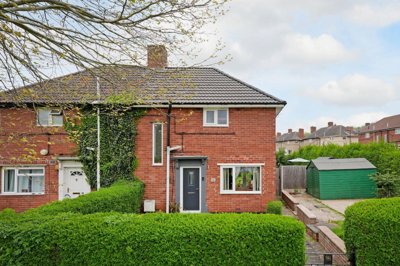
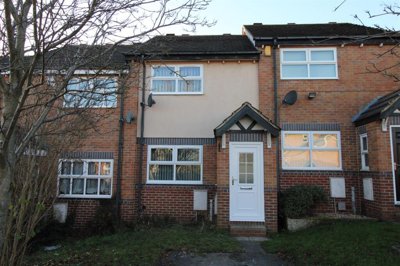
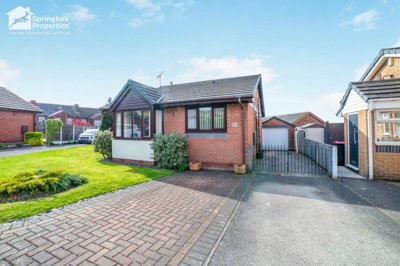
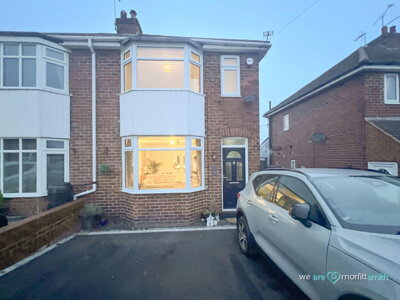
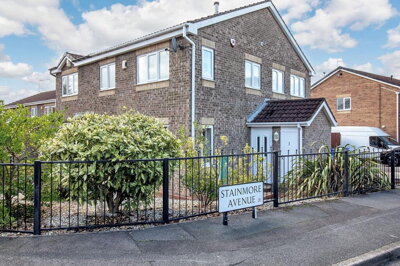
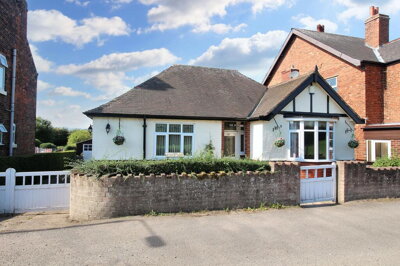
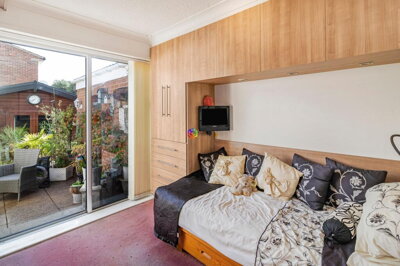
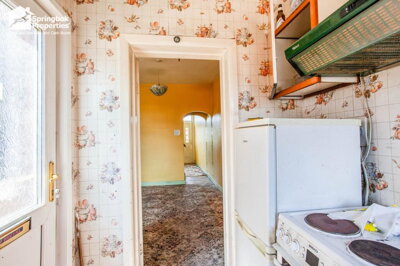
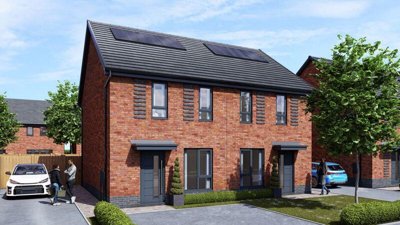
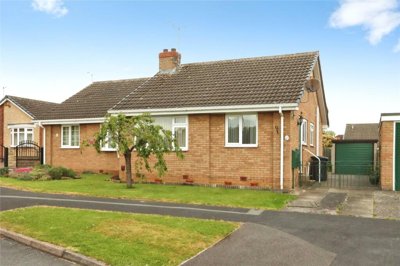
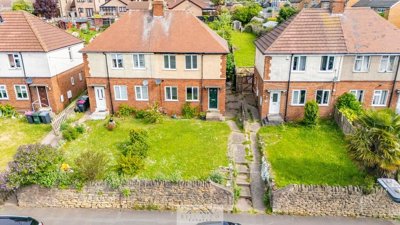
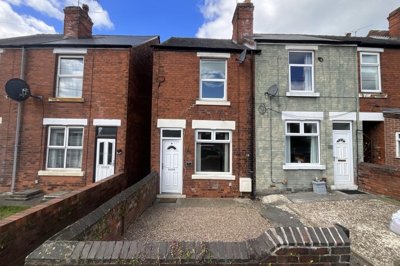
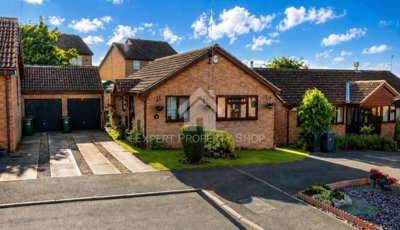
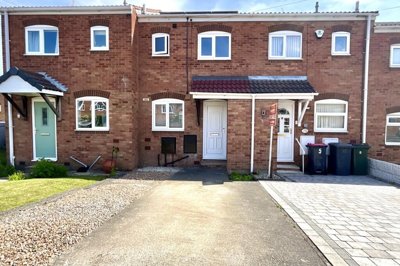
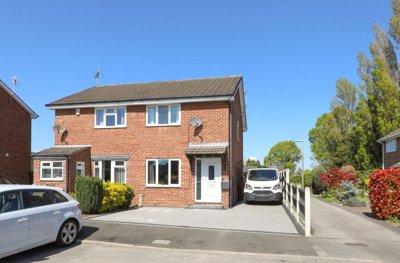
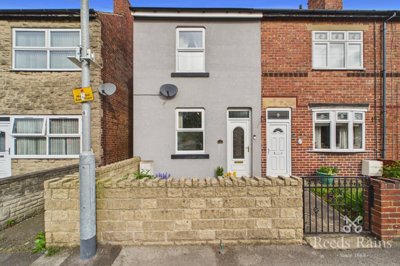
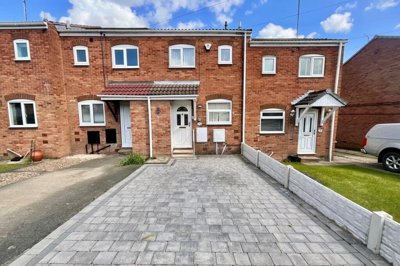
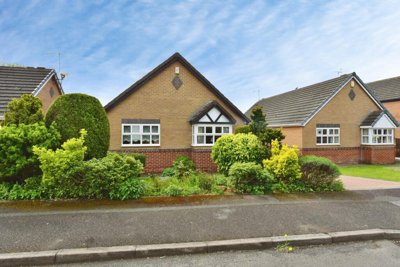
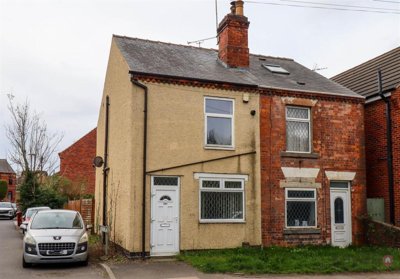
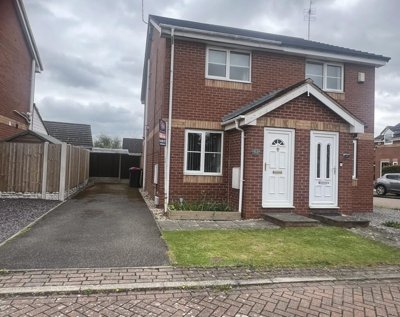
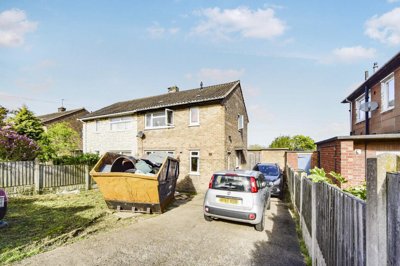
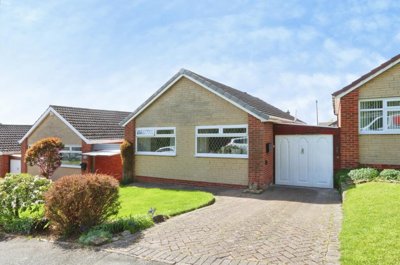
Browse 125 homes for sale in Wales, Rotherham from local estate agents.
The 2 bed house market features detached, semi-detached, and terraced properties with two separate bedrooms plus living spaces. Properties in Wales range from Victorian and Edwardian period homes to modern new builds, with pricing varying across different neighbourhoods.
£175k
5
1
31
Source: home.co.uk
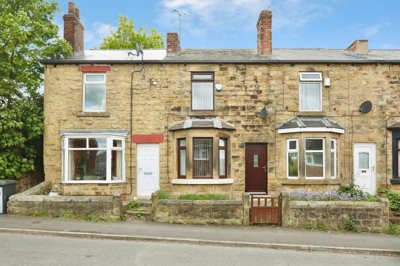
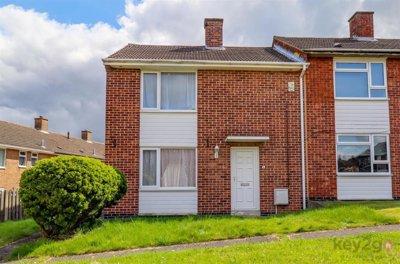
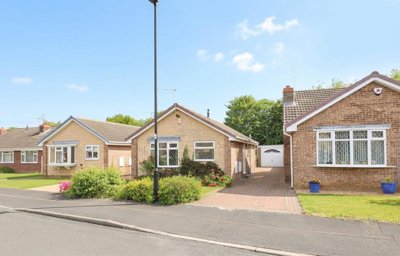
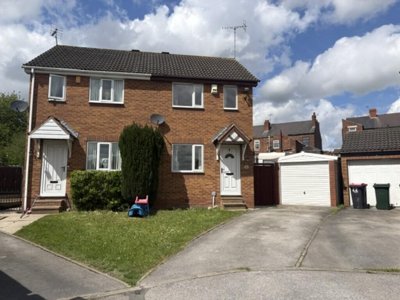
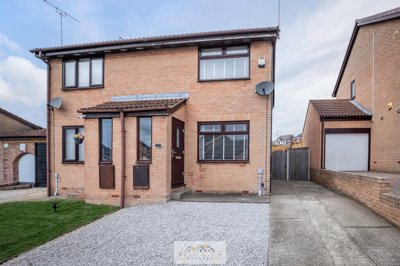
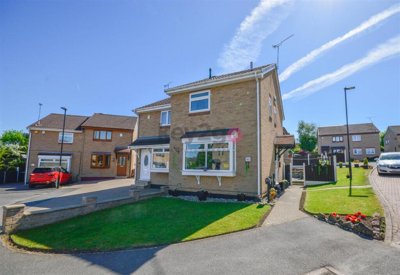
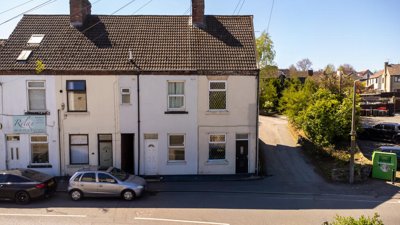
Showing 5 results for 2 Bedroom Houses for sale in Wales, Rotherham. 1 new listing added this week. The median asking price is £175,000.
Source: home.co.uk
Semi-Detached
5 listings
Avg £172,000
Source: home.co.uk
Source: home.co.uk
Wales has been holding up well lately, with 33,100 property sales recorded in the twelve months to December 2025. That is a 16.1% decrease in transaction volumes on the year before, and 6,900 fewer sales, yet prices still moved up. The 5.0% annual rise to £220,000 points to steady demand across the region, helped by buyers spotting value in Wales when English markets feel overheated. Of the homes sold, 556 were newly built, which is 1.7% of the market, and fresh schemes are appearing more often in South Wales around Cardiff, Swansea, and Newport. Q2 2025 was especially busy, with over 10,000 property transactions, up 13% on the same period the previous year.
Homes in Wales come in a wide spread of types, and the market serves very different budgets. Detached houses sit at the top end, averaging £489,091 according to recent home.co.uk listings data, with the extra space and gardens often drawing in families. Semi-detached homes average around £215,484, depending on location and specification, so they tend to suit first-time buyers and anyone moving up from a terrace. Terraced properties sit at about £163,333 and are still a familiar sight in Welsh towns and villages, mixing character with affordability. Flats and maisonettes are the most accessible starting point at roughly £122,500, and they work for first-time buyers, investors, or people wanting something easier to look after. New developments are spreading too, with Glan Llyn in Newport offering two, three, and four-bedroom homes from £266,995 to £459,995, and Parc Llandaf in Llantrisant listing two to five-bedroom options from £384,000 to £690,000.
Prices can shift sharply from one part of Wales to another, and South Wales usually sits higher because it is close to major jobs and transport routes. Cardiff, as the capital, records the highest averages, and suburbs such as Lisvane show that clearly, with Longwood Grange offering three, four, and five-bedroom homes from £349,995 to £629,995. Swansea gives buyers a more affordable route in while still offering plenty of amenities, with places like Hendrefoilan Park in Killay marketing three and four-bedroom homes from £359,995 to £481,995. In North Wales, towns along the A55 corridor, including Prestatyn and schemes like Swn Y Mor at £249,995 to £499,995, appeal to people who want coastal living and easy links towards Manchester and Liverpool. Mid Wales and West Wales are usually the least expensive, sitting well below the national average for buyers who value space and scenery over city convenience.

Life in Wales has its own feel, blending community-minded traditions with everyday conveniences that suit residents of all ages. The nation has around 3.1 million people, spread across everything from small rural villages to busy city neighbourhoods. Neighbourliness matters here, as do local events and support for independent businesses, so newcomers often settle in quickly. Welsh, spoken by around 19% of the population and growing in some areas, adds another layer to daily life through place names, events, and community activity. NHS Wales provides healthcare access, and local authorities keep parks, libraries, leisure centres, and other shared facilities going.
Wales has a mixed economy, and that shapes where workers and families tend to settle. Public sector jobs still matter a great deal, with NHS Wales, local government, and education offering stable employment across the country. Cardiff and Swansea have also built up service sectors covering financial services, professional offices, and creative work. Manufacturing remains important along the M4 corridor, where automotive and aerospace supply chains support thousands of jobs. Tourism underpins coastal areas in Pembrokeshire, the Gower Peninsula, and North Wales, bringing in seasonal and year-round work. In rural places, especially Mid Wales and Powys, farming is still part of the picture. That balance of employment can be a deciding factor when people choose where to live.
The landscape in Wales shapes daily life in ways that are hard to ignore, because each region feels different. North Wales brings mountains, coastal towns on the Irish Sea, and the draw of Snowdonia National Park. Mid Wales offers hills, river valleys, and quieter countryside for those who want a bit more space and calm. South Wales, the most populated part of the country, mixes Cardiff, Swansea, and Newport with green spaces, valleys, and coastline close by. West Wales includes the Pembrokeshire coast and the more rugged scenery of Cardiganshire. Local materials also show up in the housing stock, with older homes often built from stone, slate, and brick, while newer schemes use modern methods that meet current energy efficiency standards.
Community life in Wales is shaped by sport, festivals, and local gatherings that pull people together. Rugby union matters hugely, with matches bringing communities into the same conversation and the national team inspiring fierce loyalty. Eisteddfodau keep Welsh language, music, and poetry in the spotlight through annual festivals that move from place to place. Agricultural shows, fetes, and local fairs fill the calendar too. Chapels and churches still act as community hubs in many areas, alongside village halls, pubs, and small shops. For many newcomers, that welcoming feel makes it easier to put down roots and build proper friendships.

Schools across Wales cover the full journey from early years through to further and higher education, in both town and country settings. The system follows its own Curriculum for Wales, which puts bilingual learning, digital skills, and wider development alongside academic progress. Primary schools take children from ages three to eleven, and many offer Welsh medium education so pupils can grow up fluent in both English and Welsh. Secondary schools cover ages eleven to sixteen and lead towards GCSEs, with sixth form options for A-level or equivalent study. Larger towns and cities usually have schools with strong results and specialist facilities, while rural communities rely on local schools that still keep standards high despite smaller numbers.
Higher and further education in Wales draws students from across the UK and beyond. Cardiff University, Swansea University, Bangor University, and Aberystwyth University all offer undergraduate and postgraduate courses across a broad range of subjects. Further education colleges such as Coleg Morgannwg, Grwp Llandrillo Menai, and Cardiff and Vale College provide vocational training and qualifications that support career moves. Anyone looking at homes in a specific catchment should check the school boundaries carefully, because admissions often depend on where a child lives. In Wales, school inspections are carried out by Estyn, and the reports are available for registered schools, which helps parents judge provision near a possible new home.
Welsh medium schooling can be a major factor for families who want to raise bilingual children. Areas with strong Welsh speaking communities, especially parts of West Wales, Gwynedd, and Anglesey, have more schools where teaching is mainly in Welsh. English medium schools are available throughout Wales for families who want English as the main language of instruction. Bilingual schools sit somewhere in between, with teaching split between the two languages. Estyn publishes performance data that lets parents compare schools on pupil progress, outcomes, and leadership quality. Living in a catchment area still does not guarantee a place, because oversubscribed schools may use sibling links, distance from home, and waiting list rules.

Transport links in Wales connect communities within the country and reach into the wider UK network. The M4 motorway cuts through South Wales, linking Cardiff, Newport, and Swansea before continuing east into England and tying into the M25 around London. Along the north coast, the A55 North Wales Expressway gives fast road access between Chester, Rhyl, Bangor, and Holyhead, where ferry services run to Ireland. Trunk roads spread out from the main cities and keep towns and villages connected, supporting commuting and trade. Bus services from First Cymru, Stagecoach, and local operators fill in the gaps, with more frequent routes in towns and along major corridors.
Rail travel has improved a lot across Wales in recent years, helped by the Welsh Government's Rail Enhancement Programme. Transport for Wales now runs services across the network, linking the major cities with regional towns and villages. The Core Valley Lines serving Cardiff and nearby areas have been upgraded to provide faster and more frequent trains, while long-distance routes connect Wales with London, Birmingham, Manchester, and other English cities. Cardiff to London can take around two hours on the fastest services. Cardiff Airport handles domestic and European flights, and Birmingham, Manchester, and Liverpool airports give travellers further options. Cycling is also becoming more practical, with bike hire schemes, protected lanes, and traffic-free routes appearing across Welsh towns.
Commuting from Welsh towns depends heavily on where people live and where they work. Newport and Cardiff suburbs can reach major employment centres in Bristol and London by road and rail via the M4. In North Wales, towns along the A55 corridor, including Rhyl and Colwyn Bay, give commuters options for Liverpool, Manchester, or Chester. Cardiff residents benefit from a broad rail and bus network within the city, which makes daily travel less car dependent. Several Cardiff park and ride sites help people reach the centre without the parking bill. Rural communities often face longer journeys, so remote working has become more important for buyers who want countryside living without giving up career prospects.

Before you start searching in Wales, it pays to compare areas carefully and match them to the way you live and what you can spend. Look at average prices in the places you are considering, work out your deposit, mortgage payments, and ongoing costs, and get an agreement in principle from a lender so you are ready when the right home comes up. Commute times, school catchment areas, and nearby amenities all matter too, so it helps to narrow the field early.
Use Homemove to browse hundreds of properties for sale across Wales, and filter by location, price, property type, and number of bedrooms. Once a few homes stand out, get in touch with the estate agents to book viewings. See properties at different times of day if you can, and take someone along for a second pair of eyes. Ask about the area, transport links, and anything that could affect your decision. During the viewing, keep an eye on condition, likely maintenance, and the feel of the neighbourhood.
Once you have found the home you want, put your offer in through the estate agent dealing with the sale. It should be based on your research into comparable properties and the condition of the house or flat. Be ready to haggle on price or terms, and make sure the offer is subject to surveys and legal checks that protect you. When the seller accepts, the property becomes sold subject to contract. Having mortgage approval lined up and being chain-free can give you a stronger hand in negotiations.
Before you complete, arrange an independent survey so the property is properly assessed for condition, structural issues, repairs needed, or possible problems. A RICS Level 2 survey suits most homes and gives a solid inspection, while a Level 3 survey goes further for older or more complex buildings. The findings may help with price negotiations or flag urgent repairs that need budgeting for. Wales has varied geology, including clay soils in South East Wales and limestone in South Wales, so a proper survey is especially useful for spotting local concerns.
Your solicitor handles the legal side of the purchase, from searches and contracts to registration with the relevant property registry. They will deal with the seller's solicitor, arrange the transfer of funds, and check that every document is completed properly before completion. Conveyancing fees usually start from £499 and cover searches, professional fees, and registration costs. Local authority searches will look for planning permissions, road proposals, and environmental issues that could affect the property.
Once the legal work is finished, you exchange contracts with the seller and commit to the purchase. At that point, a deposit, usually 10% of the purchase price, is paid. Completion normally follows one to four weeks later, when the rest of the money is sent and the keys to your new Welsh home are handed over. On completion day, collect the keys from the estate agent, do a final walkthrough to check the condition, and let the utility companies know you have moved in.
Buyers in Wales need to keep an eye on local factors that can affect a purchase, from geology to planning rules and ownership structure. The ground varies across the country, and that matters for property condition. Clay soils are common in South East Wales, especially parts of Glamorgan and Gwent, where shrink-swell movement during wet and dry spells can put stress on foundations. South Wales limestone can create karst landscapes, where dissolution features may be present. In those areas, buildings may need specialist foundation design or ongoing maintenance. A full building survey should pick up structural concerns linked to local ground conditions and point to any remediation needed.
Flood risk across Wales changes a lot depending on rivers, coastline, and local topography. The River Wye, River Taff, River Usk, and River Conwy can all flood after heavy rain, while large stretches of coast face tidal flooding and storm surge risk that is getting worse with climate change and rising sea levels. Some urban areas also struggle with surface water flooding when rain is especially intense and drainage is limited. Before committing to a purchase, buyers should check Environment Agency and Natural Resources Wales flood maps, look at the property's flood history, and make sure buildings insurance is available. Many Welsh conservation areas also come with planning restrictions for alterations, extensions, and certain exterior changes.
Ownership structure needs careful checking before you buy in Wales. Most houses are freehold, but flats and some new build homes may be leasehold, which means looking closely at lease terms, ground rent, and service charges. Lease extensions can be negotiated, although they involve cost and legal steps. New build homes often come with developer rules about use, appearance, and community facilities, so those terms need to be understood in full. Service charges for flats can vary a great deal depending on the development and the facilities included, so asking for the figures early helps with budgeting. Shared ownership homes run by housing associations also have their own eligibility rules and resale process, which are different from standard purchases.
Construction across Wales reflects both regional tradition and the age of the housing stock. Older properties, especially those built before the mid-twentieth century, commonly have solid stone or brick walls, often with lime mortar and traditional slate roofs. They can have plenty of character and good thermal mass, but they may need more upkeep and behave differently in terms of insulation than newer homes. Houses built after the 1980s usually include cavity wall insulation and more modern building methods. New build homes must meet current energy efficiency standards and are usually covered by NHBC or similar warranties. Knowing how a property was built helps buyers judge maintenance, renovation potential, and energy bills.

The average house price in Wales reached £270,380 in December 2025, according to homedata.co.uk. That is a 5.0% rise on the previous year, and it shows stronger growth than many English regions. Prices still vary widely, though, with detached houses around £489,091, semi-detached homes at £215,484, terraced houses at roughly £163,333, and flats or maisonettes at about £122,500. Cardiff, Swansea, and other coastal or urban areas tend to sit higher, while rural parts usually offer more affordable options for buyers working to a tighter budget.
Council tax in Wales is set by local authorities and depends on both the assessed value of the property and the council area. The bands run from Band A, which is the lowest, to Band I, which is the highest, and each band sets the annual charge. Buyers can check the band for a property through the Voiceax or Welsh Government websites, both of which have online search tools. Band D equivalent council tax varies between Cardiff, Swansea, and Newport because each council sets rates around its own budget needs, so comparing those charges can be part of deciding where to buy.
Schools across Wales are strong in many places, though performance does vary by local authority and by individual school. The Welsh education system follows its own curriculum, and pupils may attend Welsh medium, English medium, or bilingual schools depending on where they live. Good and outstanding primary and secondary schools can be found throughout the country, with inspection reports available through Estyn. In larger towns and cities, parents often have a wider choice that can include faith schools and, in some areas, grammar schools. Before buying, it makes sense to check catchment areas and admission rules, because schooling can have a real effect on day-to-day life and long-term property values.
Public transport in Wales reaches most of the main towns and cities, although rural areas usually have fewer services than urban centres. Transport for Wales runs rail links between Cardiff, Swansea, Newport, Wrexham, Bangor, and many intermediate stations, with onward connections to London, Birmingham, and Manchester. Bus routes give broader coverage, especially in towns. The M4 serves South Wales, the A55 gives North Wales coastal access, and ferries from Holyhead connect with Ireland. Transport for Wales Journey Planner tools and Google Maps are useful for route planning, and anyone commuting into English cities should check the timings and frequencies carefully.
Wales offers strong prospects for property investment, especially for buy-to-let landlords and people looking for holiday accommodation. Average property prices of £270,380 give a more accessible starting point than many English regions, and that can leave room for rental yields in the right locations.
In Wales, Stamp Duty Land Tax is known as Land Transaction Tax, and it is administered by the Welsh Revenue Authority with thresholds and rates that differ from England. First-time buyers pay 0% on purchases up to £225,000, then 5% on the portion from £225,000 to £400,000, with no relief above £400,000. Standard rates for other buyers begin at 0% up to £225,000, then rise to 6% on the portion from £225,000 to £400,000, 7.5% from £400,000 to £750,000, 10% from £750,000 to £1,500,000, and 12% above that. On a typical Welsh property at the national average price of £215,000, a first-time buyer would pay no Land Transaction Tax, while other buyers would also pay nothing on the first £225,000. These rules apply to purchases from April 2024 and may change in future budgets, so checking the current rates before completion is wise.
Wales has a varied geology, and that can affect foundations and property condition in different places. South East Wales has clay soils that are prone to shrink-swell movement, which can damage foundations in long wet or dry periods, and parts of Glamorgan and Gwent are particularly affected. Limestone in South Wales creates karst landscapes where dissolution features may be present, which can affect ground stability. Coastal areas can also face erosion risk, especially around the Irish Sea and the Bristol Channel. A qualified surveyor should assess properties in these areas and flag foundation concerns or any suitable remedy. A RICS Level 2 or Level 3 survey gives a detailed look at geological issues linked to the property and its surroundings.
New build developments are coming forward across Wales, especially in South Wales around Cardiff, Newport, and Swansea. Glan Llyn in Newport has two, three, and four-bedroom homes from £266,995 to £459,995, Parc Llandaf in Llantrisant offers two to five-bedroom options from £384,000 to £690,000, and the Plasdwr garden city development in North Cardiff is planned for over 5,000 homes. In North Wales, Mountain View in Wrexham has one to five-bedroom homes from £298,995 to £468,995, while Swn Y Mor in Prestatyn runs from £249,995 to £499,995. New homes often bring structural warranties, modern energy efficiency, and the chance to choose fixtures and fittings, although the prices are often higher than similar older homes.
Getting to grips with the full cost of buying in Wales helps with budgeting and cuts down the chance of surprises. Land Transaction Tax, the Welsh equivalent of Stamp Duty, applies to all purchases in Wales, with thresholds and rates set by the Welsh Government. First-time buyers get relief on purchases up to £225,000, paying nothing on that part and 5% on amounts between £225,000 and £400,000, with no first-time buyer relief above £400,000. Standard rates are 0% on the first £225,000, 6% on £225,000 to £400,000, 7.5% on £400,000 to £750,000, 10% on £750,000 to £1,500,000, and 12% on anything over £1,500,000. On a typical Welsh property priced at the national average of £215,000, a first-time buyer would pay no Land Transaction Tax, while other buyers would also pay nothing on the first £225,000.
There are several other costs to budget for as well, and they add up quickly during the purchase. Survey fees usually run from £350 for a basic RICS Level 2 homebuyer report to £600 or more for a detailed Level 3 building survey on larger or older properties. Conveyancing fees often start from £499 for standard purchases and cover legal work, local authority searches, land registration, and postal costs, although leaseholds or unusual transactions may cost more. Mortgage arrangement fees vary by lender and product, from nothing up to around £2,000, and they are sometimes added to the loan. A mortgage booking fee of around £200 to £300 may also apply. Buildings insurance should be in place from completion, and contents insurance from the day you move in. Removal costs, furniture, and any renovation work all need to be allowed for too, so keeping a contingency fund of at least £2,000 to £5,000 above your deposit and fees is sensible.
There are a few more purchase costs worth keeping in view. Mortgage valuation fees, charged by lenders to confirm the property is worth the loan amount, usually range from £150 to £1,500 depending on the price of the home. Electronic search fees cover local authority, drainage, and environmental searches, and they tend to sit between £200 and £400. Land Registry fees apply when ownership is registered and are calculated by reference to the property price. If your mortgage is above 60% of the property value, the interest rate may be higher, and smaller deposits can also trigger lender valuation fees. Leasehold properties may bring notice fees and deed preparation costs too. A whole-of-market mortgage broker can help us compare products and may save thousands over the life of the loan.

From 4.5%
Compare mortgage rates from leading lenders to find the best deal for your Welsh property purchase.
From £499
Expert legal services for your property purchase in Wales, including local searches and property registry registration.
From £350
Professional building survey from qualified inspectors covering property condition, defects, and recommendations.
From £80
Energy Performance Certificate required for all property sales, showing energy efficiency ratings.
Properties for Sale In London

Properties for Sale In Plymouth

Properties for Sale In Liverpool

Properties for Sale In Glasgow

Properties for Sale In Sheffield

Properties for Sale In Edinburgh

Properties for Sale In Coventry

Properties for Sale In Bradford

Properties for Sale In Manchester

Properties for Sale In Birmingham

Properties for Sale In Bristol

Properties for Sale In Oxford

Properties for Sale In Leicester

Properties for Sale In Newcastle

Properties for Sale In Leeds

Properties for Sale In Southampton

Properties for Sale In Cardiff

Properties for Sale In Nottingham

Properties for Sale In Norwich

Properties for Sale In Brighton

Properties for Sale In Derby

Properties for Sale In Portsmouth

Properties for Sale In Northampton

Properties for Sale In Milton Keynes

Properties for Sale In Bournemouth

Properties for Sale In Bolton

Properties for Sale In Swansea

Properties for Sale In Swindon

Properties for Sale In Peterborough

Properties for Sale In Wolverhampton

Enter your details to see if this property is within your budget.
Loans, cards, car finance
Estimated property budget
Borrowing + deposit
You could borrow between
Typical borrowing
Monthly repayment
Est. at 4.5%
Loan-to-value
This is an estimate only. Your actual budget may vary depending on interest rates, credit history, and personal circumstances. For an accurate affordability assessment, speak to one of our free mortgage advisors.
This calculator provides estimates for illustrative purposes only and does not constitute financial advice. Your home may be repossessed if you do not keep up repayments on your mortgage. Estimates based on 4.5% interest rate, repayment mortgage. Actual rates depend on your circumstances.
Homemove is a trading name of HM Haus Group Ltd (Company No. 13873779, registered in England & Wales). Homemove Mortgages Ltd (Company No. 15947693) is an Appointed Representative of TMG Direct Limited, trading as TMG Mortgage Network, which is authorised and regulated by the Financial Conduct Authority (FRN 786245). Homemove Mortgages Ltd is entered on the FCA Register as an Appointed Representative (FRN 1022429). You can check registrations at NewRegister or by calling 0800 111 6768.

We use cookies to show you personalised content and improve your experience of our website. Find out more in our Privacy policy and Cookie policy.