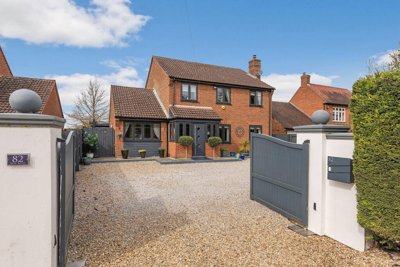
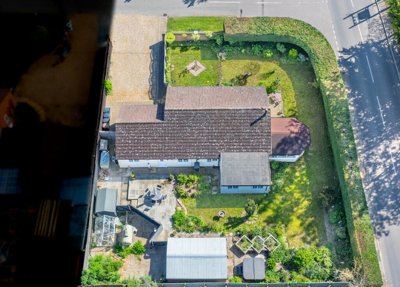
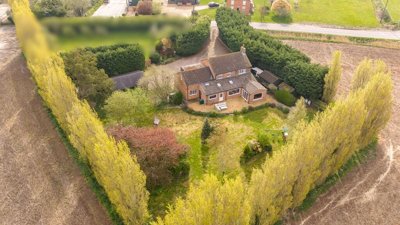
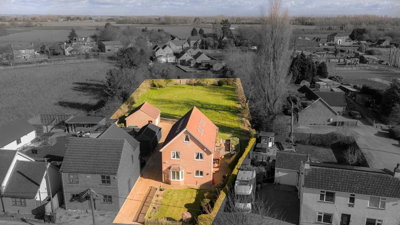
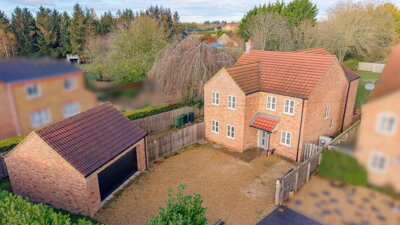
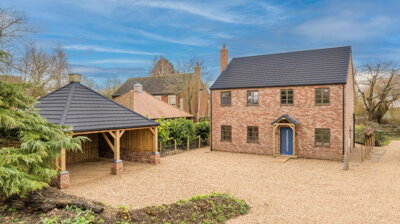
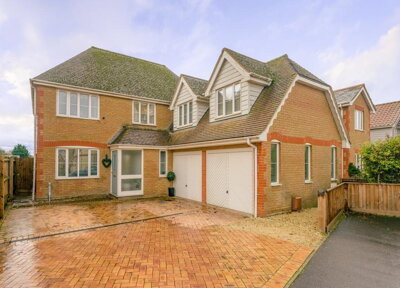
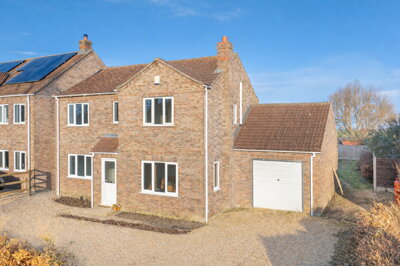
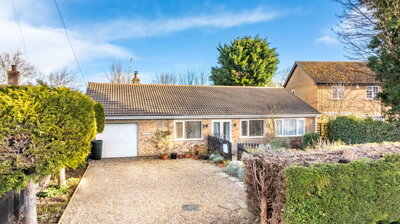
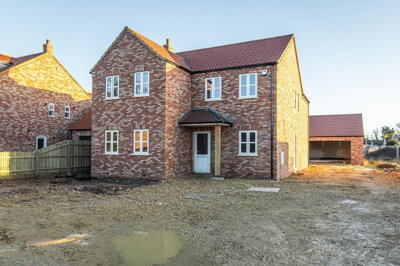
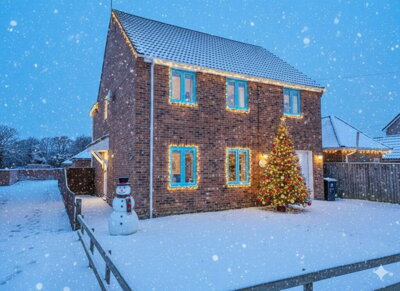
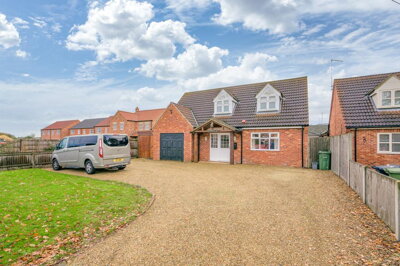
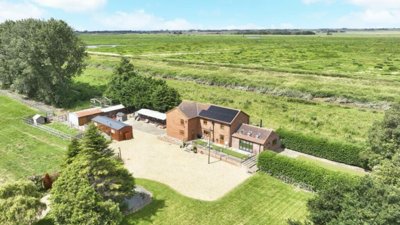
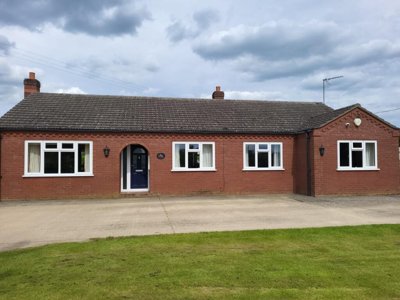
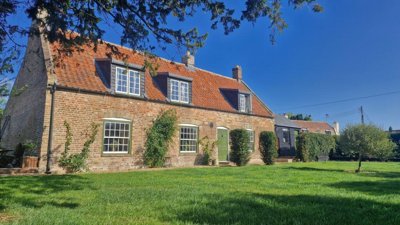
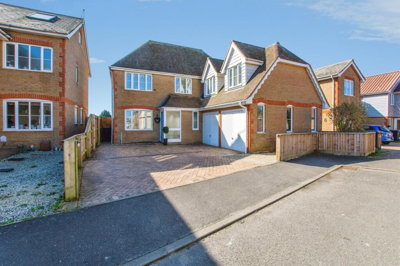
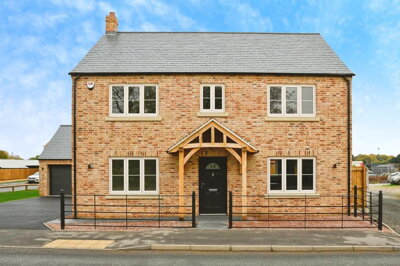
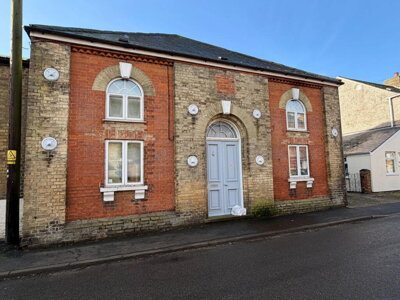
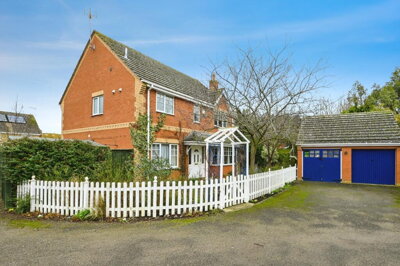
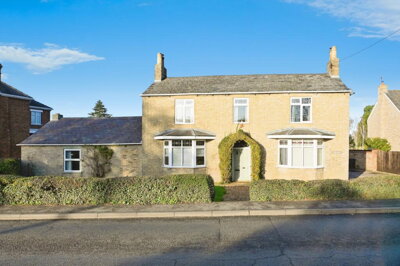
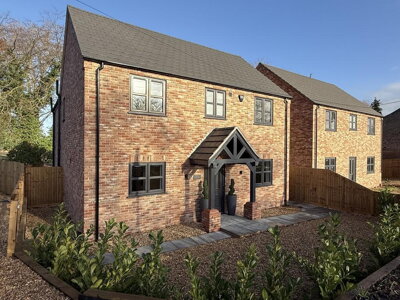
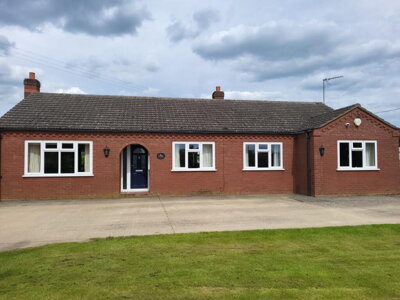
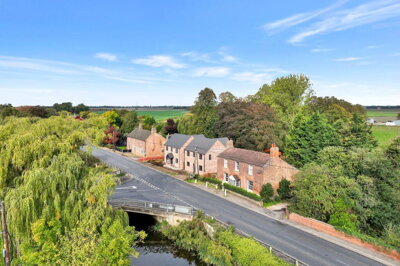
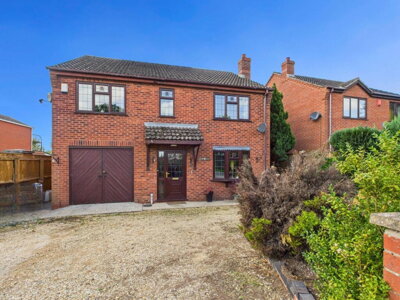
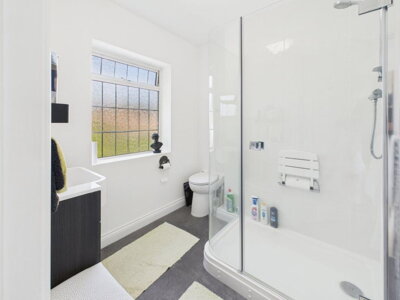
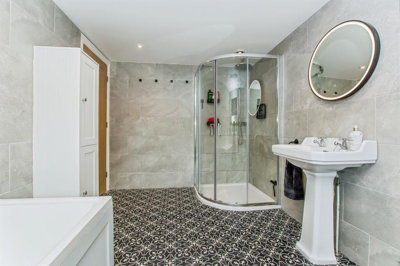
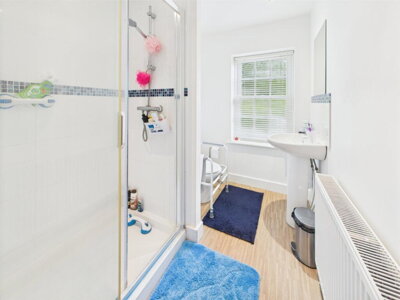
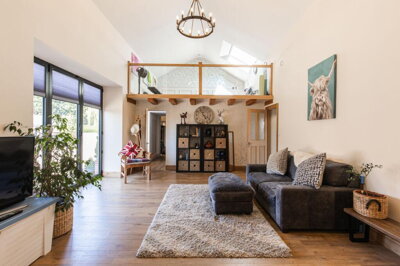
Browse 29 homes for sale in Upwell, King's Lynn and West Norfolk from local estate agents.
The larger property sector typically features multiple bathrooms, substantial reception space, and private gardens or off-street parking. Four bedroom houses in Upwell span detached, semi-detached, and occasionally terraced configurations, with styles ranging from period properties to modern executive homes.
£413k
6
0
67
Source: home.co.uk
Showing 6 results for 4 Bedroom Houses for sale in Upwell, King's Lynn and West Norfolk. The median asking price is £412,500.
Source: home.co.uk
Detached
6 listings
Avg £454,167
Source: home.co.uk
Source: home.co.uk
Upwell presents a desirable fenland village market, with homes to suit a range of budgets and tastes. Detached properties sit at the top end, averaging £320,000, and they tend to offer the space and gardens that suit families and anyone wanting room to grow. Semi-detached homes give strong value at around £220,000, while terraced properties start from approximately £180,000, which makes them an attractive option for first-time buyers entering the local market. Flats in Upwell are still relatively scarce, with prices averaging £120,000.
Detached homes make up the largest share of housing in Upwell, at an estimated 40-50% of local supply, while semi-detached properties account for 30-40%. That pattern fits the village’s rural feel, where larger family houses with gardens are often preferred. The age profile is mixed too, with 20-30% of homes from the pre-1919 era, including traditional farmhouses and village centre cottages, 30-40% built between 1945 and 1980 during post-war expansion, and 15-25% constructed post-1980 with more modern building standards.
The market has held up well, with a 2.5% price increase over the past year, which points to steady buyer confidence locally. We track about 60 property sales annually in Upwell, so there is activity without the market feeling overheated. No specific new-build developments are currently advertised within the immediate Upwell postcode area, but the existing stock still gives buyers options across different budgets. Conservation area properties, and those with listed status, can come with planning considerations that affect renovation plans, so these are worth checking carefully before an offer is made.
Traditional Fenland construction is easy to spot in Upwell. Brick walls are common, usually red or brown brick, with solid brick or cavity wall construction depending on age. Some of the older homes also have timber frames with brick infill. Roofs are typically finished in clay or concrete tiles, with slate appearing on older buildings. Damp is something to watch for, because the high water table and the village’s low-lying position can cause problems. Our team can talk through those local construction quirks when you are assessing a property.

About 2,700 residents live in Upwell, across around 1,100 households, and that gives the village a genuinely close-knit feel. Neighbours tend to know one another, and local events bring people together in a way that feels properly rooted in the place. The centre has the usual day-to-day essentials, from convenience shops and a post office to traditional pubs serving local ales, plus other vital services. The primary school, village hall activities, and places of worship all play their part in the social life of this thriving fenland settlement.
The landscape is a big part of Upwell’s appeal. Set in the flat expanse of the Norfolk Fens, it is defined by open farmland, a striking level topography, and a network of drainage dykes and waterways that have shaped the land for centuries. Beneath that sits a geology rich in peat and alluvium, which creates fertile soils and makes the area productive agricultural land. For residents, that means wide skies, long sunsets across the fields, and plenty of wildlife in the surrounding countryside.
The Old River Nene runs through Upwell, adding both scenic riverside walks and a strong historical link to the village’s development. Parts of the village centre and waterside locations sit within the conservation area, helping to protect the look and feel of the older brick and timber buildings. There are recreational facilities, playing fields, and public footpaths for countryside walks as well. It is a place with a clear identity, shaped by fenland heritage, agricultural ties, and the kind of community spirit that makes village life so rewarding for residents of all ages.
Farming remains central to the local economy, with agriculture and related industries among the main employers in the wider area. There are also service sector roles, small businesses, and some light industrial units. A good number of residents commute to Wisbech, Downham Market, and King's Lynn for work, and that pattern helps support housing demand in Upwell while reinforcing its role as a residential base for the broader rural community.
Education in Upwell is focused around the local primary school, which serves children from the village and nearby rural communities. It offers a nurturing setting where younger pupils build the basics in reading, mathematics, and creative subjects. Village primary schools often have smaller class sizes than larger town schools, and that can mean more individual attention from teachers. For parents settling in Upwell, the school provides solid foundational education in a caring community environment.
For secondary education, families usually look to nearby market towns, where schools in Wisbech and Downham Market take students from Upwell. Those schools bring a broader choice of GCSE and A-level subjects, specialist science, arts, and sports facilities, and extracurricular activities that add to the school experience. The short journey is often seen as manageable and worthwhile for the wider opportunities on offer. Norfolk County Council typically provides school transport for pupils living beyond a reasonable walking distance from their home in Upwell.
Higher education and further training are also within reach, thanks to colleges and universities in King's Lynn and Norwich. That opens the door to further education courses, apprenticeships with local employers, and university programmes without the need to move far from home in Upwell. Along with access to secondary schools in nearby towns, that makes the village practical for families at different stages. Parents should check current catchment areas, admission policies, and school transport arrangements directly with Norfolk County Council before buying, since these can change and vary by location within the village.

Upwell is well placed for a rural village. Wisbech is roughly 8 miles away and offers shopping, healthcare, and work opportunities. Downham Market is about 10 miles away and has a railway station with regular services to Cambridge and London, which is especially useful for commuters heading into the capital or nearby professional centres. From Downham Market station, the journey time to London King's Cross is around 90 minutes, so Upwell sits within commutable distance of London.
Road access from Upwell is straightforward enough, with the A47 running through nearby Wisbech and linking south to Peterborough and north to King's Lynn. King's Lynn adds another useful transport hub, with railway services to Norwich, Cambridge, and London King's Cross. The roads are generally well maintained and noticeably quieter than urban routes, which makes day-to-day travel and shopping trips less stressful. For commuting, though, car ownership still tends to be useful because of the rural setting.
There are local bus services between Upwell and nearby towns, giving residents without a private car a practical way to reach supermarkets, healthcare appointments, and other essential services in Wisbech and the surrounding settlements. Cyclists benefit from the flat fenland terrain, although open stretches can feel exposed in strong winds and wet weather throughout the year. Winter frosts can also leave roads icy, especially on exposed sections near the drainage dykes.

A look at current property listings alongside recent sales data gives a useful picture of the local market. The average price in Upwell is £270,000, with detached properties averaging £320,000 and semi-detached homes around £220,000. Those figures help set realistic budgets before the search begins. It also makes sense to get to know the different parts of the village and think about how close you want to be to amenities, schools, and transport links.
Before booking viewings, it is sensible to obtain a mortgage agreement in principle from a lender. That puts you in a stronger position when making offers and shows sellers that your finance is already in place. Homemove can put you in touch with mortgage brokers who work with competitive rates that suit different circumstances. Having finance organised before you offer gives you a clear edge in the Upwell market.
It pays to view several properties in Upwell so you can compare condition, character, and value side by side. Make notes on each one, and ask about the local area, any recent renovations, and planning permissions that have been granted. Homes in the conservation area may carry restrictions that are worth understanding before you commit. We would suggest seeing at least three to five properties before deciding whether to make an offer.
With 60-70% of properties in Upwell being over 50 years old, a proper survey really matters. The flat fenland ground and underlying peat soils make structural surveys particularly helpful for spotting movement or damp issues. We offer RICS Level 2 surveys in the area, usually costing between £450 and £700 depending on property size, and RICS Level 3 Building Surveys for older or listed homes. A professional report can highlight damp, subsidence risk, roof defects, and timber problems that are common in fenland properties.
Once you have chosen a conveyancing solicitor, they will deal with the legal side of the purchase. That includes searches such as local authority checks, drainage and water searches, and enquiries into environmental issues like flood risk from the nearby Old River Nene and drainage dykes. Homemove can connect you with experienced conveyancing providers who know the Upwell area and understand Norfolk local authority requirements.
When the searches come back satisfactorily and your mortgage offer is confirmed, your solicitor will exchange contracts and agree a completion date. On completion day, you collect the keys to your new Upwell home and can start settling into village life in this welcoming Norfolk community. Our team can help see the process through to completion, so the move feels well supported from start to finish.
Upwell’s fenland setting brings a few specific points that buyers should think about, and they are different from what you might find elsewhere in Norfolk. The peat and clay geology means ground conditions need careful assessment, especially for older properties that may sit on shallow foundations. Significant clay and peat deposits point to a moderate to high shrink-swell risk, particularly where foundations are shallow, because moisture levels change during dry spells and wet periods. Signs of subsidence or cracking in walls and pointing deserve close attention.
Flood risk is a serious factor in Upwell because of its low-lying position in the Fens and its proximity to the Old River Nene and various drainage dykes. River flooding and surface water flooding are both common concerns. The Environment Agency publishes detailed flood risk maps that show which areas have flooded historically. Homes near the Old River Nene or close to drainage dykes may face higher risk during heavy rainfall or high water levels. We strongly recommend checking those maps before you buy and thinking about flood resilience measures as part of the purchase.
Fenland building methods are easy to spot in Upwell. Properties are mostly built in brick, often with solid brick or cavity wall construction depending on age, although some period homes still have timber frames. Roofs are usually clay or concrete tiles, with slate on older buildings. Damp is a common issue because of the high water table and the village’s low-lying position. Penetrating damp and rising damp both need a professional assessment, and the cost of fixing them should be allowed for in the budget.
The conservation area designation affects homes around the village centre and waterside locations, and it can restrict permitted development rights or require planning consent for certain alterations. Listed buildings, including St Peter's Church and various historic houses, need Listed Building Consent for most external works. For a listed property, we usually recommend a RICS Level 3 Building Survey, since it gives a deeper look at historical building techniques and materials. Leasehold homes are uncommon here, but where they do exist, service charges and ground rent terms need to be clear.

The average house price in Upwell is £270,000 as of February 2026, according to property sales data covering the past 12 months. Detached homes average £320,000, semi-detached properties around £220,000, terraced houses approximately £180,000, and flats average £120,000. Prices have risen by 2.5% over the past 12 months, which shows a market that is steady and gradually strengthening in this Norfolk fenland village. With around 60 property sales each year, activity remains healthy without becoming too competitive.
Homes in Upwell fall under the King's Lynn and West Norfolk Borough Council area. Council tax bands run from A to H, depending on the assessed value of the property, and most homes in the village are likely to sit in bands A through D given the average price of £270,000. Buyers should check the exact band for any home they are considering on the Valuation Office Agency website, because it affects annual costs for local services such as education, police, and local authority provision. Properties valued below £160,000 usually fall into band A, while higher-value detached homes may be in bands D or above.
Upwell has a local primary school that teaches children from the village and surrounding rural communities, covering Reception through Year 6. Secondary options are available in nearby Wisbech and Downham Market, where schools offer broad GCSE and A-level curricula, including sciences, arts, and sports facilities. Being close to those towns means families can choose from a range of educational standards and specialisms. Parents should check current admission arrangements and think about school transport with Norfolk County Council when deciding on a property location within the village.
Local bus services link Upwell with Wisbech and surrounding towns, which helps with shopping, healthcare, and other everyday needs. The nearest railway station is in Downham Market, around 10 miles away, and it offers regular services to Cambridge and London King's Cross, with journey times of about 90 minutes to the capital. Road links via the A47 give access to King's Lynn and Peterborough, so car ownership is practical for most residents. For commuters working in Cambridge or London, the Downham Market train service is a viable option, although the 10-mile trip to the station needs to be built into the daily routine.
Upwell has clear potential for property investment, thanks to its rural feel, local amenities, and links to larger employment centres in Cambridge and London. House prices have risen steadily by 2.5% over the past year, and around 60 property sales annually show that the market is active. The village appeals to families after village life, commuters heading to Cambridge or London, and retirees who want peaceful Norfolk living. Renovation projects, especially character properties in the conservation area, may offer value-add opportunities for investors willing to take on work. The rental market also benefits from local workers, commuters, and those seeking affordable housing in the Fens.
Stamp duty land tax rates from April 2025 begin at 0% for properties up to £250,000, then rise to 5% on the portion between £250,001 and £925,000, 10% up to £1.5 million, and 12% above that. On a property priced at the village average of £270,000, the stamp duty comes to £1,000, worked out at 5% on the £20,000 above the threshold. First-time buyers buying properties up to £425,000 pay no stamp duty under the current relief rules, so most first-time buyers in Upwell would pay zero stamp duty because the average property price is £270,000.
Flood risk is one of the main issues for buyers in Upwell because of its low-lying position in the Fens and its closeness to the Old River Nene and various drainage dykes. River flooding and surface water flooding are both common worries. The Environment Agency provides detailed flood risk maps showing areas at risk, and we recommend checking them before buying any home in Upwell. Properties close to the Old River Nene or drainage dykes can face higher risk during heavy rainfall or high water levels. Buildings insurance may cost more in flood risk areas, and you may also want to think about flood barriers or raised electrical fittings.
Upwell has several listed buildings, mainly grouped around the village centre and along the main waterways, which reflects the area’s historical development. Notable examples include St Peter's Church and various historic houses across the conservation area. Listed buildings need Listed Building Consent for most external works, and that can affect any future renovation plans, so it should be considered carefully before buying. If you are looking at a listed property, a RICS Level 3 Building Survey is usually the right choice because it gives more detailed analysis of historical building techniques and materials. The conservation area designation also affects permitted development rights for homes in the village centre and waterside locations.
Buying property in Upwell brings several costs beyond the purchase price, so it is worth budgeting carefully. The stamp duty land tax threshold is currently £250,000 for standard purchases, which means most homes in Upwell, with an average price of £270,000, will attract a modest SDLT charge. On a property priced at the village average of £270,000, stamp duty would be £1,000, based on 5% on the £20,000 above the threshold. With an average price of £270,000, most homes in Upwell sit in the lowest tax band, which makes buying more affordable than in higher-value areas.
First-time buyers purchasing properties up to £425,000 pay no stamp duty under the current relief rules. Between £425,001 and £625,000, the rate is 5% on that portion. Given that the average Upwell property is £270,000, most first-time buyers would pay zero stamp duty, which cuts upfront costs quite sharply. There is no relief for properties priced above £625,000, so higher-value detached homes averaging £320,000 would incur charges if purchased by first-time buyers above that threshold. That makes Upwell particularly appealing for buyers who want to keep initial costs down.
There are also the usual buying costs to factor in, including solicitor fees for conveyancing, which typically range from £500 to £1,500 depending on complexity. Survey costs for a RICS Level 2 HomeBuyer Report in Upwell are usually between £450 and £700 depending on property size and value, while RICS Level 3 Building Surveys for larger or older homes may cost more. Land registry fees, mortgage arrangement fees, and removal costs add to the upfront total. Ongoing costs matter too, including council tax, building insurance, and any flood resilience measures needed because of the village’s low-lying position near the Old River Nene and drainage dykes. Buildings insurance in flood risk areas may be higher than average, so getting quotes before completion is sensible.

Properties for Sale In London

Properties for Sale In Plymouth

Properties for Sale In Liverpool

Properties for Sale In Glasgow

Properties for Sale In Sheffield

Properties for Sale In Edinburgh

Properties for Sale In Coventry

Properties for Sale In Bradford

Properties for Sale In Manchester

Properties for Sale In Birmingham

Properties for Sale In Bristol

Properties for Sale In Oxford

Properties for Sale In Leicester

Properties for Sale In Newcastle

Properties for Sale In Leeds

Properties for Sale In Southampton

Properties for Sale In Cardiff

Properties for Sale In Nottingham

Properties for Sale In Norwich

Properties for Sale In Brighton

Properties for Sale In Derby

Properties for Sale In Portsmouth

Properties for Sale In Northampton

Properties for Sale In Milton Keynes

Properties for Sale In Bournemouth

Properties for Sale In Bolton

Properties for Sale In Swansea

Properties for Sale In Swindon

Properties for Sale In Peterborough

Properties for Sale In Wolverhampton

Enter your details to see if this property is within your budget.
Loans, cards, car finance
Estimated property budget
Borrowing + deposit
You could borrow between
Typical borrowing
Monthly repayment
Est. at 4.5%
Loan-to-value
This is an estimate only. Your actual budget may vary depending on interest rates, credit history, and personal circumstances. For an accurate affordability assessment, speak to one of our free mortgage advisors.
This calculator provides estimates for illustrative purposes only and does not constitute financial advice. Your home may be repossessed if you do not keep up repayments on your mortgage. Estimates based on 4.5% interest rate, repayment mortgage. Actual rates depend on your circumstances.
Homemove is a trading name of HM Haus Group Ltd (Company No. 13873779, registered in England & Wales). Homemove Mortgages Ltd (Company No. 15947693) is an Appointed Representative of TMG Direct Limited, trading as TMG Mortgage Network, which is authorised and regulated by the Financial Conduct Authority (FRN 786245). Homemove Mortgages Ltd is entered on the FCA Register as an Appointed Representative (FRN 1022429). You can check registrations at NewRegister or by calling 0800 111 6768.

We use cookies to show you personalised content and improve your experience of our website. Find out more in our Privacy policy and Cookie policy.