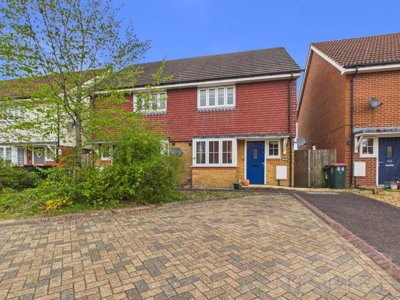
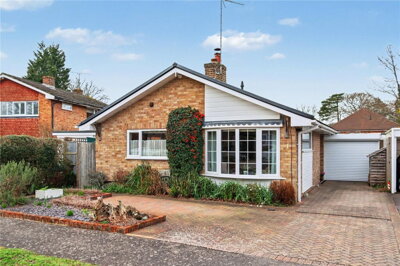
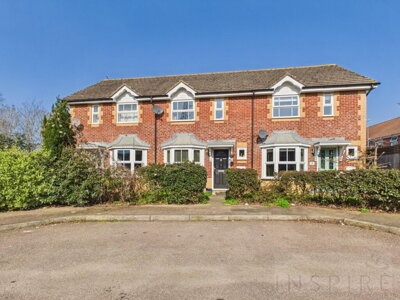
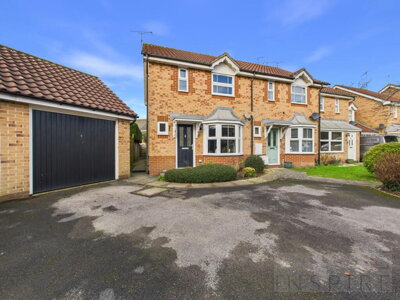
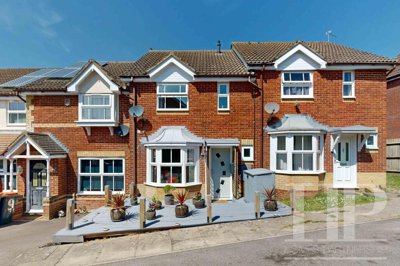
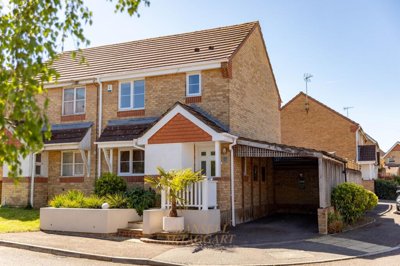
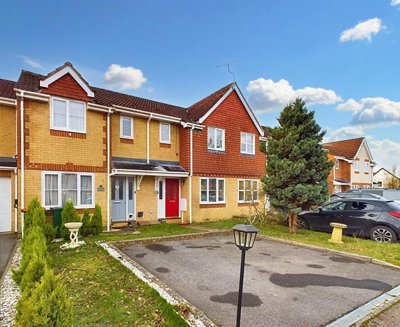
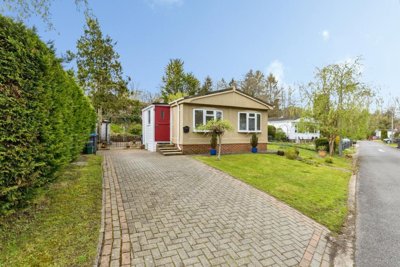
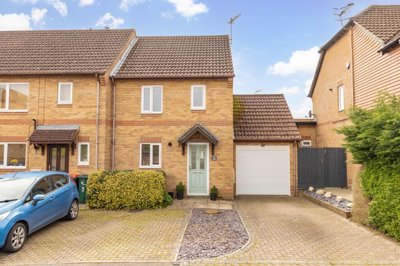
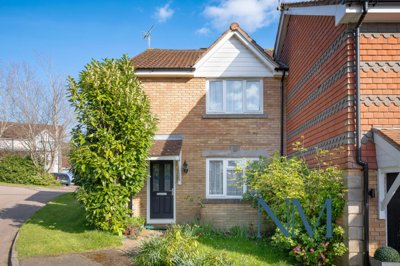
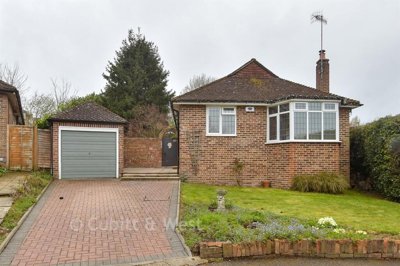
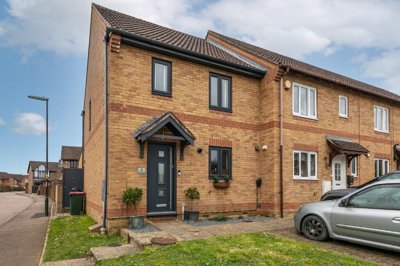
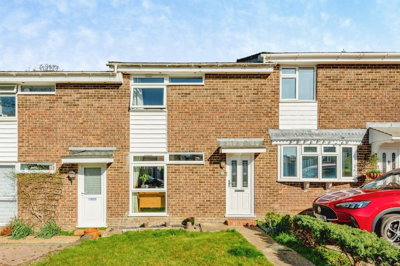
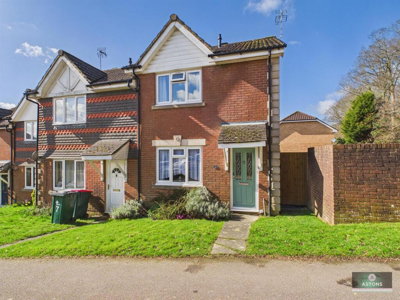
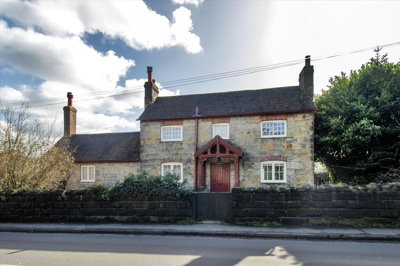
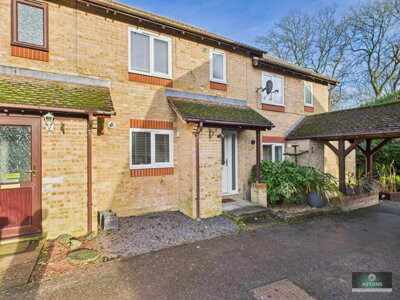
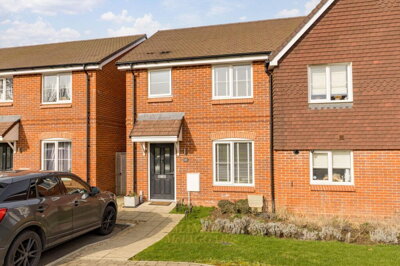
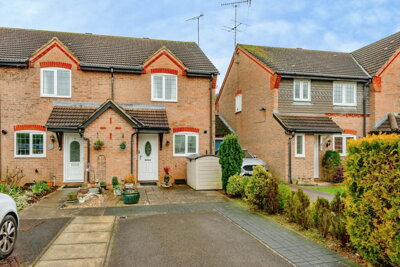
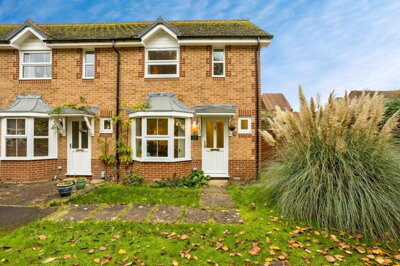
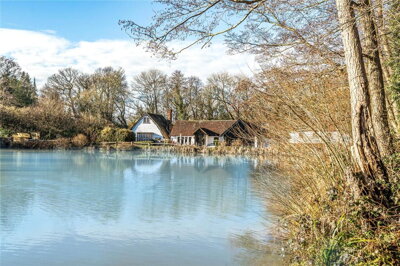
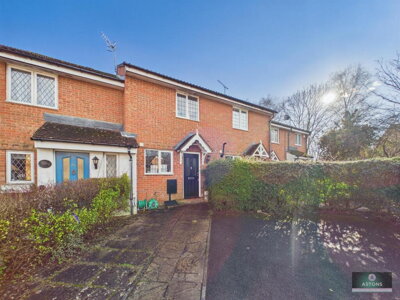
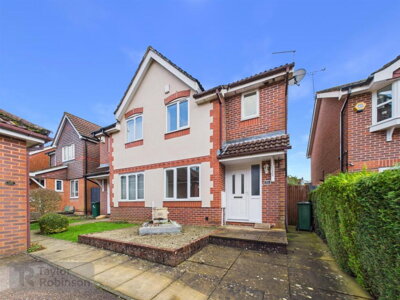
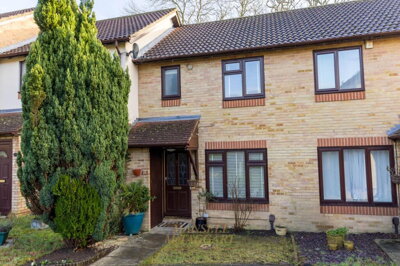
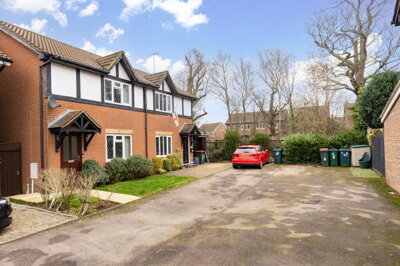
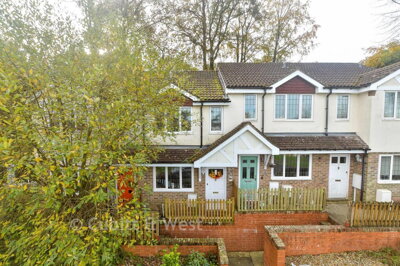
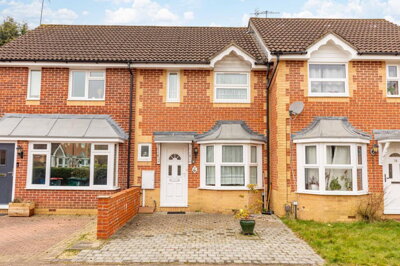
Browse 47 homes for sale in Turners Hill from local estate agents.
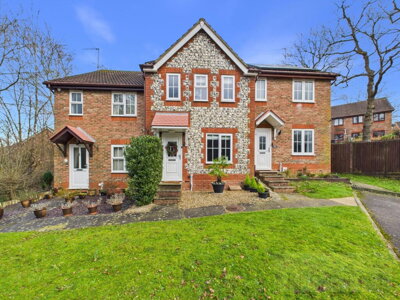
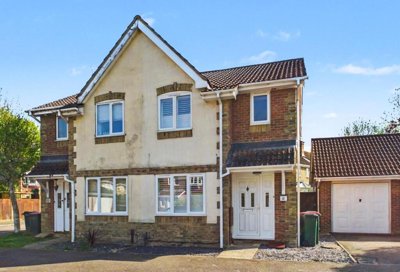
The 2 bed house market features detached, semi-detached, and terraced properties with two separate bedrooms plus living spaces. Properties in Turners Hill range from Victorian and Edwardian period homes to modern new builds, with pricing varying across different neighbourhoods.
Turners Hill offers a strong opening for buyers keen to get into this sought-after West Sussex village. Detached homes fetch the top prices here, with average sold prices of approximately £734,167 over the past year. These are usually the family houses with proper gardens, several reception rooms, and the room to spread out that appeals to growing households or anyone needing a home office. That premium reflects the village character, and the simple fact that there are not many detached properties coming up at all.
Semi-detached houses in Turners Hill have averaged £425,000, which makes them good value for buyers after family space at a more reachable price. Many date from the Victorian or Edwardian era, so you often get original fireplaces, high ceilings, and period features that give the homes real character. Terraced properties make up a sizeable share of the stock, averaging around £461,250 according to home.co.uk listings data, while homedata.co.uk puts the figure a little higher at approximately £488,333 for this type. Exposed brickwork and original sash windows are common, and they suit anyone after a traditional English village feel.
Flats are still fairly thin on the ground in Turners Hill itself, although the available data points to average sold prices of around £260,000. That shortage fits the village’s mainly residential make-up, where houses far outnumber apartments. First-time buyers and those working to a tighter budget may find the flat market limited, but it is worth keeping an eye on as new listings appear. Market conditions have corrected, so buyers who know their numbers are in a stronger position when it comes to negotiating.

Turners Hill runs on the quiet rhythms of village life, with local events and long-standing traditions giving it a friendly, settled feel. In the centre stands a historic parish church dating from the 12th century, an important landmark as well as a piece of architectural history. The village pub does much of the social heavy lifting, with locally sourced food and ales drawing neighbours together for supper or a drink at the weekend. Then there is the village hall, where mother and toddler groups, fitness classes, and community cinema nights keep the calendar ticking over.
Beyond the village edge, the countryside opens up into miles of walking and cycling routes across farmland and woodland. Worth Forest gives residents a substantial stretch of woodland for outdoor use, while the wider High Weald landscape brings rolling hills, old hedgerows, and the patchwork fields that define this corner of England. From the south, there are wide views across the Low Weald, and the landscape changes through the year, from spring bluebells in nearby woods to autumn colour in local gardens and trees. Gatwick Airport is about 12 miles away too, which brings useful global links for anyone travelling regularly for work or leisure.
Families are especially drawn to Turners Hill because it offers a rural setting without cutting them off from good schools in nearby towns. Professional couples often like the village atmosphere as well, while still keeping commuting options open to Crawley, East Grinstead, and beyond. The community is a mix of long-established residents whose families have been here for generations and newer arrivals who came across Turners Hill and decided to stay. That gives the village a steady social balance, welcoming to newcomers while still valuing the traditions that shape everyday life.

For families planning a move to Turners Hill, education is available both in the village area and a short drive away. Primary-aged children can attend schools in nearby villages and towns, with several well-regarded options in Crawley Down, Copthorne, and East Grinstead. Smaller schools often benefit from close community links and more individual attention, which fits the village way of life. Parents should still check Ofsted ratings and admission criteria carefully, because catchment areas can make a big difference to where a child is placed.
Secondary schooling is provided by schools in East Grinstead and the surrounding towns, many with solid reputations for academic results and extracurricular activities. Crawley adds more choice, including grammar school places for pupils who meet the academic standard. It is sensible to check current school performance data and admission rules, since both can change and will affect which schools serve a particular Turners Hill address. School-run logistics matter too, so transport arrangements need to be part of the planning.
For childcare, the village and nearby area offer a range of options, including preschools, nurseries, and Ofsted-registered childminders. Many families use local early years provision alongside schools in neighbouring towns, seeing the short drive as a fair trade for village living. Turners Hill also has a strong community spirit, so parents often meet through school runs and shared activities, building the kind of support network that becomes especially valuable as children grow.

Turners Hill is well placed for people who want village peace without losing access to major routes. It sits close to the A22, giving direct links north to East Grinstead and south to Crawley. That road also links with the M23, which heads down towards Brighton and gives access to the wider motorway network, including the M25 London orbital. For commuters working in Sussex or travelling further afield, those connections are a real asset.
Being about 12 miles from Gatwick Airport adds another layer of convenience for residents who travel often for business or leisure. The airport offers direct flights across Europe and beyond, which makes Turners Hill appealing to professionals who want easy airport access but not the noise and pace of an airport-town setting. Because the village is not right next door to the airport, residents get the benefit of global connectivity without the same level of disturbance.
Rail travel is available from East Grinstead and Three Bridges, both nearby, with regular services to London Victoria and London Bridge. Journey times into central London are usually around 50 minutes to an hour, depending on service and connections. Local buses link Turners Hill to surrounding villages and towns, though the service is not as frequent as you would find in a city, so car ownership is close to essential for many residents. That is part of the practical reality buyers need to weigh up.

We would start with the current listings in Turners Hill and a clear look at price trends in the village. Average prices sit around £515,750 to £574,792 depending on the source, and with recent market corrections of approximately 8 percent, the conditions suit buyers who can negotiate from a well-informed position. Register for alerts on new listings in the village and the wider RH10 postcode area.
Before you view anything, get a mortgage agreement in principle from a lender. It shows sellers and estate agents that you are financially ready, which can strengthen your hand when offers are being considered in a competitive village market. It also means you can act quickly once the right property comes up, and that can make all the difference.
See more than one property in Turners Hill so you can compare the lifestyle, the condition of each home, and how close it is to local amenities. Garden orientation, parking, and views all deserve proper attention when you are narrowing down a shortlist. It also helps to spend time in the village at different times of day and on different days of the week, so you get a truer sense of the place.
Once an offer has been accepted, arrange a RICS Level 2 survey, also known as a homebuyer report, for the property. That inspection can pick up structural issues, maintenance concerns, or defects that may affect whether you proceed, or give you grounds to revisit the price. With many older Turners Hill homes and clay soils in the area that can lead to foundation movement, a proper survey is especially useful.
After that, appoint a conveyancing solicitor to deal with the legal side of the purchase. Our solicitors will handle searches, review contracts, and manage exchange and completion, keeping you updated as things move along. Familiarity with Mid Sussex District Council procedures can help speed things up when buying in this area.
When the legal work is complete and the finance is in place, contracts are exchanged and a completion date is agreed with the seller. On completion day, the remaining money is transferred and the keys are handed over to your new Turners Hill home. It is sensible to plan the move carefully, especially if larger vehicles need to get along the narrow village roads.
Homes in Turners Hill cover several periods, from attractive cottages of the older sort to modern family houses built in the 2000s and 2020s. Older places may use traditional construction methods, including timber framing, so buyers should be clear about the maintenance involved and what renovation options are realistic. Period houses often bring original fireplaces, exposed beams, and thick walls, all of which add character but can also mean more upkeep. A survey will help pick out issues linked to the age and construction type of the property in question.
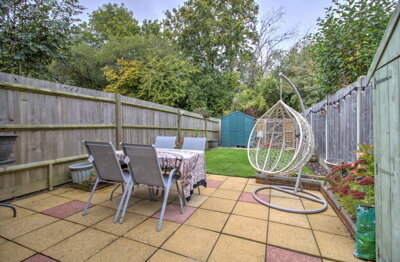
Because the village setting leaves more room, many plots are larger than you would find in an urban area, with generous rear gardens and, in some cases, extra land or outbuildings. Buyers should think about how garden orientation affects outdoor use through the year, since south-facing gardens make the most of summer sun while north-facing rooms tend to have steadier natural light. Parking also varies, with some homes offering driveways or garages and others depending on on-street parking. Homes near the centre may be handier for amenities but can see more passing traffic, while properties further out are usually quieter.
West Sussex geology includes stretches of clay that can lead to ground movement and shrink-swell problems, especially in very dry or very wet spells. Mature trees nearby can also matter, because root systems may affect foundations over time. That risk is particularly relevant in the High Weald, where clay deposits are common beneath the surface. A survey from a qualified RICS surveyor will look at foundation condition and flag any signs of movement that need more investigation or repair. Knowing this from the outset helps buyers budget properly.
Energy efficiency differs widely across the Turners Hill housing stock, and older period homes often need more work to reach modern insulation standards. Anyone buying an older property should budget for heating upgrades, double glazing, and insulation when working out the true cost of purchase and renovation. Newer homes built to more recent regulations will usually perform better on energy use, although the Energy Performance Certificate should always be checked.

Over the past year, the average sold house price in Turners Hill has been approximately £515,750 according to home.co.uk listings data, while homedata.co.uk gives a slightly higher figure of £574,792. Detached homes average around £734,167, semi-detached houses around £425,000, and terraced properties approximately £461,250 to £488,333 depending on the source. Flats are rare in the village, but when they do sell they average £260,000. The market has dropped by 8 percent over the last year, which gives buyers a more realistic point of entry than the 2023 peak of £749,350.
For council tax, Turners Hill properties sit within Mid Sussex District Council. Bands run from A through to H, though most family homes fall in bands C through E depending on value and size. Buyers should check the band for any specific property on the Valuation Office Agency website, because it affects the annual bill and needs to be built into running costs. Band D council tax in Mid Sussex is currently set at a level that reflects the services supplied by the district council.
Turners Hill has access to primary schools in nearby villages and towns, with several strong options within a short drive, including schools in Crawley Down, Copthorne, and East Grinstead. Secondary education is available in East Grinstead and the surrounding area, with schools known for solid academic and extracurricular provision. Parents should check current Ofsted ratings and admission policies, because both school performance and catchment areas can have a major effect on family choices. Crawley also offers grammar school routes for those meeting the required academic standard.
Public transport in Turners Hill is fairly limited, with local buses connecting to nearby villages and towns but running less frequently than they would in an urban area. Rail services from East Grinstead and Three Bridges give regular links to London Victoria and London Bridge, with journey times of around 50 minutes to an hour. Gatwick Airport is about 12 miles away, which is a major benefit for residents who travel often for business or leisure. For most people, though, car ownership remains close to essential because of the village location.
Turners Hill has a few features that can make it appealing for investment, especially the village setting that attracts buyers looking for a rural lifestyle while still staying connected to employment centres, and the proximity to Gatwick Airport, which can suit tenants who travel regularly for work. Property values have come back from recent highs, so there may be an opening for investors looking over the medium to long term. Even so, rental demand in villages can be thinner than in towns, and investors should factor in void periods and management costs when working out returns. Its position within the High Weald AONB may also give some protection against a fall in values.
For residential purchases, stamp duty Land Tax starts at zero percent on the first £250,000 of the property value. From £250,001 to £925,000, the rate is 5 percent. Between £925,001 and £1.5 million, it rises to 10 percent, and anything above £1.5 million is charged at 12 percent. First-time buyers relief lifts the zero percent threshold to £425,000 and the 5 percent band to £625,000, though it does not apply above £625,000. With average prices around £515,750, many buyers paying standard rates would owe stamp duty on the amount above £250,000, which comes to approximately £13,288.
When viewing homes in Turners Hill, look closely at the foundations and any signs of subsidence or movement, especially given the local clay geology that can cause shrink-swell issues in wet or dry spells. Check which way the garden faces and how much natural light each room gets during the day. In period properties, inspect original features such as fireplaces, sash windows, and exposed beams, because these can mean significant maintenance costs. Parking matters in a village setting, and broadband speeds should be checked too, as they can vary across rural locations.
Mid Sussex District Council is the planning authority for Turners Hill, and being on the edge of the High Weald Area of Outstanding Natural Beauty can bring extra planning considerations for some development proposals. Any property within a designated conservation area would also be subject to specific controls on alterations and extensions. Buyers planning renovation or extension work should speak to the planning portal or contact the local planning authority to see what restrictions might affect the property.
Stamp duty needs to be part of the budget from the start of a Turners Hill purchase, and the current thresholds make it easier to work out the real cost of moving. At the village average of around £515,750, a standard buyer pays zero percent on the first £250,000 and 5 percent on the remaining £265,750, which gives a stamp duty bill of approximately £13,288. First-time buyers may benefit from higher thresholds, with zero percent on the first £425,000 and 5 percent on amounts between £425,001 and £625,000, bringing the liability down to approximately £4,538 on an average-priced property. It is a good reminder that the purchase price is only part of the story.
There are other costs as well, starting with surveys, where a RICS Level 2 homebuyer report typically begins at around £350 for homes up to £500,000 and rises for more expensive properties. Conveyancing fees for legal work usually start from about £499 for straightforward purchases, though more complex cases involving leases or unusual terms can cost more. Search fees, land registry fees, and electronic transfer charges can add several hundred pounds, while removal costs vary depending on distance and how much you are moving. Mortgage arrangement fees may apply too, and Buildings Insurance will be needed from completion day.
Buyers also need to think about ongoing costs such as council tax, utility bills, building insurance, and a reserve for maintenance. Village homes with bigger gardens and older construction can need a higher upkeep budget than modern urban flats. It helps to set aside money for the immediate costs after completion, such as furnishing, decorating, or dealing with anything a survey has highlighted, so the move feels manageable rather than rushed. Getting a mortgage agreement in principle before the search starts also makes the process smoother and shows sellers you are ready when an offer goes in on a Turners Hill home.

From 4.5%
Get competitive mortgage rates for your Turners Hill purchase
From £499
Expert legal services for your property purchase
From £350
Professional survey for your Turners Hill home
From £60
Energy performance certificate for your property
Properties for Sale In London

Properties for Sale In Plymouth

Properties for Sale In Liverpool

Properties for Sale In Glasgow

Properties for Sale In Sheffield

Properties for Sale In Edinburgh

Properties for Sale In Coventry

Properties for Sale In Bradford

Properties for Sale In Manchester

Properties for Sale In Birmingham

Properties for Sale In Bristol

Properties for Sale In Oxford

Properties for Sale In Leicester

Properties for Sale In Newcastle

Properties for Sale In Leeds

Properties for Sale In Southampton

Properties for Sale In Cardiff

Properties for Sale In Nottingham

Properties for Sale In Norwich

Properties for Sale In Brighton

Properties for Sale In Derby

Properties for Sale In Portsmouth

Properties for Sale In Northampton

Properties for Sale In Milton Keynes

Properties for Sale In Bournemouth

Properties for Sale In Bolton

Properties for Sale In Swansea

Properties for Sale In Swindon

Properties for Sale In Peterborough

Properties for Sale In Wolverhampton

Enter your details to see if this property is within your budget.
Loans, cards, car finance
Estimated property budget
Borrowing + deposit
You could borrow between
Typical borrowing
Monthly repayment
Est. at 4.5%
Loan-to-value
This is an estimate only. Your actual budget may vary depending on interest rates, credit history, and personal circumstances. For an accurate affordability assessment, speak to one of our free mortgage advisors.
This calculator provides estimates for illustrative purposes only and does not constitute financial advice. Your home may be repossessed if you do not keep up repayments on your mortgage. Estimates based on 4.5% interest rate, repayment mortgage. Actual rates depend on your circumstances.
Homemove is a trading name of HM Haus Group Ltd (Company No. 13873779, registered in England & Wales). Homemove Mortgages Ltd (Company No. 15947693) is an Appointed Representative of TMG Direct Limited, trading as TMG Mortgage Network, which is authorised and regulated by the Financial Conduct Authority (FRN 786245). Homemove Mortgages Ltd is entered on the FCA Register as an Appointed Representative (FRN 1022429). You can check registrations at NewRegister or by calling 0800 111 6768.

We use cookies to show you personalised content and improve your experience of our website. Find out more in our Privacy policy and Cookie policy.