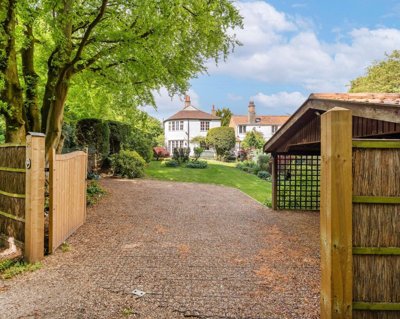
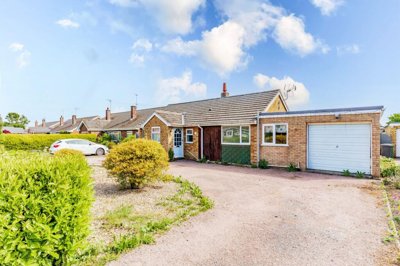
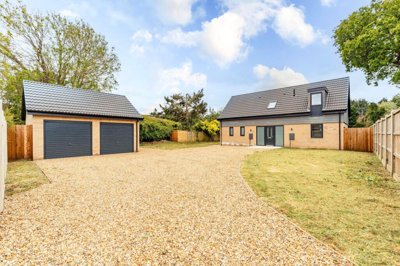
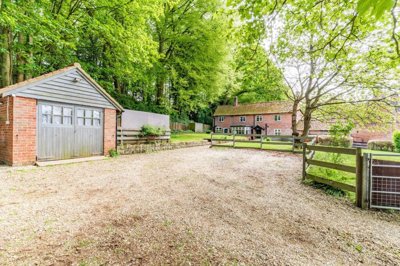
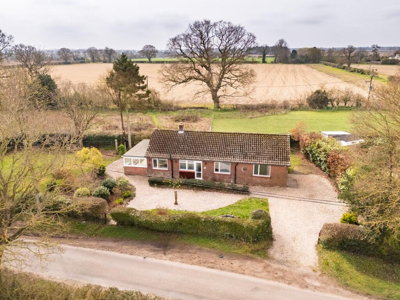
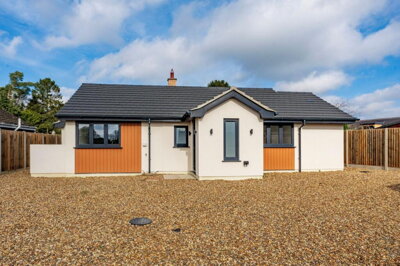
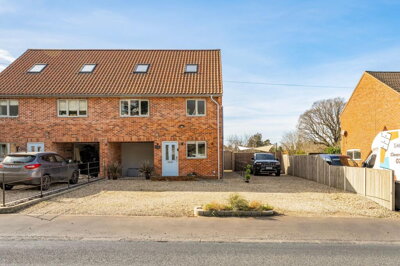
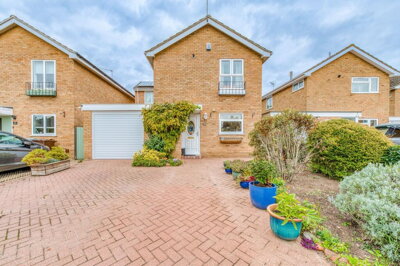
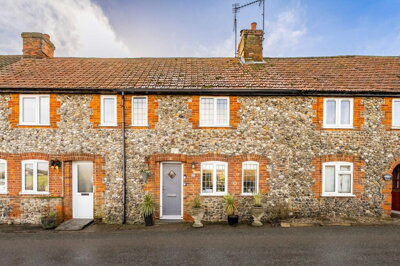
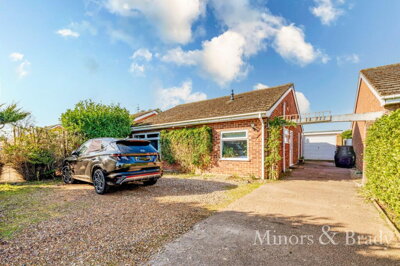
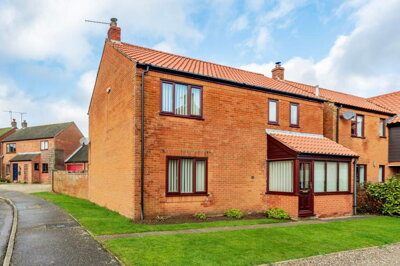
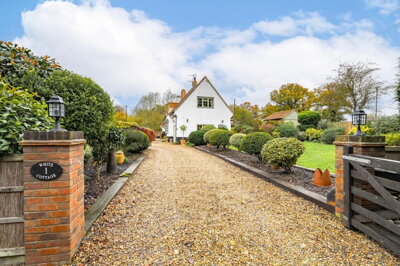
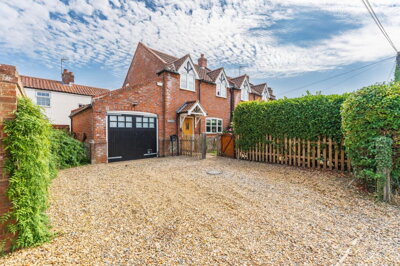
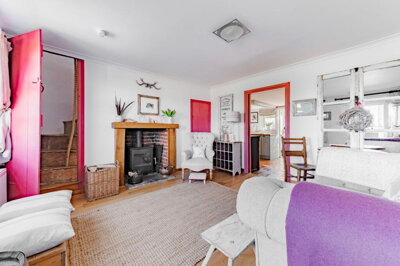
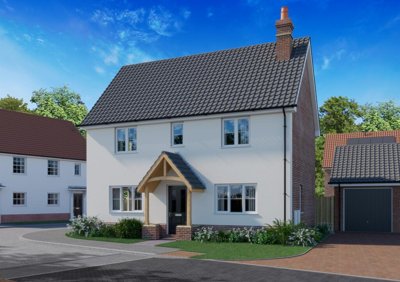
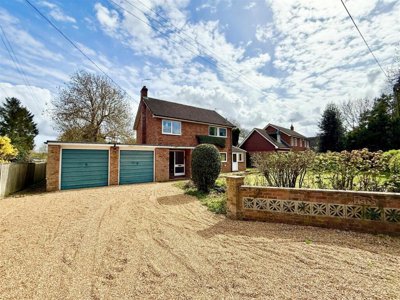
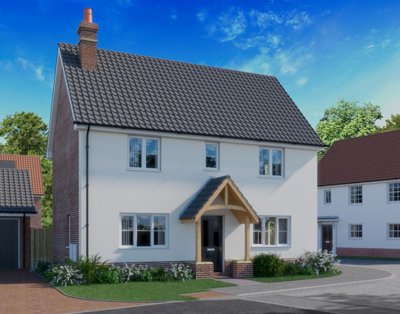
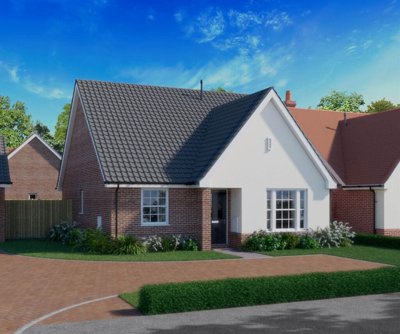
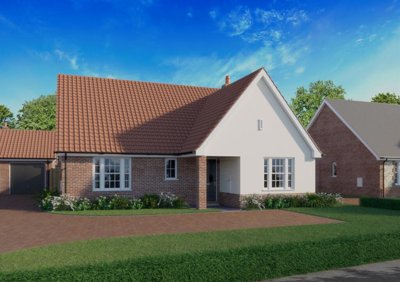
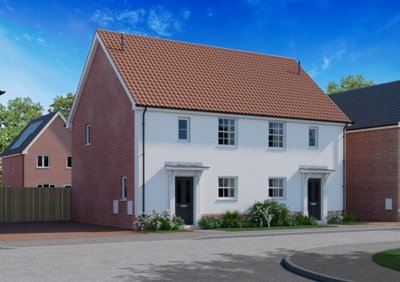
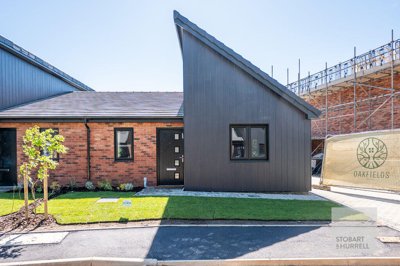
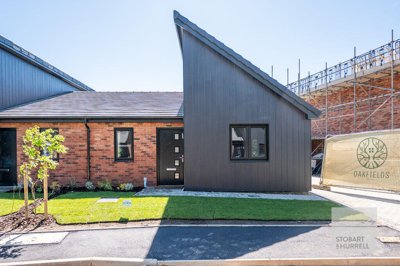
Browse 90 homes for sale in Tunstead, North Norfolk from local estate agents.
£340k
8
1
124
Source: home.co.uk
Source: home.co.uk
Detached Bungalow
3 listings
Avg £330,000
Detached
2 listings
Avg £375,000
Semi-Detached
2 listings
Avg £352,500
Bungalow
1 listings
Avg £215,000
Source: home.co.uk
Source: home.co.uk
Tunstead’s property market has grown steadily over the long term, with the average house price now at £372,438 and homedata.co.uk putting the wider area at around £422,417. Detached homes fetch the highest figures, averaging £512,500, which reflects demand for roomy rural houses with gardens and countryside views. Semi-detached properties sit at £337,500, while terraced homes are more affordable at about £302,250, and that makes them a practical route in for first-time buyers wanting to settle in this sought-after spot.
Prices in Tunstead’s NR12 8RB postcode are down 0.3% over the last year, but that sits against a stronger longer picture, with a 19.7% rise over five years and a 56.5% increase across the past decade. Market Street homes dropped 12% from their 2020 peak of £425,000, while Crowgate Street has held close to its 2021 high of £287,500. That looks more like a settling of the market than any real downturn, especially with demand still supported by buyers who want Norfolk’s rural setting and better links to Norwich and further afield.
Semi-detached houses made up most sales in Tunstead over the past year, with detached homes next and terraced houses after that. The NR12 8RB postcode is a clear outlier, though, because it recorded 100% detached property transactions, which tells us a lot about appetite for larger homes and more outdoor space. homedata.co.uk records 339 properties sold in Tunstead, with transactions as recent as November 2025, so the market is still moving even with wider economic uncertainty in the background. NR12 covers Tunstead as well as neighbouring villages, which means the village itself sits in the more desirable part of that wider market.

Tunstead is a village that captures rural Norfolk well, with a close community feel and easy access to market towns and the county’s well-known coastline. It also has a number of notable historic buildings, including Hall Farmhouse, a Grade II listed property from 1826 with traditional Norfolk brickwork and corrugated tile roofing. The Church of St Mary holds Grade I listed status and serves as a local landmark in both architectural and spiritual terms, while the Tunstead War Memorial and Old School House speak to a heritage and sense of community that reaches back through generations.
The building style here follows classic Norfolk practice, with mellow red brick elevations and black pan tiled roofs giving the village its familiar look. There are newer homes too, including properties built in 2007 that mix contemporary layouts with traditional materials, and they show that modern development can sit comfortably alongside older character. A few thatched properties add another layer of charm and depth to the streetscape, which is why Tunstead tends to appeal to buyers after genuine period homes.
Norfolk continues to draw London and South East buyers looking to relocate for lifestyle reasons, as well as hybrid workers and retirees who want coastal or rural surroundings. Tunstead fits neatly into that pattern, but it still has its own identity as a quiet village rather than an isolated one. Nearby towns provide shopping, healthcare and leisure, so residents can enjoy a slower pace without feeling cut off. Norwich and the coast are both within reach, giving access to work and city services while keeping day-to-day life firmly rural.
Knowing how Tunstead homes were built helps buyers understand what kind of character they are getting, and what maintenance may follow. Most of the older stock uses solid-walled brick construction, the standard method before cavity wall insulation became common in the mid-20th century. Hall Farmhouse, dating from 1826, is a good example, with its mellow red brick elevations and corrugated tile roofing shaping much of the village’s historic feel.
Homes from the Victorian and Edwardian eras often share familiar features seen across Norfolk, such as solid load-bearing walls that are usually 225-300mm thick, handmade bricks with uneven mortar joints, and original timber roof structures. Valley gutters can also be an issue, as they are prone to leaking. The black pan tiled roofs often mentioned in listings reflect traditional Norfolk roofing methods, but they need regular upkeep and will eventually have to be replaced once they pass their usual 50-60 year life.
Much of Norfolk sits on clay geology, and that can cause shrink-swell movement in the ground beneath properties, which may in turn affect foundations over time. We did not find specific geological data for Tunstead itself, but properties elsewhere in Norfolk with high clay content have long been vulnerable to subsidence during long dry spells or after tree root activity. We always advise a thorough RICS Level 2 Survey for any property in Tunstead, because older homes with solid walls and traditional foundations can show movement that needs proper assessment.
Tunstead properties cover a broad age range, from listed buildings in the early 19th century through to modern homes built in 2007 and beyond. That means the defects buyers may encounter vary quite a bit by property type. Older solid-walled houses often suffer from penetrating damp, especially where pointing has broken down or where render has trapped moisture in the wall. Our inspectors often find damp at ground floor level and behind fitted furniture in period homes that have not been looked after professionally.
Timber defects are another major issue in Tunstead’s older housing stock. Solid-walled homes often have less ventilation to sub-floor voids, which creates conditions that suit wet rot and dry rot in floor timbers and roof structures. Woodworm is also frequently found in structural timbers in homes over 50 years old, especially where damp has been present or where timber was not fully seasoned at the time of construction. The black pan tiled and thatched roofs seen across the village need specialist inspection too, as both can hide damaged sarking boards and underfelt.
Because Tunstead and the wider NR12 postcode area carry a flood risk profile, buyers should look closely for signs of earlier water ingress in any home. Even houses that have never actually flooded can still show damp linked to high groundwater or surface water run-off in heavy rain. Our team recommends checking the government’s flood risk checker for the exact address and thinking carefully about the impact on insurance premiums and long-term maintenance.
Families moving to Tunstead will find primary and secondary schools within a sensible driving distance across North Norfolk. The village’s historic school buildings are part of its long educational story, but parents should check the current provision and catchment areas directly with Norfolk County Council for their specific address. For secondary schooling, nearby market towns offer options too, and many families travel to schools with strong academic results and good facilities.
Norfolk has a number of grammar schools, with the nearest usually found in the larger towns across the county. Parents should remember that grammar school admission depends on catchment and selective testing, so it pays to look at eligibility and registration deadlines early. At sixth form level, provision differs from school to school, with some offering broad post-16 programmes and others concentrating on vocational or academic routes.
Further education colleges in Norfolk give older students more choice, with colleges in Norwich and other major towns offering a wide range of vocational and academic courses. The North Norfolk area also has independent schools for families who want something different. Because Tunstead is rural, many families think carefully about transport and journey times, so it is sensible to confirm school details before committing to a purchase there.
Tunstead is well placed for the wider Norfolk road network, with the A47 acting as a main route between the village, Norwich and the Norfolk coast. From there, drivers can reach Great Yarmouth to the east and King’s Lynn to the west, and the A11 is also accessible for travel towards Cambridge and London. For Norwich commuters, the drive usually takes around 20-30 minutes depending on traffic, which makes the village workable for people splitting their week between home and office.
The nearest railway stations are in the surrounding market towns and coastal areas, while Norwich station is the main hub for services to London Liverpool Street, Cambridge and Birmingham. Trains from Norwich to London usually take about two hours, so daily commuting is not really practical, but weekly travel or hybrid working fits well. Local buses do link Tunstead with nearby towns, although the timetable is thinner than you would get in an urban area, so car ownership is generally advisable.
For cyclists and walkers, Norfolk has a growing network of signed routes and country lanes, which keeps active travel popular for shorter journeys. The Norfolk Broads offer attractive cycling routes, while footpaths across the surrounding farmland give residents direct access to countryside walks from the village. Parking in Tunstead is usually adequate for a place of its size, although people heading to events in nearby towns should check local parking rules and charges beforehand.
Begin your search by looking at current Tunstead listings and comparing prices across the different property types. It also helps to review historical trends for the NR12 postcode area so you can see the local market properly, including the recent 0.3% annual correction and the 56.5% rise over ten years. Working out whether detached, semi-detached or terraced homes fit your budget and needs will make the search far more manageable.
Before you book viewings, get a mortgage agreement in principle from a lender so you know exactly how much you can borrow. With average Tunstead prices at £372,438, most buyers will need a mortgage, and agreement in principle shows sellers that you are serious and financially ready. It is also wise to compare rates from several lenders so you can secure the best deal for your circumstances.
Once you have identified the right homes, arrange viewings and take the time to look carefully at both the property and its surroundings. Tunstead has a mix of period houses and newer builds, so keep an eye on the age of construction, any damp or structural issues, and the standard of recent work. Viewing at different times of day can also reveal changes in noise, light and the general feel of the neighbourhood.
After your offer is accepted, instruct a qualified RICS surveyor to carry out a Level 2 Home Survey before you complete. That matters in Tunstead because the housing stock goes back to the 1820s, so a proper survey is often the best way to spot structural issues, damp or timber defects that are easy to miss during a viewing. Survey costs usually sit between £400-£1,000, depending on the size and complexity of the property.
Next, appoint a solicitor or licensed conveyancer to handle the legal side of the purchase, from local searches and contract review through to registration. Your conveyancer will look into flood risks in Tunstead, check whether any planning restrictions affect the property, and make sure the paperwork is in good order before completion. Legal fees typically start from around £499 for standard transactions.
When the surveys, searches and legal checks all come back satisfactorily, you move to exchange contracts and pay your deposit, which is usually 10% of the purchase price. Completion normally follows within 2-4 weeks, when the keys to your new Tunstead home are handed over. After that, your conveyancer will register the ownership and you will need to update utility providers and local authorities with your change of address.
Flood risk is one of the biggest points to think about when buying in Tunstead, because the village is one of 20 areas in Norfolk regularly at risk of flooding. Norfolk County Council’s assessment suggests around 37,000 properties across the county are at risk during significant rainfall events, and Tunstead has been mentioned specifically in planning consultations about flood concerns. Buyers should check the government’s flood risk checker for the exact property and think about insurance costs and value risk before deciding.
Because Tunstead includes listed buildings such as Grade I and Grade II properties, nearby planning controls can affect homes even where the property itself is not listed. If you are buying a period home, remember that alterations, extensions and even routine maintenance may need Listed Building Consent from North Norfolk District Council. Older buildings can also justify a more detailed RICS Level 3 Building Survey rather than a standard Level 2, so it is worth budgeting for that on complex or historic homes.
Tunstead homes are usually built with traditional brick and tile methods, and older properties are more likely to have solid walls rather than the cavity wall insulation found in newer houses. That can affect energy efficiency and heating bills, which is why an EPC assessment is essential before purchase. Ask your surveyor to check for damp penetration, timber rot and woodworm, all common in older solid-walled homes. If any property is leasehold, service charges and ground rent should be made clear before you commit.
Recent planning decisions in the Tunstead area show how difficult new development can be in a flood-risk location. North Norfolk District Council refused an application for three bungalows on land east of Market Street, and the appeal was dismissed in August 2025 after authorities raised flood risk concerns and pointed to limited village services. That outcome shows why due diligence matters on any purchase in Tunstead, especially around flood assessments and drainage infrastructure.

According to homedata.co.uk, the average house price in Tunstead, North Norfolk, is £372,438 over the last 12 months. homedata.co.uk also reports a slightly higher average of £422,417 for the wider area. Prices vary sharply by type, with detached homes at £512,500, semi-detached properties at £337,500, and terraced homes around £302,250. Over the past decade, values in the NR12 postcode area have risen 56.5%, although the most recent months have seen a modest 0.3% annual correction after the 2022 peak. The NR12 8RB postcode covering Market Street has recorded 100% detached property transactions, which points to strong demand for larger rural homes in that part of Tunstead.
Tunstead properties fall within North Norfolk District Council for council tax purposes. The exact band depends on the valuation of the home, and it can be checked by searching the address on the Valuation Office Agency website. Norfolk properties usually sit in bands A through H, with valuations based on the assessment date of April 1991. Prospective buyers can confirm the council tax band for any listing before they make an offer, which helps with budgeting for annual ownership costs alongside the mortgage and other bills.
Tunstead has its own historic educational link through the former Old School House, although parents should check current provision directly with Norfolk County Council for the most accurate school allocations. Secondary options in the wider area include schools in nearby market towns, and many families are prepared to travel reasonable distances for schools with strong Ofsted ratings. Norfolk grammar schools require both the selection test and the right catchment criteria, so families who want that route should start researching early. Because the village is rural, transport arrangements should be confirmed during the search, as journey times and bus routes can affect the day-to-day routine quite a lot.
Public transport in Tunstead is limited, which is fairly typical for a small rural village, with buses linking nearby towns but running less often than in urban areas. Norwich is the nearest major railway station, with East Anglian Express services to London Liverpool Street taking roughly two hours. Most residents therefore find car ownership essential for everyday life, though the A47 gives decent road access to Norwich and the Norfolk coast. For home workers and hybrid commuters, the road links make weekly travel to major employment centres realistic, even if a daily commute would be less practical.
Tunstead has shown strong long-term growth, with prices up 56.5% over the past decade in the NR12 postcode area. Norfolk still attracts lifestyle buyers from London and the South East, which supports demand for rural homes with access to the coast and the Broads. Buyers should, though, keep the local flood risk profile in mind, along with the recent 0.3% annual price correction, which points to broader market normalisation. For people planning to hold long term, Tunstead’s rural appeal and improving connections make it a sensible option, even if rental yields are likely to be moderate compared with urban areas. The recent refusal of a planning application for new homes in Tunstead also shows that supply is limited, which could support values over time.
Stamp Duty Land Tax for standard purchases begins at 0% on the first £250,000 of the price, then rises to 5% on the portion from £250,001 to £925,000. Above £925,000, the rate increases to 10% up to £1.5 million and 12% beyond that point. First-time buyers get higher thresholds, paying 0% on the first £425,000 and 5% between £425,001 and £625,000. With the average Tunstead price at £372,438, most standard buyers would pay no stamp duty at all, and first-time buyers would have full relief on homes priced at £425,000 or below.
Tunstead is one of 20 areas in Norfolk regularly at risk of flooding, according to Norfolk County Council’s Preliminary Flood Risk Assessment. The council estimates that about 37,000 properties across Norfolk face flood risk during periods of significant rainfall. Planning consultations in Tunstead have specifically referred to flood concerns, and the appeal for three bungalows on Market Street was dismissed partly for that reason. We strongly advise buyers to use the government’s flood risk checker for the exact property address and to factor in the possible insurance costs when budgeting for a move to Tunstead.
For buyers purchasing in Tunstead at the current average price of £372,438, stamp duty remains relatively modest under standard residential rates. The first £250,000 is taxed at 0%, which means £122,438 of the average Tunstead property sits within the nil-rate band. The portion between £250,001 and £372,438 is charged at 5%, giving a total SDLT bill of around £6,122 for standard buyers. That keeps Tunstead attractive compared with London or the South East, where stamp duty bills can run into tens of thousands of pounds.
First-time buyers in Tunstead benefit from extra relief that removes SDLT entirely on properties up to £425,000. With the average property price standing at £372,438, most first-time buyers buying at or below the local average would pay no stamp duty. Homes priced from £425,001 to £625,000 attract 5% SDLT on the part above £425,000, while purchases above £625,000 do not qualify for first-time buyer relief. These thresholds are current, but they can change, so buyers should check the latest rates with their solicitor before completion.
On top of stamp duty, buyers should also allow for extra purchase costs such as mortgage arrangement fees, which usually range from £500-£2,000, survey costs of £400-£1,000 for a RICS Level 2 Home Survey, and conveyancing fees from £499 upwards. Searches, including local authority, drainage and environmental checks, usually cost £300-£500, while land registry fees and bank transfer charges add smaller amounts on top. Buildings insurance has to be in place from completion, and removals costs will vary depending on distance and volume. Allowing roughly 3-5% of the purchase price for these extras helps buyers avoid unwelcome surprises beyond the headline price.

From 4.5% APR
Find competitive mortgage rates for your Tunstead purchase
From £499
Expert legal services for your property purchase
From £400
Comprehensive survey for your Tunstead home
From £80
Energy performance certificate for your property
Properties for Sale In London

Properties for Sale In Plymouth

Properties for Sale In Liverpool

Properties for Sale In Glasgow

Properties for Sale In Sheffield

Properties for Sale In Edinburgh

Properties for Sale In Coventry

Properties for Sale In Bradford

Properties for Sale In Manchester

Properties for Sale In Birmingham

Properties for Sale In Bristol

Properties for Sale In Oxford

Properties for Sale In Leicester

Properties for Sale In Newcastle

Properties for Sale In Leeds

Properties for Sale In Southampton

Properties for Sale In Cardiff

Properties for Sale In Nottingham

Properties for Sale In Norwich

Properties for Sale In Brighton

Properties for Sale In Derby

Properties for Sale In Portsmouth

Properties for Sale In Northampton

Properties for Sale In Milton Keynes

Properties for Sale In Bournemouth

Properties for Sale In Bolton

Properties for Sale In Swansea

Properties for Sale In Swindon

Properties for Sale In Peterborough

Properties for Sale In Wolverhampton

Enter your details to see if this property is within your budget.
Loans, cards, car finance
Estimated property budget
Borrowing + deposit
You could borrow between
Typical borrowing
Monthly repayment
Est. at 4.5%
Loan-to-value
This is an estimate only. Your actual budget may vary depending on interest rates, credit history, and personal circumstances. For an accurate affordability assessment, speak to one of our free mortgage advisors.
This calculator provides estimates for illustrative purposes only and does not constitute financial advice. Your home may be repossessed if you do not keep up repayments on your mortgage. Estimates based on 4.5% interest rate, repayment mortgage. Actual rates depend on your circumstances.
Homemove is a trading name of HM Haus Group Ltd (Company No. 13873779, registered in England & Wales). Homemove Mortgages Ltd (Company No. 15947693) is an Appointed Representative of TMG Direct Limited, trading as TMG Mortgage Network, which is authorised and regulated by the Financial Conduct Authority (FRN 786245). Homemove Mortgages Ltd is entered on the FCA Register as an Appointed Representative (FRN 1022429). You can check registrations at NewRegister or by calling 0800 111 6768.

We use cookies to show you personalised content and improve your experience of our website. Find out more in our Privacy policy and Cookie policy.