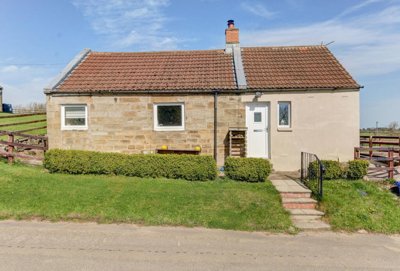
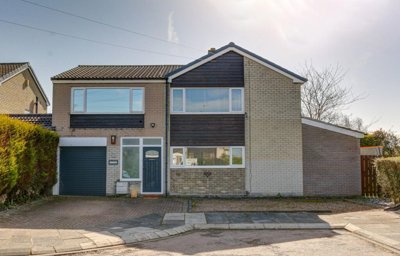
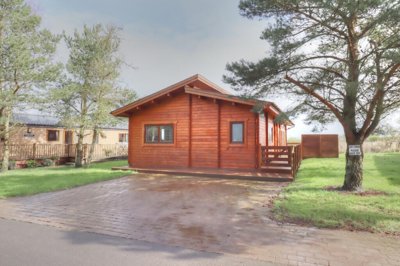
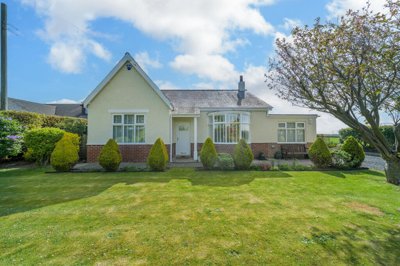
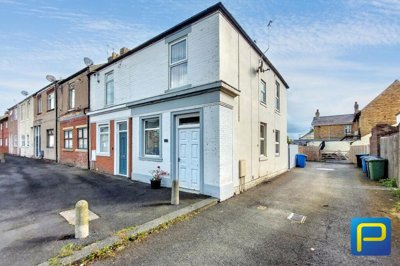
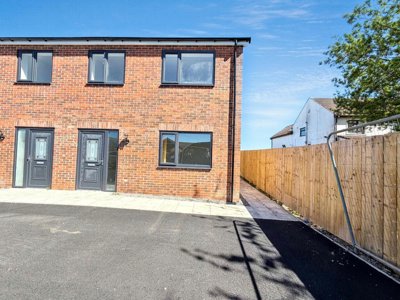
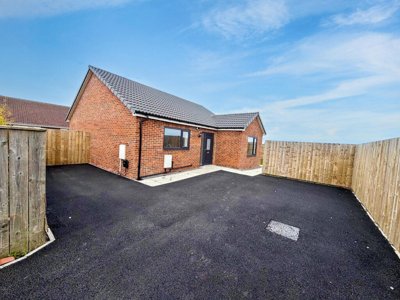
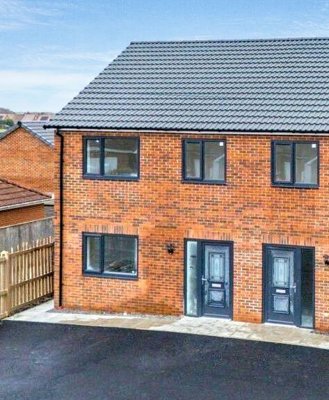
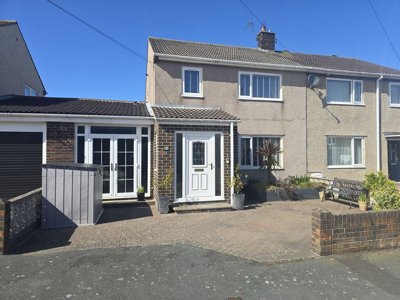
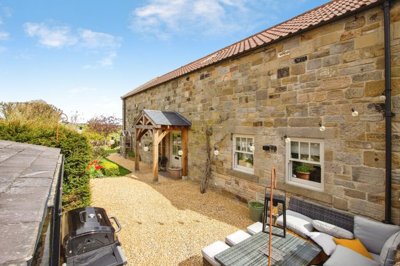
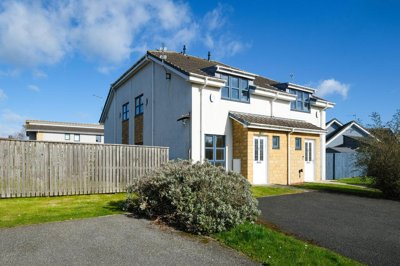
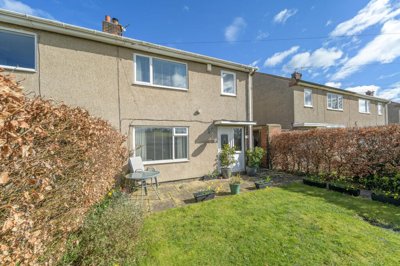
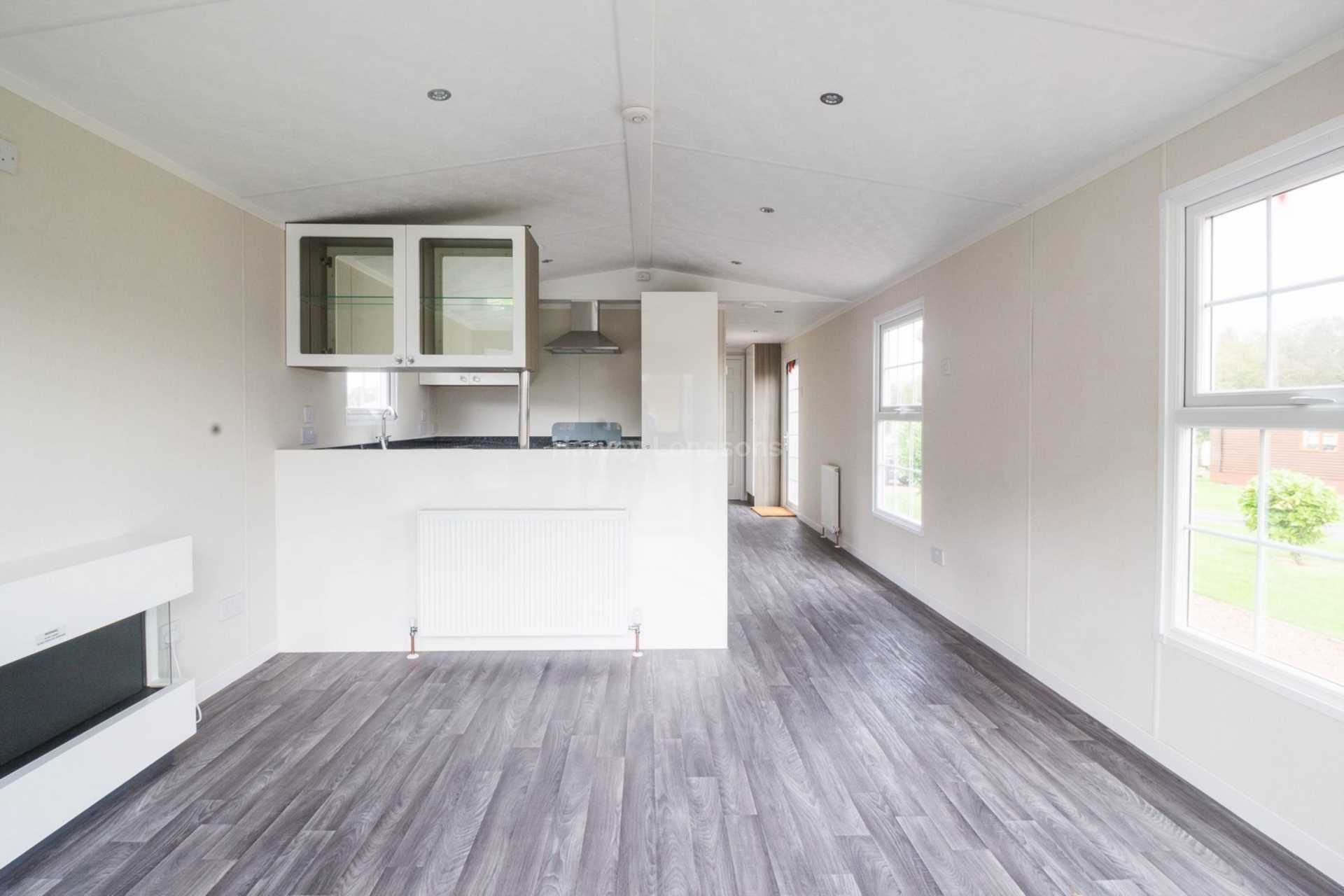
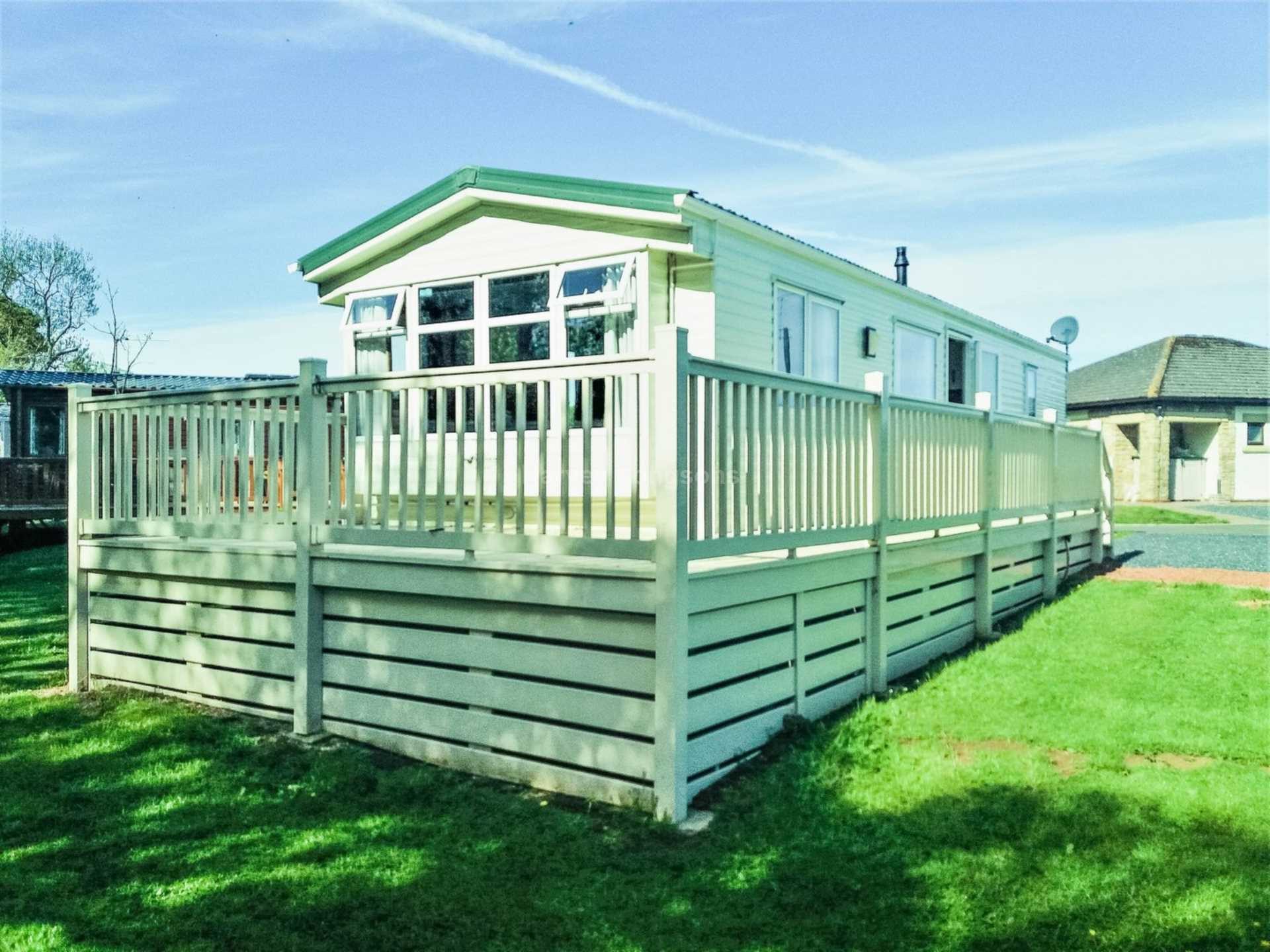
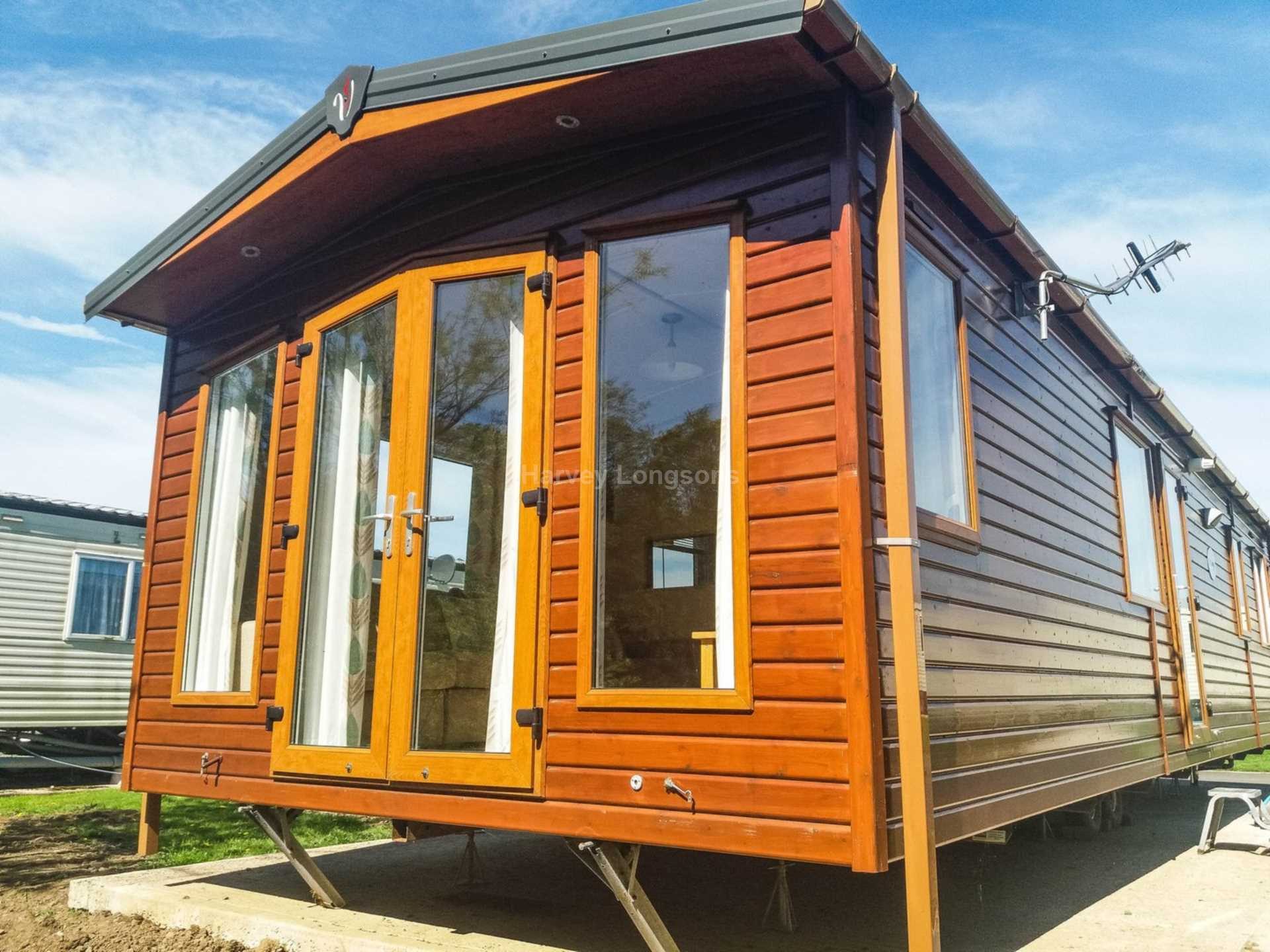
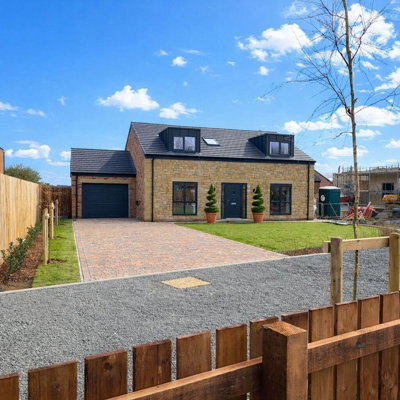
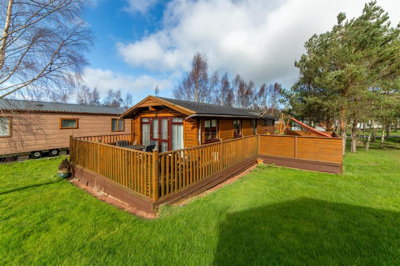
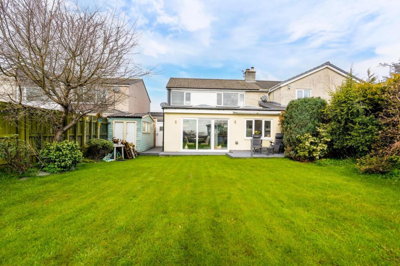
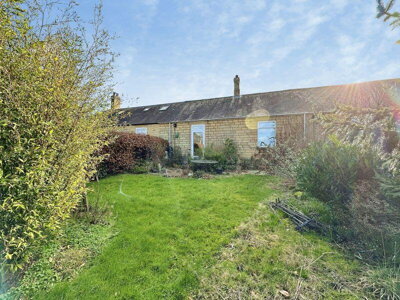
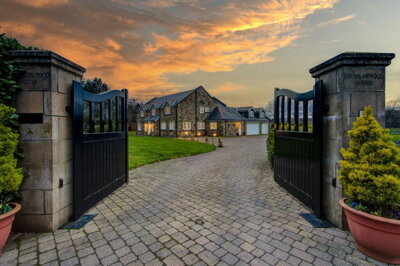
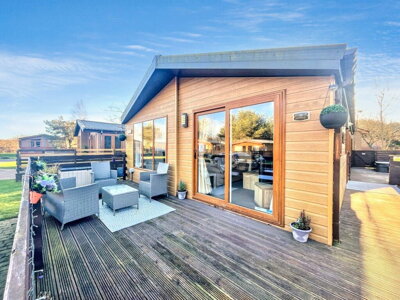
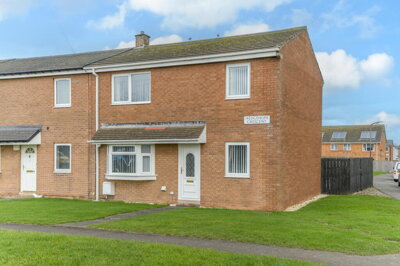
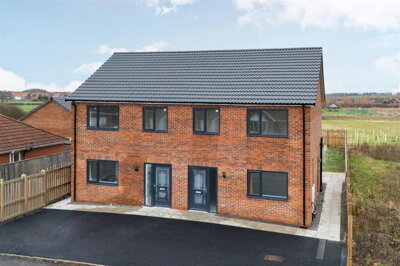
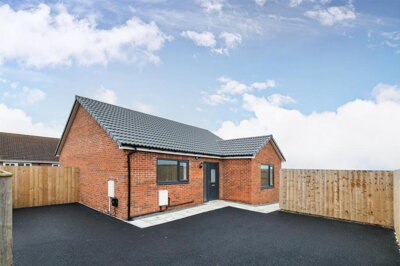
Browse 48 homes for sale in Tritlington and West Chevington from local estate agents.
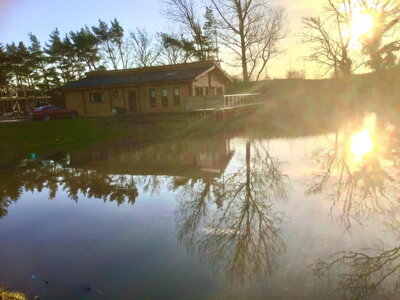
Tritlington and West Chevington sit within a rural Northumberland market where demand regularly outstrips supply, simply because there are only so many homes available at any one time. Our platform brings together listings from local estate agents across the area, giving buyers wide access to everything from traditional stone cottages to large detached houses on generous plots. With no major new build schemes nearby, the stock tends to be character homes that previous owners have kept well or modernised with care.
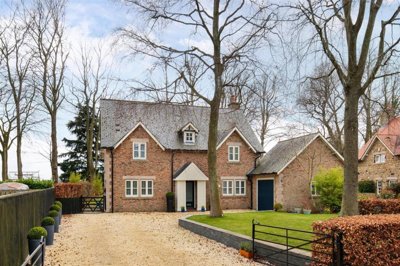
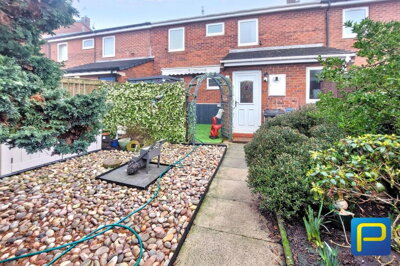
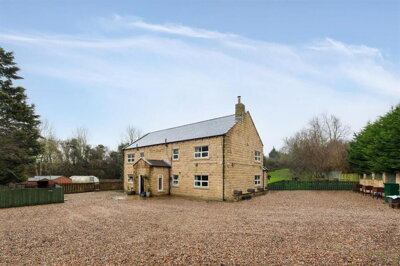
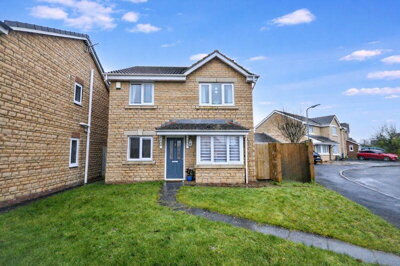
Around the parish, the choice includes terraced cottages, semi-detached houses, and substantial detached homes, many from the 18th and 19th centuries. Old farm buildings and agricultural barns have also been converted into family homes, often with the original detail still intact. Because the area has a mining past, our surveyors would always suggest a full inspection of older buildings, especially where mining-related subsidence could affect former coalfield properties.
Below ground, the parish sits in the North East coalfield, with the Yoredale Group made up of mudstones, siltstones, sandstones, and limestone. Clay within that formation can bring shrink-swell risk for homes on shallow foundations, so professional surveys matter for older buildings. Local stone and brick also weather in familiar ways here, with mortar erosion and differential movement sometimes needing specialist eyes.
Planning matters are handled by Northumberland County Council, and the parish's listed buildings, including Grade II examples such as Tritlington Old Hall, Causey Park House, and West Chevington Farmhouse, bring extra limits on alterations and improvements to the buildings and their surroundings. Before committing to a purchase, buyers should check any planning conditions that could shape how they plan to use the property.

Daily life follows the Northumberland countryside, where farming continues alongside a quieter rural economy. The parish covers rolling farmland, historic estates, and scattered settlements that have been occupied since Mesolithic times. Archaeology points to thousands of years of human activity, with the medieval period especially important, when tower houses such as Tritlington Old Hall and Causey Park House were built for prominent local families.
The heritage stock is particularly strong here. Tritlington Old Hall dates from the medieval period, was enlarged in 1595, and then remodelled in 1723, while Causey Park House is a tower house from 1589 with later changes. Tritlington Hall, built after 1603, shows the country house style that came after defensive living faded. Buyers may come across these places, or their garden walls, stable ranges, and gatepiers, as homes in their own right or as neighbours to them.
Away from farming, the parish now includes holiday lets, golf courses, farm shops, caravan sites, and creative businesses in converted barns. The West Chevington Farm project, with holiday property development, shows that investment is still moving ahead despite legal disputes tied to historic conveyancing matters. Those varied rural businesses help give the community a lively feel, and events and local facilities bring residents together through the year. Felton is close by for shops, pubs, and day-to-day services, while Alnwick offers a wider choice of retail, education, and healthcare within an easy drive.
Community life in Tritlington and West Chevington is shaped by neighbourly ties and a shared regard for the countryside. The Civil Parish Council meets regularly on local matters, and residents take part in village events that speak to the area's heritage and natural surroundings. For buyers looking for an honest rural community, the parish offers a mix of history, landscape, and local character that sets it apart from more built-up parts of Northumberland.

Families moving here will find schools across the surrounding Northumberland area. Primary places are served by nearby villages and towns, with the closest primaries usually taking children from the parish. Rural transport arrangements are already in place, with dedicated buses taking pupils to schools in nearby communities. Broughton Primary School in the village of Broughton offers education for younger children, and Felton has further primary options.
At secondary level, the wider Northumberland area includes well-regarded comprehensive schools, some of which have gained strong Ofsted ratings in recent inspections. The Duchess's Community High School in Alnwick takes students from the surrounding area, while other schools offer broad academic and extracurricular programmes. Grammar school provision is also available in Alnwick, and the Tritlington and West Chevington parish may fall within the catchment areas. Families should check current admission policies with Northumberland County Council, because catchments can shift and places at popular schools can be hard to secure.
Sixth form and further education are available at colleges in Morpeth and Alnwick, and bus services make both accessible to students living in the parish. Northumberland College offers a wide mix of vocational and academic courses, while King Edward VI School in Morpeth provides sixth form study for students working towards A-level qualifications. For higher education, Newcastle, Durham, and Sunderland are all within manageable reach by public transport or car, with regular bus and rail links tying them into the area.
Early contact with schools is a sensible move for parents settling in Tritlington and West Chevington, because it gives time to sort admission arrangements and transport choices. Northumberland County Council offers school transport subsidies for eligible students, and many families find the bus network makes nearby towns practical even without a private car. A bit of planning around education can make the move into rural family life much smoother.

Tritlington and West Chevington sits well placed within Northumberland, close enough to major centres while keeping its rural calm. The A1 trunk road crosses the wider area, bringing Newcastle upon Tyne to the south and Edinburgh to the north within reach. Nearby, the A1068 links the parish to Morpeth, where rail services open up journeys to Newcastle, Durham, and beyond. By car, Newcastle city centre is usually 45 minutes to one hour away, depending on traffic, so commuting can work for people based in the city.
For those working in Alnwick, the town is straightforward to reach via the A1068, and the drive is usually 15-20 minutes. That makes the parish appealing to people in retail, hospitality, services, education, and healthcare. Alnwick also acts as a starting point for the Northumberland coast, with Alnmouth, Craster, and Bamburgh all within a reasonable drive.
Public transport in the immediate area is limited, which suits the rural setting. Bus routes connect the surrounding villages to market towns, although timetables are often shaped around school runs and market days. The nearest railway stations are in Alnwick and Morpeth, with links to the East Coast Main Line and regional services. Morpeth station has direct trains to Newcastle, Edinburgh, and London, so it remains useful for commuters and for the odd longer trip.
In practice, most residents find a private car essential for day-to-day life, given the limited transport choices in the parish. Cycling is still popular for leisure, though hills and country roads call for care. Commuters heading into Newcastle upon Tyne can use parking at Newcastle Central Station and the wider public transport network instead of driving all the way into the centre, where parking costs can be high.

We advise buyers to spend time in Tritlington and West Chevington at different times of day and on different days of the week before they commit to a purchase. Check nearby amenities, talk to residents about their experience, and test the journey times to the places you use most. With local facilities in short supply, knowing how well you connect to surrounding towns matters. Try the routes to schools, workplaces, and social spots at different times so the timings feel real.
Our advice is to arrange a mortgage agreement in principle before viewings begin. It shows sellers and estate agents that the buyer is serious, and it helps set a realistic budget. Older and character homes in the area often bring extra costs for surveys and any renovation work, so those need to sit inside the borrowing calculation. Rural mortgage brokers can talk through products suited to homes with land or agricultural ties.
We always suggest looking at several properties across different price brackets, so the full range is clear. On older homes, keep a close eye on original windows, traditional heating systems, and the condition of the stonework. Former mining areas may call for specialist surveys to test structural integrity. Take photos and notes at each viewing, because that makes later comparison much easier.
With so many older homes in Tritlington and West Chevington, a RICS Level 2 Survey is a sensible step. That report will pick up age-related defects, possible mining subsidence, and the condition of structural elements, electrical systems, and roofing. Clay soils in the Yoredale Group mean foundations and subsidence risk need specific attention in the survey findings.
A local solicitor, or one with rural property experience, should handle the legal side of the purchase. They will carry out local authority searches, look into rights of way, and check any planning restrictions that could affect the intended use of the property. Homes with sizeable land, historic structures, or close links to listed buildings may call for extra due diligence. Rural and agricultural specialists often know the Northumberland issues well.
Once the searches and surveys come back clean and the mortgage offer is in place, the solicitor can arrange exchange of contracts with the seller. Completion usually follows within 28 days, and then the keys to the new home in Tritlington and West Chevington are handed over. Buildings insurance should start from completion day, and removal plans ought to be sorted well ahead of time, especially for a distant move or anything that needs specialist transport.
Traditional building methods and materials are common in Tritlington and West Chevington, so buyers need to look closely at condition during the purchase process. Stone-built homes make up much of the historic stock, and they can show weathering, mortar erosion, or movement that a qualified surveyor should assess. Older construction also tends to mean insulation standards and energy efficiency ratings sit below modern levels, which can affect ongoing utility costs. Ask for recent energy performance certificates, and think about the cost of better insulation and heating.
The mining history of the area brings its own set of checks for prospective buyers. Tritlington and West Chevington lies in the North East coalfield, and homes built on land touched by historic coal mining should be surveyed for subsidence, ground movement, or structural instability. Former mine entries or shafts on, or next to, a property can affect both structural integrity and insurance. Conveyancing solicitors should run mining searches to pick up any historic activity linked to the site.
Flood risk also needs a look, even though there are no active flood warnings. Long-term risk from rivers, surface water, and groundwater is recognised across Northumberland, and the local geology, including clay in the Yoredale Group, can affect drainage and ground conditions. Homes with large gardens or land should be checked for drainage systems and possible water management issues. The lie of the land and proximity to watercourses both matter when judging flood resilience.
Planning in the parish is shaped by the listed buildings nearby, which limit alterations and improvements to protected structures and their surroundings. For anyone buying a listed home, or a property next to one, the relevant English Heritage or local authority requirements should be checked before any changes are drawn up. Conservation area status in nearby Felton may also affect planning for properties in the surrounding area. Grade II listed building consent is needed for most external alterations, and the rules can cover windows, doors, roofing materials, and boundary treatments.

PASSAGE 1: homedata.co.uk does not publish separate average house price data for Tritlington and West Chevington, because the annual number of transactions in this civil parish is so small. Even so, homes in this rural part of Northumberland usually sit somewhere from around £430,000 for traditional cottages to over £862,500 for substantial detached houses with land. The wider Northumberland market has seen steady growth in recent years, with rural homes especially popular among buyers after countryside living. For current listings and recent comparable sales in the parish, local estate agents remain the best place to ask.
PASSAGE 2: Northumberland County Council handles council tax for properties in Tritlington and West Chevington. Bands run from Band A for smaller homes to Band H for substantial residences, and most traditional stone properties tend to sit in Bands C to E. A Band D property in Northumberland currently attracts annual charges of about £2,000, although the exact bill changes with the band and any exemptions or discounts. Homes with extensive land or historic features may be assessed differently, depending on rental value.
Tritlington and West Chevington has no schools within the parish itself, but the surrounding area gives families solid choices. Primary schools in nearby villages such as Broughton and Felton educate younger children, and several have good or outstanding Ofsted ratings. Secondary places are available in Alnwick and Morpeth, with selective grammar school options reached through the examination process. Families should check current catchment areas and admission policies with Northumberland County Council before buying, because these can change and affect school placement.
Public transport in Tritlington and West Chevington is limited, which fits the parish's rural setting. Bus services link surrounding villages and market towns, with routes largely planned around school transport needs. The nearest railway stations are at Alnwick and Morpeth, with links to regional services and the East Coast Main Line. Morpeth station has direct services to Newcastle, Edinburgh, and London King's Cross. Most residents rely on a private car for commuting and day-to-day access, with the A1 providing road links to Newcastle upon Tyne and the wider North East.
For property investors, Tritlington and West Chevington has a few clear attractions, notably the small pool of homes for sale, the historic feel of the housing stock, and steady demand from buyers looking for rural Northumberland. Converted farm buildings still draw interest, while holiday lets can work well thanks to nearby Alnwick Castle, the Northumberland coastline, and the national park. The West Chevington Farm holiday development shows the continued appetite for tourism-led investment in the area. Even so, some homes may carry mining-related issues, and that needs to sit firmly inside due diligence.
PASSAGE 3: Stamp Duty Land Tax for England applies to all purchases in Tritlington and West Chevington. For residential purchases up to £250,000, the SDLT rate is 0 percent. Between £250,001 and £925,000, the rate rises to 5 percent, then to 10 percent for the portion between £925,001 and £1.5 million. Properties above £1.5 million attract a 12 percent charge on the rest. First-time buyers get relief on the first £425,000 of a purchase, with 5 percent applying between £425,001 and £625,000. With typical property values in the area and an average price of £436,000, most purchases fall into the 5 percent rate on the portion above £250,000.
Even with no active flood warnings in the immediate Tritlington and West Chevington area, Northumberland still carries long-term flood risk from rivers, surface water, and groundwater in some places. The Northumberland Local Plan Strategic Flood Risk Assessment points to zones at risk of fluvial and surface water flooding, although detailed parish-specific data is limited. Because of the mining history and the clay soils, buyers should commission thorough surveys that look at both flood risk and possible subsidence before they complete a purchase. Homes with large gardens or next to watercourses need particular care.
Tritlington and West Chevington has a strong spread of listed buildings that reflect its medieval past. The key names include Tritlington Old Hall, a medieval tower enlarged in 1595 and remodelled in 1723, and Causey Park House, a tower house from 1589. Tritlington Hall, built after 1603, and West Chevington Farmhouse are other important historic properties. Many homes in the parish also carry older features or use traditional building methods linked to that heritage. Buyers of period properties should budget for the upkeep that historic buildings usually need.
From £350
Essential for older properties with mining heritage
From £450
For complex or period properties
From £60
Energy performance certificate
From £499
Legal services for your purchase
From 4.5%
Finance your purchase
PASSAGE 4: Buying in Tritlington and West Chevington brings costs beyond the purchase price, so buyers should set those out early in their financial planning. Stamp Duty Land Tax is the biggest extra charge for most purchases, and the current £250,000 threshold for standard residential transactions applies here. First-time buyers purchasing homes up to £425,000 can get full SDLT relief on that part, while purchases between £425,001 and £625,000 attract a 5 percent charge on the excess. With typical parish values, many purchases will pay SDLT at the 5 percent rate on the portion above £250,000.
PASSAGE 5: Survey costs matter here more than in many places, because so many homes are older and full of character. A RICS Level 2 Survey usually starts from £350 for standard properties, with higher fees for larger or more complex homes. Homes with generous land, historic details, or possible mining-related issues may need extra specialist reports, which pushes the total cost up. Given the area's mining history, a structural survey that looks closely at subsidence risk and ground stability is money well spent before buying an older property.
PASSAGE 6: Conveyancing fees usually begin from £499 for straightforward transactions, although homes with title complications, rights of way, or agricultural land can need more work and cost more. Mining searches matter here too, and they may add to the bill. Other costs to plan for include mortgage arrangement fees, which vary by lender but can range from 0 to 2 percent of the loan amount, and removal costs, which depend on the length of the move and the amount being taken.
Buildings insurance must be active from the day of completion, and homes in former mining areas can carry higher premiums or need specific exclusions. Life insurance or critical illness cover is worth thinking about when taking on a large mortgage commitment. A little money put aside for post-purchase essentials, such as new furniture, security measures, or urgent repairs, helps the move into Tritlington and West Chevington go more calmly. Budgeting for possible renovation work is especially important for period properties that may need system updates or structural repairs.

Properties for Sale In London

Properties for Sale In Plymouth

Properties for Sale In Liverpool

Properties for Sale In Glasgow

Properties for Sale In Sheffield

Properties for Sale In Edinburgh

Properties for Sale In Coventry

Properties for Sale In Bradford

Properties for Sale In Manchester

Properties for Sale In Birmingham

Properties for Sale In Bristol

Properties for Sale In Oxford

Properties for Sale In Leicester

Properties for Sale In Newcastle

Properties for Sale In Leeds

Properties for Sale In Southampton

Properties for Sale In Cardiff

Properties for Sale In Nottingham

Properties for Sale In Norwich

Properties for Sale In Brighton

Properties for Sale In Derby

Properties for Sale In Portsmouth

Properties for Sale In Northampton

Properties for Sale In Milton Keynes

Properties for Sale In Bournemouth

Properties for Sale In Bolton

Properties for Sale In Swansea

Properties for Sale In Swindon

Properties for Sale In Peterborough

Properties for Sale In Wolverhampton

Enter your details to see if this property is within your budget.
Loans, cards, car finance
Estimated property budget
Borrowing + deposit
You could borrow between
Typical borrowing
Monthly repayment
Est. at 4.5%
Loan-to-value
This is an estimate only. Your actual budget may vary depending on interest rates, credit history, and personal circumstances. For an accurate affordability assessment, speak to one of our free mortgage advisors.
This calculator provides estimates for illustrative purposes only and does not constitute financial advice. Your home may be repossessed if you do not keep up repayments on your mortgage. Estimates based on 4.5% interest rate, repayment mortgage. Actual rates depend on your circumstances.
Homemove is a trading name of HM Haus Group Ltd (Company No. 13873779, registered in England & Wales). Homemove Mortgages Ltd (Company No. 15947693) is an Appointed Representative of TMG Direct Limited, trading as TMG Mortgage Network, which is authorised and regulated by the Financial Conduct Authority (FRN 786245). Homemove Mortgages Ltd is entered on the FCA Register as an Appointed Representative (FRN 1022429). You can check registrations at NewRegister or by calling 0800 111 6768.

We use cookies to show you personalised content and improve your experience of our website. Find out more in our Privacy policy and Cookie policy.