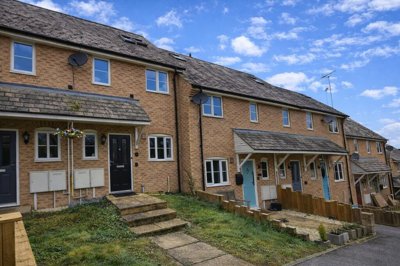
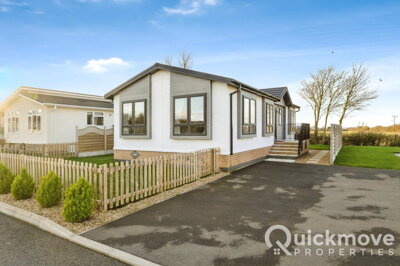
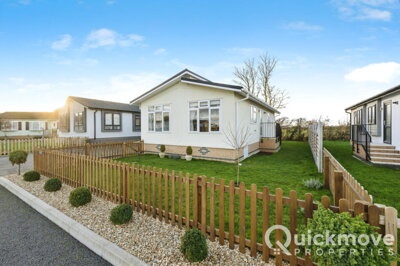
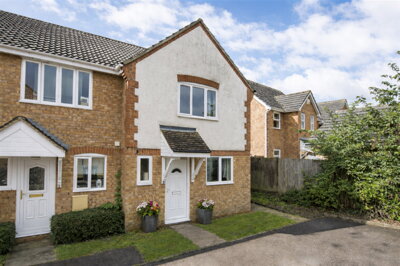
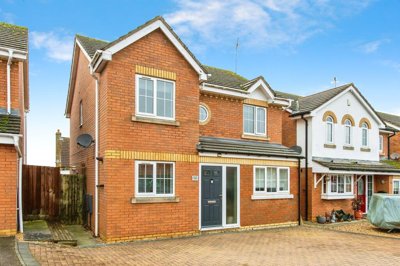
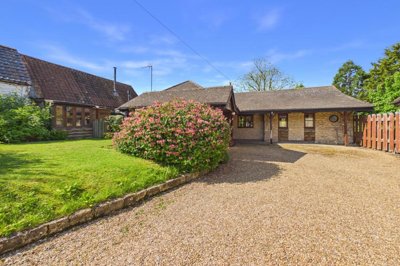
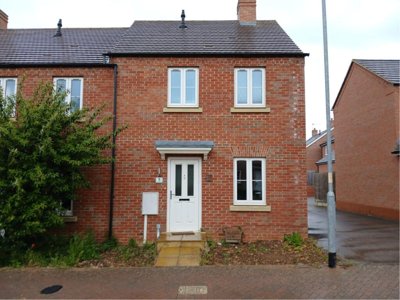
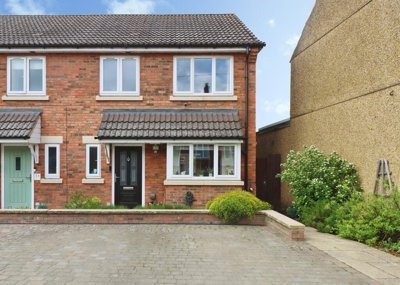
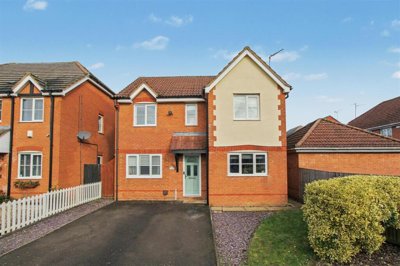
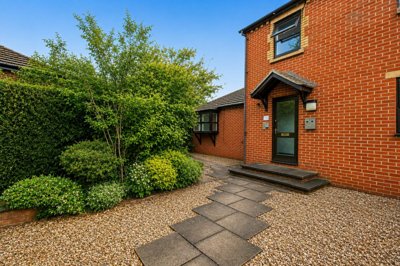
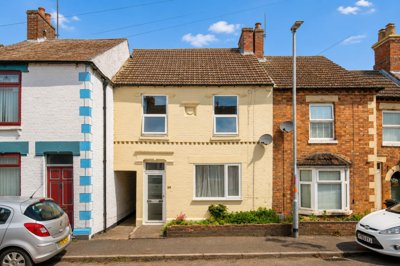
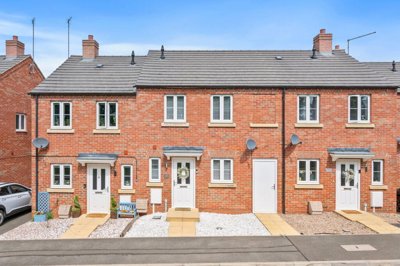
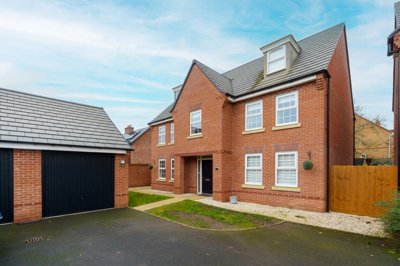
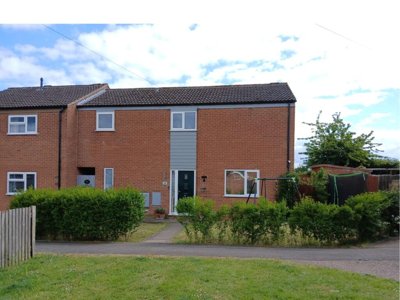
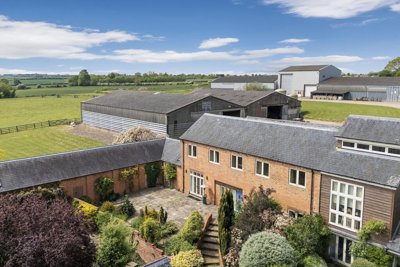
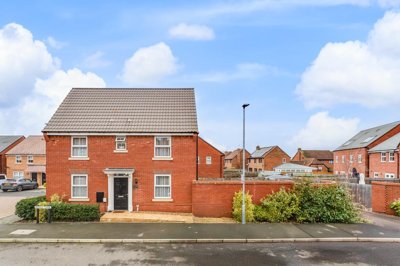
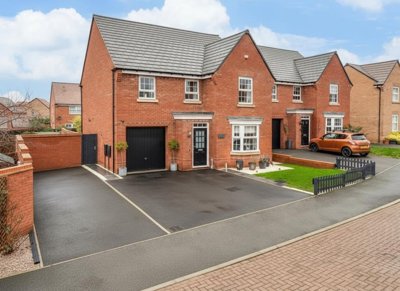
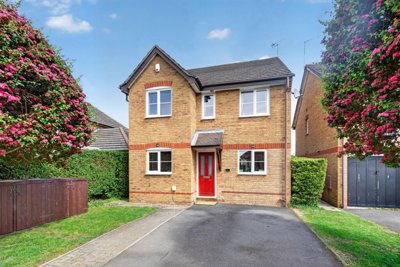
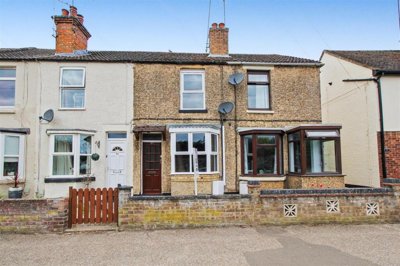
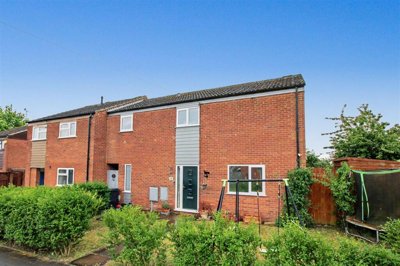
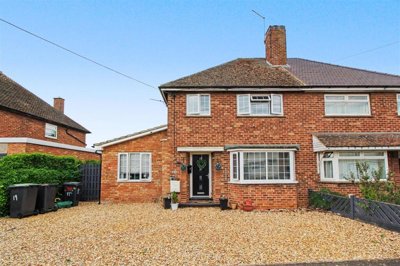
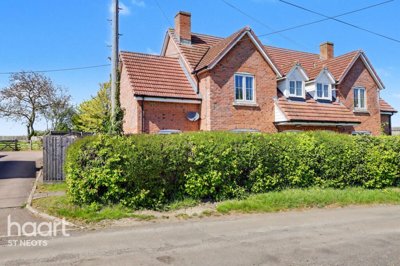
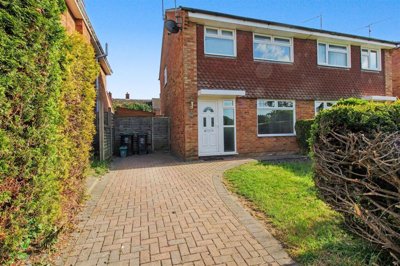
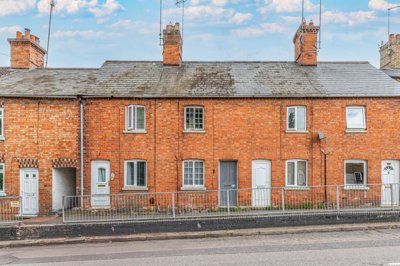
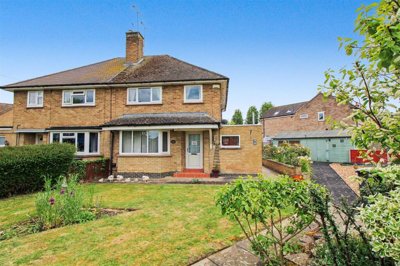
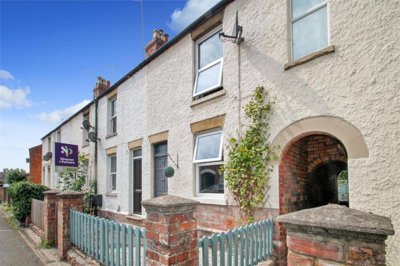
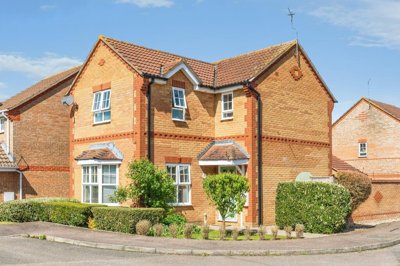
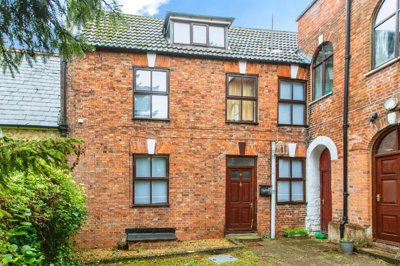
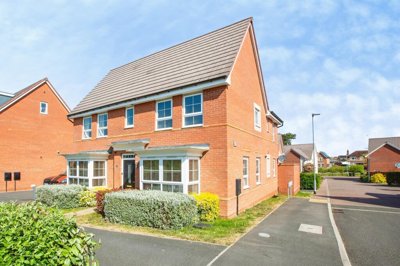
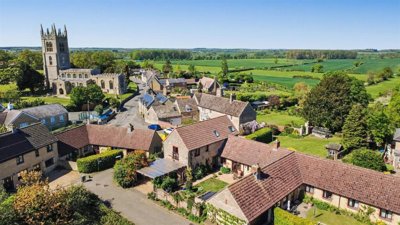
Browse 147 homes for sale in Titchmarsh, North Northamptonshire from local estate agents.
£573k
6
0
55
Source: home.co.uk
Source: home.co.uk
Detached
3 listings
Avg £791,667
Barn Conversion
2 listings
Avg £497,500
End of Terrace
1 listings
Avg £350,000
Source: home.co.uk
Source: home.co.uk
Titchmarsh has held up well as a housing market, with steady growth rather than sharp swings in recent years. Detached homes sit at the top of the local price range, with average sold prices of £681,500 across the past twelve months. That points to continued demand for larger family houses with gardens and open countryside views, which are a big part of the village's appeal. Semi-detached properties come in at around £346,000, giving buyers a more reachable way into village life without the premium often seen in bigger commuter belt spots.
Recent figures suggest prices in Titchmarsh are moving upwards, with year-on-year growth of approximately 8%, and some reports putting sold-price increases as high as 16.5% in early 2026. Even so, values are still around 10% below the 2021 peak of £568,777, which may leave room for buyers to find good value now. home.co.uk gives an overall average of £513,750 for homes sold in Titchmarsh over the past year, a useful marker for setting a budget. There has been little in the way of new build development inside the village itself, so most of the stock on the market tends to be older character property with genuine rural appeal.
Stock is usually tighter here than it would be in a town or city, which is exactly what most buyers should expect from a village like Titchmarsh. Homes can take longer to change hands, and that can help when it comes to negotiation. Still, the best properties do not always linger, especially when a buyer is after something specific and scarce. We would keep in touch with local agents and set up property alerts early, so new listings are on your radar before they filter out more widely.

Life in Titchmarsh has the feel many people picture when they think of an English village, close community, familiar faces, and a slower daily rhythm. In the centre, a conservation area protects the historic appearance of important streets and buildings, so later development has to respect the village's architectural character. Much of the older housing is built in traditional stone, and there are some striking examples, including Brookside Farmhouse from 1628 and the Pickering almshouses of 1756. The Manor House, built of squared coursed limestone with its attached wall and gatepier, along with 6 Church Street, is part of the Grade II listed fabric that gives Titchmarsh its coherence.
The parish church, the village hall, and the events that fill the calendar through the year are at the centre of community life in Titchmarsh. Nearby, the River Nene gives residents access to fishing, walking, and waterside views, while the surrounding countryside opens up miles of footpaths and bridleways. The village name comes from Old English, with references going back to the 13th century, and its history has been shaped for centuries by the fertile land of the Nene Valley. Titchmarsh Nature Reserve sits on former gravel pits within the Upper Nene Valley complex, and today it offers trails, wildlife habitat, and open ground for recreation, right on the doorstep.
Different buyers are drawn here for different reasons. Titchmarsh appeals to families looking for good schools, retired couples wanting a quieter pace, and professionals balancing remote work with a manageable commute. The population has stayed steady at around 600 residents, which says a lot about the village's long-term pull as a place to settle. Day-to-day essentials are available locally for residents and the wider rural area, while Thrapston, roughly four miles away, covers more routine shopping and services. For a wider choice again, Kettering is within a 20-minute drive.

Education is one of the first things families tend to look into, and in Titchmarsh that usually means widening the search beyond the village itself. Primary provision is available in nearby communities, with children generally travelling only short distances because of the village's modest size. For secondary schooling, nearby market towns provide the main options, and bus services help students reach schools with strong academic records. Before moving, it is sensible to check admissions rules, catchment boundaries, and current performance data, because those details can affect where a child is offered a place.
North Northamptonshire also gives families in Titchmarsh access to grammar school options in nearby Kettering and Corby. Those selective schools draw pupils from a broad catchment and can be a major consideration for parents focused on academic routes. Independent schools are available across the wider region as well, for families weighing different approaches. Sixth form study is usually taken at secondary schools and colleges in surrounding towns, where students can choose from established A-level and vocational courses.
Early years childcare and preschool provision supports both Titchmarsh and the surrounding villages, which matters for families with younger children. Because this is a small community, parents often end up organising lifts, childcare swaps, and school-run sharing between themselves, which says a lot about how village life works in practice. Academic results matter, of course, but they are only part of the picture. We would also weigh up extracurricular activities, facilities, and the general ethos of each school, and local insight from current residents can be just as useful as the official figures.

Titchmarsh manages to stay rural without feeling cut off. Its position in North Northamptonshire puts it close to the A14 trunk road, linking the village with Kettering, Corby, Northampton, and the wider motorway network. That makes it a realistic base for people commuting into larger employment centres and then returning to village surroundings at the end of the day. By car, Kettering is usually around 15-20 minutes away.
Rail access comes from nearby stations rather than the village itself. Kettering has East Midlands Railway services to London St Pancras in around an hour, while Corby provides another option as local transport links continue to develop. Road connections also make journeys towards Cambridge, Peterborough, or Birmingham practical without forcing drivers through every major urban bottleneck. Buses do link Titchmarsh with neighbouring market towns, but service levels are usually more limited than in urban areas, so anyone relying on them should check carefully which days and times actually operate.
Out on the roads, cycling conditions can change quickly. Some routes are quiet country lanes well suited to confident riders, while others are busier and need a bit more care. A number of residents mix cycling with rail travel as part of a lower-impact commute. For flights, East Midlands Airport and Birmingham Airport are within reasonable driving reach, and London Stansted and Luton add more international connections. Parking at local stations has improved over recent years, which helps those combining car and train travel for longer journeys into London and other major job centres.

It helps to get a feel for Titchmarsh before focusing on any one property. Look at asking prices, sold values, and the way different parts of the village differ in character. Visit more than once, and not just at the same time of day, so you can judge traffic levels, noise, and the atmosphere for yourself. We would pay close attention to conservation area boundaries and the position of listed buildings, because both can shape what ownership involves and what development rights apply.
Before booking viewings in earnest, sort out a mortgage agreement in principle with a lender. It shows what you can borrow and gives more weight to any offer you put forward. With Titchmarsh carrying an average price of £636,000, many purchases will involve substantial borrowing, so getting clear on budget early can save a lot of wasted effort. A broker with experience of rural property can also help, as some lenders take a different view of village homes than they do of standard urban stock.
Local estate agents are usually the best route into viewings, especially where supply is limited. Try to see a range of properties rather than stopping at the first promising one, so you can compare character, condition, and price properly. In older stone-built homes, we would look carefully at materials, repair history, and any signs of structural movement or deferred maintenance. Plenty of houses in Titchmarsh have been altered over time, so extensions and refurbishments should be checked for quality and how well they sit with the original building.
Once an offer is accepted, the next sensible step is a RICS Level 2 Homebuyer Report or a Level 3 Building Survey. In a village like Titchmarsh, where older housing and stone construction are common, a proper survey can bring out defects that would not be obvious during a viewing. Our survey partners cover Titchmarsh and can book inspections to fit your timescale. For listed buildings, or for homes needing major renovation, a Level 3 survey is usually the better fit because it gives a fuller picture of likely costs and condition.
You will also need a solicitor to deal with the legal transfer of ownership. They handle searches, enquiries, and the contract process on your behalf. For village property, those checks should cover flood risk, planning history, and any conservation area restrictions tied to the address. Where a building may be listed, the solicitor should confirm the exact status and explain what that means for later repairs, alterations, or extensions.
Once the searches are back, enquiries are resolved, and both sides agree the terms, contracts are exchanged and a completion date is fixed. On the day of completion, the remaining funds are transferred by your solicitor and the keys to the Titchmarsh property are released. Buildings insurance needs to be in place from exchange. After that, there is the practical side of the move, including updating the council tax office and utility providers.
Titchmarsh properties cover a long span of building history, from medieval origins through Georgian and Victorian development to later additions. That mix matters, because construction style has a direct effect on maintenance and repair. Stone-built houses, especially in the historic centre, can call for specialist conservation methods and the right materials rather than modern quick fixes. Features such as thatch, original timber windows, and period fireplaces give a home its character, but they can also bring Listed Building consent issues and extra upkeep. Many houses have been extended or modernised over the years, so the quality and compatibility of those changes is always worth checking.
Flood risk is not something to treat lightly here. Titchmarsh sits by the River Nene, and the Titchmarsh Nature Reserve occupies former gravel pit workings within the Upper Nene Valley gravel pits complex, so lower-lying parts of the village may be more exposed during heavy rain or river flooding. A careful buyer should look into previous flood events, the property's level compared with surrounding land, and any existing flood protection measures. Surface water flooding can also be an issue, not just river flooding, so both need to be reviewed together. Insurance premiums may be higher for homes in risk areas, and that should be built into the numbers from the outset.
Conservation area controls can have a real effect on what owners are allowed to do in Titchmarsh. External changes, extensions, and new outbuildings may need planning permission here even where they might not elsewhere, so buyers thinking ahead to alterations should understand the rules before they commit. Listed status adds another layer. Titchmarsh Mill at Middle Nene Cruising Club, the Manor House with its attached wall and gatepier, and 6 Church Street are all Grade II listed, which gives a clear sense of how strong the heritage protections are in the village. We would always want a solicitor to confirm the listing position of any property under consideration and explain what future works may involve.
Energy efficiency can vary widely across the village's housing stock. Older stone houses may have solid walls, limited insulation, single glazing, or dated heating systems, all of which affect running costs as well as comfort. While viewing, it is worth checking the energy performance certificate and thinking realistically about which upgrades are possible. In conservation areas, and especially in listed buildings, some changes may need consent, so it helps to know early what can and cannot be done.

Recent market data puts the average sold house price in Titchmarsh at £636,000 over the past twelve months, although home.co.uk reports an overall average of £513,750. Detached homes are the costliest segment, averaging about £681,500, while semi-detached properties sit much lower at around £346,000. Year-on-year growth is running at approximately 8%, yet values are still about 10% below the 2021 peak of £568,777, which may create an opening for buyers coming in now. home.co.uk also shows approximately 148 results for properties sold in Titchmarsh over the last year, including sales captured within a wider search radius.
For administration, Titchmarsh falls under East Northamptonshire Council. Council tax bands run from A to H, depending on the property's type and value, and many family homes sit somewhere between C and E. The exact band is specific to the individual address, so it is worth checking before exchange rather than relying on assumptions. Prospective buyers should look up the relevant Valuation Office Agency entry and budget for the annual charge that supports local services. There have been administrative reorganisations in recent years, but for residents the local tax picture remains consistent.
Schooling in Titchmarsh itself is limited at primary level, so most children attend schools in nearby villages or towns. Secondary choices across the wider area include schools in Kettering and Corby, and grammar school routes are available for pupils who qualify through the selection process. We would suggest looking beyond headline impressions and reviewing inspection reports, examination results, progress measures, travel arrangements, and catchment lines. The nearest primary schools cover the village and nearby hamlets, though transport arrangements can vary by location. Families wanting an alternative model also have independent schools available across the broader region.
Public transport in Titchmarsh is what you would expect from a small rural village, useful, but limited. Buses connect the village with nearby market towns, and from there rail services become available. Kettering station is about 15-20 minutes away by car and has East Midlands Railway services to London St Pancras in around an hour, while Corby offers another rail option. Anyone depending on buses should check timetables with care, because some services only run on certain days or at certain times. For London commuters, that direct Kettering journey of approximately one hour makes regular day travel possible.
Property values in Titchmarsh tend to be steady, supported by reliable demand from buyers who want village living in North Northamptonshire. The setting helps, with the Nene Valley landscape, conservation area protections, and natural assets such as Titchmarsh Nature Reserve all feeding into the village's appeal. It is not a fast-moving urban market, and lower transaction volumes do mean less liquidity, but that does not necessarily weaken its long-term case. Homes with land, strong character, or unusual features often attract a premium. A population holding at around 600 residents points more to consistent demand than to short-term speculation.
From April 2025, Stamp Duty Land Tax starts at 0% on the first £250,000 of a residential purchase. The rate then moves to 5% on the portion from £250,001 to £925,000, 10% up to £1.5 million, and 12% above that. First-time buyers get relief at 0% on the first £425,000, with 5% charged between £425,001 and £625,000. Using a typical Titchmarsh price of £636,000, a buyer who is not a first-time buyer would pay approximately £19,300 after the nil-rate threshold, while a qualifying first-time buyer would pay approximately £10,550 because the nil-rate threshold extends to £425,000.
The central part of Titchmarsh is covered by a conservation area designation, and that changes the planning picture. Rights that might normally fall under permitted development in non-designated places can be restricted here, so extensions, external alterations, outbuildings, and sometimes even internal works may need consent from East Northamptonshire Council. Before buying, it is important to check exactly where the conservation area boundary runs and what controls apply to the property in question. A solicitor can talk through the detail, but the basic point is simple, work that may be straightforward outside the conservation area may need permission within it. That protection preserves the village's character, but it does limit what owners can alter.
Titchmarsh stands on the east side of the River Nene, and the Titchmarsh Nature Reserve occupies former gravel pit workings that have created open water and wetland. Because of that setting, houses in lower-lying spots near the river or reserve may carry greater flood exposure in periods of heavy rainfall or river flooding. Anyone buying here should check the flood history for the property, compare its level with nearby ground and the river, and look at any mitigation already in place. Buildings insurance can cost more in designated flood risk areas, and lenders may want extra checks before offering a mortgage. A survey should also pick up any visible evidence of past flooding or water ingress.
The purchase price is only part of the cost of buying in Titchmarsh. Stamp Duty Land Tax is usually the largest extra, and it is charged on a tiered basis rather than as one flat percentage across the whole figure. On a property at the village average of £636,000, a standard buyer without first-time buyer relief would be taxed on £386,000 above the £250,000 threshold, which works out at approximately £19,300. A first-time buyer may be able to use the higher nil-rate threshold of £425,000, cutting that SDLT bill to approximately £10,550.
Survey fees are worth allowing for right at the beginning. A RICS Level 2 Homebuyer Report starts from £350 and suits many conventional purchases, giving a solid overview of condition. In Titchmarsh, though, the age of the housing stock and the number of stone-built homes often make a Level 3 Building Survey from £500 the better call, especially for older houses, listed buildings, or properties needing major work. These reports can reveal structural defects and maintenance liabilities that were not obvious during viewings, which can save thousands later. For a stone-built listed property, we would also consider whether a heritage specialist would add useful insight.
Legal costs need to be factored in as well. Conveyancing fees usually start from £499 for a standard purchase, covering work such as title checks, contract preparation, local searches, and registration of ownership. Search fees come on top, with drainage and water, local authority, and environmental searches often totalling £200-400 depending on the address. Leasehold homes bring further charges, including notice fees and management information packs. Buildings insurance must be arranged from exchange, and removals costs will depend on distance and how much you are moving. As a rule of thumb, allowing 3-5% of the purchase price for these extras gives a sensible buffer.

Properties for Sale In London

Properties for Sale In Plymouth

Properties for Sale In Liverpool

Properties for Sale In Glasgow

Properties for Sale In Sheffield

Properties for Sale In Edinburgh

Properties for Sale In Coventry

Properties for Sale In Bradford

Properties for Sale In Manchester

Properties for Sale In Birmingham

Properties for Sale In Bristol

Properties for Sale In Oxford

Properties for Sale In Leicester

Properties for Sale In Newcastle

Properties for Sale In Leeds

Properties for Sale In Southampton

Properties for Sale In Cardiff

Properties for Sale In Nottingham

Properties for Sale In Norwich

Properties for Sale In Brighton

Properties for Sale In Derby

Properties for Sale In Portsmouth

Properties for Sale In Northampton

Properties for Sale In Milton Keynes

Properties for Sale In Bournemouth

Properties for Sale In Bolton

Properties for Sale In Swansea

Properties for Sale In Swindon

Properties for Sale In Peterborough

Properties for Sale In Wolverhampton

Enter your details to see if this property is within your budget.
Loans, cards, car finance
Estimated property budget
Borrowing + deposit
You could borrow between
Typical borrowing
Monthly repayment
Est. at 4.5%
Loan-to-value
This is an estimate only. Your actual budget may vary depending on interest rates, credit history, and personal circumstances. For an accurate affordability assessment, speak to one of our free mortgage advisors.
This calculator provides estimates for illustrative purposes only and does not constitute financial advice. Your home may be repossessed if you do not keep up repayments on your mortgage. Estimates based on 4.5% interest rate, repayment mortgage. Actual rates depend on your circumstances.
Homemove is a trading name of HM Haus Group Ltd (Company No. 13873779, registered in England & Wales). Homemove Mortgages Ltd (Company No. 15947693) is an Appointed Representative of TMG Direct Limited, trading as TMG Mortgage Network, which is authorised and regulated by the Financial Conduct Authority (FRN 786245). Homemove Mortgages Ltd is entered on the FCA Register as an Appointed Representative (FRN 1022429). You can check registrations at NewRegister or by calling 0800 111 6768.

We use cookies to show you personalised content and improve your experience of our website. Find out more in our Privacy policy and Cookie policy.