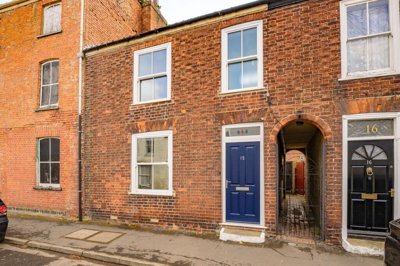
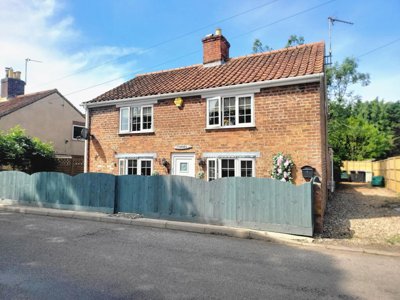
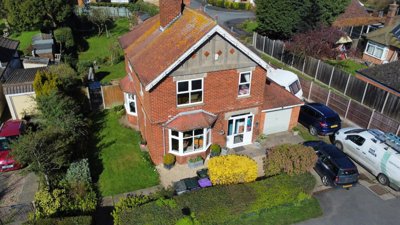
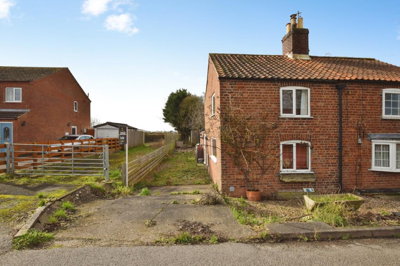
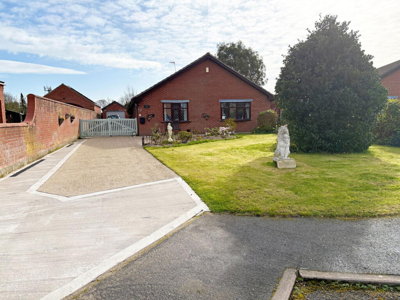
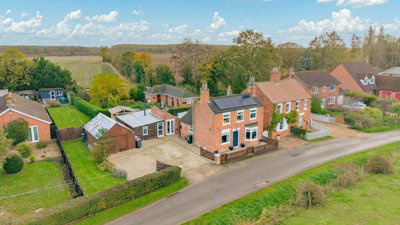
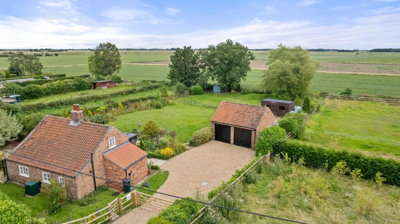
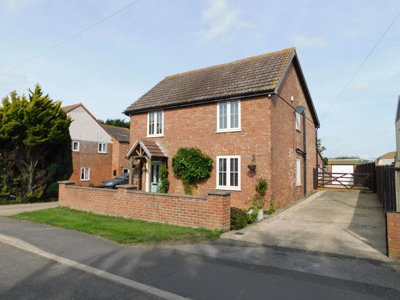
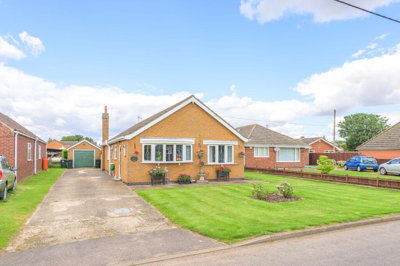
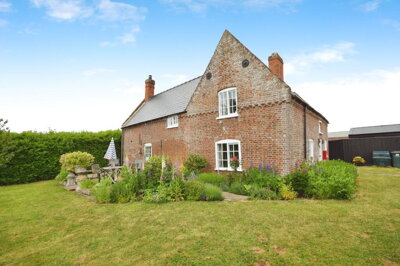
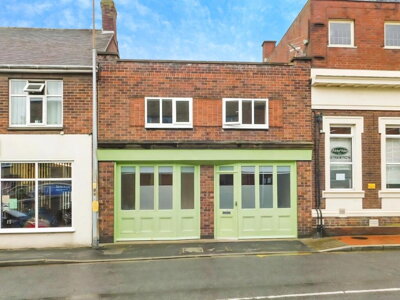
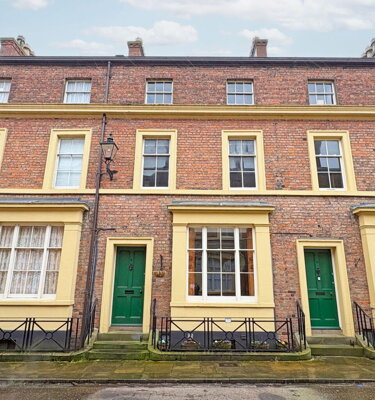
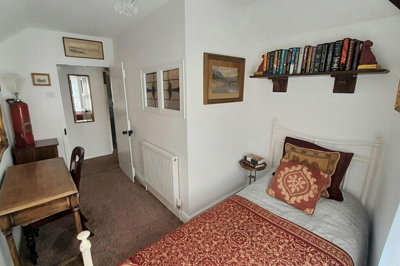
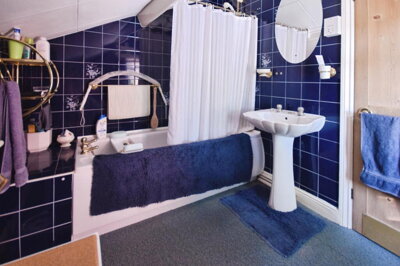
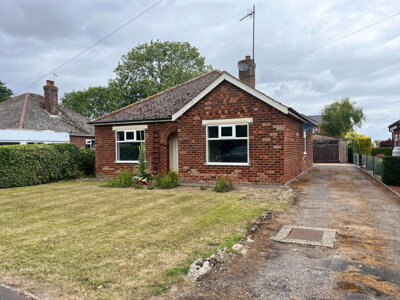
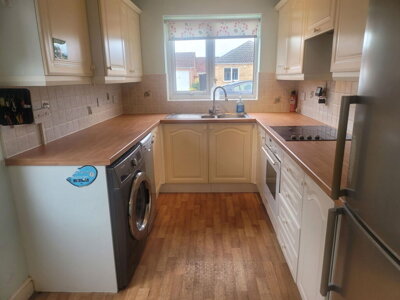
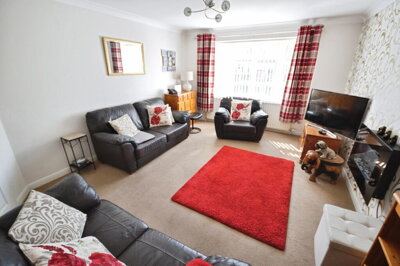
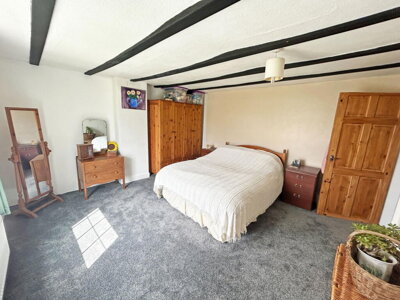
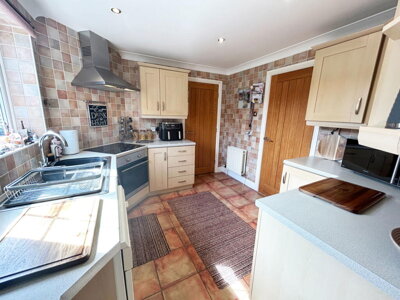
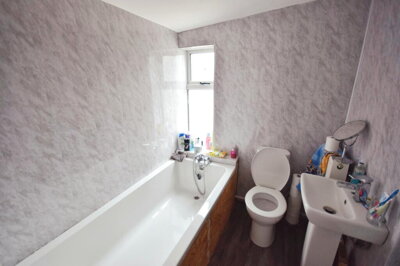
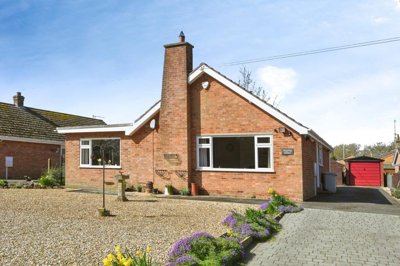
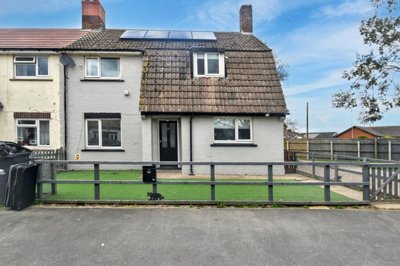
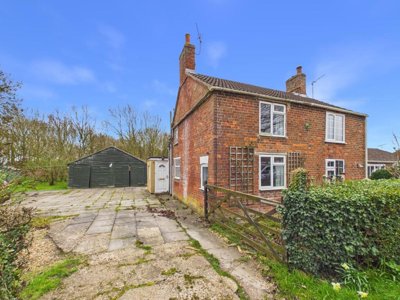
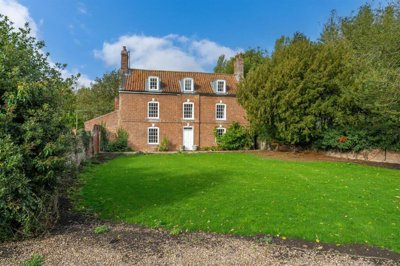
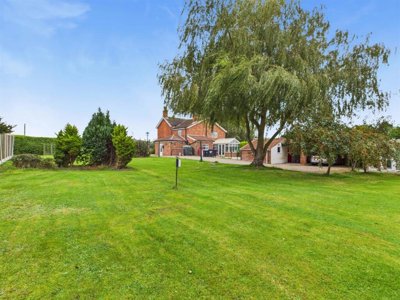
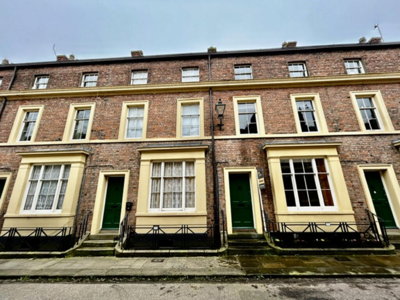
Browse 53 homes for sale in Thorpe St. Peter from local estate agents.
Peter from local agents. The Thorpe St. Peter property market offers detached, semi-detached, and terraced houses spanning various price ranges and neighbourhoods. Each listing includes detailed property information, photographs, and direct contact with the marketing agent.
Thorpe St. Peter’s property market offers real value for buyers looking at rural Lincolnshire. Our figures put current prices between £287,500 and £311,563, depending on the source, with a median of £287,500 and an average of £311,563 in the latest data. In Thorpe Fen, prices are higher, at around £401,875, which reflects the premium attached to certain rural spots within the wider postcode area.
Recent months have brought a clear recovery, and home.co.uk reports a sharp rise in average prices over the past twelve months, which points to growing confidence among sellers and buyers in the local area. home.co.uk figures still leave prices around 40% below the 2020 peak of £401,875, so there is scope for buyers who were previously priced out. homedata.co.uk records an average sold price of £311,563 over the last twelve months, which suggests homes are changing hands at levels that can sit above current asking averages.
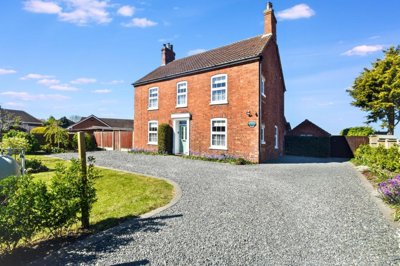
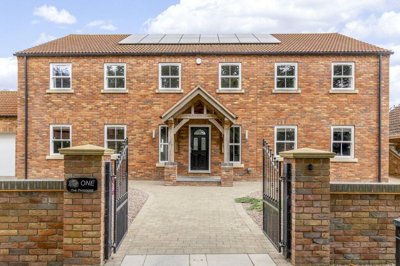
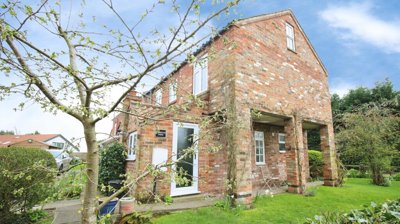
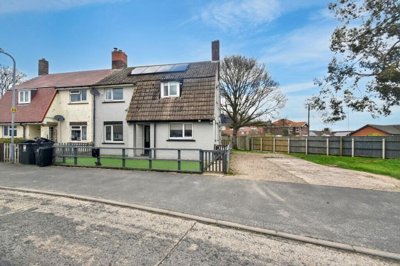
Expect a mix of traditional detached and semi-detached homes in Thorpe St. Peter, with many properties dating from different periods of construction and reflecting the village’s long history. Out in the surrounding countryside, rural homes with larger gardens and land often carry a premium from buyers who want space and privacy. Our search tools let us filter by property type, bedrooms and price range, so we can narrow the listings to match what you want in the village and the surrounding area.

Thorpe St. Peter sits in East Lindsey, Lincolnshire, a district known for its natural beauty and classic English countryside. The village itself has the easygoing feel of rural Lincolnshire, with quiet lanes, a strong community spirit and close access to the Lincolnshire Wolds Area of Outstanding Natural Beauty. Residents get the benefit of village life, while larger nearby towns handle shopping, healthcare and work. People are drawn here for the slower pace, the clean air and the sense of local community that smaller places in this part of England still hold onto.
East Lindsey stretches from coastal towns like Skegness and Mablethorpe to inland villages such as Thorpe St. Peter. The local economy is built on agriculture, tourism and service industries, and many residents commute to nearby towns for work. In Thorpe St. Peter, the usual amenities include a village pub, church and community facilities, while more extensive shops and services sit in the surrounding towns. Village life here tends to be welcoming, and there are often events, clubs and social activities that help new residents settle in and build local ties.
The surrounding Lincolnshire countryside gives plenty of scope for outdoor time, with walking, cycling and horse-riding routes available straight from the village. The coast is close enough for beach days and coastal walks, while the inland landscape offers equally appealing countryside pursuits. Wildlife lovers will find a variety of habitats across the region, from coastal marshes to woodland, and that makes this part of Lincolnshire a strong draw for anyone wanting a permanent base for exploring. The village’s position near the fenland areas also adds to the distinctive landscape character that shapes much of eastern England.
Families looking at Thorpe St. Peter will find schools within a reasonable travelling distance. The village sits in the East Lindsey local education authority area, which supports a network of primary and secondary schools serving nearby villages and towns. Primary schooling usually comes from village schools or those in nearby settlements, with children often moving on to secondary education in places such as Skegness, Spilsby or Horncastle. We advise checking current catchment areas and admission policies, as these can affect where children are placed.
Secondary options in the area range from comprehensive schools to specialist academies, and the nearest ones are usually within a sensible bus journey from Thorpe St. Peter. Schools around Skegness serve the coastal communities, while the Castle Grammar School in Horncastle offers selective education for academically able students, although admission depends on passing the selection tests and meeting catchment requirements. For families who put education at the top of their list, visiting schools and reading Ofsted reports directly can give a clearer picture of current standards, along with any recent improvements or issues.
Lincolnshire offers a broad spread of schooling, including grammar schools in some areas, although access to these selective schools depends on catchment areas and the competitive entrance process. Parents should look closely at all the available choices, including faith schools and independent alternatives where relevant, so they can find the right fit for their children’s needs and abilities. The travel involved for secondary education is part of rural village life, and many families build it into their routines with school bus services running throughout the district.

Transport links from Thorpe St. Peter are shaped mainly by road connections and access to larger towns and cities. The village lies within a reasonable distance of major roads including the A16 and A158, which give routes to places such as Spilsby, Skegness and Boston. The A1 motorway is reachable via the A52, linking Lincolnshire to Newcastle in the north and London in the south, so longer-distance commuting is possible for people working in bigger cities. Bus services connect villages to market towns, although they are usually less frequent than urban routes.
Rail services in the region come from stations in larger towns, with trains to destinations across the East Midlands and further afield. The nearest major railway stations are usually in Nottingham, Lincoln and Peterborough, giving access to East Coast Main Line services and the wider national rail network. For commuters heading to London, journey times depend on the route chosen, but can usually be managed in two to three hours from the nearest major stations. Drivers tend to find the road network good enough for daily commuting to nearby towns, and the lack of urban congestion is a welcome bonus.
Cycling routes vary across the district, with some suited to recreation and shorter local trips. Much of Lincolnshire is flat, which makes cycling manageable for most fitness levels, and many residents use bikes for both leisure and commuting where the distances work. Walking is still a pleasant way to reach local amenities in the village and neighbouring settlements, especially for those who do not need to travel every day for work. Being close to the coast also means fenland road routes can give scenic rides for anyone who likes exploring on two wheels.

Before you commit to a purchase, take time to visit Thorpe St. Peter at different times of day and across the week so you can get a feel for the community, noise levels and general atmosphere. Call in at nearby towns such as Spilsby and Horncastle to judge the shopping, healthcare and entertainment offer, and speak to people who already live there for honest insight into village life. We also suggest visiting places like the village pub and church, as they give a good sense of the area’s character.
Get a mortgage agreement in principle before you start viewings, because it strengthens your position and gives you a clear idea of how much you can spend. Several lenders offer competitive rates for properties in East Lindsey, and having finance ready shows sellers that you are serious. Our mortgage partners can help us find suitable products for Lincolnshire properties, including rural villages where values can differ from urban markets.
Search for properties that match your criteria using Homemove, and set up alerts so we can flag new listings in Thorpe St. Peter and the surrounding PE24 area as soon as they appear. At viewings, take a checklist of priorities and make notes and photographs so it is easier to compare homes later. Our platform brings together listings from home.co.uk, home.co.uk and homedata.co.uk, giving us a broad view of what is currently on the market.
Once you have found the property you want, book a professional survey so the condition of the building can be assessed and any issues for negotiation with the seller can be identified. A RICS Level 2 survey works well for most homes, while older or more complex properties may benefit from a Level 3 survey. Our survey team knows the common issues found in Lincolnshire properties, from traditional construction methods to fenland-related considerations that can affect a purchase.
Choose a conveyancing solicitor to handle the legal side of the purchase, including searches, contracts and registration of ownership with the official register. Your solicitor will deal with the seller’s representatives and manage the paperwork involved in transferring the property. We work with conveyancing providers who have experience of transactions in the East Lindsey area.
When the searches come back satisfactory and finance is confirmed, contracts are exchanged with the seller and the deposit is paid. Completion usually follows within days or weeks, and that is when the keys to your new home in Thorpe St. Peter are handed over. Our team can guide you through those final steps and help make the move feel straightforward.
Rural Lincolnshire villages like Thorpe St. Peter often have features that differ from urban homes, so buyers need to know what to look for during a search. Our inspectors often come across traditional building methods used in the region, including brick and stone walls beneath slate or tile roofs, which reflect the practices of different eras. Many homes in the village are likely to be traditional in construction and may date from several periods, which can mean charming original features as well as the need for ongoing maintenance. It is also important to understand the difference between freehold and leasehold tenure, as most houses in the area are likely to be freehold, while some properties may have unusual arrangements.
Flood risk should always be part of the conversation when buying in East Lindsey, given the coast nearby and the low-lying nature of parts of the county. Our surveyors pay close attention to drainage, moisture levels and signs of previous water ingress when looking at properties in this area. Buyers should review the available flood risk information and think about specialist surveys for homes in higher-risk spots. Properties with large gardens or land may also bring extra maintenance costs, along with spending on groundskeeping, fencing and insurance.
Energy efficiency can vary a lot in older rural homes, so an EPC assessment should be arranged early in the purchase process. We often find that properties in Lincolnshire villages were built before modern insulation standards, which means heat loss through walls and roofs can be higher than expected. Homes with poor insulation and outdated heating systems may need significant investment to reach modern standards, and that should feed into the offer or the post-purchase budget. Listed buildings or homes in conservation areas may also carry restrictions on alterations and improvements, so buyers should check any designations before going ahead.
During viewings in Thorpe St. Peter, pay close attention to outbuildings, boundary walls and drainage systems, as they can reveal maintenance issues that are not obvious at first glance. Our team has experience spotting common defects in properties across East Lindsey, from worn roof coverings to structural movement in traditional buildings. A methodical approach to viewings, with any concerns noted for follow-up in a professional survey, will help you make a better-informed choice about a purchase.

Recent data puts Thorpe St. Peter property prices at roughly £287,500 to £311,563, depending on the source, with a median of £287,500 and an average of £311,563 in the latest figures. Parts of the PE24 postcode, including Thorpe Fen, show higher averages of around £401,875. The market has risen noticeably over the past twelve months, yet prices remain below the 2020 peak of around £401,875, which leaves buyers with more accessible entry points. homedata.co.uk records an average sold price of £311,563 over the last twelve months, which points to active market movement in the area.
Properties in Thorpe St. Peter fall under East Lindsey District Council’s jurisdiction, and council tax bands run from A to H depending on the property’s assessed value. For the 2024/25 financial year, Band A properties in East Lindsey usually pay around £1,295 per year, while Band D properties pay approximately £1,942 annually. Higher-band homes pay proportionally more, with Band H properties in the district at around £3,883 per year. Exact figures can be checked on the East Lindsey Council website or confirmed by contacting the local authority directly with a specific property address.
Primary schools serving Thorpe St. Peter are usually found in nearby villages and towns, while families often travel to settlements such as Spilsby, Skegness or Horncastle for secondary education. The William Gladstone Skegness Academy serves secondary students in the Skegness area, while Baston and Kirkby La Thorpe primary schools serve surrounding villages. Parents should check current Ofsted ratings, visit schools in person and look at catchment area maps when weighing up education options, as places can be competitive in popular areas.
Public transport in Thorpe St. Peter includes local bus services linking to nearby towns and villages, although the frequency may be limited compared with urban areas. Stagecoach East Midlands buses run through the area and connect to Skegness and surrounding villages, but journey times and timetables should be checked before buying. The nearest railway stations are usually in larger towns in Lincolnshire or neighbouring counties, giving access to the wider rail network. Most residents depend on private cars for day-to-day commuting and errands, with the A16 and A158 giving reasonable access to surrounding towns.
For buyers looking for lifestyle benefits as well as long-term value, property in Thorpe St. Peter can be a sound investment. The recent sharp rise in prices points to stronger demand for rural homes in East Lindsey, while the gap below the 2020 peak leaves room for further appreciation as the market keeps recovering. Homes with land, character features or good access to coastal amenities can command premiums, and rental yields may be competitive because the wider area mixes rural and coastal appeal. Continued interest in Lincolnshire’s coastal and rural communities, helped by remote working trends and lifestyle moves, supports the outlook for values in villages like Thorpe St. Peter.
Stamp Duty Land Tax is charged by purchase price using the standard thresholds, 0% on the first £250,000, 5% on £250,001 to £925,000, 10% on £925,001 to £1.5 million, and 12% above £1.5 million. First-time buyers get relief on the first £425,000 at 0% and pay 5% on £425,001 to £625,000. Most properties in Thorpe St. Peter, which are currently averaging around £311,563, will either attract no SDLT for first-time buyers or a modest £3,078 for standard buyers on the portion above £250,000.
We could not identify active new-build developments within Thorpe St. Peter village itself at the time of writing. Wider searches for new-build homes in the PE24 postcode area may still turn up options in nearby settlements. The surrounding towns and villages of East Lindsey do sometimes have new-build schemes available, and our platform updates listings regularly as new homes come onto the market. Buyers who are set on a new-build should also check national developer websites and local estate agents for the latest opportunities across the wider area.
Flood risk deserves careful attention when buying in Thorpe St. Peter, given the village’s proximity to the Lincolnshire coast and the low-lying fenland around it. While the village itself may not sit in a high-risk flood zone, the surrounding countryside and some homes with large gardens that stretch towards drainage channels could be affected by surface water flooding. We recommend asking for a flood risk search as part of the conveyancing process and considering a specialist flood risk survey for properties in areas of concern. Homes with a history of flooding may still be insurable, although the premiums can be higher.
From 4.5%
Competitive mortgage rates for Thorpe St. Peter purchases
From £499
Expert solicitors to handle your property transaction
From £350
A full survey for most Thorpe St. Peter properties
From £500
Detailed structural survey for older or complex properties
From £80
Energy performance certificate required for sale
Understanding the full costs of buying in Thorpe St. Peter helps buyers budget properly and avoid surprises during the transaction. The main government tax is Stamp Duty Land Tax, which on a property priced at the current average of around £311,563 would come to £3,078 for standard buyers, made up of 5% on £61,563 above the £250,000 threshold. First-time buyers purchasing homes up to £425,000 would pay no SDLT at this price point, which can free up a useful saving for other moving costs or improvements.
Other buying costs include solicitor fees for conveyancing, which typically range from £500 to £1,500 depending on complexity and whether the property is freehold or leasehold. Survey costs should be budgeted at around £350-600 for a RICS Level 2 survey, with more detailed Level 3 surveys costing extra for older or more complex homes. An Energy Performance Certificate is required by law and costs approximately £80-120. Removal costs vary widely depending on distance and the amount of belongings, while mortgage arrangement fees may apply depending on your lender and the product chosen.
After purchase, ongoing costs usually include council tax, typically £1,295-1,942 annually for band A-D properties in East Lindsey, buildings insurance, usually £200-400 per year for standard homes, and utility bills that may be different from your previous property depending on the size and efficiency of the new home. It is sensible to set aside a contingency fund of 10-15% of the purchase price to cover unexpected repairs, furnishing and the other costs that come with settling in. Our team can provide a detailed breakdown of estimated costs based on your specific property and circumstances.

Properties for Sale In London

Properties for Sale In Plymouth

Properties for Sale In Liverpool

Properties for Sale In Glasgow

Properties for Sale In Sheffield

Properties for Sale In Edinburgh

Properties for Sale In Coventry

Properties for Sale In Bradford

Properties for Sale In Manchester

Properties for Sale In Birmingham

Properties for Sale In Bristol

Properties for Sale In Oxford

Properties for Sale In Leicester

Properties for Sale In Newcastle

Properties for Sale In Leeds

Properties for Sale In Southampton

Properties for Sale In Cardiff

Properties for Sale In Nottingham

Properties for Sale In Norwich

Properties for Sale In Brighton

Properties for Sale In Derby

Properties for Sale In Portsmouth

Properties for Sale In Northampton

Properties for Sale In Milton Keynes

Properties for Sale In Bournemouth

Properties for Sale In Bolton

Properties for Sale In Swansea

Properties for Sale In Swindon

Properties for Sale In Peterborough

Properties for Sale In Wolverhampton

Enter your details to see if this property is within your budget.
Loans, cards, car finance
Estimated property budget
Borrowing + deposit
You could borrow between
Typical borrowing
Monthly repayment
Est. at 4.5%
Loan-to-value
This is an estimate only. Your actual budget may vary depending on interest rates, credit history, and personal circumstances. For an accurate affordability assessment, speak to one of our free mortgage advisors.
This calculator provides estimates for illustrative purposes only and does not constitute financial advice. Your home may be repossessed if you do not keep up repayments on your mortgage. Estimates based on 4.5% interest rate, repayment mortgage. Actual rates depend on your circumstances.
Homemove is a trading name of HM Haus Group Ltd (Company No. 13873779, registered in England & Wales). Homemove Mortgages Ltd (Company No. 15947693) is an Appointed Representative of TMG Direct Limited, trading as TMG Mortgage Network, which is authorised and regulated by the Financial Conduct Authority (FRN 786245). Homemove Mortgages Ltd is entered on the FCA Register as an Appointed Representative (FRN 1022429). You can check registrations at NewRegister or by calling 0800 111 6768.

We use cookies to show you personalised content and improve your experience of our website. Find out more in our Privacy policy and Cookie policy.