Browse 3 homes for sale in Thirston, Northumberland from local estate agents.
The larger property sector typically features multiple bathrooms, substantial reception space, and private gardens or off-street parking. Four bedroom houses in Thirston span detached, semi-detached, and occasionally terraced configurations, with styles ranging from period properties to modern executive homes.
£0k
0
0
0
Source: home.co.uk
Showing 0 results for 4 Bedroom Houses for sale in Thirston, Northumberland.
Thirston’s property market offers an interesting mix of rural charm and solid fundamentals for buyers. Recent sold data shows prices in the village rose by 11% over the last year, which points to steady demand in this sought-after Northumberland location. Even so, values are still around 6% below the 2022 peak of £402,507, so there may be room for those coming in now. The average property value remains £402,507, which keeps Thirston competitively placed within the wider Northumberland market.
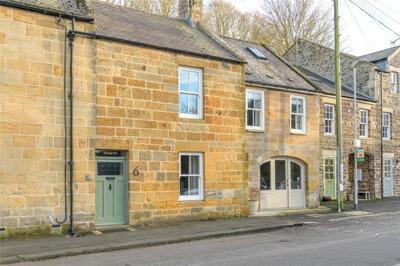
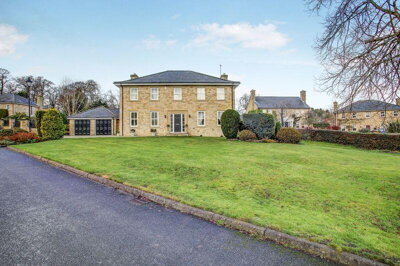
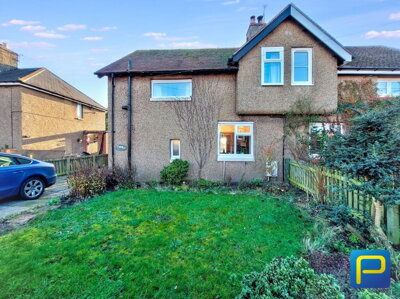
In and around Thirston, buyers can find substantial detached family homes at about £838,000, characterful terraced cottages from roughly £325,000, and semi-detached homes averaging £214,665. The NE65 9QB postcode area, covering part of West Thirston, has seen only detached transactions, which gives a fair picture of the spacious housing pattern there. Stock is thin on the ground, so new listings do not appear often, and anyone serious about buying would be wise to register early with local estate agents.
The Thirston Neighbourhood Development Plan keeps development outside the defined settlement boundaries tightly restricted, helping preserve the village’s character and supporting values over the longer term. That framework runs to 2036, so the flow of new homes is set to stay limited, which only adds to the scarcity premium already attached to the market. For buyers, that means any suitable property in Thirston deserves prompt attention and a quick decision.

Thirston has the feel of a classic English village, offering a calm setting in one of England’s most attractive counties. It lies on the steep wooded bank of the River Coquet, with riverside walks, fishing and other outdoor pastimes close at hand. Much of the historic core sits within the West Thirston Conservation Area, established in 1987, where period homes built in the familiar Northumberland sandstone define the streetscape. Our team has inspected many homes here, and the quality of the traditional stonework is something we see again and again.
Everyday amenities are close by, with the Northumberland Arms serving the village, Thirston Garage handling vehicle maintenance, and Pumpkin Pies village nursery providing childcare for local families. The Northumberland Arms dates from around 1820, is Grade II listed, and acts as a social anchor for the village. For a wider choice of shops and services, residents often head to Felton, linked by the historic Old Felton Bridge, a Grade II* listed crossing over the River Coquet, with a doctors' surgery, post office, first school and church serving the broader community.
From Thirston, the Northumberland Coast is within easy reach, so beaches and castles are never far away, and Newcastle upon Tyne is still close enough for work, study and culture. Most of the village’s housing dates from the 1800-1911 period, and many homes keep to traditional methods such as squared tooled stone walls, ashlar detailing and grey slate roofs. Because conservation area controls help protect that architectural consistency, the village still feels distinct, which is a major part of its appeal to buyers looking for an authentic Northumbrian setting.

Families moving to Thirston will find useful schooling nearby, with Felton providing the key local facilities. Felton First School takes younger children from the surrounding community, and for many Thirston households it is within walking distance. The school has a strong reputation in the village cluster, and we often hear from families who choose Thirston specifically so they can access that provision while enjoying a quieter environment than larger settlements.
Older pupils usually travel on to schools in nearby towns such as Morpeth, where secondary schools and sixth form colleges offer a wide range of academic and extracurricular options. Morpeth Grammar School, along with its affiliated middle schools, provides a respected route through education for students from the surrounding villages. That combination of rural living and accessible schooling suits many families, and we regularly see it shape buying decisions in Thirston.
Northumberland has a good track record for education, with schools here often performing well in regional assessments. Parents should keep in mind that catchment areas can affect values in certain streets, and anyone with a strong preference for a particular school should check the latest arrangements with Northumberland County Council before buying. For private education, there are several well-regarded independent schools across the wider county, while university options are straightforward too, with Newcastle University, Northumbria University and the University of Sunderland all within commuting distance.

Despite its rural feel, Thirston is well connected, which makes it a practical choice for commuters and for anyone who wants access to town and city amenities without giving up village life. The village sits close to the B6345, giving access to nearby villages and towns, and the A1 trunk road is not far away for fast routes south to Newcastle upon Tyne and north to Edinburgh. By car, Newcastle city centre usually takes around 30-40 minutes, while Morpeth railway station is about 20 minutes away and links into the East Coast Main Line for London, Edinburgh and destinations across the country.
Newcastle International Airport is also within easy reach, sitting roughly 25 miles to the south and offering domestic flights as well as international routes across Europe and further afield. The A1 gives a direct run to the airport, which is another reason Thirston appeals to people who travel often for work or leisure. Bus services link the village with nearby towns and villages, and rail passengers can use Morpeth or Alnmouth stations on the East Coast Main Line, with Alnmouth offering useful connections both north and south.
For buyers who prefer greener travel, the Northumberland Coast has attractive cycling routes, and the National Cycle Network opens up links to the wider region. Those transport links mean Thirston can feel tucked away without being inconvenient, which is something many residents value once they settle in. We are often surprised by how manageable the commute actually is, especially when compared with the image of village living as remote. Its position between the coast and the A1 corridor makes it a sensible base for people working in Newcastle but wanting a calmer home life.

Anyone thinking about buying in Thirston should understand the local construction methods, because they tell you a lot about how these houses perform. Northumberland sandstone is the main building material in the area, a thickly bedded or massive fluvial stone that has earned its reputation for durability and resistance to weathering. In the past, almost every village and town in the district had its own quarry, so homes were built from nearby materials and the local character emerged naturally. Our surveyors still examine these old stone structures regularly, and the workmanship is often impressive.
In the older part of West Thirston, buildings usually show squared tooled stone and grey slate roofs, although some properties mix brick with stone dressing. Thirston House, built around 1820, is a good example of the quality of local ashlar work, with neatly dressed stone facades typical of the period. The main property type on West Thirston Street dates from 1800 to 1911, so much of the housing stock is solid wall construction rather than modern cavity wall build. That brings its own considerations, since insulation, damp control and day-to-day upkeep need a different approach from newer homes.
Local geology also has a real impact on how homes behave in Thirston. Carboniferous sandstones and limestones, together with Whin Sill dolerite, provide sound ground conditions, although areas with clay geology can still be prone to shrink-swell movement. Because so much of the housing stock is old, we always recommend a thorough survey. Solid walls can hide damp penetration, timber decay or historic movement that a buyer might not spot on a viewing.
Many of the defects our inspectors find in Thirston are the familiar ones associated with older and period housing. Damp is one of the most common, whether it appears as rising damp, penetrating damp or simple condensation linked to solid wall construction across the village. Homes built before modern damp-proof courses need careful scrutiny, and our surveyors look closely for signs of damp affecting walls, floors and timbers throughout these traditional buildings.
Roofs on Thirston’s older homes also need a proper look, because slate roofs from the 1800-1911 period can suffer from slipped slates, failing pointing, deteriorating lead flashings and timber decay in the roof structure. We often come across properties where maintenance has been left too long, with water penetration then affecting ceiling timbers and internal finishes. The grey slate roofs seen around the village are durable, but they still need regular care, and buyers should allow for possible re-roofing costs when budgeting for an older home.
Electrical and plumbing systems in Thirston’s older houses often need updating to current standards, since homes built before 1980 frequently still have dated installations that may no longer meet modern requirements. During surveys, our team checks consumer units, wiring and pipework as standard, and we often advise buyers to obtain specialist electrical and gas certificates for older properties. Timber defects, including woodworm and wet or dry rot affecting floor joists and structural elements, also turn up regularly, especially in riverside locations where higher moisture levels can speed up deterioration. We advise all buyers to commission a comprehensive RICS Level 2 Survey before they complete, so any problems are identified before they are legally committed.
Start by looking at current listings in Thirston and getting to grips with what homes are worth in this small market. With an average price of £402,507 and a limited stock of around 80 homes, it pays to know what different property types command before you begin the search. Register for property alerts and keep an eye on local estate agent websites, because homes here can move fast when supply is tight.
A mortgage broker or lender should be your next call, so you can obtain an Agreement in Principle before you go out to view. That gives sellers and agents confidence in your position and can make offers look much stronger in a competitive market. With Thirston’s average property prices around £402,507, most buyers will need mortgage finance, and getting the paperwork in place early makes the whole process run more smoothly.
Because housing stock is so limited, it helps to build relationships with estate agents active in Thirston and nearby Felton, as they may hear about new listings before they appear on the main portals. Local agents often know about homes coming to market ahead of formal launches, which can be a real advantage in a village where suitable properties are few and far between.
See more than one property if you can, so you can compare the range on offer, from period cottages to modern family homes. Older houses, many dating from 1800-1911, often need upkeep or renovation, so take time to look at what is really going on beneath the surface. Our inspectors suggest going to viewings with a checklist that covers structure, roof condition and any sign of damp or timber defects.
Before you exchange contracts, arrange a full survey so the property’s condition is properly assessed. Thirston’s historic housing, riverside setting and conservation area status all make professional surveying important, because structural issues, damp and other areas needing attention can be easy to miss. For listed buildings or especially old homes, a more detailed RICS Level 3 Building Survey may be the better choice, as it gives a fuller picture of complex construction.
Once the offer is accepted, instruct a conveyancing solicitor to deal with the legal side of the purchase, including searches, drainage and environmental checks, and registration of title. Your solicitor should also advise on any planning permissions or listed building consent matters affecting the property, which matters particularly in West Thirston Conservation Area.
Anyone buying in Thirston should keep a few location-specific points in mind, as they can shape both the purchase and the longer-term ownership experience. The village sits on the bank of the River Coquet, so some homes may fall within flood risk zones, and buyers should ask for flood risk reports and look into any flooding history before making a decision. We were not able to refer directly to specific mapping, so individual property history and any existing flood mitigation measures need careful checking. Our surveyors routinely assess floor levels, drainage and any signs of previous water ingress when we inspect homes here.
West Thirston Conservation Area, along with the many listed buildings in the village, has clear consequences for owners. Homes within the Conservation Area face tighter controls on alterations, extensions and external changes, and works may need Conservation Area Consent as well as normal planning permission. Listed buildings bring extra duties too, because any changes affecting the special architectural or historic interest of the property need Listed Building Consent from Northumberland County Council. Buyers are often surprised by how far those restrictions reach, so we always flag listed status and the likely effect on future works in our reports.
Several of Thirston’s historic buildings are listed, including Thirston House, c. 1820, designed by the Newcastle architect John Dobson, Old Felton Bridge, Grade II*, The Northumberland Arms, c. 1820, and a number of other Grade II cottages and farmhouses. These designations protect the village’s heritage, but they also mean maintenance and improvement work can cost more and need more consents than similar work on unlisted homes. Anyone planning renovations should allow for that in both the design and the budget. Our inspectors give specific guidance on listed building issues as part of the standard survey report.

Recent data puts the average house price in Thirston at £402,507. Detached homes average around £838,000, terraced homes about £325,000 and semi-detached properties around £214,665. Values rose by 11% over the last year, although they are still roughly 6% below the 2022 peak of £402,507. With a stock of around 80 homes and a Conservation Area setting that remains highly desirable, prices should stay well supported, though low transaction volumes mean buyers need to move quickly when the right home appears.
For council tax, properties in Thirston fall under Northumberland County Council. The exact band depends on the property’s valuation, but homes in the area usually sit across bands A through E, with period cottages and larger family houses often landing in the B to D range. Because the village includes everything from historic cottages to bigger detached homes, council tax can vary a great deal from one property type to another. Buyers should confirm the banding of any home they are considering through the Valuation Office Agency website or via their solicitor during conveyancing.
The nearest primary school is Felton First School in the neighbouring village of Felton, linked to Thirston by the historic Old Felton Bridge. It serves the local group of communities and has a solid reputation in Ofsted assessments. For secondary education, pupils generally go on to schools in Morpeth, which offers several secondary schools and sixth form colleges for the wider area. Parents should always check current catchment areas and Ofsted ratings, since those boundaries can affect which school a child is able to attend.
Thirston has good regional connections despite the rural setting. Bus services run to nearby villages and towns, while Morpeth and Alnmouth stations give access to the East Coast Main Line for travel to London, Edinburgh and other destinations. Newcastle International Airport is about 25 miles away and can be reached via the A1 for domestic and international flights. The village’s position near the A1 means Newcastle is usually a 30-40 minute drive, which suits commuters who want to work in the city but live in a quieter place.
Several features make Thirston appealing to investors. Conservation Area status and the Neighbourhood Development Plan’s restrictions on new housing help keep the village exclusive and its homes scarce. The 11% annual price rise shows demand is still there, while the closeness of the Northumberland Coast and Newcastle makes the village attractive to people wanting either a rural retreat or a commuter base. Even so, transaction volumes are low because the village is small, so a future sale may not move as fast as in a busier market. The planning framework that limits new development outside settlement boundaries gives existing values an extra layer of support.
Stamp duty in Thirston follows the standard England rates for 2024-25. Buyers pay 0% on properties up to £250,000, 5% on the portion from £250,001 to £925,000, 10% on the slice from £925,001 to £1.5 million, and 12% on anything above £1.5 million. First-time buyers get relief on homes up to £625,000, with 0% on the first £425,000 and 5% on the rest. At Thirston’s average price of £402,507, a standard buyer would pay about £7,625 in stamp duty, while an eligible first-time buyer at that level would pay around £3,150.
For period properties in Thirston, our inspectors pay close attention to traditional sandstone walls, grey slate roofs and timber elements, because these older homes have their own quirks. Damp penetration through solid walls, failing lime mortar pointing, and the condition of timber windows and doors all need a careful eye. Homes near the River Coquet can also face higher moisture levels, which may speed up timber decay and increase maintenance needs. We strongly recommend a RICS Level 2 Survey before purchase, as defects in these older properties are not always obvious on a standard viewing.
Flood risk should be assessed on a property-by-property basis in Thirston, since the village sits beside the River Coquet. Specific flood maps were not available for direct reference, but the riverside location means some homes may be in flood zones or have records of past flooding. During inspections, our surveyors look at floor levels, drainage systems and any visible evidence of earlier water ingress. We advise buyers to request a dedicated flood risk report for any home they are considering and to speak with the current owner about flooding history during the purchase process.
Budget-conscious buyers need to look beyond the asking price when buying in Thirston. The current Stamp Duty Land Tax rates for England apply, with 0% on homes up to £250,000 and 5% on the portion between £250,001 and £925,000. At the average Thirston price of £402,507, standard buyers would face about £7,625 in stamp duty. First-time buyers benefit from higher thresholds, paying nothing on the first £425,000 and 5% on the portion up to £625,000, which would bring the stamp duty cost to zero for eligible first-time purchasers at average price levels.
There are also solicitor’s conveyancing fees to allow for, usually between £500 and £1,500 depending on complexity and value, plus disbursements for searches such as local authority, drainage, environmental and planning checks. Because Thirston sits in a conservation area, extra searches may be needed to confirm planning conditions or historic consents affecting the property. Survey fees should be included too, with a RICS Level 2 Survey typically costing between £400 and £900 depending on property size and value. With much of Thirston’s housing stock dating from 1800-1911, a full survey is especially important for spotting structural issues, damp or timber defects in older homes.
Mortgage arrangement fees, broker fees and removal costs make up the rest of the usual buying budget for Thirston purchasers. If the property is within West Thirston Conservation Area or is listed, buyers should also allow for higher maintenance costs and any professional fees linked to obtaining consent for future work. Our team can talk through the typical costs of surveying and buying in Thirston, so buyers can work to a realistic total budget that includes every major expense.

From 4.5%
Get competitive mortgage rates for your Thirston purchase
From £499
Expert legal services for your property purchase
From £350
Professional property survey for Thirston homes
From £85
Energy performance certificate for your property
Properties for Sale In London

Properties for Sale In Plymouth

Properties for Sale In Liverpool

Properties for Sale In Glasgow

Properties for Sale In Sheffield

Properties for Sale In Edinburgh

Properties for Sale In Coventry

Properties for Sale In Bradford

Properties for Sale In Manchester

Properties for Sale In Birmingham

Properties for Sale In Bristol

Properties for Sale In Oxford

Properties for Sale In Leicester

Properties for Sale In Newcastle

Properties for Sale In Leeds

Properties for Sale In Southampton

Properties for Sale In Cardiff

Properties for Sale In Nottingham

Properties for Sale In Norwich

Properties for Sale In Brighton

Properties for Sale In Derby

Properties for Sale In Portsmouth

Properties for Sale In Northampton

Properties for Sale In Milton Keynes

Properties for Sale In Bournemouth

Properties for Sale In Bolton

Properties for Sale In Swansea

Properties for Sale In Swindon

Properties for Sale In Peterborough

Properties for Sale In Wolverhampton

Enter your details to see if this property is within your budget.
Loans, cards, car finance
Estimated property budget
Borrowing + deposit
You could borrow between
Typical borrowing
Monthly repayment
Est. at 4.5%
Loan-to-value
This is an estimate only. Your actual budget may vary depending on interest rates, credit history, and personal circumstances. For an accurate affordability assessment, speak to one of our free mortgage advisors.
This calculator provides estimates for illustrative purposes only and does not constitute financial advice. Your home may be repossessed if you do not keep up repayments on your mortgage. Estimates based on 4.5% interest rate, repayment mortgage. Actual rates depend on your circumstances.
Homemove is a trading name of HM Haus Group Ltd (Company No. 13873779, registered in England & Wales). Homemove Mortgages Ltd (Company No. 15947693) is an Appointed Representative of TMG Direct Limited, trading as TMG Mortgage Network, which is authorised and regulated by the Financial Conduct Authority (FRN 786245). Homemove Mortgages Ltd is entered on the FCA Register as an Appointed Representative (FRN 1022429). You can check registrations at NewRegister or by calling 0800 111 6768.

We use cookies to show you personalised content and improve your experience of our website. Find out more in our Privacy policy and Cookie policy.