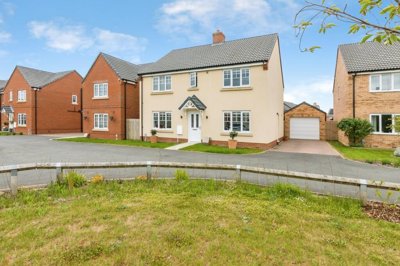
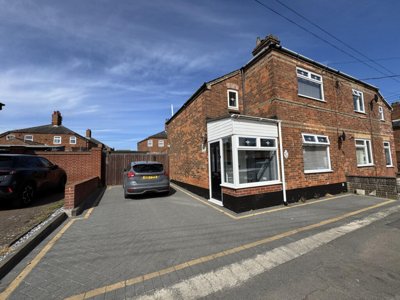
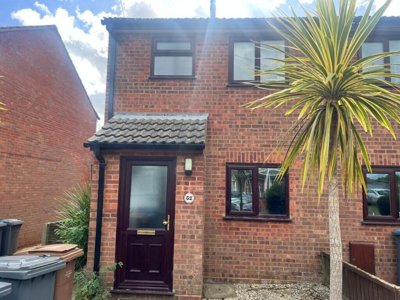
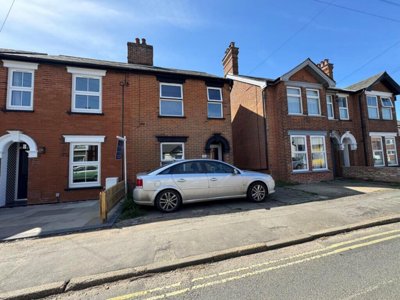
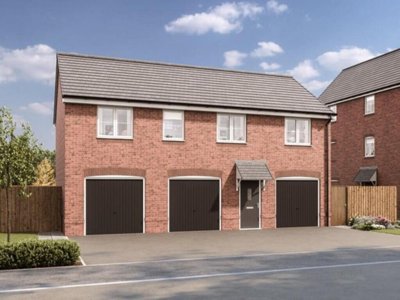
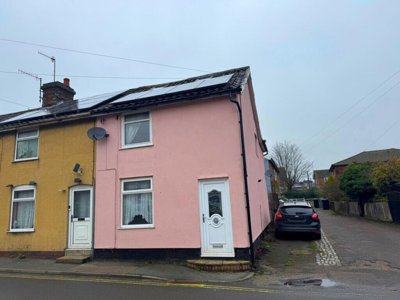
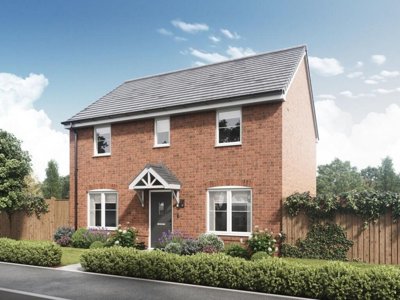
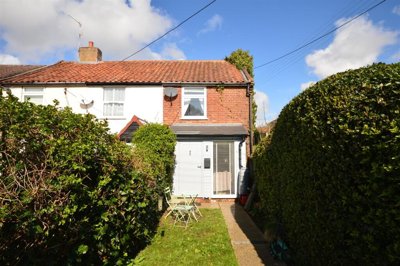
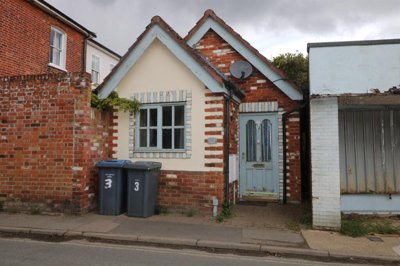
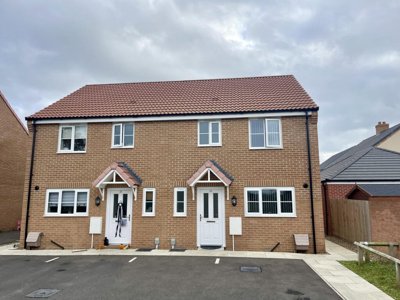
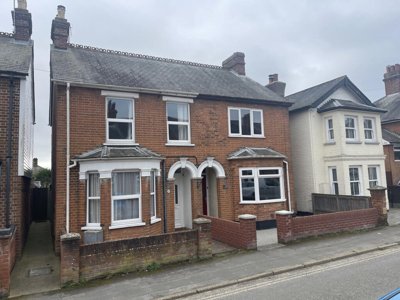
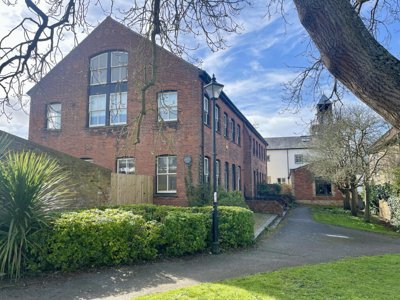
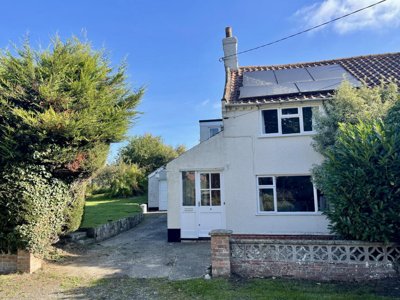
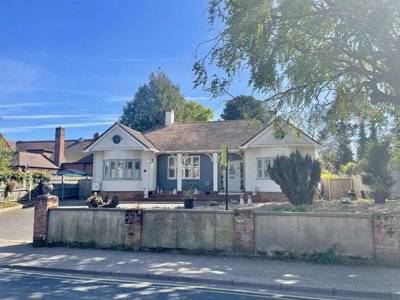
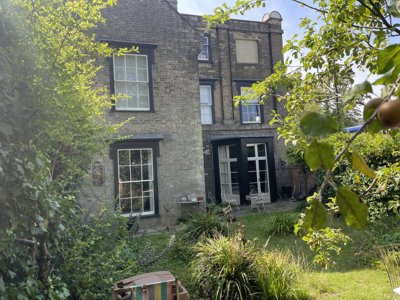
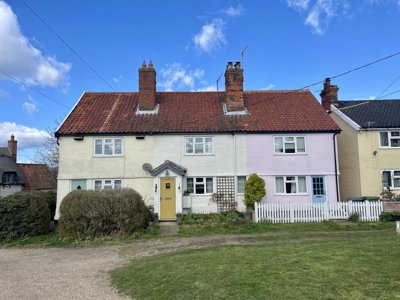
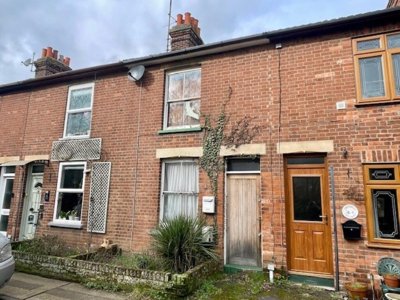
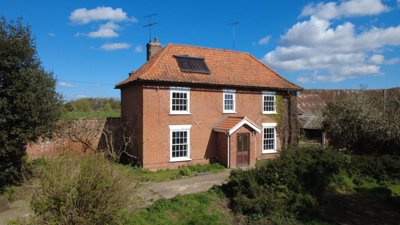
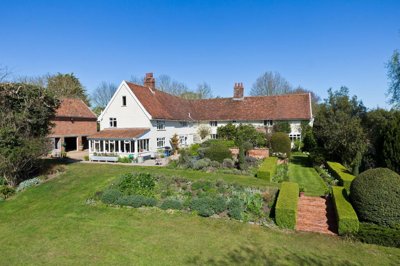
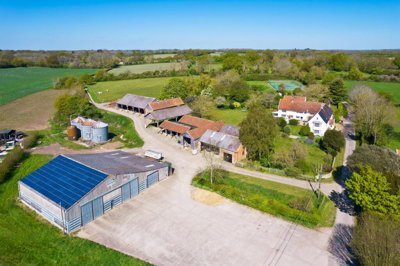
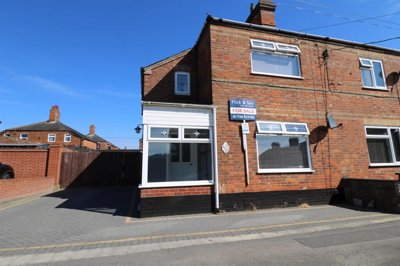
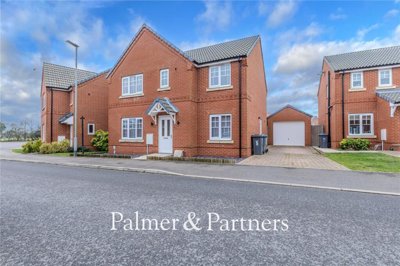
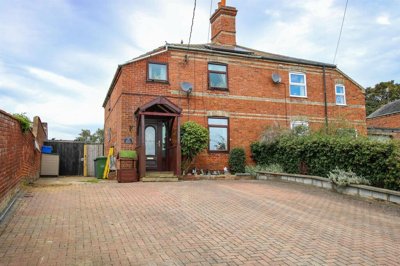
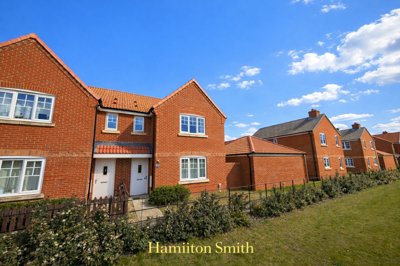
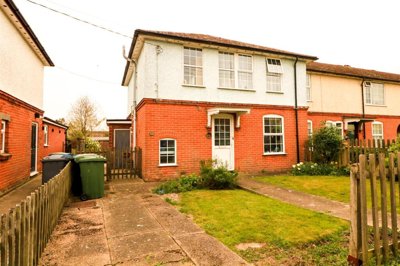
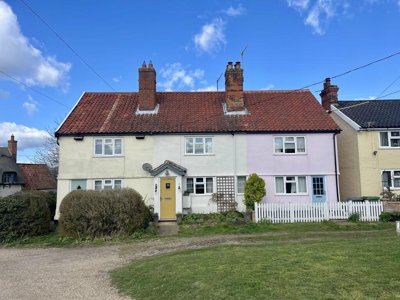
Browse 92 homes for sale in Theberton, East Suffolk from local estate agents.
£379k
3
1
46
Source: home.co.uk
Source: home.co.uk
Detached Bungalow
1 listings
Avg £450,000
Semi-Detached
1 listings
Avg £379,000
Terraced
1 listings
Avg £300,000
Source: home.co.uk
Source: home.co.uk
Theberton's property market mirrors its appeal as a sought-after rural Suffolk village, where demand regularly runs ahead of supply. Our current listings show the range on offer, from pretty period cottages to substantial detached family homes. Detached properties in Theberton fetch the highest prices, averaging £730,000, which reflects the value buyers place on space, privacy and the character of traditional Suffolk architecture. Terraced homes sit at a more accessible level, around £300,000, although they come up infrequently because the village has such a small housing stock. ---NEXT---
Looking back, Theberton house prices reached their highest point in 2013 at an average of £645,000, and current values are sitting roughly 37% below that level. For buyers, that leaves room to move in a market that has still shown long-term resilience. Turnover stays very low, with only five properties recorded as sold in the past year, which tells its own story about how tightly held homes are here. Rattla Corner in Theberton was 26% down on the 2018 peak, a reminder that different parts of the village have seen different market patterns. ---NEXT---
Detached homes have made up most of the sales in Theberton over the past year, which fits a village built around generous plots and a rural setting. A recent sale in nearby Eastbridge, Theberton (IP16 4SG), achieved £265,000 for a semi-detached property in March 2025, so the market is still moving even with limited stock. Buyers should expect competition for the best places, especially homes with character, privacy and a short walk to the village centre. ---NEXT---

Daily life in Theberton follows the pace of rural Suffolk, with the seasons changing the view outside the door all year round. The village lies beside the Minsmere River estuary, and its low-lying peat wetlands create a rich habitat for breeding birds, wintering wildfowl and rare species that attract visitors from across Europe. Being close to the Suffolk Coast and Heaths AONB gives residents direct access to heather-covered heathland, ancient woodland and clifftop walks along one of England's most treasured coastlines.
At the centre of the village sits The Lion, the traditional public house that acts as a meeting place for the community and serves locally sourced food and drink. The inn, with its listed stable block just 10 metres to the south, has been part of village life for generations. Across Theberton, the building style speaks plainly of Suffolk heritage, with homes made from locally-made white bricks and traditional lime mortar that have shaped the area for centuries. Theberton Hall, built in 1792 with Suffolk white bricks and Caen stone dressings, is one of the finest examples of that tradition.
The Grade I listed Church of St Peter shapes the skyline here, a medieval landmark that has anchored the community since its construction. Nearby, the Grade II* listed Theberton House and a long list of Grade II buildings, including The Old Rectory dating from the 15th century, Moat Farmhouse, Flint House and Flash Cottages, give the village an unusually rich architectural record. Theberton draws people who want something different from urban living, and they are often pulled in by the natural setting, the sense of community and the quality of life. Families, retirees and remote-working professionals all find reasons to stay.

For anyone thinking about buying in this historic village, it helps to understand how Theberton properties were built. The local geology has shaped construction methods for centuries, and most homes are built using traditional masonry techniques. Many period properties use Suffolk white bricks, made from London Clay sourced locally, for their walls. That brick-making heritage means the buildings sit naturally within the landscape, which is a big part of Theberton's visual appeal.
Theberton Hall shows those methods at their best, with Suffolk white bricks and Caen stone dressings used in 1792 to reflect the quality of the materials available to Georgian builders. Septaria, a harder nodular material found within clay layers, was also used across the region and can still be seen in some older structures. Lime mortar, not Portland cement, was the standard in these buildings, which allowed the walls to breathe and moisture to move out naturally. Once modern repairs introduce cement-based products or other non-breathable materials, trouble often follows.
Construction in Theberton spans several centuries, from medieval buildings like the Church of St Peter to 18th-century country houses and 20th-century additions. Buyers therefore come across homes built to different standards and with very different materials. Older properties, especially those predating 1900, were designed to breathe, using permeable materials to manage moisture naturally. Damp-proof courses in newer buildings have improved matters, but many older homes still need specialist checks for damp issues that may affect the structure or day-to-day living.
Families looking to move to Theberton will find a number of education options within a sensible travelling distance. Primary schooling is available in several nearby village and town schools, with the nearest serving the communities around Saxmundham and Leiston. Class sizes are generally smaller than in urban areas because of the rural setting, so children often receive more individual attention in a more nurturing environment. The village's closeness to Leiston also gives access to Leiston Primary School, which serves families from the surrounding villages.
Secondary schooling is provided by schools in the nearby market towns, with Saxmundham and Aldeburgh offering full secondary options. Saxmundham School serves the local area, while Leiston High School provides both secondary and sixth form provision, including A-level courses. Families wanting grammar school provision can look to the wider area for selective education where available. The Sizewell C nuclear project in the wider area has also brought investment into local infrastructure, including education, as part of broader community benefit programmes intended to support residents.
Getting children to school usually means using school bus services that connect Theberton with nearby schools, though parents should confirm arrangements directly with the relevant education authority. Before buying, it is sensible to check current performance data, inspection reports and catchment boundaries with the schools themselves, because these can shift and affect admissions. The village is small, so families often become close with other local households, which helps create a supportive network for children growing up in this rural setting.

Road travel is the main way in and out of Theberton, which is exactly what you would expect from a rural Suffolk village. The village sits approximately three miles from Saxmundham, where the A12 trunk road links the Suffolk coast with Ipswich and London. From Ipswich, the A12 joins the A14 trunk road and opens routes to Cambridge, the Midlands and the wider motorway network. For commuters and anyone needing access to larger job centres, the road links are decent, although journey times need to be factored into any move.
Rail access comes via Saxmundham railway station on the East Suffolk Line, which runs between Ipswich and Lowestoft. From Saxmundham, Ipswich is around 30 minutes away, and London Liverpool Street is roughly 75 minutes with onward connections. The nearest station with more frequent trains is Ipswich, which links into the Great Anglia rail network across East Anglia and London. For flights, Stansted Airport is about 90 minutes by road, and Norwich Airport offers regional services.
Bus services do run across the surrounding area, but the timetable is limited, as you would expect in a rural village. The Saxmundham area is covered by routes to nearby villages and towns, although residents should check current times because services may be cut back at weekends and during school holidays. In practice, most people here find that car ownership is part of everyday life in Theberton, while cycling works well for shorter trips thanks to the flat Suffolk landscape and long country lanes. The national cycle route network passes through nearby Saxmundham, linking into the wider Suffolk cycling network.
Start by looking through current Theberton listings with Homemove and getting a feel for the property mix, from historic listed homes to more recent builds. Stock is limited, so it pays to watch new instructions closely and to register with local estate agents covering the Saxmundham and Leiston areas. Because the village has such a high concentration of listed buildings, many homes come with different grades of protection, and buyers need to understand what that means before planning any future works.
Before booking viewings, we recommend securing a mortgage agreement in principle from a lender. It shows sellers and agents that you are in a position to proceed, which matters in a village market where competition can be strong. Homemove's mortgage comparison tool can help you compare the rates available for your circumstances. For higher-value homes in Theberton, including detached properties averaging £730,000, you may need larger borrowing and specialist lending products. ---NEXT---
Once you are viewing, spend time checking whether the property suits your needs, the village character and the practical travel links. For older homes, give close attention to the materials and condition, because many Theberton properties still use traditional methods with lime mortar and locally-sourced Suffolk materials. Theberton Hall, Theberton House and the many listed cottages all need a careful eye when it comes to condition and any historic designations.
For Theberton homes, especially those over 50 years old or listed, our view is that a RICS Level 2 survey is the sensible next step before you go any further. With so many historic properties in the village, a proper survey can pick up structural issues, damp and maintenance needs linked to traditional Suffolk construction. For Grade II* or Grade I listed properties, a more detailed Level 3 Building Survey may be the better option. In Suffolk, survey costs usually sit between £400 and £1,000 depending on size and complexity. ---NEXT---
After your offer has been accepted, instruct a conveyancing solicitor to deal with the legal side of the purchase. Your solicitor will carry out searches, review the contract and manage the transfer of ownership. Where a property sits near the Minsmere River or in a low-lying spot, flood risk searches matter, given the riverine flood plain nearby. Theberton's many listed buildings also mean any planning conditions or historic permissions need careful checking.
Once the searches and surveys come back satisfactorily, contracts are exchanged and the deposit is paid. Completion usually follows within a few weeks, when you receive the keys to your new Theberton home and can begin settling into village life in this Suffolk community. Stamp Duty Land Tax is payable on completion, with the rates from April 2025 applying to the purchase price.
Buying in Theberton calls for a close look at a few issues that are specific to this historic Suffolk village, especially the defects that often turn up in older homes. The village's heavy concentration of listed buildings means many properties sit in different grades of protection, from the Grade I listed Church of St Peter to numerous Grade II listed houses and cottages such as Moat Farmhouse, Flint House and Flash Cottages. If a listed property is on your shortlist, remember that even small alterations, extensions or routine maintenance may need Listed Building Consent from East Suffolk Council, which adds both complexity and cost to any renovation.
Damp is one of the most common problems in Theberton period homes. Poor ventilation, leaking roofs, defective weatherproofing and failed damp-proof courses can all contribute. Properties built with traditional lime mortar and breathable Suffolk bricks are especially vulnerable if later work has introduced modern, less permeable materials. Any home showing damp should be checked by a specialist, because historic buildings need different treatment from modern ones.
Roof problems also come up regularly in Theberton's older homes, with broken or missing tiles, sagging roof lines, leaks and poor insulation often identified in surveys. The traditional build of properties such as Theberton Hall and The Old Rectory means their roofs may be very old and need proper specialist assessment. Cracks in walls or ceilings, uneven floors and doors that no longer close properly can point to settlement or subsidence, although the local geology generally poses a low risk from expansive soils.
Older Theberton properties often still have electrical and plumbing systems that are out of date, which can fall short of modern safety standards and create risks of leaks, water contamination or fire. Because the village has so many homes built with London Clay-derived bricks and Caen stone dressings, any upgrades to services should be handled by contractors with experience of historic buildings. A thorough RICS survey is always worth commissioning before buying, since structural issues or major defects in period homes can be expensive to put right.
Flood risk needs particular attention in Theberton. The village is close to the Minsmere River estuary and its low-lying peat wetlands, which creates a possible risk from riverine flooding. The Minsmere River runs east to the sea, and during heavy rainfall or high tides water can collect across the wetlands around the village. Any individual assessment needs detailed investigation, but buyers should commission the right searches and think carefully about how near a property sits to watercourses and low land.
Theberton's position near the North Sea coast also brings some coastal flooding risk, although the village itself sits a little inland from the shoreline. Nearby places such as Thorpeness have suffered serious and accelerating erosion because of the soft geology along the Suffolk coast, which is one of the fastest eroding coastlines in Europe. The village is partly shielded by being inland, but the wider coastal picture still matters when we look at the environmental context of the area.
Homes on higher ground in the village may be less exposed to flood risk than properties lower down near the Minsmere River. During conveyancing, specific flood searches should be ordered so the property's position in relation to flood zones is properly set out. Suffolk County is generally underlain by non-expansive materials with little or no swelling clay, but Theberton's local geology does include clay, and climate change projections pointing to more alternating droughts and heavy rainfall could affect future ground conditions.

There are several costs to budget for beyond the purchase price when buying in Theberton. Stamp Duty Land Tax is a major one, with the standard rate applying 0% on the first £250,000, 5% on the portion between £250,001 and £925,000, 10% on amounts from £925,001 to £1.5 million, and 12% on anything above that. On the village's average property price of £404,000, a standard buyer would pay £7,700 in stamp duty, while first-time buyers using the relief scheme would pay £3,300 on the same property. ---NEXT---
Survey fees need a bit of attention in Theberton because older and historic homes are so common here. A RICS Level 2 survey, which gives a detailed view of a property's condition, usually costs between £400 and £1,000 in Suffolk depending on value and complexity. For historic or listed properties, a more detailed Level 3 Building Survey can be the better choice, with fuller analysis of construction, defects and maintenance needs. That is particularly useful for homes built with traditional methods and locally-sourced Suffolk materials, where specialist understanding of defects matters. Properties priced above £500,000 typically average around £586 for a Level 2 survey. ---NEXT---
Conveyancing fees usually start from around £499 for simple purchases, and they rise where listed buildings or unusual tenure arrangements are involved. Searches during the legal process will cover local authority matters, drainage and water, and environmental issues. Because Theberton sits near the Minsmere River and its flood plain, flood risk searches may also be sensible. Mortgage arrangement fees differ between lenders, but they are often between 0% and 1.5% of the loan amount, with some fee-free products offset by slightly higher interest rates. When budgeting for a purchase in Theberton, remember to include removal costs, survey fees and mortgage arrangement fees as well. ---NEXT---
According to homedata.co.uk, the average house price in Theberton over the past year was about £404,000. Detached properties are at the top end, averaging around £730,000, while terraced homes give a lower entry point at roughly £300,000. Theberton is a small village with very few transactions, with only five properties recorded as sold in the past year, so price movements can differ sharply by property type, condition and location within the village. The same data shows prices peaking at £645,000 in 2013, which is approximately 37% above current levels. A recent sale in Eastbridge, Theberton achieved £265,000 for a semi-detached property in March 2025. ---NEXT---
For council tax, properties in Theberton fall under East Suffolk Council. Where a home sits within the banding system depends on its assessed value, with the Valuation Office Agency responsible for the allocation. As a broad guide, smaller terraced cottages tend to fall into bands A to C, while larger detached homes and period houses may sit in bands D to F. Substantial country houses such as Theberton Hall and Theberton House would likely be placed in higher bands because of their size and value. Buyers should check the individual band on the Valuation Office Agency website or ask for the information during conveyancing.
Theberton does not have its own primary or secondary school, so families use schools in nearby towns. Primary schools in Saxmundham and Leiston serve the local area, and Leiston Primary School takes children from surrounding villages. Secondary options are available in Saxmundham and at Leiston High School, which also provides sixth form and A-level courses. Families looking for grammar school provision can find options elsewhere in Suffolk. Because the village is small, classes are often smaller than in urban schools, giving children more individual attention. School performance and catchment areas should always be checked directly before buying, as admissions rules can change.
Public transport in Theberton reflects its rural Suffolk location, so road travel is the main way people get about. Saxmundham railway station, about three miles away, is the nearest station and sits on the East Suffolk Line, with journeys to Ipswich taking around 30 minutes and to London Liverpool Street about 75 minutes. From Saxmundham, the A12 trunk road provides access to Ipswich and on to the national motorway network. Bus services run in the surrounding area, but only at limited frequency. Most residents find a car essential for daily life, although cycling is a good option for local trips thanks to the flat landscape and extensive country lanes, with the national cycle route network accessible from nearby Saxmundham.
Several things make Theberton attractive for property investors, including its setting within the Suffolk Coast and Heaths AONB, its proximity to Minsmere RSPB Reserve and the wider economic activity linked to the Sizewell C nuclear project. The village has limited housing stock and steady demand from buyers looking for rural Suffolk living, both of which support values. Investors should still think carefully about flood risk from the Minsmere River, the complications of owning listed buildings and the small rental market in a village this size. For those wanting something modern, the Aldhurst View development in nearby Leiston offers new-build alternatives with a different investment profile. Capital growth potential needs to be weighed alongside those local factors, especially with prices still below the 2013 peak.
From April 2025, Stamp Duty Land Tax is charged at 0% on the first £250,000 of property value, 5% on £250,001 to £925,000, 10% on £925,001 to £1.5 million, and 12% on anything above £1.5 million. First-time buyers get relief on the first £425,000, with 5% applied between £425,001 and £625,000. On a typical Theberton purchase at the £404,000 average price, a standard buyer would pay £7,700 in stamp duty, while first-time buyers would pay £3,300. Homes at the £730,000 average for detached properties would attract £24,000 for standard buyers. We always advise checking the current thresholds with HM Revenue and Customs, because they can change. ---NEXT---
Flood risk is something buyers cannot ignore in Theberton because the village sits close to the Minsmere River and its estuary, where the low-lying peat wetlands add to the risk. That position leaves the area vulnerable to riverine flooding, particularly after heavy rain or at times of high tide. The North Sea coast is also close enough to raise some coastal flooding risk, even though the village is inland rather than on the shoreline. Nearby stretches of the Suffolk coast have seen severe erosion, among the fastest rates in Europe, because the geology is so soft. Surface water flood risk should be checked through the proper searches during conveyancing. Elevated homes within the village may be less exposed than lower-lying properties nearer the river.
Theberton offers a wide mix of property types that reflects its long history as a Suffolk settlement. The village has many period cottages, and plenty of them are listed, built with traditional Suffolk white bricks and lime mortar. Detached family homes command the highest prices, averaging around £730,000, and they provide the space and privacy that shape rural Suffolk living. Detached homes make up most of the stock, which fits the village's rural feel and generous plot sizes. Historic homes include Theberton Hall (1792), Theberton House (Grade II*), The Old Rectory (15th century) and many cottages spread across the village. In the wider area, newer schemes such as the Aldhurst View development in Leiston give buyers a modern alternative.
From 3.99% APR
Find competitive mortgage rates for your Theberton purchase
From £499
Expert legal services for your property purchase
From £400
Thorough property condition survey suitable for most homes
From £600
Detailed building survey for older or complex properties
Properties for Sale In London

Properties for Sale In Plymouth

Properties for Sale In Liverpool

Properties for Sale In Glasgow

Properties for Sale In Sheffield

Properties for Sale In Edinburgh

Properties for Sale In Coventry

Properties for Sale In Bradford

Properties for Sale In Manchester

Properties for Sale In Birmingham

Properties for Sale In Bristol

Properties for Sale In Oxford

Properties for Sale In Leicester

Properties for Sale In Newcastle

Properties for Sale In Leeds

Properties for Sale In Southampton

Properties for Sale In Cardiff

Properties for Sale In Nottingham

Properties for Sale In Norwich

Properties for Sale In Brighton

Properties for Sale In Derby

Properties for Sale In Portsmouth

Properties for Sale In Northampton

Properties for Sale In Milton Keynes

Properties for Sale In Bournemouth

Properties for Sale In Bolton

Properties for Sale In Swansea

Properties for Sale In Swindon

Properties for Sale In Peterborough

Properties for Sale In Wolverhampton

Enter your details to see if this property is within your budget.
Loans, cards, car finance
Estimated property budget
Borrowing + deposit
You could borrow between
Typical borrowing
Monthly repayment
Est. at 4.5%
Loan-to-value
This is an estimate only. Your actual budget may vary depending on interest rates, credit history, and personal circumstances. For an accurate affordability assessment, speak to one of our free mortgage advisors.
This calculator provides estimates for illustrative purposes only and does not constitute financial advice. Your home may be repossessed if you do not keep up repayments on your mortgage. Estimates based on 4.5% interest rate, repayment mortgage. Actual rates depend on your circumstances.
Homemove is a trading name of HM Haus Group Ltd (Company No. 13873779, registered in England & Wales). Homemove Mortgages Ltd (Company No. 15947693) is an Appointed Representative of TMG Direct Limited, trading as TMG Mortgage Network, which is authorised and regulated by the Financial Conduct Authority (FRN 786245). Homemove Mortgages Ltd is entered on the FCA Register as an Appointed Representative (FRN 1022429). You can check registrations at NewRegister or by calling 0800 111 6768.

We use cookies to show you personalised content and improve your experience of our website. Find out more in our Privacy policy and Cookie policy.