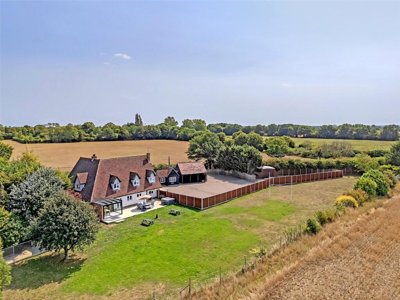
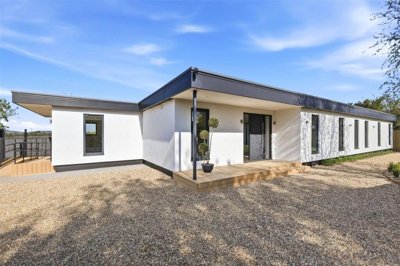
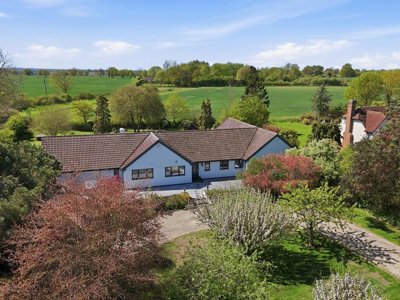
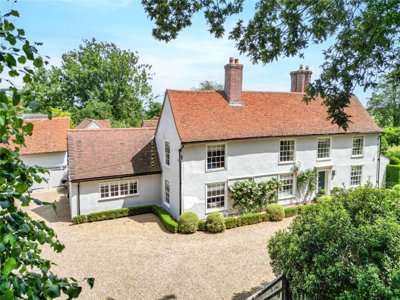
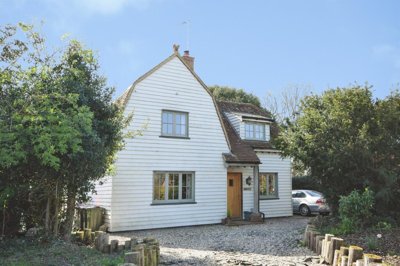
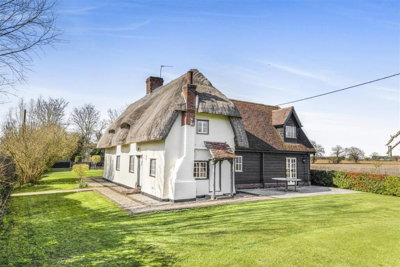
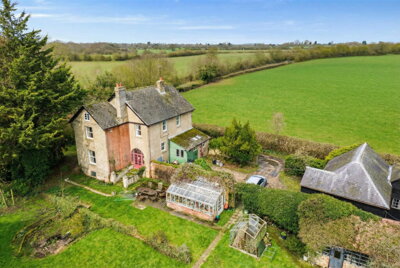
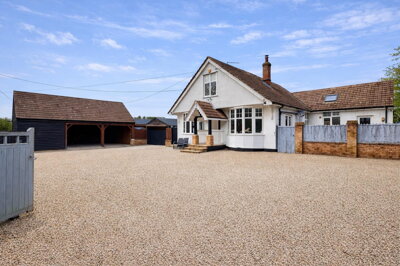
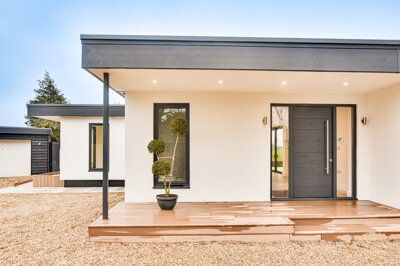
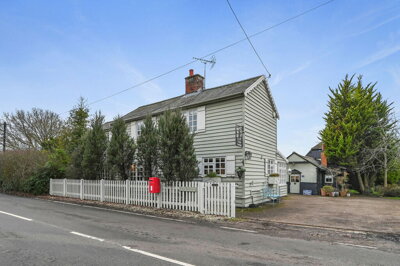
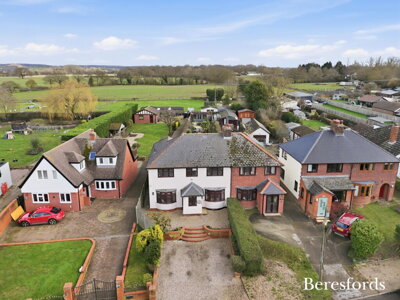
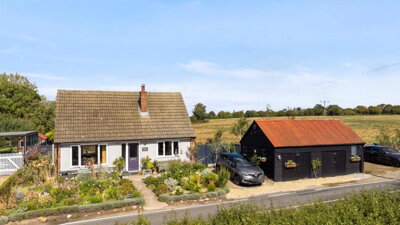
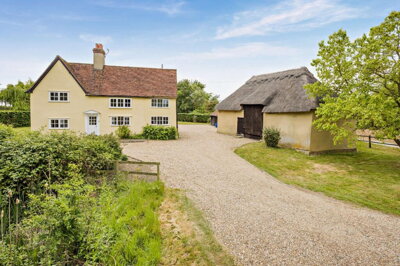
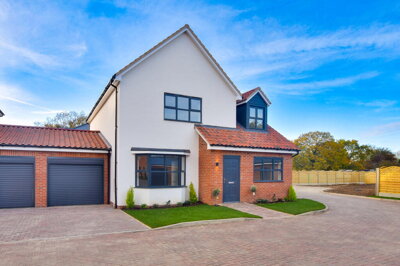
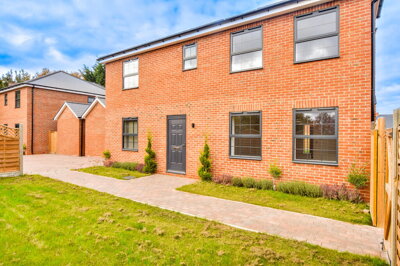
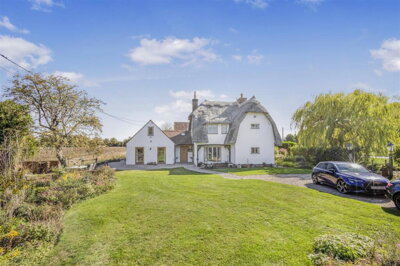
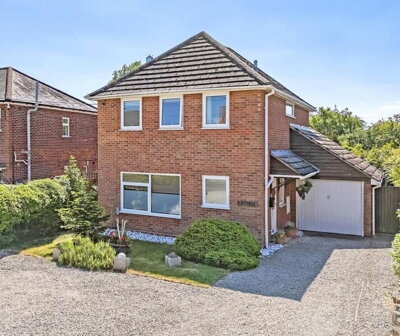
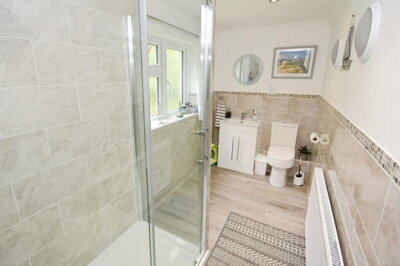
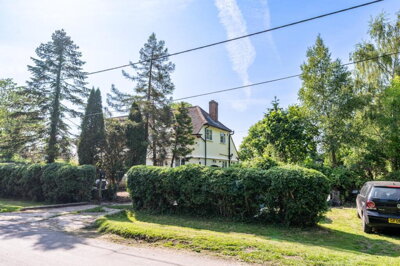
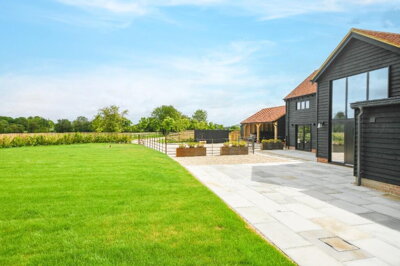
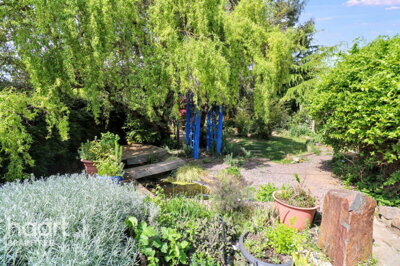
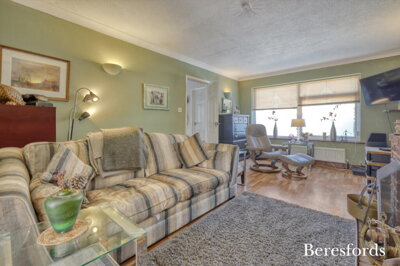
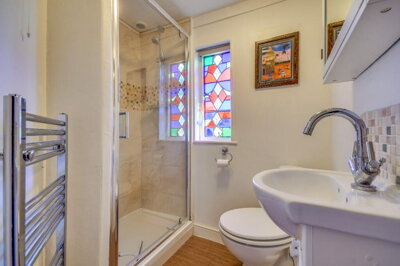
Browse 24 homes for sale in The Salings from local estate agents.
The Salings sit within the wider Braintree district, and home.co.uk and homedata.co.uk show steady activity across the CM7 postcode area. On streets such as The Street and Woolpits Road in Great Saling, homes have changed hands recently, which points to continuing interest in village settings even where annual transaction numbers are low. Across Braintree, the market has held up well through national swings, helped by the pull of rural surroundings and practical links into London. The villages themselves produce too few sales for neat average figures, but CM7 gives a useful guide to pricing. For the latest view of available homes and recent sale prices, direct enquiries to local estate agents through Homemove remain the best route.
Period cottages, detached family homes and converted agricultural buildings are the norm in The Salings, and they reflect north Essex’s farming past. Many properties date from the Victorian or Edwardian eras, built in traditional brick and timber frame methods that still define the area. Most village homes were built before 1976, so a professional survey is often especially useful for spotting age-related defects. Freehold ownership is common here, giving buyers straightforward control rather than the leasehold complications more familiar in urban flats. There is very little new build development nearby, so anyone wanting a modern house may need to look towards the surrounding towns, although the older homes in The Salings bring a level of character newer stock rarely matches.
Buying in this part of Essex means thinking about the ground beneath the house as well as the bricks and mortar. Much of the county, including land around The Salings, sits on London Clay, and that clay is known for shrinking and swelling. Homes with shallow foundations can therefore be vulnerable to subsidence or heave, depending on how the ground behaves in dry spells or after heavy rain. That makes surveys particularly worthwhile before anyone commits to a purchase in the village cluster. A RICS Level 2 Survey checks the condition of foundations, picks up signs of movement, and considers whether earlier subsidence problems have been dealt with properly.

The Salings capture the feel of Essex village life, with each settlement adding to a close community that many newcomers find easy to settle into. Great Saling is the main village in the cluster and acts as the natural meeting point for local events and everyday activity. Around it, the countryside is made up of productive farmland and open views across the rolling north Essex landscape, which gives residents plenty of space for walking and cycling. Historic buildings and old boundary features still survive, a reminder of the villages’ agricultural roots, and many homes along The Street and the surrounding lanes have been part of that story for generations.
For day-to-day needs, most residents head to nearby villages or into Braintree, which is about 5 miles away and has supermarkets, healthcare services and a broad mix of shops. The town centre is the obvious hub for anyone living in The Salings who needs regular access to facilities the villages do not provide. Farming shaped the local economy for years, with small businesses and farms supplying work and services. Village hall events, the local pub where there is one, and seasonal gatherings keep community life going through the year. New arrivals often remark on how quickly people are known by name, and that sense of neighbourliness still runs strong despite the nearness of larger towns.
Work patterns in The Salings are varied, but plenty of residents commute to Braintree, Chelmsford or even London, using the transport links available across the wider area. The A120 is close enough to give decent access to the main road network, although life in these villages still depends heavily on private car ownership. Quiet surroundings, a strong local community and open countryside make The Salings appealing to buyers who want a slower pace without cutting themselves off from urban conveniences.

For families, the schooling picture stretches across the surrounding villages and Braintree itself. Primary education is usually found in village schools nearby, which serve children from The Salings across the younger age groups. Because the area is rural, those schools are often smaller than urban equivalents, and that can create closer links between pupils, parents and staff. Before buying, families should check current Ofsted data and confirm catchment boundaries, since admission rules can have a big effect on where children can go. Braintree District Council’s education department can provide the clearest information on admissions and transport for pupils living in The Salings.
Secondary education is mainly accessed in Braintree, where families have a wider choice of schools and colleges. The town includes both state and independent options, and schools in the area generally take students from Year 7 through to Sixth Form. Anyone placing education near the top of their property search should look closely at performance tables, attend open days and think through the journey from The Salings to school. It is also sensible to confirm transport arrangements with the local authority, as bus services for outlying villages may run differently from town routes. The short distance to Braintree makes secondary school travel realistic, but the daily logistics still need proper thought.

Road travel is the main transport story in The Salings. The villages sit within easy reach of the A120 and the wider Essex network, while the A120 also gives access towards Braintree and onward to the A12, the route that carries traffic through Essex from Colchester to London. For commuters heading to Chelmsford or into London, driving is usually the most practical option from here, with journey times changing according to traffic. In rural villages like these, owning a car is effectively part of normal life. Great Saling has decent access to the main roads, although the narrow country lanes demand a confident driver.
Public transport is thinner on the ground, which is exactly what you would expect in a cluster of small rural villages. Bus services do run from some of the surrounding settlements to Braintree, but they are far less frequent than urban routes. The nearest railway stations are in Braintree and elsewhere in the wider area, with Greater Anglia services giving access towards London Liverpool Street. From Braintree station, the trip to London Liverpool Street is usually around 50-60 minutes, while Chelmsford is quicker at about 40 minutes. Many London commuters end up driving to Braintree station or using Chelmsford for the faster services, since those trains run regularly through the day.

Before arranging a viewing in The Salings, spend a bit of time getting to know the villages properly. Recent sales on The Street, Woolpits Road and the surrounding lanes in Great Saling will give a useful read on the local market. It also pays to visit at different times of day, so you can judge traffic, noise and the feel of the place. Set a budget that includes the purchase price, stamp duty and moving costs. Having mortgage agreement in principle ready before you start viewing can put you in a stronger position when it is time to make an offer.
Estate agents listing homes in The Salings can be contacted through Homemove to set up viewings. We would suggest seeing more than one property, so condition, character and value can be compared across the village cluster. The age of a house, the way it was built and any signs of maintenance issues all matter, especially where work may be needed after purchase. Many properties here show their age, so understanding Victorian and Edwardian construction is part of making a sensible decision.
Before completion, we always recommend a professional RICS Level 2 Survey so the property’s condition is properly assessed. That matters even more with period homes in The Salings, where age-related issues such as damp, timber defects or roof concerns are not unusual. Because parts of Essex sit on London Clay, our inspectors also look for signs of subsidence or foundation movement that can affect local properties. Survey fees vary from around 400 pounds for homes valued at 200,000 pounds up to 1,000 pounds or more for properties valued at 500,000 pounds or higher, depending on size.
Once the offer is accepted, a conveyancing solicitor should be instructed to deal with the legal side of the purchase. Searches with Braintree District Council, contract work and the transfer of funds will all be handled by the solicitor. Standard conveyancing usually starts from around 499 pounds. The solicitor will also check whether the property is listed or subject to planning restrictions that could affect how it can be used.
After the survey comes back satisfactorily and the legal searches are complete, contracts are exchanged and the deposit is paid. Completion follows on the agreed day, when the keys to the new home in The Salings are handed over. If needed, our team can point buyers towards solicitors who know their way around rural property transactions.
Historic buildings are part of the picture in The Salings, and some homes may be listed or fall within areas where planning rules are more sensitive. Before going ahead, it is worth checking Braintree District Council planning records to see whether a property is listed. Listed buildings need consent for certain alterations, and there can be limits on changes that affect their historic character. Those rules matter because they can shape what is practical after purchase. Conservation area properties may face similar controls, so checking the planning status of any home under consideration is an important step.
Essex geology can have a real effect on houses in The Salings, especially where London Clay is present. In dry weather the clay contracts, and in wet conditions it expands, which means shallow foundations can be vulnerable to subsidence or heave. Our inspectors look closely for movement, cracking patterns and any sign that foundation work has been carried out before, since that can point to past subsidence. A proper RICS Level 2 Survey will pick up movement-related issues, structural concerns and evidence of earlier problems that could affect the decision to buy. Any remedial work should be reflected in both budget and negotiations before moving forward.
Flood risk in The Salings is usually more about surface water and smaller watercourses than major river flooding, but checking Environment Agency flood maps for the exact postcode is still a must before buying. Homes with large gardens or plots of land may also have drainage issues that affect how useful, and how costly, they are to maintain. The rural setting can bring other quirks too, such as farm traffic, machinery noise at harvest time or smells linked to nearby agricultural work. A couple of visits at different times of day help to spot these factors. In period homes across rural Essex, common defects include rising damp where the original damp-proof course has failed, penetrating damp in weather-exposed walls, rot or woodworm in timber elements, and roof problems such as missing tiles or defective lead flashing. Older electrical systems may also be out of date and not compliant with current regulations, which is why a thorough survey matters.

The villages do not have published average house price data, simply because annual transaction numbers are so low in these small rural communities. In some years only a handful of homes change hands. The wider CM7 postcode area around Braintree gives a better sense of the market, with properties ranging from period cottages to detached family houses. Recent sales on The Street and Woolpits Road in Great Saling also show how values vary close by. For current pricing on homes actually for sale in The Salings and the surrounding villages, contact local estate agents through Homemove.
Council tax for properties in The Salings falls under Braintree District Council. Bands run from A through to H, although most period cottages and village houses tend to sit in bands B to D, depending on assessed value. The exact band is set by the Valuation Office Agency. Even when a property is full of character, Victorian and Edwardian homes in the villages often land in the middle bands because they are modest in size. Anyone thinking of buying can check the band for a specific home on the Braintree District Council website or through the gov.uk valuation office portal before making an offer.
Primary schools serving The Salings are found in surrounding villages, while secondary choices are based in Braintree town. There are several well-regarded secondary schools in the town, taking pupils from Year 7 through Sixth Form, with both state-funded and independent options available. Parents searching for a home should check current Ofsted data, study catchment boundaries and think through how children will get to school from The Salings. Essex County Council should be asked about school transport, since bus services from rural villages into town may be available. School websites are useful too, especially for admission policies and open days during the year.
Because The Salings are so rural, public transport is limited. Buses to Braintree do operate, but they are not as frequent as town routes and often run at hourly intervals or less on weekdays. For rail travel, the nearest stations are in Braintree and the surrounding area, with connections to Chelmsford and London Liverpool Street via Greater Anglia. Services from Braintree usually take around 50-60 minutes to reach London Liverpool Street, while Chelmsford is quicker at approximately 40 minutes. Most residents rely on private cars for commuting and getting to amenities, so car ownership is effectively essential for everyday life in The Salings.
For buyers looking at investment, The Salings has a fair bit going for it, thanks to the mix of rural Essex village character and the practical pull of Braintree and the London transport routes. New build supply is limited, which helps keep the character of the period stock intact over time. Rental demand tends to come from people who want countryside living but still need to work in nearby towns such as Braintree or Chelmsford, or commute into London. The CM7 postcode area appeals to tenants who want a rural feel without losing access to urban jobs. As ever, it is wise to look closely at rental yields, void periods and local demand before buying. Property management firms in the Braintree area can also give a clearer steer on likely rental returns for the village cluster.
Stamp duty land tax applies to every property purchase in England. For homes up to 250,000 pounds, the rate is zero percent. Between 250,001 and 925,000 pounds, it is 5 percent on the part above the threshold. From 925,001 to 1.5 million pounds, the rate rises to 10 percent, and anything above 1.5 million pounds is charged at 12 percent on the remaining value. First-time buyers purchasing up to 625,000 pounds benefit from relief, paying zero percent on the first 425,000 pounds and 5 percent on the remainder up to that level. An online stamp duty calculator for England will give an accurate estimate based on the purchase price and buyer status.
Because so many of the homes in The Salings are old, common survey defects crop up again and again. Rising damp, penetrating damp, timber problems such as rot or woodworm, and roof defects including missing tiles or faulty lead flashing are all familiar findings. London Clay in parts of Essex can also lead to subsidence or foundation movement, particularly where foundations are shallow. Older electrical systems may need updating too, since they may not meet current regulations. A professional RICS Level 2 Survey will pick up these issues before a buyer commits, which gives room to negotiate repairs or adjust the price in light of the findings.
The Salings has several historic properties that reflect the area’s long settlement history, although the details of listed buildings should be confirmed with Braintree District Council planning department. In north Essex, historic villages often contain Grade II listed cottages and farmhouses built in traditional brick and timber frame methods. Properties that are listed, or sit within a conservation area, can have restrictions on alterations and may need planning consent for significant changes to the building or grounds. Anyone considering an older home in The Salings should check its listed status before proceeding, since heritage rules and specialist surveys can affect future renovation plans. Your solicitor will look into the planning position during conveyancing.
Buying in The Salings brings more to budget for than just the asking price. Stamp duty land tax is usually the largest extra cost, with rates running from zero percent on the cheapest homes to 12 percent on properties over 1.5 million pounds. First-time buyers get relief on homes up to 625,000 pounds, which reduces the SDLT burden for those entering the market at that level. An online stamp duty calculator is the easiest way to estimate the bill before making an offer on a property in The Salings or elsewhere in the CM7 postcode area.
Survey costs matter when protecting a purchase, especially with older houses in The Salings villages. A RICS Level 2 Survey usually falls between 400 and 1,000 pounds, with higher-value homes attracting higher fees. On a property worth around 300,000 pounds, a thorough report is likely to cost about 500-700 pounds. That is money spent upfront, but it can save thousands later if the survey uncovers defects that need repair before you complete.
Conveyancing fees for the legal work usually start from around 499 pounds for straightforward purchases, and they rise where the transaction is more complex or a mortgage is involved. Buyers should also budget for removals, mortgage arrangement fees if relevant, buildings insurance from completion day, and any searches required with Braintree District Council. Those local authority searches cover planning history, road schemes and environmental issues that may affect the property, and they are an important part of understanding what you are buying. For a clearer view of the full cost of a home in The Salings, speak with your solicitor and mortgage broker, who can set out estimates based on your own circumstances and the property type.

Properties for Sale In London

Properties for Sale In Plymouth

Properties for Sale In Liverpool

Properties for Sale In Glasgow

Properties for Sale In Sheffield

Properties for Sale In Edinburgh

Properties for Sale In Coventry

Properties for Sale In Bradford

Properties for Sale In Manchester

Properties for Sale In Birmingham

Properties for Sale In Bristol

Properties for Sale In Oxford

Properties for Sale In Leicester

Properties for Sale In Newcastle

Properties for Sale In Leeds

Properties for Sale In Southampton

Properties for Sale In Cardiff

Properties for Sale In Nottingham

Properties for Sale In Norwich

Properties for Sale In Brighton

Properties for Sale In Derby

Properties for Sale In Portsmouth

Properties for Sale In Northampton

Properties for Sale In Milton Keynes

Properties for Sale In Bournemouth

Properties for Sale In Bolton

Properties for Sale In Swansea

Properties for Sale In Swindon

Properties for Sale In Peterborough

Properties for Sale In Wolverhampton

Enter your details to see if this property is within your budget.
Loans, cards, car finance
Estimated property budget
Borrowing + deposit
You could borrow between
Typical borrowing
Monthly repayment
Est. at 4.5%
Loan-to-value
This is an estimate only. Your actual budget may vary depending on interest rates, credit history, and personal circumstances. For an accurate affordability assessment, speak to one of our free mortgage advisors.
This calculator provides estimates for illustrative purposes only and does not constitute financial advice. Your home may be repossessed if you do not keep up repayments on your mortgage. Estimates based on 4.5% interest rate, repayment mortgage. Actual rates depend on your circumstances.
Homemove is a trading name of HM Haus Group Ltd (Company No. 13873779, registered in England & Wales). Homemove Mortgages Ltd (Company No. 15947693) is an Appointed Representative of TMG Direct Limited, trading as TMG Mortgage Network, which is authorised and regulated by the Financial Conduct Authority (FRN 786245). Homemove Mortgages Ltd is entered on the FCA Register as an Appointed Representative (FRN 1022429). You can check registrations at NewRegister or by calling 0800 111 6768.

We use cookies to show you personalised content and improve your experience of our website. Find out more in our Privacy policy and Cookie policy.