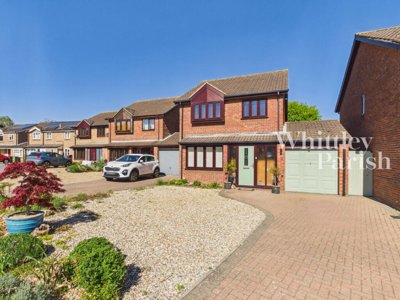
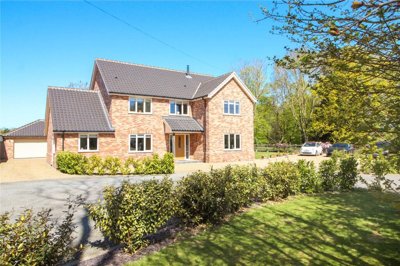
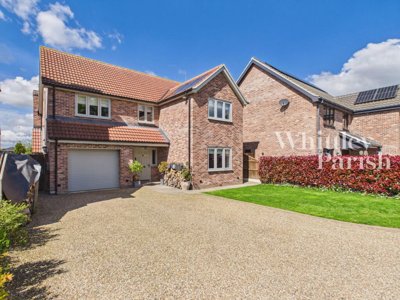
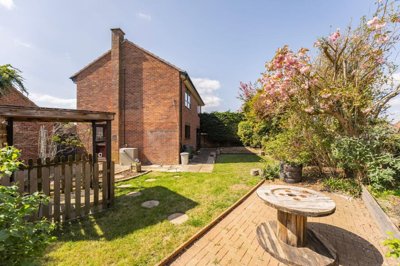
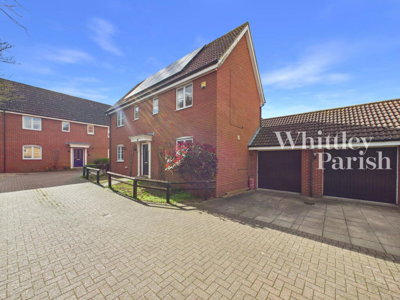
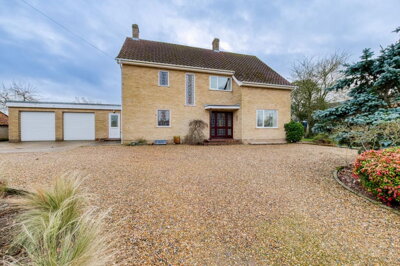
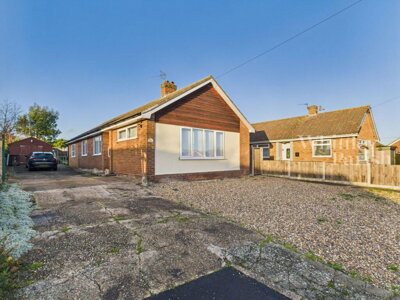
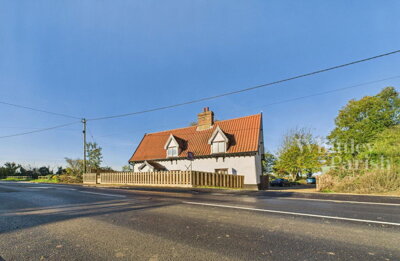
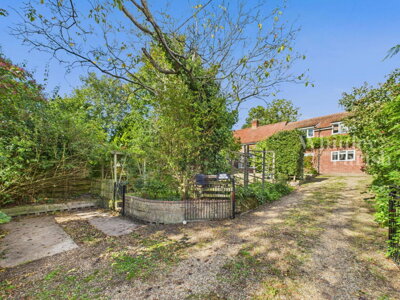
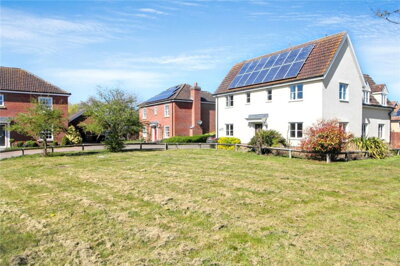
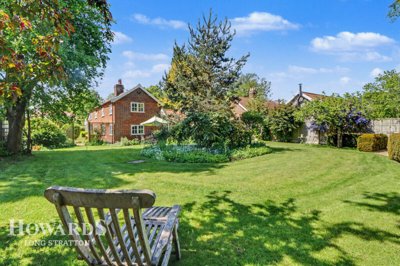
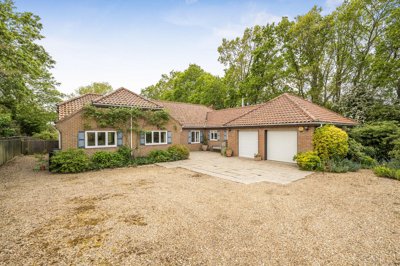
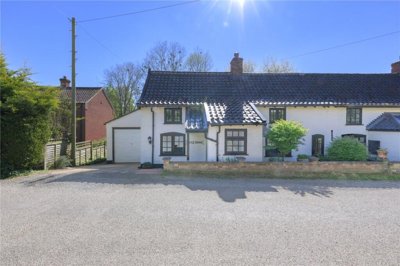
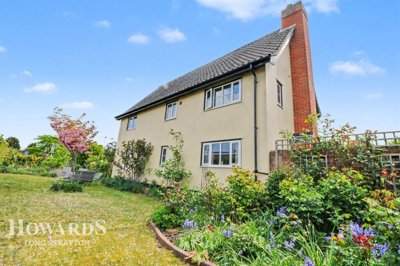
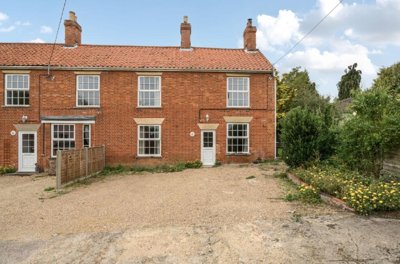
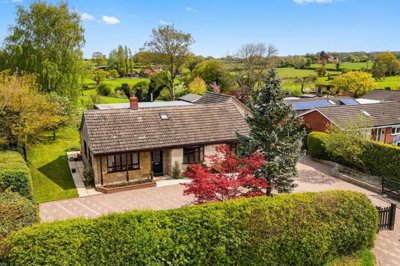
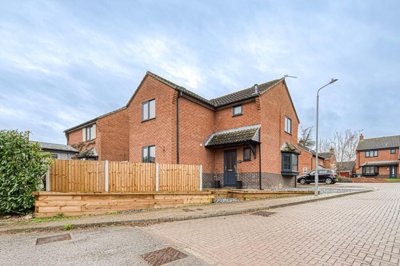
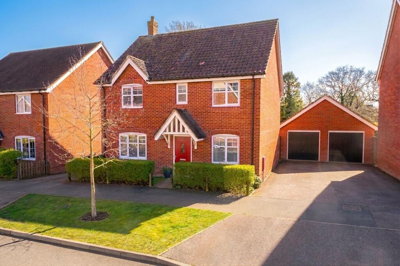
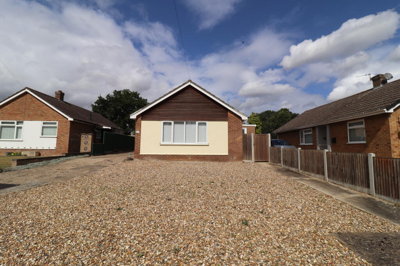
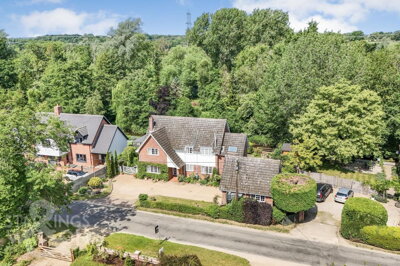
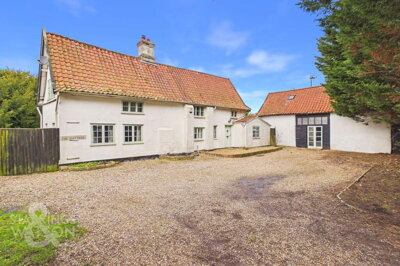
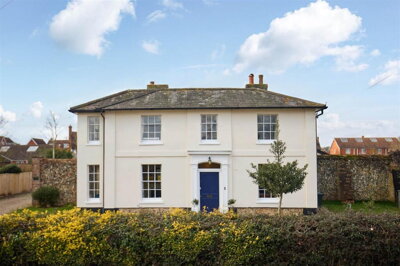
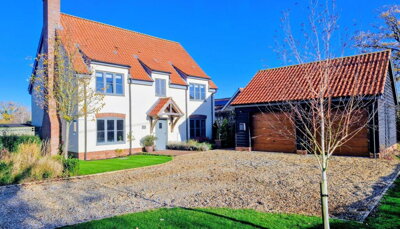
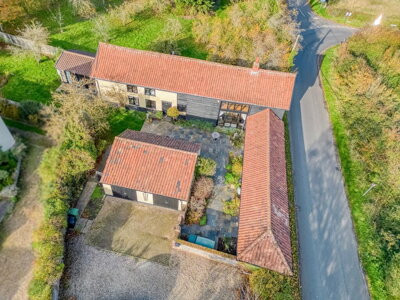
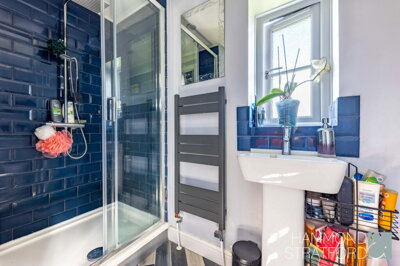
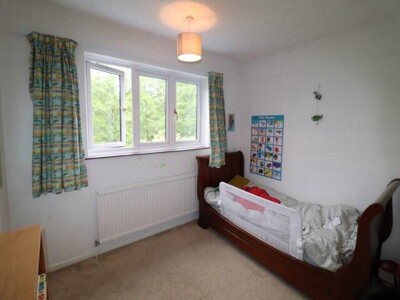
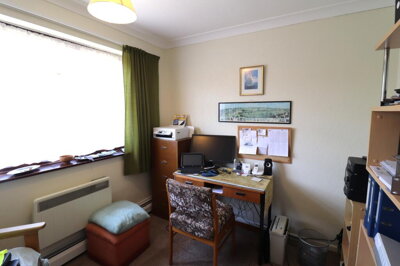
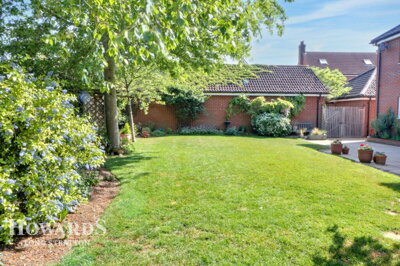
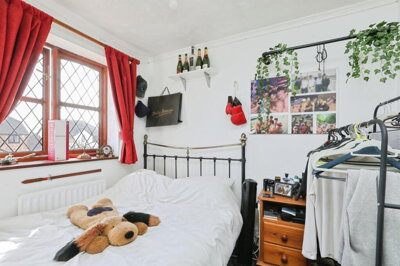
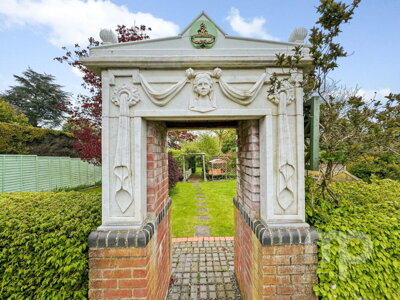
Browse 30 homes for sale in Tharston and Hapton from local estate agents.
The larger property sector typically features multiple bathrooms, substantial reception space, and private gardens or off-street parking. Four bedroom houses in Tharston And Hapton span detached, semi-detached, and occasionally terraced configurations, with styles ranging from period properties to modern executive homes.
We see the property market in Tharston and Hapton tracking the wider rural Norfolk picture, with detached homes still topping the value table. Our data shows detached homes in Tharston averaged £477,857 over the past year, and they remain the main draw for families wanting more room and gardens. Semi-detached properties averaged £249,000, giving buyers and downsizers a more affordable route in. Terraced homes in Tharston reached a median sale price of £180,000 across three recorded sales in 2024, so demand is there even when supply is tight.
The market has cooled after the 2022 high point, when overall sold prices reached £477,857 in the area. Over the past 12 months, house prices in Tharston have fallen by approximately 11.9%, moving values back towards a steadier long-term level. Look at the longer view and historical sold prices are still 2% up on the previous year, which points to resilience rather than a sharp drop. Hapton sits at an average sold price of £340,979, placing it well within the South Norfolk market, although recent figures show some swings with values down 28% year-on-year.
New homes are on the way nearby, with Norfolk Homes due to launch Tharston Park in neighbouring Long Stratton in late February 2026. It is just over the parish boundary, but it could still pull interest into Tharston and Hapton as more new housing options appear close by. That mix of older period houses, mid-twentieth century homes, and limited fresh development gives buyers a broad spread of choices and budgets.

Tharston and Hapton give off the classic English village feel, with winding lanes, brick and flint cottages, and a community that still turns out for local events. The villages sit in South Norfolk District, around 12 miles south of Norwich city centre, so residents keep a countryside base without losing easy access to work in the city. Historic listed buildings are dotted through the area, a reminder of the long farming history that has shaped it. Village life still gathers around the hall, the pub, and seasonal get-togethers through the year.
The surrounding Norfolk countryside opens up plenty of walking and outdoor time, with public footpaths crossing farmland and linking into wider routes. The River Tas is close by, offering easy scenic walks and wildlife spotting, while the broader landscape brings nature reserves, coast within driving distance, and the Norfolk Broads for boating and watersports. Nearby Long Stratton covers the basics with convenience stores, a pharmacy, a primary school, and a mix of independent shops. For bigger days out, Norwich gives us Norwich Market, Chapelfield Shopping Centre, and the Theatre Royal.
We find this area appeals to people who want less urban congestion without feeling cut off, and Norwich is around 25 minutes away by car via the A140 trunk road. Property types range from historic farmhouses and converted agricultural buildings to twentieth-century family homes, many at different stages of renovation. Older houses often show the Norfolk brick and flint look, while newer places use render and modern materials. With the rural setting, most households depend on private cars for day-to-day travel, though home workers are often drawn to the extra space and larger gardens.

Families moving to Tharston and Hapton have school options in the area and nearby towns. The nearest primary schools are in Long Stratton, and several good and outstanding-rated choices sit within a comfortable drive for children from reception through Year 6. Norfolk County Council sets catchment areas, so we always advise checking the school for a specific address before you commit. Popular rural villages can be competitive, so an early application makes sense. Several nearby primaries have good or outstanding Ofsted ratings, which speaks to teaching standards and pastoral care.
For secondary education in South Norfolk, the school in Long Stratton is the nearest option for many Tharston and Hapton families. If grammar school provision matters, Norwich has selective schools including Norwich School, Norfolk Grammar School for Boys, and Norfolk Grammar School for Girls, each taking pupils from across Norfolk, including these South Norfolk villages. Entry depends on passing the Norfolk selection test, and families should think carefully about the daily commute before choosing that route. Sixth form places are available at local schools with sixth forms and at colleges in Norwich for A-levels or vocational study.
Early years childcare is available in nearby villages and towns, giving working parents important support for pre-school children. Several outstanding nurseries in the Long Stratton and Harleston areas serve families from Tharston and Hapton, with full-time, part-time, and sessional care on offer. For school-age children who are beyond walking distance, transport is usually by private car or by Norfolk County Council school bus services on set routes. If education is a priority, we would look closely at school performance data, Ofsted reports, and admissions criteria for the properties you are considering, because school quality can have a real effect on prices in sought-after villages.

Transport here revolves around roads, with the A140 Norwich to Ipswich trunk road acting as the main corridor. It passes through Long Stratton, around 3 miles from Tharston village, and gives a normal drive into Norwich city centre in approximately 25 minutes. The A140 continues south to Bungay and Beccles, while the A11 offers a direct link east to Norwich and west towards Thetford and Cambridge beyond. Regular buses run along the A140 corridor, linking Tharston and Hapton with Norwich, Diss, and nearby villages. Bus route 21 also reaches Norwich and the railway station, though its frequency is limited compared with urban services.
From Norwich station, rail services reach London Liverpool Street in roughly 90 minutes to 2 hours on the fastest trains. The station also connects East Anglia with Cambridge, Peterborough, and Birmingham, so Norwich works well as a regional transport hub. For people commuting into Norwich, the drive of around 25 minutes makes Tharston and Hapton realistic choices, especially with flexible or hybrid working patterns. Country lanes do allow for cycling, but the distances to the main employment centres make that impractical for most commuters.
Parking at local facilities varies, and village locations usually offer less public parking than towns. In Tharston and Hapton, properties typically come with off-street parking, such as driveways or garages, which matters when most households rely on cars. Norwich International Airport is the nearest major airport, about 40 minutes drive away, with domestic flights and limited European routes. For longer trips, London Stansted and London Luton sit within roughly 2 hours by car via the A11 and M11 motorway network. Put together, the road links, Norwich proximity, and modest public transport make the villages a good fit for car-first commuters who still want the occasional rail option.

We suggest spending time in Tharston and Hapton at different times of day and on different days of the week. Check the local shops and services, test the commute to work, and get a feel for the streets and the types of homes on offer.
Speak to a mortgage broker or lender and secure an agreement in principle before you start looking seriously. It shows sellers the buyer is serious and can help the purchase move faster once the right home turns up.
Browse the current listings in Tharston and Hapton, and arrange viewings through Homemove or directly with estate agents. Give each property a proper once-over, and note both the features you like and anything that needs more investigation.
Before you complete the purchase, book a RICS Level 2 Survey so the property condition is checked and defects are identified. That matters especially with older homes in rural Norfolk, where traditional construction can hide maintenance problems.
Appoint a conveyancing solicitor to deal with the legal side of the purchase. They will carry out searches, handle the contracts, and manage registration after completion.
Once searches come back clean and contracts are signed, deposits are exchanged and a completion date is agreed. On completion day, our solicitor transfers the remaining funds and the keys to the new home in Tharston and Hapton are released.
Properties in Tharston and Hapton span a range of construction periods and architectural styles, and each one brings its own checks for buyers. Older homes built before 1919 often use traditional brick and flint construction, so we need to understand older building methods and the maintenance they can need. The oldest cottages may include timber framing, which calls for a surveyor who knows period properties. In the rural setting, larger trees are common in gardens, and they can point to subsidence risk where clay soil shrinks and swells in dry periods. A professional survey from an RICS-qualified assessor can pick up these issues before you commit.
Flood risk deserves attention on any purchase here, especially homes near the River Tas or in lower-lying parts of the landscape. Specific flood mapping for Tharston and Hapton still needs checking, but properties close to watercourses or in valley positions call for careful review. Surface water flooding can also affect places with poor drainage, particularly during heavy rainfall. If a property has a flood history, the insurance cost needs to be built into the numbers. Our solicitor should carry out the right drainage and water searches as part of standard conveyancing.
Listed building status affects many historic Norfolk village homes, and it restricts alterations, extensions, and improvements unless the local planning authority gives consent. If we are looking at a listed property, we should check the Grade II status and understand which works need approval before we buy. Parts of Tharston and Hapton may also fall within conservation area boundaries, which can change permitted development rights and require planning approval for external alterations. Freehold and leasehold tenure matters where there are shared elements, because lease length, ground rent, and service charges all affect running costs and future saleability. Most houses in the village will be freehold, but our solicitor should confirm the tenure on each specific property.

The average sold price in Tharston over the last 12 months was £340,979 according to homedata.co.uk. Tharston village itself records an overall average price of £340,979 over the past year. Detached homes averaged £477,857, while semi-detached homes sold for approximately £249,000. Hapton also averaged £340,979. The market has corrected by 11.9% over the past 12 months, down from the 2022 peak of £477,857, which could make this a useful moment for buyers looking for value in rural Norfolk.
For council tax, properties in Tharston and Hapton sit within South Norfolk Council. Most family homes fall in bands B through E, with the exact band set by property valuation. You can check the band for any specific property through the property details or by speaking to South Norfolk Council directly. Council tax helps fund refuse collection, highways maintenance, and local policing.
The nearest primary schools to Tharston and Hapton are in Long Stratton, around 3 miles away, and several have good or outstanding Ofsted ratings. Long Stratton also gives families secondary education options. For grammar school provision, Norwich has selective schools including Norwich School and the Norfolk Grammar Schools, reached via the A140 corridor. Before buying, parents should confirm the schools linked to their exact address through Norfolk County Council school admissions.
Public transport from Tharston and Hapton includes bus services on the A140 corridor, linking the villages with Norwich, Diss, and surrounding towns. Bus route 21 runs to Norwich city centre and the railway station. Norwich station offers direct trains to London Liverpool Street in about 90 minutes to 2 hours. A car commute into Norwich takes about 25 minutes via the A140. Because the location is rural, bus frequency is limited compared with urban areas, so most residents still rely on a private vehicle.
Tharston and Hapton have investment appeal thanks to their rural Norfolk setting, limited new development, and nearness to Norwich. Values have eased back from the 2022 peak, which may open a window for long-term investors. The village feel and character properties are attractive to buyers who want space away from urban centres. Rental demand could come from Norwich commuters or local agricultural workers. As with any investment, we would look carefully at rental yields, void periods, and local conditions before committing.
For property purchases in England, stamp duty rates from 1 April 2025 set a zero rate on the first £250,000 of purchase price. A rate of 5% applies between £250,001 and £925,000, with higher rates on properties above £925,000. First-time buyers get relief on the first £425,000, with 5% applying between £425,001 and £625,000. On a typical Tharston and Hapton property worth around £340,979, a standard buyer would pay approximately £4,549 in stamp duty after the zero rate threshold. First-time buyers would pay nothing on properties up to £425,000.
From 4.5%
We can compare mortgage rates and help find the best deal for your Tharston and Hapton purchase
From £499
We work with expert solicitors to handle your property purchase in South Norfolk
From £350
We arrange essential homebuyer reports for properties in Tharston and Hapton
From £80
We can sort the energy performance certificate required for selling or letting
Understanding the full cost of buying in Tharston and Hapton means looking beyond the purchase price to stamp duty land tax, solicitor fees, survey costs, and other outlays. For a property at the area average of approximately £340,979, a standard buyer who is not a first-time buyer would pay stamp duty of £4,549 under the current rates, with a zero rate on the first £250,000 and 5% on the balance between £250,001 and £340,979. First-time buyers purchasing properties up to £425,000 would pay no stamp duty, which makes the Tharston and Hapton market especially accessible for people taking their first step on the property ladder.
Solicitor conveyancing fees for purchases in South Norfolk usually start from about £499 for basic transactions, and they rise if the purchase is more complex or if issues crop up during conveyancing. On top of that come title registration fees, search fees charged by local authorities for drainage, environmental, and planning history information, and bank transfer charges. Survey costs vary by property type and by the level of inspection needed, with RICS Level 2 Surveys starting from approximately £350 for standard homes in the area. Your mortgage lender may also charge arrangement fees and valuation fees, so these should be built into the budget.
Moving costs are another line to budget for, including removal company fees, possible temporary storage, and utility connection charges at the new property. Buildings insurance needs to be in place from exchange, while contents insurance should be arranged before completion. If the property has a large garden or rural boundaries, ongoing maintenance for fences, hedges, and grounds should also be allowed for. Setting aside a contingency fund of around 5-10% of the purchase price for unexpected costs and necessary improvements is sensible financial planning for any purchase in the Norfolk countryside.

Properties for Sale In London

Properties for Sale In Plymouth

Properties for Sale In Liverpool

Properties for Sale In Glasgow

Properties for Sale In Sheffield

Properties for Sale In Edinburgh

Properties for Sale In Coventry

Properties for Sale In Bradford

Properties for Sale In Manchester

Properties for Sale In Birmingham

Properties for Sale In Bristol

Properties for Sale In Oxford

Properties for Sale In Leicester

Properties for Sale In Newcastle

Properties for Sale In Leeds

Properties for Sale In Southampton

Properties for Sale In Cardiff

Properties for Sale In Nottingham

Properties for Sale In Norwich

Properties for Sale In Brighton

Properties for Sale In Derby

Properties for Sale In Portsmouth

Properties for Sale In Northampton

Properties for Sale In Milton Keynes

Properties for Sale In Bournemouth

Properties for Sale In Bolton

Properties for Sale In Swansea

Properties for Sale In Swindon

Properties for Sale In Peterborough

Properties for Sale In Wolverhampton

Enter your details to see if this property is within your budget.
Loans, cards, car finance
Estimated property budget
Borrowing + deposit
You could borrow between
Typical borrowing
Monthly repayment
Est. at 4.5%
Loan-to-value
This is an estimate only. Your actual budget may vary depending on interest rates, credit history, and personal circumstances. For an accurate affordability assessment, speak to one of our free mortgage advisors.
This calculator provides estimates for illustrative purposes only and does not constitute financial advice. Your home may be repossessed if you do not keep up repayments on your mortgage. Estimates based on 4.5% interest rate, repayment mortgage. Actual rates depend on your circumstances.
Homemove is a trading name of HM Haus Group Ltd (Company No. 13873779, registered in England & Wales). Homemove Mortgages Ltd (Company No. 15947693) is an Appointed Representative of TMG Direct Limited, trading as TMG Mortgage Network, which is authorised and regulated by the Financial Conduct Authority (FRN 786245). Homemove Mortgages Ltd is entered on the FCA Register as an Appointed Representative (FRN 1022429). You can check registrations at NewRegister or by calling 0800 111 6768.

We use cookies to show you personalised content and improve your experience of our website. Find out more in our Privacy policy and Cookie policy.