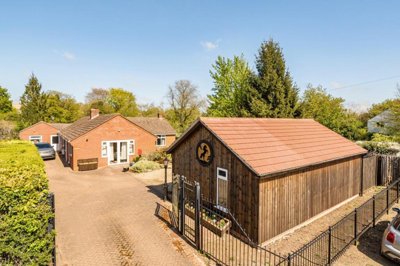
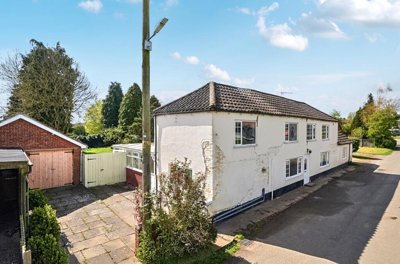
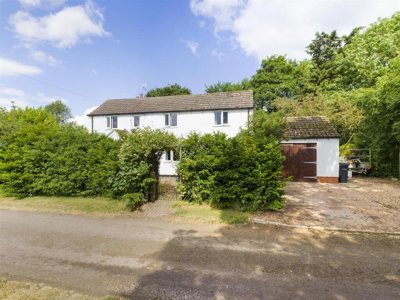
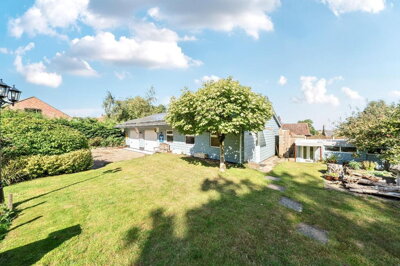
Browse 4 homes for sale in Tetford, East Lindsey from local estate agents.
The larger property sector typically features multiple bathrooms, substantial reception space, and private gardens or off-street parking. Four bedroom houses in Tetford span detached, semi-detached, and occasionally terraced configurations, with styles ranging from period properties to modern executive homes.
£225k
1
0
31
Source: home.co.uk
Showing 1 results for 4 Bedroom Houses for sale in Tetford, East Lindsey. The median asking price is £225,000.
Source: home.co.uk
Detached
1 listings
Avg £225,000
Source: home.co.uk
Source: home.co.uk
Tetford has proved surprisingly resilient over the past twelve months, and the numbers back that up. Our figures put the average sold price at £330,833, a 55% rise on the previous year. That strength fits the wider pull of rural markets, where buyers keep chasing space and a quieter pace of life outside urban centres. The market was higher in 2020, at £417,500, before easing back for a spell, but values have since recovered well. Other data points to an average sold price of £337,500 over the last 12 months, with current values at around £330,833 as of early 2026, so the local picture still looks upward.
Tetford’s housing stock covers more than one kind of buyer. Detached homes sit at the top end, averaging about £481,667, which reflects steady demand from families and anyone wanting a proper garden. Semi-detached properties are around £250,000, while terraced houses average £210,000. Bungalows draw plenty of interest here too, especially from downsizers and retirees who want single-storey living in a setting like this. In LN11, detached sales have made up most of the market over the past year, which says a lot about local priorities around space and privacy.
Compared with bigger towns, Tetford has seen very little new-build activity, and we have not found verified details of active developments within the village postcode area. That means the homes coming to market are often characterful older properties, from farmhouses dating back to 1650 to early Victorian houses. There is one clear modern exception, a three-bedroom detached house built in 2015 by Brian Todd Homes Ltd, showing that contemporary development does happen here when planning allows it. With so little new stock in circulation, values tend to hold firm, since demand for family homes and move-in-ready properties keeps outpacing supply.

Tetford sits in the Lincolnshire Wolds, part of a designated National Landscape that covers much of northern and central Lincolnshire. That status helps keep the surrounding countryside open and green, with rolling hills, ancient woodland and working farms shaping the scene. The village itself still feels traditional, with stone and brick buildings that reflect centuries of continuous settlement. Historic homes from the 17th and 19th centuries add to that settled feel, which newer estates rarely match.
Day-to-day life in Tetford is tied closely to community and the countryside. The local pub gives the village a social centre and a place for events. Footpaths run in every direction through the Wolds, across fields and woodland, so walking is part of the routine rather than a weekend extra. Horncastle, approximately nine miles away, brings independent shops, restaurants and regular farmers markets, while Louth sits a similar distance away and adds larger supermarkets, medical centres and a choice of secondary schools.
Tetford appeals to families and older couples for much the same reason, the pace of life. We see interest from professionals who work remotely or commute, as well as retirees who want peace without losing access to healthcare in nearby towns. The community remains active through the year, with events that bring people together. The village hall is a useful social hub, and the surrounding hamlets are served by a network of smaller primary schools for the scattered Wolds communities, often with very close teacher-pupil relationships.

For Tetford families, education usually starts with village primary schools, then moves on to secondary schools in the nearby market towns. Children in the village and the surrounding hamlets typically attend local schools that serve the wider rural communities of the Wolds. Those smaller schools often have strong community involvement and the kind of close teacher-pupil relationships that many parents value. Admission arrangements and catchment areas can change, so it is sensible to check the latest details, especially in rural Lincolnshire where geography can affect placement. School transport for younger children is generally arranged through the local education authority, with buses linking villages to primary catchments.
Secondary schooling for Tetford residents usually means travelling to one of the larger East Lindsey towns. Horncastle has several secondary schools serving the southern Wolds, including Queen Elizabeth Sports College, which offers a range of GCSE and A-Level courses alongside specialist subjects and extracurricular programmes. In the north of the Wolds, Louth adds more choice, including King Edward VI Grammar School, which provides academic education for students from the surrounding rural area. Transport for secondary pupils is generally handled by the local education authority, with dedicated bus services linking rural villages to secondary catchments.
There are further education options across the region too, with colleges in Lincoln, Grantham and Boston offering vocational courses and academic qualifications beyond GCSE. Sixth form provision at nearby secondary schools gives another route for students who want to stay closer to home. Families moving to Tetford should look closely at current Ofsted ratings and admission policies when weighing up properties, because catchment areas can have a real effect on relocation plans. Popular rural schools can be competitive, so it is sensible to check the current criteria and think through travel arrangements before committing to a purchase.

Tetford’s semi-rural location in the Lincolnshire Wolds means transport is fairly typical of an isolated village. The nearest railway stations are in larger towns, and Grimsby Town station offers links to Sheffield, Manchester and Birmingham through the national rail network. Most residents depend on private cars for everyday travel, with the village linked to the A16 and A158 trunk roads, which provide routes to market towns and coastal destinations. Grimsby is roughly 15 miles away, taking around 30 minutes by car, while Lincoln is about 25 miles away and usually takes around 45 minutes.
Bus services in rural Lincolnshire run less often than in towns, and Tetford is connected to neighbouring villages and markets by limited daily routes. Anyone without a car should check current timetables before buying, particularly if commuting or school travel matters. The nearest major road link is the A16, which runs north to south through the region and connects Lincoln with Skegness and Boston. The A158 gives an east-west route from Lincoln towards Skegness, passing through or near several Wolds villages.
For people commuting to bigger employment centres, journey times vary quite a bit by destination. Lincoln is about 45 minutes by car, while Grimsby and the Humber ports area are nearer 30 minutes. Humberside Airport, close to Grimsby, offers domestic flights and links to European destinations, so residents who are happy to travel to the airport have access to international routes as well. Cycling is popular locally, and the undulating Wolds terrain gives riders both a challenge and a reward. That location suits people who work remotely or have flexible arrangements particularly well.

Buying in Tetford calls for a close look at the quirks of rural Lincolnshire property. Many homes here are old enough that traditional materials and methods still matter, with brick, stone and lime mortar common in historic buildings. Farmhouses from the 17th century, including those in the village, will have been built in ways that differ sharply from modern standards. We would recommend a full survey on any property over 50 years old, because damp, structural movement and tired electrical systems are common in period homes. The presence of houses dating to 1650 suggests that specialist conservation expertise may be needed for the oldest buildings.
The geology of the Lincolnshire Wolds, combined with local building practice, means period homes can show familiar regional problems. Traditional lime mortar pointing was designed to let buildings breathe, but it is often replaced with cement mortar during modern repairs, which can trap moisture and damage the original fabric. Roofs in older houses may have been repaired piecemeal over the years, and original clay tile or slate coverings are sometimes swapped for concrete tiles that change both the look and the loading of the structure. Wiring in properties built before the 1960s will almost certainly need updating to meet current safety standards.
We did not identify specific flood risk information for Tetford in the available research, though buyers should still check with the Environment Agency and the local authority planning department before they commit. In the Wolds, surface water drainage can be an issue in heavy rain, particularly for homes in lower ground or close to watercourses. Insurance costs should be looked at alongside any flood risk findings so that the building and its contents are properly covered. No specific subsidence, mining or coastal erosion risks came up in the research data, but the rolling terrain means some homes may sit on slopes where ground stability needs thought.
Planning in Tetford is a little different from the urban market. The National Landscape designation can affect permitted development rights and exterior changes, so extensions, outbuildings and changes of use may face extra scrutiny. If parts of the village are in a conservation area, that would add further controls designed to protect character. With 17th-century farmhouses and Victorian-era homes in the mix, some properties may also be listed, which means Listed Building Consent would be needed for external or structural work. Before making an offer on a property with development potential, buyers should check East Lindsey District Council planning records and the Historic England listed building database.
Tenure deserves careful checking, especially for flats and certain house purchases. Leasehold arrangements can bring ground rent and service fees that build over time. In rural places like Tetford, most houses are freehold, but shared ownership schemes or retirement housing complexes may use leasehold terms. Our inspectors often see extra clauses in retirement properties in rural areas, including age restrictions, service charges for communal facilities and resale procedures that differ from a standard freehold purchase. Solicitors should review the lease closely, including any landlord access rights, service charge schedules and the rules around lease extension or buying the freehold.
Start by looking through the current Tetford listings on Homemove. Compare recent sale prices, the types of homes available and the feel of the different neighbourhoods in the village and its surrounding hamlets. A clear view of the market makes it easier to put in a competitive offer and negotiate well. Our platform gathers listings from several estate agents, so you can see what the village market is offering right now.
Before you arrange viewings, get a mortgage agreement in principle from a lender or broker. It shows sellers and estate agents that you are financially ready, which can strengthen an offer in a rural market where good homes do not hang around for long. With average values in Tetford higher than in many urban areas, the agreement in principle should cover the full price you expect to pay.
View shortlisted properties in person so you can judge their condition, location and fit for your needs. Look closely at the age of the building, the upkeep required and how near it is to local amenities. Take photos and notes so you can compare homes later. With period properties, pay attention to any signs of damp, structural movement or outdated services that might need a closer look.
Once an offer is accepted, book a professional survey. For older homes in Tetford, a standard homebuyer report helps identify structural issues, damp, roof problems and other defects that may not show up during a viewing. Given how many period properties sit in the village, our inspectors often find issues linked to traditional construction, lime mortar pointing and historic roof structures that need specialist attention.
We would also recommend appointing a solicitor to handle the legal side of the purchase. They will carry out searches with East Lindsey District Council, review the title deeds and work with the seller’s solicitor to move the sale through. Legal costs usually sit between £500 and £1,500, depending on property value and complexity. They should also check any planning restrictions linked to the National Landscape designation.
Before the agreed completion date, finalise the mortgage, pay stamp duty and sort out buildings insurance. Your solicitor then handles the last steps, moving the funds and collecting the keys from the seller’s agent. On completion day, the keys to the new Tetford home are handed over. Buildings insurance needs to be in place from the completion date, as lenders normally require it.
Stamp Duty Land Tax applies to residential purchases in England above certain thresholds, so it needs to be part of the budget for a Tetford move. Under the current standard rates, 0% applies to the first £250,000 of value, then 5% to the portion from £250,001 to £925,000. On a Tetford property priced at the village average of £330,833, the stamp duty bill comes to £4,042 on completion. For higher value homes, the rate rises further to 10% and 12% on properties above £925,000 and £1.5 million respectively.
First-time buyers get relief that lifts the zero-rate threshold to £425,000, with 5% charged between £425,001 and £625,000. It only applies where the purchase is made by first-time buyers who do not own, and have not previously owned, residential property anywhere in the world. At the Tetford average price of £330,833, a qualifying first-time buyer would pay no stamp duty because the full purchase sits inside the relief band. Relief is withdrawn, though, if the property includes a garden or annexe bought in the same transaction.
On top of stamp duty, buyers should set aside money for the extra costs that come with moving. Mortgage arrangement fees usually run from £500 to £2,000, valuation fees from £300 to £1,500 depending on value, and solicitor fees from £500 to £1,500 for conveyancing. A RICS Level 2 Homebuyer Report often starts at around £350 for smaller properties, rising to £600 or more for larger family houses. Buildings insurance should be arranged from the completion date, with the annual premium influenced by value, construction and risk factors. Overall buying costs usually come to 2% to 5% of the purchase price, so £6,500 to £16,500 on a £330,833 home is a realistic allowance. In the Wolds, thatched roofs and listed status can push insurance higher, so those costs need to be included too.

Over the past year, the average house price in Tetford has been £330,833 according to our property data. Detached homes average £481,667, semi-detached properties sit at around £250,000, and terraced houses are roughly £210,000. Prices have moved up sharply, with a 55% rise on the previous year, although they are still 8% below the 2020 peak of £417,500. Market data also suggests values have kept climbing, and some sources put average sold prices at around £330,833 as of early 2026, which keeps Tetford firmly in active territory.
Tetford properties fall within East Lindsey District Council for council tax purposes. The banding depends on the Valuation Office Agency assessment of each home’s value. In this district, Band D properties currently pay around £1,800 to £1,950 a year, although the full range runs from A through H. Because so many Tetford homes are older and full of character, bandings can vary quite a lot, so buyers should ask the selling agent to confirm the band before purchase, since council tax is part of the ongoing cost of ownership.
Primary schooling in Tetford is handled by local village schools that serve the surrounding rural communities, and the smaller class sizes often mean close teacher-pupil relationships. Secondary options include schools in Horncastle, about nine miles away, and Louth, which is similarly easy to reach and known as the capital of the Wolds. Families should check current Ofsted ratings and catchment areas when comparing homes, because school places can be competitive in popular rural areas and transport may be needed for secondary education.
Public transport in Tetford is limited, which is normal for a small rural village in the Lincolnshire Wolds. Bus services do link the village to nearby towns and villages, but frequencies are low enough that planning ahead matters. The nearest railway stations are in larger towns, with Grimsby offering connections to major cities including Sheffield, Manchester and Birmingham via the national rail network. Most residents rely on private cars for commuting and day-to-day travel, although the village’s position between the A16 and A158 trunk roads gives reasonable road access to nearby market towns and employment centres.
Tetford has performed strongly, with prices up 55% over the past year and more upward movement through early 2026. Its place within the Lincolnshire Wolds National Landscape keeps demand healthy among buyers who want rural homes with a protected countryside setting. Limited new-build supply helps support values, and the rise in remote working has made village locations more appealing to people who once had to focus on urban employment centres. The village continues to attract professionals with flexible working patterns, along with families who want space and decent schools in a rural setting.
For a Tetford property priced at the average of £330,833, standard buyers currently pay stamp duty of £4,042. First-time buyers get relief and pay zero stamp duty on homes up to £425,000, so a typical Tetford purchase would not attract stamp duty for a qualifying buyer. Extra costs still need to be allowed for, including solicitor fees of £500 to £1,500, survey costs from £350 to £600 for a standard RICS Level 2 report, and mortgage arrangement fees of £500 to £2,000 depending on the lender chosen.
Detached homes dominate Tetford because the village has long favoured space and privacy. The stock includes 17th-century farmhouses, Victorian and Edwardian family houses, and the occasional modern detached home, such as a three-bedroom property built in 2015 by Brian Todd Homes Ltd. Semi-detached and terraced homes give a cheaper route into the village market, with prices around £190,000. Bungalows remain especially popular with downsizers and retirees looking for single-storey living in this picturesque Wolds village.
Competitive mortgage rates for your Tetford purchase
From 4.5% APR
Expert legal services for property purchase
From £499
Professional homebuyer report for your Tetford property
From £350
Energy performance certificate for your property
From £80
Properties for Sale In London

Properties for Sale In Plymouth

Properties for Sale In Liverpool

Properties for Sale In Glasgow

Properties for Sale In Sheffield

Properties for Sale In Edinburgh

Properties for Sale In Coventry

Properties for Sale In Bradford

Properties for Sale In Manchester

Properties for Sale In Birmingham

Properties for Sale In Bristol

Properties for Sale In Oxford

Properties for Sale In Leicester

Properties for Sale In Newcastle

Properties for Sale In Leeds

Properties for Sale In Southampton

Properties for Sale In Cardiff

Properties for Sale In Nottingham

Properties for Sale In Norwich

Properties for Sale In Brighton

Properties for Sale In Derby

Properties for Sale In Portsmouth

Properties for Sale In Northampton

Properties for Sale In Milton Keynes

Properties for Sale In Bournemouth

Properties for Sale In Bolton

Properties for Sale In Swansea

Properties for Sale In Swindon

Properties for Sale In Peterborough

Properties for Sale In Wolverhampton

Enter your details to see if this property is within your budget.
Loans, cards, car finance
Estimated property budget
Borrowing + deposit
You could borrow between
Typical borrowing
Monthly repayment
Est. at 4.5%
Loan-to-value
This is an estimate only. Your actual budget may vary depending on interest rates, credit history, and personal circumstances. For an accurate affordability assessment, speak to one of our free mortgage advisors.
This calculator provides estimates for illustrative purposes only and does not constitute financial advice. Your home may be repossessed if you do not keep up repayments on your mortgage. Estimates based on 4.5% interest rate, repayment mortgage. Actual rates depend on your circumstances.
Homemove is a trading name of HM Haus Group Ltd (Company No. 13873779, registered in England & Wales). Homemove Mortgages Ltd (Company No. 15947693) is an Appointed Representative of TMG Direct Limited, trading as TMG Mortgage Network, which is authorised and regulated by the Financial Conduct Authority (FRN 786245). Homemove Mortgages Ltd is entered on the FCA Register as an Appointed Representative (FRN 1022429). You can check registrations at NewRegister or by calling 0800 111 6768.

We use cookies to show you personalised content and improve your experience of our website. Find out more in our Privacy policy and Cookie policy.