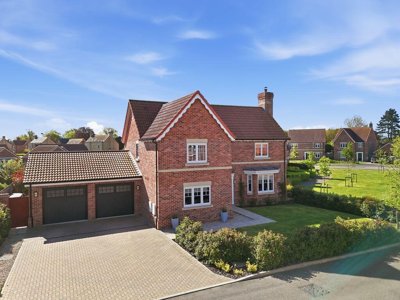
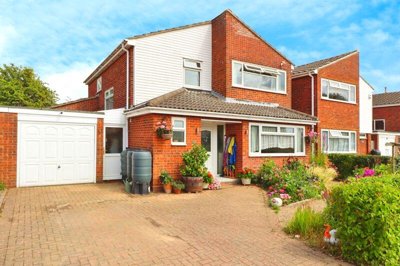
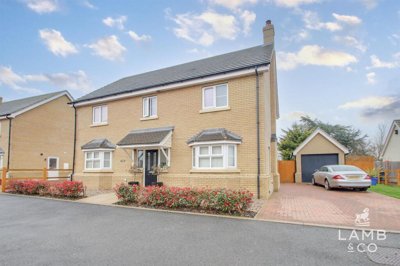
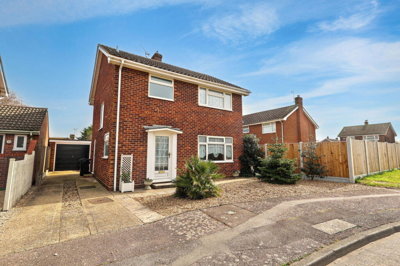
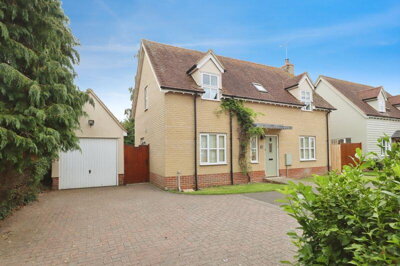
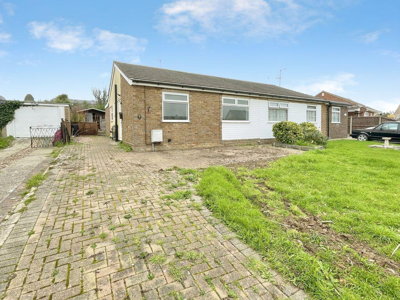
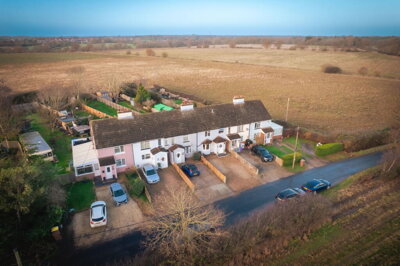
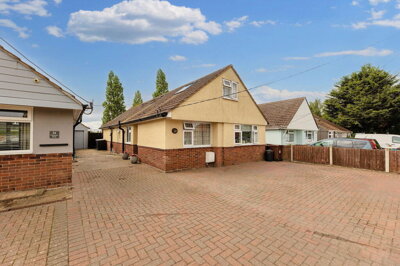
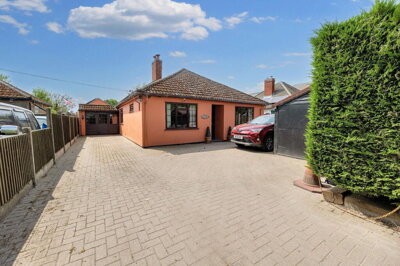
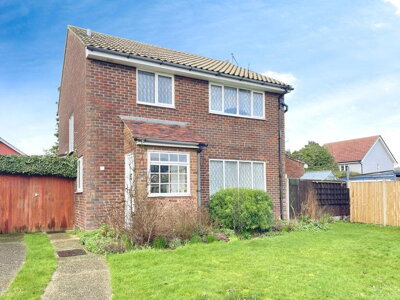
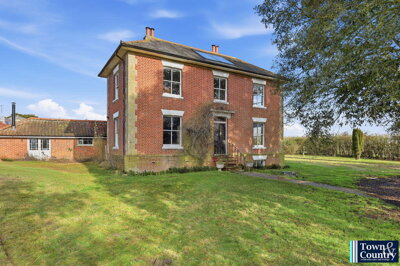
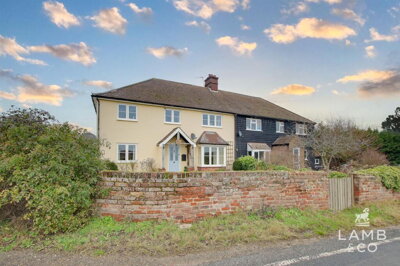
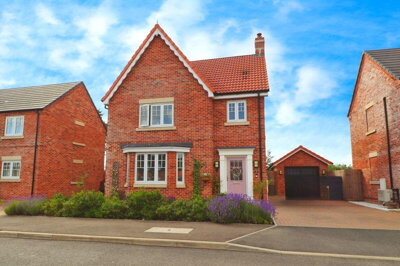
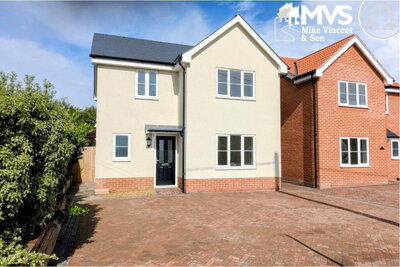
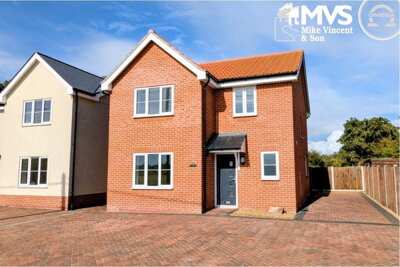
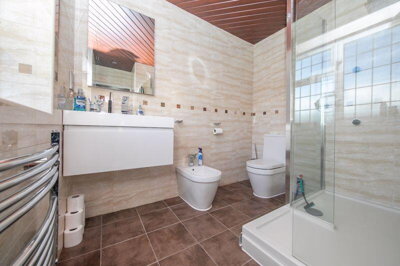
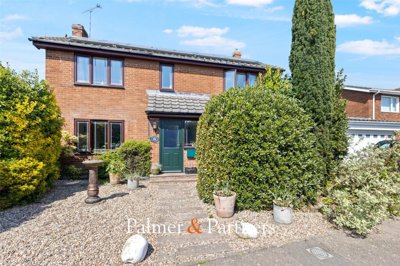
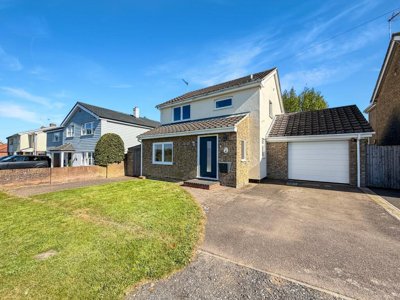
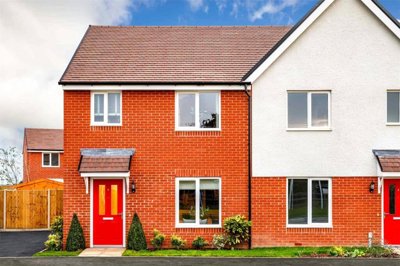
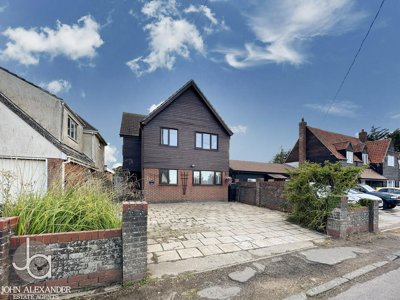
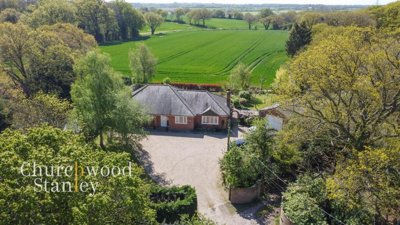
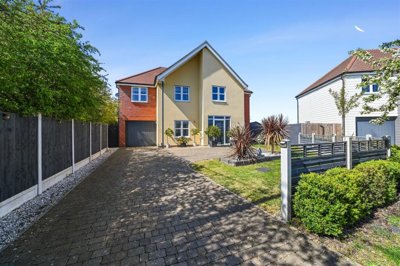
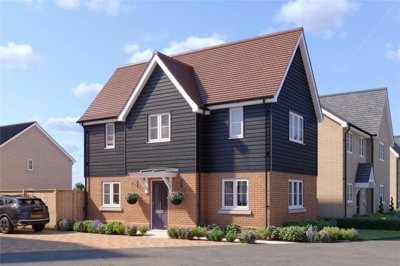
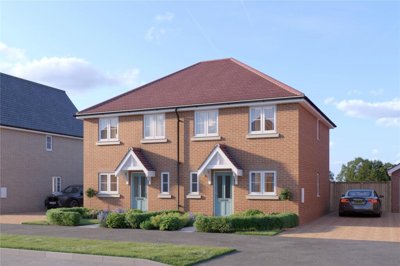
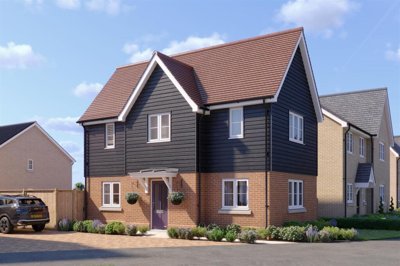
Browse 112 homes for sale in Tendring from local estate agents.
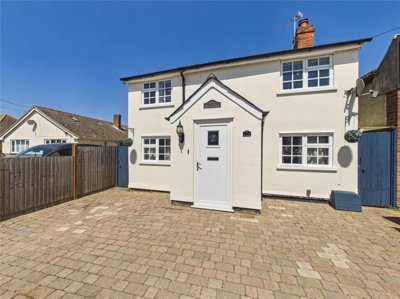
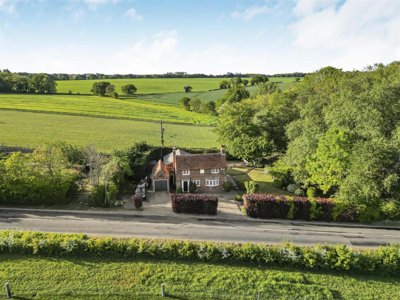
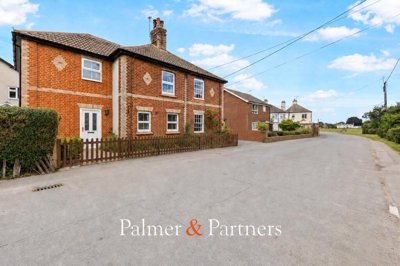
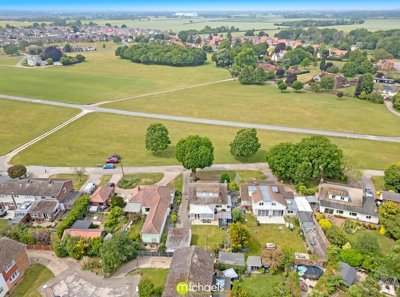
The Tendring property market offers detached, semi-detached, and terraced houses spanning various price ranges and neighbourhoods. Each listing includes detailed property information, photographs, and direct contact with the marketing agent.
For Tendring village, the most useful price evidence comes from the wider Tendring district, because sold-price records are published at district level. homedata.co.uk puts the average house price at £268,000 in December 2025, unchanged year on year, so the market looks to have steadied after a more uneven spell. The detail matters: semi-detached homes rose by 1.2% over the 12 months to December 2025, while flats dropped by 3.9%. Detached houses still sit at the top of the local ladder at £378,000, with terraced homes at £205,000 and flats at £138,000 keeping parts of the area within reach for a wider pool of buyers.
More homes are also expected across the district. Tendring District Council's Local Plan review, endorsed in December 2025, sets out around 7,400 additional homes by 2042, with the annual housing requirement moving from 550 to 1,063 homes from January 2026. Close to the parish, buyers may find extra new-build choice in the wider CO16 area, including bungalow-led schemes in Weeley Heath, Little Clacton and Thorpe-le-Soken, as well as larger family homes on nearby developments. That gives anyone looking in Tendring a useful comparison between established village stock and newer, more energy-efficient homes elsewhere in the district.

Tendring village has the feel of a north Essex parish that has grown in layers rather than all at once. Older cottages, inter-war bungalows and post-war infill sit together, and the continuous brick frontage walls give several streets a settled, recognisable look. For buyers, that is part of the appeal. It feels lived in, not like a standard housing estate dropped into the countryside. The village Conservation Area also protects some of the historic character that draws people here in the first place.
The ground under Tendring plays a bigger role than many buyers expect. Much of the area sits on London Clay, with Red Crag, sands and gravels, and brickearth layers all influencing soil behaviour and traditional building materials, from flint and ferricrete through to later brick and tile. Farming made good use of those fertile soils for generations, while the coastline and the historic port at Harwich still support tourism and maritime work across the district. Tendring's population reached 148,300 in 2021 and 151,451 in 2022, which underlines the same point buyers see on the ground: rural living here sits alongside steady demand.
Day to day life suits people who want space, slower roads and a bit more sky, without being cut off from the basics. The district's 60km coastline gives residents plenty of scope for walking, birdwatching and straightforward weekend trips to the shore. There is depth to the local history too, with more than 1,100 listed buildings across Tendring district and notable clusters in several parishes, Tendring village included. Heritage, countryside and coast in one area, that is the pull for many households.
The research supplied does not name specific schools within the parish, which is not unusual for a small rural settlement. We would advise buyers to look beyond the village boundary and check current catchment areas for nearby primary and secondary schools across the wider district. Admission lines can move, so a house that appears close on a map may not sit in the expected catchment in another year. If schooling is central to your move, compare Ofsted reports, intake numbers and transport routes before making an offer.
Families in Tendring often end up thinking district-wide rather than focusing on one school at the end of the road. Nearby towns tend to offer the widest choice for secondary education, sixth-form study and after-school routines, so the real journey matters as much as the headline rating. A house on a quiet lane, a busier through-road or the rural edge of the parish can all mean different school-run patterns and different levels of independence for older children. We still suggest getting a mortgage agreement in principle first, but school checks should run alongside it if you have children.
For older pupils and students, it is sensible to compare sixth-form and further-education options across the district before fixing on a particular address. Tendring's advantage as a rural parish is that it can give you a quieter family base while keeping larger centres within a practical drive. Moving for schools needs more than a single address search result, so our team would check the full admissions picture. Around here, the right road can make a noticeable difference to the daily travel time.

Transport in Tendring starts with the roads. The parish sits within the district's local road network, so drivers can reach the coast, nearby towns and the A-roads beyond the parish boundary without living in a busier urban setting. Bus links help with some journeys, but they are better seen as one part of the plan rather than the whole answer. If commuting is important, look at parking at the property as closely as the route, because off-street space can make rural village life much easier.
Rail usually means driving to a station elsewhere in the district rather than walking from the village centre. London commuters, in particular, should compare the drive from each shortlisted address to the nearest station and test the return trip at peak times before committing. Cycling may work for local errands, although country lanes and longer distances will not suit every household. Many buyers are really looking for the balance: a calm rural plot, but still within a sensible drive of the main transport corridors.
At viewings, parking and the road layout deserve more than a quick glance. Older lanes and homes with limited frontage can be awkward once you add on-street parking, school-run traffic and delivery vans into the mix. A proper driveway or side access can be a bigger day-to-day benefit than it first appears. Winter travel is worth thinking about too, as smaller lanes feel different when daylight is short. If the commute matters, we would test the route at the actual time you expect to travel.
Start by weighing up the parish setting, nearby schools and transport links, then decide whether a period cottage, a bungalow or a newer home elsewhere in the district fits the way you live.
Get your borrowing checked before viewings begin, so you are ready to move quickly when the right property comes up.
Do not judge a home by the floorplan alone. Check parking, garden orientation, lane access, flood risk clues and the general feel of the street.
A RICS Level 2 survey will be enough for many standard homes, but older or less typical properties in Tendring's conservation areas may call for a fuller building survey.
Ask your conveyancer to check title, searches, drainage, boundary lines, conservation status and any planning history before exchange.
After your offer is accepted, keep the paperwork moving, read search results promptly and plan removals around the completion date.
Local geology should not be an afterthought in this part of Essex, especially as much of the district is on London Clay. Clay-rich ground can lead to shrink-swell movement, so older houses need proper checks for cracks, movement and drainage problems, particularly where an extension has been added or garden levels have changed. Land close to stream valleys, including the Holland Brook south of Tendring village, also deserves careful thought around surface water drainage and seasonal standing water. Our surveyors can help separate ordinary rural ageing from something that needs deeper investigation.
Flood risk is a sensible question here, especially if your search stretches closer to the coast. Tendring district has 60km of coastline, so sea-facing areas can carry coastal exposure, while lower-lying land and stream corridors may be more prone to surface water. Within the village, the conservation area and listed buildings mean alterations can be controlled more tightly, so check planning history, listed status and any restrictions on windows, roofs or external materials. Older homes with brick frontage walls need particular care, because repairs should fit the local character.
Flats and maisonettes need a different set of checks, even if houses make up more of the stock in many parts of the district. Service charges, ground rent, building insurance and reserve funds should be clear before you get too far, as a lower purchase price can be offset by higher annual costs. Freehold houses can feel simpler, but boundary responsibility, rights of way and shared drives still need close reading. Tendring has older plots, infill development and newer schemes sitting side by side, so the small print can matter as much as the asking price.

homedata.co.uk records put the average house price in Tendring at £268,000 in December 2025, broadly in line with December 2024. By property type, detached homes averaged £378,000 in April 2025, with semi-detached at £260,000, terraced at £205,000 and flats or maisonettes at £138,000. These figures are district-wide, so they work as the best market snapshot for Tendring village rather than a parish-only average. The overall flat trend points to stability rather than a sharp rise.
Council tax is property-specific, so the parish does not have one single band. Tendring comes under Tendring District Council, and the band depends on the individual home’s valuation and type, including whether it is a cottage, bungalow, family house or flat. The quickest route is to check the listing and then confirm the band against council tax or valuation records for that address. When comparing several homes, build council tax into the monthly budget instead of treating it as one fixed local cost.
The research supplied does not give a verified school list for the parish, so we would not invent a ranking. Buyers usually need to compare schools across the wider district and check the latest admissions map, because catchment boundaries can change from year to year. If education is a priority, only shortlist a property once you have reviewed Ofsted reports, travel times and the likely route to and from school. In a rural area, that is safer than relying on distance alone.
Tendring is more road-led than urban, so public transport tends to work best as part of a mixed commuting plan. Rail access usually comes from stations in the wider district, not from the village core, and bus services can be useful for local links while still not fitting every timetable. Regular commuters should check the nearest station, car parking and journey time from the exact address before committing. Early starts and school-run routines make that detail even more important.
It can be a good fit, particularly for buyers who want a village setting, access to the broader Essex coast and a market with a steady base. The average price of £268,000 and the flat year-on-year change suggest less speculative behaviour than in some hotter locations, which may suit long-term investors and owner-occupiers. District growth, a rising housing requirement and the mix of rural, coastal and heritage locations all help support demand. Returns still depend on the exact street, property type and condition, so we would always pair the offer with a survey and a rental or resale check.
For most buyers in 2024 to 2025, standard SDLT is 0% up to £250,000, then 5% on the portion from £250,000 to £925,000. On the Tendring average of £268,000, a buyer who is not a first-time buyer would pay £900 in stamp duty for a main-residence purchase. First-time buyers get 0% up to £425,000, so a £268,000 purchase would usually mean no stamp duty. Additional properties and complex ownership structures can change the calculation, so ask your solicitor to confirm the exact bill before exchange.
Yes, a survey is a sensible step for most older homes in Tendring, especially around the village core and near the conservation area. Much of the district sits on London Clay, so our surveyors would look closely for shrink-swell movement, drainage defects, signs of past movement and damp. A RICS Level 2 survey suits many standard homes in reasonable condition, while a listed building or heavily altered property may need a more detailed building survey. That extra work can prevent expensive surprises after completion.
Tendring village has a Conservation Area, and the wider district includes many listed buildings plus 20 conservation areas in total. If a home is listed or lies within a conservation area, external changes may be controlled more tightly and some works can require consent. Windows, roof materials, extensions and boundary walls can all be affected, so your solicitor should confirm the status early in the process. Many buyers value that protection for period character, but it does add another layer of due diligence.
It can suit both groups, though usually for different reasons. Families often like the rural setting, larger houses and access to schools across the wider district, while downsizers are often drawn to bungalows and quieter lanes. The district's new-build pipeline also creates choices for different stages of life, from lower-maintenance homes to larger plots. The best fit depends on whether village quiet, a workable commute or easier day-to-day upkeep matters most.
From 4.5%
Compare mortgage rates and find the best deal
From £499
Expert solicitors to handle your purchase
From £350
Homebuyer report for your new property
From £99
Check energy efficiency before you buy
Buying costs in Tendring begin with stamp duty, and the current thresholds are clear enough to model early. For standard buyers in 2024 to 2025, the rate is 0% up to £250,000, 5% from £250,000 to £925,000, 10% from £925,000 to £1.5 million and 12% above that. First-time buyers pay 0% up to £425,000, then 5% from £425,000 to £625,000, with no relief above £625,000. Using the district average price of £268,000, a standard buyer would pay £900, while a first-time buyer would usually pay nothing.
Stamp duty is only one line in the budget, so plan the full purchase cost from the start. Allow for mortgage arrangement fees, conveyancing, searches, survey costs and removals, along with any work you want to carry out after completion. Older homes and properties in conservation areas can involve extra legal checks, which is another reason to keep some money back. For a clearer view before offering, we suggest starting with a mortgage agreement in principle and asking your conveyancer for an early cost outline.
Properties for Sale In London

Properties for Sale In Plymouth

Properties for Sale In Liverpool

Properties for Sale In Glasgow

Properties for Sale In Sheffield

Properties for Sale In Edinburgh

Properties for Sale In Coventry

Properties for Sale In Bradford

Properties for Sale In Manchester

Properties for Sale In Birmingham

Properties for Sale In Bristol

Properties for Sale In Oxford

Properties for Sale In Leicester

Properties for Sale In Newcastle

Properties for Sale In Leeds

Properties for Sale In Southampton

Properties for Sale In Cardiff

Properties for Sale In Nottingham

Properties for Sale In Norwich

Properties for Sale In Brighton

Properties for Sale In Derby

Properties for Sale In Portsmouth

Properties for Sale In Northampton

Properties for Sale In Milton Keynes

Properties for Sale In Bournemouth

Properties for Sale In Bolton

Properties for Sale In Swansea

Properties for Sale In Swindon

Properties for Sale In Peterborough

Properties for Sale In Wolverhampton

Enter your details to see if this property is within your budget.
Loans, cards, car finance
Estimated property budget
Borrowing + deposit
You could borrow between
Typical borrowing
Monthly repayment
Est. at 4.5%
Loan-to-value
This is an estimate only. Your actual budget may vary depending on interest rates, credit history, and personal circumstances. For an accurate affordability assessment, speak to one of our free mortgage advisors.
This calculator provides estimates for illustrative purposes only and does not constitute financial advice. Your home may be repossessed if you do not keep up repayments on your mortgage. Estimates based on 4.5% interest rate, repayment mortgage. Actual rates depend on your circumstances.
Homemove is a trading name of HM Haus Group Ltd (Company No. 13873779, registered in England & Wales). Homemove Mortgages Ltd (Company No. 15947693) is an Appointed Representative of TMG Direct Limited, trading as TMG Mortgage Network, which is authorised and regulated by the Financial Conduct Authority (FRN 786245). Homemove Mortgages Ltd is entered on the FCA Register as an Appointed Representative (FRN 1022429). You can check registrations at NewRegister or by calling 0800 111 6768.

We use cookies to show you personalised content and improve your experience of our website. Find out more in our Privacy policy and Cookie policy.