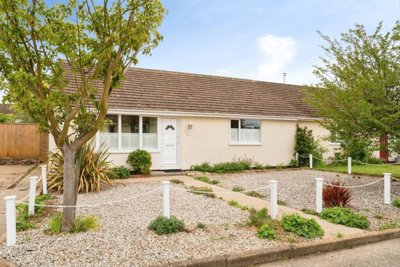
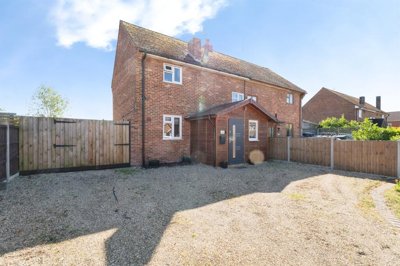
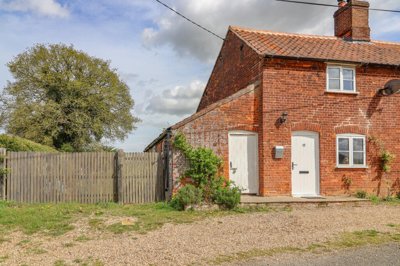
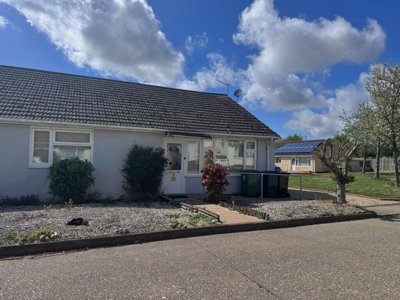
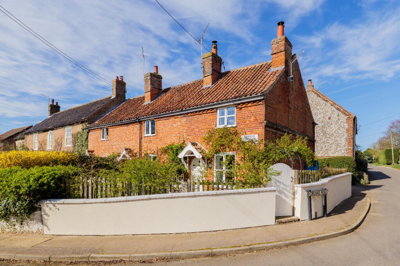
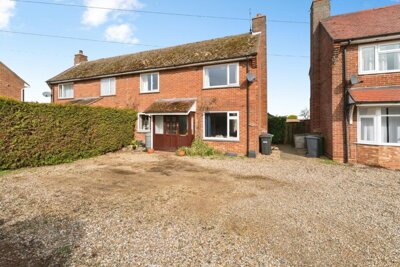
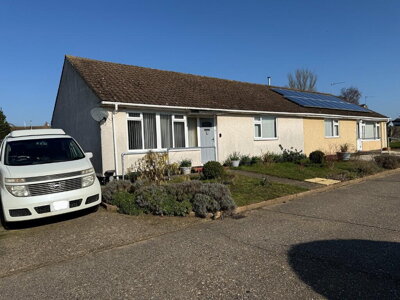
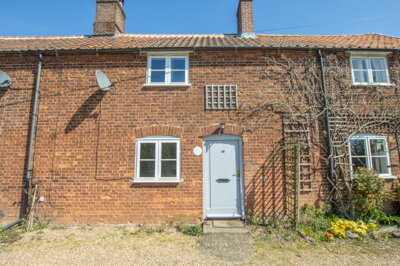
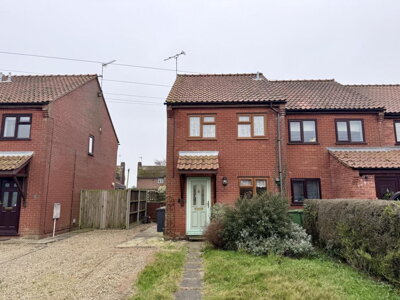
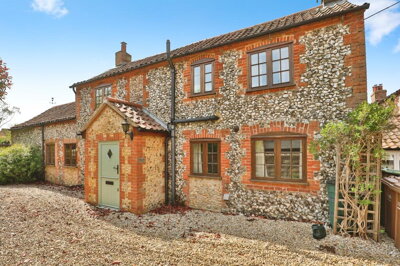
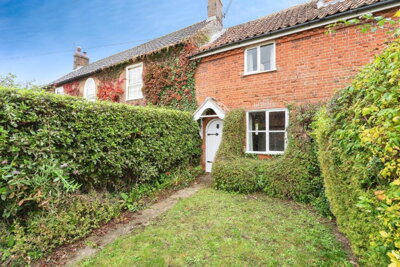
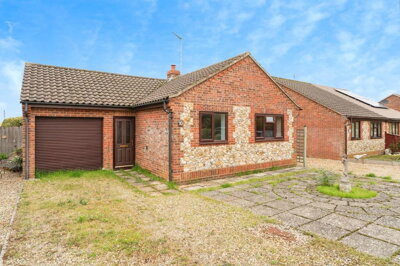
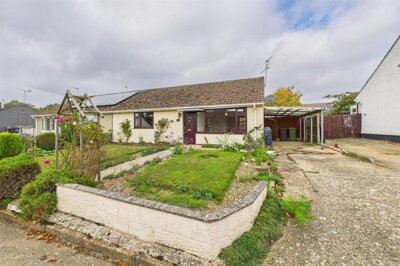
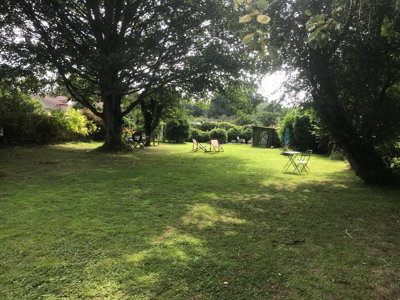
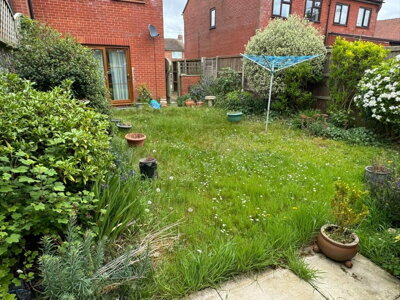
Browse 15 homes for sale in Tattersett, North Norfolk from local estate agents.
The 2 bed house market features detached, semi-detached, and terraced properties with two separate bedrooms plus living spaces. Properties in Tattersett range from Victorian and Edwardian period homes to modern new builds, with pricing varying across different neighbourhoods.
£220k
3
1
28
Source: home.co.uk
Showing 3 results for 2 Bedroom Houses for sale in Tattersett, North Norfolk. 1 new listing added this week. The median asking price is £220,000.
Source: home.co.uk
Semi-Detached
3 listings
Avg £220,000
Source: home.co.uk
Source: home.co.uk
Tattersett’s property market has stayed resilient, with house prices rising by 1.96% over the past twelve months. That steady lift reflects how strongly North Norfolk appeals to buyers who want countryside living without giving up good links to major cities. We list homes across the full range, from charming terraced properties starting around £230,000 to substantial detached houses reaching £431,000, so buyers can still find something that fits within this sought-after parish.
In Tattersett, the mix of homes reflects its rural setting. Detached properties account for a sizeable 60% of the stock, usually with generous gardens and private driveways. Semi-detached houses make up 25%, terraced homes 10%, and flats just 5%. It is a pattern that suits families and anyone wanting more room, and most properties are built in the familiar Norfolk style of brick, flint, and render that has shaped the area for generations.
Tattersett’s housing age profile shows a strong architectural lineage. Around 30% of homes were built before 1919, 15% date from 1919 to 1945, and another 30% were built in the post-war years up to 1980. Properties built after 1980 make up 25% of the stock and tend to offer more modern construction methods, including cavity wall insulation. Buyers therefore get a real choice between characterful historic houses and more recent designs, although any pre-1980 property deserves a thorough survey before purchase.

Life here follows the pace of the Norfolk countryside, with farming traditions still very much part of the picture and the seasons shaping the rhythm of the village. With approximately 200 residents across 80 households, Tattersett feels intimate, the sort of place where neighbours recognise one another and local gatherings matter. It tends to appeal to families who want children outdoors in a safe setting, and to retirees looking for calm away from urban pressure.
The local geology is mainly chalk, with glacial layers of sand, gravel, and clay sitting over the top, and that has a direct bearing on both the landscape and the buildings. Clay-heavy ground can bring a moderate to high shrink-swell risk, especially where mature trees are close by, so this is something buyers should ask surveyors to check. Flood risk is generally low, though lower-lying spots near minor watercourses can see surface water flooding in periods of heavy rain.
Tattersett has a number of listed buildings, including Tattersett Hall and the Church of St Andrew, both of which help define the parish’s historic character and speak to centuries of settlement in this part of Norfolk. The village itself is not a conservation area, yet those heritage buildings still give the place its traditional feel. Agriculture remains central to the local economy, while tourism brings extra trade, with many residents working in hospitality for visitors heading towards the North Norfolk coast.
Visitors are drawn to the North Norfolk coast in large numbers throughout the year, and Tattersett’s inland position means residents can enjoy quiet surroundings while still reaching places such as Wells-next-the-Sea, Blakeney, and Holkham with ease. That closeness to the Heritage Coast helps sustain demand, especially from second-home purchasers and holiday let investors, and that can affect both availability and prices in a community as close-knit as this one.

Families thinking about a move to Tattersett will find primary and secondary schools within a sensible drive in the nearby North Norfolk towns. Younger children can usually access village primaries in surrounding communities, while secondary education is generally provided by schools in Fakenham and the other nearby market towns. Norfolk County Council publishes catchment and admissions details, and we would always suggest parents check those carefully before settling on a property.
There is more choice beyond the state sector too, with faith schools, independent schools, and further education colleges available in larger towns nearby. Sixth form provision is offered in Fakenham and the surrounding towns, so there is a straightforward route for pupils moving beyond 16. Parents should still look closely at school performance data and Ofsted ratings, because those factors can have a noticeable effect on prices in certain catchments.
For younger children, nursery and preschool places in nearby villages provide early years education in a more community-based setting. Because Tattersett is rural, school transport is something buyers need to think about from the outset, and it is sensible to check bus routes and journey times before committing to a purchase. Education remains a major reason families choose North Norfolk, and the strength of local schools feeds directly into how desirable homes are across the parish.
We advise asking agents about exact school catchment lines when viewing homes in Tattersett, since those boundaries can decide which school children attend. Properties close to the edge of a catchment may offer more flexibility, but that needs confirming with Norfolk County Council before an offer is made. With relatively few households in the village, pressure on school places can be lighter than in larger towns, although that does vary by year group.

Tattersett sits in a practical spot for North Norfolk, giving residents reasonable access to the road network while keeping the quiet, tucked-away feel that defines village life. The A148 runs through the area and links to King’s Lynn in the southwest and Cromer to the east, while the wider Norfolk road system connects onward to Norwich and Cambridge. For most daily travel, a car is essential, as the nearest railway stations are in the surrounding market towns.
For anyone commuting to Norwich, the drive from Tattersett is about 45 minutes, which works well for hybrid workers heading in two or three days per week. Cambridge is farther away, at around 90 minutes, so Tattersett can still suit people happy to trade a longer weekly journey for the lifestyle that rural Norfolk offers. There are bus links to nearby towns, but frequencies are limited, so private transport remains the default for most residents.
Cycling is becoming easier across North Norfolk, and the quiet lanes around Tattersett give riders scenic routes for leisure trips and short hops to neighbouring villages. The proximity to the North Norfolk Heritage Coast is a real advantage, with journeys to Wells-next-the-Sea, Blakeney, and Holkham taking between 20 and 40 minutes by car. Norwich Airport handles domestic flights and some European routes, while Stansted Airport is approximately 90 minutes away for longer-haul travel.
Running a car is part of the budgeting picture in Tattersett, because it is needed for almost every day-to-day errand. The nearest railway stations are in surrounding market towns rather than the village itself, and direct trains from Norwich to London take approximately two hours. That makes Tattersett a better fit for people with flexible working patterns, or for those who are quite happy to prioritise rural life over a daily rail commute.

Browse the current properties in Tattersett and set up instant alerts for new instructions. With only around 80 households in the parish, homes come up infrequently, so being ready before something reaches the market can make all the difference. Our platform keeps an eye on listings across the major estate agent portals, so new properties appear as soon as they are available.
Speak to a mortgage broker and get an Agreement in Principle before you start viewing. It shows sellers and agents that your finances are in order, which can strengthen your position if you are offering on a property worth £376,000 or more. We work with mortgage advisers who understand the North Norfolk market and are used to arranging competitive rates for rural homes.
Once you have a shortlist, arrange viewings and take your time with each one, checking the condition of the building, the garden size, and how close it is to useful amenities. In Tattersett, where older homes are common, a careful eye is important. We would usually suggest seeing at least two viewings of any property before making an offer.
For most homes in Tattersett, especially those built before 1980, we recommend a RICS Level 2 Survey so the condition is properly assessed. Survey fees in the area usually sit between £400 and £700 depending on size. With roughly 75% of homes in the village being over 50 years old, a professional survey is a sensible step before anyone commits.
After your offer is accepted, instruct a solicitor to handle the legal side of the purchase, including searches, contracts, and registration. Lawyers who know Norfolk properties can often move the process along faster, particularly where rural land or listed buildings are involved. We can introduce conveyancers with experience of buying in the North Norfolk area.
Your solicitor will deal with the final stages, from mortgage offer acceptance to the last searches and the transfer of funds. On completion day, the keys to your new Tattersett home are handed over and life in this part of North Norfolk can begin. We suggest arranging building insurance from the morning of completion, since rural properties can sometimes throw up surprises.
Older construction and the local ground conditions mean Tattersett homes need a careful look. The area’s chalk and clay geology means that properties with mature trees nearby should be checked for shrink-swell movement, which can lead to subsidence or heave and affect foundations. Our surveyors regularly look for cracking, movement, and structural concerns that may need remedial work when inspecting village properties.
The traditional Norfolk materials, including brick, flint, and render, give these houses a lot of character, but they also come with particular maintenance demands. Older flint walls can suffer from mortar breakdown over time, while solid brick walls may not have modern damp-proof courses. Buyers should look for damp, especially in older homes, and check that electrical and plumbing systems meet current safety standards. Properties built before 1980 often still have wiring that needs updating.
Because so much of the housing stock is older, surveys in Tattersett regularly uncover damp issues, including rising damp, penetrating damp, and condensation. Many period homes do not have modern damp-proof courses, and poor ventilation can leave cold walls and roof spaces prone to condensation. We strongly recommend that our surveyors pay close attention to the roof as well, since older roofs often show wear, slipped tiles, failing leadwork, or deterioration in timber components.
Heritage matters here, with Tattersett Hall and the Church of St Andrew setting the tone, and some homes in the village may themselves be listed. They bring real character, though buyers must be ready for maintenance duties and alteration restrictions, with Listed Building Consent needed from North Norfolk District Council for many works. Anyone considering one of these properties should allow for specialist surveys and be clear on the responsibilities before proceeding. Properties built before 2000 may also contain asbestos-containing materials that need professional assessment during renovation.
Timber defects are another issue we often see in Tattersett, with woodworm or rot affecting older timber where ventilation is poor or damp is already present. Our inspectors check structural and non-structural timber alike, including floor joists, roof rafters, and any visible timber frame elements. In much of the older stock, solid wall construction is the norm, so floor insulation levels are often below modern standards and should be allowed for in renovation budgets.

A RICS Level 2 Survey gives buyers important protection in Tattersett, where around 75% of homes were built before 1980. The inspection covers all accessible parts of the property, from the roof and walls to the foundations and services. Our qualified surveyors then produce detailed reports that set out defects, flag any need for further investigation, and help buyers understand the likely cost of ownership before they go ahead.
For a typical three-bedroom property in Tattersett, survey fees generally fall between £400 and £700, depending on size and complexity. Bigger detached homes with more ground to cover, or older buildings with several alterations, will usually cost more, while smaller flats or terraced houses tend to sit at the lower end. We see that as money well spent, given the age of much of the stock and the usual findings of damp, roof wear, and outdated electrical systems.
Our surveyors know the construction methods used across North Norfolk, including the traditional brick, flint, and render combinations that define many period homes. They look closely for weak insulation in walls and lofts, plumbing that no longer meets current standards, and movement caused by the clay soils in parts of the parish. The report gives each part of the property a clear condition rating, which helps buyers prioritise repairs and negotiate with confidence.
Where a property is listed or built in an unusual way, we may advise a RICS Level 3 Survey, also known as a Building Survey, because it goes into far more detail. That is especially useful for homes with significant historic character or properties that have been heavily altered over time. We talk each buyer through the most suitable survey type based on the property itself and how they plan to use it.

As of February 2026, the average property price in Tattersett is £376,000, and values have moved up by 1.96% over the past twelve months. Detached homes average £431,000, semi-detached houses sit at about £280,000, terraced properties at £230,000, and flats at roughly £150,000. Only 12 property sales were recorded in the past year, so the market is fairly quiet and buyers need to be ready well before the right home appears.
Homes in Tattersett fall within North Norfolk District Council, and council tax bands run from A through to H depending on the assessed value of the property. Band A attracts the lowest annual charge, while Band H is the highest. Buyers should check the exact band from local authority records, because it forms part of the ongoing cost of owning a home in the village. Annual charges vary accordingly, with Band A properties usually paying far less than Band D or above.
Primary schooling is available through village schools in surrounding communities, and secondary pupils usually attend schools in Fakenham and nearby market towns. Parents should check the Norfolk County Council admissions portal for current catchment details and read individual Ofsted reports to see which schools best fit their children. If a move depends on a certain bus route, school transport arrangements from Tattersett should be confirmed before buying, since journey times and service levels can vary quite a lot depending on where in the parish the property sits.
Public transport is limited in Tattersett, with buses linking the village to nearby towns but running less often than urban services. The nearest railway stations are in surrounding market towns, so most residents rely on a private vehicle. Commuters should allow for the approximately 45-minute drive to Norwich and build that into work plans, especially if they are employed in the city. Norwich railway station offers direct trains to London in approximately two hours, which keeps occasional trips to the capital within reach for those with flexible schedules.
Tattersett has several attractions for investors, not least the steady 1.96% annual price growth and the appeal of North Norfolk living. Tourism and coastal access help drive interest in holiday lets, while the limited supply in a village of just 80 households means demand often runs ahead of availability. That said, the market is small, so liquidity is lower and holding periods need to be thought through. Second homes are common across wider North Norfolk too, and that can shape both rental yields and long-term capital growth prospects.
Stamp Duty Land Tax applies to all purchases in England, with the standard rates set at 0% on the first £250,000, 5% on £250,001 to £925,000, 10% on £925,001 to £1.5 million, and 12% on anything above £1.5 million. First-time buyers get enhanced relief, paying 0% on the first £425,000 and 5% between £425,001 and £625,000. On the average price of £376,000, a first-time buyer would pay no stamp duty, while existing homeowners would pay £6,300 on a typical Tattersett purchase. Additional SDLT surcharges apply to non-UK resident buyers.
Because around 75% of Tattersett properties were built before 1980, our surveyors often come across damp-related issues such as rising damp, penetrating damp, and condensation. Roof defects are also frequent, with slipped tiles, deteriorating leadwork, and timber rot turning up time and again. Homes on clay-rich ground near mature trees can show subsidence or heave affecting foundations, while outdated electrical wiring and plumbing that needs modernisation are common in period properties. Timber defects, including woodworm and fungal decay, are often found in older structural elements, especially where ventilation is poor.
Buying in Tattersett brings costs beyond the purchase price, with stamp duty being one of the biggest for many purchasers. On a home priced at the village average of £376,000, existing homeowners would pay £6,300 in Stamp Duty Land Tax under current 2024-25 rates. First-time buyers benefit from generous relief, paying zero stamp duty on the first £425,000 of their purchase, so many buying at the average price in Tattersett would owe no SDLT at all.
There are other expenses to plan for too, starting with solicitor fees, which usually range from £500 to £1,500 depending on the complexity of the deal and whether the property is freehold or leasehold. Survey costs matter as well, with RICS Level 2 Surveys in the Tattersett area priced between £400 and £700 for a standard three-bedroom property. Since approximately 75% of homes in the village were built before 1980, a professional survey is strongly advised to pick up structural issues, damp, or timber defects before completion.
Mortgage arrangement fees are another item to keep an eye on, and they can range from £0 to £2,000 depending on the lender and the product selected, with valuation fees added on top. Land Registry registration fees and local authority search fees usually come to £200 to £400. Building insurance should be in place from completion day, and removals costs will vary widely depending on how far you are moving. We also recommend setting aside a contingency equal to 5% of the purchase price for unexpected costs, which often crop up during rural purchases like those in Tattersett.
Older houses in Tattersett can bring extra costs, especially where survey findings point to issues or where period features need specialist care. Listed homes need Listed Building Consent for many alterations, which adds both time and expense to renovation plans. Properties that have stood empty for long periods, or that have been poorly maintained, may need far more work than the purchase price suggests, so careful surveying and a sensible contingency are vital for buyers in this village.
From 4.5%
Finding the right mortgage for a rural Norfolk property
From £499
Legal services for your Tattersett property purchase
From £400
Comprehensive condition survey for Tattersett homes
From £80
Energy performance certificate for your property
Properties for Sale In London

Properties for Sale In Plymouth

Properties for Sale In Liverpool

Properties for Sale In Glasgow

Properties for Sale In Sheffield

Properties for Sale In Edinburgh

Properties for Sale In Coventry

Properties for Sale In Bradford

Properties for Sale In Manchester

Properties for Sale In Birmingham

Properties for Sale In Bristol

Properties for Sale In Oxford

Properties for Sale In Leicester

Properties for Sale In Newcastle

Properties for Sale In Leeds

Properties for Sale In Southampton

Properties for Sale In Cardiff

Properties for Sale In Nottingham

Properties for Sale In Norwich

Properties for Sale In Brighton

Properties for Sale In Derby

Properties for Sale In Portsmouth

Properties for Sale In Northampton

Properties for Sale In Milton Keynes

Properties for Sale In Bournemouth

Properties for Sale In Bolton

Properties for Sale In Swansea

Properties for Sale In Swindon

Properties for Sale In Peterborough

Properties for Sale In Wolverhampton

Enter your details to see if this property is within your budget.
Loans, cards, car finance
Estimated property budget
Borrowing + deposit
You could borrow between
Typical borrowing
Monthly repayment
Est. at 4.5%
Loan-to-value
This is an estimate only. Your actual budget may vary depending on interest rates, credit history, and personal circumstances. For an accurate affordability assessment, speak to one of our free mortgage advisors.
This calculator provides estimates for illustrative purposes only and does not constitute financial advice. Your home may be repossessed if you do not keep up repayments on your mortgage. Estimates based on 4.5% interest rate, repayment mortgage. Actual rates depend on your circumstances.
Homemove is a trading name of HM Haus Group Ltd (Company No. 13873779, registered in England & Wales). Homemove Mortgages Ltd (Company No. 15947693) is an Appointed Representative of TMG Direct Limited, trading as TMG Mortgage Network, which is authorised and regulated by the Financial Conduct Authority (FRN 786245). Homemove Mortgages Ltd is entered on the FCA Register as an Appointed Representative (FRN 1022429). You can check registrations at NewRegister or by calling 0800 111 6768.

We use cookies to show you personalised content and improve your experience of our website. Find out more in our Privacy policy and Cookie policy.