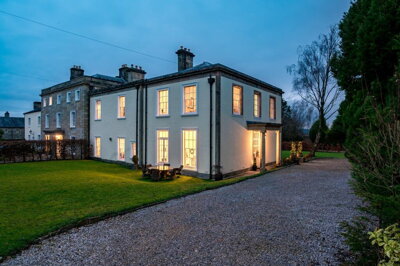
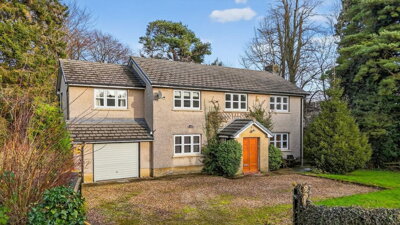
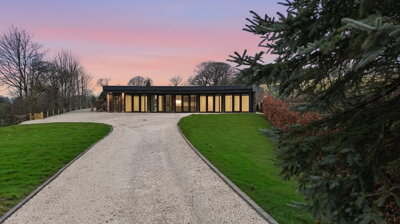
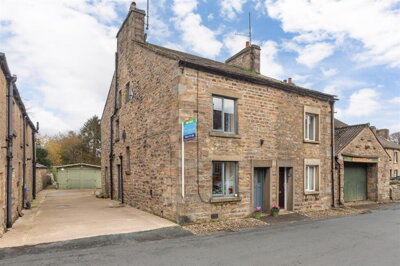
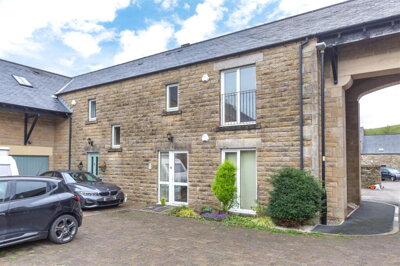
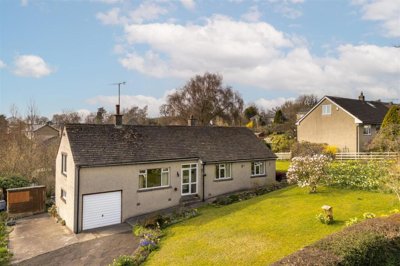
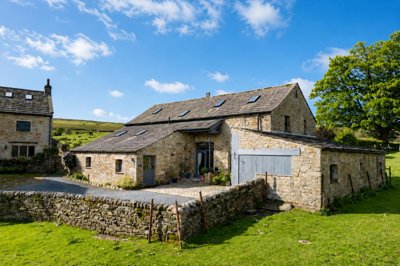
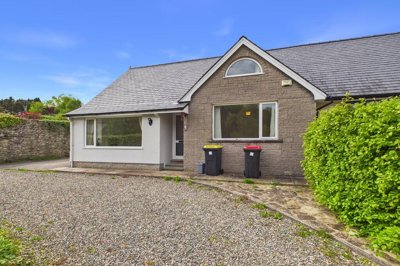
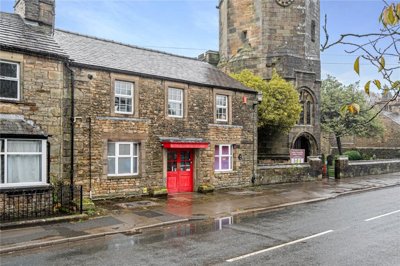
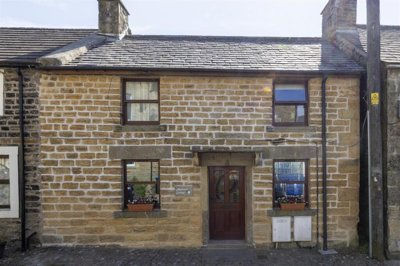
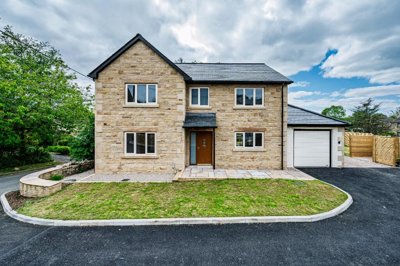
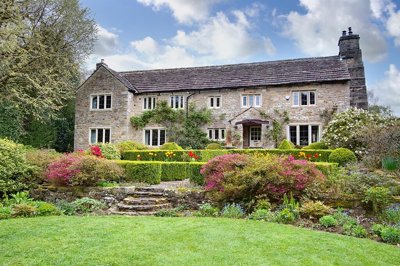
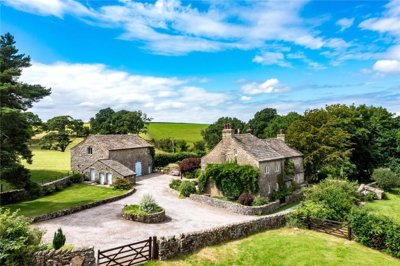
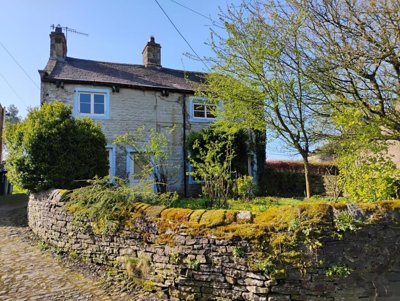
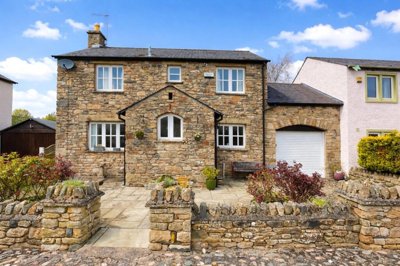
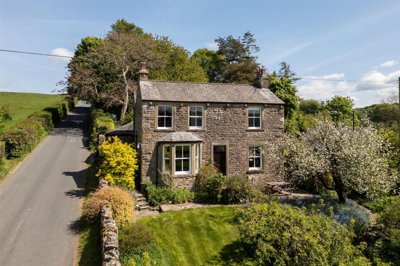
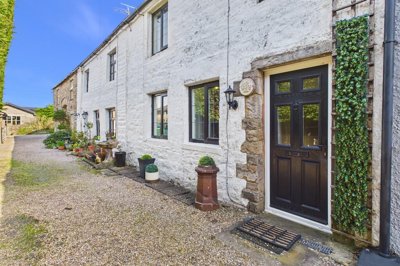
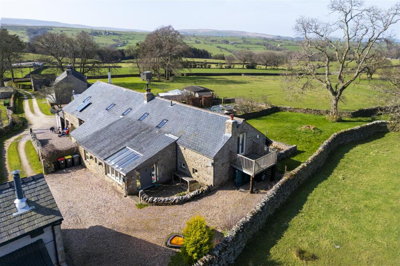
Browse 83 homes for sale in Tatham, Lancaster from local estate agents.
£600k
5
0
91
Source: home.co.uk
Source: home.co.uk
Detached
3 listings
Avg £800,000
Character Property
1 listings
Avg £180,000
Semi-Detached
1 listings
Avg £350,000
Source: home.co.uk
Source: home.co.uk
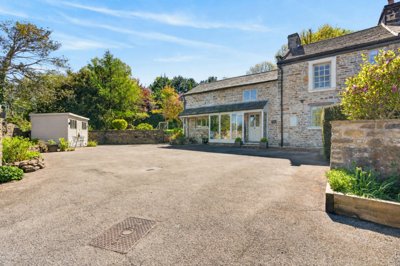
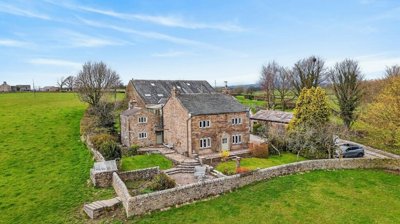
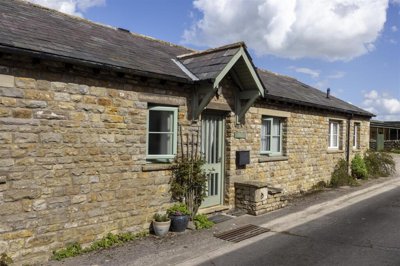
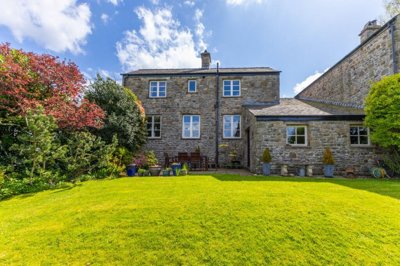
Detached homes set the tone in Tatham, and most of the stock in the parish follows that pattern. Across the area, buyers are usually looking at traditional stone houses, farmhouse conversions and bigger plots, rather than a standard suburban setup. homedata.co.uk records show detached homes averaging £431,833, well above the terraced average of £200,000. Semi-detached homes, where they come up, average £275,000, and flats are too scarce for a reliable average to appear.
The market has eased a little rather than racing ahead, which gives buyers slightly more room to think. Prices overall are down 1.14% over the past year, with detached homes down 1.04%, semis down 1.79% and terraced homes down 2.44%. With 12 sales in 12 months, Tatham still behaves like a niche market, and the better homes can draw interest quickly, especially if they come with land, period detail or a clean survey. There is very little for buyers chasing brand-new stock, as no active new-build developments were identified within the Tatham postcode area.
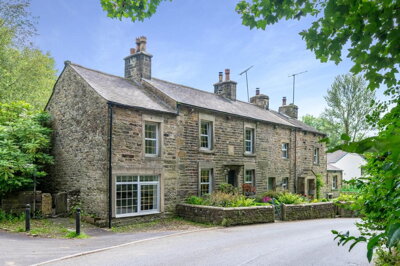
Part of Tatham’s pull is its older housing, though that cuts both ways on price. Stone, brick and slate are common locally, and buyers will often pay more for sound roofs, careful updating and practical outbuildings. A neatly modernised cottage can hold its own against a larger house that feels less finished, while a worn farmhouse may still need a sensible offer if the roof, electrics or drainage are showing their age. In a small rural market, size alone does not decide it, presentation and survey findings matter just as much.

With 624 people living across 247 households, Tatham feels like the sort of parish where people know the roads, the farms and the usual landmarks. The housing stock matches that setting, with 58.0% detached homes, 23.3% semi-detached, 13.3% terraced and 5.4% flats. It is a mix that says plenty about the place. This is more a parish of individual homes and family plots than terraces packed tightly together or apartment blocks, and buyers after a quieter pace often settle into Tatham quickly.
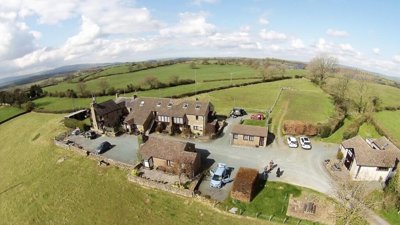
The setting does a lot of the heavy lifting here. Tatham parish is crossed by the River Wenning and its tributaries, and the surrounding countryside reaches into rural stretches connected to Tatham Fells and the edge of the Forest of Bowland AONB. Fields, stone walls and long views give the parish a very definite identity, and listed buildings including farmhouses, barns and the Church of St James deepen that historic feel. For buyers who put character ahead of convenience, those details shape how a home feels in its plot and in the wider parish.
Life in Tatham is practical, rural and closely tied to farming and small businesses. For day-to-day services, many residents look to nearby Bentham or Kirkby Lonsdale, while Lancaster is the bigger draw for shopping, work and hospital access. That arrangement suits people who want open countryside but do not want to lose touch with a larger centre. Tatham is a long way from a suburban estate, and for plenty of buyers that is the whole point.
School choices in Tatham are usually shaped by the wider area, simply because this is a small parish rather than a place with a school at every turn. Families tend to compare primary schools in nearby villages with secondary options across the wider Lancaster district, then narrow things down using catchment maps and admission criteria. Because homes are spread out, travel time and school transport can matter as much as inspection results. A house that looks perfect on paper can feel much less practical once you think about the winter school run.
For older children, the search often widens towards Lancaster, and nearby market towns add more secondary and sixth-form choices. That broader net can help if you are weighing up a more academic route, stronger pastoral support or a school with a specialist focus. FE colleges in the Lancaster area widen the options again for post-16 study and vocational routes. We would still tell buyers with children to check the latest admissions arrangements, because rural Lancashire catchments do change and they do not always follow obvious map lines.
In Tatham, the school question often begins with the property, not the other way round. Detached houses, bigger plots and quieter lanes are attractive to families who want room to grow and outdoor space, but those advantages have to be set against the daily journey. We usually suggest shortlisting the homes first, then checking each one against school locations, bus options and the routine you would actually live with. It saves getting attached to a house that works emotionally but not practically.
Most people in Tatham live car first. The road network leads out to nearby villages and then onwards to routes serving Lancaster, the Lune Valley and the edge of the Yorkshire Dales, so the parish can work well for buyers travelling in different directions. For longer trips, driving is often simpler than relying on a thin bus service. That matters if you commute often or run a business from home.
Anyone relying on rail will usually need to leave the parish to reach a station, which is typical for this part of Lancashire. Lancaster is the main rail hub for faster services, while smaller nearby stations can still be useful for regional journeys depending on your route. Bus links exist in the wider area, but they are generally lighter than town services, so it is sensible to check the latest timetable before committing. In a place like this, a house with a good driveway, secure parking or a garage can be far more useful than it would be in a dense urban setting.
Commuting from Tatham suits buyers who do not mind planning ahead. Snow, heavy rain and even lambing season can disrupt rural journeys more than city travel, and that is part of the bargain for living somewhere this peaceful. Confident riders can cycle, though the lanes are better for leisure than everyday commuting for many people. We always think it is worth trying your preferred route at the actual time of day you would be travelling.

We would start by looking at the local market, then comparing detached, semi-detached and terraced homes so you can see exactly where your budget sits in Tatham.
Before you book viewings, get your mortgage agreement in principle lined up, because sellers in a low-turnover rural market are more likely to take a prepared buyer seriously.
Try to visit in daylight, then go back later in the day if you can, as lanes, access and privacy can feel quite different in a rural parish.
Stone houses, slate roofs and homes close to the river are all strong candidates for a RICS survey, especially where you can already see damp, roof wear or cracking.
We would ask the solicitor to check title, drainage, access rights, flood searches and any planning or listed-building issues before exchange.
After your offer is accepted, keep your lender, solicitor and surveyor working in step so the sale can move cleanly through to completion.
Flood risk needs proper attention in Tatham, particularly near the River Wenning and its tributaries. Homes right beside watercourses may face a greater chance of river flooding, and lower-lying ground can also be exposed to surface water after heavy rain. That does not automatically make a property a poor buy, but it does mean buyers should read the flood searches, speak to neighbours and ask sensible questions about recent weather events. Where drainage work has already been done, the paperwork can tell you a great deal about how the house behaves in wet months.
Traditional housing is common here, and that brings a familiar list of checks. Damp, roof wear, timber decay, outdated electrics and older plumbing are all worth watching, especially in stone-built homes with slate roofs and solid walls. The local geology can include glacial tills, sandstones and limestones, with clay pockets in places, so a surveyor may pay close attention to movement or localised shrink-swell effects as well. A Level 2 survey may be enough for a straightforward property, but a listed building or a farmhouse that has been visibly altered could justify a more detailed Level 3 inspection.
There are legal and practical constraints to think through as well. Listed buildings are dotted across the parish, and that can mean tighter control over repairs, extensions and replacement materials than you would face on a modern estate. Rural properties may rely on private drainage, long service runs or shared access arrangements, so we would want your solicitor to check those points before exchange. Flats are rare, and there is no reliable flat price data for Tatham, but if one does come up, service charges, lease length and ground rent all need especially careful review.
Over the last 12 months, homedata.co.uk records show an average house price of £348,707 in Tatham. That is 1.14% lower than the previous year, which points to a softer market rather than a dramatic correction. Broken down by type, detached homes average £431,833, semi-detached homes £275,000 and terraced homes £200,000. In a parish like this, that spread is useful because it shows how strongly property type shapes value.
Tatham sits under Lancaster City Council, so council tax bands are set by the individual property rather than by the parish in general. Bigger detached houses and substantial period homes will usually fall into higher bands than smaller terraces or cottages. It is worth checking the exact band for the address before you offer, because two homes that look similar can still land in different bands. Your solicitor can confirm that point during conveyancing too.
Families are not usually buying into Tatham for one dominant parish school, because there is no single option inside the parish that drives the market. Most comparisons are between nearby primary and secondary schools across the wider Lancaster area, with catchment, transport, age range and the choice between a village-based or town-based setting all coming into play. Lancaster also expands the sixth form and further education picture. Check the latest Ofsted reports and admissions rules before making the call.
Roads matter more than public transport here. Tatham is linked by rural routes, so most residents depend on a car for daily travel, while rail users generally head outside the parish and use Lancaster as the main hub for longer-distance services. Buses serve the wider area, but they are usually less frequent than city routes. For anyone commuting every day, we would test the journey before buying.
Tatham can work well for long-term buyers who value scarcity, character and a countryside setting. Only 12 sales were recorded in the last 12 months, which underlines how small the market is and how little stock turns over. That can help support values for the right homes, especially detached properties with land, but it can also leave you with a slower resale if you choose badly. Investors need to think hard about rental demand, maintenance costs and how straightforward the property would be to sell later on.
For most buyers in 2024-25, stamp duty is charged at 0% up to £250,000, 5% from £250,000 to £925,000, 10% from £925,000 to £1.5 million and 12% above that. Using Tatham’s average price of £348,707, a standard buyer would pay about £4,935 in stamp duty. First-time buyers pay 0% up to £425,000, so an average-priced home in Tatham would not attract SDLT under the relief rules. Detached homes at the higher end can still produce a modest bill, so we would build that into the budget early.
Detached housing is the main story in Tatham, accounting for 58.0% of the local stock. Semi-detached homes make up 23.3%, terraced homes 13.3% and flats 5.4%. That leaves the parish geared much more towards family houses, farmhouses and rural conversions than dense estates. For buyers who want a larger plot and a bit more privacy, Tatham is a strong fit in this part of Lancashire.
We strongly recommend a survey here, especially on older properties or homes built with traditional materials. Rural and period houses often bring concerns around damp, roof wear, timber defects and drainage, and a proper report can save you from expensive surprises later. A Level 2 survey is suitable for many conventional homes, while listed buildings or heavily altered properties may call for a more detailed Level 3. Compared with the cost of fixing hidden defects after completion, the survey fee is small.
Stamp duty is only one part of the buying costs, but it sits alongside your deposit, legal fees, survey costs and mortgage fees, so it belongs in the budget from day 1. The 2024-25 thresholds are 0% up to £250,000, 5% from £250,000 to £925,000, 10% from £925,000 to £1.5 million and 12% above £1.5 million. First-time buyers pay 0% up to £425,000 and then 5% from £425,000 to £625,000, with no relief above that. In Tatham, those thresholds really matter because the average price sits only just above the standard nil-rate band.
At Tatham’s average price of £348,707, a standard buyer would face around £4,935 in stamp duty, which is simply 5% of the portion above £250,000. A first-time buyer paying that same average price would owe no stamp duty at all under the current relief rules, which can leave more room in the budget for a better survey, furnishings or moving costs. Anyone aiming for a detached home at £431,833 still needs to plan carefully, even if the bill is much smaller than in higher-value southern markets. Once the numbers are clear, it is far easier to compare Tatham with other rural locations and judge how far the budget will go.
Properties for Sale In London

Properties for Sale In Plymouth

Properties for Sale In Liverpool

Properties for Sale In Glasgow

Properties for Sale In Sheffield

Properties for Sale In Edinburgh

Properties for Sale In Coventry

Properties for Sale In Bradford

Properties for Sale In Manchester

Properties for Sale In Birmingham

Properties for Sale In Bristol

Properties for Sale In Oxford

Properties for Sale In Leicester

Properties for Sale In Newcastle

Properties for Sale In Leeds

Properties for Sale In Southampton

Properties for Sale In Cardiff

Properties for Sale In Nottingham

Properties for Sale In Norwich

Properties for Sale In Brighton

Properties for Sale In Derby

Properties for Sale In Portsmouth

Properties for Sale In Northampton

Properties for Sale In Milton Keynes

Properties for Sale In Bournemouth

Properties for Sale In Bolton

Properties for Sale In Swansea

Properties for Sale In Swindon

Properties for Sale In Peterborough

Properties for Sale In Wolverhampton

Enter your details to see if this property is within your budget.
Loans, cards, car finance
Estimated property budget
Borrowing + deposit
You could borrow between
Typical borrowing
Monthly repayment
Est. at 4.5%
Loan-to-value
This is an estimate only. Your actual budget may vary depending on interest rates, credit history, and personal circumstances. For an accurate affordability assessment, speak to one of our free mortgage advisors.
This calculator provides estimates for illustrative purposes only and does not constitute financial advice. Your home may be repossessed if you do not keep up repayments on your mortgage. Estimates based on 4.5% interest rate, repayment mortgage. Actual rates depend on your circumstances.
Homemove is a trading name of HM Haus Group Ltd (Company No. 13873779, registered in England & Wales). Homemove Mortgages Ltd (Company No. 15947693) is an Appointed Representative of TMG Direct Limited, trading as TMG Mortgage Network, which is authorised and regulated by the Financial Conduct Authority (FRN 786245). Homemove Mortgages Ltd is entered on the FCA Register as an Appointed Representative (FRN 1022429). You can check registrations at NewRegister or by calling 0800 111 6768.

We use cookies to show you personalised content and improve your experience of our website. Find out more in our Privacy policy and Cookie policy.