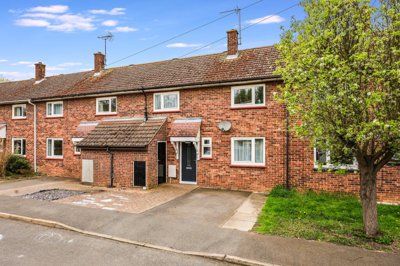
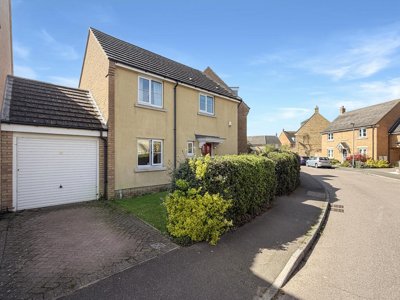
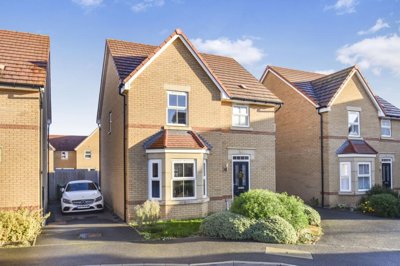
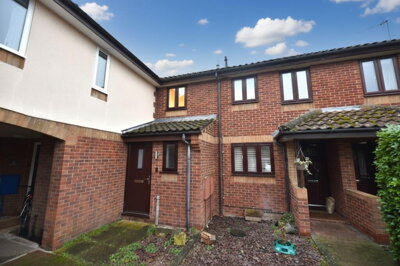
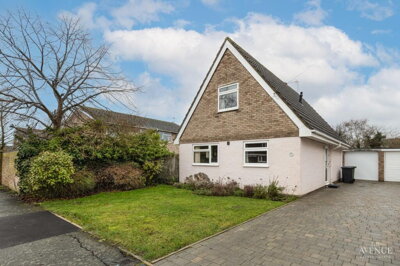
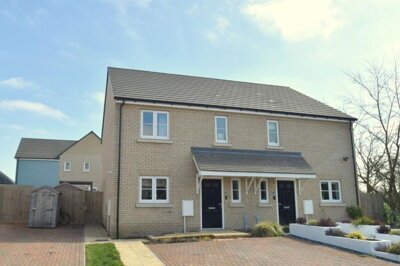
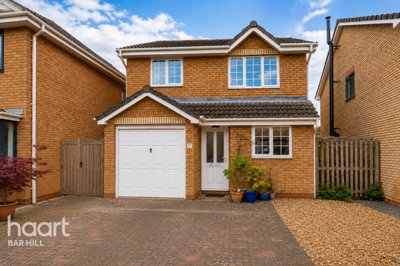
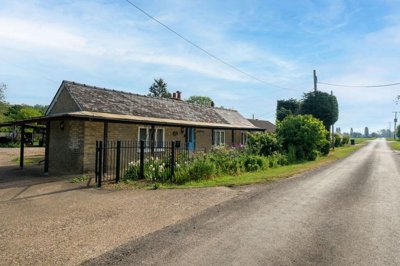
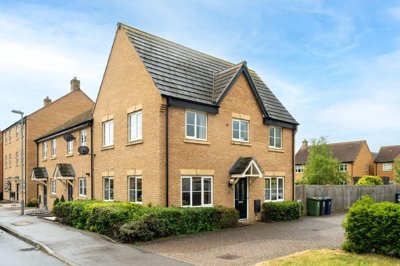
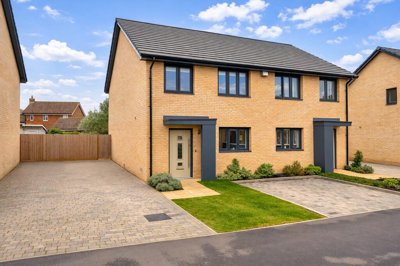
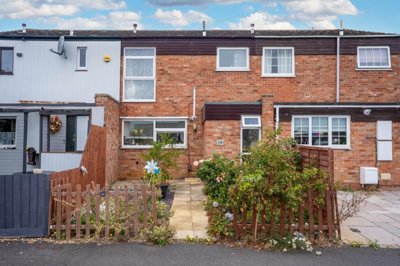
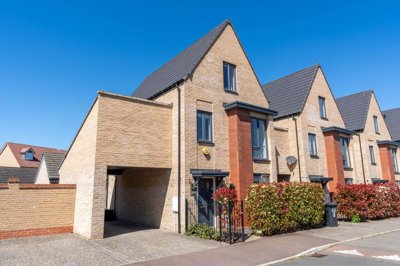
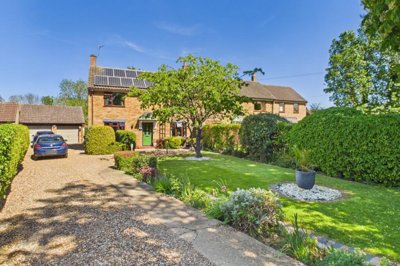
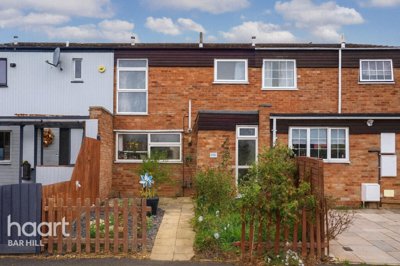
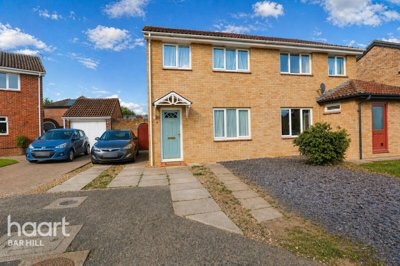
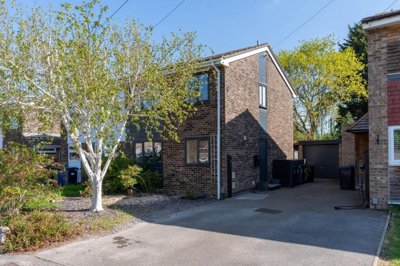
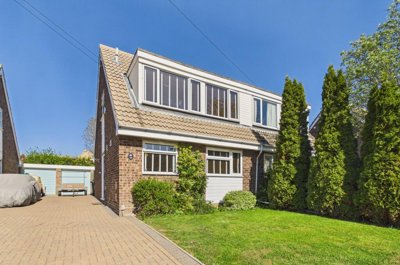
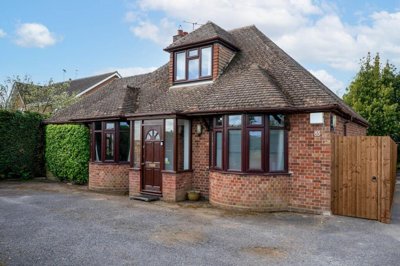
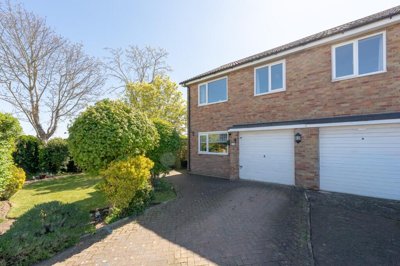
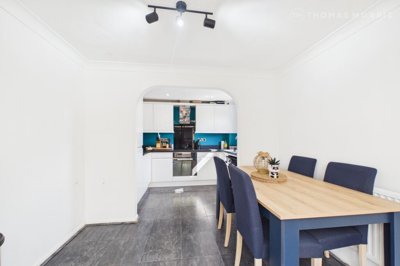
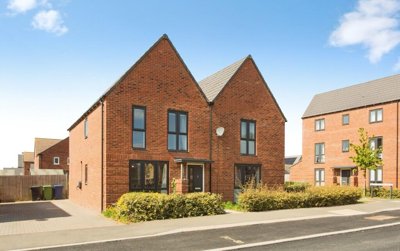
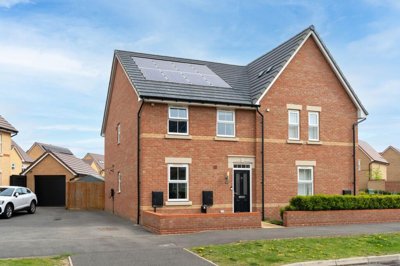
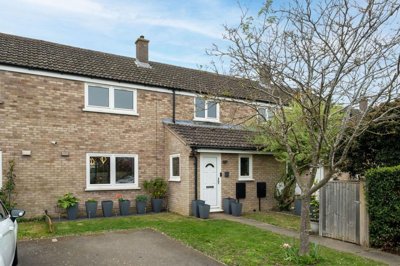
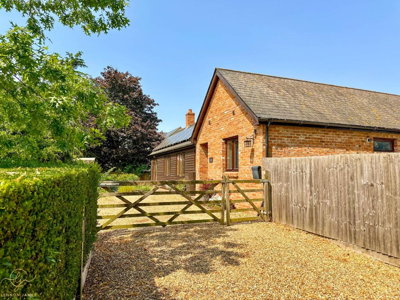
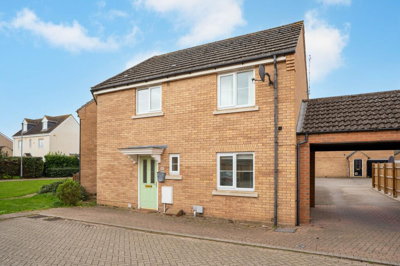
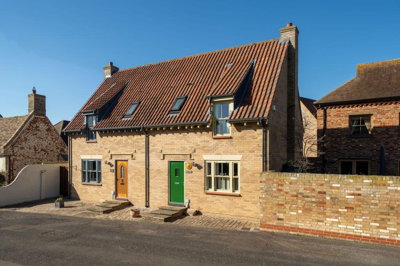
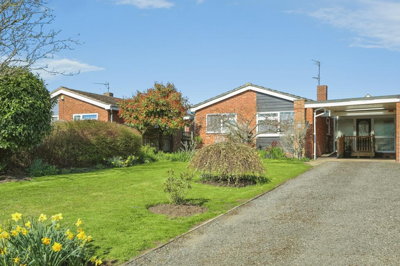
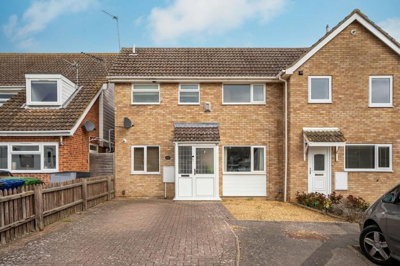
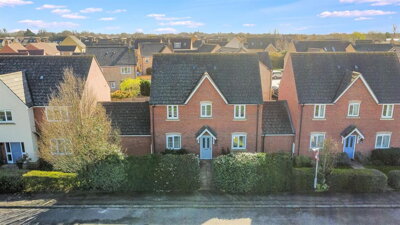
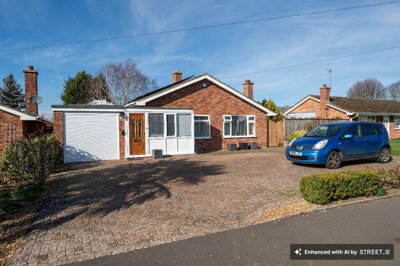
Browse 68 homes for sale in Swavesey, South Cambridgeshire from local estate agents.
Three bedroom properties represent a significant portion of the Swavesey housing market, offering space for families with multiple reception rooms and gardens in many cases. Browse detached, semi-detached, and terraced options ranging from period character homes to contemporary developments.
£335k
7
1
147
Source: home.co.uk
Showing 7 results for 3 Bedroom Houses for sale in Swavesey, South Cambridgeshire. 1 new listing added this week. The median asking price is £335,000.
Source: home.co.uk
Semi-Detached
4 listings
Avg £338,750
Terraced
2 listings
Avg £290,000
Detached
1 listings
Avg £400,000
Source: home.co.uk
Source: home.co.uk
Swavesey's market has something for a few different budgets. Detached homes sit at the top end, averaging around £689,375, while semi-detached properties, which make up approximately 30% of the local stock, typically sell for around £327,643. Terrace homes come in at approximately £282,250, and flats are still scarce, at only around 5% of the housing stock and an average of £96,000. We list both detached and semi-detached homes in the village, so buyers can match the brief to the budget. Recent market data puts the average house price at approximately £381,869, and prices have climbed by 2.5% over the past 12 months, with around 45 property sales recorded in the area over that period. Buying costs also matter. Alongside the price itself, we advise setting money aside for Stamp Duty Land Tax, legal fees, survey costs and moving expenses. The current Stamp Duty bands start at 0% on the first £250,000, then 5% on the portion between £250,001 and £925,000, 10% up to £1.5 million and 12% above that. First-time buyers purchasing up to £425,000 pay no Stamp Duty on qualifying purchases, while purchases between £425,001 and £625,000 attract 5% on the amount above £425,000. For a typical £327,643 semi-detached property, the first £250,000 falls at 0% and the balance moves into the higher bands. Check HMRC before you commit, as the thresholds can change with each Budget announcement.
Terrace homes in Swavesey sit at approximately £300,000, which gives some buyers a way into the village market without stretching into the higher brackets. Flats are still uncommon, at only around 5% of the housing stock, and they average £200,000. Prices have risen by 2.5% over the past 12 months, so the market has kept moving at a steady pace in this part of Cambridgeshire.
Swavesey's older streets give the village much of its character. Around 20% of the housing stock dates from before 1919, especially along The Green, High Street and Fen Drayton Road. A further 15% was built between 1919 and 1945, while the biggest slice, around 35%, went up during the post-war years of 1945 to 1980. Homes built after 1980 account for about 30% of the market. We have not identified any large-scale new build developments in the CB24 4 postcode area, so the stock is still largely made up of established homes with a bit of history behind them.

Community life in Swavesey is very much part of the appeal. With approximately 2,900 residents across around 1,100 households, the village has enough going on to feel lively without losing its slower pace. The centre covers the basics, with a convenience store, post office and several local businesses taking care of day-to-day needs. Across the year, village fairs and church activities bring people together, and that sort of routine is what keeps the place feeling connected.
The countryside around Swavesey is well suited to walking, cycling and general time outdoors. Footpaths and bridleways cross the agricultural land, and the River Great Ouse and its tributaries add to the rural setting. Low-lying spots do carry a flood risk, so we would always check the detail before a purchase. In the historic core, the Conservation Area helps protect period properties around The Green, High Street and Fen Drayton Road, keeping the village's heritage and appearance intact for the future.
Positioned close to the A14, Swavesey works well for people commuting into Cambridge, where jobs are common in technology, education and healthcare. Small businesses serve the village itself, and farming still shapes the surrounding land. The village hall and the local church act as social anchors, while Cambourne gives residents a broader choice of shops and services when the basics are not enough.

We usually point families in Swavesey towards the village primary school first, as it teaches children from Reception through to Year 6 before they move on to secondary education in surrounding towns. The school keeps close ties with the community, and parents should always check the current catchment areas and admission rules, since those can affect placement. In the wider South Cambridgeshire area, secondary choices include well-regarded schools in Cambourne, Comberton and other nearby towns, with transport available for eligible pupils.
For families looking at private education or sixth form provision, Cambridge city gives a good spread of prestigious independent schools and sixth form colleges within commuting distance. The presence of Cambridge University and its colleges also creates a strong educational culture across the region, with excellent state and independent options at every stage. We always advise checking catchment information before buying in Swavesey, because Ofsted ratings and school performance data can have a marked effect on property values and demand in particular pockets.
Cambridge's pull goes beyond the classroom, giving families access to specialist educational resources and enrichment activities that smaller towns do not always offer. The Cambourne area has seen significant investment in schools in recent years, with several primary and secondary settings now serving the growing population. Along the A14 corridor, travel into Cambridge itself is practical for secondary pupils too, in case local provision does not quite fit what is needed.

Road access is one of Swavesey's strengths. The village sits near the A14, the trunk road that links Cambridge with Felixstowe and the wider motorway network, and recent upgrades have cut journey times and eased traffic flow for many commuters. That makes daily travel to Cambridge or the surrounding business parks more manageable. From Cambridge, the M11 also gives a route to London and the north.
Bus services link Swavesey with Cambridge city centre and nearby villages, although weekend and evening frequencies can be limited. For rail travel, Cambridge station offers regular services to London Liverpool Street in approximately 50 minutes, while Cambridge North adds another option for people heading to the north of the city or towards places served well by the Guided Busway. Cyclists have the advantage of dedicated infrastructure and fairly flat terrain, so the ride into Cambridge is a realistic commute for those willing to take the weather as it comes.
The upgraded A14 has made Swavesey more attractive to people working at Cambridge Science Park, Cambourne Business Park and other nearby employment hubs. By car, Cambridge city centre is usually around 25-30 minutes outside peak hours, although rush hour can stretch that out quite a bit. The village also gives decent access to St Ives and Huntingdon, which widens the job options.

A mortgage agreement in principle is a useful first step before any viewings, because it gives a clear idea of budget and shows sellers that the finances are in place. In a market like this, that preparation can give buyers an edge when a desirable village home comes up.
We can start with current listings, recent sales data and local neighbourhood details to narrow the search to the right streets and property types for the budget. Our team can also talk through specific developments, the age profile of the housing stock and local market trends, which usually makes the short list far clearer.
Shortlisted properties are worth seeing in person. We suggest giving each one a proper look at different times of day, so the condition, the nearby amenities, the schools and the transport links can all be judged in context. Noise, traffic and the general feel of the street can change a lot between morning and evening.
Our inspectors usually recommend a RICS Level 2 Survey, especially in Swavesey where the clay geology and number of older homes can hide problems. The report will pick up structural issues, damp, roofing defects and other matters that might not show during a standard viewing.
The legal side is just as important. We appoint a solicitor to deal with searches, contracts and registration with the property register, and they will also carry out local searches with South Cambridgeshire District Council, along with any planning or environmental checks that matter to the property.
Once the checks come back clear, we move to exchange contracts with the seller and then on to completion, when ownership changes hands and the keys are released. We recommend sorting building insurance and utility transfers before that point, so the move into the new home is straightforward.
Swavesey's ground conditions matter more than many buyers expect. The underlying geology is made up of superficial deposits of alluvium and river terrace deposits sitting over the Gault Formation clay, which creates a moderate to high shrink-swell risk. That can lead to subsidence or heave where foundations are not deep enough, or where mature trees sit close by. We often pick up foundation concerns in older homes, especially those built before modern building regulations came in, and a thorough RICS Level 2 Survey is vital for spotting movement or signs of subsidence in properties built before 1980.
Most homes here are traditional brick builds, usually red brick with some render and the occasional timber-clad extension or newer addition. Pre-war houses often have solid walls without cavity insulation, so they can be more prone to condensation and damp than newer stock. Roofs are typically pitched, with clay tiles or slate, and we regularly see age-related wear such as slipped tiles, tired pointing and problems with lead flashing or gutters.
Flood risk is part of the picture in Swavesey, particularly in low-lying areas and near watercourses. Surface water can build up after heavy rain, and the River Great Ouse and its tributaries add fluvial flood risk for homes close to them. We would ask vendors for flood history and check Environment Agency data before any commitment. Properties in the Conservation Area may also face planning restrictions on alterations and extensions, so South Cambridgeshire District Council planning records are worth checking before work begins on a period home.
Around 70% of Swavesey homes were built before 1980, so damp, outdated electrics and plumbing problems crop up fairly often. Older properties may still have solid walls without cavity insulation, single-glazed windows and wiring that no longer meets current standards. Grade II homes in the Conservation Area, including historic houses and the Church of St Andrew, bring extra rules, as any work may need Listed Building Consent and must follow conservation controls. We also see timber defects such as woodworm and rot in older structural elements, especially where ventilation is poor or past damp penetration has left its mark. Renovation costs should be part of the budget from the outset, and our RICS Level 2 Surveys give detailed cost estimates for any remedial work we identify.
Damp is one of the most common findings in our Swavesey survey reports. We regularly see rising damp, penetrating damp and condensation, usually linked to the age of the construction, the lack of modern damp-proofing or poor ventilation. Solid walls are especially prone to condensation during winter, when the temperature difference between inside and outside creates ideal conditions for moisture buildup.
Roof defects turn up just as often. Older pitched roofs, especially those with traditional clay tiles or slate, often show slipped or cracked tiles, degraded mortar on the verges and ridges, and failing lead flashings around chimneys and junctions. Gutters and downpipes also need attention, as joints loosen and seals deteriorate over time. If blocked or damaged gutters overflow, penetrating damp can follow in the external walls, and the internal damage is not always obvious at first glance.
In pre-1980 homes, electrical and plumbing systems often need updating to current safety standards. We check consumer units, wiring and socket outlets on every survey. Some properties built before the 1980s may still have aluminium wiring in parts of the system, and original fuse boards rarely match modern expectations. Plumbing can be just as dated, with galvanised steel or copper pipes that have corroded or scaled inside, affecting water pressure and sometimes water quality.
Shrink-swell clay brings its own issues, and we always look for signs of subsidence or heave movement in Swavesey. Shallow foundations, trees close to the house, or changes to drainage around the plot can all lead to cracking in walls, sticking doors or windows, and uneven floors. If movement is suspected, our surveyors will recommend further investigation and may advise underpinning or another structural remedy.
Recent market data puts the average house price in Swavesey at approximately £450,000. Detached homes average around £575,000, semi-detached properties around £380,000, terraced homes approximately £300,000 and flats around £200,000. Prices have risen by 2.5% over the past 12 months, so demand has remained firm in this South Cambridgeshire village. About 45 property sales were recorded over the past year, which is a healthy level of activity for somewhere this size.
Council tax in Swavesey runs from Band A through to Band H, depending on the property value and type. Most standard three-bedroom homes fall into Band C or Band D, while larger detached houses can sit in higher bands. We advise checking the band with South Cambridgeshire District Council or in the listing details, as that is the safest way to confirm the figure. The local council tax supports services such as education, waste collection and local infrastructure.
Swavesey has a village primary school for younger children, and secondary education is available in nearby towns including Cambourne, Cambridgeshire, and Comberton. Parents should check the current admission criteria and catchment areas, as they can change each year and may affect school choices. Cambridge city adds further options, with well-regarded state and independent schools within commuting distance. The Cambourne area has also attracted significant investment in educational facilities, with several primary and secondary schools serving the growing local population.
Bus services run between Swavesey, Cambridge and the surrounding villages, although frequencies can thin out outside peak hours. Cambridge railway station provides regular services to London Liverpool Street in approximately 50 minutes, and Cambridge North is also accessible via the Guided Busway for anyone working in the northern part of the city. The nearby A14 gives strong road connections to Cambridge and the wider motorway network, so car travel suits many commuters. By road, Cambridge city centre is usually 25-30 minutes away outside rush hour.
Swavesey has solid investment potential thanks to its proximity to Cambridge, good transport links and the village character that many buyers want. The steady 2.5% annual price growth points to consistent demand from people who want village life with city access. Rental demand should also be supported by commuters working at the Cambridge Science Park and Cambourne Business Park. Homes in good condition within the Conservation Area tend to hold their value well, and the lack of new build development in the CB24 4 postcode area means demand for existing properties stays stable.
On Stamp Duty, the current bands begin at 0% on the first £250,000 of residential property purchases, then move to 5% on the portion between £250,001 and £925,000. Above £925,000, the rate rises to 10% up to £1.5 million and 12% above that. First-time buyers purchasing up to £425,000 pay no Stamp Duty on qualifying purchases, while those buying between £425,001 and £625,000 pay 5% on the amount above £425,000. We always suggest checking the latest thresholds with HMRC, as they can change with each Budget announcement.
Some parts of Swavesey sit in flood-sensitive spots, especially the low-lying areas where surface water can linger after heavy rain. Homes near the River Great Ouse and its tributaries also face fluvial flood risk, so we would always look at Environment Agency flood maps before a purchase goes any further. Alluvium deposits in parts of the village can affect drainage too. We ask for flood history from vendors, check that insurance is available and think through the effect on value and insurability.
Given Swavesey's clay geology and the fact that approximately 70% of properties were built before 1980, we keep a close eye out for subsidence, damp and structural movement. Cracks in walls, especially those wider than 3mm, sticking doors or windows, and any sign of previous underpinning or structural repairs all deserve proper investigation. A RICS Level 2 Survey is essential for older homes and will look at the foundations, any evidence of underpinning, the roof and the electrical and plumbing systems. Properties in the Conservation Area may face planning restrictions on alterations, and any Grade II listed building needs Listed Building Consent for works.
Budgeting properly matters when buying in Swavesey. Beyond the price, we advise allowing for Stamp Duty Land Tax, legal fees, survey costs and moving expenses. On a typical £380,000 semi-detached property, Stamp Duty is charged at 0% on the first £250,000 and 5% on the remaining £130,000, which comes to £6,500 for standard buyers. First-time buyers purchasing up to £425,000 pay no Stamp Duty on qualifying purchases, which can make village homes more accessible for those entering the market.
For a standard three-bedroom property, RICS Level 2 Surveys in Swavesey usually cost between £500 and £750. Larger detached homes can come in at £800-1,000, mainly because they take longer to inspect, while flats and smaller terraced houses are often at the lower end of the range. We can provide specific quotes based on the property type and size you are considering, so the survey cost is clear before you go ahead.
Conveyancing fees usually begin at around £499 for standard transactions, although leasehold homes or more complex cases may bring extra charges. Search fees, title registration fees and mortgage arrangement fees also need to sit in the budget. We suggest getting quotes from a few providers so you can compare like for like. Once Stamp Duty is left out of the equation, the total buying costs usually run at around 2-3% of the property price, so planning for that early makes the purchase much easier to manage.

Properties for Sale In London

Properties for Sale In Plymouth

Properties for Sale In Liverpool

Properties for Sale In Glasgow

Properties for Sale In Sheffield

Properties for Sale In Edinburgh

Properties for Sale In Coventry

Properties for Sale In Bradford

Properties for Sale In Manchester

Properties for Sale In Birmingham

Properties for Sale In Bristol

Properties for Sale In Oxford

Properties for Sale In Leicester

Properties for Sale In Newcastle

Properties for Sale In Leeds

Properties for Sale In Southampton

Properties for Sale In Cardiff

Properties for Sale In Nottingham

Properties for Sale In Norwich

Properties for Sale In Brighton

Properties for Sale In Derby

Properties for Sale In Portsmouth

Properties for Sale In Northampton

Properties for Sale In Milton Keynes

Properties for Sale In Bournemouth

Properties for Sale In Bolton

Properties for Sale In Swansea

Properties for Sale In Swindon

Properties for Sale In Peterborough

Properties for Sale In Wolverhampton

Enter your details to see if this property is within your budget.
Loans, cards, car finance
Estimated property budget
Borrowing + deposit
You could borrow between
Typical borrowing
Monthly repayment
Est. at 4.5%
Loan-to-value
This is an estimate only. Your actual budget may vary depending on interest rates, credit history, and personal circumstances. For an accurate affordability assessment, speak to one of our free mortgage advisors.
This calculator provides estimates for illustrative purposes only and does not constitute financial advice. Your home may be repossessed if you do not keep up repayments on your mortgage. Estimates based on 4.5% interest rate, repayment mortgage. Actual rates depend on your circumstances.
Homemove is a trading name of HM Haus Group Ltd (Company No. 13873779, registered in England & Wales). Homemove Mortgages Ltd (Company No. 15947693) is an Appointed Representative of TMG Direct Limited, trading as TMG Mortgage Network, which is authorised and regulated by the Financial Conduct Authority (FRN 786245). Homemove Mortgages Ltd is entered on the FCA Register as an Appointed Representative (FRN 1022429). You can check registrations at NewRegister or by calling 0800 111 6768.

We use cookies to show you personalised content and improve your experience of our website. Find out more in our Privacy policy and Cookie policy.