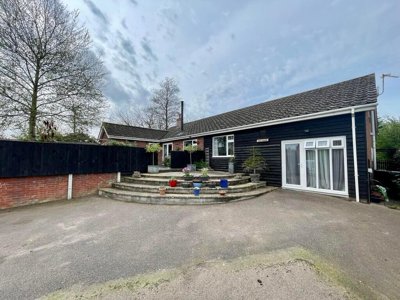
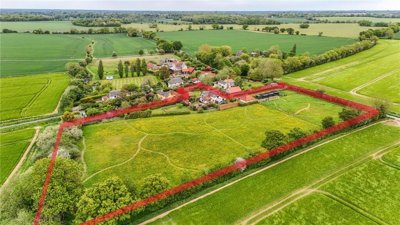
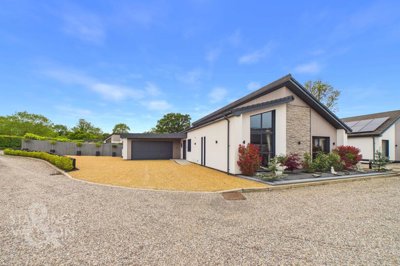
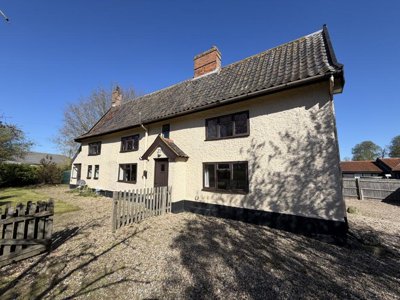
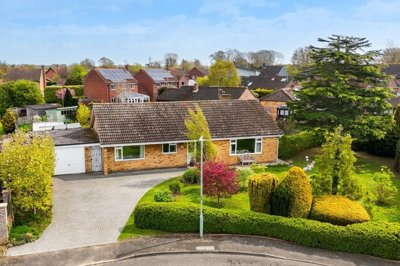
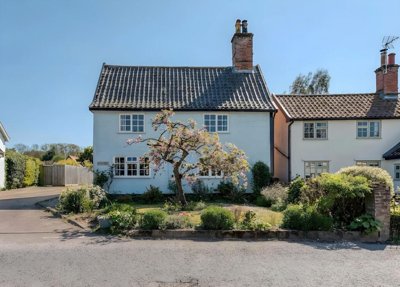
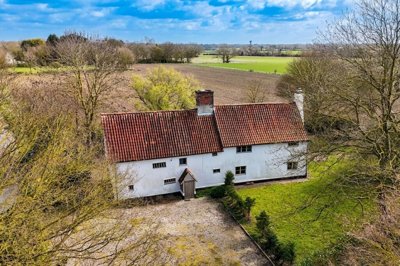
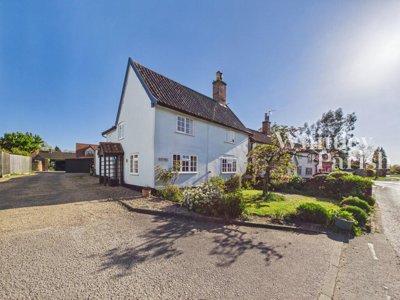
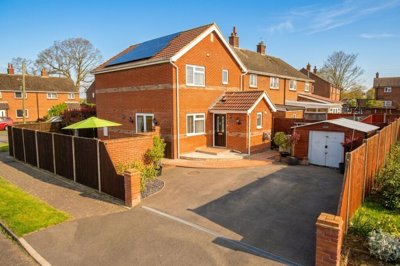
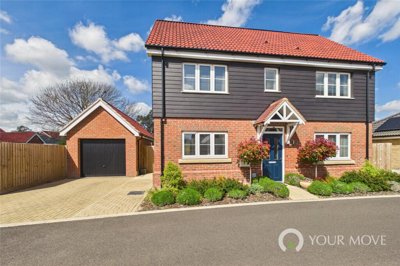
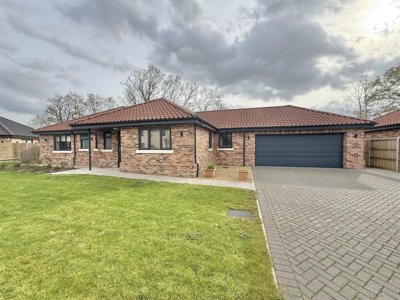
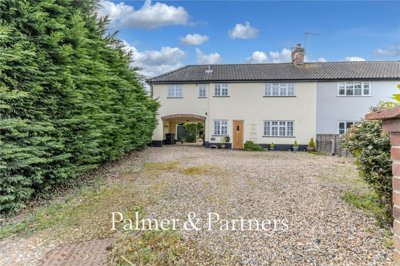
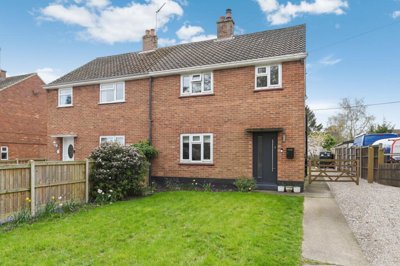
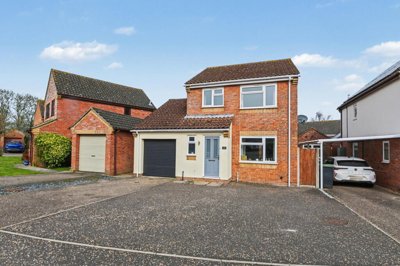
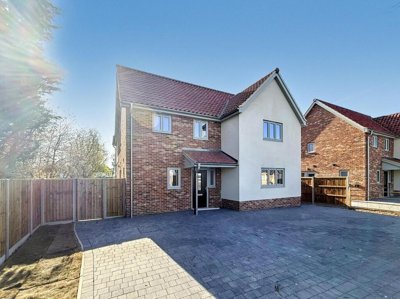
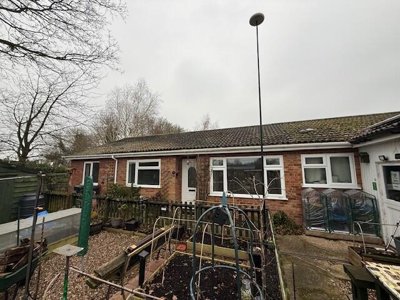
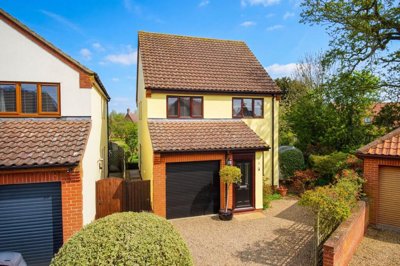
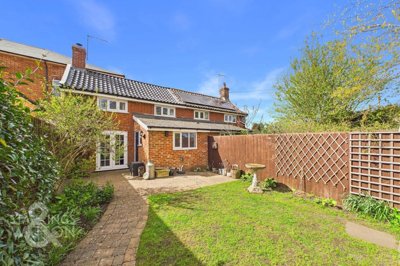
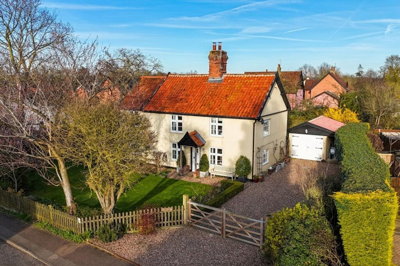
Browse 92 homes for sale in Stradbroke, Mid Suffolk from local estate agents.
£335k
35
2
90
Source: home.co.uk
Source: home.co.uk
Detached
10 listings
Avg £504,500
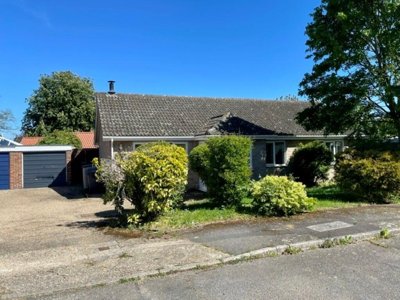
Detached Bungalow
9 listings
Avg £344,444
Semi-Detached
8 listings
Avg £285,625
Terraced
2 listings
Avg £217,500
Town House
2 listings
Avg £390,000
Barn Conversion
1 listings
Avg £275,000
Bungalow
1 listings
Avg £350,000
Flat
1 listings
Avg £125,000
Link Detached House
1 listings
Avg £300,000
Source: home.co.uk
Source: home.co.uk
Stradbroke's market offers a steady blend of older and newer homes, with detached properties making up the largest share of available housing. These houses usually come with decent gardens and off-street parking, which suits families needing more room, and our home.co.uk listings show semi-detached homes from £286,000 and terraced properties from approximately £220,000. Over the past twelve months the village recorded 19 property sales, a solid level of activity for a settlement of this size and a clear sign of consistent demand across this part of Mid Suffolk. There is something here for most budgets and priorities, from first-time buyers looking for a lower entry point to families after larger period homes.
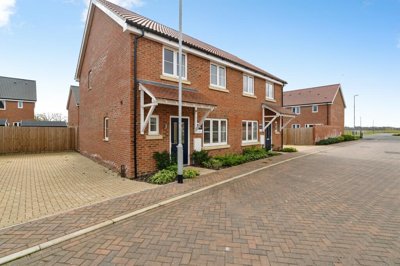
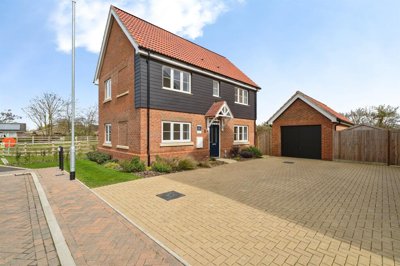
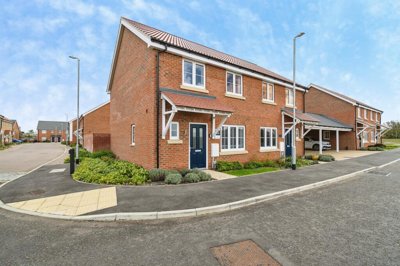
All Saints Green by Lovell Homes, on New Street, Stradbroke, IP21 5JJ, is one of the newer additions to the local market. The development includes 2, 3, and 4-bedroom houses, plus 2 and 3-bedroom bungalows, with prices starting at £330,357 for three-bedroom homes such as the Lansdown design and rising to £437,500 for the Newbury and £437,500 for the Puttenham. Buyers who want modern layouts and stronger energy efficiency have a useful alternative to the village's older stock. Queen Street also brings another option into the mix, with brand new four-bedroom semi-detached townhouses priced at £286,000 in the centre of Stradbroke.
Much of Stradbroke's historic centre sits within a Conservation Area, which helps protect the village's Suffolk character for the long term. That designation covers 70 listed buildings, including three graded II* and 67 graded II, with well-known examples such as Broad End farmhouse, partly dating from the 14th century, and Hill House Farm, a 16th-century timber-framed property. Any significant changes to period homes inside these protected areas need consent from Mid Suffolk District Council, a safeguard that keeps the architectural look of the village intact and part of its appeal.

Stradbroke punches well above its weight for a village of this size. The centre has independent shops, a traditional butcher, a pharmacy, a medical practice, and other everyday services that residents use regularly. There is also a community library, a gym and swimming pool complex, playing fields, and tennis courts, all of which help give the place a proper village life rather than a token list of facilities. For day-to-day living, it means less need to head to a larger town.
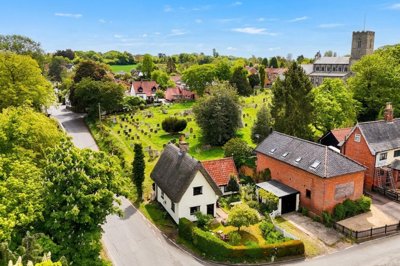
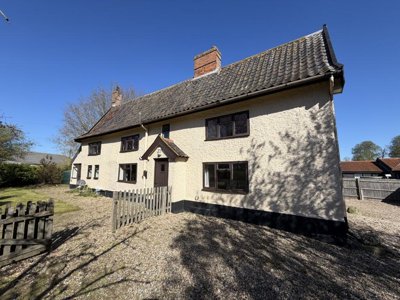
The village still wears its history plainly. Along Church Street and Queen's Street, timber-framed houses rendered in the local style shape the older streetscape, while black glazed pantiles cover most roofs, as they do in many East Anglian villages. A few older homes still keep original thatch, which adds to the traditional feel. The Church of All Saints, a medieval Grade II* listed building, sits at the centre of that historic core. Around it, the pub, local churches, and regular events keep community life active and give Stradbroke the welcoming reputation residents often mention.
The surrounding land is mostly productive farmland with gentle rises and dips, typical of the stretch between the Waveney and Orwell valleys. Small watercourses and drainage ditches run through the parish, which strengthens the rural feel but also creates localised surface water flood risk in lower-lying spots that buyers should keep in mind. Beneath the village lie Crag Group deposits and the London Clay Formation, and the clay brings a moderate to high shrink-swell risk that can affect older foundations in very dry or very wet spells. So, when looking at a house here, it pays to check the foundations carefully and watch for movement, especially in properties built before deeper modern foundations became standard.

For families, education is one of Stradbroke's strongest draws. Stradbroke Primary School serves younger children from the village and nearby parishes, giving them a familiar setting and class sizes that are often smaller than those found in larger towns. Stradbroke High School carries that through into secondary education, acting as the main secondary school for the area and offering a broad curriculum aimed at further study and work. Having both schools in the village cuts out long school runs to distant towns, which is a major plus for parents thinking about quality of life and work-life balance.
The educational offer does not stop at the school gates. A public library gives children and adults access to learning resources and community programmes, while sports facilities and local clubs open up chances for young people to take part in football, cricket, music, and drama. For parents comparing school areas, Stradbroke stacks up well against many larger settlements. It can be a sensible choice for families who want strong schooling without paying the premium that often comes with living near major urban secondary schools, and that relative value is part of the attraction.

Stradbroke sits in a useful spot within Mid Suffolk, close enough to larger towns for practical access while still keeping the village feel many people want. The village is around 5 miles from Diss, where mainline rail services run to London Liverpool Street in about 90 minutes, so commuting to the capital is realistic for some buyers. The A140 is the main road link, connecting the village to Norwich and Ipswich and opening up wider employment and shopping options when the village itself does not cover the need.
Most journeys from Stradbroke rely on the road network, with nearby Eye and Harleston providing everyday shopping and services. Bus services do run to surrounding settlements, which helps residents without a car, although the timetable reflects the rural setting, so it is sensible to check the current schedule. For air travel, Norwich International Airport is about 40 minutes away by car, while Stansted Airport is reachable in around 90 minutes for longer-distance flights. Away from major trunk roads, traffic stays light, and that quiet backdrop helps define daily life here, with walking and cycling feeling far less pressured than in busier places.

Before you start viewing, it is wise to study Stradbroke's property market properly, especially current price patterns. Detached homes average £495,000 and semi-detached properties sit around £286,000. Getting a mortgage agreement in principle is also a smart move, as it shows sellers you are serious in a village market where well-presented homes can attract multiple enquiries quite quickly.
Local estate agent knowledge matters in Stradbroke. Agents who work the village and the wider Mid Suffolk area often know about homes before they appear on the big portals, which can give buyers an early look. We recommend registering your requirements with agents covering Stradbroke and nearby villages, since that broadens the range of homes you hear about, including private sales or off-portal listings that are not always obvious at first glance.
It is worth viewing several homes so you can compare condition, character, and value side by side. Construction type deserves close attention, along with the general state of repair. For timber-framed properties, look for damp, woodworm, and structural movement, especially given the local clay geology and the age of much of the housing stock in the Conservation Area, where older buildings often need more upkeep than newer ones.
Before you commit, we would strongly suggest a RICS Level 2 Survey so any hidden defects can be spotted early. In Stradbroke, older properties usually cost £450-800 to survey, with larger detached houses tending towards the higher end. If the home is listed or within the Conservation Area, a more detailed RICS Level 3 Survey may be the better fit, since historic buildings often need a fuller inspection.
Pick a solicitor with experience in rural Suffolk transactions, especially where Conservation Area rules and listed building issues are part of the picture. They will deal with searches, contracts, and registration, and they should also handle any points raised by the survey, which helps keep the purchase moving without unnecessary delays.
Once enquiries are settled and the finance is in place, your solicitor will exchange contracts and agree a completion date that gives you enough time to organise the move. On completion day, you collect the keys and can settle into your new Stradbroke home, joining a community that values village character but still has the amenities and connections needed for easy day-to-day living.
Homes in Stradbroke deserve careful inspection because timber-framed construction is common and the village has a large stock of historic buildings, which make up a substantial part of the local housing. Attractive as they are, timber-framed properties can hide woodworm, wet rot, and dry rot if maintenance has slipped, especially where render conceals the timber from view. Check exposed beams and floorboards for signs of insect activity or decay, such as small exit holes, dust beneath the timbers, or wood that feels soft. The black glazed pantile roofs also need regular attention, so look for slipped or damaged tiles and inspect the lead flashings around chimneys and valleys for any deterioration that could let water into the property.
Because London Clay sits beneath Stradbroke, buyers should keep an eye out for subsidence or movement, particularly in older houses where the foundations may not have been designed with modern clay shrink-swell knowledge in mind. Watch for cracks in walls, especially diagonal cracks around door and window openings, and check that frames still sit square by seeing whether they open and close properly without sticking. Properties in the Conservation Area, or listed buildings, come with extra layers to think about, since planned improvements may need consent from Mid Suffolk District Council and works must respect the historic character through suitable materials and methods. Extensions at ground floor level and outbuildings can face tighter limits here than they would outside these designations.
Surface water flooding is a factor in lower-lying parts of Stradbroke, so location within the village matters, especially for homes near watercourses or drainage ditches that may look harmless in dry weather. Elevated spots near the village centre usually carry less flood risk than the lower ground, although no part of Stradbroke falls within Flood Zones 2, 3a, or 3b for river and sea flooding. It is sensible to ask about any previous flooding and to check drainage arrangements carefully, particularly if the property has a large garden where soakaway performance can vary with the soil and upkeep. Anglian Water has recorded no occurrences of sewer flooding in Stradbroke, which will reassure buyers concerned about drainage.

The average house price in Stradbroke is approximately £338,012, with detached properties averaging £495,000 and semi-detached homes around £286,000. Terraced homes usually begin from £220,000, giving buyers a more accessible route into this village. Prices have adjusted slightly over the past year, with the wider market down by approximately 1.7%, which points to a fairly steady backdrop for careful buyers. homedata.co.uk data shows the broader IP21 postcode area is down around 0.6% over the last year and sitting about 14% below the 2023 peak of £403,010, so those buying now may find the timing useful.
Mid Suffolk District Council's council tax system applies to homes in Stradbroke, with bands running from A through to H depending on the assessed value of each property. The Valuation Office Agency sets the band using the property's characteristics and values as of April 1991, with later changes only made where the building itself has been altered. Band D is usually the mid-point, while most homes in the village sit somewhere between bands B and E according to size and type. Buyers should always check the exact band for any property on the government website, because it affects annual running costs and needs to be part of household budgeting.
Stradbroke is well served for schooling, with both primary and secondary education available in the village itself, so families do not need to travel to nearby towns for day-to-day school runs. Stradbroke Primary School looks after younger children from the village and surrounding parishes in a familiar local setting, often with smaller class sizes than many larger towns offer. Stradbroke High School provides the secondary stage locally and follows a broad curriculum that prepares pupils for further education, apprenticeships, or employment. Having both schools within easy walking distance is a real advantage, lowering travel costs and helping children build friendships that often last well beyond school.
Travel from Stradbroke is straightforward enough, though it does rely heavily on local roads and buses. Services connect the village with nearby settlements and market towns, but frequencies are shaped by the rural setting, so checking the current timetable is sensible before depending on them. The nearest mainline station is in Diss, about 5 miles away, and trains there run to London Liverpool Street in around 90 minutes. The A140 gives road access to Norwich and Ipswich, which makes private transport important for many residents who need to reach jobs, shops, or services not available in the village. Traffic stays low because the village sits away from major routes, and that makes driving, walking, and cycling far more pleasant than in busier places.
For investors, Stradbroke has a few clear strengths. Rental demand is supported by local workers, commuters to nearby employment centres, and people who want rural living without giving up access to urban facilities. The stock ranges from modern new build homes at All Saints Green, with their lower maintenance appeal, to period cottages in the Conservation Area that suit families looking for longer-term homes in a settled village setting. Renovation projects can also present value-add potential, provided buyers understand the planning side of Conservation Area and listed building work. With its schools, amenities, and strong community feel, the village continues to draw tenants and can offer rental yields that compare well with many other rural parts of Suffolk.
Stamp Duty Land Tax for residential purchases in England begins at 0% on the first £250,000 of the price, then rises to 5% on the portion between £250,001 and £925,000 for properties bought after April 2025, following recent government changes. Homes priced between £925,001 and £1.5 million attract 10%, while anything above £1.5 million is charged at 12%. First-time buyers purchasing up to £625,000 benefit from relief on the first £425,000 and then pay 5% only on the amount between £425,001 and £625,000. Given Stradbroke's prices, most purchases fall into the lower bands, so a typical semi-detached home at £286,000 would attract no stamp duty for any buyer category, while a detached property at £495,000 would mean about £12,250 for a non-first-time buyer.
When we inspect period homes in Stradbroke, we pay close attention to timber-framed elements, since the village's large stock of timber-framed buildings means these features are common but can hide defects behind render or plaster. Damp is another area to watch, especially in ground floor rooms and basements where rising damp can affect properties that were built before modern damp-proof courses became standard. Roofs need a careful look too, particularly the lead flashings around chimneys and valleys, because deterioration there can let water into the structure over time. With London Clay underneath, wall cracking deserves scrutiny, especially diagonal cracking around door and window openings that may point to foundation movement linked to clay shrink-swell behaviour in dry or wet periods.
Inside Stradbroke's Conservation Area, some restrictions apply that would not affect homes outside the designation, although those controls are part of what keeps the village so distinctive. Planning permission can be needed for certain works, including demolition of unlisted buildings, tree work, and some extensions or alterations that would change the area's character. Permitted development rights may still exist for residential properties, but they can be removed or restricted by earlier planning conditions, so buyers should speak with Mid Suffolk District Council before assuming what is allowed. Listed buildings carry an even stricter framework, with listed building consent needed for internal and external changes that affect the character or appearance of the building, so specialist advice is wise before buying one with plans for renovation.
Knowing the full cost of buying in Stradbroke helps buyers budget properly and avoid unwelcome surprises during the process, because the price of the house is only part of the total outlay. On a typical detached property at £495,000, a non-first-time buyer would pay around £12,250 in stamp duty on the portion above £250,000, with nothing charged on the first £250,000 under the current rates. First-time buyers buying below £625,000 receive relief that cuts the bill sharply, which makes the village more reachable for people coming onto the ladder, and a typical semi-detached at £286,000 would attract no stamp duty at all for any buyer category.
Survey fees need proper thought in Stradbroke, especially because so many homes are older and defects may not show up during a viewing. RICS Level 2 Surveys in the area generally cost between £450 and £800, with larger detached homes usually at the upper end and smaller terraced houses sometimes at the lower end. For period homes, timber-framed buildings, or properties in the Conservation Area, a RICS Level 3 Survey from £600 or more gives a fuller inspection that suits the complexity of older construction and the specialist knowledge needed to assess it properly.
Conveyancing fees for a standard transaction usually begin from £499 for legal work, although buyers also need to allow for search fees and disbursements, including local authority searches, drainage and water searches, and environmental searches that may reveal issues affecting the property. On top of that, there are land registry fees, mortgage arrangement fees where relevant, and removal costs, all of which can add up quickly when a household is moving any real distance. Buildings insurance has to be in place from exchange of contracts, protecting the property during the gap between agreement and completion, and buyers with larger gardens or outbuildings should also budget for ongoing maintenance, since rural homes often come with more land and structures to look after.

From 4.5%
Compare competitive mortgage rates from trusted lenders for your Stradbroke property purchase
From £499
Expert property solicitors handling the legal work for your Stradbroke home purchase
From £450
Professional survey to identify defects in your Stradbroke property before purchase
From £600
Comprehensive building survey for older or complex properties in Stradbroke
Properties for Sale In London

Properties for Sale In Plymouth

Properties for Sale In Liverpool

Properties for Sale In Glasgow

Properties for Sale In Sheffield

Properties for Sale In Edinburgh

Properties for Sale In Coventry

Properties for Sale In Bradford

Properties for Sale In Manchester

Properties for Sale In Birmingham

Properties for Sale In Bristol

Properties for Sale In Oxford

Properties for Sale In Leicester

Properties for Sale In Newcastle

Properties for Sale In Leeds

Properties for Sale In Southampton

Properties for Sale In Cardiff

Properties for Sale In Nottingham

Properties for Sale In Norwich

Properties for Sale In Brighton

Properties for Sale In Derby

Properties for Sale In Portsmouth

Properties for Sale In Northampton

Properties for Sale In Milton Keynes

Properties for Sale In Bournemouth

Properties for Sale In Bolton

Properties for Sale In Swansea

Properties for Sale In Swindon

Properties for Sale In Peterborough

Properties for Sale In Wolverhampton

Enter your details to see if this property is within your budget.
Loans, cards, car finance
Estimated property budget
Borrowing + deposit
You could borrow between
Typical borrowing
Monthly repayment
Est. at 4.5%
Loan-to-value
This is an estimate only. Your actual budget may vary depending on interest rates, credit history, and personal circumstances. For an accurate affordability assessment, speak to one of our free mortgage advisors.
This calculator provides estimates for illustrative purposes only and does not constitute financial advice. Your home may be repossessed if you do not keep up repayments on your mortgage. Estimates based on 4.5% interest rate, repayment mortgage. Actual rates depend on your circumstances.
Homemove is a trading name of HM Haus Group Ltd (Company No. 13873779, registered in England & Wales). Homemove Mortgages Ltd (Company No. 15947693) is an Appointed Representative of TMG Direct Limited, trading as TMG Mortgage Network, which is authorised and regulated by the Financial Conduct Authority (FRN 786245). Homemove Mortgages Ltd is entered on the FCA Register as an Appointed Representative (FRN 1022429). You can check registrations at NewRegister or by calling 0800 111 6768.

We use cookies to show you personalised content and improve your experience of our website. Find out more in our Privacy policy and Cookie policy.