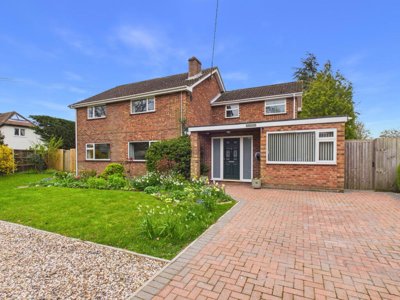
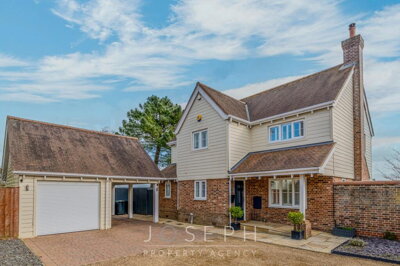
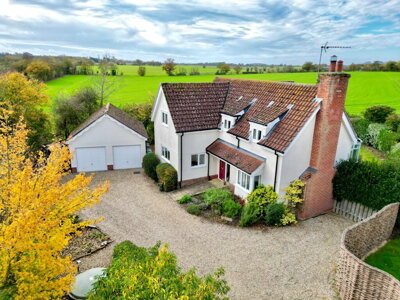
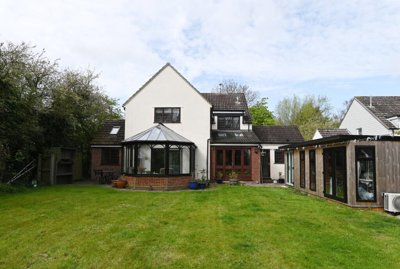
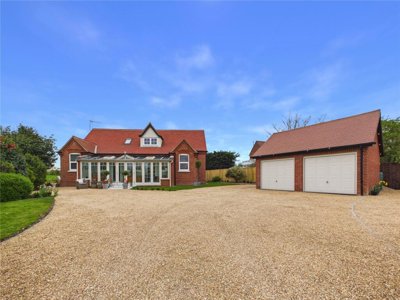
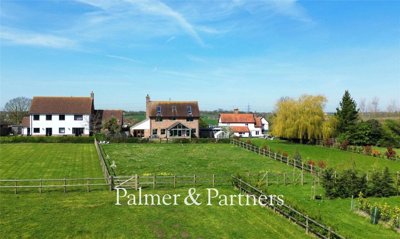
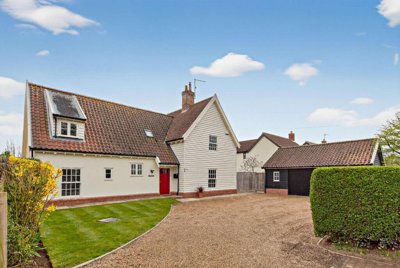
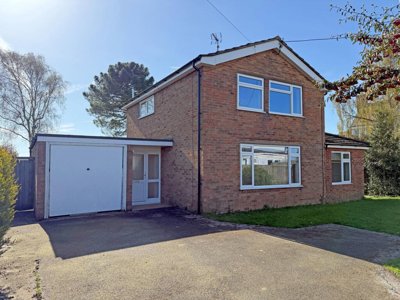
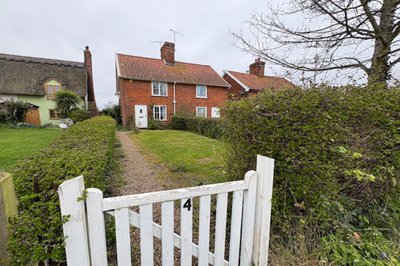
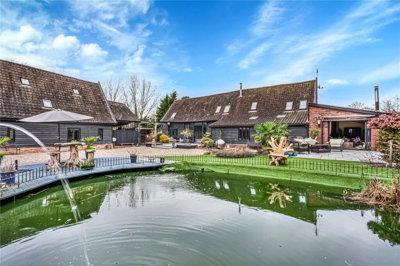
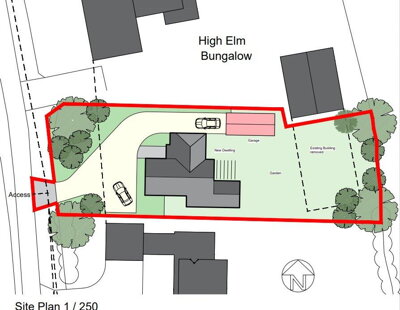
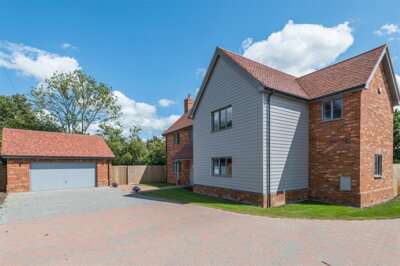
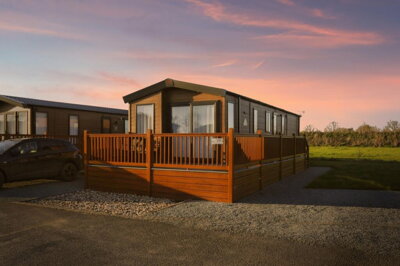
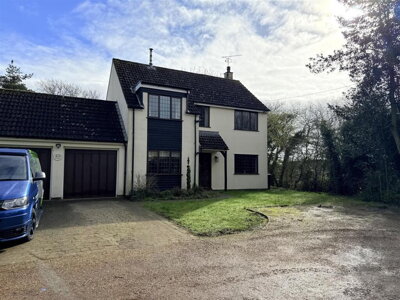
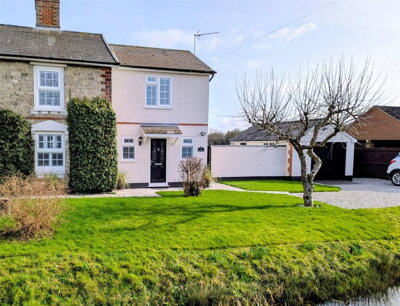
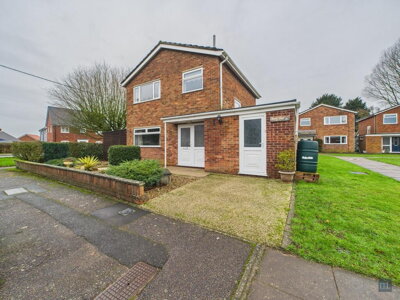
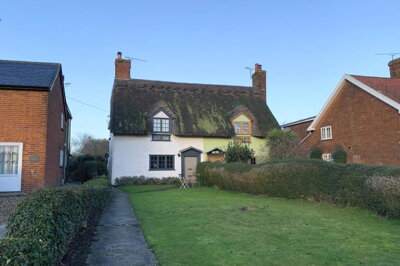
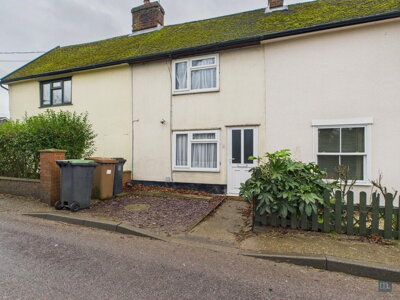
Browse 48 homes for sale in Stonham Aspal from local estate agents.
Approximately 480
Population
Around 200
Households
£408,000
Average Property Price
Approximately 10 properties in 12 months
Recent Sales
Over the last twelve months, Stonham Aspal has barely shifted, with overall house prices up by approximately 1% year-on-year. Around 10 properties changed hands in the village during that period, which is a healthy level of turnover for a community this size. Detached homes have done especially well, rising by 2% to a current average of £495,000, and that points to steady demand for family houses with gardens in this rural setting.
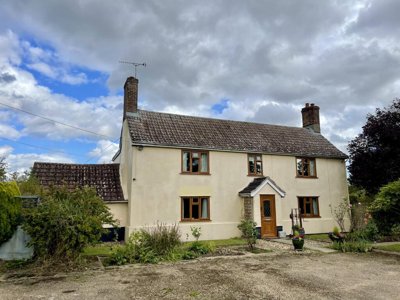
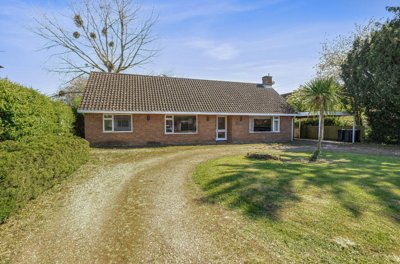
Detached homes still dominate the market in Stonham Aspal, reflecting the village’s mixed architectural history. Semi-detached properties average £310,000, while traditional terraced cottages, many from the pre-1919 period, start from around £260,000 and give buyers a way into the area without paying detached-house prices. Flats are still scarce, which fits the area’s firmly family-home character.
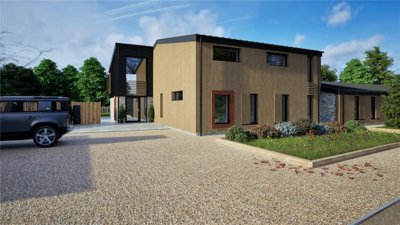
New build activity in the Stonham Aspal postcode area remains limited. Most recent schemes have been single self-builds or small infill projects, not large housing estates, so buyers looking for modern construction may need to widen their search or plan their own build. In practice, the existing housing stock makes up the bulk of what is available in this sought-after village.

Stonham Aspal is defined by its community feel and rural surroundings. The village has a pub, a village hall and essential local services, while nearby Stowmarket brings supermarkets, healthcare and high street shopping into easy reach. Families and professionals alike are drawn to the balance here, quiet countryside living on one side, practical access to work and services on the other. Footpaths and bridleways across the surrounding farmland add to the appeal.
Agriculture, local services and small businesses all play a part in Stonham Aspal’s economy, and tourism is becoming more important too. Stonham Barns Park, just nearby, brings visitors to the area with leisure attractions and retail offerings, which supports jobs and local trade. The housing market benefits from that wider mix, as well as from transport links that open up work opportunities across Suffolk and beyond.
The village appeals to a broad mix of buyers. Professionals commuting to larger towns, families who want space and good schools, and retirees after a peaceful setting with a strong community all find something to like in Stonham Aspal. That demand feeds into prices, with buyers paying for the quality of life on offer, including access to excellent schools, low crime rates and the Suffolk vernacular architecture that gives the area its character.

Commuting from Stonham Aspal is surprisingly straightforward, thanks to its strategic road links. The village sits neatly between the A14 trunk road and the A140, so Ipswich, Norwich and Cambridge are all within practical reach. The A14 also connects towards the port of Felixstowe and the wider motorway network, which is one reason the area suits people working in logistics, distribution or international trade.
From nearby Stowmarket station, rail services run regularly to London Liverpool Street, with journey times of around one hour and forty minutes. That makes Stonham Aspal workable for London commuters who would rather come home to rural Suffolk. Norwich station, reached via the A140, adds further rail links, including services towards Cambridge and the wider national network. Local bus services do connect the village to nearby towns and villages, though not with urban-style frequency.
For cyclists, the surrounding country lanes and designated routes make for pleasant local journeys, and the terrain is generally manageable for most fitness levels. Parking is another practical plus, as most homes offer off-street space, which is useful in a rural area where on-street parking can be tight. So while Stonham Aspal feels like a village, its transport links are better than its setting might suggest.
Families looking at Stonham Aspal will find several educational options within reach. The village and surrounding hamlets are served by a number of primary schools, with catchment areas that often span several villages. These smaller schools usually benefit from close community links and a more individual approach for pupils. It pays to check catchment lines and admission rules carefully, because both can affect school placement.
Secondary schooling is available in nearby Stowmarket, Debenham and other surrounding towns, and many of those schools offer sixth-form provision so students can stay local after GCSEs. Grammar school places are available in nearby towns for academically able pupils, with entry determined by the eleven-plus taken in the final year of primary school. Performance in the wider Mid Suffolk area has varied in recent Ofsted inspections, so current ratings and provision are worth checking before a purchase.
For early years childcare, the surrounding area has several choices, including preschools and childminders, often based in nearby villages or in Stowmarket. School transport is generally well established too, with buses serving both primary and secondary schools from the village. Thanks to the A14 corridor, families can also reach a broader range of educational settings, including independent schools, with reasonable journey times to Ipswich and Bury St Edmunds.
Older construction methods and the local geology mean properties in Stonham Aspal need a careful eye. The village sits on glacial till deposits over chalk bedrock, and the clay content brings a moderate to high shrink-swell potential. That can lead to foundation movement, especially in prolonged dry spells or where large trees are close to buildings. A proper survey should check for cracking, movement and any remedial work that may already have been done.
Traditional Suffolk building methods also bring their own quirks. Many homes use timber-framed construction with rendered or brick infill panels, and that calls for specialist knowledge during repairs or renovation. Lime mortar was the original choice in these properties, while modern cement mortars can trap moisture and cause damage. If you are buying a period home, we would want the survey to examine those details closely, along with any planning constraints that might apply.
Inside the Stonham Aspal Conservation Area, planning controls are tighter to protect the village’s historic character. External alterations, extensions and significant changes to listed buildings need Listed Building Consent from Mid Suffolk District Council. Anyone thinking about future works should allow for those consent requirements, and for surveys that go beyond a standard RICS Level 2 inspection. For listed properties, we recommend a RICS Level 3 Building Survey because of the complexity involved and the specialist understanding required.
Centuries of Suffolk vernacular architecture are still visible in the village’s buildings. Timber-framed homes with wattle and daub or brick infill panels, often rendered over, were the norm before the Victorian era. From the Victorian period onwards, red brick, often from local Suffolk brickworks, became much more common. Roofs here are usually plain clay tiles or slate on older properties, while some historic buildings also include flint work.
Many period properties in Stonham Aspal still have solid brick walls rather than modern cavity walls, single-glazed windows, and electrical and plumbing systems that may fall short of current standards. Homes built before the 2000s can also contain asbestos-containing materials in textured coatings, insulation and pipe lagging, which need specialist identification and removal. Most properties in the village are freehold, and many have traditional foundations that are shallower than today’s standards.
Anyone buying in Stonham Aspal needs to understand those construction details before committing. Older homes need a different maintenance approach from modern ones, and traditional materials often call for specialist trades who know lime mortar pointing, timber repairs and period-appropriate renovation. A survey should also pick up areas where original methods have been altered badly with modern materials, because those changes can accelerate deterioration.
Our inspectors see the same issues time and again in Stonham Aspal, and some defects turn up more often than others. Damp is common in older homes without modern damp-proof courses, whether it appears as rising damp, penetrating damp or condensation-related problems. Timber-framed properties also frequently show signs of woodworm, wet rot or dry rot, especially where original timbers have been exposed to moisture or ventilation is poor.
Roof defects are another regular feature in the village’s period housing. Original roof coverings on pre-1919 properties often show clear wear, with missing or cracked tiles, damaged lead flashing and deterioration in timber roof structures. Foundation movement linked to the clay geology can create cracking in walls, particularly in dry spells or where large trees sit close to buildings. Our surveyors look at whether any cracking fits the age and type of property, assess pointing and mortar joints, and check for historic movement or bad repairs.
Older homes often need electrical and plumbing upgrades to meet current safety standards, since original wiring may not handle modern loads and may lack proper earthing. Plumbing in period properties can still include galvanised steel or copper pipes that have corroded over decades. Solid-walled homes also tend to perform poorly thermally because they were built long before modern insulation standards. With a significant proportion of the stock in Stonham Aspal over 50 years old, a thorough RICS Level 2 Survey is strongly recommended for most purchases.
Start with our current listings on home.co.uk for Stonham Aspal and get a feel for the local market. With approximately 10 properties selling each year in the village, opportunities do not come up often, so it pays to register with local estate agents for alerts on new instructions. A buyer’s agent who knows Mid Suffolk well can also help spot properties before they reach mainstream marketing.
Once you have a shortlist, book viewings through the listing agent or directly with Homemove. We give clear details on each home, including price, type and key features, so you can compare properly. Seeing several properties in person helps build a realistic view of value in this village market, where prices can vary a lot between streets and between older and newer homes.
Before you make an offer, speak to a lender and secure a mortgage agreement in principle. It shows sellers and agents that you are financially ready, which can strengthen your negotiating position. Our mortgage partners can talk through competitive rates and the application process, and they will help you work out how much you can borrow based on income, outgoings and credit history.
Because most homes in Stonham Aspal are likely over 50 years old, we strongly recommend a RICS Level 2 Survey before you proceed. This inspection looks at the property’s condition and flags defects such as damp, timber problems and roof issues that often affect period homes in the area. Survey costs range from £450 to £650 for a three-bedroom semi-detached home to £550 to £800 or more for larger detached properties.
Use a solicitor with Suffolk property experience to handle the legal side of the purchase. They will carry out searches with Mid Suffolk District Council, check title matters and manage the contract through to completion. Homemove can put you in touch with conveyancing specialists who understand local property types and any planning points that may affect the transaction.
After all enquiries have been answered and your mortgage offer is in place, you can move to exchange contracts and agree a completion date. On completion day, your solicitor sends the balance to the seller’s representatives, and then you collect the keys to your new Stonham Aspal home. Our team stays on hand through that final stage and can suggest local services to help you settle in.
Based on sales data from homedata.co.uk, the current average house price in Stonham Aspal is approximately £408,000 over the past twelve months. Detached properties average £495,000, which reflects the demand for family homes with gardens and space. Semi-detached homes are around £310,000, while traditional terraced cottages can be found from approximately £260,000. Prices have risen by 1% over the past year, which points to a steady market in this rural village.
Mid Suffolk District Council assigns Stonham Aspal properties to council tax bands according to value as assessed in 1991. Most homes fall in bands A through E, with many family properties likely to sit in bands B to D. The exact band depends on the individual property, and buyers should check the current banding with Mid Suffolk District Council or on the Valuation Office Agency website before planning ongoing costs.
Primary schooling in the surrounding area gives Stonham Aspal a practical range of choices, though the exact options depend on your location within the postcode. Secondary education is available in Stowmarket and nearby towns, and grammar school places can be accessed by pupils who pass the eleven-plus examination. The wider Mid Suffolk area also includes schools with varying Ofsted ratings, so current performance data and admission arrangements for your catchment area are worth checking before you buy.
Good road links via the A14 and A140 put Ipswich, Norwich and Cambridge within straightforward reach from Stonham Aspal. From Stowmarket station, rail services to London Liverpool Street take approximately one hour and forty minutes. Local buses do serve the village and nearby communities, although frequencies are not as high as you would expect in a town. That combination makes the village practical for commuters who want rural living without cutting themselves off.
Several factors make Stonham Aspal appealing to investors. Its rural character, close-knit community and proximity to major employment centres in Stowmarket, Ipswich and Bury St Edmunds support steady demand from buyers and tenants. Prices have stayed stable with modest annual increases, so the market has shown resilience. The lack of new-build development means demand for characterful existing homes remains constant, although the rental market is small and period-property maintenance costs should be built into any calculations.
For 2024-25, Stamp Duty Land Tax is charged at 0% on the first £250,000 of purchase price, 5% from £250,001 to £925,000, 10% from £925,001 to £1.5 million, and 12% on any amount above £1.5 million. First-time buyers get relief on the first £425,000, then pay 5% on the portion from £425,001 to £625,000, with no relief above £625,000. Because most Stonham Aspal homes sit in the lower bands, a purchase at the village average price of £408,000 would attract only a small stamp duty bill.
Flood risk in Stonham Aspal is generally low for rivers and the sea, which will reassure many buyers. Even so, the Environment Agency maps areas with moderate to high surface water flood risk, especially in low-lying spots or where drainage systems may struggle in heavy rain. We would always ask your solicitor for a specific flood risk assessment during conveyancing and suggest checking the gov.uk flood map for the exact property you are considering.
Because over 60% of the housing stock in Stonham Aspal is likely over 50 years old, a RICS Level 2 Survey is strongly recommended for most purchases. That survey looks for common period-property defects, including damp, timber deterioration, roof issues and possible foundation movement linked to the clay geology underneath. For listed buildings or homes within the Conservation Area, a RICS Level 3 Building Survey gives more detailed analysis and specialist guidance on traditional materials, repair methods and the consent rules that apply.
Budgeting properly for a purchase in Stonham Aspal helps avoid surprises later. The Stamp Duty Land Tax rates for 2024-25 apply across England, with 0% on the first £250,000 of any property purchase. For a typical Stonham Aspal home at the village average price of £408,000, stamp duty would apply only to the amount above £250,000, which creates a tax bill of £7,900 at the standard 5% rate.
Under the current SDLT rules, first-time buyers get relief on the first £425,000 of the purchase price at 0%. So a first-time buyer purchasing at the Stonham Aspal average price would pay 5% on the amount between £425,000 and £625,000, with no relief above that level. At £408,000, the average village price falls fully within the relief threshold, so a first-time buyer would pay no stamp duty at all, which is a significant saving for anyone taking that first step on the ladder.
Beyond stamp duty, you should also allow for solicitor fees for conveyancing, which usually range from £500 to £1,500 depending on complexity and whether the property is leasehold or freehold. Most homes in Stonham Aspal are freehold, which keeps that part of the process simpler. Survey costs also need to be included, with RICS Level 2 Surveys ranging from £450 to £800 depending on size and complexity. Removal costs, any refurbishment, and utility connection fees should all sit in the budget when working out the true cost of buying your new Stonham Aspal home.

Properties for Sale In London

Properties for Sale In Plymouth

Properties for Sale In Liverpool

Properties for Sale In Glasgow

Properties for Sale In Sheffield

Properties for Sale In Edinburgh

Properties for Sale In Coventry

Properties for Sale In Bradford

Properties for Sale In Manchester

Properties for Sale In Birmingham

Properties for Sale In Bristol

Properties for Sale In Oxford

Properties for Sale In Leicester

Properties for Sale In Newcastle

Properties for Sale In Leeds

Properties for Sale In Southampton

Properties for Sale In Cardiff

Properties for Sale In Nottingham

Properties for Sale In Norwich

Properties for Sale In Brighton

Properties for Sale In Derby

Properties for Sale In Portsmouth

Properties for Sale In Northampton

Properties for Sale In Milton Keynes

Properties for Sale In Bournemouth

Properties for Sale In Bolton

Properties for Sale In Swansea

Properties for Sale In Swindon

Properties for Sale In Peterborough

Properties for Sale In Wolverhampton

Enter your details to see if this property is within your budget.
Loans, cards, car finance
Estimated property budget
Borrowing + deposit
You could borrow between
Typical borrowing
Monthly repayment
Est. at 4.5%
Loan-to-value
This is an estimate only. Your actual budget may vary depending on interest rates, credit history, and personal circumstances. For an accurate affordability assessment, speak to one of our free mortgage advisors.
This calculator provides estimates for illustrative purposes only and does not constitute financial advice. Your home may be repossessed if you do not keep up repayments on your mortgage. Estimates based on 4.5% interest rate, repayment mortgage. Actual rates depend on your circumstances.
Homemove is a trading name of HM Haus Group Ltd (Company No. 13873779, registered in England & Wales). Homemove Mortgages Ltd (Company No. 15947693) is an Appointed Representative of TMG Direct Limited, trading as TMG Mortgage Network, which is authorised and regulated by the Financial Conduct Authority (FRN 786245). Homemove Mortgages Ltd is entered on the FCA Register as an Appointed Representative (FRN 1022429). You can check registrations at NewRegister or by calling 0800 111 6768.

We use cookies to show you personalised content and improve your experience of our website. Find out more in our Privacy policy and Cookie policy.