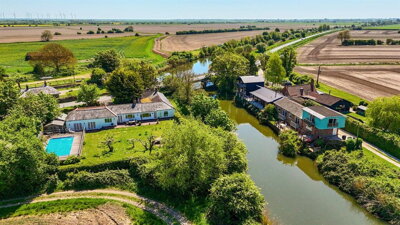
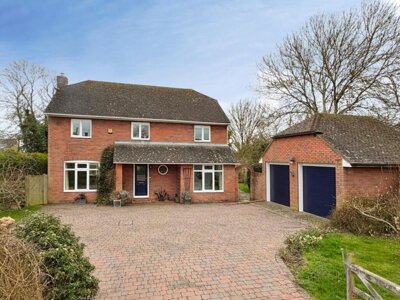
Browse 6 homes for sale in Stone-cum-Ebony from local estate agents.
The larger property sector typically features multiple bathrooms, substantial reception space, and private gardens or off-street parking. Four bedroom houses in Stone Cum Ebony span detached, semi-detached, and occasionally terraced configurations, with styles ranging from period properties to modern executive homes.
Within Ashford district, Stone-cum-Ebony stands out as the most expensive parish in the local market. Recent sales data points to firm values, with seven recorded property transactions averaging £654,000 per sale, compared with two sales averaging £685,000 in 2024. That shift still sits within a clear upward trajectory, with sold prices rising 23.3% over the last twelve months according to the most recent market analysis. Even so, prices remain 55% below the 2021 peak of £1,075,000, which may leave room for buyers who missed that earlier high point.
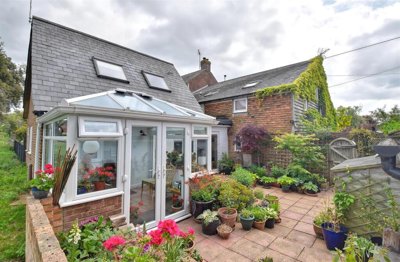
The market here is led by detached homes. Since 2018, they have averaged £1,500,000, underlining the premium attached to larger period properties with land and gardens. Semi-detached homes have averaged £380,000 over the same period, offering a more reachable way into this exclusive parish. Across the housing stock, we often see traditional construction, mellow brick external walls, part tile-hung elevations, timber casement and sash windows, and pitched peg tiled roofs. With so many historic farmhouses, converted barns and period buildings in the mix, buyers should expect homes with plenty of character and, in some cases, a fair amount of modernisation to consider.
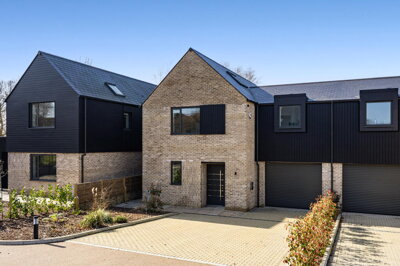
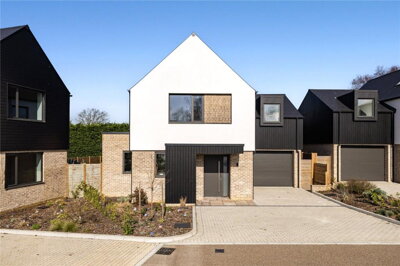
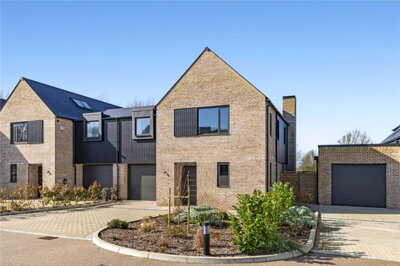
No active new-build developments were identified within the Stone-cum-Ebony postcode area, so buyers here are generally choosing established period homes rather than new construction. Supply is notably tight, and only a small number of properties tend to come to market each year. In the wider Stone-in-Oxney area, detached homes sold for an average of £1,500,000 in the last year, while semi-detached properties reached £380,000. That steady premium in Stone-cum-Ebony reflects its place in a highly sought-after parish, where rural appeal, AONB designation and useful transport links continue to support demand.

Rural Kent living is exactly what Stone-cum-Ebony delivers. The parish sits within the Isle of Oxney, a historic island of higher ground enclosed by the River Rother and its tributaries. It also falls inside the High Weald Area of Outstanding Natural Beauty, which protects the rolling farmland, ancient woodlands and traditional orchards that shape this part of the county. In the village itself, the feel is small-scale and largely untouched, with winding country lanes, hedgerow boundaries and a scattering of historic homes that have changed little over generations. With no major commercial development, the calm atmosphere has been kept intact.
For day-to-day needs, residents usually look to the nearby villages. Wittersham and Appledore are both around 2.5 miles from Stone-cum-Ebony and between them provide primary schools, village stores, post offices, traditional tea rooms and public houses. The Plough Inn at Wittersham and the Woolpack at Appledore are well-known local spots for a meal, and the village shops cover everyday basics. For families in particular, having these services close by helps keep car journeys manageable while preserving the quiet village setting that draws people here.
About five miles north, Tenterden brings a much wider choice of facilities, including Waitrose and Tesco supermarkets, independent shops, cafes, restaurants and a leisure centre. Its historic High Street is lined with specialist businesses such as antique dealers, art galleries and boutique clothing shops, all of which speak to the affluence of this corner of Kent. Six miles to the south, Rye offers something different again, with its period streetscape, creative community and strong restaurant scene. That balance, village peace with practical access to both towns, is a large part of the appeal.

Families looking at Stone-cum-Ebony have a few straightforward primary options nearby. The parish falls within the catchment for schools in Wittersham and Appledore, each providing education from Reception to Year 6. Wittersham Primary School serves the northern part of the Isle of Oxney and offers the kind of rural setting many buyers expect from a small Kent primary school. These village schools are known for close community ties and smaller class environments, where children tend to be well known by staff.
For secondary schooling, most pupils travel into Tenterden, where the Grid for Learning provides comprehensive secondary school facilities for students from the surrounding area. Homewood School and Sixth Form Centre takes pupils through to A-levels and serves families from the Isle of Oxney and neighbouring villages. We always suggest checking current catchment boundaries and admissions arrangements with Kent County Council, as they can change each year and may vary depending on factors such as sibling links and home-to-school distance.
Older students have several routes available. In Tenterden, the local secondary school includes sixth form provision for A-levels and similar qualifications. For vocational and further education, colleges in Ashford offer a wide course range, with access supported by rail links from nearby Appledore and Rye stations. Taken together, the schools within driving reach and the wider academic reputation of the Tenterden area make Stone-cum-Ebony workable for families through each stage of education. Independent options across Kent and East Sussex are also available, and several schools run transport from the local area. St. Mary's Primary School in nearby Stone-in-Oxney adds another choice for families seeking faith-based education.

Even with its distinctly rural setting, Stone-cum-Ebony is surprisingly well connected. Branch line services from Appledore and Rye link directly to Ashford International, where high-speed trains run on to London St Pancras. From Ashford International, the journey to London St Pancras takes about 37 minutes on the high-speed line, one of the quickest commuter options from a village location in Kent. That convenience goes a long way to explaining the steady demand we see across Stone-cum-Ebony and the wider Isle of Oxney, where buyers can keep countryside surroundings without taking on an especially long trip to work.
Appledore station offers services towards Hastings and the Kent coast, while Rye gives access towards the Brighton main line. Both lie within 3 miles of Stone-cum-Ebony, and local taxi firms can fill the gap for residents without a car at hand. For people commuting into Ashford itself, driving usually takes around 25 minutes, which keeps daily travel realistic. Between the branch line, the link to high-speed rail and the short run to town, the village suits professionals who need London access on a regular basis but want a quieter home base.
By road, the A28 serves the area and links through to Canterbury and the Kent coast, while the A268 gives a direct route into Tenterden. The M20 can be reached via the A2070 or through Ashford, opening up travel to London, the Channel ports and the wider motorway network. Stagecoach and other operators run local bus services to surrounding towns and villages, although frequencies are lighter than in urban locations, typically 2-3 buses per day on most routes. In practice, most households will regard a car as essential for school runs, shopping and access to the fuller range of services in Tenterden, Ashford and beyond.

Stone-cum-Ebony is a small and tightly held parish, so available homes can be few and far between. It helps to work with a local estate agent who genuinely knows the Isle of Oxney market. With so many period properties and listed buildings here, each home needs to be understood on its own terms before a viewing is even arranged. We can put buyers in touch with agents who specialise in this part of Kent and who understand how pricing and availability work in such a close-knit market.
In a market at this level, it is sensible to secure a mortgage agreement in principle before arranging viewings. Average prices above £654,000 usually mean buyers need a strong deposit and solid borrowing position. It also makes an offer more credible if the right property appears. Some lenders offer products aimed specifically at rural homes and period buildings, and these can take account of the renovation costs that often come with older property in this area.
When you start viewing, focus closely on build quality, likely modernisation work and any hints of damp or structural movement that older homes can show. Around Stone-cum-Ebony, stock includes converted oasts, farmhouses and traditional Kentish cottages from a range of periods. We usually advise seeing the same property at different times of day, and if possible in different weather, so you can judge natural light, heating performance and the way the building copes with damp conditions.
Because most homes in Stone-cum-Ebony are older, we would treat a proper RICS Level 2 or Level 3 survey as essential. Typical concerns can include ageing electrics, plumbing defects, roof problems and timber issues, all of which need professional review before exchange. For converted oast houses and historic farmhouses, a Level 3 Building Survey is often the better fit, as unusual construction details may call for more specialist assessment.
Choose a conveyancing solicitor who is used to dealing with rural Kent property. They should carry out local searches, review planning restrictions and confirm that the title is in order. In parishes like this, there can also be rights of way, agricultural covenants, or liabilities linked to shared lanes and drainage systems, so those points need careful checking.
Once the survey results are acceptable and the legal points have been dealt with, the purchase moves to exchange of contracts and then a completion date. Funds are transferred, and the keys to your Stone-cum-Ebony home are released. We can recommend conveyancing solicitors who know the extra issues that period properties in the High Weald AONB can bring, including restrictions linked to planning consent and listed building requirements.
Most homes in Stone-cum-Ebony are period properties built with traditional materials and methods, and they do not behave like modern houses. Mellow brick walls and tile-hung elevations need regular care to keep water out, while timber sash or casement windows may call for repair rather than replacement, especially in listed buildings where original details must remain. As you view, watch for crumbling mortar, slipped or broken tiles, and signs of movement or decay around timber windows and door openings.
Roofs deserve especially close attention here. Pitched peg tiled roofs are a Kent hallmark, but repairs often need craftspeople who understand older roofing methods. Peg tiles are fixed individually, and weathering or storm damage can leave sections vulnerable, while replacement tiles need careful matching if the roof is to keep its character. Inside the roof space, we would be looking for damp, woodworm activity and fungal decay in the timbers, all common enough in older Isle of Oxney property. A detailed survey is well worth arranging where access is available or visible deterioration is already apparent.
Some properties here may be listed, while others may sit within areas recognised for special architectural or historic interest, and both can limit what owners are allowed to alter. In the broader search area, a Grade II Listed house thought to date from the 15th Century has been identified, which gives a good sense of the heritage value involved. Listed building consent is needed for major changes, and works are usually expected to preserve original fabric and match existing materials and methods where possible. That can affect cost as well as timing, so buyers should allow for higher maintenance spending and the price of specialist surveys on older or historic homes.
Flood risk is something we would still investigate carefully, even though no specific high-risk designations have been identified. The River Rother is close by, and that means standard searches and environmental reports should be read properly. Stone-cum-Ebony itself is not marked as a high-risk flood zone, but the lower surrounding land and tributary streams can be affected by surface water flooding during heavy rainfall. For any house beside water or in a valley position, we would recommend a property-specific flood risk assessment and a check of the Environment Agency flood maps.

As the most expensive parish in Ashford district, Stone-cum-Ebony occupies a rare spot in the local market. Recent sales data gives an average of £654,000 from seven transactions in 2025. Detached homes are averaging £1,500,000, while semi-detached houses average £380,000. Across the broader Stone-in-Oxney area, the average over the last year was also £654,000, with values rising 23.3% over the last twelve months. Stock is limited, but the homes that do come up regularly attract premium prices, helped by the High Weald AONB setting and strong transport access.
For council tax, Stone-cum-Ebony comes under Ashford Borough Council. Bands run from A to H according to property value, and many of the parish's period houses and farmhouses are likely to sit in bands D through G. The exact banding will depend on the individual property and should be checked with Ashford Borough Council or against homedata.co.uk records for any home you are thinking of buying. Given the high values in this parish, a good number of detached period homes fall into bands E through G, with annual charges to match.
Schooling nearby is one of the practical strengths of the area. Primary provision is available in Wittersham and Appledore, both around 2.5 miles from Stone-cum-Ebony. Wittersham Primary School serves the northern Isle of Oxney and takes children from Reception to Year 6 in a small rural setting. For older pupils, Homewood School and Sixth Form Centre in Tenterden provides secondary and sixth form education. Admissions are handled by Kent County Council, so parents should check the latest catchment areas before relying on eligibility. Independent schools in Kent and East Sussex are also within reach, and some provide transport from the local area.
Though undeniably rural, Stone-cum-Ebony is not cut off. Branch line trains from Appledore and Rye feed into Ashford International, where high-speed services reach London St Pancras in around 37 minutes. That keeps commuting to the capital very workable. The branch line also runs towards Hastings and links via Rye towards the Brighton main line, giving alternatives for regional travel. Buses connect the village with nearby towns including Tenterden, but for most residents a car remains important for everyday convenience. On the road side, the A28 links to Canterbury and the coast, and longer journeys are straightforward via Ashford and the M20.
From an investment point of view, Stone-cum-Ebony has several factors in its favour. It is the most expensive parish in Ashford, it sits within the High Weald Area of Outstanding Natural Beauty, and supply is scarce. With no meaningful new-build pipeline, existing period homes benefit from a degree of protection against over-supply. London-facing transport links also continue to support interest from commuters who want a rural setting. Converted oasts and farmhouses in particular have shown resilient pricing, although returns will still depend on condition, maintenance spend and the wider market. The AONB designation helps preserve the landscape that underpins so much of the area's appeal.
Stamp Duty Land Tax applies on property purchases in England, and the current bands matter here because many Stone-cum-Ebony homes are expensive. For standard purchases, there is no SDLT on the first £250,000, then 5% on £250,001 to £925,000, 10% on £925,001 to £1.5 million, and 12% on anything above £1.5 million. First-time buyers receive relief on the first £425,000, with 5% payable from £425,001 to £625,000. As most properties in Stone-cum-Ebony are above £600,000, SDLT will usually be due. We would always suggest calculating the exact figure against the agreed price and your own circumstances, or taking advice from a solicitor or financial adviser.
Housing stock in Stone-cum-Ebony is shaped by period property rather than modern estates. Traditional Kentish farmhouses, converted agricultural buildings and older cottages make up much of the market. Detached homes with large gardens are the most common and also the most expensive, averaging over £1,500,000. There are more affordable routes in too, including semi-detached period cottages and terraced workers cottages. One particularly local format is the converted oast house, often with curved walls and circular rooms beneath former kiln gear. There are no new-build developments in the immediate area, so all available stock consists of established period homes.
Construction details are a big part of what buyers are paying for here. Homes in Stone-cum-Ebony commonly feature mellow brick elevations, part tile-hung exteriors and pitched peg tiled roofs, all of which need maintenance by someone who understands traditional Kentish building. Indoors, period houses may retain inglenook fireplaces with heavy brick or stone surrounds, exposed beams in oak or chestnut, and quarry tile or flagstone floors that sometimes need careful repair. Timber sash windows with original glass, panelled doors fitted with period ironmongery, and stair balustrades with turned newel posts all add to the character. A bread oven, wine cellar or dairy would be an especially rare survival.
Buying here means budgeting for more than the headline price. Stamp Duty Land Tax is often the largest extra cost, with standard buyers paying no SDLT up to £250,000. From £250,001 to £925,000, the rate is 5% on that portion, and higher bands apply above that. Since the average Stone-cum-Ebony property value is above £654,000, many purchasers will be looking at SDLT of around £20,200 or more. First-time buyers may get relief on purchases up to £625,000, with no SDLT on the first £425,000 and 5% on the following £200,000.
Legal costs vary with the property and the title, but conveyancing fees often fall between £499 and £1,500. Rural homes can push matters to the more complex end, especially where extra checks are needed for rights of way, agricultural covenants or conservation area restrictions. In Stone-cum-Ebony, the older housing stock can also lead to specific enquiries about listed building status, historic planning permissions, or liabilities tied to shared access roads and drainage systems in rural parishes. We can recommend solicitors who regularly deal with this type of Kent transaction and know what to look for.
A RICS Level 2 survey starts from £350, and with period property in Stone-cum-Ebony we would regard that as an important minimum. For older farmhouses, converted oasts and listed buildings, a fuller RICS Level 3 Building Survey from £600 is often the wiser choice because it gives a more detailed picture of structure and likely repair work. Compared with local property values, these survey fees are modest, but they can uncover defects that support renegotiation or simply prevent expensive surprises later. Buyers should also keep room in the budget for removals, refurbishment and any furnished contents agreed as part of the move.

From 4.5%
Specialist mortgage advice for Stone-cum-Ebony properties
From £499
Conveyancing solicitors with experience of rural Kent properties
From £350
Detailed condition survey for your new home
From £600
Comprehensive building survey for period properties
Properties for Sale In London

Properties for Sale In Plymouth

Properties for Sale In Liverpool

Properties for Sale In Glasgow

Properties for Sale In Sheffield

Properties for Sale In Edinburgh

Properties for Sale In Coventry

Properties for Sale In Bradford

Properties for Sale In Manchester

Properties for Sale In Birmingham

Properties for Sale In Bristol

Properties for Sale In Oxford

Properties for Sale In Leicester

Properties for Sale In Newcastle

Properties for Sale In Leeds

Properties for Sale In Southampton

Properties for Sale In Cardiff

Properties for Sale In Nottingham

Properties for Sale In Norwich

Properties for Sale In Brighton

Properties for Sale In Derby

Properties for Sale In Portsmouth

Properties for Sale In Northampton

Properties for Sale In Milton Keynes

Properties for Sale In Bournemouth

Properties for Sale In Bolton

Properties for Sale In Swansea

Properties for Sale In Swindon

Properties for Sale In Peterborough

Properties for Sale In Wolverhampton

Enter your details to see if this property is within your budget.
Loans, cards, car finance
Estimated property budget
Borrowing + deposit
You could borrow between
Typical borrowing
Monthly repayment
Est. at 4.5%
Loan-to-value
This is an estimate only. Your actual budget may vary depending on interest rates, credit history, and personal circumstances. For an accurate affordability assessment, speak to one of our free mortgage advisors.
This calculator provides estimates for illustrative purposes only and does not constitute financial advice. Your home may be repossessed if you do not keep up repayments on your mortgage. Estimates based on 4.5% interest rate, repayment mortgage. Actual rates depend on your circumstances.
Homemove is a trading name of HM Haus Group Ltd (Company No. 13873779, registered in England & Wales). Homemove Mortgages Ltd (Company No. 15947693) is an Appointed Representative of TMG Direct Limited, trading as TMG Mortgage Network, which is authorised and regulated by the Financial Conduct Authority (FRN 786245). Homemove Mortgages Ltd is entered on the FCA Register as an Appointed Representative (FRN 1022429). You can check registrations at NewRegister or by calling 0800 111 6768.

We use cookies to show you personalised content and improve your experience of our website. Find out more in our Privacy policy and Cookie policy.