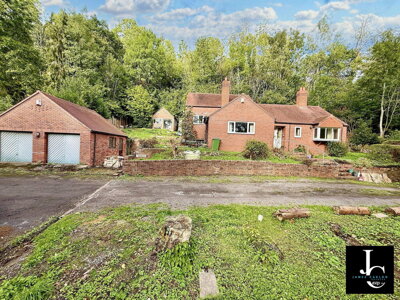
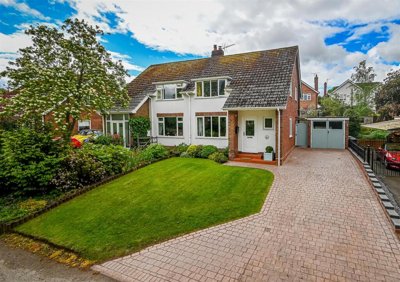
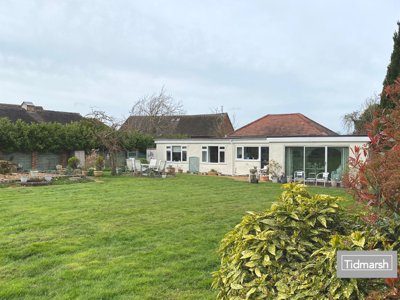
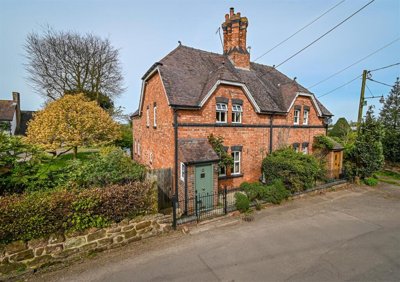
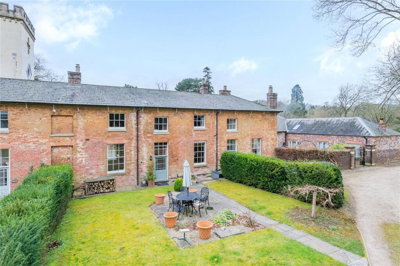
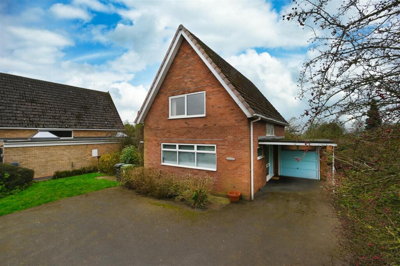
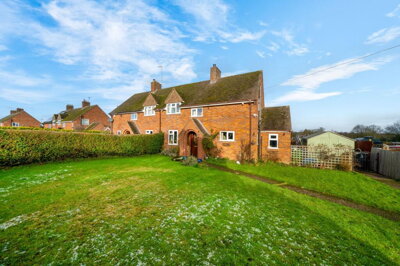
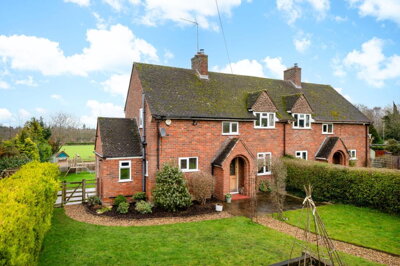
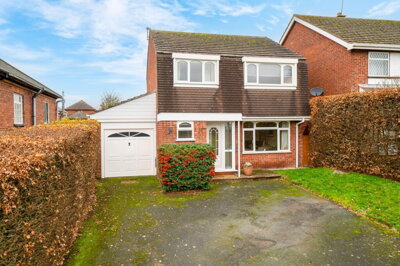
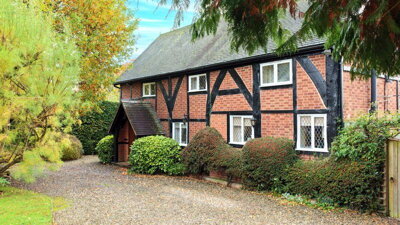
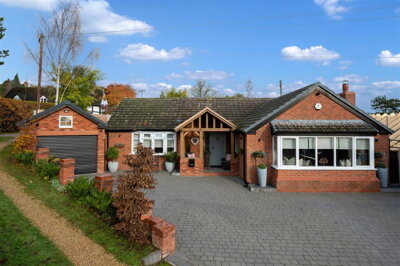
Browse 11 homes for sale in Stockton from local estate agents.
Three bedroom properties represent a significant portion of the Stockton housing market, offering space for families with multiple reception rooms and gardens in many cases. Browse detached, semi-detached, and terraced options ranging from period character homes to contemporary developments.
In the wider Stockton-on-Tees market, homedata.co.uk records an average price of £171,000 for December 2025, up 3.3% year on year. Over the last 12 months there were around 1,100 sales, although transactions were down 9.3%, which points to a market that is still moving without running too hot. Buyers using a mortgage paid an average of £174,000, a handy sign that lending is still reaching a wide spread of homes. That tends to help sellers attract committed buyers, while giving purchasers a little breathing room to compare properly.
Here, property type really does shape the budget. Detached homes averaged £278,000, semi-detached homes £164,000, terraced homes £128,000 and flats £87,000, so there are several clear entry points depending on what you need. Terraced values were up 4.0% over the year, while flats were broadly flat, which keeps smaller homes in the frame for buyers watching monthly outgoings. New-build activity within the exact Stockton, England boundary is harder to pin down, so home.co.uk is the best place to see what is currently available.

Stockton has a practical feel, shaped in no small part by the Tees and the way the town grew around it. Across the wider area you get older terraces, post-war roads and newer estates, and the character can shift quite quickly between neighbouring streets. That suits buyers who want more room than a city centre often gives them, but still want shops, services and commuter routes within easy reach. It is one reason the market draws first-time buyers, upsizers and downsizers all at once.
Day to day, Stockton is more functional than polished, and that will suit some movers better than others. There are green spaces, riverside walks and nearby leisure spots if you like to get outdoors, and the borough's retail and service network means errands usually stay manageable. Because the exact Stockton, England boundary is not always separated neatly in public datasets, we often see buyers compare nearby Stockton-on-Tees neighbourhoods as well, especially for garden size, parking and price. Cast the net slightly wider and the value picture often becomes clearer.
For families, the search usually spreads across the wider Stockton-on-Tees catchment, because school admissions are led by postcode and can vary from one street to the next. There is a mix of primaries, secondaries, academies and faith schools, along with further education at Stockton Riverside College. That gives parents options at different stages, but it also means catchment maps and current Ofsted reports need checking before an offer goes in. A house can look perfect on paper and still miss a preferred intake area by a very small distance.
With children in the mix, we would line up the school search with the property search, not treat it as something to sort out later. A well-priced house can lose its shine quickly if the school run is awkward or a catchment boundary changes after your move date. For older pupils and post-16 study, many families also compare nearby Teesside education routes, because transport can matter just as much as the school itself. In Stockton, the best fit is often the one that balances results, distance and the reality of the weekly routine.

Road links are one of Stockton's stronger points. The A66 and A19 do much of the heavy lifting for commuters across the wider area, and rail users tend to compare Stockton-on-Tees, Eaglescliffe and nearby stations depending on where they need to get to. That makes the area workable for hybrid workers splitting time between home, a local office and larger regional employment centres. Even ordinary trips across the borough are often simpler by car than they would be in a more isolated village setting.
For local journeys, buses do a decent job of connecting town centres, retail parks and neighbouring communities, though evening and Sunday timetables can be less handy. Cycling also makes sense for shorter trips where the route is flatter and traffic is calmer once you move away from the main roads. Parking is worth close attention too, especially on older terraces where driveways are rarer and on central streets where space can be tight. If a car is part of daily life, we would always check the road at the time you expect to get home.
Begin with the exact street, not just the wider town, because prices, parking and school access can shift quickly between nearby roads. We would compare terraces, semis and flats on home.co.uk so the shortlist matches both your budget and your commute.
Before booking too many viewings, get a mortgage agreement in principle in place. It gives you a clear borrowing limit and lets you move fast if the right home comes up.
Pay attention to parking, damp, roof condition and how near the home is to the river or busy roads. We also suggest a second viewing at a different time of day, because traffic, noise and parking problems are often easier to spot then.
It helps to have a local conveyancer involved early. They can check searches, title issues, leasehold paperwork and any conservation or flood points before delays start to build, and that early legal work can save weeks later.
For most conventional homes in Stockton, a RICS Level 2 survey is a sensible starting point. Older properties, or homes that have been altered, may need a more detailed report, especially if you want early warning on damp, roof wear, movement and likely maintenance costs.
Once the mortgage, searches and survey are sorted, the final stretch is about timing. Agree the timeline, exchange contracts and get ready for completion day with removals and utilities arranged, and keep your deposit, insurance and final documents ready so the finish goes more smoothly.
A few checks matter more in Stockton than buyers sometimes expect, particularly on older roads or in homes close to the River Tees. Flood risk belongs on the due diligence list, especially where heavy rain can put surface water drainage under pressure. Older terraces and pre-war houses may also need a closer look at roofs, chimneys, pointing and electrics, which is why the survey fee is often money well spent. If a property has been modernised quickly, ask exactly what was done and who did it.
Across the wider borough, conservation areas and listed buildings are both possibilities, so ask about planning restrictions before assuming you can add an extension, change windows or alter the exterior. Leasehold flats need extra scrutiny too, because service charges, ground rent and reserve funds all feed into the true monthly cost. If the property includes a garage, yard or shared access, check boundaries and maintenance responsibility early, since those points can be awkward to untangle after an offer is accepted. Here as anywhere else, clear title and a careful solicitor matter just as much as the asking price.

Many Stockton buyers end up weighing central streets against nearby suburbs and fringe locations, because each area comes with a different set of trade-offs. Older terraces and more central spots can mean easier access to services, while edge-of-town homes may offer driveways, bigger gardens and newer construction. Norton, Fairfield, Bishopsgarth and the wider Stockton-on-Tees fringe often come into the comparison because they can shift both the budget and the school picture quite noticeably. That side-by-side view is especially useful if you are trying to balance price, parking and commute times.
That is also why postcode-level searching matters more than the town name on its own. A house one road away can fall into a different council tax band, a different catchment or a different flood-risk profile, so nearby homes are not automatically interchangeable. Our listings pages make it easier to compare live properties side by side, then cut the list down by garden size, leasehold status and likely renovation work. For plenty of movers, the best value comes from matching the house type to the street, not simply the postcode.
Stamp duty in Stockton is based on purchase price rather than postcode, and the current 2024-25 thresholds are 0% up to £250,000, 5% from £250,000 to £925,000, 10% from £925,000 to £1.5 million and 12% above that. First-time buyers pay 0% up to £425,000 and 5% from £425,000 to £625,000, with no relief above £625,000. On those figures, a home at the local average of £171,000 would usually sit below the standard SDLT starting point, which is good news for many movers. It leaves a bit more room for surveys, removals and furnishing costs.
There are still other costs to budget for, including mortgage fees, legal work, survey costs and removals. In Stockton, where many buyers look at terraces around £128,000 or flats around £87,000, a large proportion of purchases will not pay SDLT at all, although lender checks and searches still have to be covered. Buying a second home or an investment property changes the tax position, so it is sensible to confirm the numbers before making an offer. We would want the full purchase budget set out with a mortgage broker and conveyancer before committing.
For December 2025, homedata.co.uk records an average house price of £171,000 across the wider Stockton-on-Tees market. That was 3.3% higher than December 2024, which looks more like steady growth than a sudden spike. Mortgage buyers averaged £174,000, while first-time buyers paid £146,000, so there is still a spread of price points in play. Within the exact Stockton, England boundary, though, expect some street-by-street variation.
Council tax is not uniform across Stockton, and the relevant local authority is Stockton-on-Tees Borough Council. The band will depend on the property, its size and the exact address, with older terraces often in lower bands and larger semis and detached homes sometimes higher up. We would check the band on the listing, in council records and again through the solicitor during the purchase. It is one of those figures that is better confirmed early, because it affects the monthly budget from day one.
There is no single school covering every part of Stockton, since catchments are postcode-based and can change from street to street. Families usually compare local primaries, secondaries and academies across the wider borough, along with Stockton Riverside College for post-16 routes. The right choice depends on the address in question, the current admissions map and the latest Ofsted report. For buyers with children, we would run that school search alongside the property search from the outset.
Getting around is generally straightforward. Stockton is served by the A66 and A19, and rail access comes via Stockton-on-Tees and nearby stations depending on the journey, which gives practical links across the Tees Valley and on to larger regional centres for hybrid commuters. Bus routes are useful for daytime local travel, although evening and Sunday services can be thinner. If public transport is important to you, we would test the timetable against work and school routines before going ahead.
For investors, Stockton can appeal because entry prices are still relatively accessible and demand looks steady rather than wildly volatile. homedata.co.uk shows about 1,100 sales in the last 12 months, even with transactions down 9.3%, so the market is still seeing homes change hands. Terraced homes and flats can also keep initial purchase costs lower, which may help support rental demand and resale interest. Even so, any investment call still needs a proper yield calculation, a repair budget and a check on local demand for that exact property type.
At the local average of £171,000, a purchase would usually sit below the standard SDLT threshold, so many buyers would pay no stamp duty at all. First-time buyers pay no SDLT up to £425,000 as well, which covers most lower-priced Stockton homes. Go above the thresholds, or buy an additional property, and the figure can change quickly. We would get the exact bill confirmed by your solicitor or mortgage adviser before exchange of contracts.
The local market is not dominated by one house style, and the price pattern points instead to a broad spread of semis, terraces, detached homes and flats. homedata.co.uk puts semis at an average of £164,000, terraces at £128,000 and flats at £87,000, which makes all 3 relatively accessible options. Detached homes averaged £278,000 and tend to attract buyers after more space, parking and garden size. In practice, the best fit usually depends on budget, appetite for renovation and how close you want to be to local amenities.
Check live listings on home.co.uk, then compare them with sold-price trends on homedata.co.uk. That gives a clearer sense of what each property type is actually worth.
Get a mortgage agreement in principle before arranging viewings. Sellers often respond better when buyers are already prepared.
Look at parking, flood exposure, garden size, the condition of the roof and whether the street works for the commute and school run. Those practical details can matter as much as the house itself.
Once your offer is accepted, instruct a conveyancer and book a survey straight away. That keeps searches, title checks and inspection work moving without unnecessary delay.
Only exchange contracts when the mortgage, legal checks and any survey questions are fully satisfied. After that, plan completion, removals and utilities around the agreed date.
Properties for Sale In London

Properties for Sale In Plymouth

Properties for Sale In Liverpool

Properties for Sale In Glasgow

Properties for Sale In Sheffield

Properties for Sale In Edinburgh

Properties for Sale In Coventry

Properties for Sale In Bradford

Properties for Sale In Manchester

Properties for Sale In Birmingham

Properties for Sale In Bristol

Properties for Sale In Oxford

Properties for Sale In Leicester

Properties for Sale In Newcastle

Properties for Sale In Leeds

Properties for Sale In Southampton

Properties for Sale In Cardiff

Properties for Sale In Nottingham

Properties for Sale In Norwich

Properties for Sale In Brighton

Properties for Sale In Derby

Properties for Sale In Portsmouth

Properties for Sale In Northampton

Properties for Sale In Milton Keynes

Properties for Sale In Bournemouth

Properties for Sale In Bolton

Properties for Sale In Swansea

Properties for Sale In Swindon

Properties for Sale In Peterborough

Properties for Sale In Wolverhampton

Enter your details to see if this property is within your budget.
Loans, cards, car finance
Estimated property budget
Borrowing + deposit
You could borrow between
Typical borrowing
Monthly repayment
Est. at 4.5%
Loan-to-value
This is an estimate only. Your actual budget may vary depending on interest rates, credit history, and personal circumstances. For an accurate affordability assessment, speak to one of our free mortgage advisors.
This calculator provides estimates for illustrative purposes only and does not constitute financial advice. Your home may be repossessed if you do not keep up repayments on your mortgage. Estimates based on 4.5% interest rate, repayment mortgage. Actual rates depend on your circumstances.
Homemove is a trading name of HM Haus Group Ltd (Company No. 13873779, registered in England & Wales). Homemove Mortgages Ltd (Company No. 15947693) is an Appointed Representative of TMG Direct Limited, trading as TMG Mortgage Network, which is authorised and regulated by the Financial Conduct Authority (FRN 786245). Homemove Mortgages Ltd is entered on the FCA Register as an Appointed Representative (FRN 1022429). You can check registrations at NewRegister or by calling 0800 111 6768.

We use cookies to show you personalised content and improve your experience of our website. Find out more in our Privacy policy and Cookie policy.