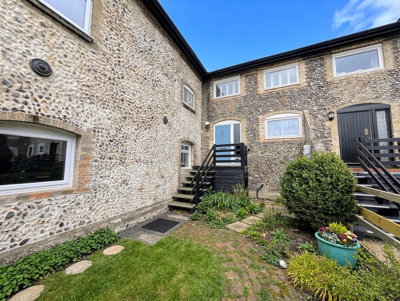
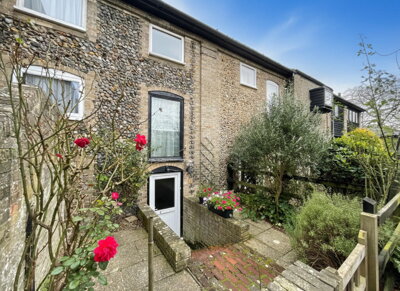
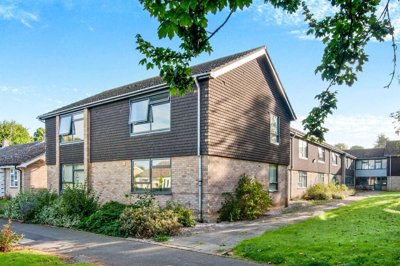
Browse 3 homes for sale in Stanton, West Suffolk from local estate agents.
Studio apartments feature open-plan living spaces without separate bedrooms, incorporating sleeping, living, kitchen, and bathroom facilities. The Stanton studio market includes properties in modern apartment complexes, converted Victorian and Georgian buildings, and purpose-built developments.
£0k
0
0
0
Source: home.co.uk
Showing 0 results for Studio Flats for sale in Stanton, West Suffolk.
Stanton's property market has something for a range of budgets and ways of living. Detached homes sit at the top end, averaging around £653,500, which reflects the extra space and privacy on offer. Semi-detached houses represent strong value at approximately £233,333, while terraced properties start from around £225,000, so they remain within reach for first-time buyers and anyone after a smaller home in the Suffolk countryside.
Prices over the last twelve months have softened a little, with Stanton seeing a 6% correction against the previous year and values now sitting 10% below the 2021 peak of £348,671. For buyers who were pushed out during the sharper rise, that opens a few more doors. The market is still active, with homes coming up regularly and decent deals available on well-kept properties in good village spots.
Most of the housing stock still feels true to Stanton's rural setting, with detached and semi-detached houses making up the bulk of what is here. Flats are rare, which suits families and anyone wanting more room. That scarcity means any flat that does come up can attract a premium, while terraced houses usually provide the most affordable way into village living.
For buyers looking at the longer term, the local market is supported by West Suffolk's relatively steady housing sector and continued demand for rural homes within reach of major employers. Properties in the conservation area often keep their value well, helped by limited supply and the appeal of historic architecture. Through West Suffolk Council, smaller village homes usually sit in tax bands A to D, so holding costs are generally reasonable.

Stanton remains a very Suffolk village, full of historic character and a real sense of community. Much of the centre falls within a conservation area, which helps protect the older buildings that give the place its appeal. Along The Street, Bardwell Road and around St John the Baptist Church, the village's heritage is on show, and the number of listed buildings adds plenty of interest to the streetscape.
Life in Stanton is closely tied to agriculture, small firms and the service jobs that support both the village and the surrounding countryside. Plenty of residents travel out to Bury St Edmunds and Thetford for work, using the village as a base while keeping the quieter pace that comes with rural living. The wider area also ties into the Cambridge-Norwich technology corridor, which brings opportunities in professional and technical roles.
Day to day, Stanton covers the basics well. There are local shops, pubs and places to relax, along with events that bring people together through the year. That social side matters here. Add in the green spaces and countryside walks around the village, and residents have easy access to fresh air and open views just outside the front door.
RAF Honington nearby also feeds into the local economy, bringing jobs and support services that reach beyond the base itself. Farming remains part of the picture too, with agricultural businesses working the land around Stanton and keeping its links to Suffolk's rural past. In practical terms, the pubs and shops do more than trade, they act as meeting points where village life properly happens.

Families moving to Stanton will find schooling available both in the village and in nearby towns. Younger children can access primary provision in the surrounding area, and there are several well-regarded schools within easy reach. It is sensible for parents to check performance data and admission rules for each school, since catchment areas can make a real difference to where a child gets a place.
For older children, the main secondary options are in the nearby market towns, with schools in Bury St Edmunds and the surrounding villages serving a wider area. These schools usually offer a broader choice of GCSE and A-level subjects, specialist facilities and a fuller range of extracurricular activities. Many families stay local through the secondary years, helped by school transport links that connect Stanton with those nearby schools.
Families who want a selective route have access to grammar schools in the wider Suffolk area, where entry depends on the 11-plus examination. Admission policies are not the same everywhere, and competition for places can be intense. Independent schools across the region provide another path for parents who prefer a different style of education. Early registration and careful research into each school's performance, ethos and ease of travel from Stanton is well worth doing.
Our advice to parents moving to Stanton is simple, register with schools as early as you can. Popular primaries can fill fast during busy moving periods. It is also wise to check transport arrangements before you commit to a purchase, especially for secondary-aged children who may need a dedicated bus service into Bury St Edmunds. Being close to Bury St Edmunds gives access to several respected secondary schools, which makes Stanton practical at every stage of family life.

Transport from Stanton gives you a good balance of rural calm and access to the wider region. The village is within easy reach of the A14 trunk road, putting Cambridge to the west and Felixstowe port to the east within straightforward reach. That makes it possible to work in a major employment centre and still come home to the quiet of the village each evening.
Rail connections are available from Bury St Edmunds and Elmswell, both close enough for regular use. From there, residents can reach Cambridge, Ipswich and London Liverpool Street. These services suit commuters in professional roles who want to keep a rural home base. Journeys to Cambridge usually take 40 to 60 minutes by rail, which keeps Stanton workable for people in the technology and research sectors.
Bus services do run in the area, linking Stanton with nearby villages and market towns for anyone who prefers not to drive. Getting to Bury St Edmunds, the nearest sizeable town, is manageable by bus for shopping, appointments and a bit of leisure. For regular commuting, though, a car is still the sensible option because the village is rural and the buses are not especially frequent.
Shorter trips can be done by bike, with quiet lanes linking Stanton to neighbouring villages and local employment sites. Suffolk's fairly flat terrain helps, whatever your fitness level, and the secure bike storage at Bury St Edmunds rail station makes mixed-mode commuting easier. For anyone heading towards Cambridge, cycling to the station and then taking the train is a workable low-carbon routine.

Before you book viewings, it makes sense to get a mortgage agreement in principle from a lender. It shows estate agents and sellers that you are serious, and it sets a clear budget for the Stanton market, where detached homes average £653,500 and terraced properties start around £225,000. A mortgage broker who knows Suffolk well can point you towards the products that suit your circumstances best.
Take a look at current listings on home.co.uk to see what is actually available within your budget. It is worth weighing up how close each street sits to the conservation area, whether a property is listed, and what local amenities are nearby. We also suggest keeping an eye on the market cycle, because rural Suffolk villages can take longer to sell than urban areas.
Speak to local estate agents and arrange viewings for the homes that fit your brief. Visiting the village at different times of day helps you judge the atmosphere, traffic and general feel before you make an offer. Seeing a place in wet weather can be revealing too, especially for drainage, lighting and how the village copes when things are busy.
After your offer is accepted, we recommend booking a RICS Level 2 Survey to check the property's condition. Stanton's geology of chalk and clay means our inspectors will look closely for any signs of subsidence or movement, and older homes may also need attention for damp, timber defects and roof condition. The RICS Level 2 Survey gives a detailed condition report, so you know about defects before you go any further.
Appoint a conveyancing solicitor to deal with the legal side of the purchase. They will carry out searches with West Suffolk Council, check the title and handle the transfer of ownership through to completion. If the property is listed or within the conservation area, extra searches may be needed to pick up planning conditions that affect it.
Once the searches are clear and the mortgage is in place, your solicitor will exchange contracts and agree a completion date. On completion day, the final funds are transferred and you collect the keys to your new Stanton home. Building insurance should be arranged from the moment of contract exchange, so the property is protected straight away.
Traditional building methods are written into the look of Stanton. Suffolk brick, with its warm red or orange tone, is common, alongside flint and rendered finishes that give the village its familiar feel. These materials were sourced locally and reflect what the surrounding countryside could provide.
Older properties in Stanton often rely on timber framing, especially those built before the Victorian era. Many of the historic homes still have oak frames with wattle and daub infill panels, later replaced in some cases by brick nogging as techniques changed. The timber-framed houses along The Street and Bardwell Road show off the skill of earlier builders, with exposed beams and traditional joinery that carry real heritage value.
Across Stanton, roofs usually feature clay tiles or natural slate, both chosen for their resilience in the East Anglian climate. Repairs and replacement work on these coverings calls for specialist knowledge, and buyers should allow for the cost of maintaining heritage roofs. Our surveyors pay close attention here, as worn clay tiles or slate are a common issue in period homes across the region.
Because many Stanton homes are older and built in traditional ways, they do not always match modern construction standards. Sash windows, flagstone floors and period fireplaces bring character, but they may need updating to meet current energy efficiency expectations. The real skill is balancing the preservation of those features with the demands of comfortable modern living.
Architecturally, Stanton is a mix of different periods rather than one single style. There are plenty of pre-1919 properties within the conservation area, many of them built from Suffolk brick, flint and render. These period homes often keep original timber beams, fireplaces and sash windows, which add charm but can also mean regular maintenance and some modernisation are part of the deal.
The chalk and clay geology around Stanton brings a few specific issues for buyers. Boulder clay has a moderate to high shrink-swell potential, so homes with shallow foundations can be affected during long dry spells or prolonged wet weather. Our inspectors check foundations, walls and floors for movement or cracking that could point to subsidence linked to the clay soil, and properties with large trees close by are especially vulnerable because roots draw moisture from the ground.
Many homes here are listed buildings or sit within the conservation area, which gives the village much of its appeal but also adds responsibilities. Listed building consent can be needed for alterations, and planning restrictions are in place to protect the character of the area. Buyers should factor in possible extra costs if they are purchasing a listed property, since specialist contractors and materials may be needed for repairs or improvements. Our surveyors regularly assess listed buildings and can point out work that may need consent before it starts.
Surface water flooding can affect parts of Stanton during heavy rainfall, particularly low-lying spots or areas near minor watercourses. We advise buyers to check the Environment Agency flood risk maps and raise any concerns during the survey. Homes in the higher parts of the village usually carry less flood risk, and insurance should be arranged accordingly once the purchase is confirmed. Our inspectors look at drainage around the property and flag any signs of earlier flooding or water ingress.
In Stanton properties, the defects we see most often are damp in period homes with original damp-proof courses, roof wear affecting clay tiles and leadwork, and timber problems such as wet rot and woodworm in older structures. Wiring and plumbing in homes built before 1960s may also need full replacement to meet current standards. Our detailed condition reports pick up these issues and give buyers the information they need to negotiate repairs or price changes before completion.

homedata.co.uk shows the average house price in Stanton at £348,671, based on recent sales data. Detached homes average around £653,500, semi-detached houses approximately £233,333, and terraced properties start from around £225,000. Over the past twelve months, prices have fallen by 6% and now sit 10% below the 2021 peak of £348,671, which creates some opportunity for buyers in this Suffolk village. Compared with similar rural homes nearer Cambridge, the village still looks good value.
West Suffolk Council is the local authority for properties in Stanton. Council tax bands depend on the valuation band assigned by the Valuation Office Agency, and those bands run from A to H. Smaller homes in the village usually fall between A and D. Anyone thinking of buying should check the exact band on the property in question, because that will affect the ongoing cost of owning the home. Current West Suffolk Council tax rates can be checked through the local authority website or the listing details.
For younger children, there are several primary schools within a short drive of Stanton, giving families a decent choice. Secondary education is available in Bury St Edmunds and other nearby towns, with GCSE and A-level programmes on offer. The wider Suffolk area also gives access to selective grammar schools for families who want that route. It is sensible to check Ofsted ratings and admission policies school by school, so the fit matches your child's needs and your circumstances.
Public transport is fairly limited in Stanton, with local bus services linking the village to nearby areas and Bury St Edmunds for essential journeys. Rail can be picked up from Bury St Edmunds and Elmswell, with direct trains to Cambridge, Ipswich and London Liverpool Street. For everyday commuting, a car is the practical choice because of the rural setting, although the A14 does give good road access to Cambridge, Felixstowe and the wider region. Cycle routes to nearby stations give people another way to travel if they would rather not drive.
Stanton has clear potential for property investment because of its Suffolk setting, historic character and links to larger employment centres. The village benefits from a stable local community, conservation area protection that supports values, and house prices that remain reasonable after recent market changes. There may be rental demand from people working in Bury St Edmunds or commuting to Cambridge, although each investment still needs to be judged on its own circumstances and the wider market. Properties within the conservation area, and those with notable heritage features, often hold value well because supply is limited and demand stays strong.
For a standard residential purchase, stamp duty land tax is charged at 0% on the first £250,000 of the purchase price, 5% on the slice from £250,001 to £925,000, 10% up to £1.5 million and 12% above that. First-time buyers can get relief on the first £425,000, then pay 5% between £425,001 and £625,000, with no relief above that level. With the village average price sitting at £348,671, most buyers will fall into the lower bands. At average prices, first-time buyers may pay no stamp duty at all because of the relief threshold.
From 3.5%
Get competitive mortgage deals for your Stanton purchase
From £499
Expert conveyancing solicitors for your Stanton property
From £400
Comprehensive property surveys in Stanton
From £60
Energy performance certificates for Stanton properties
Getting the full purchase cost clear at the start makes it much easier to budget for a move to Stanton. Alongside the price itself, buyers need to allow for stamp duty land tax, solicitor fees, survey costs and a few other expenses. With the average property price in Stanton at £348,671, most people buying at that level would pay stamp duty on the amount above £250,000. Planning for those extra costs from day one helps avoid awkward surprises later in the transaction.
On a property bought at the current average price of £348,671 by a buyer who is not a first-time buyer, stamp duty would be worked out as 5% on £98,671, which comes to £4,934 (rounded). First-time buyers at this price may get relief on the first £425,000, which could bring their stamp duty bill down to zero. Homes priced above £625,000 do not qualify for first-time buyer relief, so standard rates apply instead. The government provides online calculators to help estimate stamp duty from the purchase price and buyer status.
It is also wise to budget for mortgage arrangement fees, which usually range from £500 to £2,000 depending on the lender and the product chosen. RICS Level 2 Survey fees in the Stanton area generally fall between £400 and £900, depending on the size, age and complexity of the property. Listed buildings can cost more to survey because they need specialist knowledge and a more detailed look. Conveyancing fees often begin at around £499 for straightforward purchases, and they rise for more complex matters such as listed buildings or properties with title issues.
Survey fees in Stanton vary with the type and age of the property, so larger detached homes tend to cost more to inspect than terraced houses. If a home needs a closer look, perhaps because there are visible structural concerns or major alterations, extra charges may apply. Our team can give a specific quote based on the property details, so you know the full survey cost before you book. Building insurance should be in place from contract exchange, and mortgage valuation fees may also be charged depending on the lender's requirements.

Properties for Sale In London

Properties for Sale In Plymouth

Properties for Sale In Liverpool

Properties for Sale In Glasgow

Properties for Sale In Sheffield

Properties for Sale In Edinburgh

Properties for Sale In Coventry

Properties for Sale In Bradford

Properties for Sale In Manchester

Properties for Sale In Birmingham

Properties for Sale In Bristol

Properties for Sale In Oxford

Properties for Sale In Leicester

Properties for Sale In Newcastle

Properties for Sale In Leeds

Properties for Sale In Southampton

Properties for Sale In Cardiff

Properties for Sale In Nottingham

Properties for Sale In Norwich

Properties for Sale In Brighton

Properties for Sale In Derby

Properties for Sale In Portsmouth

Properties for Sale In Northampton

Properties for Sale In Milton Keynes

Properties for Sale In Bournemouth

Properties for Sale In Bolton

Properties for Sale In Swansea

Properties for Sale In Swindon

Properties for Sale In Peterborough

Properties for Sale In Wolverhampton

Enter your details to see if this property is within your budget.
Loans, cards, car finance
Estimated property budget
Borrowing + deposit
You could borrow between
Typical borrowing
Monthly repayment
Est. at 4.5%
Loan-to-value
This is an estimate only. Your actual budget may vary depending on interest rates, credit history, and personal circumstances. For an accurate affordability assessment, speak to one of our free mortgage advisors.
This calculator provides estimates for illustrative purposes only and does not constitute financial advice. Your home may be repossessed if you do not keep up repayments on your mortgage. Estimates based on 4.5% interest rate, repayment mortgage. Actual rates depend on your circumstances.
Homemove is a trading name of HM Haus Group Ltd (Company No. 13873779, registered in England & Wales). Homemove Mortgages Ltd (Company No. 15947693) is an Appointed Representative of TMG Direct Limited, trading as TMG Mortgage Network, which is authorised and regulated by the Financial Conduct Authority (FRN 786245). Homemove Mortgages Ltd is entered on the FCA Register as an Appointed Representative (FRN 1022429). You can check registrations at NewRegister or by calling 0800 111 6768.

We use cookies to show you personalised content and improve your experience of our website. Find out more in our Privacy policy and Cookie policy.