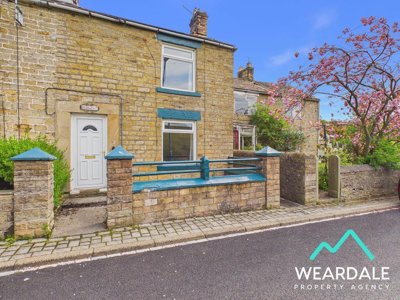
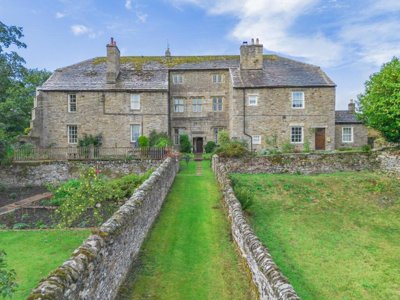
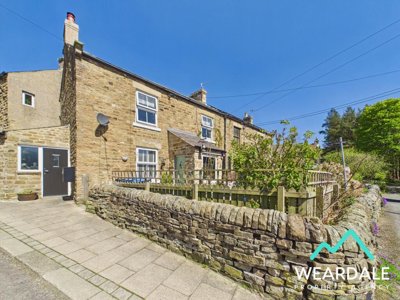
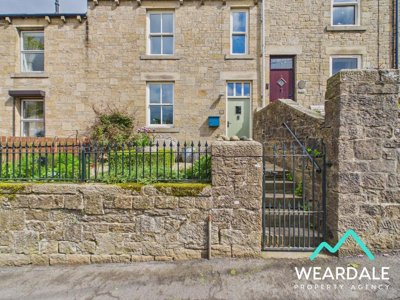
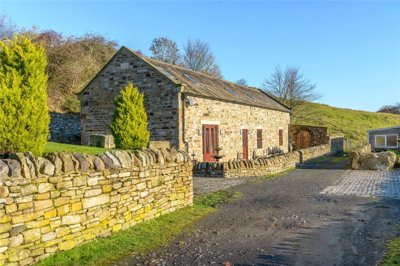
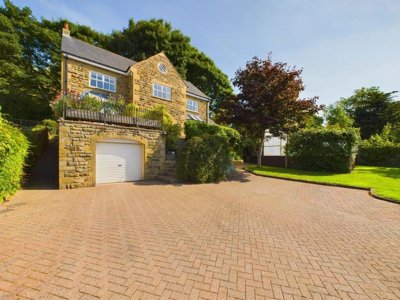
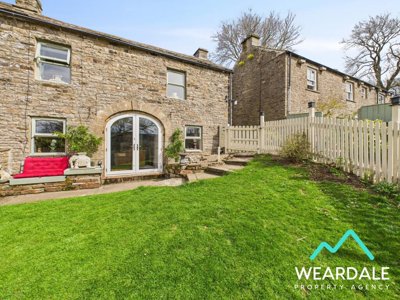
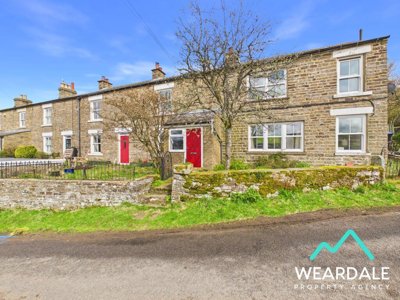
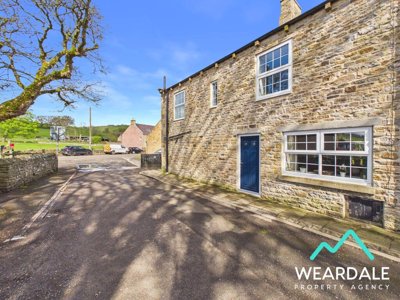
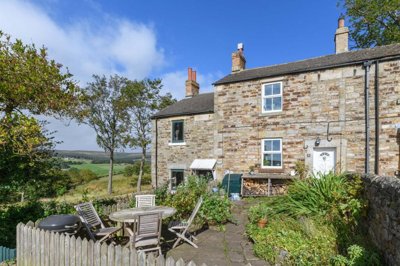
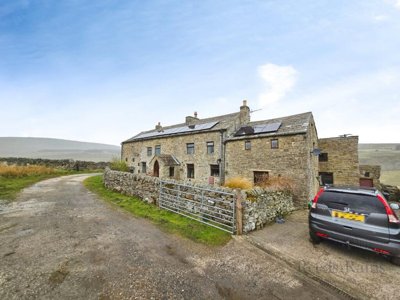
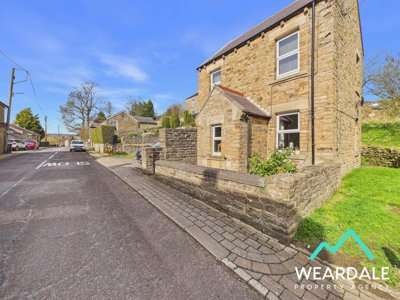
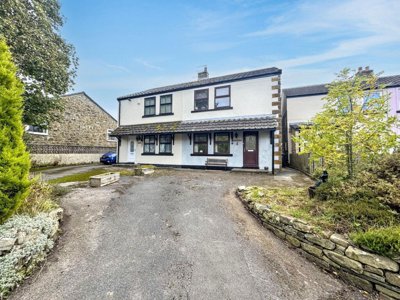
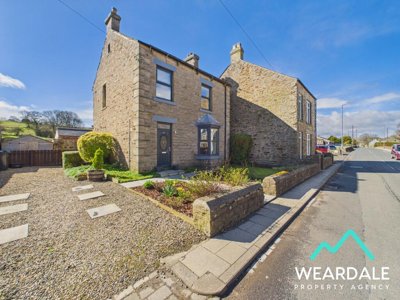
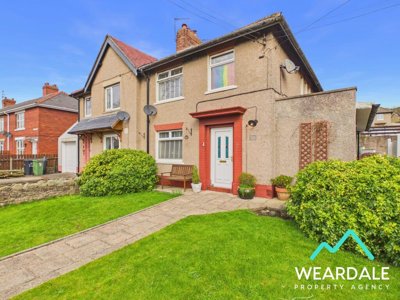
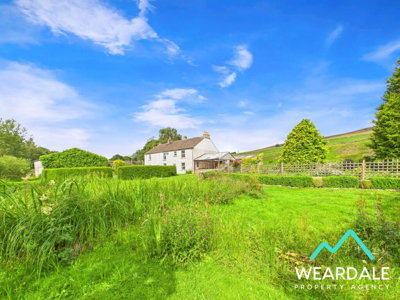
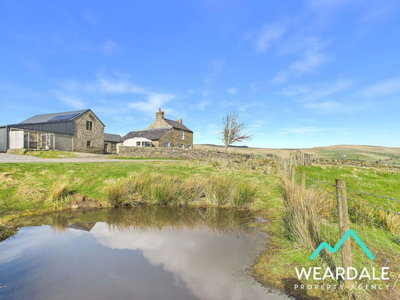
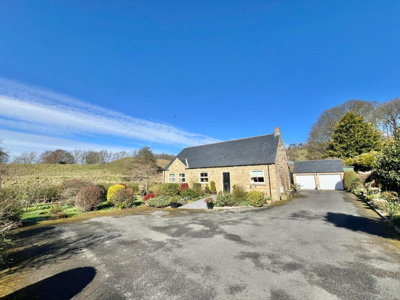
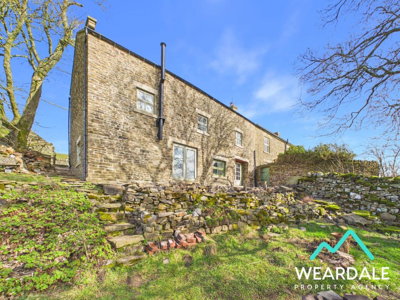
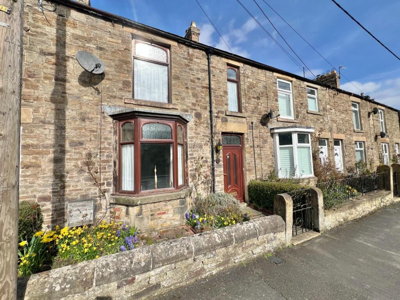
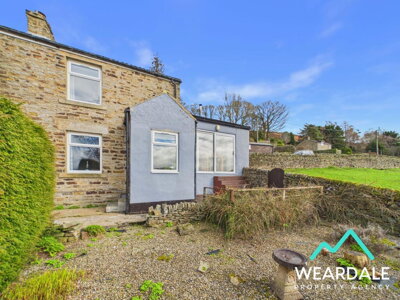
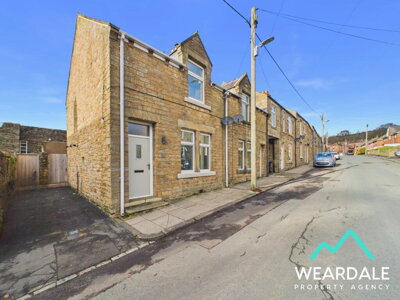
Browse 85 homes for sale in Stanhope, County Durham from local estate agents.
£250k
62
5
161
Source: home.co.uk
Source: home.co.uk
Detached
17 listings
Avg £486,853
Terraced
15 listings
Avg £199,800
Semi-Detached
9 listings
Avg £222,772
Detached Bungalow
5 listings
Avg £307,000
End of Terrace
4 listings
Avg £221,250
Cottage
3 listings
Avg £284,983
Barn Conversion
1 listings
Avg £250,000
Country House
1 listings
Avg £1.25M
Farm House
1 listings
Avg £650,000
Garages
1 listings
Avg £15,000
Source: home.co.uk
Source: home.co.uk
Stanhope’s property market is catching buyers’ attention for the value it still offers in rural County Durham. The average house price is £285,169, and homedata.co.uk records sold prices averaging £285,169 over the past twelve months. Prices are roughly 24% down on the previous year and 12% below the 2023 peak of £285,169, so there is room for shrewd buyers to pick up homes at sharper levels. That correction sits alongside wider national patterns, yet the fundamentals in the area remain solid. County Durham as a whole saw approximately 12,600 property sales between January and December 2025, which points to steady regional activity.
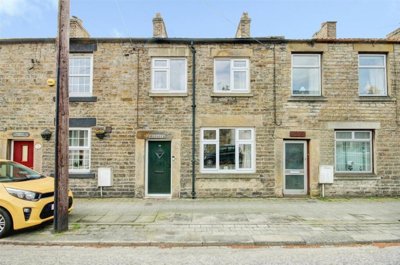
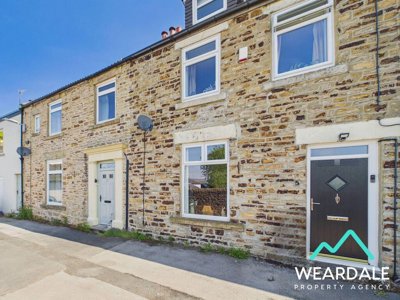
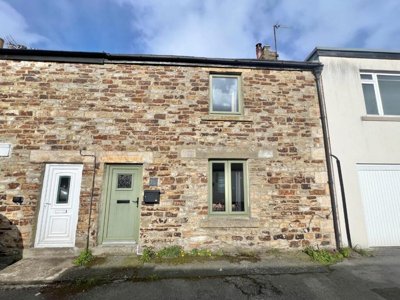
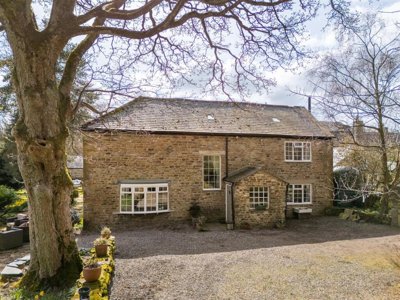
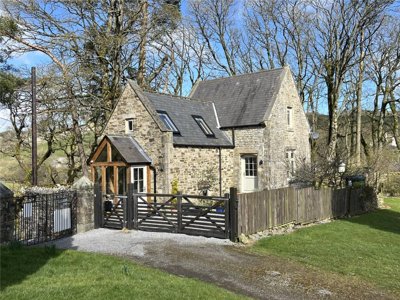
Different property types in Stanhope suit different kinds of buyer. Terraced homes usually come in at around £161,057, which makes them a practical choice for first-time buyers or anyone wanting a smaller footprint. Semi-detached houses average approximately £215,905 and give families more breathing space. Detached homes reach around £438,500, with bigger gardens and rural outlooks often part of the package. There is also a strong stock of older housing, from traditional stone cottages to farmhouses that define the Weardale landscape, and many date back to the 18th and 19th centuries, when lead mining and agriculture drove the local economy.
We found no active new-build developments in the Stanhope postcode area, so most buyers will be looking at character homes with established gardens and mature surroundings. With limited new supply and a steady flow of demand from people after a rural lifestyle, long-term values are well supported. First-time buyers and investors should also note that the market gives room for negotiation, especially on homes that have lingered for a while. Properties near the village centre, particularly along Front Street and the Market Place, tend to draw strong interest because they offer easy access to local amenities.
Investment buyers in Stanhope need to keep in mind that the rental market is modest beside urban areas. Traditional stone cottages can attract a premium because of their character, while family homes close to the local school appeal to tenants looking for long-term lets. Holiday lets are possible too, helped by the area’s tourism appeal, although planning permission rules and seasonal occupancy patterns have to be weighed up. Our listings cover a wide spread of price points, so there are options to suit different budgets and investment plans.

Stanhope offers a quality of life that many people leave the city for, with rural calm and a surprisingly full set of local amenities. The village acts as a minor tourism hub within Weardale, drawing visitors for the scenery, historic buildings, and easy access to open countryside. Everyday facilities include a convenience store, traditional public houses serving locally sourced food, a pharmacy, and several independent shops that give the centre its own feel. Throughout the year there are community events, from agricultural shows to seasonal markets, and they help sustain the strong social fabric of this part of County Durham. The Tuesday market in the village square has served the community for generations, and it still brings together fresh local produce, crafts, and household goods.
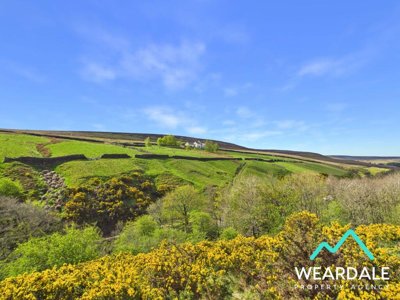
The Weardale setting around Stanhope gives daily life a striking backdrop. The River Wear runs through the village and the North Pennines AONB lies to the west. Residents have direct access to public footpaths, bridalways, and cycling routes that cross moorland, woodland, and farmland. Walkers tackling the Pennine Way and cyclists exploring the terrain are especially well served here. For anyone who wants natural beauty and outdoor recreation close at hand, Stanhope works well as a permanent home or a weekend retreat. The Grade II* listed medieval manor house in the village reflects the area’s historical importance, and it has stood as a residence for centuries of local families, now one of the most significant heritage buildings in the Weardale valley.
Stanhope’s population mix reflects its appeal to families and retirees who want a quieter pace without losing all connection to work and services. The community includes professionals commuting to nearby towns, retirees enjoying scenic surroundings, and families bringing up children in a safe, supportive setting. Agriculture, lead mining, and limestone quarrying shaped the local economy for years, and traces of that past remain in converted farm buildings and restored mining structures across the valley. Remote working has made it easier for more residents to enjoy rural living while staying professionally connected. Superfast broadband is available in the village centre, although speeds can vary in the more remote homes on the outskirts.
Healthcare in Stanhope is fairly straightforward for a rural village, with a local GP surgery and pharmacy covering everyday needs. For more specialist treatment, hospital services are reachable in Bishop Auckland and Durham City. The village hall runs a good spread of groups and activities during the year, from yoga classes to historical society meetings, which helps people of different ages stay connected. Local pubs also put on live music and community events, keeping alive the village atmosphere that sets Stanhope apart from many County Durham settlements. Taken together, the natural setting, community spirit, and practical facilities make this a place where many residents settle for the long term.

Education in Stanhope is anchored by established primary school provision in the village and nearby Weardale communities. Children usually attend the local primary school in Stanhope, then move on to secondary education in neighbouring towns, with school transport services helping the journey. Class sizes are often smaller than in urban schools, which means teachers can give more individual attention and children can build solid foundations. Parents thinking about a move should check the current catchment arrangements with Durham County Council, because these can affect school placement. Having primary provision in the village itself also means many families can walk children to school rather than facing a long car journey.
For secondary education, Stanhope residents usually look to Bishop Auckland and Crook, both within a sensible commuting distance. Those schools offer a mix of GCSE and A-level subjects, and some have specialist options and extra-curricular programmes. Families placing a high value on academic performance may also consider grammar schools in nearby Durham City for able pupils who pass the entrance tests. Older students can choose from further education colleges in Durham and Darlington, while apprenticeship routes across the region provide practical career paths. Daily school transport does run to secondary schools, although it is common for journeys to take 30-45 minutes each way for those travelling to nearby towns.
Early years provision is well covered in the Stanhope area, with nursery and preschool places giving working parents essential childcare support. Because the village is rural, families often need to plan transport carefully, especially once children reach secondary school age and daily travel becomes part of the routine. Buyers with school-age children should look closely at current performance data, Ofsted inspection reports, and admission policies for any schools they are considering, since these can have a real bearing on relocation decisions and property values in particular neighbourhoods. Stanhope’s closeness to Durham City also gives families the option of the grammar school route, provided they are willing to go through the entrance process, and some pupils do travel into the historic county town for selective education.

Getting in and out of Stanhope combines rural quiet with workable access to regional centres and the national rail network. The village sits on the A689, which links Weardale to the wider County Durham road system and gives access towards Bishop Auckland, Durham City, and the A68 corridor heading north. By car, Durham City is usually around 45 minutes away in normal traffic, while Chester-le-Street gives access to the A1(M) and onward links to Newcastle, Sunderland, and the broader North East economic area. Car ownership is close to essential here, simply because public transport is limited and amenities are spread across the Weardale valley.
Bus and rail connections from Stanhope are much less frequent than urban services, so journeys need a bit of planning. The nearest railway stations with regular trains are in Bishop Auckland and Durham, with routes to Newcastle, York, Leeds, and London King's Cross. From Durham station, London normally takes around two and a half to three hours, which keeps Stanhope feasible for people who commute only occasionally and work from home for several days a week. Stagecoach buses do serve Weardale, though timetables should be checked carefully because rural services can be cut back or withdrawn, especially in the evenings and at weekends.
Cycling around Stanhope is becoming more popular, both for leisure and for commuting on mixed routes, and the Durham Dales now draws more riders every year. The C2C coastal-to-coast route runs through the region, which brings extra cycling trade to local businesses in the warmer months and strengthens Stanhope’s appeal to outdoor enthusiasts. Electric vehicle ownership is also growing across rural areas, and home charging points are increasingly seen as a must-have by buyers looking to travel more sustainably. Parking is usually fine, with most homes offering off-street space and village car parks available for visitors or residents without private parking. The A689 remains the main cycling route through the valley, though more adventurous riders make use of the minor roads and bridleways that criss-cross the surrounding moorland.

Take a look at current property listings in Stanhope and the surrounding Weardale villages to get a feel for what is available, the price points, and the market as it stands. It also helps to compare homes across several estate agents and set up alerts for new listings that fit your search. The village market tends to move more slowly than an urban one, so patience often pays off with stronger choices and better room to negotiate.
We always suggest spending time in Stanhope at different times of day and on different days of the week, so you can judge the atmosphere, check the local amenities, and test the commute to work. Talking to people who already live there can give a much more honest picture of everyday life in the village and the surrounding countryside. The Tuesday market is a useful place to do that, because it gives a real sense of the community and a good chance to meet residents.
Before putting in an offer, speak to lenders or mortgage brokers and get an agreement in principle. It strengthens your position as a serious buyer and gives a clearer picture of your real budget, including extra costs such as Stamp Duty, solicitor fees, and survey costs. Local mortgage brokers who know the Stanhope market can also point you towards products that suit rural properties.
Arrange viewings for any properties that fit your brief, and make notes on condition, features, and anything that gives cause for concern. We also recommend asking estate agents about the property history, previous owners, and any planning permissions or permissions granted for changes or extensions. With older stone-built homes, questions about previous renovation work and maintenance history matter even more.
Commissioning a RICS Level 2 Survey is a sensible step before you complete the purchase. In Stanhope, where many homes are older, this survey is especially useful for spotting damp, structural issues, or timber defects that are common in historic stone-built properties. Survey costs usually sit between £455 and £639, depending on property value and complexity, with higher-value homes generally attracting higher fees.
The legal side of the purchase will be handled by a conveyancing solicitor, who takes care of searches, contract review, and registration of ownership. On completion day, your solicitor also coordinates with the seller’s representatives and manages the transfer of funds. It is worth choosing someone who understands rural property, especially the issues that can affect homes in former mining areas and conservation zones.
Buying in Stanhope means thinking carefully about the particular quirks of rural property and the local housing stock. The village’s historic homes, including traditional stone cottages and farmhouses, often use methods and materials that differ from modern construction. Thick walls that exceed current standards, solid rather than cavity wall build, and traditional timber framing are all common, and buyers should recognise them for what they are rather than read them as defects. These features can create thermal efficiency challenges in older homes, although double glazing, insulation upgrades, and efficient heating systems can improve comfort. Properties built with lime-based mortars tend to age better over time than those where cement-based products have been used inappropriately, which is a familiar issue in historic buildings that have had partial renovation work.
The mining history of wider County Durham also brings a few points buyers should keep in mind, especially around ground stability and subsidence risk. Homes in former mining areas may have experienced ground movement over time, although a detailed structural survey can highlight concerns that need attention. Our inspectors look closely at movement, cracking patterns, and how doors and windows operate when surveying properties in villages like Stanhope, where the mining legacy can affect ground conditions. Buyers should also check local authority planning records and environmental searches for past mining activity, mine shaft locations, or ground instability designations. Homes on the edge of the village, or with larger gardens, may need extra scrutiny for boundaries, access rights, and any flooding risk from nearby watercourses including the River Wear.
Listed buildings and homes within conservation areas in Stanhope come with planning restrictions that affect permitted development rights and renovation choices. The Grade II* listed medieval manor house is a good reminder of the heritage significance present in the village, and buyers should be aware that listed building consent may be needed for changes that would not otherwise require permission. Conservation area status can also limit external alterations if the aim is to protect the village’s character, which may affect extensions, outbuildings, and exterior finishes. For any flat or leasehold purchase, service charges, ground rent arrangements, and lease terms need to be checked carefully, since they can change affordability quite a lot. Unusual tenure arrangements may call for specialist legal advice rather than standard conveyancing alone.
Energy efficiency is a key issue when buying period property in Stanhope. Many stone cottages were built before modern insulation standards and have solid walls that cannot be treated with conventional cavity wall methods. We usually recommend asking for an EPC assessment before purchase, so the current energy performance is clear and the most cost-effective improvements can be identified. Homes with solid fuel or oil heating can cost more to run than those on mains gas, where that is available. Even so, heat pumps and better insulation can make a big difference in well-renovated period homes, and older properties can become much more competitive with modern ones on ongoing running costs.
According to home.co.uk listings data, the average property price in Stanhope currently sits at approximately £285,169, and homedata.co.uk reports sold prices averaging £285,169 over the past twelve months. Prices differ quite a bit by type, with terraced properties around £161,057, semi-detached homes at approximately £215,905, and detached properties reaching around £438,500. Recent trends put prices approximately 24% lower than the previous year and 12% below the 2023 peak of £285,169, which creates opportunities for buyers in the present market. That correction makes Stanhope especially appealing for anyone looking for countryside property at more accessible prices than national averages.
For council tax, properties in Stanhope sit under Durham County Council. Bands in the village run from Band A on lower-value homes through to Band D and above on higher-value properties, with the exact band linked to the property’s assessed value. Most traditional stone cottages and smaller terraced homes usually fall into Bands A or B, while larger semi-detached and detached family homes are often in Bands C or D. Buyers should check the exact council tax band for any home they are thinking about, because it affects ongoing annual costs. Durham County Council has online band-checking tools and can advise on the current rates for each band.
Stanhope provides primary education through local village schools that serve the immediate community, and children usually move on to secondary schools in nearby towns such as Bishop Auckland and Crook. Parents should look at individual school performance data and Ofsted inspection reports to find the best fit for their children. Grammar schools in Durham City are another option for academically able students, with regular transport available from Stanhope. Further education colleges in Durham and Darlington offer strong routes for older students, while apprenticeship opportunities in the region provide practical career paths. Before committing to a purchase, school transport arrangements should be checked with Durham County Council, particularly if a family has preferences outside its immediate catchment area.
Public transport from Stanhope is limited compared with urban areas. Bus services along the Weardale routes run less often, usually every one to two hours on weekdays and with even more limited weekend services. The nearest railway stations with regular trains are in Bishop Auckland and Durham, giving access to Newcastle, York, and London. From Durham to London King's Cross, the train journey takes around two and a half to three hours. Anyone without a private car should think carefully about those limits before moving to Stanhope, since daily commuting for work or essential trips takes planning and may narrow employment choices to roles that allow remote or flexible working.
There is genuine investment potential in Stanhope, helped by attractive pricing compared with regional averages and steady demand for rural homes in the Durham Dales. The village’s character, scenic setting, and position within the North Pennines AONB keep it appealing to buyers and tenants after countryside living. Rental opportunities can include traditional cottages suited to remote-working professionals, holiday lets linked to tourism and Pennine Way walkers, and family homes that work for longer-term tenancies. Even so, investors need to work through yields with care, taking account of limited local employment, transport constraints, and the seasonal swings that affect holiday let occupancy rates. The absence of new-build supply also helps protect the value of existing homes from competition from fresh development.
Stamp Duty Land Tax for residential purchases in England is 0% on the first £250,000 of the price, 5% on the portion between £250,001 and £925,000, 10% on the portion between £925,001 and £1,500,000, and 12% on any amount above £1,500,000. First-time buyers get relief on the first £425,000, with 5% charged on the portion between £425,001 and £625,000. Since average property prices in Stanhope sit below £250,000, many buyers at average levels would pay no Stamp Duty at all, which is a substantial saving compared with buying in more expensive parts of the country. Buyers at the higher end should work out their own liability based on the purchase price and buyer status.
From 4.5% APR
Expert mortgage advice tailored to your Stanhope property purchase
From £499
Professional legal services for your Stanhope property transaction
From £455
Thorough condition survey for your Stanhope property
From £85
Energy performance certificate for your Stanhope property
Getting to grips with the full cost of buying in Stanhope helps with budgeting and cuts down the risk of unwelcome surprises during the transaction. For most buyers, the biggest upfront expense is Stamp Duty Land Tax, which applies to purchases above £250,000 at standard rates. On a property priced at the Stanhope average of £285,169, first-time buyers and other purchasers would normally pay no Stamp Duty on the first £250,000. At higher prices, the liability changes, and a £300,000 property would attract £2,500 in Stamp Duty at current rates. The government website has Stamp Duty calculators that use the current rates and any reliefs that apply, so it is easy to estimate the amount before making an offer.
There are also the added buying costs, which include solicitor fees for conveyancing, usually somewhere between £500 and £1,500 depending on complexity and property value. Survey costs should be set aside too, at about £455 to £639 for a RICS Level 2 Survey, although more complex or higher-value properties can cost more. In Stanhope, where many homes are older, a thorough survey is particularly valuable for spotting problems that might not show up during viewings. Electronic searches with local authorities and water companies, Land Registry fees, and bank transfer charges add smaller legal costs on top. Mortgage arrangement fees, valuation fees, and broker charges may also apply depending on the lender and product, so they need to be built into the budget from the start.
Moving home brings its own set of costs, from removal firms and packing services to temporary storage if it is needed. We always advise putting aside a contingency fund of at least 5% of the purchase price above your mortgage amount, to cover unexpected bills, possible renegotiations after a survey, and the many smaller costs that build up during the buying process. First-time buyers should also allow for home contents insurance, utility connection fees, and furnishing costs for empty homes. Careful financial planning makes the move into a new Stanhope property far smoother, leaving you free to settle in rather than worry about surprise expenses. Our team can put together detailed cost breakdowns based on your property price and circumstances, so you can plan the purchase with confidence.

Properties for Sale In London

Properties for Sale In Plymouth

Properties for Sale In Liverpool

Properties for Sale In Glasgow

Properties for Sale In Sheffield

Properties for Sale In Edinburgh

Properties for Sale In Coventry

Properties for Sale In Bradford

Properties for Sale In Manchester

Properties for Sale In Birmingham

Properties for Sale In Bristol

Properties for Sale In Oxford

Properties for Sale In Leicester

Properties for Sale In Newcastle

Properties for Sale In Leeds

Properties for Sale In Southampton

Properties for Sale In Cardiff

Properties for Sale In Nottingham

Properties for Sale In Norwich

Properties for Sale In Brighton

Properties for Sale In Derby

Properties for Sale In Portsmouth

Properties for Sale In Northampton

Properties for Sale In Milton Keynes

Properties for Sale In Bournemouth

Properties for Sale In Bolton

Properties for Sale In Swansea

Properties for Sale In Swindon

Properties for Sale In Peterborough

Properties for Sale In Wolverhampton

Enter your details to see if this property is within your budget.
Loans, cards, car finance
Estimated property budget
Borrowing + deposit
You could borrow between
Typical borrowing
Monthly repayment
Est. at 4.5%
Loan-to-value
This is an estimate only. Your actual budget may vary depending on interest rates, credit history, and personal circumstances. For an accurate affordability assessment, speak to one of our free mortgage advisors.
This calculator provides estimates for illustrative purposes only and does not constitute financial advice. Your home may be repossessed if you do not keep up repayments on your mortgage. Estimates based on 4.5% interest rate, repayment mortgage. Actual rates depend on your circumstances.
Homemove is a trading name of HM Haus Group Ltd (Company No. 13873779, registered in England & Wales). Homemove Mortgages Ltd (Company No. 15947693) is an Appointed Representative of TMG Direct Limited, trading as TMG Mortgage Network, which is authorised and regulated by the Financial Conduct Authority (FRN 786245). Homemove Mortgages Ltd is entered on the FCA Register as an Appointed Representative (FRN 1022429). You can check registrations at NewRegister or by calling 0800 111 6768.

We use cookies to show you personalised content and improve your experience of our website. Find out more in our Privacy policy and Cookie policy.