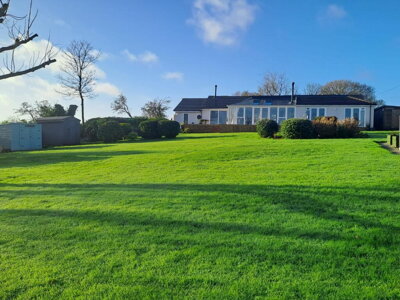
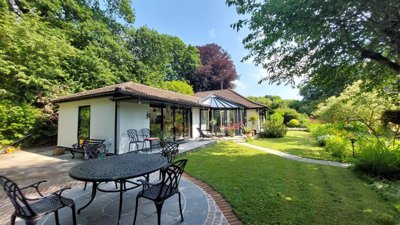
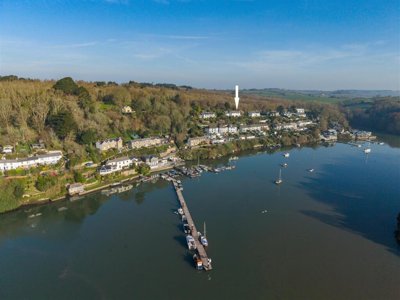
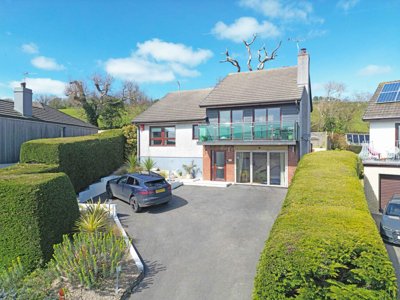
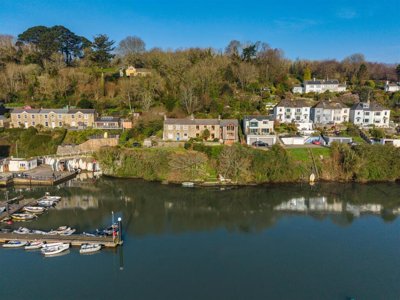
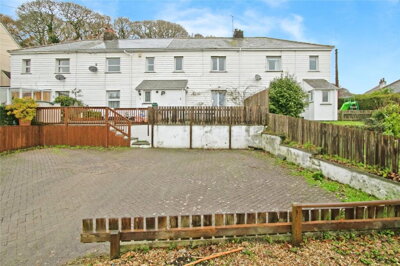
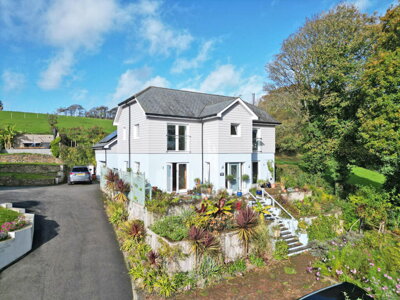
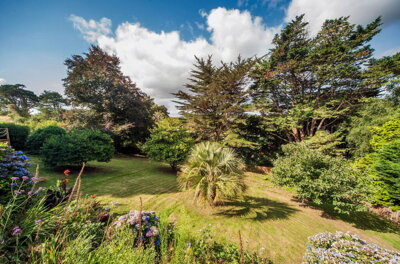
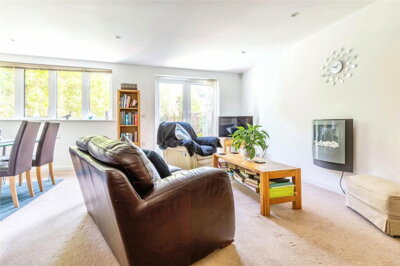
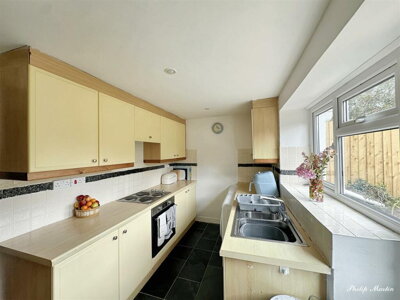
Browse 11 homes for sale in St. Michael Penkevil from local estate agents.
Michael Penkevil from local agents. The larger property sector typically features multiple bathrooms, substantial reception space, and private gardens or off-street parking. Four bedroom houses in St. Michael Penkevil span detached, semi-detached, and occasionally terraced configurations, with styles ranging from period properties to modern executive homes.
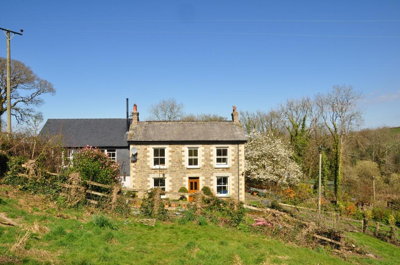
In St Michael Penkevil, the market gives buyers a rare chance to buy in one of Cornwall's most desirable rural parishes. Our listings include traditional stone cottages dating from the C18th century, often with the kind of details that matter, painted slatestone rubble walls and steep-pitched Delabole slate roofs. Historic homes make up a sizeable share of what is available, which suits buyers who want period character without losing the sense of calm. Tregothnan, with its medieval origins, sits close by and lends the parish an added sense of prestige, which in turn shapes values across the area.
From modest end-terrace and mid-terrace cottages to substantial detached family homes, the parish offers a wide spread of property types. Numbers 16 and 17 St Michael Penkivel show the local building tradition well, with painted slatestone rubble, rendered cob and those familiar steep-pitched Delabole slate roofs. New build options are almost non-existent within the parish, although the occasional detached home with four or five bedrooms and contemporary open-plan living does appear through agents such as Savills. With no major housing schemes, the village keeps its character intact, but it also means homes come to market infrequently and good ones tend to draw strong interest.
Because there is such a concentration of listed buildings, many properties in St Michael Penkevil fall within, or close to, conservation area considerations, and planning controls can affect alterations and extensions. The Tregothnan estate uses distinctive Newham stone from Truro and Pentewan stone from local quarries, both of which feature widely in the parish's older buildings. Buyers should set aside money for specialist surveys and heritage compliance costs when purchasing period homes here, since those checks are part of owning property in a parish with this level of architectural significance.
Local construction methods are a good guide to both the charm and the upkeep of homes in St Michael Penkevil. The parish's geology and long-established building practice are written into the materials themselves. Killas stone, a form of slate found in the surrounding hills, forms the structure of many historic properties, while Pentewan stone was used for facings and finer detail where a more polished finish was wanted. The Church of St Michael is a clear example, built of killas stone with Pentewan stone facings that speak to the skill available through local quarries.
On the roofs, Delabole slate appears again and again. Quarried from one of Cornwall's best-known sources, this purple-grey slate has covered Cornish buildings for centuries and is still the preferred choice for period homes in the parish. Some properties, especially agricultural buildings and a number of cottages, also have rendered cob walls, and those need a different approach to maintenance than stone. At Tregothnan, freestone ashlar shows the estate's changing tastes, with Newham stone, or Truro porphyry, used in the earlier work and Pentewan limestone in later additions, a neat record of how local materials shifted through the Georgian and Victorian periods.
Older housing stock here is mostly solid wall construction, built long before cavity wall insulation became standard in the mid-20th century. That means ventilation and moisture control matter a great deal, because trapped damp can slowly damage stone and timber. Any modernisation of a solid-walled property needs a careful hand, otherwise insulation done badly can cause more harm than good. Our recommended surveyors know these local methods well and can talk through maintenance and improvement options for period homes.

Hidden in ancient woodland between two rivers, St Michael Penkevil has a stillness that feels far removed from city life. The parish sits within the Cornwall Area of Outstanding Natural Beauty, with rolling farmland, sheltered valleys and broad swathes of woodland that make walking here especially rewarding. Miles of country lanes run through the wooded Fal and Truro valleys, and the Boscawen family's long stewardship is visible in the hedgerows, woods and farmland that shape the landscape.
The Tregothnan estate shapes a large part of the parish, with its grounds stretching across a significant share of the local area. This country house sits in extensive grounds where Newham stone from Truro and Pentewan stone from local quarries are still part of the picture, reflecting both the estate's history and its connection to local craftspeople. Its sawmill still produces timber products, so the working landscape remains tied to traditional skills that have supported the local economy for generations. The Boscawen family's links to Cornish mining in the 18th and 19th centuries created fortunes that influenced development across the region, and Tregothnan has served as the family seat for over four centuries.
Immediate village amenities are limited, as you would expect from such a small place, but St Clement nearby covers the essentials with a village shop and a traditional pub. It lies just a short drive to the northwest, so day-to-day errands do not always mean heading into Truro. The local community there also stages regular events and helps maintain the social life that makes Cornwall village living so appealing. Residents enjoy a slower pace, while Truro's full range of facilities, healthcare services and cultural attractions remains only ten to fifteen minutes away by car.
Education for families tends to be focused on the surrounding area, with Truro offering the widest choice. A practical primary option within reasonable distance is St Clement Primary School, which serves the local parish and nearby villages with a community-led approach. It provides early years and Key Stage 1-2 education for younger children and has established links with secondary schools in the Truro area. The small school setting can mean smaller class sizes and more individual attention, though parents should check current admissions criteria and catchment area arrangements before they commit to a purchase.
Truro's secondary schools give families a wider choice, and several are well regarded for their academic record. Truro School, a prominent independent school founded in 1880, takes pupils from age 2 through to sixth form and offers A-levels alongside a broad extracurricular programme including music, drama and sports. It has produced notable alumni and continues to attract families from across Cornwall because of its strong examination results. State options include Truro High School for Girls and Penair School, both of which take students from Year 7 through Year 13 and provide sixth form education without the need to travel further afield.
For families who prioritise independent education, the surrounding Truro area offers several alternatives, including Truro School and other independent schools within a workable driving distance. School transport from St Michael Penkevil to Truro schools is usually manageable for families with a car, although the school run still has to be built into daily life when weighing up the realities of rural living. Many families decide that the strong education options in Truro, together with the quality of life in St Michael Penkevil, make the extra travel worthwhile.

Rural, yes, but not cut off. St Michael Penkevil sits approximately three miles southeast of Truro, with the A39 giving direct road access into the city and on towards the rest of Cornwall. The A390 runs westward toward St Austell and Plymouth, while the A30 trunk road passes near Truro and gives efficient access to the north coast and the Devon border. For daily commuting into Truro, whether for work or services, the drive is usually 10-15 minutes, which keeps country living practical for city workers.
Truro railway station does most of the heavy lifting for public transport. Direct services run to London Paddington, Plymouth, Bristol and Exeter, linking Cornwall to the national rail network. Journeys to London usually take around 4 hours with one change at Plymouth or Reading, or about 4 hours 30 minutes on direct services during peak periods. St Clement nearby is covered by local bus routes into Truro, which gives non-drivers another option for everyday travel, though services are thinner than they would be in a town.
Newquay Cornwall Airport is around 30 miles away and offers flights to a range of UK and European destinations in the summer season. Cyclists have country lanes through wooded valleys to enjoy, although the hilly ground means a reasonable level of fitness and the right kit are helpful on Cornish hills. The River Fal opens up water-based recreation, while the countryside all around gives excellent walking straight from the door. Many people find that a car becomes essential for daily life in St Michael Penkevil, so factor that into household arrangements before planning a move to the parish.

Take time to see St Michael Penkevil at different times of day and on different days of the week before committing to a purchase. Visit the nearby villages, walk the surrounding countryside, including the woods between the River Truro and River Fal, and speak with local residents so you get a proper sense of daily life. Check planning records for any proposed developments and read up on what the AONB designation means for property changes. Understanding the Boscawen family legacy and the influence of Tregothnan on the community will help place the parish in context.
Before viewings begin, talk to a mortgage broker or lender and get an agreement in principle. It strengthens your hand when offers go in and shows sellers that you are serious and financially ready with access to funding. Given the higher property values often linked to AONB locations and period homes, make sure your mortgage in principle covers the full expected purchase price. Our recommended mortgage brokers know the Cornwall market and can point you towards suitable products for rural homes, including listed buildings.
Local estate agents can then help arrange viewings of homes that match your brief. Give each property a careful look, paying attention to the construction materials, the condition of roofs and walls, and any signs of damp or structural movement. Homes in this area often use older methods, including solid stone walls, rendered cob and Delabole slate roofing, all of which need specific maintenance knowledge. Viewings at different times of day can also tell you a lot about light, noise and the feel of the place and its surroundings.
Given the number of historic and listed properties in St Michael Penkevil, a RICS Level 2 Home Survey is essential before you go any further. It picks up common defects in older homes, including damp, roof issues, timber defects and any signs of subsidence. For listed buildings, or where there are more serious structural concerns, a RICS Level 3 Building Survey may be the better choice for a fuller assessment. Our inspectors know local construction methods, including killas stone, Pentewan stone and traditional cob construction, so their reports are grounded in local knowledge.
Choose a solicitor with experience in rural Cornish transactions, especially where listed buildings or homes within AONB boundaries are involved. They will handle searches, contracts and registration, and make sure local points are dealt with properly, including any covenants tied to Tregothnan estate and the Boscawen family legacy. Properties affected by mining heritage or ground conditions should also have the right environmental searches, given Cornwall's industrial history.
Once surveys and searches come back satisfactorily and the finances are confirmed, your solicitor will coordinate exchange of contracts with the seller's legal team. Completion usually follows within days or weeks, and that is when you receive the keys and take ownership of your new St Michael Penkevil home. Set aside extra time for more complicated transactions involving listed buildings, because heritage issues may mean additional documents and compliance checks before the purchase can be finalised.
Older homes here need a close inspection because historic construction methods are so common. Many properties have solid stone or cob walls rather than modern cavity construction, which can be prone to damp penetration if they are not well maintained. Look for rising damp, especially in ground floor rooms with original floorboards, and penetrating damp in walls exposed to Atlantic winds. Local stone types such as killas stone and Pentewan stone are generally durable, but weathering and erosion can still take their toll, especially in exposed spots. Delabole slate roofs have an excellent lifespan, though cracked, slipped or missing tiles should still be checked, as they can let water in.
Flood risk deserves a proper look because of the village's position in the River Fal valley. Ask about any historic flooding and review the property's flood risk assessment, especially for lower-lying homes near watercourses. The age and condition of the drainage system also matter, since blocked or damaged drains can add to damp problems and ground instability in homes with solid floor construction. Properties with large gardens or land should be checked for boundary maintenance responsibilities and any rights of way that affect use, including public footpaths crossing farmland. Shared facilities may also carry service charges or maintenance arrangements, and those should be clear before purchase.
Many addresses in St Michael Penkevil carry listed status, which brings with it obligations around maintenance and alterations. Grade I and Grade II* listed properties need consent for most changes, while Grade II listings also need planning permission for demolition or major alterations. The Church of St Michael, Grade I listed, together with several other historic buildings in the parish, shows how much heritage runs through the area. Make sure your solicitor clarifies the listed status of any property and budget for specialist surveys and heritage compliance. Homes built before cavity wall insulation became standard may benefit from modernisation, but that has to be handled carefully so moisture is not trapped inside the walls.
Cornwall's mining past, which helped build the Boscawen family fortune through tin and copper extraction, means some places may have ground conditions that need specialist assessment. St Michael Penkevil itself is not in a current mining activity zone, but properties in the wider Truro area may still be affected by historic mining features. Appropriate environmental searches should be requested during conveyancing to pick up any possible issues. Our recommended surveyors can advise on whether extra investigation is needed once they have looked at the property's exact location and construction.
The price is only part of the bill when buying in St Michael Penkevil. Stamp duty Land Tax is a major upfront cost and is calculated on a sliding scale from 0% to 12%, depending on the property's value and your buyer status. A property priced at £400,000 would attract no duty on the first £250,000 and £7,500 on the remaining £150,000, making the total SDLT £7,500. First-time buyers get relief on purchases up to £625,000, which can save thousands on qualifying homes. Your solicitor will work out the precise liability from your circumstances, with payment made within 14 days of completion.
Survey fees move up and down with the type and value of the property. A RICS Level 2 survey for a standard home in St Michael Penkevil usually costs between £380 and £800, with the national average around £455. Older homes or those with non-standard construction, including solid stone walls and rendered cob, may carry additional charges of 10-40%, while listed status can add £150-£400 to the base price because the surveyor needs specialist knowledge. Our inspectors know the local construction methods and can provide accurate quotes based on the specific characteristics of the property.
Conveyancing fees usually sit anywhere from £499 for straightforward transactions to £1,500 or more for complex purchases involving listed buildings, AONB considerations or unusual title arrangements. There will also be costs for searches covering drainage, local authority records and environmental factors, which generally total £200-£400. In this area, heritage-related searches may be needed too because of the concentration of listed buildings. Removals and furnishing round out the moving costs to think about, although the short distances many buyers travel from urban areas can keep those expenses reasonable compared with a longer move.

There is no separate average house price published for St Michael Penkevil on its own, because the parish sits within the wider Truro postcode area (TR2). In this rural parish, with its concentration of historic homes and listed buildings, prices tend to reflect both the Cornwall AONB location and the proximity to Truro. Detached family homes on generous plots, along with historic cottages with features such as Delabole slate roofs and killas stone walls, all tend to attract keen interest from buyers who want the lifestyle this area provides. Contact local estate agents for current values on homes that match your requirements, because every sale turns on location, condition and the features on offer.
Cornwall Council handles council tax for St Michael Penkevil. Bands run from A through H based on 1991 valuations, so smaller period cottages may sit in bands A to C, while larger detached homes and converted estate properties are likely to fall into higher bands. The Tregothnan estate and linked properties usually sit higher too, given their size and historic importance. You can check the band for any property through the Cornwall Council website or through your solicitor during conveyancing searches, and council tax helps fund local services including education, waste collection and road maintenance throughout the Truro area.
For primary schooling, St Clement Primary School in the nearby village is the local option, taking children from Reception through to Year 6 with a community-focused approach. For secondary education, families usually look to Truro, around 10-15 minutes away by car, where state choices include Penair School and Truro High School for Girls. The independent Truro School teaches from early years through sixth form and has an extensive extracurricular programme, although fees apply for pupils who do not receive scholarships. Parents should check current admissions arrangements and catchment boundaries, since those can affect eligibility for particular schools and may shape which properties suit family needs best.
Transport links are centred on nearby Truro, which has a mainline railway station with services to London Paddington, Bristol, Plymouth and Exeter, with journeys to the capital taking from around 4 hours. Bus services connect St Clement village with Truro, giving practical options for anyone without a car, although frequency can be thin compared with urban areas. The village itself is best served by private vehicle, with the A39 providing direct access to Truro and links to the A30 trunk road for wider travel. Newquay Cornwall Airport is about 30 miles away and offers seasonal flights to a range of UK and European destinations.
Investors often see St Michael Penkevil as a place where scarcity does the work. The Cornwall AONB designation limits new development, which helps protect values by keeping the area's character intact and avoiding the sort of housing oversupply seen elsewhere. Truro is close enough to provide employment, services and transport without forcing buyers into urban life, so the setting appeals to those wanting both convenience and countryside. The limited stock means demand for quality period homes consistently outweighs supply. The trade-off is that, because the population is small and the village is so quiet, the market tends to move slowly and growth is usually steadier than fast.
From April 2024, the SDLT bands for residential property are straightforward enough. Homes up to £250,000 attract zero duty, properties from £250,001 to £925,000 are charged at 5%, those from £925,001 to £1.5 million at 10%, and anything above £1.5 million at 12%. First-time buyers purchasing up to £625,000 pay zero duty on the first £425,000 and 5% on the part between £425,001 and £625,000. Your solicitor will calculate the exact figure due on the basis of the purchase price and your buyer status, and the payment must reach HMRC within 14 days of completion.
Most purchases here call for a RICS Level 2 survey because historic properties, listed buildings and older construction methods are so common in St Michael Penkevil. This Home Survey picks up defects such as damp, structural movement, roof problems and timber defects, all of which can affect period homes built with solid walls and traditional materials. Properties showing more serious deterioration, or those with non-standard construction including rendered cob, may be better suited to a RICS Level 3 Building Survey for a fuller assessment. Listed buildings should be assessed by surveyors with heritage experience, and extra charges for specialist listed status checks may apply. Our inspectors know the local construction methods and can advise on the most suitable survey level for the property in question.
Homes lower down in the River Fal valley need extra caution, because some properties, especially those near watercourses, may face a higher flood risk during heavy rain. The village sits hidden in woods between the River Truro and River Fal, and the shape of the land channels water through the valley floor. We recommend asking for a property-specific flood risk assessment during conveyancing and speaking directly to vendors about any historic flooding. Gardens that run towards watercourses should be assessed for flood resilience, and suitable insurance needs to be worked into ongoing ownership costs.
From £380
Detailed survey of your St Michael Penkevil property, with a focus on defects in traditional construction
From £500
Thorough structural survey for older or listed properties
From £80
Energy performance certificate for your Cornwall property
From £499
Solicitor services for your St Michael Penkevil purchase
From 4.5% APR
Finance options for your Cornwall property purchase
Properties for Sale In London

Properties for Sale In Plymouth

Properties for Sale In Liverpool

Properties for Sale In Glasgow

Properties for Sale In Sheffield

Properties for Sale In Edinburgh

Properties for Sale In Coventry

Properties for Sale In Bradford

Properties for Sale In Manchester

Properties for Sale In Birmingham

Properties for Sale In Bristol

Properties for Sale In Oxford

Properties for Sale In Leicester

Properties for Sale In Newcastle

Properties for Sale In Leeds

Properties for Sale In Southampton

Properties for Sale In Cardiff

Properties for Sale In Nottingham

Properties for Sale In Norwich

Properties for Sale In Brighton

Properties for Sale In Derby

Properties for Sale In Portsmouth

Properties for Sale In Northampton

Properties for Sale In Milton Keynes

Properties for Sale In Bournemouth

Properties for Sale In Bolton

Properties for Sale In Swansea

Properties for Sale In Swindon

Properties for Sale In Peterborough

Properties for Sale In Wolverhampton

Enter your details to see if this property is within your budget.
Loans, cards, car finance
Estimated property budget
Borrowing + deposit
You could borrow between
Typical borrowing
Monthly repayment
Est. at 4.5%
Loan-to-value
This is an estimate only. Your actual budget may vary depending on interest rates, credit history, and personal circumstances. For an accurate affordability assessment, speak to one of our free mortgage advisors.
This calculator provides estimates for illustrative purposes only and does not constitute financial advice. Your home may be repossessed if you do not keep up repayments on your mortgage. Estimates based on 4.5% interest rate, repayment mortgage. Actual rates depend on your circumstances.
Homemove is a trading name of HM Haus Group Ltd (Company No. 13873779, registered in England & Wales). Homemove Mortgages Ltd (Company No. 15947693) is an Appointed Representative of TMG Direct Limited, trading as TMG Mortgage Network, which is authorised and regulated by the Financial Conduct Authority (FRN 786245). Homemove Mortgages Ltd is entered on the FCA Register as an Appointed Representative (FRN 1022429). You can check registrations at NewRegister or by calling 0800 111 6768.

We use cookies to show you personalised content and improve your experience of our website. Find out more in our Privacy policy and Cookie policy.