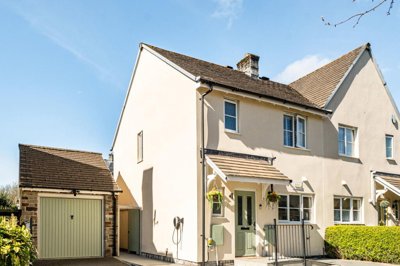
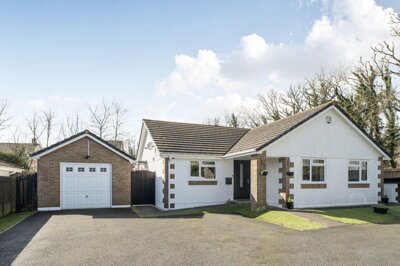
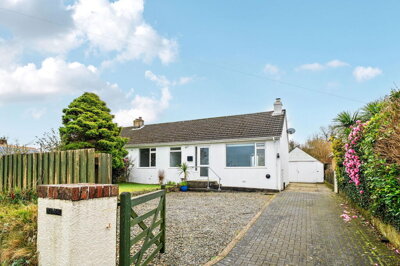
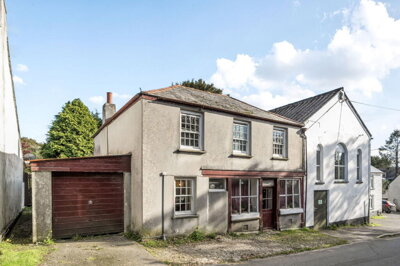
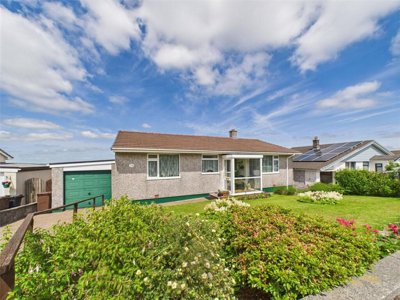
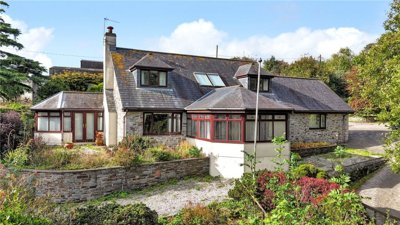
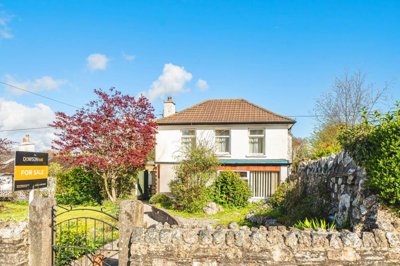
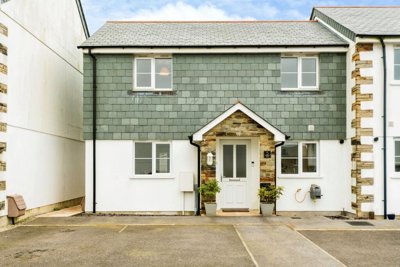
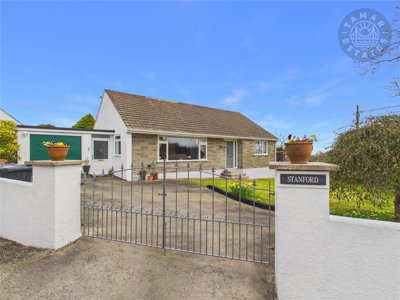
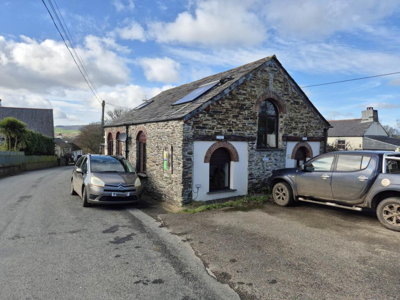
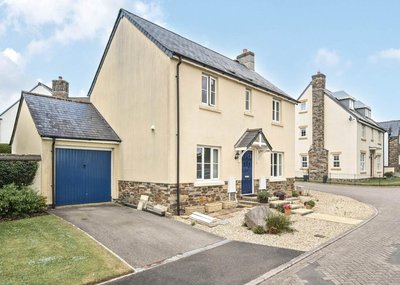
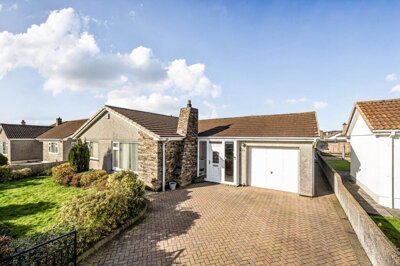
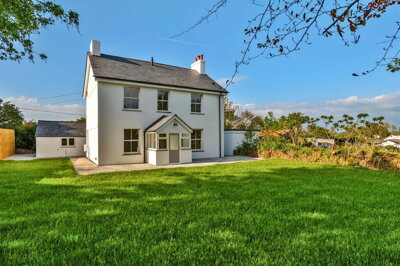
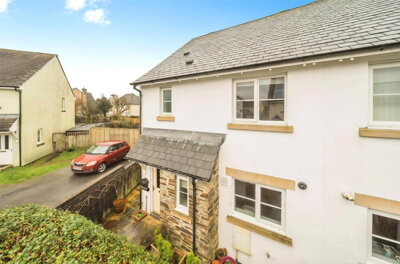
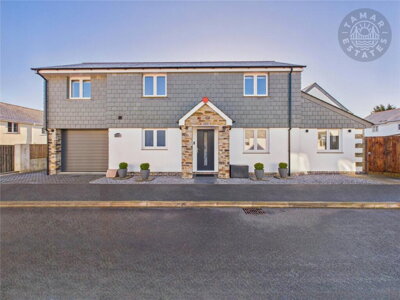
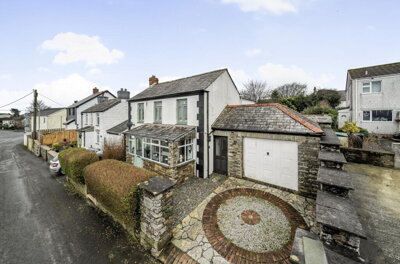
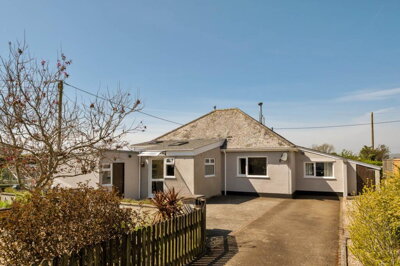
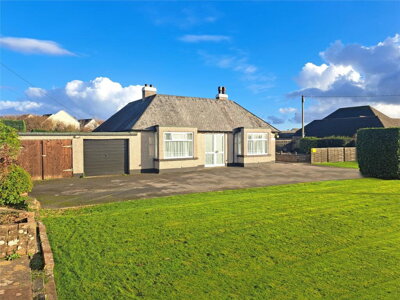
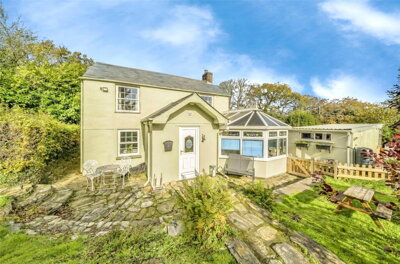
Browse 26 homes for sale in St. Ive from local estate agents.
Ive from local agents. Three bedroom properties represent a significant portion of the St. Ive housing market, offering space for families with multiple reception rooms and gardens in many cases. Browse detached, semi-detached, and terraced options ranging from period character homes to contemporary developments.
St. Ive gives a slightly mixed, but still appealing, picture for rural Cornwall buyers. Over the past twelve months, detached homes have averaged £438,333, while semi-detached properties have come in at £291,250, which can be a more reachable way into the village without losing out on space. We have seen values climb 66% against the previous year, although they are still 11% below the 2020 high of £355,000. That points to a market that has already moved strongly, but may still have room to grow.
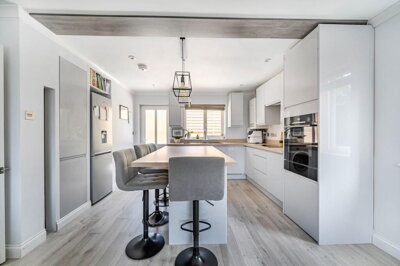
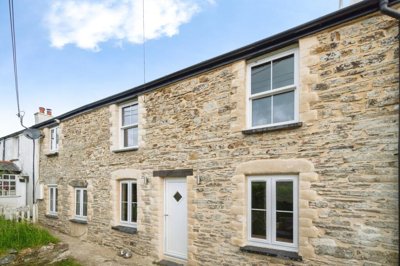
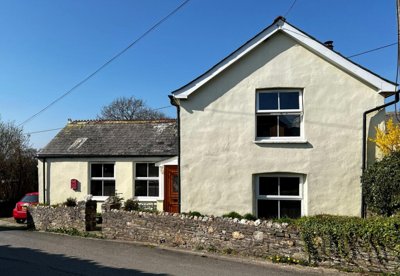
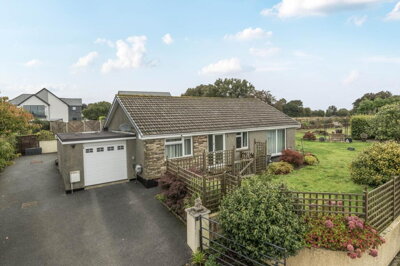
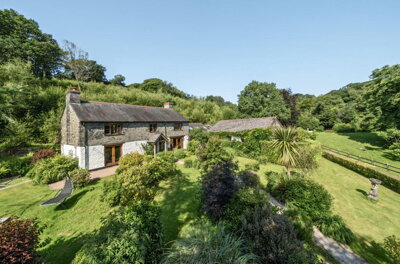
Across St. Ive, the stock is mostly detached and semi-detached homes, with bungalows especially popular for buyers who want single-level living. The choice runs from traditional Cornish cottages to individual new homes of quality, and some listings feature recently refurbished properties that keep their original character while adding more modern comforts. We did not identify any active named new-build development within the village itself, but there are newly constructed individual homes on the market, including luxurious properties still under construction. Taken together, that leaves options for first-time buyers, growing families, and downsizers.

Life here moves to a different beat from town and city living. In St. Ive, the seasons still shape daily life, neighbours tend to know each other, and community events help keep local ties strong through the year. Rolling farmland, lanes edged by hedgerows, and glimpses of the Cornish countryside are part of the everyday setting, not something residents need to drive out to find. For families, that can mean more freedom outdoors for children, and for adults it often means a calmer routine and a better quality of life.
Residents are not cut off from the practical side of day-to-day life, because St. Ive sits close to both Liskeard and Callington. Liskeard is 4 miles to the west and has a broad mix of shops, supermarkets, healthcare, and leisure facilities, including swimming pools and sports centres. Callington, 2 miles to the east, adds more local services and community amenities. Both towns hold regular markets for fresh Cornish produce, and the wider area is well known for good pubs serving locally-sourced food and traditional Cornish ales. For time outdoors, the Tamar Valley and Bodmin Moor are both within easy reach.

For families looking at St. Ive, schooling is available nearby as well as in Liskeard and Callington. Primary provision comes from schools in the surrounding area, including several with Ofsted ratings of Good and Outstanding within straightforward travelling distance. Being in Cornwall, the village also offers the appeal of smaller class sizes often associated with rural schools, while still keeping access to wider extracurricular opportunities and support. We always recommend checking catchment areas and admissions rules carefully before committing to a property, because those boundaries can make a real difference.
For older children, secondary education is available in Liskeard and Callington, with comprehensive options up to age 16. Schools in the area offer a mix of academic and vocational subjects, and many have transport arrangements for pupils travelling in from villages such as St. Ive. Beyond that, Cornwall College and other further education providers across the county cover a wide range of vocational and academic courses. It all helps make the village workable for families at different stages, from those planning ahead for younger children to those already juggling teenage school routines.

Although St. Ive is a rural village, it is not badly connected. It sits within the PL14 postcode area, and that places residents close to the A38 trunk road through nearby Liskeard, giving direct road access to Plymouth to the south and the A30 route towards Exeter and the rest of England. For a village of this size, that matters. Plymouth is roughly 30-40 minutes away by car, so commuting, shopping, and access to culture in the county's largest city are all realistic. For people working remotely or running a business from home, village life here does not have to mean being cut off.
There are public transport options too. Bus services link St. Ive with Liskeard and Callington, which helps residents reach shops and services in both towns without relying entirely on a car. From Liskeard railway station, mainline trains run to London Paddington in about 3 hours, useful for either work trips or weekends away, and there are also connections to Plymouth and other major Cornish towns. For flights, Exeter Airport and Bristol Airport provide wider international links and can both be reached in around 2 hours by car from St. Ive.

We suggest starting with the live market. In St. Ive, average prices sit around £332,500, so it helps to know early on what that budget level actually buys in a Cornish village where detached and semi-detached homes dominate. Check current listings on home.co.uk, set alerts, and watch how stock moves over a few weeks. That usually gives a clearer feel for pricing and competition than a single day of browsing.
Before viewings start, we usually advise buyers to have a mortgage agreement in principle ready. In a market like St. Ive, that shows sellers and estate agents that the finances are credible and that an offer is not just speculative. It can also strengthen your hand if there is competition for a home. In short, having it sorted before you begin viewing puts you in a better position to move quickly.
Then comes the practical part, booking viewings for homes that fit what you need. In St. Ive, that often means a mix of detached houses, bungalows, and one-off individual properties. We would not look only at the house itself either. The surrounding setting, the access roads, and the distance to amenities in the nearby towns all matter here. With older homes in particular, it is worth looking past décor and focusing on the structure, the roof, and any hints of damp or movement.
Once an offer has been accepted, our usual recommendation is a Level 2 Homebuyer Report survey. In and around St. Ive, many properties are older or built using traditional methods, so a professional inspection can flag structural concerns, damp, or maintenance issues before purchase. Our surveyors produce a clear condition report, and that can help buyers decide whether to proceed, renegotiate, or ask for repairs. It is one of the more useful checks you can make before committing.
After that, we would appoint a solicitor to deal with the legal work. They handle the searches, review the contract papers, and liaise with the seller's side to keep the St. Ive purchase moving properly. A conveyancer who knows Cornwall can be particularly useful, because local property issues do not always show up in a generic approach. That familiarity can save time, and sometimes headaches as well.
The last stage covers signing the contract, transferring deposit funds, and completing the purchase. Your solicitor will arrange the money transfer and register the change of ownership on the official title register, which is the point at which the home becomes legally yours. On completion day, the keys are released and life in St. Ive can begin.
Buying in a rural Cornish village such as St. Ive brings a few extra points into focus beyond the usual urban checklist. Age and construction matter, because homes in this part of Cornwall often use traditional methods and materials rather than more modern forms of build. Stone walls, slate roofs, and period details are part of the local character, but they can also need a different kind of upkeep. We would also check whether a property is freehold or leasehold, since tenure affects both future costs and responsibilities. With older houses, records of past alterations or improvements can be especially reassuring.
Practical details matter just as much as charm in a village setting. In St. Ive, we would always look into broadband speeds, mobile signal, and access to superfast broadband, particularly for buyers planning to work from home or stream regularly. Rural connectivity across Cornwall has improved, but it still varies from property to property. Flood risk has not been specifically highlighted as a concern for St. Ive, though it remains sensible to check official government flood risk maps, especially near watercourses or lower ground. It is also wise to understand the local planning authority and any conservation constraints before taking on a home where future changes or extensions may be planned.
Older rural Cornish houses need careful reading, and St. Ive is no exception. We would pay close attention to settlement cracking in stone walls, the age and state of slate or concrete tile roofs, and whether modern insulation and heating have been added sympathetically. A RICS Level 2 survey is well suited to spotting issues of that kind before exchange. It is also worth confirming internet provision in detail, because some rural homes still depend on slower copper-based services or satellite connections rather than fibre broadband.

Over the past year, the average house price in St. Ive has been £332,500. Detached homes have averaged £438,333, and semi-detached properties around £291,250. We have also seen prices rise 66% year on year, while remaining 11% below the 2020 peak of £355,000. For buyers watching the area, that combination suggests a market with strong momentum and the possibility of further gains if demand for rural Cornish homes stays firm.
For council tax, St. Ive properties come under Cornwall Council. The bands run from A to H, and many of the detached and semi-detached homes in the village are likely to sit somewhere between B and E. Buyers should still confirm the band for any specific address, either through Cornwall Council's valuation records or by asking the seller during conveyancing. It is a simple check, but one worth making early.
School access is one of the practical strengths of the area. St. Ive is served by primary schools nearby, with several Ofsted-rated Good and Outstanding options within easy reach in Liskeard and Callington. Secondary provision is also available in both towns, covering comprehensive education up to age 16. As ever, catchment areas matter, and admission rules are tied to geography, so we would check boundaries carefully before relying on a preferred school.
Getting around from St. Ive is fairly straightforward for a village location. Bus services run to both Liskeard and Callington, giving access to shops, services, and other amenities in each town. Liskeard railway station has mainline trains to London Paddington with journey times of about 3 hours, as well as links to Plymouth and destinations across Cornwall. By road, the A38 is reached via Liskeard and connects directly towards Plymouth and the wider A30 network.
There are a few reasons investors may keep an eye on St. Ive. A 66% increase in prices over the past year points to strong demand in this part of rural Cornwall, and the village also benefits from being close to both Liskeard and Callington. Add in the wider shift towards remote working and rural moves, and the area still looks capable of drawing interest. Detached homes and bungalows may be particularly resilient, simply because supply of those property types in village settings is often limited.
For 2024-25, stamp duty in St. Ive follows the standard residential thresholds. The rates are 0% on the first £250,000, 5% on the portion from £250,001 to £925,000, 10% on the portion from £925,001 to £1.5 million, and 12% on any amount above £1.5 million. First-time buyers get relief on the first £425,000, with 5% payable between £425,001 and £625,000. With the average local price at £332,500, many purchases at that level would fall within a no stamp duty position under the current rules.
There are a few checks we would make as standard before moving ahead in St. Ive. Construction type and materials are one, because traditional Cornish buildings can need more specialist maintenance. Broadband and mobile coverage are another, since rural performance can vary sharply from one property to the next. We would also verify whether the home is freehold or leasehold, along with any extra costs attached, review flood risk through official government resources, and look into planning restrictions that could affect later changes.
Planning matters in St. Ive sit with Cornwall Council, which handles applications for new builds, extensions, and property alterations across the county. Any major changes in the village, including extensions, conversions, or new outbuildings, are likely to need planning permission from Cornwall Council. We would also check the planning portal for recent applications affecting the property itself and the surrounding land. Homes near farmland can bring added considerations too, including agricultural notices and rights of way that may influence how land can be used.
It is sensible to budget beyond the agreed purchase price. In St. Ive, annual council tax goes to Cornwall Council and depends on the property's band, with many local homes likely to fall between B and E. South West Water supplies water and sewage services, so annual charges apply there as well. Some properties may not be on mains drainage and instead rely on private septic tanks or treatment systems, which means maintenance costs. Insurance is another area to price properly, especially for rural homes with thatched roofs or higher rebuild values, where premiums can be steeper.
Looking at the full buying costs up front makes budgeting far easier in St. Ive. The main government charge is Stamp Duty Land Tax, which applies to property purchases in England, and for 2024-25 the standard rates are 0% on the first £250,000, 5% on amounts from £250,001 to £925,000, 10% on amounts from £925,001 to £1.5 million, and 12% on anything above £1.5 million. With the average property price in St. Ive at £332,500, a good number of buyers purchasing around that mark would pay no stamp duty at all. That can make this pricing level especially attractive to first-time buyers and to movers stepping up from smaller homes.
First-time buyers get more generous relief, paying 0% on the first £425,000 and 5% on the portion between £425,001 and £625,000, which can mean a meaningful saving on a first purchase. Other costs still need to be allowed for. Solicitor conveyancing fees often start from around £499 for a straightforward transaction, but they can rise for leasehold homes or titles with complications. A RICS Level 2 Homebuyer Report starts from about £350 and can be valuable protection against defects that are not obvious at first glance, especially in older properties. Surveyors may also charge more for larger homes or for inspections that need greater detail, and buyers should still leave room in the budget for removals, decoration, renovation, and utility connection charges.

Properties for Sale In London

Properties for Sale In Plymouth

Properties for Sale In Liverpool

Properties for Sale In Glasgow

Properties for Sale In Sheffield

Properties for Sale In Edinburgh

Properties for Sale In Coventry

Properties for Sale In Bradford

Properties for Sale In Manchester

Properties for Sale In Birmingham

Properties for Sale In Bristol

Properties for Sale In Oxford

Properties for Sale In Leicester

Properties for Sale In Newcastle

Properties for Sale In Leeds

Properties for Sale In Southampton

Properties for Sale In Cardiff

Properties for Sale In Nottingham

Properties for Sale In Norwich

Properties for Sale In Brighton

Properties for Sale In Derby

Properties for Sale In Portsmouth

Properties for Sale In Northampton

Properties for Sale In Milton Keynes

Properties for Sale In Bournemouth

Properties for Sale In Bolton

Properties for Sale In Swansea

Properties for Sale In Swindon

Properties for Sale In Peterborough

Properties for Sale In Wolverhampton

Enter your details to see if this property is within your budget.
Loans, cards, car finance
Estimated property budget
Borrowing + deposit
You could borrow between
Typical borrowing
Monthly repayment
Est. at 4.5%
Loan-to-value
This is an estimate only. Your actual budget may vary depending on interest rates, credit history, and personal circumstances. For an accurate affordability assessment, speak to one of our free mortgage advisors.
This calculator provides estimates for illustrative purposes only and does not constitute financial advice. Your home may be repossessed if you do not keep up repayments on your mortgage. Estimates based on 4.5% interest rate, repayment mortgage. Actual rates depend on your circumstances.
Homemove is a trading name of HM Haus Group Ltd (Company No. 13873779, registered in England & Wales). Homemove Mortgages Ltd (Company No. 15947693) is an Appointed Representative of TMG Direct Limited, trading as TMG Mortgage Network, which is authorised and regulated by the Financial Conduct Authority (FRN 786245). Homemove Mortgages Ltd is entered on the FCA Register as an Appointed Representative (FRN 1022429). You can check registrations at NewRegister or by calling 0800 111 6768.

We use cookies to show you personalised content and improve your experience of our website. Find out more in our Privacy policy and Cookie policy.