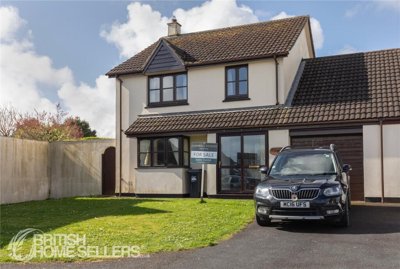
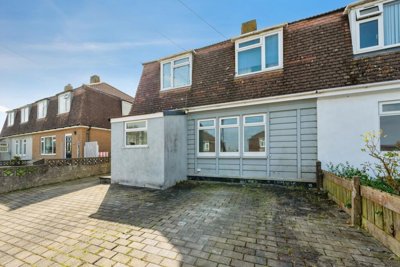
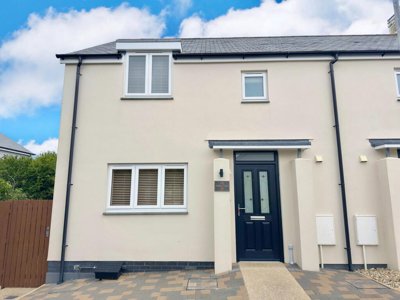
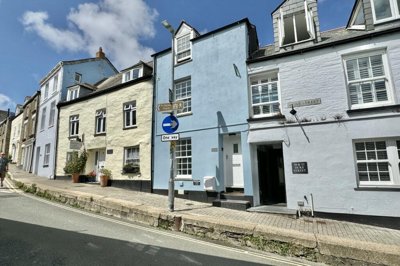
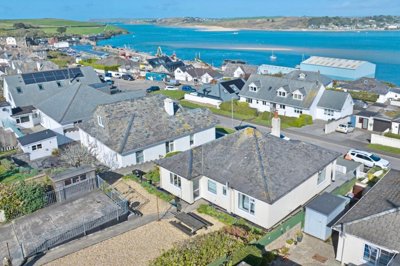
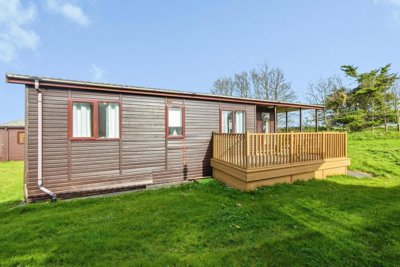
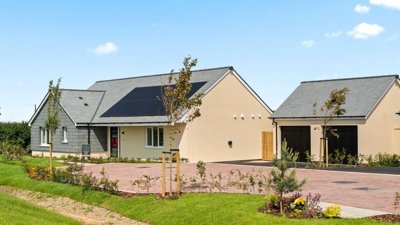
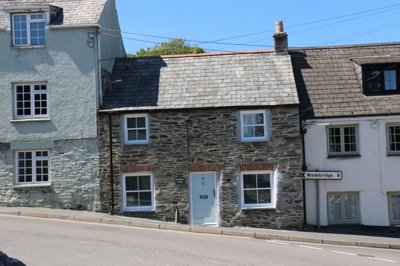
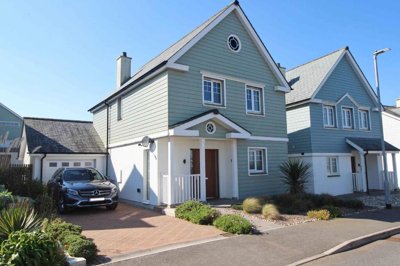
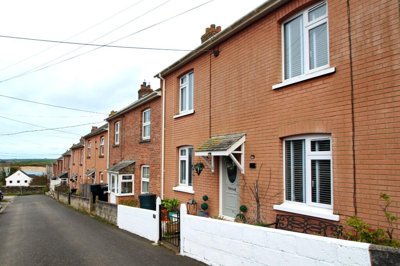
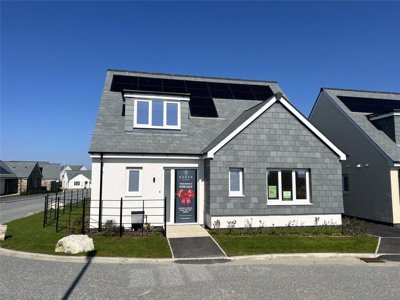
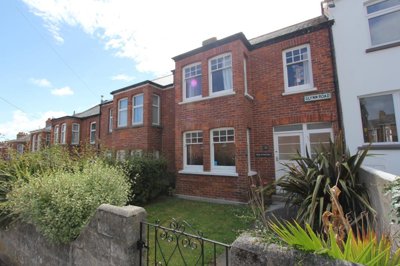
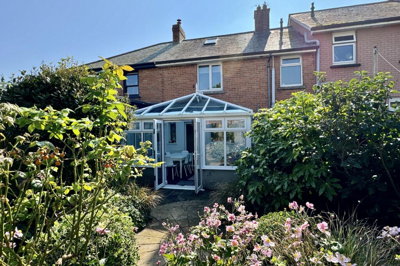
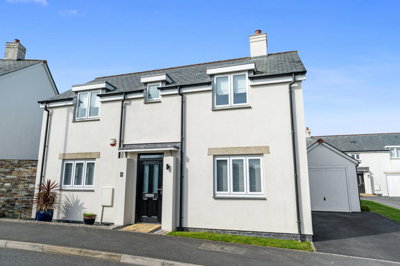
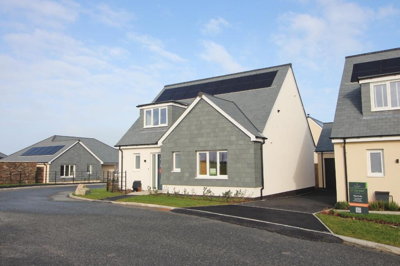
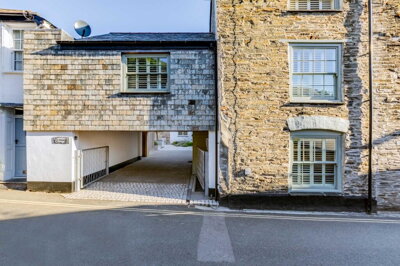
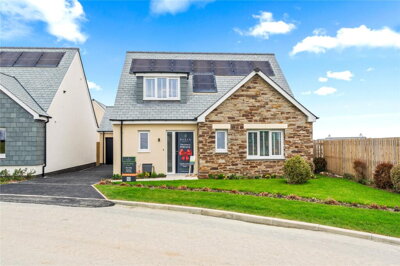
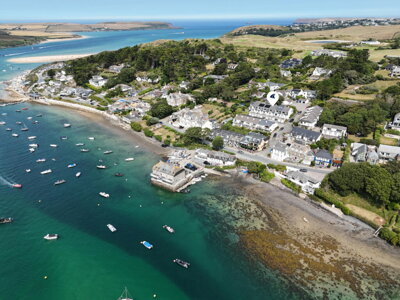
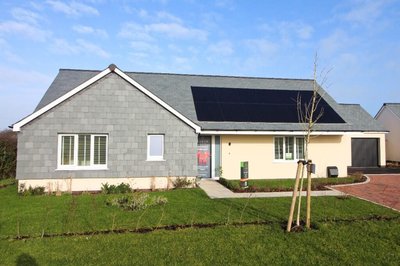
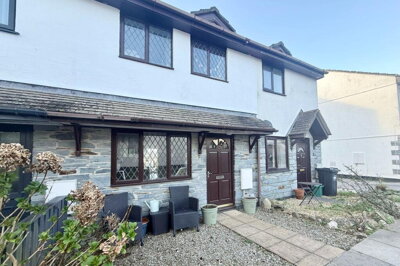
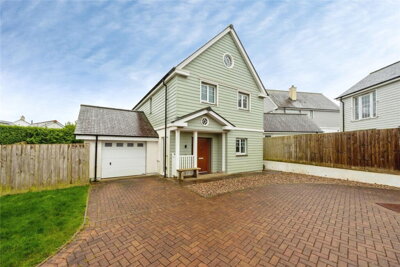
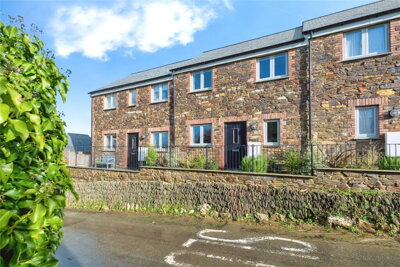
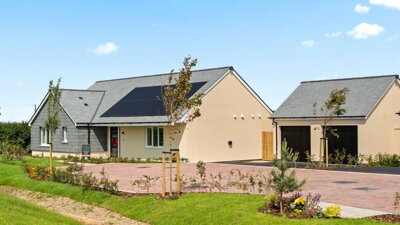
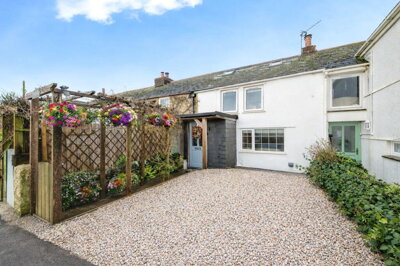
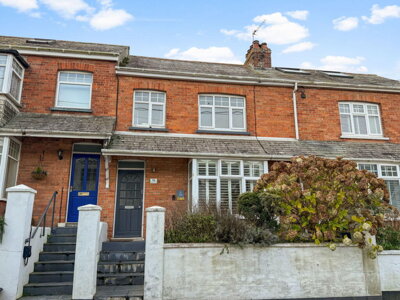
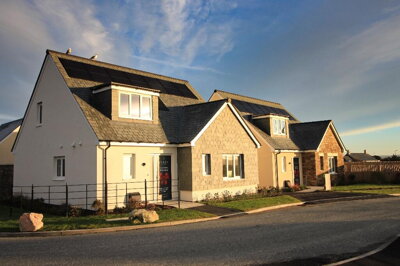
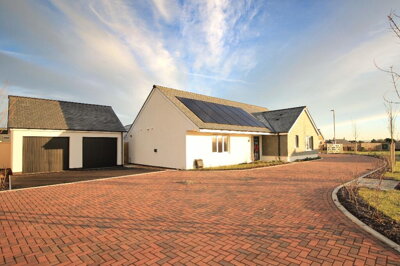
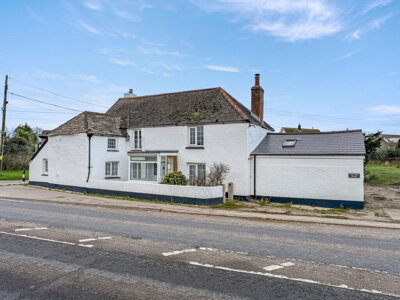
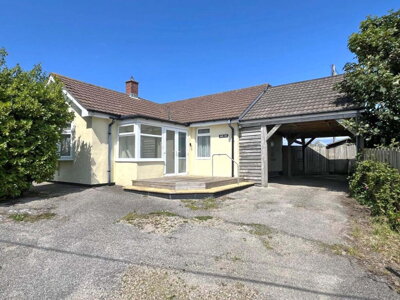
Browse 60 homes for sale in St. Issey from local estate agents.
Issey from local agents. Three bedroom properties represent a significant portion of the St. Issey housing market, offering space for families with multiple reception rooms and gardens in many cases. Browse detached, semi-detached, and terraced options ranging from period character homes to contemporary developments.
In St. Issey, the property market covers a fair spread of homes for different budgets and plans. Detached houses sit at the top end, with average prices around £684,143 according to homedata.co.uk, which reflects the premium attached to bigger gardens and larger plots in this appealing rural spot. Semi-detached and terraced homes come in at around £338,210 and tend to draw first-time buyers, as well as anyone looking at a holiday let investment. Flats start from roughly £269,950, although they are not common in a village that is still very much house-led.
Over the last year, prices have shifted down in a way that is hard to miss. Sold values are about 18% lower than a year ago, and they sit 38% beneath the 2019 peak of £595,000. homedata.co.uk shows that the Padstow and St Issey area saw one of Cornwall’s sharper corrections, with median prices moving from £575,000 to £482,500 between September 2023 and September 2024. For buyers who were pushed out during the peak, that opens a door, especially for detached family homes and period properties with character.
Over the past decade, around 780 properties have sold across the combined St Issey and St Tudy area, which points to steady activity rather than a sleepy market. Being close to Padstow still carries real weight with buyers, because it gives them access to the coast without paying harbour-town prices. Our sense is that north Cornwall will settle as the recent correction filters through, and new price levels may tempt back buyers who have been waiting on the sidelines.
St. Issey’s housing stock reflects its Cornish rural setting, so we see a mix of period homes, converted farm buildings, and newer schemes from the late 20th and early 21st centuries. With St Issey Church dating from the 15th century and sitting in the village centre, parts of the historic core may include homes that go back several centuries, often built in traditional Cornish stone with slate roofs. Newer houses are usually more standard in form, but north Cornwall’s varied ground means foundations and drainage still deserve proper attention during a survey.

Small though it is, St. Issey has a lively village feel and still manages to give a good slice of Cornish life without losing touch with the county’s better-known attractions. The centrepiece is St Issey Church, a 15th-century landmark with striking stained glass and a clear role in village life. Around it, the countryside rolls out in farmland, hedgerows, and patchwork fields, which is exactly what gives this part of north Cornwall its character and makes walks easy to fit into the day.
St. Issey and the surrounding area lean on agriculture, tourism, and small local firms, so the local economy has a bit of everything. A lot of residents commute to Wadebridge or Padstow, helped by the relatively short runs along the A389. The village has a pub and a few useful community facilities, while Padstow adds more shopping, dining, and evening options, including the Rick Stein restaurants and the harbour. Beaches such as Harlyn Bay, Constantine Bay, and the surfing stretches around Watergate Bay are all within a 15-minute drive, which is a big draw for families and anyone who wants the coast close by.
Community life matters here, and the village calendar gives St. Issey a strong local identity through the year. The Camel Trail runs straight on towards Padstow, so car-free days out are perfectly realistic. Nearby St. Tudy has its annual horticultural show, while the wider Wadebridge area puts on farmers' markets, art exhibitions, and live music that pull in people from across the region. For families, the mix of beaches, rural footpaths, and the Eden Project within 30 minutes' drive is a strong combination, and it helps explain why relocators from across the UK keep showing interest.

Families moving to St. Issey will find schooling options nearby rather than on the doorstep. The village itself is linked to primary provision through schools in the Padstow and Wadebridge catchment areas, and St. Issey Church of England Primary School serves the immediate community. For secondary education, most pupils travel to schools in Wadebridge, where there is a choice of GCSE and A-Level courses. Cornwall Council should always be checked for the current catchment boundaries and admissions policy, because both can affect where a child ends up.
Across Cornwall there are further choices, including grammar schools in Truro and Liskeard for pupils who meet the entry requirements, along with further education colleges in Truro and Bodmin. Families arriving from elsewhere often look closely at school performance data and Ofsted ratings to narrow down the right fit. Independent options such as Truro School and Penryn College give another route for those seeking private education. In St. Issey and the nearby villages, the community tends to support local schools well, and that often shows in good pupil-to-teacher ratios and a high level of parental involvement.
For families who put schooling first, the Wadebridge School catchment area includes a number of well-regarded primary schools within an easy drive of St. Issey. Journeys to schools in Wadebridge and Padstow are usually under 15 minutes by car, although Cornwall Council school transport may provide another route if eligibility rules are met. In summer, the nearby beaches and outdoor activity centres add another layer, with trips and clubs that work well alongside the classroom and make good use of Cornwall’s landscape.

Road travel is the main way in and out of St. Issey. The A389 gives direct access to Wadebridge, around 5 miles away, and links into the A39 for longer trips. Truro, Cornwall’s main city, is about 35 minutes by car, while Exeter can be reached in roughly 90 minutes. Bristol or Plymouth commuters can pick up the A30 dual carriageway to the east, with Plymouth about 75 minutes away. The north Cornwall coast road is close enough to make Newquay and the Eden Project straightforward too.
Bus services link St. Issey with Wadebridge, Padstow, and other north Cornwall destinations, although frequencies do thin out outside the peak tourist season. Bodmin and Par are the nearest railway stations, each offering mainline connections to London Paddington, Plymouth, and Birmingham. Newquay Airport gives access to seasonal flights to London Gatwick, Manchester, and several European cities, which keeps air travel within reach. Cyclists get the benefit of quiet lanes, plus the Camel Trail, the former railway route turned traffic-free path between Padstow and Wenfordbridge.
Most daily commuters from St. Issey head to Wadebridge for work or to reach the rail network, with parking at Bodmin Parkway for longer trips. Eastbound travel is mainly handled by the A30 trunk road, which connects to the M5 at Exeter for Bristol, Birmingham, and beyond. Remote workers have a more flexible setup here, since the village suits people who do not need to be in an office every day. Broadband is available, though speeds can differ from one part of the village and surrounding area to another.

Before booking viewings in St. Issey, it is worth spending time in the village and nearby lanes at different points in the day. Schools, transport links, and local amenities all matter. A mortgage agreement in principle from a lender will show borrowing capacity and makes an offer stronger. Visiting morning, afternoon, and evening also gives a clearer feel for traffic, noise from the local pub, and the general atmosphere of the community.
Use Homemove to look through all available properties for sale in St. Issey and set up instant alerts for new listings. Viewing more than one home helps when comparing styles, condition, and price points. Detached period properties often mean more upkeep than modern builds, while newer homes may come with stronger energy efficiency ratings. During viewings, we would pay close attention to roofs, windows, and any signs of damp or subsidence, which are common issues in older Cornish houses.
Once a property feels right, put the offer forward through the estate agent and include chain status, mortgage in principle, and your proposed timeline. With current conditions in St. Issey showing prices off from peak levels, there is often room to negotiate, particularly on homes that have sat on the market for a while. Properties listed for several months can be the best opportunity of all, especially when updates or maintenance work are already needed.
Most properties should be checked with a RICS Level 2 Survey, while older homes, listed buildings, or places showing structural concerns call for a Level 3 Building Survey. Given St. Issey’s stock of older housing, surveys often uncover damp, roof problems, and timber defects that a standard viewing will miss. That matters even more here because traditional construction is common, and the underlying geology can also bring mining-related issues into the picture.
A conveyancing solicitor should handle the legal side of the purchase, including searches, contracts, and land registry transfers. We would choose someone with Cornish experience who understands local points such as mining search requirements, which are common across Cornwall. A solicitor used to the PL27 postcode area will know the local search process and the title deed issues that can crop up in this part of north Cornwall.
When the surveys, searches, and legal checks are all satisfactory, contracts are exchanged and the deposit is paid. Completion usually comes 2-4 weeks later, when the keys to the new St. Issey home are handed over. Our team can point buyers towards local conveyancing solicitors and surveyors who know the St. Issey area well and understand the quirks of north Cornwall property transactions.
Homes in St. Issey range from traditional stone cottages that may go back several centuries to later builds from the late 20th and early 21st centuries. With the 15th-century church in the village, it is not hard to see why some properties in the historic core may have listed building status or sit within conservation area considerations. Any buyer should check whether a property is listed with Historic England, because listed buildings need special permissions for alterations and renovations. Conservation area rules can also limit changes to the house itself and to the surrounding setting.
North Cornwall’s geology means St. Issey properties can sit on different soil types, including clay in some spots, and that brings the risk of shrink-swell movement in dry spells or heavy rain. A ground conditions survey may be wise where subsidence is visible or where the foundations are known to be shallow. Because Cornwall has a mining past, a mining search (Con29M) is often part of the conveyancing process, especially in older areas with historic activity. Flood risk should be checked against Environment Agency data, though the village’s elevation and inland position offer more protection than coastal locations.
The usual defects in St. Issey properties mirror those found across much of north Cornwall. Older stone houses often show rising damp where a damp-proof course has failed or was never installed, while old lime mortar pointing can break down and allow penetrating damp into external walls. Roofs need a close look, because the weather exposure in this part of Cornwall can wear slates, tiles, and lead flashing quickly. Timber, including roof trusses, floor joists, and window frames, should also be checked for rot or woodworm, particularly where homes have been empty or poorly kept.
For anyone thinking about a flat in the area, tenure needs to be checked early. Leasehold homes come with lease length, ground rent, and service charges that feed into communal upkeep costs. Those outgoings can vary a great deal from one development to another, so they need to be built into affordability calculations. Freehold homes, which are more common in this rural village, give more control but leave all maintenance and repairs with the owner. In St. Issey, flats are relatively rare, and most of the stock is freehold housing, from traditional cottages to modern detached family homes.

The average house price in St. Issey currently stands at approximately £591,259 according to home.co.uk listings data, while homedata.co.uk records a slightly higher average of £735,000 for barn conversions. Detached homes command the highest prices at around £684,143, and semi-detached as well as terraced properties are available from approximately £338,210. The market has seen a sharp correction over the last two years, with prices down around 18% year-on-year and 38% below the 2019 peak of £595,000, so buyers are finding better entry points than they were before.
Cornwall Council handles council tax for St. Issey properties, setting the annual rates and managing the valuation band system. Bands run from A to H, depending on the assessed value of the home, and many village properties are likely to fall within bands A through D because of the range of sizes and prices in the area. The exact band depends on each property and can be checked through the Valuation Office Agency website or through a solicitor during conveyancing. Before budgeting for ongoing costs, it is sensible to confirm Cornwall Council’s current banding schedule and any discounts that may apply for single occupancy or disability adaptations.
St. Issey Church of England Primary School serves the village for primary education, with other nearby choices in St. Tudy and Little London. Secondary pupils usually go on to schools in Wadebridge, and the drive generally takes 10-15 minutes depending on the school and traffic. Cornwall Council’s school transport policy can help some pupils in the designated catchment area. We would also check current Ofsted ratings and the admission boundaries, because both can influence where a family ends up.
Road links are the main transport story for St. Issey, with the A389 tying the village to Wadebridge, around 5 miles away, and opening onto the wider north Cornwall road network. Bus services run to Padstow and Wadebridge, although evening and weekend frequencies are lower, and limited Sunday services are normal in rural Cornwall. Bodmin and Par are the nearest railway stations, with direct trains to London Paddington, Plymouth, and Birmingham. Newquay Airport provides seasonal flights to a range of UK and European destinations, while many local residents still rely on a car for day-to-day travel. The Camel Trail is the useful exception, giving a traffic-free route for cycling to Padstow.
For investors, St. Issey has a few obvious attractions, not least the long-standing popularity of north Cornwall as a holiday destination and the scope for holiday let income near Padstow. The recent price correction, with values down around 30% from peak levels in the wider Padstow and St Issey area, has improved the starting point for those who felt the market was too hot in 2021-2022. Even so, investors need to think about seasonal demand swings, the cost of running a second home or rental, and the local rules affecting holiday lets. Homes with good access to the coast and the Camel Trail are especially appealing to holidaymakers, although the 3% surcharge on additional properties and the furnished holiday let tax rules should be part of the figures.
Stamp duty on residential property in England is charged at 0% on the first £250,000 of purchase price, 5% from £250,001 to £925,000, 10% from £925,001 to £1,500,000, and 12% above £1,500,000. First-time buyers have higher thresholds, paying 0% on the first £425,000 and 5% only between £425,001 and £625,000. With the average property price in St. Issey sitting at around £591,259, most buyers will stay below the first threshold and pay no stamp duty on the purchase. Additional homes, including second homes and buy-to-let investments, attract a 3% surcharge on top of the standard rates.
Cornwall has a long tin and copper mining history, and homes across the county can still be affected by mining activity from centuries ago. There may not be detailed mining risk records for St. Issey, but we would still recommend a mining search (Con29M) during conveyancing. That search picks up risks linked to shafts, adits, and underground workings that could affect foundations or the structure itself. Where a property is flagged as at risk, specialist insurance or further investigation may be needed before mortgage approval, so early checking is important if the transaction is to move smoothly.
There were no specific records for listed building concentrations in St. Issey, but the 15th-century St Issey Church and its stained glass windows show that the village has historic buildings that merit statutory protection. Properties in the historic core near the church may be listed, which would mean Listed Building Consent is needed for alterations or major works. Buyers should check the listing status of any home through Historic England’s online database or during the conveyancing searches. Listed buildings usually need specialist surveys and contractors who know traditional building techniques before maintenance or renovation begins.
From 3.85%
Expert mortgage advice for St. Issey buyers
From £499
Solicitors experienced in Cornish property transactions
From £350
Professional condition survey for standard properties
From £550
Detailed building survey for older or complex properties
The full cost of buying in St. Issey goes beyond the asking figure. Stamp Duty Land Tax (SDLT) applies to all property purchases in England, with standard rates starting at 0% for the first £250,000 of purchase price. At the current average price of around £591,259, most St. Issey buyers would pay no SDLT at all, because the whole purchase price falls below the zero-rate band. That makes the village more accessible than many higher-value areas and helps buyers at the median price point, including first-time buyers, to get a foothold.
First-time buyers get extra SDLT relief, with the zero-rate band stretched to £425,000 and the 5% rate applying only between £425,001 and £625,000. So a first-time buyer purchasing up to £425,000 would pay no stamp duty at all. Relief drops away above £625,000, where no first-time buyer relief applies. On top of SDLT, buyers should allow for solicitor conveyancing costs of about £500 to £1,500 depending on the complexity, survey fees from £300 for a basic valuation to £1,500+ for a detailed RICS Level 3 Building Survey, and removal costs that will vary with distance and the amount being moved.
After the purchase, the ongoing bills include council tax payable to Cornwall Council, buildings insurance, and utilities. Some St. Issey homes may have higher insurance premiums than average because of property age, proximity to water, and Cornwall’s wider insurance profile. Energy performance certificates are needed before a property is sold or let, and newer homes usually score better than older stone-built houses that may need insulation or heating upgrades. It is sensible to budget for improvement work as well, especially where a property has been tenanted or left empty for some time.

Properties for Sale In London

Properties for Sale In Plymouth

Properties for Sale In Liverpool

Properties for Sale In Glasgow

Properties for Sale In Sheffield

Properties for Sale In Edinburgh

Properties for Sale In Coventry

Properties for Sale In Bradford

Properties for Sale In Manchester

Properties for Sale In Birmingham

Properties for Sale In Bristol

Properties for Sale In Oxford

Properties for Sale In Leicester

Properties for Sale In Newcastle

Properties for Sale In Leeds

Properties for Sale In Southampton

Properties for Sale In Cardiff

Properties for Sale In Nottingham

Properties for Sale In Norwich

Properties for Sale In Brighton

Properties for Sale In Derby

Properties for Sale In Portsmouth

Properties for Sale In Northampton

Properties for Sale In Milton Keynes

Properties for Sale In Bournemouth

Properties for Sale In Bolton

Properties for Sale In Swansea

Properties for Sale In Swindon

Properties for Sale In Peterborough

Properties for Sale In Wolverhampton

Enter your details to see if this property is within your budget.
Loans, cards, car finance
Estimated property budget
Borrowing + deposit
You could borrow between
Typical borrowing
Monthly repayment
Est. at 4.5%
Loan-to-value
This is an estimate only. Your actual budget may vary depending on interest rates, credit history, and personal circumstances. For an accurate affordability assessment, speak to one of our free mortgage advisors.
This calculator provides estimates for illustrative purposes only and does not constitute financial advice. Your home may be repossessed if you do not keep up repayments on your mortgage. Estimates based on 4.5% interest rate, repayment mortgage. Actual rates depend on your circumstances.
Homemove is a trading name of HM Haus Group Ltd (Company No. 13873779, registered in England & Wales). Homemove Mortgages Ltd (Company No. 15947693) is an Appointed Representative of TMG Direct Limited, trading as TMG Mortgage Network, which is authorised and regulated by the Financial Conduct Authority (FRN 786245). Homemove Mortgages Ltd is entered on the FCA Register as an Appointed Representative (FRN 1022429). You can check registrations at NewRegister or by calling 0800 111 6768.

We use cookies to show you personalised content and improve your experience of our website. Find out more in our Privacy policy and Cookie policy.