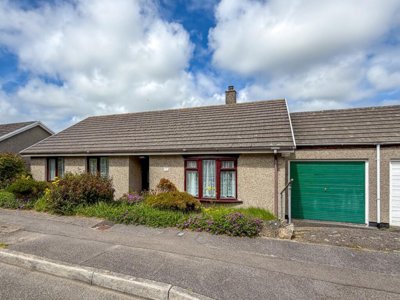
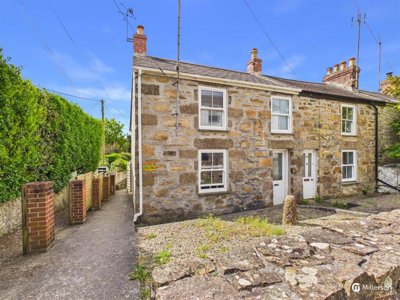
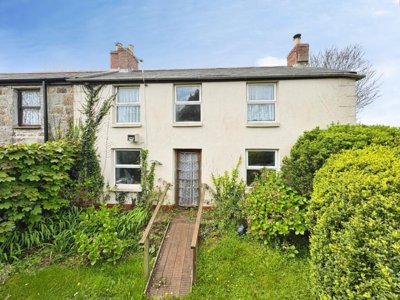
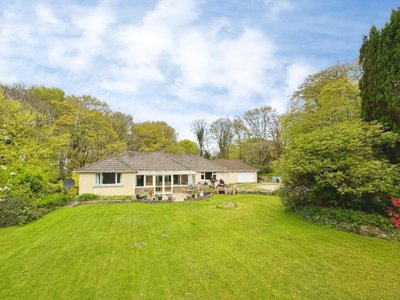
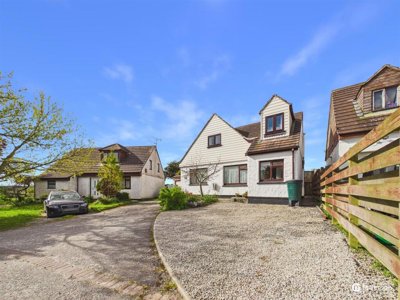
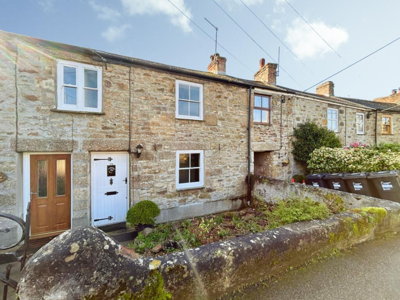
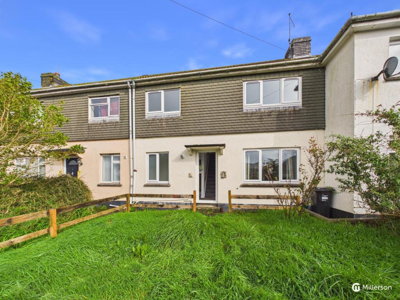
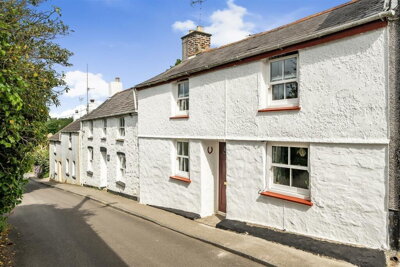
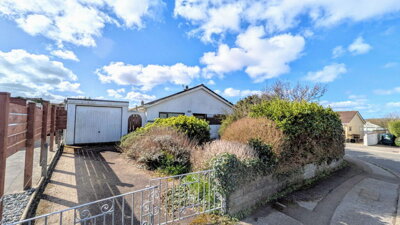
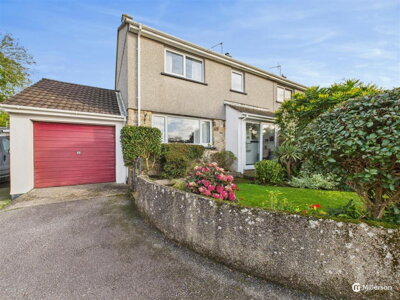
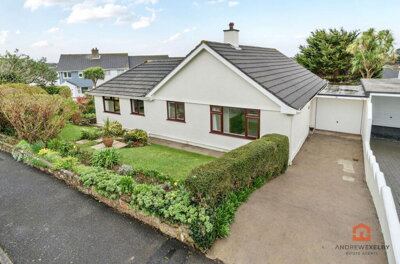
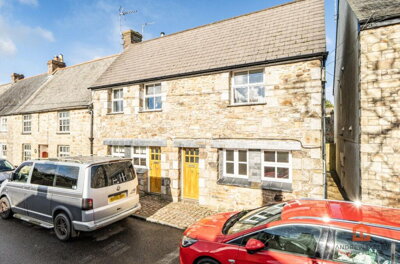
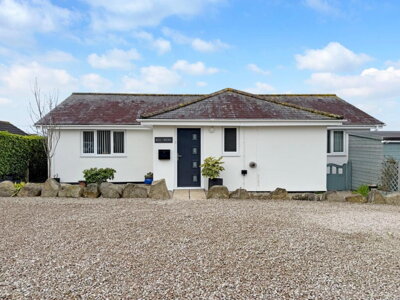
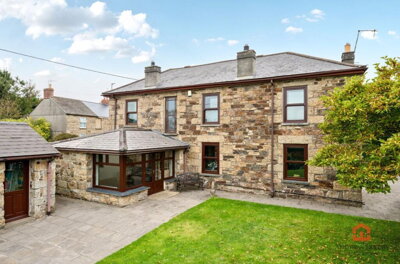
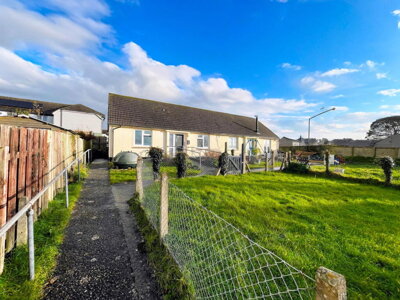
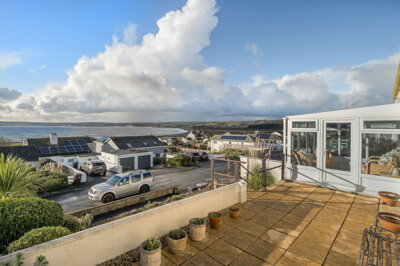
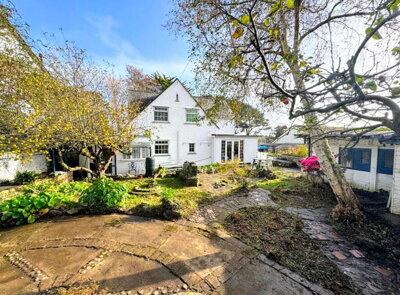
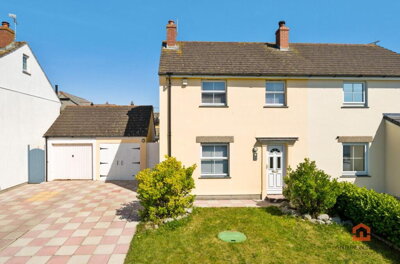
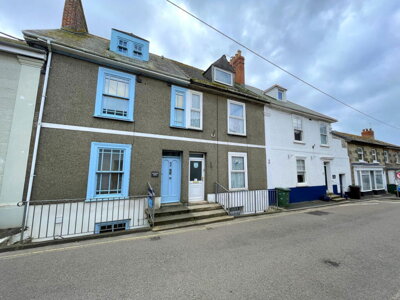
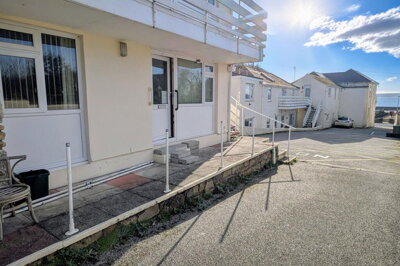
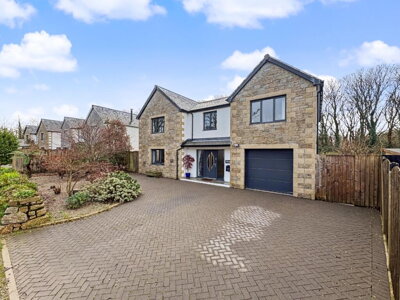
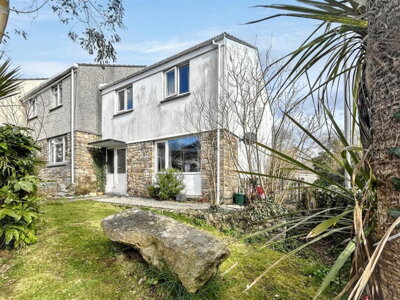
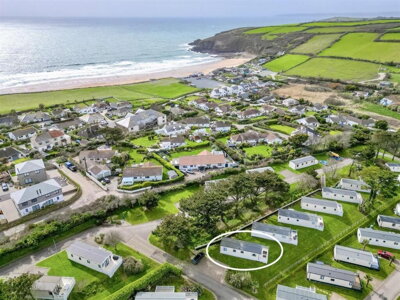
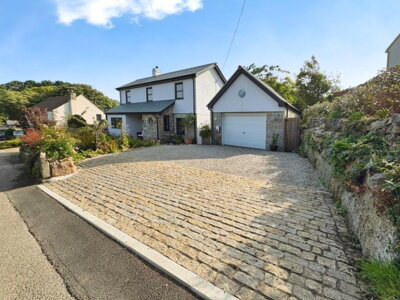
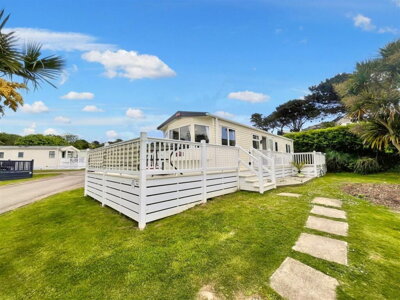
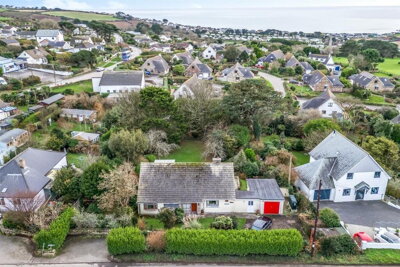
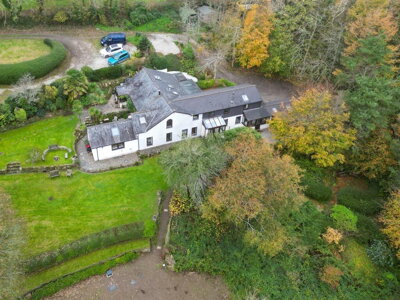
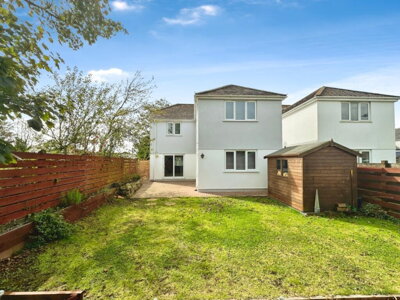
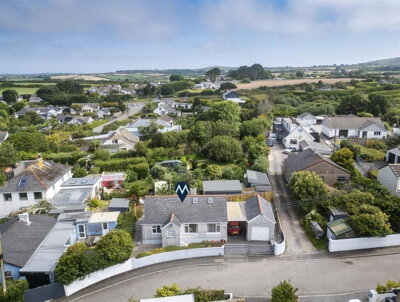
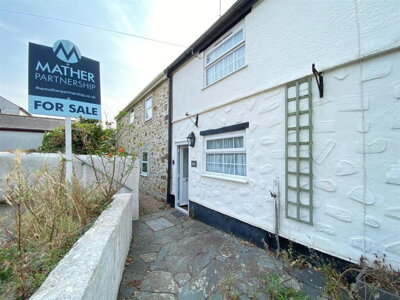
Browse 195 homes for sale in St. Hilary from local estate agents.
St. Hilary’s property market has seen some notable price corrections in recent years, which has opened the door for buyers who missed the 2021 peak of £514,333. Values are now around 42% beneath that high, and the average sold price of £299,000 marks a 26% fall on the previous year. That move brings prices closer to the wider Cornwall picture, where the average house price slipped by 2.5% between December 2024 and December 2025. For anyone who has been keeping an eye on the village, this relative affordability creates a chance to buy in this sought-after West Cornwall spot at more realistic entry points.
Looking across Cornwall county, the different property types sit in distinct price bands, which gives St. Hilary buyers a useful benchmark. Detached homes average £422,000, semi-detached properties come in at around £280,000, and terraced houses usually reach £230,000. Flats and maisonettes are still the least expensive option at about £147,000. New build activity remains thin on the ground, with just 2.6% of all Cornwall sales, 179 properties, being newly constructed in the past twelve months. Even so, premium homes do surface now and then, such as a newly built detached bungalow in The Avenue listed at £695,000, showing that bespoke new housing still pulls in buyers prepared to pay more for modern specification in this desirable location.
Cornwall’s market overall recorded roughly 7,000 sales in the twelve months to December 2025, a fall of 14.1% year on year. Inside that wider slowdown, semi-detached prices held fairly steady, while flat values dropped by 5.9%. The established market across Cornwall saw average prices ease by around £13,900 over the year, leaving buyers with a bit more room to negotiate across most property types.

St. Hilary has the feel of a proper Cornish village, with a slower rhythm that sits far removed from busier urban centres. Its historic character shows itself quickly, especially in the traditional Cornish stone seen throughout the parish. Many homes use the granite and local slate that have shaped West Cornish architecture for generations, giving the place a consistency that newer developments rarely manage. The Grade I listed St Hilary Church remains the village’s spiritual and architectural focal point, and it is hard to miss its presence or the centuries of local life it represents.
The West Cornwall countryside around the village gives plenty of scope for walking, open-air pursuits, and simple appreciation of the landscape. Rolling farmland, ancient hedgerows, and dramatic coastal views define the setting, while the nearby Lizard Peninsula and Land's End keep some of Cornwall’s most striking scenery within reach. Agriculture and tourism remain part of the local economy, and many residents commute to larger places such as Penzance, Hayle, or Helston for work. Second homes are also a feature of the West Cornwall market, which reflects the lasting pull of Cornish living for buyers from across the UK and beyond. Combined with the limited housing supply you expect in a small village, that demand helps support values even when the wider market softens.
Day-to-day life in St. Hilary is helped by its position between Penzance and Hayle, so residents can reach a broader set of amenities without losing the peace that comes with village living. Walks through the surrounding countryside bring out the West Cornish character, with granite outcrops, winding lanes edged by tall hedgerows, and views over to Mount's Bay. Village events and local initiatives keep the community connected, and there is a clear sense of people being drawn together by affection for this part of Cornwall. For anyone trying to strike a balance between rural calm and access to work and services, St. Hilary makes a strong case for itself.

Families thinking about a move to St. Hilary will find primary schooling within a sensible travelling distance, with options spread across village and town schools in West Cornwall. Because the parish is rural, these schools tend to be smaller and community-led, often set in older buildings that suit their surroundings. Children of primary age from St. Hilary usually attend schools in nearby villages or head into surrounding towns, including places in and around Penzance that offer community-minded education without an excessive daily journey.
Secondary pupils from St. Hilary usually travel to schools in Penzance, Hayle, or Helston, where there is a wider spread of GCSE and A-Level subjects, along with specialist facilities and extracurricular activities. These larger schools draw in students from across West Cornwall, so they can offer subject choice and specialist teaching that smaller rural schools may struggle to match. Travel from St. Hilary is generally manageable by school transport or by car, though families should keep those runs in mind from the outset and think about how close a property sits to school routes.
West Cornwall has a broader educational network too, which matters for families at every stage. Sixth form colleges and further education providers in Truro and Camborne give older students routes into vocational or academic qualifications beyond the usual secondary curriculum. Ofsted ratings vary from one institution to the next, so prospective parents should check individual schools directly through the official Ofsted website to see which options fit their children’s needs best. For families focused on educational outcomes, the transport links to schools in neighbouring towns make St. Hilary a workable choice, though the morning and afternoon journeys do need to be built into the family routine when weighing up homes at different distances from school gates.

St. Hilary’s West Cornwall location gives residents access to several transport links that connect the village to the wider region. Penzance holds the nearest mainline railway station, about six miles away, with direct services to Exeter, Plymouth, and London Paddington for people needing to travel to major employment centres. Journeys to the capital generally take four and a half to five hours, so regular commuting is possible, though not exactly light work. Bus services cover the area for shorter trips, but they are nowhere near as frequent as urban routes, which means most residents rely on a car.
Road links from St. Hilary fan out neatly towards surrounding towns and attractions. The A30 trunk road is the main route through Cornwall and gives quick access to Truro and the north coast beaches. Because the village sits close to Mount's Bay, coastal spots including St Ives, Marazion, and Land's End can usually be reached within a twenty-minute drive. For journeys further south, the A394 connects St. Hilary to Helston and the Lizard Peninsula, opening up that side of Cornwall for days out and longer explorations. Cycling provision across West Cornwall is improving too, and the local terrain offers both scenic flatter coastal stretches and tougher hill routes for riders who like a challenge.
For overseas travel, Newquay Airport runs seasonal flights to a range of European destinations, while Plymouth Ferry Port gives access to Spain and France for those who prefer to travel by sea. Many St. Hilary residents also use Exeter Airport, which has a wider spread of scheduled services and can be reached via the A30. The village is far enough from these transport hubs that international trips take a bit more planning than they would from a major city, but for holidays or business travel they are still entirely practical.

Source: HM Land Registry December 2025
Before committing to a home in St. Hilary, it pays to spend time in the village at different points in the day and across the week. Visit the local amenities, talk to residents about what it is really like to live there, and take on board the realities of rural Cornish life, including transport limits and the seasonal ebb and flow of visitors. Keep an eye on the condition of the traditional buildings you may come across, from granite stone walls to natural slate roofs.
Get a mortgage broker or lender to issue an agreement in principle before you start viewing properties. It strengthens offers and shows sellers that we are serious, finance-ready buyers, which can matter a great deal in a market where preparation often decides who gets the property. Much of St. Hilary’s housing stock is traditional, so some mortgage products may come with extra conditions for older homes or non-standard construction.
We would work with local estate agents who know the St. Hilary market well. View more than one property so we can get a proper feel for the available housing stock, from old stone cottages to newer bungalows. Make notes on condition, orientation, and any issues that may need further investigation. With so many listed buildings in the village, it is also sensible to check whether any alterations or extensions needed consent.
Once an offer has been accepted, we would instruct a RICS Level 2 Survey, also known as a Homebuyer Report, to assess the property properly. Cornwall’s traditional building methods and the age of many village homes mean this survey can pick up problems with granite construction, slate roofing, damp penetration, or other common features of West Cornish properties.
An experienced property solicitor should then handle the legal side of the purchase. They will carry out searches with Cornwall Council, look into the title deeds, and oversee the transfer of funds. Local knowledge of Cornwall property transactions can help, especially where non-standard construction and listed buildings are common.
From there, the solicitor coordinates the final steps, including confirming mortgage arrangements, completing land registry searches, and arranging the transfer of funds. On completion day, the keys to the new St. Hilary home are handed over, and the process of settling into the village community can begin.
Buying in St. Hilary means keeping several local factors in mind that may not be obvious to buyers from outside Cornwall. Traditional West Cornwall construction often means granite stone walls, slate roofing, and solid floors instead of the suspended timber floors found in many other parts of the country. They add plenty of charm and character, but they also come with maintenance implications that need to be understood. A RICS Level 2 Survey gives valuable insight into these building elements, highlighting any concerns about structural integrity, weathering, or past alterations.
The granite geology beneath much of West Cornwall also affects ground conditions and foundations. Properties here may sit on a mix of weathered granite and clay pockets, which can influence both foundation design and how a building performs over time. Older homes may have been built on traditional foundations that differ from modern standards, and knowing how those methods work helps buyers judge any risk of movement or subsidence.
Being close to Mount's Bay and the Atlantic Ocean brings its own set of issues around weather exposure and flood risk. St. Hilary is inland from the coast, but Cornwall’s heavy rainfall can still cause surface water to collect in low-lying spots, and homes near watercourses deserve close attention. Buyers should ask for drainage surveys and check Environment Agency flood risk data before going further. The number of listed buildings in the village can also mean alterations need listed building consent, which may limit future renovation plans and add complexity to works. It is worth getting clear on those restrictions before exchange, so expectations and what is actually possible under planning and heritage rules match up from the start.

The average sold price for St. Hilary properties over the last twelve months is £299,000. That is a 26% drop on the previous year and sits roughly 42% below the 2021 peak of £514,333. For comparison, the wider Cornwall county average was £277,000 in December 2025, which suggests St. Hilary values remain a little above the county norm, probably thanks to the village’s attractive setting and character housing stock.
Homes in St. Hilary fall within Cornwall Council’s council tax bands, from A through to H depending on value and property type. Smaller terraced homes and traditional stone cottages usually sit in bands A to C, while larger detached houses and more premium homes can be placed in the higher bands. Anyone buying should check the specific banding with Cornwall Council or on the Valuation Office Agency website before settling a budget for ongoing costs.
Schooling in St. Hilary itself is limited, so primary-aged children usually attend schools in neighbouring villages or in nearby Penzance. Secondary pupils generally travel to schools in Penzance, Hayle, or Helston. Individual school performance changes from year to year, so parents should read the latest Ofsted reports when deciding which schools best suit their children’s needs. Journey times from St. Hilary to secondary schools should also be part of the family planning when choosing a property.
Public transport from St. Hilary is thin on the ground compared with urban areas. Penzance, about six miles away, is the nearest railway station and provides mainline services to Exeter and London. Bus services do run through the area, but not often enough to make life easy without a car for most residents. For people working from home or on flexible hours, that may not be a major issue, but commuters should still weigh the realities of rural transport carefully.
St. Hilary has several traits that will appeal to property investors, among them its scenic setting, its closeness to tourist destinations, and the lasting draw of the West Cornwall lifestyle. Even so, prices have corrected sharply since the 2021 peak, and rental demand in rural villages is often thinner than it is in larger towns. Second home ownership is common locally, and that can affect both rental supply and yields. Investors ought to think carefully about their aims and the local market before going ahead.
Stamp duty, called Land Transaction Tax in Wales, is worked out from the purchase price of the property. For standard purchases, there is no duty on properties up to £250,000, with 5% due on the slice between £250,000 and £925,000. First-time buyers get relief on homes up to £425,000, paying 5% only on the amount between £425,000 and £625,000. With the average St. Hilary price at £299,000, many buyers would pay no stamp duty at all, although higher-value homes will bring larger bills. We would always suggest checking current HMRC guidance or speaking to a financial adviser about the exact position.
Many St. Hilary homes use traditional Cornish construction, with granite stone walls, natural slate roofs, and solid ground floors. These materials are generally durable, but we still need to understand how they are maintained. Older houses may also fall short of modern insulation standards, which can affect energy ratings and heating costs. The granite geology beneath West Cornwall can influence foundation conditions too, and some older properties were built on traditional footings that behave differently from newer foundations. A thorough RICS Level 2 Survey will look at these construction details and flag anything that needs attention or room for negotiation with the seller.
St. Hilary lies inland from Mount's Bay, so the main village area is less exposed to direct coastal flood risk. Even so, Cornwall’s heavy seasonal rainfall means surface water flooding can happen in low-lying spots, and homes near watercourses should be checked carefully. West Cornwall’s topography and drainage patterns can leave water pooling after intense rain. Buyers should review Environment Agency flood risk data and ask for drainage surveys where there are concerns. Properties with larger gardens or land may have extra drainage issues that should be looked at during the survey.
From £350
A detailed inspection of the property condition, well suited to traditional Cornish construction
From £450
A thorough survey for older or unconventional properties
From £60
Energy Performance Certificate required for all sales
From £499
Property solicitors with real experience of Cornwall transactions
Understanding the full cost of buying in St. Hilary goes far beyond the asking price. Stamp duty is one of the biggest extra costs, though the current thresholds work in favour of many buyers looking at homes around the St. Hilary average of £299,000. Standard buyers pay no duty on the first £250,000 of a purchase, which means a property at the village average would attract stamp duty of only £2,450 on the amount above the threshold. First-time buyers get even better treatment, with relief available on purchases up to £425,000, which effectively removes stamp duty altogether for first-time buyers buying at or near the St. Hilary average.
On top of stamp duty, buyers should allow for solicitor fees of about £500 to £1,500 depending on complexity, survey costs of £350 to £600 for a standard RICS Level 2 Homebuyer Report, and mortgage arrangement fees that can add another £1,000 to £2,000 depending on lender and product. Searches with Cornwall Council, drainage checks, and land registry fees usually come to £300 to £500 in total. Removal costs, possible redecoration, and utility connection fees all sit in the background too. For anyone buying a traditional Cornish property, a contingency fund for unexpected repairs uncovered in the survey, or during the often unpredictable renovation of an older home, is a sensible move.
Other costs for St. Hilary buyers can include listed building consent fees if the property is listed, which may add to the cost of planned renovations or improvements. Homes with non-standard construction may also call for specialist mortgage products, and those can come with different arrangement fees or interest rates. Energy efficiency upgrades for older properties can demand a sizeable outlay, although government grants and schemes may help with thermal improvements to traditional buildings.

Properties for Sale In London

Properties for Sale In Plymouth

Properties for Sale In Liverpool

Properties for Sale In Glasgow

Properties for Sale In Sheffield

Properties for Sale In Edinburgh

Properties for Sale In Coventry

Properties for Sale In Bradford

Properties for Sale In Manchester

Properties for Sale In Birmingham

Properties for Sale In Bristol

Properties for Sale In Oxford

Properties for Sale In Leicester

Properties for Sale In Newcastle

Properties for Sale In Leeds

Properties for Sale In Southampton

Properties for Sale In Cardiff

Properties for Sale In Nottingham

Properties for Sale In Norwich

Properties for Sale In Brighton

Properties for Sale In Derby

Properties for Sale In Portsmouth

Properties for Sale In Northampton

Properties for Sale In Milton Keynes

Properties for Sale In Bournemouth

Properties for Sale In Bolton

Properties for Sale In Swansea

Properties for Sale In Swindon

Properties for Sale In Peterborough

Properties for Sale In Wolverhampton

Enter your details to see if this property is within your budget.
Loans, cards, car finance
Estimated property budget
Borrowing + deposit
You could borrow between
Typical borrowing
Monthly repayment
Est. at 4.5%
Loan-to-value
This is an estimate only. Your actual budget may vary depending on interest rates, credit history, and personal circumstances. For an accurate affordability assessment, speak to one of our free mortgage advisors.
This calculator provides estimates for illustrative purposes only and does not constitute financial advice. Your home may be repossessed if you do not keep up repayments on your mortgage. Estimates based on 4.5% interest rate, repayment mortgage. Actual rates depend on your circumstances.
Homemove is a trading name of HM Haus Group Ltd (Company No. 13873779, registered in England & Wales). Homemove Mortgages Ltd (Company No. 15947693) is an Appointed Representative of TMG Direct Limited, trading as TMG Mortgage Network, which is authorised and regulated by the Financial Conduct Authority (FRN 786245). Homemove Mortgages Ltd is entered on the FCA Register as an Appointed Representative (FRN 1022429). You can check registrations at NewRegister or by calling 0800 111 6768.

We use cookies to show you personalised content and improve your experience of our website. Find out more in our Privacy policy and Cookie policy.