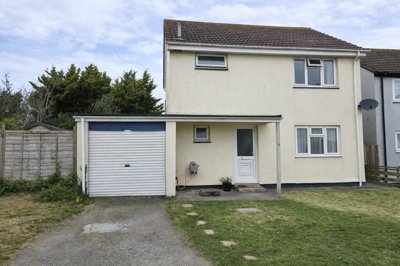
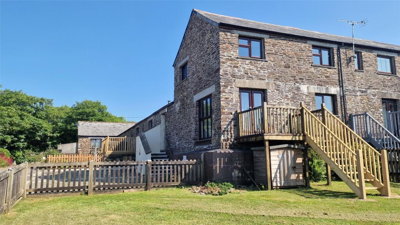
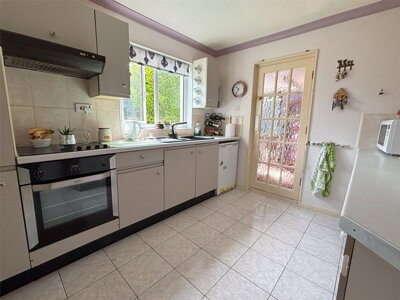
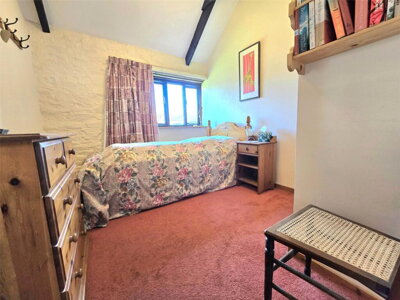
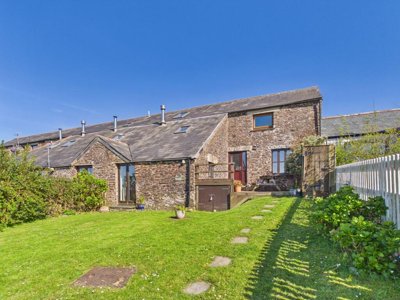
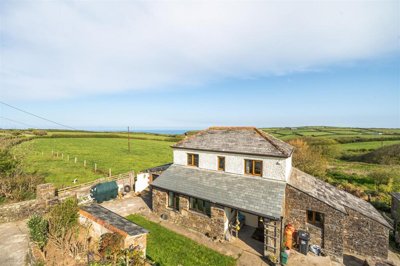
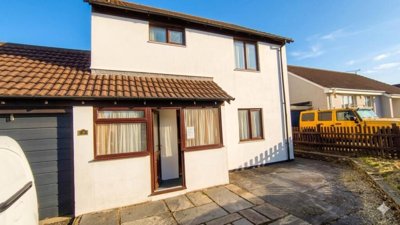
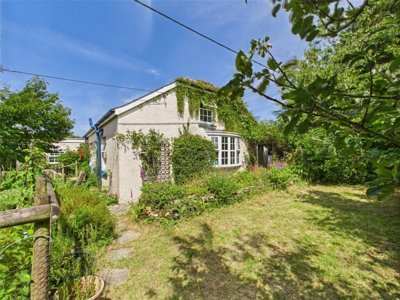
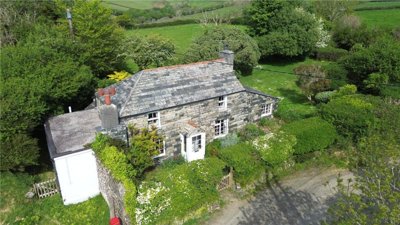
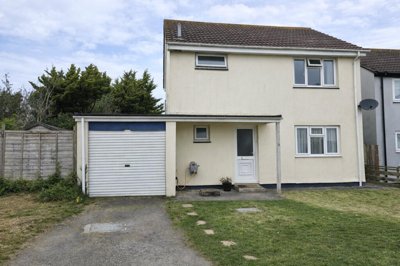
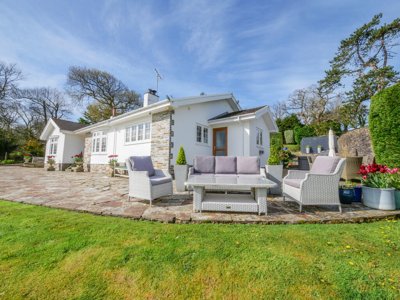
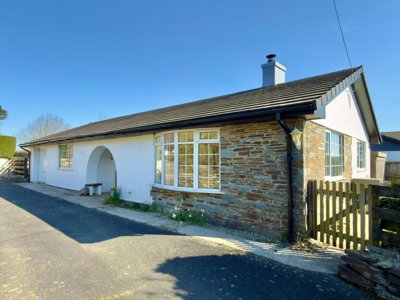
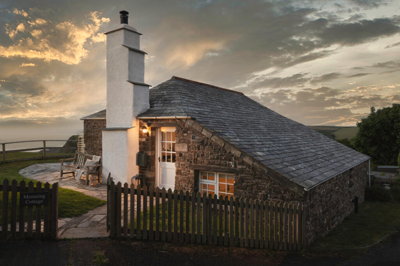
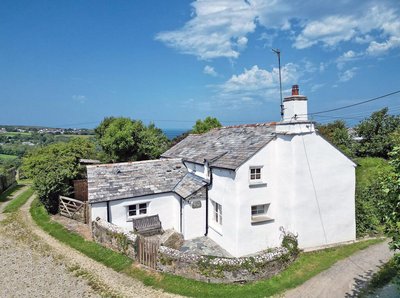
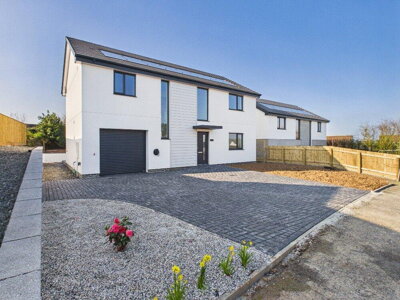
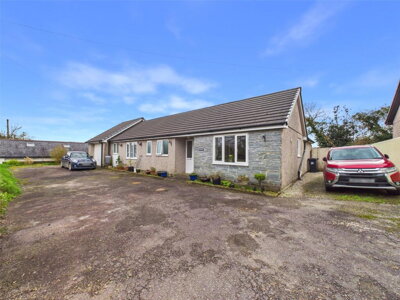
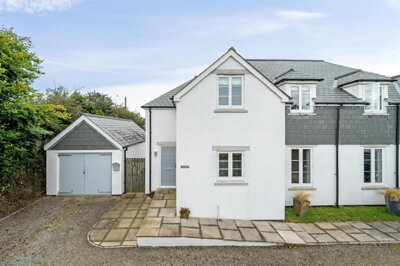
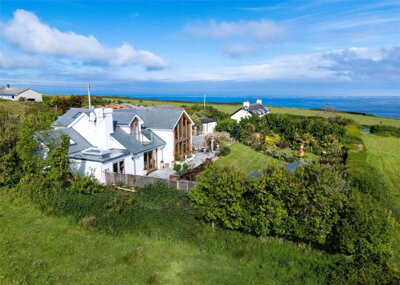
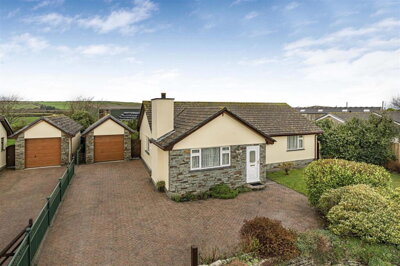
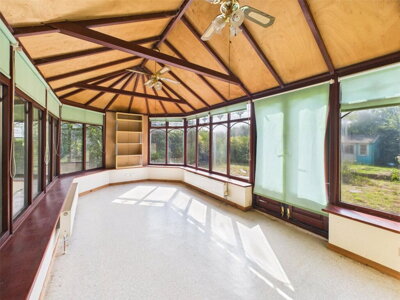
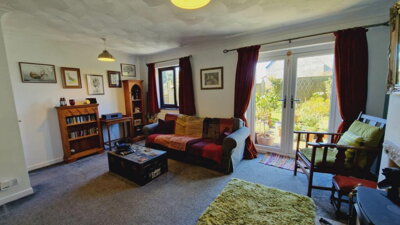
Browse 25 homes for sale in St Gennys from local estate agents.
Three bedroom properties represent a significant portion of the St Gennys housing market, offering space for families with multiple reception rooms and gardens in many cases. Browse detached, semi-detached, and terraced options ranging from period character homes to contemporary developments.
3-5 properties per year
Recent Sales
£105,000 - £875,000
Price Range
Zero Housing Target
Planning Status
Entire Parish Protected
National Landscape
St Gennys sits in one of Cornwall’s tightest planning environments, and that odd restriction does help to keep values buoyant in this attractive coastal parish. Because the whole parish falls within the Cornwall National Landscape, Cornwall Council's Local Plan gives St Gennys a Zero Housing Target, so there is a broad presumption against new housing developments. In practice, that keeps the stock of properties for sale thin on the ground, and buyers are left chasing a small pool of existing homes that still carry centuries of local character. Recent homedata.co.uk sales show the spread, from a barn conversion at White Lodge on Church Road that sold for £312,500 in March 2024, to a traditional cottage at Rosecare Farm that achieved £173,500 in July 2024.
What we see in St Gennys is a housing mix shaped by farming and the coast, with stone cottages, detached farmhouses and converted barns making up most of what comes to market. The parish is rich in listed buildings, from the striking Grade I Church of St Genesius to a long list of Grade II farmhouses and cottages that have stood for generations. One larger home at West Crannow sold for £875,000 in August 2021, a good example of the premium buyers will pay for period property with land in this protected landscape. For smaller homes, prices can start around the £170,000 mark for cottages needing work, while fully renovated character homes sit at a level that reflects both their condition and setting.
Planning activity in the parish gives a clear picture of just how limited new development is. At Honeysuckle Cottage in Crackington Haven, an application for a replacement two-bedroom residential dwelling, including demolition of the existing structure, was approved in September 2025. Treworgie Barton Cottages also gained approval in December 2025 for a new holiday accommodation dwelling, which shows that Cornwall Council will accept some new residential units where they meet the right criteria. The pattern is simple enough, new build supply stays severely restricted, but a buyer prepared to move fast can still catch the occasional opportunity.
Because homes for sale are so scarce in St Gennys, anything that comes to market tends to pull in plenty of attention from buyers hoping to secure a place in this protected coastal parish. Our view of local sales points to steady demand for character homes, with Teasel Cottage at Rosecare selling for £105,000 in November 2022, and a more substantial property reaching £351,000 in September 2024. St Gennys House on Church Road sold for £947,500 in November 2004, while the nearby White Lodge barn conversion fetched £312,500 in 2024, which says a lot about the enduring premium attached to period property here.

Life in St Gennys has a way of pulling people in, first as visitors and then, quite often, as residents. Crackington Haven gives the parish its dramatic coastal edge, where Carboniferous rocks from the Crackington Formation rise into towering cliffs and sea stacks. Move inland and the ground changes to cliff-top moorland, then productive farmland, with hedgerows, old lanes and small hamlets creating a compact rural feel that is far removed from town life. Around 800-1,000 residents live here, and the parish still has the sort of local events, traditions and neighbourliness that many places have lost.
Day-to-day life here tends to centre on the basics, but the basics are part of the appeal. The Holy Well of St Gennys, a Grade II listed monument dating to around AD 500, sits on the front lawn of the Old School House and speaks to the parish’s deep history. The parish church of St Genesius, partly Norman and built with aisles using local granite and Polyphant stone, remains a focal point for services and community events. For shopping and services, most residents head to Bude, about 5 miles away, where there are supermarkets, independent shops, healthcare facilities and a wider choice of amenities. The coastal path brings excellent walking, and the beaches at Crackington Haven and Bossiney draw people in all year.
Tourism plays a sizeable part in the local economy, helped by the coastline and the protected landscape. Holiday cottages across the parish are well let in peak season, and several homes operate successfully as holiday lets with the right planning consents in place. The area’s mining past adds another layer of interest, too, with the former Wolframite, Lead, and Zinc mine at Mineshope just one part of the parish’s industrial archaeology. Through the year, church fetes and coastal clean-ups give residents regular chances to meet, and those events do a lot to hold the community together.
The buildings in St Gennys tell the story of long occupation and working farmland, with local stone and other materials drawn from the Carboniferous geology around them. Higher Tresmorn farmhouse, listed at Grade II*, is a strong example of the quality of period property found here. There are many Grade II listed farmhouses and cottages as well, including Berts Cottage, Fry's Cottage, and Pengold House and Pengold Cottage, formerly Pengold Farmhouse, which dates from the C17. The earlier vicarage, built in 1727, shows the traditional use of stone and cob, and planning policy now places weight on suitable materials and careful colour choices in finishes so the landscape keeps its visual unity.

For families, St Gennys does have schooling within the parish and more beyond it in north Cornwall. St Gennys Primary School provides education from reception through to Year 6, and its rural setting gives children plenty of outdoor learning. The school works closely with the parish church and the wider community, which helps reinforce the local identity people talk about so often here. For secondary education, pupils usually travel to Bude where Budeheavan Foundation offers secondary schooling, although some families look to independent schools in Cornwall, with several strong options within a reasonable drive.
Beyond the parish boundary, families will still find further options if they are happy to travel a bit. Nearby villages have their own primary schools, and the secondary choice includes both state and independent establishments. School catchments in popular rural areas can be competitive, so it makes sense to check places early if you are moving to St Gennys. Because there is very little major new housing, rolls stay fairly stable, but buyers with school-age children should speak to Cornwall Council's education department for current admissions details and any planned changes to catchment boundaries.
Right in the village centre, the School House, built around 1870, serves as a reminder of how long education has been part of St Gennys life. The original school building has since been replaced by the modern primary school, but the continuing presence of educational facilities says a great deal about family life in the parish. For those considering private education, Cornwall has a number of well-regarded independent schools, and transport from the St Gennys area can usually be arranged for weekly or termly boarding.
Getting about from St Gennys means planning ahead, because the parish’s coastal-rural setting does shape daily travel. Bodmin Parkway is the nearest mainline station, about 40 minutes by car, and trains from there run to London Paddington in around 4 hours. For local journeys, First Kernow provides a bus link to Bude and surrounding villages, although the service is much less frequent than an urban route. In reality, most residents see car ownership as essential, and the narrow country lanes around the parish call for careful driving, especially in summer when visitor traffic rises sharply.
The roads that serve St Gennys link the parish with Bude and the A39 Atlantic Highway, the route that follows the north Cornwall coast and connects eastwards to Barnstaple and south to the ferry ports at Plymouth. For regular commuters, Exeter is roughly 90 minutes away by road, while Bristol can be reached in around 3 hours. Plenty of residents work from home and find the balance appealing, with St Gennys offering superb natural surroundings and enough connectivity for remote work. Exeter is the nearest airport, again about 90 minutes away, and Bristol and Plymouth are both within sensible reach for domestic and European flights.
Down the coastal road towards Crackington Haven, the scenery becomes especially striking, though the summer traffic can make those routes feel busy at peak times. Many of the parish lanes are still unadopted, maintained by Cornwall Council under historic agreements, and they are often only really suitable for smaller vehicles. Living here means getting to know which roads are publicly maintained and which are not, a small but important part of day-to-day life for St Gennys residents.

Start by looking at current listings in St Gennys and getting a feel for the local market, because the rules here are not the same as in more open-growth areas. With the Zero Housing Target in the Cornwall Local Plan, homes rarely appear, so it helps to know what is genuinely available and what represents fair value.
Before any viewings, it is wise to secure a mortgage agreement in principle from a lender. Sellers and agents take that seriously, particularly in a market where one property can draw several interested buyers.
Once you are viewing, look closely at how each home sits, what condition it is in, and whether it offers room to adapt. Age matters here, as do listed building restrictions, plus the risk from flood areas or coastal erosion zones.
Before you commit, book a full property survey with a qualified RICS surveyor. In St Gennys, with so many older homes and a coastal climate, a comprehensive survey is a sensible step to check for structural issues, dry rot, timber defects and other problems that can turn up in period property.
After your offer is accepted, instruct a solicitor who knows Cornish property transactions well. They will handle the searches, check the title deeds, and manage exchange and completion from start to finish.
From there, the solicitor takes the transaction through to the final stages, including contract exchange and completion. On completion day, the property becomes yours in law, and you can collect the keys and move into your new home in St Gennys.
Buying in St Gennys means thinking through a few issues that are less common in more urban markets. With so many listed buildings in the parish, many homes come with limits on alterations and improvements, so buyers need to know exactly what work needs Listed Building Consent before they proceed. The parish has numerous Grade II listed farmhouses and cottages, along with the more significant Grade I and Grade II* buildings, each carrying a different level of protection. If renovations or extensions are on the table, a pre-purchase discussion with Cornwall Council's planning department can clarify what may be possible.
Because St Gennys sits on the coast, especially near Crackington Haven, maintenance and insurance can be a different story. Exposed properties may weather faster, need repainting more often, and attract higher insurance premiums than comparable homes inland. The Carboniferous rocks and the history of mining activity in the area mean your solicitor should order mining searches as part of conveyancing. Homes built from traditional materials such as cob, as used in the earlier vicarage built in 1727, may also need specialist knowledge that differs from modern construction.
The parish’s mining history, including the former Wolframite, Lead, and Zinc mine at Mineshope, means some locations may be affected by historic workings. A mining search ought to be standard for any purchase in St Gennys, as it shows whether the property lies within a mining search area and what that could mean for the land and buildings. Former quarry sites can bring different foundations and ground conditions, so a thorough survey should deal with those too. Knowing about these local factors helps buyers plan sensibly and budget for any remediation or specialist maintenance that period homes may need.
There is no separate published average house price figure for St Gennys, but homes in the EX23 postcode show clear variation by type and condition. Recent sales include a barn conversion at White Lodge on Church Road for £312,500 in March 2024, a traditional cottage at Rosecare Farm for £173,500 in July 2024, and a character property sold for £351,000 in September 2024. Bigger period farmhouses with land have sold for a good deal more, with West Crannow reaching £875,000 in 2021. The restricted supply created by the Zero Housing Target in the Cornwall Local Plan tends to support prices in this desirable National Landscape setting.
Council tax in St Gennys falls under Cornwall Council, with bands set according to property valuation. To confirm the band for a specific home, the Valuation Office Agency database has to be checked against the exact address. In broad terms, traditional stone cottages and smaller properties usually sit in bands A through D, while larger farmhouses and substantial detached homes can fall into higher bands. Buyers should work council tax into their budget alongside mortgage payments and the rest of the purchase costs.
St Gennys Primary School looks after the immediate parish community, teaching children from reception age through to Year 6, and it is known for its caring approach and close links to local life. For secondary schooling, pupils usually attend Budeheavan Foundation in Bude, and families should check current catchment arrangements with Cornwall Council because admissions policies can change. Nearby villages also have good primary schools, and independent school choices are available within a reasonable driving distance for families who want another route.
Public transport in St Gennys is limited, which is hardly surprising for a rural parish. The local bus service links St Gennys with Bude and nearby villages, but the frequency is low when compared with town routes. Bodmin Parkway is the nearest mainline railway station, about 40 minutes by car, with direct services to London Paddington. Most residents treat car ownership as part of everyday life, and the narrow lanes need steady, confident driving. Anyone arriving by public transport should expect a fairly long taxi ride from the station.
St Gennys makes a strong investment case for several reasons. Tight planning controls, including the Zero Housing Target within the Cornwall National Landscape, help support values by keeping oversupply in check. North Cornwall’s coastline remains highly desirable, and demand from holidaymakers and people looking for a rural retreat backs both rental potential and longer-term capital growth. Homes with planning consent for holiday letting can command a premium because tourism demand is so steady. That said, investors do need to think about the limited scope for development and the seasonal rhythm of holiday demand when working out returns.
Stamp Duty Land Tax applies to all property purchases in England, and for standard residential purchases the 2024-25 thresholds are 0% on the first £250,000, 5% on the portion from £250,001 to £925,000, 10% on £925,001 to £1.5 million, and 12% on any amount above £1.5 million. First-time buyers get relief on the first £425,000, with 5% applied between £425,001 and £625,000. Most homes in St Gennys sit in the lower tax bands, so the extra cost of buying is usually modest when compared with prices in London and the Southeast. Your solicitor will work out the exact figure from your circumstances and the price you agree.
St Gennys has an unusual concentration of historic buildings, including the Grade I listed Church of St Genesius, the Grade II* listed Higher Tresmorn, and plenty of Grade II listed homes, among them farmhouses, cottages and the Grade II listed Holy Well of St Gennys dating to around AD 500. If you buy a listed building, exterior or structural changes normally need Listed Building Consent from Cornwall Council as well as standard planning permission. That covers windows, doors, roofing materials, and any extensions or outbuildings. Those obligations should sit in the balance when you are deciding, though the character and protection attached to these homes is part of what makes them so appealing.
It pays to understand the full cost of buying in St Gennys so you can budget properly and avoid awkward surprises once the transaction is underway. Beyond the purchase price, you will need to account for Stamp Duty Land Tax, solicitor fees, survey costs and a range of smaller charges that can add up to several thousand pounds. On a typical £300,000 purchase in St Gennys, a standard buyer would pay no SDLT on the first £250,000 and 5% on the remaining £50,000, which comes to £2,500 in stamp duty. First-time buyers buying homes up to £425,000 pay no stamp duty at all on qualifying purchases, a useful saving that can go towards renovation plans or furniture.
Conveyancing fees in Cornwall usually sit somewhere between £500 and £1,500, depending on how complex the sale is and whether the property is freehold or leasehold. There are also local authority searches to pay for, which can take several weeks but are needed to flag any planning or environmental issues affecting the property. A RICS Level 2 Survey costs from £350 depending on the size and complexity of the home, and for older properties in St Gennys that outlay is strongly advised to pick up structural concerns before you commit. Land Registry fees for registering ownership are fairly modest at around £150-200. Setting aside a contingency of 5-10% of the purchase price on top of the advertised figure gives a sensible cushion for the sort of unexpected costs that often arise during property purchases.

Properties for Sale In London

Properties for Sale In Plymouth

Properties for Sale In Liverpool

Properties for Sale In Glasgow

Properties for Sale In Sheffield

Properties for Sale In Edinburgh

Properties for Sale In Coventry

Properties for Sale In Bradford

Properties for Sale In Manchester

Properties for Sale In Birmingham

Properties for Sale In Bristol

Properties for Sale In Oxford

Properties for Sale In Leicester

Properties for Sale In Newcastle

Properties for Sale In Leeds

Properties for Sale In Southampton

Properties for Sale In Cardiff

Properties for Sale In Nottingham

Properties for Sale In Norwich

Properties for Sale In Brighton

Properties for Sale In Derby

Properties for Sale In Portsmouth

Properties for Sale In Northampton

Properties for Sale In Milton Keynes

Properties for Sale In Bournemouth

Properties for Sale In Bolton

Properties for Sale In Swansea

Properties for Sale In Swindon

Properties for Sale In Peterborough

Properties for Sale In Wolverhampton

Enter your details to see if this property is within your budget.
Loans, cards, car finance
Estimated property budget
Borrowing + deposit
You could borrow between
Typical borrowing
Monthly repayment
Est. at 4.5%
Loan-to-value
This is an estimate only. Your actual budget may vary depending on interest rates, credit history, and personal circumstances. For an accurate affordability assessment, speak to one of our free mortgage advisors.
This calculator provides estimates for illustrative purposes only and does not constitute financial advice. Your home may be repossessed if you do not keep up repayments on your mortgage. Estimates based on 4.5% interest rate, repayment mortgage. Actual rates depend on your circumstances.
Homemove is a trading name of HM Haus Group Ltd (Company No. 13873779, registered in England & Wales). Homemove Mortgages Ltd (Company No. 15947693) is an Appointed Representative of TMG Direct Limited, trading as TMG Mortgage Network, which is authorised and regulated by the Financial Conduct Authority (FRN 786245). Homemove Mortgages Ltd is entered on the FCA Register as an Appointed Representative (FRN 1022429). You can check registrations at NewRegister or by calling 0800 111 6768.

We use cookies to show you personalised content and improve your experience of our website. Find out more in our Privacy policy and Cookie policy.