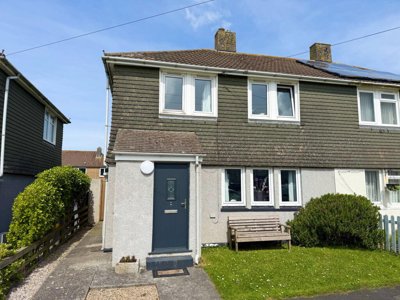
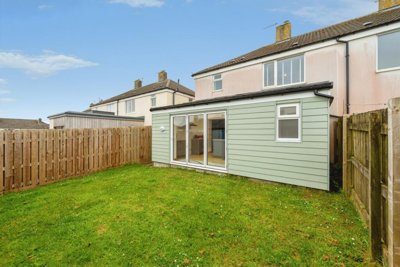
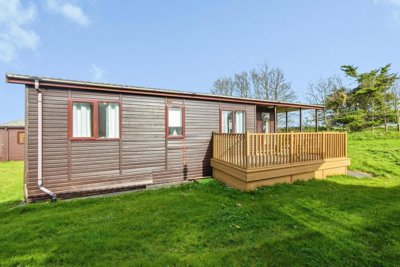
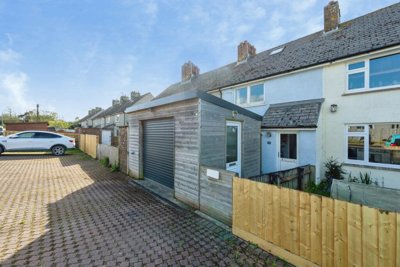
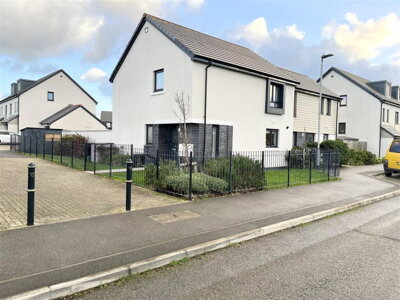
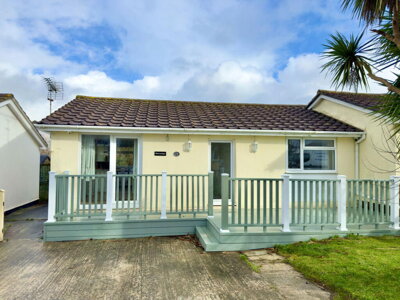
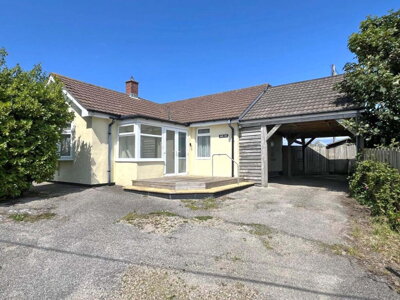
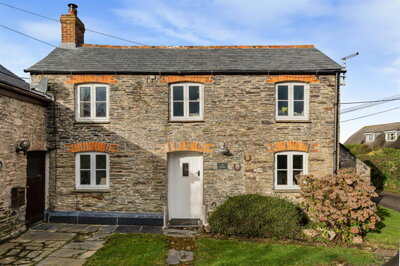
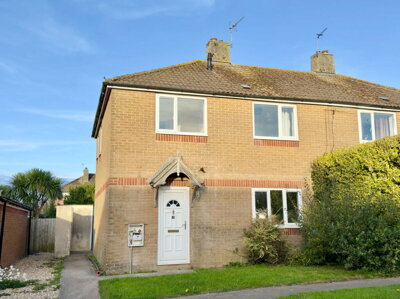
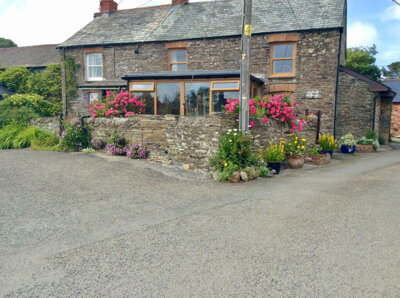
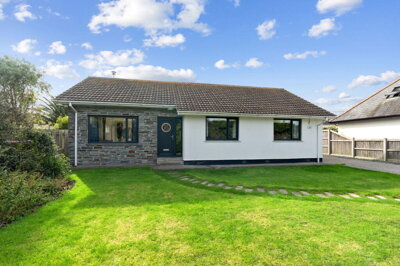
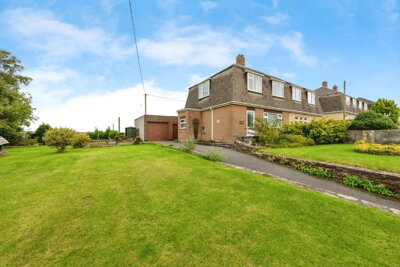
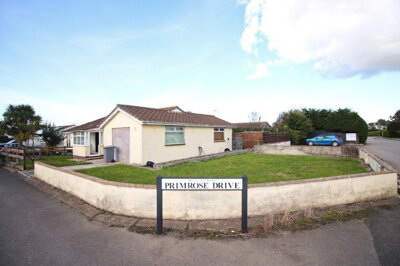
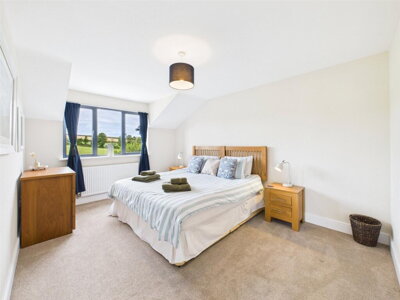
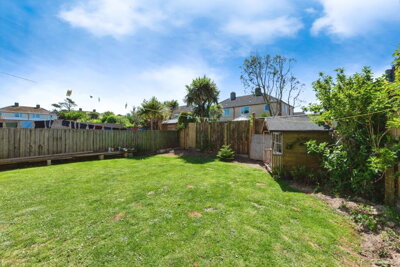
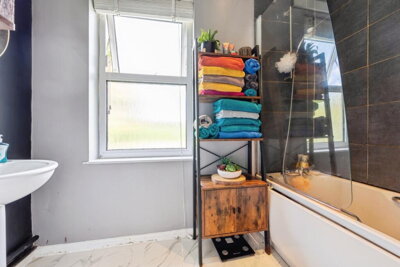
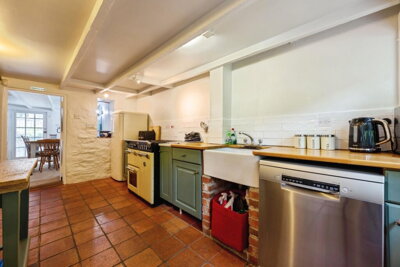
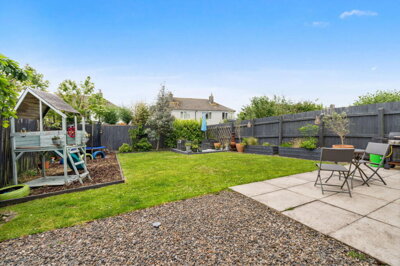
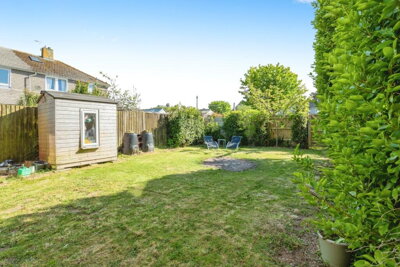
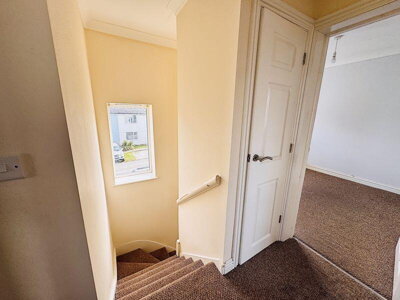
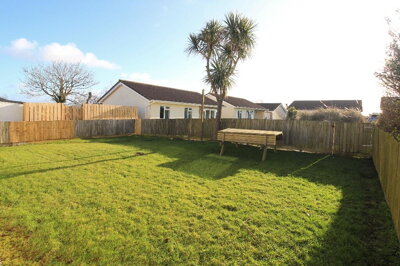
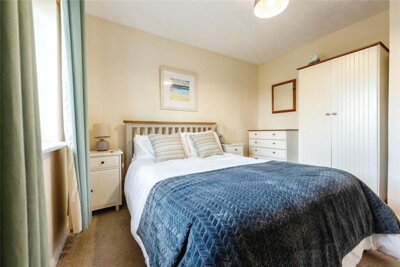
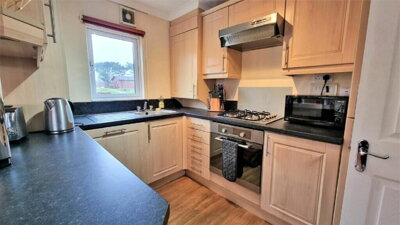
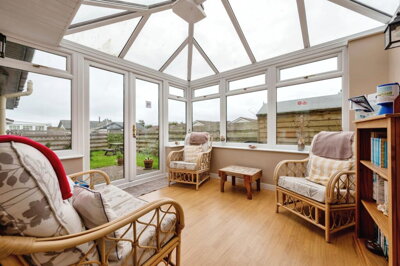
Browse 25 homes for sale in St. Ervan from local estate agents.
Ervan from local agents. Three bedroom properties represent a significant portion of the St. Ervan housing market, offering space for families with multiple reception rooms and gardens in many cases. Browse detached, semi-detached, and terraced options ranging from period character homes to contemporary developments.
St. Ervan and the wider PL27 market covers a broad spread of homes, so buyers are not limited to one style or budget. In our current listings we see everything from traditional Cornish cottages and converted barns to modern semis and substantial detached family houses. Because the village sits close to Wadebridge, people can use excellent local amenities without giving up the quieter feel of village life. Stock commonly includes period cottages built in traditional local stone and slate, detached bungalows with generous gardens, and the occasional chance to take on a project, including The Sheep House at Treravel Farm, a rare building plot with full planning consent. For first-time buyers, growing families, and people after a rural retreat, there is usually something here that merits a closer look.
Across Cornwall, the average house price is £277,000 as of December 2025, which is a 2.5% drop on the previous year. Detached homes still lead the market, making up 35.9% of all sales at an average of £449,731. Terraced properties account for 30.2% of transactions, at around £231,000. Semi-detached homes have held fairly steady, while flats have recorded a sharper 5.9% decline. Nearby coastal spots such as Padstow have also seen values ease by around 4% against the previous year, pointing to a wider market reset. Even so, St. Ervan still draws attention because its heritage setting and easy reach of the coast keep Cornish property firmly on buyers' lists.
Cornwall recorded 7,000 property transactions in the twelve months to December 2025, down 14.1% on the year before. That fall mirrors wider national conditions, although the North Cornwall market still shows staying power because of its distinct appeal. Around St. Ervan, demand remains fairly consistent, especially among buyers who want the Cornish lifestyle without paying the premium that often comes with being right on the coast. The range is mixed too, from traditional farmhouses such as Bogee Farmhouse and Paradise Cottage to newer additions that bring more modern amenities into a rural setting.

Life in St. Ervan still feels rooted in the older Cornish village pattern, quieter than the better-known tourist centres but with straightforward access to the surrounding area. The village sits in the civil parish of St. Ervan and falls within the St. Minver Lowlands electoral ward, so residents are represented at Cornwall Council level. Historic buildings shape much of its character. Among them are the Grade II* Church of St Hermes and the Methodist Chapel, both strong reminders of the religious history that has influenced this community for centuries. Homes such as Bogee Farmhouse, Paradise Cottage, and Lower Town also show off the traditional Cornish building style, with many constructed in local stone using methods passed down across generations.
The demographic make-up of St. Ervan follows wider Cornwall trends, with tourism sitting alongside traditional farming as an important part of the local economy. People moving in often notice the community spirit quickly, helped by local events and informal gatherings that give the village a friendly, settled feel. This part of North Cornwall is also influenced by nearby Padstow, which brings visitors year-round and supports local businesses, restaurants, and accommodation providers. Average earnings across Cornwall are still among the lowest in the country, yet better broadband and flights from Newquay Airport have made two-centre working more practical for residents trying to combine rural living with career options elsewhere. The number of second-home buyers here says plenty about how sought-after this stretch of coast remains.
Among the listed buildings in the village are Penrose Farmhouse, Pentruse Cottage, Millingworth Mill House, and the atmospheric guide posts scattered through the local landscape. The lychgate south of the Church of St Hermes, together with the chest tomb near the church porch, points to centuries of continuous habitation and worship in this part of Cornwall. Anyone buying a period property in St. Ervan should understand what listed status can involve. External alterations, extensions, and major internal works will usually need Listed Building Consent from Cornwall Council, and it is often necessary to use specialist contractors who can work with the right traditional materials and methods.

Families looking at St. Ervan have a number of education options within reasonable travelling distance, from early years right through to further education. Primary provision for the village is generally found in nearby communities such as St. Merryn or Wadebridge. Those schools cover the needs of young families and tend to be well regarded locally. For secondary education, most pupils travel into the wider Wadebridge area, where schools offer a broader choice of GCSE and A-level subjects as well as extracurricular activities. We always suggest checking the latest catchment areas and admissions policies before narrowing a property search, because those details can make a real difference to school place options.
There are other routes as well. Families wanting faith-based education or more specialist schooling will find extra options in the region, and sixth form and further education are available at colleges in Bodmin and Truro, where students usually go after GCSE studies. That gives households moving to St. Ervan some longer-term certainty, as education pathways are in place through the secondary and post-16 years. In a rural setting, though, transport needs proper thought. This is especially true for families without private vehicles, even though the local bus network does link up with nearby towns where the schools are based.
From St. Ervan, the drive to primary schools in surrounding villages is usually around 10 to 20 minutes, and some families may qualify for school transport. The Wadebridge area acts as the main secondary education centre for the region, with schools offering a broad curriculum and extracurricular options including sports, music, and arts programmes. Cornwall school admissions work on a catchment-based system, so homes nearer to preferred schools may stand a better chance of securing places. Oversubscription rules, including sibling links and other criteria, can still come into play.

Most journeys to and from St. Ervan are made by road. The village lies about three miles inland from the North Cornwall coast and has practical links to nearby towns and villages. The A389 is the main route into Wadebridge, approximately five miles away, where residents can reach a wider choice of amenities, supermarkets, healthcare facilities, and banking services. From there, the A39 trunk road runs north towards Bude and south towards Truro, Cornwall's administrative centre. Padstow is also within easy reach by car, known for its harbour and Rick Stein restaurants, and it remains a popular spot for both visitors and locals looking for coastal dining and leisure. For day-to-day shopping and commuting, Wadebridge is the main local hub, and regular bus services connect it with larger towns including Bodmin and Truro.
Newquay Airport is within sensible driving distance of St. Ervan and has improved Cornwall's links with the rest of the UK and overseas through domestic and international flights. That has helped make two-centre working more realistic for some residents, allowing them to keep a rural base while still travelling for business in a way that once pushed people towards city living. Rail users generally rely on Bodmin Parkway, where the mainline connects to Plymouth, Exeter, and London Paddington. Even so, for most everyday needs in an area this rural, the car remains the most practical option. Cycling is possible and often scenic, but country lanes can be demanding for less experienced riders, especially in the busiest tourist periods when coastal routes carry more traffic.
Bus services here vary quite a bit in frequency. Wadebridge usually has the more regular connections, while places further away, including Truro, tend to be served less often. For anyone working in Plymouth or Exeter, rail travel from the Bodmin area takes roughly one to one and a half hours, so commuting for the day is possible even if it is not the norm. Newquay Airport adds another layer of access, with flights to London Gatwick, London Stansted, Manchester, and a range of European destinations, which is useful for business travellers and for people with family elsewhere in the UK and abroad. Road travel still matters most, and the A39 Atlantic Highway through Wadebridge is the main north-south route in this part of Cornwall. It is usually well maintained, though summer traffic can cause congestion.

Start with the live market in St. Ervan and the wider PL27 area, and we can help you review current listings through Homemove. It also pays to get clear on local values and the kinds of homes available, especially with Cornwall having gone through a 2.5% market correction recently. We also suggest speaking to estate agents who know North Cornwall well, as they can sometimes flag upcoming listings before they reach the wider market.
Before booking viewings in earnest, get a mortgage agreement in principle from your lender. Sellers will usually see that as proof that finance is in place, and it can put you in a stronger position if competition builds around a property. Local surveyors and financial advisers can also help you gauge borrowing capacity for Cornwall homes, especially where listed status or possible mining risk may affect a lender's requirements.
Once you have a shortlist, arrange viewings of the properties that fit your criteria. We recommend paying close attention to construction materials, the age of the building, and any obvious signs of structural trouble. In St. Ervan, where older homes and traditional construction are common, a careful inspection matters. Watch for damp, check the condition of the roof, and ask what is known about the maintenance history.
In this area, a full homebuyer report is not something we would skip. The survey should look at common concerns such as damp, subsidence risk linked to clay soils, and any sign of Mundic Block construction. A professional report gives you protection as a buyer and sets out the property's condition in far more detail than a standard viewing ever can.
It helps to instruct a conveyancer who already knows Cornwall property. Our team regularly sees solicitors carry out local authority searches, mining records checks, and environmental assessments before matters move to contract stage. Because of Cornwall's mining heritage, a desktop mining search is especially important, as it can reveal potential issues linked to historic workings.
After the searches come back satisfactorily and the finance is fully in place, contracts are exchanged and the deposit is paid. Completion usually follows within days to weeks, at which point the keys to the new St. Ervan home are handed over. We can also point buyers towards useful local services once the move is happening, from tradespeople with experience of traditional buildings to utility providers covering the area.
Buying in St. Ervan calls for attention to a few local factors that do not arise in quite the same way in every UK market. Cornwall's geology is one of them. Parts of the county are affected by former mining activity and clay-rich soils, both of which can contribute to ground movement. Any property showing diagonal cracking, sticking doors or windows, or sloping floors should be checked very carefully before you commit. Historic mining has also left some homes exposed to undocumented features that may create collapse or ground instability risks. We strongly recommend a desktop mining search for any property in this region, particularly if it is of older construction.
Construction materials are another key part of the picture in Cornwall. Homes built between the 1900s and approximately 1965 may contain Mundic Block, a concrete product that can deteriorate with time and, in some cases, leave a property unmortgageable unless specialist testing is carried out. Traditional local stone and slate buildings are often solidly built, but their age can mean there is no modern damp-proof course, which may lead to rising damp or penetrating damp. The coastal climate adds to moisture pressures, so ventilation and regular upkeep matter. In St. Ervan there are also many listed buildings, and any renovation work to them will need Listed Building Consent from Cornwall Council, which can add both complexity and cost to later changes.
Because so many homes in St. Ervan use traditional construction methods, signs of age-related wear are common and do not always point to a serious defect. Slate roofs, for example, may need replacing after 50 to 80 years, so that cost should be considered before purchase. Older electrical systems may need upgrading to current standards, and heating arrangements based on older technology can be less efficient than modern replacements. Our recommended survey looks closely at these points and others, giving you a detailed condition report before you decide on a purchase in this North Cornwall village.

Buildings in St. Ervan show the long construction history of North Cornwall, from farmhouses that are centuries old to more recent schemes. Traditional Cornish building usually relies on local stone and slate, with walls often formed in rubble stone and lime mortar rather than the brick construction seen in many other parts of England. Those methods can create excellent thermal mass, but they do not always meet the insulation standards buyers expect in newer homes. Lime mortar pointing also needs periodic maintenance if water ingress is to be kept at bay.
Mundic Block is one of the bigger construction issues to watch for in properties dating from approximately 1900 to 1965. The term refers to concrete building materials made with aggregates that may include beach sand, mine waste, or other local materials. Over time, those aggregates can break down and affect the structural integrity of the walls. If one of our surveyors suspects Mundic Block during a RICS Level 2 Survey, a specialist Mundic test may then be needed, using laboratory analysis of a small core sample.
Elsewhere in Cornwall, some homes were built to the Cornish Unit specification, using pre-cast sectional reinforced concrete construction. They can come with maintenance demands and structural points that differ from traditional stone property or standard brick-and-block construction. Our surveyors are used to identifying and assessing the common build types found across the region, so buyers considering a property in St. Ervan can get a clear picture of what they are taking on.

There is no separately recorded average price for St. Ervan itself, but the broader Cornwall figure stands at £277,000. Detached homes average about £449,731, and terraced houses sit closer to £231,000. Across the wider Cornwall market, prices have fallen by 2.5% over the last year, while coastal locations such as Padstow have seen slightly steeper corrections of around 4%. In St. Ervan itself, values can vary widely depending on type, size, condition, and on whether a property is listed or sits in a conservation area.
For administration, St. Ervan comes under Cornwall Council. Council tax in Cornwall runs from bands A to H, and many traditional cottages and bungalows tend to fall within bands A to D. The exact band depends on the property's valuation and features. Buyers should check the current banding with Cornwall Council or through property listings, because it affects annual running costs for council services, bin collections, and local amenities. For addresses in the PL27 postcode area, bandings can be checked online through the Cornwall Council website.
Primary schooling closest to St. Ervan is generally found in nearby villages, including St. Merryn and Wadebridge. These schools serve their local communities and are usually regarded positively for both educational provision and community involvement. Secondary schools in the Wadebridge area offer GCSE and A-level courses, and for post-16 education there are colleges in Bodmin and Truro. As always, parents should confirm the latest catchment areas and admissions policies, since both can change and will affect eligibility for places. Recent inspection results from Ofsted, along with other school performance data, can be checked on the government website.
Road access is the main way in and out of St. Ervan, with the A389 linking the village to Wadebridge about five miles away. Bus routes run to Wadebridge, Padstow, Bodmin, and Truro, although service levels are generally lighter than in urban areas. Wadebridge remains the main local centre for amenities and services, and Newquay Airport provides the key air connections for longer trips. In practice, most residents find private vehicle ownership important for everyday commuting and routine errands in a rural location like this, and that should form part of any move calculation.
For buyers looking at St. Ervan from an investment angle, there is plenty to weigh up. The area's character, heritage feel, and closeness to the North Cornwall coast continue to attract people looking for either a main home or a holiday retreat. Listed buildings and the rural setting can help support values over the medium term. At the same time, Cornwall has a significant second-home market, which can influence rental yields and day-to-day property management. With the market having corrected by 2.5%, conditions are a little more favourable to buyers, although older construction and mining history still call for proper due diligence. There may also be holiday let potential here because of the tourism draw, though the rules around short-term lets are still changing.
From April 2025, residential Stamp Duty Land Tax rates are 0% on the first £250,000, 5% on £250,001 to £925,000, 10% on £925,001 to £1.5 million, and 12% above £1.5 million. First-time buyers can claim relief on the first £425,000, with 5% charged on the slice between £425,001 and £625,000. On a typical St. Ervan purchase at the Cornwall average of £277,000, a standard buyer would pay nothing on the first £250,000 and 5% on the remaining £27,000, giving SDLT of about £1,350. The exact figure will depend on the purchase price and personal circumstances, and your solicitor will calculate it before completion.
Cornwall's mining past still matters in places like St. Ervan. Historic mine features are not always shown on modern maps, and the risks can include surface subsidence, underground voids, and hazardous ground gas from former workings. Our surveyors advise a desktop mining search for any property in this part of Cornwall, and if the result raises concerns, or if the building already shows movement, more intrusive investigations may be sensible. Some lenders may treat homes with significant mining risk as "Cash Buyers Only", so checking mining records early is a wise step before money is committed.
St. Ervan has a large number of listed buildings, reflecting its long-standing role in religious and agricultural life. Important examples include the Grade II* Church of St Hermes, the Grade II* Methodist Chapel, Bogee Farmhouse, Paradise Cottage, Lower Town, and a range of farm buildings across the parish. Any work to these properties, inside or out, may need Listed Building Consent from Cornwall Council. Ownership also brings responsibilities, including preserving character and using suitable materials and methods for repairs or alterations. Those obligations should be allowed for in both the buying decision and the ongoing cost of ownership.
From 4.5% APR
We can help you compare mortgage rates from leading lenders for your St. Ervan property purchase.
From £499
We work with expert property solicitors to handle your St. Ervan purchase.
From £350
We offer a thorough homebuyer report that suits many properties in North Cornwall.
From £450
For older or more complex homes, we can arrange a comprehensive structural survey.
Getting the full cost picture for a St. Ervan purchase matters if you want to budget properly and avoid unwelcome surprises during the transaction. The purchase price is only part of it. Buyers also need to account for Stamp Duty Land Tax, which at standard rates applies to purchases above £250,000. On a property at the Cornwall average of £277,000, a standard buyer would pay about £1,350 in SDLT, based on 5% of the amount above £250,000. First-time buyers purchasing up to £425,000 may qualify for relief that cuts this cost or removes it altogether, which can make a real difference at the start of ownership. Higher-value homes will trigger higher SDLT liabilities, with 12% applying to the part of the price above £1.5 million.
There are other purchase costs to budget for as well. Conveyancing fees usually sit between £499 and £1,500, depending on complexity and on whether the property is freehold or leasehold. Your solicitor's searches should cover drainage and water, local authority matters, and environmental issues relevant to Cornwall's mining history and geology. In this region, a mining search is especially important because undocumented historic features can affect stability. Survey costs also need to be included, with RICS Level 2 surveys starting from around £350 for standard homes and rising for larger or more complex properties. Mortgage arrangement fees, valuation fees, and broker charges may add several hundred pounds more. Fees for registering the transfer of ownership with homedata.co.uk are usually modest, but they still belong in the overall budget for a St. Ervan purchase.
It is also sensible to leave room for the practical costs around the move itself. Budget for removals, any repair or renovation work picked up in the survey, and the ongoing bills that come with ownership, including council tax, utilities, buildings insurance, and routine maintenance. In this part of North Cornwall, insurance can sometimes cost more than average because of flood risk linked to coastal proximity and because subsidence risk may be tied to mining activity. We generally suggest a contingency fund of at least 10% of the purchase price for unexpected costs, particularly with older properties where hidden defects are more likely to appear after completion.
Properties for Sale In London

Properties for Sale In Plymouth

Properties for Sale In Liverpool

Properties for Sale In Glasgow

Properties for Sale In Sheffield

Properties for Sale In Edinburgh

Properties for Sale In Coventry

Properties for Sale In Bradford

Properties for Sale In Manchester

Properties for Sale In Birmingham

Properties for Sale In Bristol

Properties for Sale In Oxford

Properties for Sale In Leicester

Properties for Sale In Newcastle

Properties for Sale In Leeds

Properties for Sale In Southampton

Properties for Sale In Cardiff

Properties for Sale In Nottingham

Properties for Sale In Norwich

Properties for Sale In Brighton

Properties for Sale In Derby

Properties for Sale In Portsmouth

Properties for Sale In Northampton

Properties for Sale In Milton Keynes

Properties for Sale In Bournemouth

Properties for Sale In Bolton

Properties for Sale In Swansea

Properties for Sale In Swindon

Properties for Sale In Peterborough

Properties for Sale In Wolverhampton

Enter your details to see if this property is within your budget.
Loans, cards, car finance
Estimated property budget
Borrowing + deposit
You could borrow between
Typical borrowing
Monthly repayment
Est. at 4.5%
Loan-to-value
This is an estimate only. Your actual budget may vary depending on interest rates, credit history, and personal circumstances. For an accurate affordability assessment, speak to one of our free mortgage advisors.
This calculator provides estimates for illustrative purposes only and does not constitute financial advice. Your home may be repossessed if you do not keep up repayments on your mortgage. Estimates based on 4.5% interest rate, repayment mortgage. Actual rates depend on your circumstances.
Homemove is a trading name of HM Haus Group Ltd (Company No. 13873779, registered in England & Wales). Homemove Mortgages Ltd (Company No. 15947693) is an Appointed Representative of TMG Direct Limited, trading as TMG Mortgage Network, which is authorised and regulated by the Financial Conduct Authority (FRN 786245). Homemove Mortgages Ltd is entered on the FCA Register as an Appointed Representative (FRN 1022429). You can check registrations at NewRegister or by calling 0800 111 6768.

We use cookies to show you personalised content and improve your experience of our website. Find out more in our Privacy policy and Cookie policy.