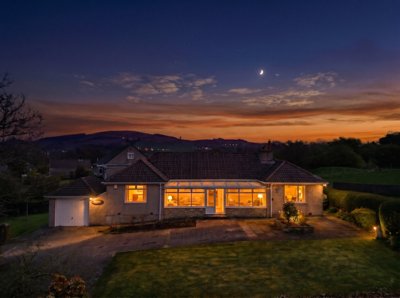
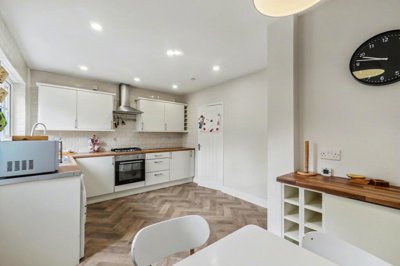
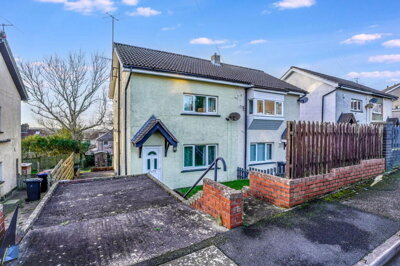
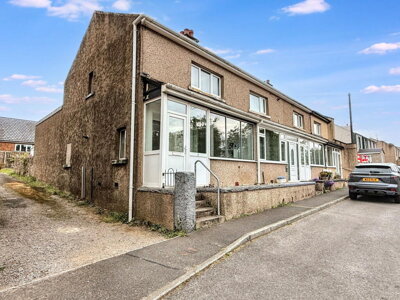
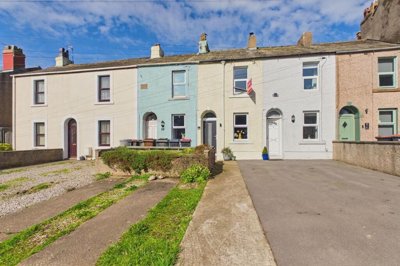
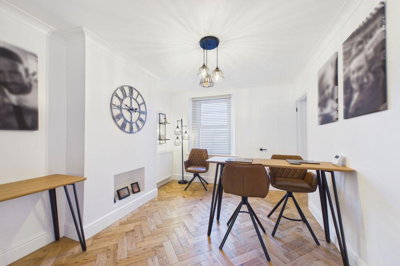
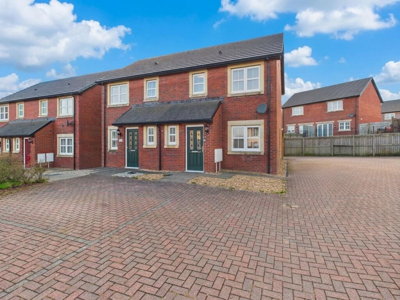
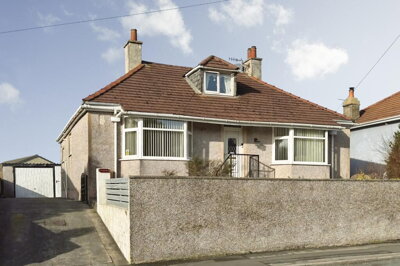
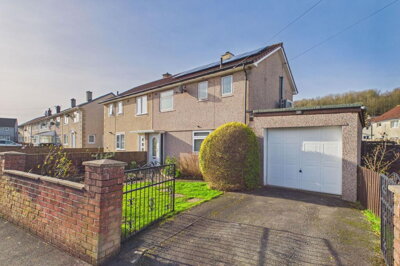
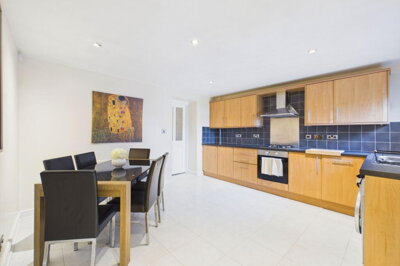
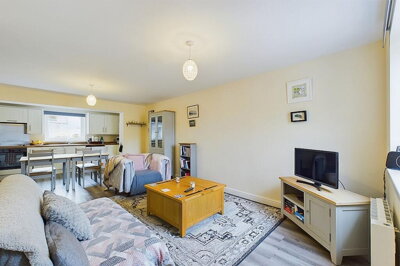
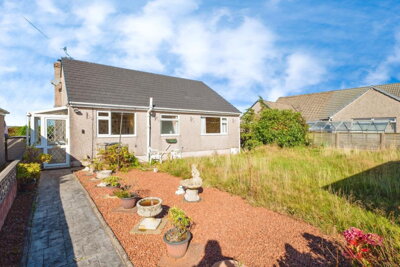
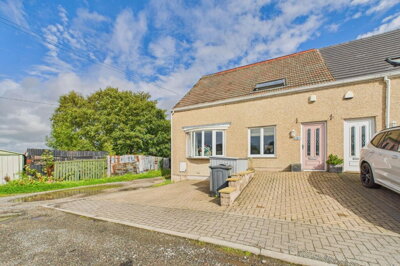
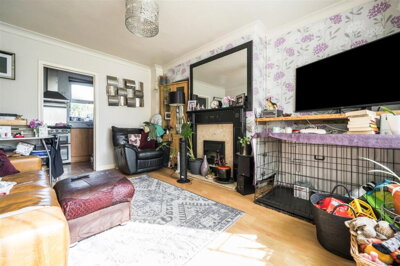
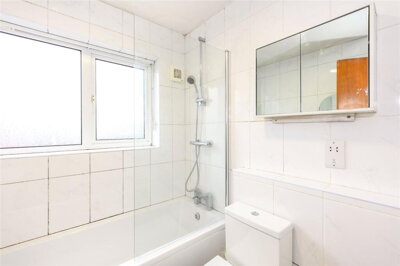
Browse 19 homes for sale in St. Bees from local estate agents.
Bees. The 2 bed house market features detached, semi-detached, and terraced properties with two separate bedrooms plus living spaces. Properties in St. Bees range from Victorian and Edwardian period homes to modern new builds, with pricing varying across different neighbourhoods.
St. Bees gives buyers a coastal alternative without Lake District price premiums, and detached homes are where the highest values sit, averaging around £447,307 depending on the portal consulted. These properties usually come with generous gardens, off-street parking and wide views across the Irish Sea or towards the Lakeland fells. Around the village, stone-built detached houses remain the dominant sight near the seafront, which suits the area’s heritage well.
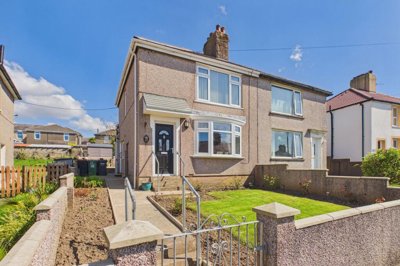
Semi-detached homes in St. Bees average approximately £200,000, so they often catch the eye of first-time buyers and growing families. The usual Cumbrian look is here too, local stone facades paired with rendered extensions, giving character without pushing the price up to detached levels. For anyone who wants more room than a terrace, but does not want to stretch to detached prices, this part of the market is worth a close look.
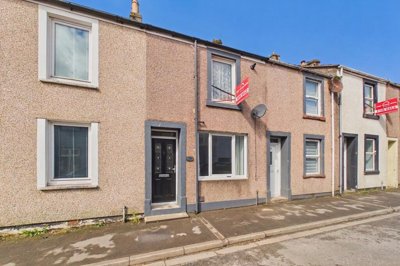
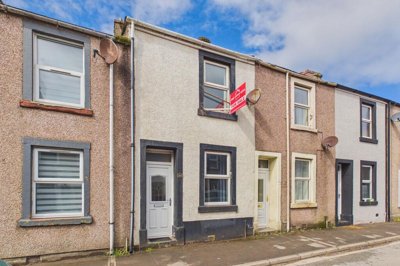
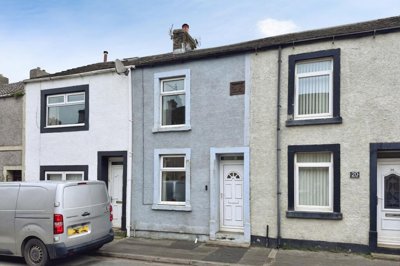
Terraced properties sit at the most accessible end of the market, with average prices around £191,429. They tend to suit downsizers, young couples, or investors chasing rental demand in this sought-after coastal spot. Sea Mill Lane and the streets around the village green often feature homes in this bracket, with genuine character and easy access to local amenities. Lower entry costs and steady rental demand make them appealing to landlords looking for yield.
St. Bees still has relatively few 1-bedroom properties, and the average price is around £126,250. New-build development has been limited, so most of the housing stock is made up of established homes. Market trends show prices have softened by approximately 10% against the previous year, according to home.co.uk listings data, which gives motivated buyers some room to negotiate in a market where 320 properties have changed hands over the past decade.

Its name comes from Saint Mary Bees, an early Irish saint who founded a monastery here in the 7th century, and that history still shapes the character of this coastal village. The centre clusters around a traditional green, with practical everyday amenities such as a post office, convenience store, traditional public house, and a highly regarded primary school. The Priory, a significant historic landmark, is a natural meeting point for community events and heritage interest, and it speaks to the village’s deep links with English history.
St. Bees Head and the long sandy beach are what draw so many visitors to the coast here. The beach stretches towards the protected Area of Outstanding Natural Beauty, while the clifftop paths give walkers some of the best views in the area. The Cumbria Coastal Path passes right through the village, linking north to Whitehaven and south towards the Duddon Valley. On calmer days, seabird colonies, dolphins and seals can all be seen, and the marine wildlife is a big part of the appeal.
The community feels close-knit, and there is no shortage of local activity, from summer fairs and Christmas celebrations to charity fundraisers based around the village hall and local church. St. Bees School, the prestigious independent secondary school on the edge of the village, plays a major role in local life and brings families in from further afield. That helps support property values too, while the village keeps good facilities such as sports grounds, a bowling green and tennis courts for residents.
Few places manage to combine coastal charm with a genuine sense of community quite like St. Bees. Residents have the beach, the clifftop walks and easy access to the Lake District, yet they also have their own shops, pubs and everyday services on the doorstep. For buyers who want coastal living without the premium attached to the Lake District national park itself, this is a persuasive alternative that still delivers on scenery and quality of life.

Families find schooling here covers every stage, beginning with St. Bees School, the long-established independent preparatory and senior school that teaches children from age 3 through to sixth form. Founded in 1583, it combines traditional academic standards with modern facilities spread across extensive grounds on the northern edge of the village. Pupils come from across Cumbria and beyond, and boarding is available for families who need a more flexible arrangement.
For families choosing the state sector, St. Bees Village Primary School serves the immediate community, taking children from Reception through to Year 6. It has solid links with secondary schools in the surrounding area, and pupils usually move on to schools in Workington, Whitehaven, or the Copeland area. Younger children are also well served, with several respected nursery and preschool options giving access to early years education within walking distance of family homes.
Within a reasonable commute, secondary options include West Lakes Academy in Whitehaven, which offers GCSE and A-level programmes, alongside a number of other secondary schools across the wider Copeland district. For sixth form, choices extend beyond school-based provision to colleges in Workington and Carlisle, which suits students looking for specialist vocational or academic routes. Anyone moving to St. Bees should check catchment areas and admission policies directly with Cumbria County Council, since arrangements can change with policy updates.

St. Bees railway station gives the village direct services on the Cumbrian Coast Line, with regular trains to Workington, Whitehaven and Carlisle. From there, passengers can connect to the West Coast Main Line for journeys on to Glasgow, Edinburgh, Manchester and London. Carlisle is usually around one hour away by train, so commuting there is realistic for people who want coastal village life as well. Northern Rail runs most services, with weekday timetables that suit both morning and evening travel.
Road access is straightforward enough, with the A595 trunk road linking St. Bees to Workington, about eight miles north, and Whitehaven, around five miles south. It also connects inland to the M6 motorway at Penrith, roughly 40 miles away, which opens the route towards Manchester, Birmingham and London. For those without a car, Stagecoach buses provide extra travel options, serving St. Bees and the surrounding towns and villages through the week.
Air travel is covered too. Carlisle Lake District Airport is the nearest commercial airport, with flights to London Stansted, Dublin and several other UK and European destinations, usually reachable in under one hour by car. Newcastle International Airport and Liverpool John Lennon Airport give further choices for longer trips, and both are generally two to three hours away by road. Cyclists also have the benefit of traffic-free links to the Cumbria Coastal Cycleway, which offers scenic routes for leisure and for getting to nearby towns.

Start with our listings for homes for sale in St. Bees, because that gives the clearest picture of what is on offer within your budget. Check average prices for the different property types on our platform, then set up property alerts so new listings matching your criteria land in your inbox.
Before you book viewings, speak to a lender and get a mortgage agreement in principle. Sellers and estate agents take it seriously, because it shows you are financially prepared when you put in an offer on a property in this competitive coastal market.
Use our platform to contact estate agents directly and arrange viewings of the homes that interest you. Take notes on the condition of the property, the direction of the garden and how close the neighbours are. It is often wise to go back for a second viewing at a different time of day so you can judge light and noise properly.
After your offer is accepted, instruct a RICS Level 2 HomeSurvey before you move towards exchange of contracts. St. Bees has plenty of coastal exposure and many older homes, so the survey should pick up any structural issues, damp or roof concerns that may need attention.
Appoint a solicitor to deal with the legal transfer of ownership, carry out local searches and liaise with the relevant property register. They will also report on any planning restrictions, rights of way or flood risk matters that apply to your chosen St. Bees home.
Once the mortgage is finalised with your chosen lender, pay the deposit and agree a completion date with everyone involved. On completion day, the keys to your new St. Bees home are handed over.
Coastal conditions mean properties in St. Bees deserve a careful inspection, especially as much of the housing stock is old. Salt air from the Irish Sea can speed up wear on external finishes, roof coverings and window frames, so renders, paints and timber details should all be checked for weathering or deterioration. Homes closer to the cliff edge may also need a proper look at coastal erosion and their position relative to any designated erosion lines.
Many of the homes here predate modern building regulations, and some still retain stone walls, exposed beams and traditional sash windows. Those features bring charm and value, but they can also mean ongoing maintenance costs. It is wise to check plumbing and electrical systems as well, because older properties may still rely on dated infrastructure that would benefit from upgrading. There is even a Grade II listed property on Finkle Street, so some homes do come with listed status and the need for special permissions before alterations.
Flood risk needs a proper look too, even though general searches do not show widespread flood plain designations. Because St. Bees sits on the coast, storm surges and exceptional weather events could affect lower-lying homes near the beach or stream courses. During the survey process, review the Environment Agency flood risk maps and ask current owners about any history of flooding. Drainage around the property should also be checked, particularly where older soakaway systems may be reaching the end of their life.

Recent market data from homedata.co.uk and home.co.uk puts the average sold house price in St. Bees over the past year at around £353,000. Detached homes average approximately £447,307, semi-detached properties around £200,000 and terraced properties from £191,429. 1-bedroom property prices average approximately £126,250. The market has softened by around 10% compared with the previous year, which gives buyers some negotiating room in a market where 320 properties have changed hands over the past decade.
St. Bees sits within Copeland Borough Council jurisdiction and uses Cumbria County Council services. Most homes in the village fall into bands A through D, although the exact band depends on the property’s value and type. Band A homes usually attract annual charges around £1,200 to £1,400, with higher-band properties paying proportionately more. Buyers should check the band for any property through the Valuation Office Agency website before they commit.
For primary education, St. Bees Village Primary School serves the local community, while the independent St. Bees School provides preparatory and secondary education from age 3 through sixth form. Founded in 1583, it occupies extensive grounds on the northern edge of the village and draws families from across Cumbria and beyond. For state secondary choices, many families look to Workington and Whitehaven, with West Lakes Academy in Whitehaven among the nearest options. Anyone moving here should confirm current catchment areas and admission policies directly with Cumbria County Council, as these can be updated.
St. Bees railway station runs direct services on the Cumbrian Coast Line, linking the village with Workington, Whitehaven and Carlisle, where passengers can change onto the West Coast Main Line for major UK city travel. Carlisle is around one hour away, which keeps the village workable for commuters headed to the county capital. By road, the A595 connects to the M6 motorway at Penrith, about 40 miles away. Bus routes also serve nearby villages and towns, and the nearest airports, Carlisle Lake District Airport and Newcastle, are both within a sensible driving distance for domestic and international flights.
Several features make St. Bees interesting for property investors. The coastal setting, the heritage feel and the draw of St. Bees School all help bring families in from a wider area. Terraced houses and small flats can be relatively affordable for buy-to-let, although rental demand here is likely to be thinner than in larger towns. The local economy also benefits from proximity to the Sellafield nuclear facility and the wider supply chain in West Cumbria, which supports jobs and housing demand. Even so, investors should weigh tenant demand carefully, because the small population keeps the rental market limited compared with nearby towns.
Stamp duty land tax for standard purchases is charged at 0% on the first £250,000 of property value, 5% on the portion from £250,001 to £925,000, 10% on £925,001 to £1.5 million, and 12% above £1.5 million. First-time buyers receive relief on the first £425,000, with 5% applying between £425,001 and £625,000. With average St. Bees prices at around £353,000, most standard purchases would face little or no stamp duty, and first-time buyers at average prices would usually pay nothing.
Older homes in St. Bees need a careful roof inspection, given how exposed they are to coastal weather. Look for damp in walls and foundations, check the condition of stonework and pointing, and see whether original windows and doors have been sympathetically maintained or replaced. Period properties may also need electrical and plumbing updates to meet current standards. A RICS Level 2 survey should always be commissioned before you commit to purchase, because it is the best way to spot structural concerns early.
Most properties for sale in St. Bees sit in price bands that keep stamp duty costs low for buyers. With average sold prices around £353,000, standard buyers at this level would pay no stamp duty on the first £250,000 of value. First-time buyers purchasing up to £425,000 qualify for full relief, so a typical St. Bees terraced home or 1-bedroom property would not attract stamp duty at all. That makes the village especially appealing for people entering the market for the first time.
There are other purchase costs to plan for beyond stamp duty. Mortgage arrangement fees usually range from £0 to £2,000, depending on the lender and the product chosen. A RICS Level 2 HomeSurvey generally starts from about £350 for a standard property, and costs rise for larger homes. Conveyancing fees often begin at £499 for straightforward purchases, though leasehold complications or listed building status can push them higher. Local search fees, Land Registry registration and bankruptcy checks usually add another £300 to £400 to solicitor charges.
When you total up the budget, remember removal costs as well. These vary with distance and the amount of furniture, but local moves within Cumbria typically range from £500 to £2,500. Buildings insurance has to be in place from completion, and annual premiums for typical St. Bees homes start from around £200, depending on property value and construction type. It is also sensible to keep a contingency fund of around 10% of the purchase price for unexpected works uncovered by surveys, particularly because so many properties in this historic coastal village are older.

Properties for Sale In London

Properties for Sale In Plymouth

Properties for Sale In Liverpool

Properties for Sale In Glasgow

Properties for Sale In Sheffield

Properties for Sale In Edinburgh

Properties for Sale In Coventry

Properties for Sale In Bradford

Properties for Sale In Manchester

Properties for Sale In Birmingham

Properties for Sale In Bristol

Properties for Sale In Oxford

Properties for Sale In Leicester

Properties for Sale In Newcastle

Properties for Sale In Leeds

Properties for Sale In Southampton

Properties for Sale In Cardiff

Properties for Sale In Nottingham

Properties for Sale In Norwich

Properties for Sale In Brighton

Properties for Sale In Derby

Properties for Sale In Portsmouth

Properties for Sale In Northampton

Properties for Sale In Milton Keynes

Properties for Sale In Bournemouth

Properties for Sale In Bolton

Properties for Sale In Swansea

Properties for Sale In Swindon

Properties for Sale In Peterborough

Properties for Sale In Wolverhampton

Enter your details to see if this property is within your budget.
Loans, cards, car finance
Estimated property budget
Borrowing + deposit
You could borrow between
Typical borrowing
Monthly repayment
Est. at 4.5%
Loan-to-value
This is an estimate only. Your actual budget may vary depending on interest rates, credit history, and personal circumstances. For an accurate affordability assessment, speak to one of our free mortgage advisors.
This calculator provides estimates for illustrative purposes only and does not constitute financial advice. Your home may be repossessed if you do not keep up repayments on your mortgage. Estimates based on 4.5% interest rate, repayment mortgage. Actual rates depend on your circumstances.
Homemove is a trading name of HM Haus Group Ltd (Company No. 13873779, registered in England & Wales). Homemove Mortgages Ltd (Company No. 15947693) is an Appointed Representative of TMG Direct Limited, trading as TMG Mortgage Network, which is authorised and regulated by the Financial Conduct Authority (FRN 786245). Homemove Mortgages Ltd is entered on the FCA Register as an Appointed Representative (FRN 1022429). You can check registrations at NewRegister or by calling 0800 111 6768.

We use cookies to show you personalised content and improve your experience of our website. Find out more in our Privacy policy and Cookie policy.