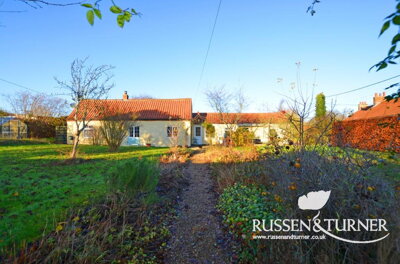
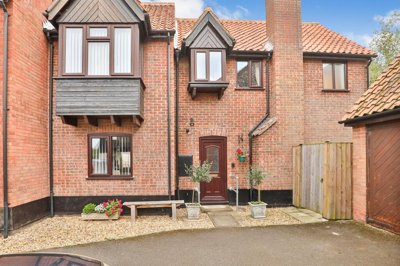
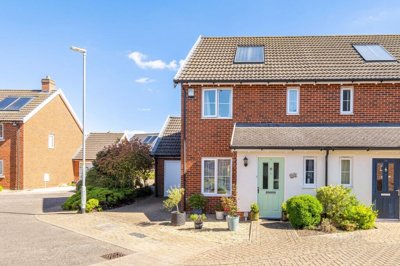
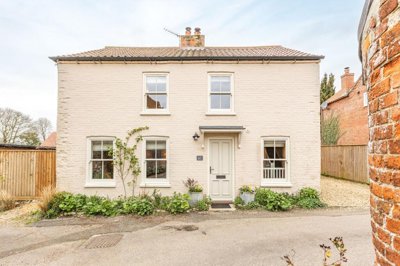
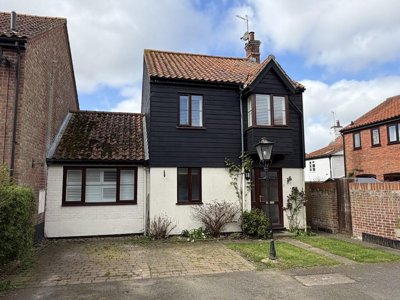
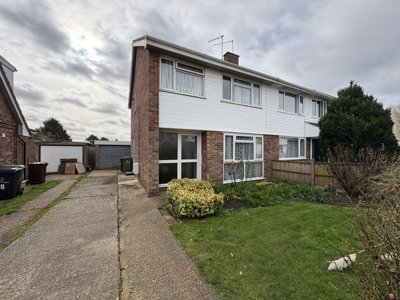
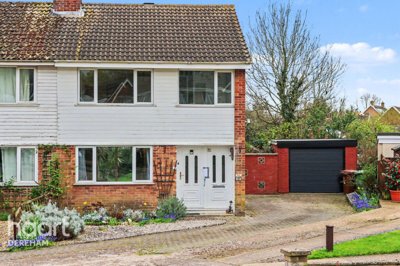
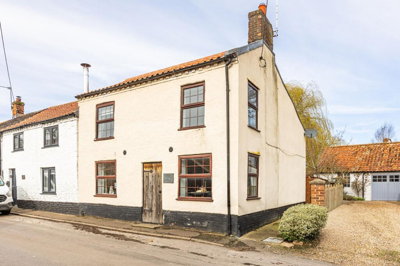
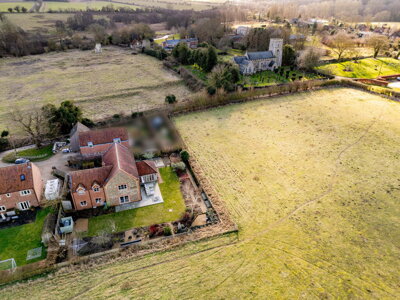
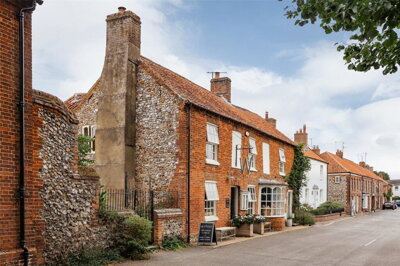
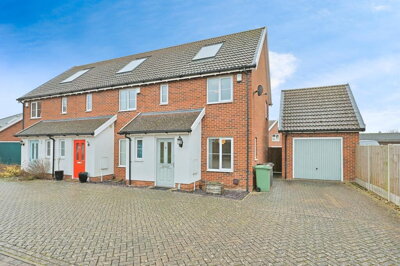
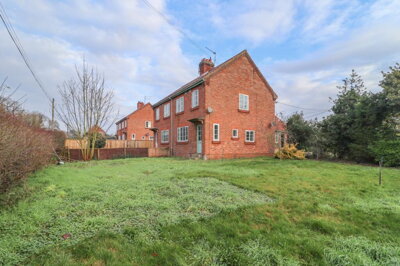
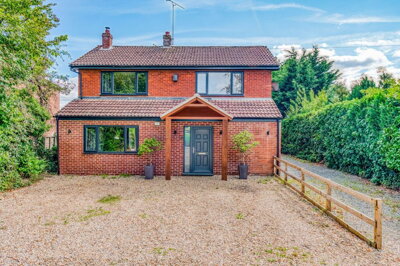
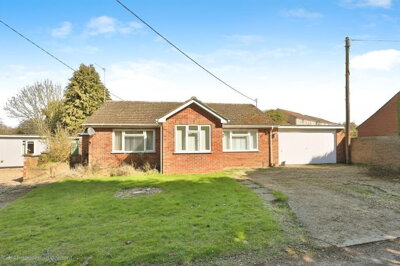
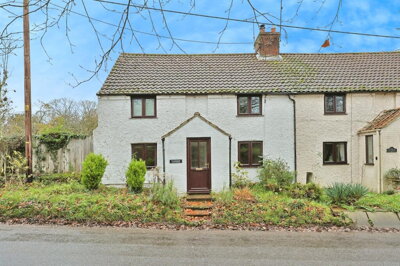
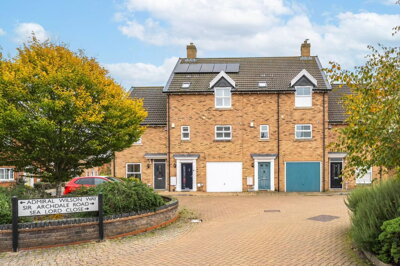
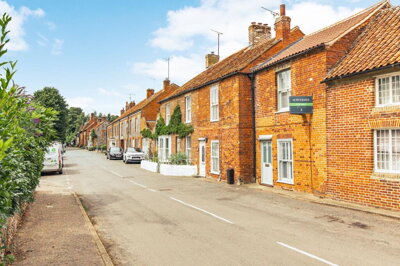
Browse 19 homes for sale in South Acre from local estate agents.
The South Acre property market offers detached, semi-detached, and terraced houses spanning various price ranges and neighbourhoods. Each listing includes detailed property information, photographs, and direct contact with the marketing agent.
South Acre’s property market is unlike that of most English villages because the settlement is so small and so historically intact. The 2011 Census records just 115 residents living across 47 households, which helps explain why sales in the village itself are rare and often highly individual. Homes here are usually older period properties, with many dating back to the medieval period or built using traditional Norfolk methods that show centuries of local craftsmanship. Flint, brick and timber framing all play a prominent part in the village’s architectural heritage, and those materials have supported these historic buildings for generations.
Because the housing stock is so limited, and because South Acre is effectively a nearly vanished settlement, buyers should be prepared for very little choice at any one time. For a wider benchmark, we would look to the nearby PE32 postcode area and the broader Breckland local authority area, where there is a fuller spread of property types and price points. In South Acre itself, homes attract interest not just for the building but for the historical significance and the distinctly secluded way of life. The Grade II listed South Acre Hall, together with the exceptional medieval architecture of St. George's Church, gives property in this ancient settlement extra pull.
Scarcity shapes everything here. When a property in South Acre does come up for sale, it can draw committed buyers who are specifically looking for a home with genuine heritage credentials. This is not the same sort of market you see in nearby Swaffham or King's Lynn, where stock moves more regularly. Buying in South Acre takes patience, and a realistic sense that the right place may not appear often. Those who do buy here join a community so small that it still carries a direct link to Norfolk's medieval past.
South Acre’s market is defined by its remarkable heritage, with homes seldom coming up for sale and drawing attention when they do.

Life in South Acre offers something now hard to find in modern England, a slower rhythm and a stronger sense of place, land and history. The village takes its name from the historic South Acre Castle, whose ruins still speak to the area's importance in Norfolk's medieval past. In the centre stands St. George's Church, described as one of the finest small churches in England, with its 14th-century fabric, medieval glass and striking 12th-century crusader monument. People living here are surrounded by those assets every day, and that is a large part of what makes the settlement feel so distinctive.
The people drawn to South Acre tend to value the things many rural buyers look for, privacy, space and a close connection to the landscape. The River Nar runs between South Acre and neighbouring Castle Acre, creating attractive riverside walks, while the surrounding Norfolk countryside opens up plenty of walking routes more broadly. Being within Breckland also means access to heathland scenery, ancient woodland and the sort of natural variety that gives this part of Norfolk its character. For day-to-day needs, nearby Castle Acre has a pub and village hall, and Swaffham adds further services, schools and weekly markets.
Breckland contains some of Norfolk's most distinctive scenery, from the ancient Peddars Way footpath to forest heaths that support rare species. From South Acre, that landscape is not a day trip, it is simply the setting. Walking, cycling and time outdoors start right outside the door. Spring brings wildflowers across the heathlands, then autumn brings mist over the River Nar valley. For buyers after a true rural retreat with real historical depth, South Acre offers something harder to reproduce in an urban setting.
Families thinking about South Acre do have school options within reach, although a village of this size does not have its own primary provision. Castle Acre's primary school serves the local area and is the usual nearby choice for younger children. For secondary education, most pupils head into Swaffham, the nearest market town, where there is a mix of state provision and potentially independent secondary options. In practice, transport matters, because rural family life here depends on bus links and planned school runs to surrounding towns and villages.
Across the wider Breckland area there are several well-regarded schools, although performance naturally shifts from year to year and between inspection cycles. We always suggest checking current Ofsted ratings for any school you are seriously considering, and looking closely at catchment areas before making an offer on a property. Families aiming for a broader range of secondary options may also look towards King's Lynn or Norwich, though that means a much longer daily commute from South Acre. Norfolk also has independent schools serving the wider region, with both boarding and day arrangements available.
Travel distance to school needs to be part of the buying decision in South Acre. The rural setting means most school journeys will involve driving rather than walking, and that affects the shape of everyday life. Many families in villages like this simply build it into the routine and accept the short drive through the Norfolk countryside as the trade-off for village living. We also suggest arranging viewings at different times of day, so you can judge what school transport from South Acre really feels like in practice.
In South Acre, education depends on nearby Castle Acre and Swaffham, so school transport quickly becomes part of normal family life.

South Acre’s transport picture is typical of rural Norfolk, with most residents depending on private vehicles and using bus links to reach nearby towns. The village is around 3 miles from Swaffham, which acts as the local centre for shops, services and transport connections. Road access comes via the A1065 towards Brandon and the wider Norfolk network, while the A47 runs nearby for routes to Norwich and King's Lynn. For rail travel, the closest stations are in King's Lynn and Norwich, both of which offer onward connections to London and other regional destinations.
Public transport is limited here, but it does exist. Local bus services link villages and market towns on fixed timetables, which can work well enough if journeys are planned in advance. By car, Norwich is usually about 45-60 minutes away, depending on traffic and where in the city you are heading. From King's Lynn, direct trains to London King's Cross generally take around 1 hour 40 minutes to 2 hours. Day-to-day life in South Acre still really calls for a car, although the reward is lighter traffic and pleasant drives through the Norfolk countryside.
Car dependence is softened a little by the fact that Norfolk’s roads can be a pleasure to drive, passing through farmland, woodland and villages rather than endless built-up stretches. Anyone commuting to Norwich or King's Lynn from South Acre will get to know the Breckland landscape well, and it looks very different as the seasons turn. Before buying, we think it is worth being honest about your working pattern and travel needs. Distance to major employment centres will shape how practical South Acre is for you.
In practical terms, daily life in South Acre depends on car ownership, even if the surrounding Norfolk roads make regular journeys from this quiet village easier to enjoy.

Before you commit to a purchase in South Acre, spend proper time in the village on different days and at different hours. Check how close you really are to Castle Acre for everyday amenities, look into flood risk around the River Nar, and confirm whether any conservation area restrictions apply to the homes you are considering. We also recommend walking the local footpaths, especially the routes along the River Nar valley, because they give a much clearer sense of the setting and how it changes through the seasons.
It helps to have an agreement in principle from a mortgage lender or broker before you start viewing seriously. In South Acre, where properties can be historic and sometimes unusual, some lenders will want specific surveys or valuations before they are comfortable. Having finance lined up shows sellers that you are serious, which matters in a market where available homes are rare. We also find that specialist mortgage brokers with experience of period buildings can sometimes secure more competitive rates for older properties with non-standard construction.
We would view a range of homes in and around South Acre, not only in the village itself but also in Castle Acre and nearby settlements for comparison. Focus closely on condition, age and any hints of damp or structural trouble, because these are common issues in older buildings. You also need to think about how well a property will suit your longer-term plans, especially given the limited local stock. During viewings, check walls for cracks, inspect window frames for rot, and watch for damp or water damage, all of which often turn up in older Norfolk properties.
Because homes in South Acre are often of considerable age, we strongly recommend a RICS Level 2 Survey before moving ahead. A homebuyer report can highlight the defects we regularly see in period property, including damp, roofing problems, timber defects and older electrics or plumbing. Our RICS Level 2 Survey in South Acre is designed with Norfolk's historic construction in mind, covering issues associated with flint and brick walls as well as timber-framed buildings.
For the legal side, appoint a solicitor who knows rural Norfolk property well. They should be comfortable carrying out searches with Breckland Council, checking title deeds and managing the extra complications that can come with buying an older home. If the property is listed, experience matters even more, because changes to heritage assets may need additional consent. Our conveyancing partners are familiar with the particular demands of buying in South Acre's historic setting.
Once the surveys, searches and negotiations are all in good order, your solicitor will exchange contracts and agree a completion date. In a small village, where reputations and relationships count, staying on good terms with sellers and agents can help the transaction move forward cleanly. Completion then brings the practical reward, the keys to your South Acre home, and life in one of Norfolk's most historically significant villages can begin.
South Acre properties need careful inspection because of both their age and the traditional Norfolk construction methods used to build them. Flint, brick and timber framing all have long lifespans, but centuries of settlement can still leave walls showing movement, and mortar joints need regular upkeep if water is not to get in. Roof coverings, leadwork and gutters deserve close scrutiny too, because they do a great deal to preserve the structure below. In Norfolk’s mix of rainfall and exposure, older buildings that have not been consistently maintained can deteriorate faster than buyers expect.
Flood risk should be taken seriously for any property close to the River Nar, which runs between South Acre and Castle Acre. We advise requesting Flood Risk Reports from the relevant bodies and checking whether there has been any history of flooding at the address. Ground-floor accommodation, cellars and low-lying access points all call for extra care. It is also worth confirming whether the property sits in a conservation area, because that will shape what can be altered or extended without planning permission from Breckland Council.
Listed buildings in South Acre, or homes with particular historical importance, come with another layer of rules around alteration and repair. Guidance from English Heritage and Listed Building Consent from Breckland Council may both be relevant for work that would be straightforward on an unlisted house. The cost and restriction involved in maintaining a listed building should be considered before purchase and carried through into your ongoing budget. Through our platform, we can arrange RICS Level 2 and Level 3 surveys for a thorough assessment of historic property condition.
Ground conditions matter here as well. Norfolk’s geology includes chalk bedrock covered by glacial tills, with areas of alluvium along river valleys, and that mix can affect how buildings perform over time. In parts of the county, clay soils create shrink-swell risk, which may show up as movement in foundations or the structure above. A detailed survey should pick up signs of subsidence, heave or other ground movement that could affect a South Acre property in the long term. We would also pay close attention to mature trees and large shrubs near the building, because roots can interact with both foundations and soil conditions over decades.
Given the age and construction of South Acre homes, we think inspection by qualified surveyors with real experience of historic Norfolk buildings is essential.

Almost all South Acre properties are older buildings, and most were constructed before 1919 using traditional Norfolk methods rooted in local materials and skilled workmanship. Those methods have proved durable, but they also come with weaknesses that buyers need to understand clearly. Norfolk’s climate, the age of the housing stock and the nature of traditional construction together create a familiar pattern of defects, many of which we see repeatedly in surveys across this area.
Damp is one of the main issues affecting period property in Norfolk. It can appear as rising damp where no original damp-proof course was fitted, or where one has failed, as penetrating damp through walls exposed to prevailing weather, and as condensation in homes without effective modern ventilation. Flint and brick walls are especially vulnerable where mortar joints have worn away and allow moisture through, damaging both the fabric of the building and its internal finishes. Once moisture levels stay too high, timber elements from major beams to floor joists can begin to rot.
Roofs on older South Acre homes often need close attention. Traditional slate and tile coverings can last a long time, but many have moved beyond their intended lifespan where original materials were never replaced. Leadwork at chimneys, valleys and junctions is another weak point, often deteriorating over decades and letting water into the structure beneath. Inside the roof, timber may suffer from woodworm, wet rot, dry rot or simple age-related decline. Our inspectors also regularly find that poor insulation in older roof spaces contributes to condensation within the building.
Electrical and plumbing installations in properties of this age often need modernisation, even where they seem to work perfectly well at first glance. Older wiring may not be suitable for current electrical demand, and insurers increasingly expect updated systems. Plumbing can include lead pipework or early copper pipework from previous periods, both of which may need replacement during renovation. When budgeting for a South Acre purchase, we would allow not only for the agreed price and any defects flagged by the survey, but also for the likely cost of updating these core services.
There is no widely published price data specifically for South Acre itself, largely because the village is so small and transactions are so infrequent. The wider PE32 postcode area and the Breckland district can provide general context, but homes in South Acre’s historic centre may attract a premium because of their heritage value and location. We suggest speaking to estate agents covering the Swaffham area if you want current intelligence on this village and the surrounding market. With so few sales, each South Acre transaction tends to reflect the qualities of the individual property rather than any broad trend.
For council tax, properties in South Acre fall within the area administered by Breckland Council. Bands across Norfolk vary according to property type and value, and period or historic buildings can sometimes sit in less predictable bandings because of the way they were assessed. We recommend checking directly with Breckland Council or using the Valuation Office Agency website to confirm the band for any specific address you are considering. In some cases, homes of notable historical interest may have bandings or exemptions that differ from the usual pattern for residential property.
Primary schooling for children in South Acre is usually provided by Castle Acre or nearby villages. For secondary education, families commonly look to Swaffham, while King's Lynn and Norwich offer further choices for those prepared to travel farther. We would always research current Ofsted inspection outcomes for schools across the Breckland area, because standards and results can shift from year to year. The distances involved also make transport a key part of the decision, so bus routes and journey times should be checked before you commit to buying.
Transport from South Acre is limited, which is what you would expect from a very small rural village. There are scheduled bus services linking South Acre with Castle Acre and Swaffham, but they are not frequent, and rural routes can face further reductions. Rail travel means driving to King's Lynn or Norwich, where stations provide services to London and other regional destinations. Most residents therefore rely on private vehicles for everyday life. Anyone considering a move here should make sure dependable access to a car is already in place before buying.
As an investment, South Acre is unusual. Its appeal rests on heritage, privacy and the chance to own a home in a medieval village where property rarely becomes available. That scarcity, combined with interest from buyers wanting a rural retreat with historical weight, can help underpin values. On the other hand, limited amenities, a very small population and near-total reliance on the car may limit capital growth compared with easier-to-reach locations. We would weigh those points carefully against your long-term plans before buying in a market as distinctive as this one.
From April 2025, Stamp Duty Land Tax rates apply at 0% on the first £250,000 of the purchase price, 5% on £250,001 to £925,000, 10% on £925,001 to £1.5 million, and 12% on anything above £1.5 million. First-time buyer relief gives 0% up to £425,000 and 5% from £425,000 to £625,000, but that relief stops above £625,000. In South Acre, many purchases are likely to fall within the 5% band or below. Your solicitor will usually deal with the SDLT return to HMRC during conveyancing and can advise if your circumstances affect the final figure.
South Acre’s position near the River Nar means low-lying land beside the watercourse may face fluvial flood risk. We recommend checking any property against the latest Environment Agency flood maps and confirming insurance terms before completion. Norfolk’s underlying geology includes chalk bedrock and glacial deposits, so ground conditions can vary, although detailed shrink-swell risk information for South Acre itself is limited. A RICS Level 2 Survey will help identify visible signs of subsidence, drainage defects or other environmental issues at the specific property, giving you better evidence before you decide to proceed.
From 4.5%
Finance your South Acre property purchase
From £499
Legal services for your property purchase
From £350
Thorough inspection for South Acre properties
From £85
Energy performance certificate
The advertised asking price is only part of the picture in South Acre, because buying here brings several extra costs alongside the mortgage and deposit.

Looking at total purchase costs rather than just the headline asking price is important in South Acre. Stamp Duty Land Tax is a major item, with 0% charged on the first £250,000, 5% on the portion from £250,001 to £925,000, 10% on £925,001 to £1.5 million, and 12% on any sum above £1.5 million. First-time buyers can claim relief on purchases up to £625,000, paying 0% on the first £425,000 and 5% on the remainder. Your solicitor will prepare and file the SDLT return to HMRC, and payment is due within 14 days of completion.
Other buying costs soon add up. Conveyancing fees are commonly in the region of £500 to £1,500, depending on complexity and on whether the property is freehold or leasehold. Survey fees matter especially in South Acre because so many homes are older, and RICS Level 2 Surveys often cost between £400 and £900 depending on size and value. If the property is listed, allow for the possibility of higher survey fees where specialist inspection of heritage materials and construction is needed. Search fees payable through Breckland Council, lender valuation fees and property registration charges will also add smaller amounts to the overall transaction.
After purchase, the ongoing costs include council tax through Breckland Council, building insurance and the maintenance reserve that period homes almost always need. Because South Acre properties were built using traditional methods, heating bills can be higher than in a modern house, so energy performance is worth checking carefully. Through our platform, we connect buyers with conveyancing solicitors, surveyors and mortgage brokers who understand rural Norfolk and the demands of period property. We also suggest securing your mortgage agreement in principle early, so your finances are in order before viewings begin in this historic village.
Properties for Sale In London

Properties for Sale In Plymouth

Properties for Sale In Liverpool

Properties for Sale In Glasgow

Properties for Sale In Sheffield

Properties for Sale In Edinburgh

Properties for Sale In Coventry

Properties for Sale In Bradford

Properties for Sale In Manchester

Properties for Sale In Birmingham

Properties for Sale In Bristol

Properties for Sale In Oxford

Properties for Sale In Leicester

Properties for Sale In Newcastle

Properties for Sale In Leeds

Properties for Sale In Southampton

Properties for Sale In Cardiff

Properties for Sale In Nottingham

Properties for Sale In Norwich

Properties for Sale In Brighton

Properties for Sale In Derby

Properties for Sale In Portsmouth

Properties for Sale In Northampton

Properties for Sale In Milton Keynes

Properties for Sale In Bournemouth

Properties for Sale In Bolton

Properties for Sale In Swansea

Properties for Sale In Swindon

Properties for Sale In Peterborough

Properties for Sale In Wolverhampton

Enter your details to see if this property is within your budget.
Loans, cards, car finance
Estimated property budget
Borrowing + deposit
You could borrow between
Typical borrowing
Monthly repayment
Est. at 4.5%
Loan-to-value
This is an estimate only. Your actual budget may vary depending on interest rates, credit history, and personal circumstances. For an accurate affordability assessment, speak to one of our free mortgage advisors.
This calculator provides estimates for illustrative purposes only and does not constitute financial advice. Your home may be repossessed if you do not keep up repayments on your mortgage. Estimates based on 4.5% interest rate, repayment mortgage. Actual rates depend on your circumstances.
Homemove is a trading name of HM Haus Group Ltd (Company No. 13873779, registered in England & Wales). Homemove Mortgages Ltd (Company No. 15947693) is an Appointed Representative of TMG Direct Limited, trading as TMG Mortgage Network, which is authorised and regulated by the Financial Conduct Authority (FRN 786245). Homemove Mortgages Ltd is entered on the FCA Register as an Appointed Representative (FRN 1022429). You can check registrations at NewRegister or by calling 0800 111 6768.

We use cookies to show you personalised content and improve your experience of our website. Find out more in our Privacy policy and Cookie policy.