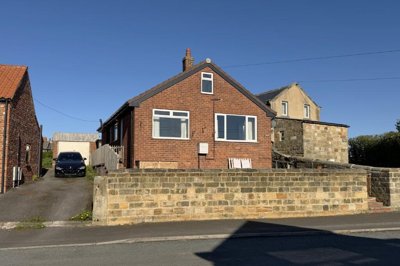
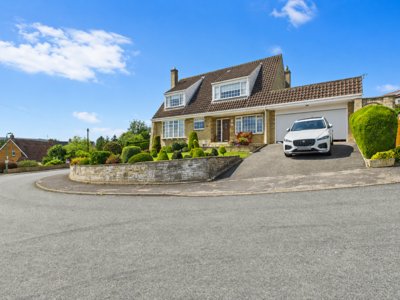
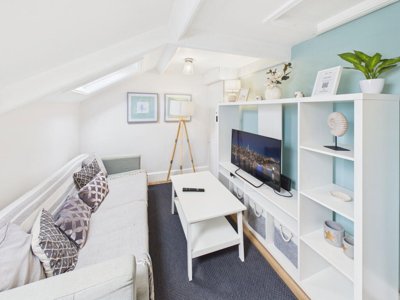
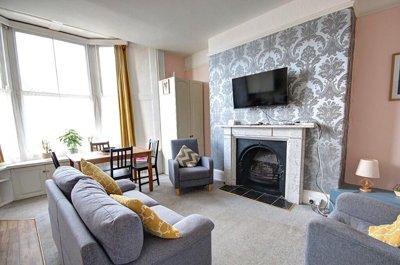
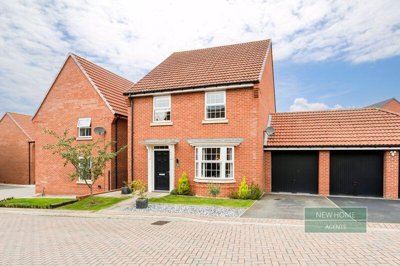
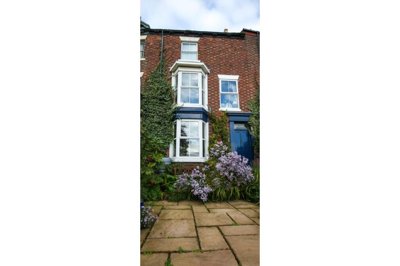
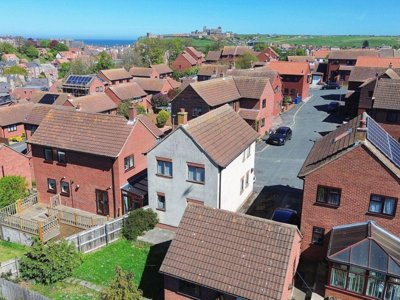
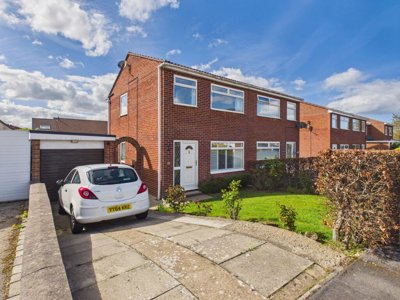
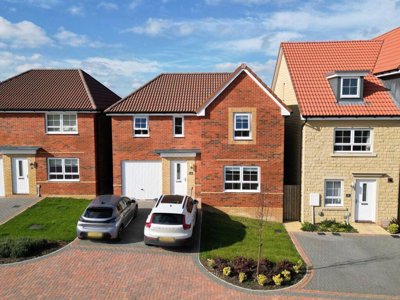
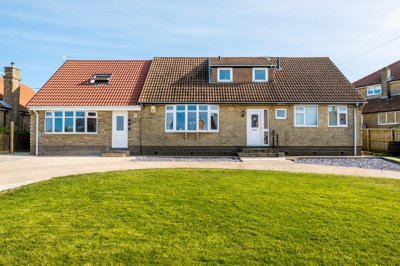
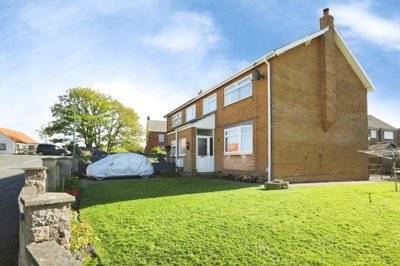
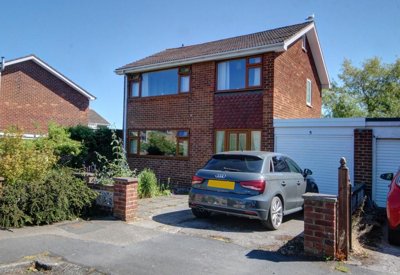
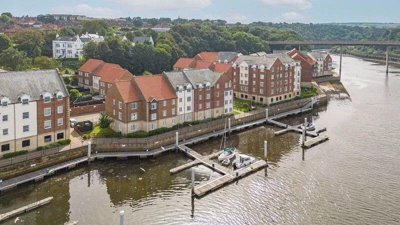
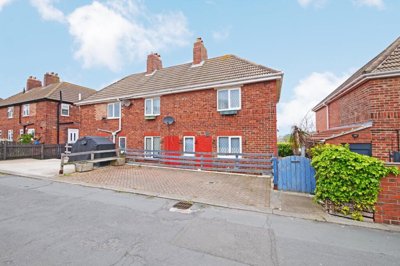
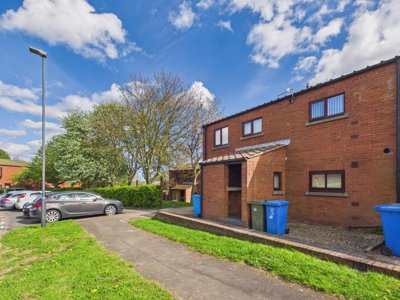
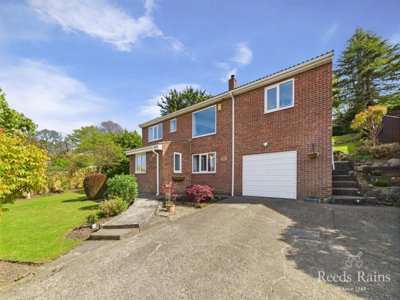
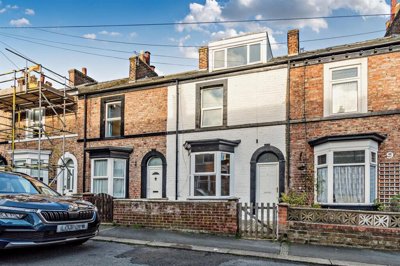
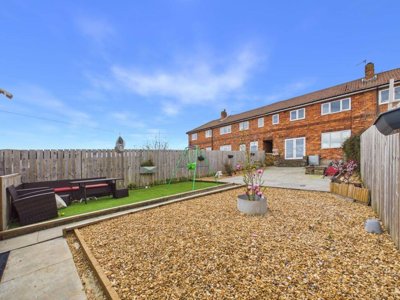
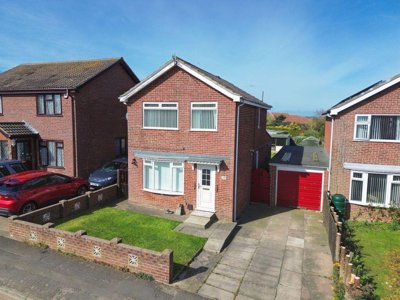
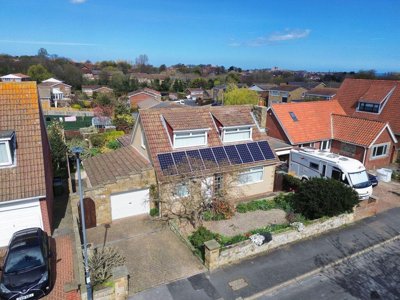
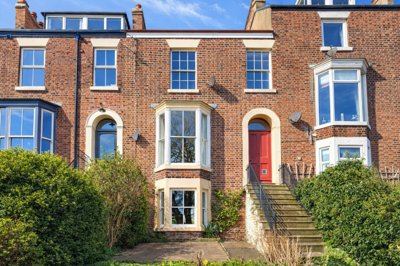
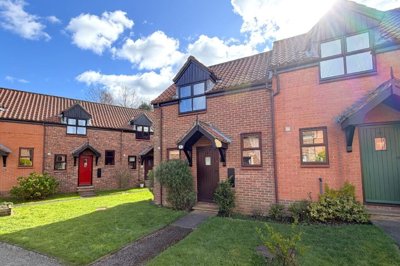
Browse 147 homes for sale in Sneaton, North Yorkshire from local estate agents.
£425k
1
0
23
Source: home.co.uk
Source: home.co.uk
Detached
1 listings
Avg £425,000
Source: home.co.uk
Source: home.co.uk
Sneaton's property market gives buyers an interesting picture. The average house price stands at £360,000, which is a 23% decrease on the previous year and sits 3% below the 2013 peak of £372,000. That adjustment opens up room for buyers who may find better value than during previous boom periods. The village recorded 44 property sales in the last twelve months, so there is still steady activity despite wider national fluctuations. For anyone looking to enter the Sneaton market at a more favourable point, the current climate may offer bargaining power that was harder to come by in the peak years.
Property in Sneaton tends to mirror the village's rural character and long history. Traditional stone-built houses dominate the stock, and many still show the sandstone construction that shapes the area's architectural identity. Pantile roofs are common on older homes, adding to the Yorkshire feel that makes places like Sneaton so appealing. In the village centre, several historic farmsteads have been converted into homes, with generous plot sizes that suit buyers after outdoor space. There are no active new-build developments currently listed within the immediate Sneaton postcode area, so the market mainly consists of existing properties, from cottages to substantial family houses.
The age profile of Sneaton's homes means buyers often come across features associated with classic Yorkshire building. Georgian and Victorian properties are well represented, alongside earlier farmhouses that may predate the nineteenth century. It is a heritage-rich stock, and that gives the village much of its character, though it also means purchasers should expect construction methods and materials that differ from modern standards. Our platform brings together listings from multiple local estate agents, so we can show the market without sending buyers off to search several websites.

Sneaton moves at a gentle pace, far removed from urban living, which is part of its appeal for families, retirees, and anyone keen to step away from city pressures. The village sits within Scarborough Borough and next to the North York Moors National Park, giving immediate access to some of Yorkshire's most striking scenery. Walking routes thread through the surrounding countryside, with heather-covered moorland, sheltered valleys, and ancient woodlands all within easy reach. The Cleveland Way National Trail passes near the village too, opening up long-distance walking for those who like to explore further afield.
Sneaton's demographic picture reflects its role as a rural retreat. The parish population stands at approximately 191 residents according to the 2021 Census, with a 2024 estimate of around 181 people. That small scale creates a close community, where life feels unhurried and neighbourly connections happen naturally. Local amenities include traditional pubs and village facilities, while Whitby and Scarborough nearby give access to supermarkets, healthcare, and cultural attractions. There are 14 Grade II listed buildings across the parish, which underlines the heritage feel, with significant properties including houses, farmhouses, a former school, and a wayside cross adding extra depth to the village story.
Community life in Sneaton centres on the local pub and the natural setting that defines North Yorkshire living. Seasonal events and parish activities help maintain the strong village feel that runs through this part of Yorkshire. For cinemas, restaurants, and year-round cultural events, residents usually head to Whitby. The coast is close too, so beach days at Whitby, Runswick Bay, and Robin Hood's Bay are all within easy reach. That makes weekends straightforward, and rather appealing.

Families thinking about a move to Sneaton will find education available across several nearby settlements. Primary schooling is provided by schools in surrounding villages and towns, with the nearest options usually found in the places that serve the local area. For secondary education, pupils generally travel to larger nearby towns, where GCSE and A-Level choices are broader. Parents should check school catchments and admission arrangements carefully, as both can affect which homes suit families with school-age children. The quality of provision varies, so looking at Ofsted reports for individual schools still matters.
The North York Moors National Park setting opens up strong opportunities for outdoor learning and activities after school. Children growing up in Sneaton have access to moorland walking, coastal exploration, and village community life, experiences many families value highly when raising children in a healthy natural environment. School holiday programmes run through Whitby and the surrounding area, with sports, arts, and environmental activities that sit alongside formal education. For independent or private schooling, options are usually in Whitby or other larger towns within reasonable driving distance. Sixth form and further education are also available nearby, so teenagers can move towards higher education and vocational training without necessarily having to leave family behind.
Secondary education in the area is served by a number of schools within reasonable travelling distance. Whitby Community College provides secondary education for students from the town and surrounding villages, while Caedmon College gives another Whitby option. Both schools take pupils from Year 7 through to Sixth Form, creating a continuous pathway through the teenage years. Parents should check current catchment arrangements and transport provision, as school transport can affect whether certain properties work in practical terms for family buyers.

Transport links from Sneaton mix rural calm with useful access to bigger urban centres. The village sits close to the A171 road, which gives a direct route to Whitby and continues through to York and Teesside beyond. Whitby railway station offers direct services to several major cities, with connections onto the East Coast Main Line, so regular travel to Leeds, York, or Newcastle remains possible. The coastal rail route is considered one of the most scenic in Britain, which makes even routine journeys feel more like a pleasure than a chore.
For residents travelling by car, journey times from Sneaton change with the destination. Whitby is approximately 15-20 minutes away by car, Scarborough around 30-40 minutes, and York roughly 60-90 minutes depending on traffic. Local bus services connect Sneaton with surrounding villages and towns, although rural frequencies mean car ownership still matters for most people. Cycling is popular here too, and the quiet country lanes give experienced riders some enjoyable routes. The nearest motorway links are further south, reached via the A64 route to Leeds and York. From there, the A64 also gives access to the A1(M) for longer trips to places such as Newcastle or Leeds.
Rail travel from Whitby station runs through the Esk Valley line and links into the wider region. Services connect to Middlesbrough, where passengers can join the East Coast Main Line for journeys to major cities including London, Edinburgh, and Birmingham. The timetable means rail is practical for occasional commuting, though daily travel by train usually needs careful planning around service times. For international trips, Newcastle Airport and Leeds Bradford Airport are both reachable within approximately two hours by car, giving flights to destinations across Europe and beyond.

Start by looking through listings on Homemove so we can see what is available and at what prices. With an average price of £360,000 in the area, buyers can judge whether their budget matches local stock. A visit to the village also helps us get a feel for the neighbourhood, check the amenities, and speak to residents about what makes Sneaton distinct. We should pay close attention to property age and condition, because many homes here are older period properties that may need maintenance or renovation work.
Before arranging viewings, we should obtain a mortgage agreement in principle from a lender. It shows how much can be borrowed and strengthens our position when an offer is made. Given that Sneaton properties often include traditional stone-built homes with character features, having finance in place also shows sellers that we are serious. Our mortgage partners can help compare rates and find the best deal for our circumstances, including specialist advice for older property purchases.
Estate agents can then be contacted to arrange viewings of the homes that interest us. During each visit, it helps to take notes and ask about the property's history, any renovation work that has been completed, and what is included in the sale. For older properties with listed building status, we should check what permissions may be needed for future changes. In Sneaton, many homes feature traditional sandstone construction and pantile roofs, so it is worth considering whether those details suit our preferences and maintenance expectations.
Once an offer is accepted, a professional survey should be arranged before moving forward. Many Sneaton homes are older stone-built properties, so a Level 2 Survey (Homebuyer Report) can pick up issues such as damp, structural movement, or roof deterioration. Survey costs typically range from £400 to £600 depending on property size, although homes with complex features or non-standard construction may cost more. Our survey partners understand the common problems affecting traditional Yorkshire properties and can provide detailed assessments.
Our solicitor will deal with the legal side of the purchase, including searches, contracts, and registration of title. They will liaise with the seller's solicitor and make sure the necessary checks are completed before completion. Searches will cover local authority queries, drainage and water searches, and environmental data relevant to the Sneaton area. For listed properties, the solicitor will also check any planning conditions or heritage obligations that apply.
Once all searches are satisfactory and finance is confirmed, contracts are exchanged and the deposit is paid. On completion day, the remaining funds are transferred and the keys are handed over for the new Sneaton home. Buildings insurance should be arranged from exchange onwards, because legal responsibility for the property starts at that point. Meter readings should be taken, keys collected from the estate agent, and the settling-in process can begin.
Properties in Sneaton often bring heritage issues that buyers should look into carefully. With 14 Grade II listed buildings in the parish, there is a strong chance that homes viewed may have some form of listed status. Listed buildings need special permission for alterations, extensions, or even external painting changes, because any work must preserve the historical character of the property. Before buying, we should check whether intended changes would need Listed Building Consent from the local planning authority. That can have a real effect on budgets and renovation plans, so it is best understood early on.
The traditional stone construction found in Sneaton properties brings both strengths and drawbacks. Stone walls have excellent thermal mass and durability, but they can be vulnerable to damp penetration if they are not maintained properly. Buyers should look closely for signs of rising damp, especially in ground floor rooms and basements. Roof condition also needs careful attention, as pantile roofs on older properties may show wear, cracked tiles, or deteriorated pointing. Electrical systems in older homes may need upgrading to modern standards, and buyers should budget for possible rewiring costs. Drainage systems serving stone properties are often older too, so a thorough inspection of plumbing and drainage is sensible during the survey.
Structural checks in Sneaton go beyond what can be seen at first glance. Our inspectors often come across settlement cracks in period properties, especially around door and window openings where loads gather. Small cracks are common in older construction, but our team looks for anything more serious that could point to foundation issues. Timber elements in roof structures and floor joists can also be affected by woodworm and fungal decay, particularly where modern alterations have reduced breathability. When viewing a home, doors and windows should open and close smoothly, because stiffness or binding can point to movement or subsidence concerns.
Energy efficiency is another important point when weighing up traditional Sneaton homes. Stone-walled construction usually predates modern insulation standards, so many houses may have higher heating costs than newer stock. Our assessors check for wall insulation, roof insulation depth, and double glazing, although original features such as sash windows should be judged on their condition rather than replaced automatically. Understanding a property's EPC assessment helps buyers budget for immediate comfort as well as later improvement work.

The average house price in Sneaton currently stands at £360,000 based on recent sales data. That is a 23% decrease from the previous year and sits approximately 3% below the 2013 peak of £372,000. There have been 44 property transactions in the past twelve months, which points to consistent activity. This price level places Sneaton as a relatively accessible choice within the North York Moors area, though values vary widely depending on property type, size, and condition. Stone-built period homes with desirable features may command premiums, while properties needing renovation could come in lower.
Properties in Sneaton fall under Scarborough Borough Council, and council tax bands are set according to property valuation. Individual banding can be checked through the Valuation Office Agency website or through our solicitor during conveyancing. Most period homes in rural North Yorkshire usually sit within bands A through D, although the exact band depends entirely on the property's assessed value. Annual council tax costs should be built into the budget when planning a move to Sneaton, as those costs vary from property to property depending on the current banding.
Sneaton is a small village without its own school, so local primary education is supplied through schools in surrounding villages and towns. For secondary education, pupils usually attend schools in nearby towns such as Whitby or the wider surrounding area. Schools in the region include Whitby Community College and Caedmon College for secondary pupils. Parents should check current Ofsted ratings and catchment areas before buying, because school places can be competitive in popular areas. Independent schooling options are also available in Whitby for families who prefer alternatives.
Transport links in Sneaton are limited but functional. Local bus services run between surrounding villages and towns, although the frequency is typical of rural areas and may not suit daily commuting. Whitby railway station, approximately 15-20 minutes from Sneaton by car, offers connections to the East Coast Main Line via Middlesbrough and links to major cities including York, Leeds, and Newcastle. For everyday commuting, car ownership remains practically important for most residents. Even so, the scenic rail route from Whitby is popular for occasional travel and leisure trips.
Sneaton has several points that may appeal to property investors. Its position on the edge of the North York Moors and close to Whitby makes it attractive for holiday lets and short-term rentals. The strong heritage character, with 14 Grade II listed buildings, suggests lasting appeal for anyone drawn to traditional Yorkshire property. There are no new-build developments currently in the area, which limits the supply of modern homes. The recent price decrease of 23% may create buying opportunities, though it also reflects wider market conditions. As with any property investment, careful research into rental yields, local demand, and future development plans is sensible.
Stamp Duty Land Tax (SDLT) rates for standard buyers begin at 0% on the first £250,000 of property value, then move to 5% on the portion from £250,001 to £925,000. On a property at Sneaton's average price of £360,000, the first £250,000 would attract no tax and 5% would apply to the remaining £110,000, giving a total SDLT bill of £5,500. First-time buyers have higher thresholds, paying 0% on the first £425,000 with 5% on the amount between £425,001 and £625,000, so a first-time buyer at the average price would pay no stamp duty at all. Our solicitor will calculate the exact amount due based on the buyer's circumstances and how the property will be used.
Sneaton homes mainly use traditional Yorkshire construction methods that reflect the local geology and building traditions. Sandstone walls are a defining feature, with many properties built from local stone that brings both structure and character. Pantile roofing remains the usual covering for period properties, though those tiles need regular maintenance to prevent water ingress. Our surveyors often assess these traditional construction elements, looking for weathering, mortar degradation, and structural movement that commonly affect older stone-built homes in the region.
Older properties in Sneaton often show a familiar set of defects that buyers should understand. Rising damp affects many stone-walled homes where original damp-proof courses have failed or were never installed, especially in ground-floor rooms and basements. Roofs also need attention, with missing or slipped pantiles, deteriorated ridge pointing, and damaged flashing around chimneys among the issues regularly identified. Timber decay, including woodworm activity and dry rot, can affect roof structures, floor joists, and window frames, particularly where damp conditions have developed. Electrical systems in period homes frequently need updating to current safety standards, and our surveys always include a careful check of consumer units, wiring condition, and earthing arrangements.
From £400
Professional survey suitable for most properties
From £600
Detailed survey for older or complex properties
From £80
Energy performance certificate
From £499
Solicitors to handle your purchase
From 4.5%
Finance to buy your home
Buying in Sneaton involves costs well beyond the sale price. On top of Stamp Duty Land Tax, buyers should budget for solicitor fees, which usually start from £499 for conveyancing work on a standard transaction. Survey costs also need to be included, with RICS Level 2 Surveys generally ranging from £400 to £600 depending on property size and complexity. For older stone-built homes that are common in Sneaton, a more detailed Level 3 Survey may also be worth considering, especially for listed buildings where a specialist look at traditional construction methods can be helpful.
Other costs include registration fees for recording ownership, currently £20 to £455 depending on property value, search fees charged by the local authority, typically £200-300, and potentially mortgage arrangement fees if the lender charges them. Buildings insurance should be in place from exchange, because legal responsibility for the property begins at that stage. For furnished properties, any costs linked to fitting out the new home also need to be included. By budgeting carefully across all these elements, we can keep the route to completion smooth and avoid financial surprises derailing the Sneaton purchase.
For buyers of traditional stone properties in Sneaton, it makes sense to keep back a contingency fund. Older homes often need maintenance or renovation work that is not obvious during a viewing. Our survey reports pick up defects that may not be visible at first glance, helping us understand the true condition of a property before we commit to buying. Setting aside a contingency fund equal to 10-15% of the purchase price for period properties is a common approach, giving room for the unforeseen works that often appear once renovation projects get underway.

Properties for Sale In London

Properties for Sale In Plymouth

Properties for Sale In Liverpool

Properties for Sale In Glasgow

Properties for Sale In Sheffield

Properties for Sale In Edinburgh

Properties for Sale In Coventry

Properties for Sale In Bradford

Properties for Sale In Manchester

Properties for Sale In Birmingham

Properties for Sale In Bristol

Properties for Sale In Oxford

Properties for Sale In Leicester

Properties for Sale In Newcastle

Properties for Sale In Leeds

Properties for Sale In Southampton

Properties for Sale In Cardiff

Properties for Sale In Nottingham

Properties for Sale In Norwich

Properties for Sale In Brighton

Properties for Sale In Derby

Properties for Sale In Portsmouth

Properties for Sale In Northampton

Properties for Sale In Milton Keynes

Properties for Sale In Bournemouth

Properties for Sale In Bolton

Properties for Sale In Swansea

Properties for Sale In Swindon

Properties for Sale In Peterborough

Properties for Sale In Wolverhampton

Enter your details to see if this property is within your budget.
Loans, cards, car finance
Estimated property budget
Borrowing + deposit
You could borrow between
Typical borrowing
Monthly repayment
Est. at 4.5%
Loan-to-value
This is an estimate only. Your actual budget may vary depending on interest rates, credit history, and personal circumstances. For an accurate affordability assessment, speak to one of our free mortgage advisors.
This calculator provides estimates for illustrative purposes only and does not constitute financial advice. Your home may be repossessed if you do not keep up repayments on your mortgage. Estimates based on 4.5% interest rate, repayment mortgage. Actual rates depend on your circumstances.
Homemove is a trading name of HM Haus Group Ltd (Company No. 13873779, registered in England & Wales). Homemove Mortgages Ltd (Company No. 15947693) is an Appointed Representative of TMG Direct Limited, trading as TMG Mortgage Network, which is authorised and regulated by the Financial Conduct Authority (FRN 786245). Homemove Mortgages Ltd is entered on the FCA Register as an Appointed Representative (FRN 1022429). You can check registrations at NewRegister or by calling 0800 111 6768.

We use cookies to show you personalised content and improve your experience of our website. Find out more in our Privacy policy and Cookie policy.