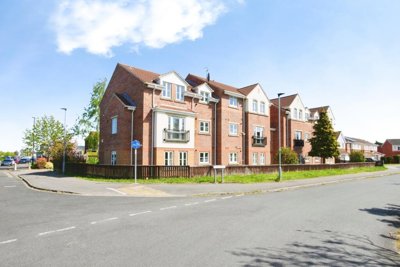
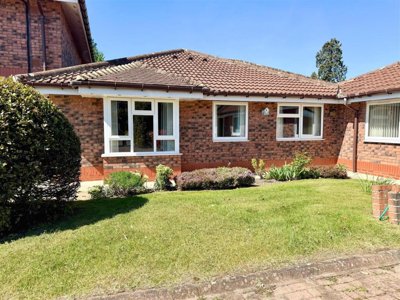
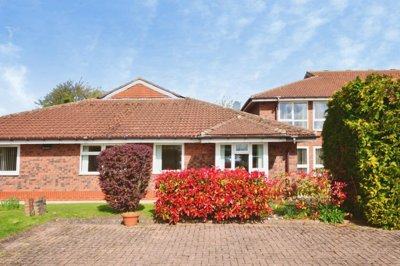
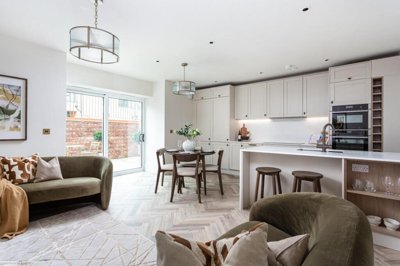
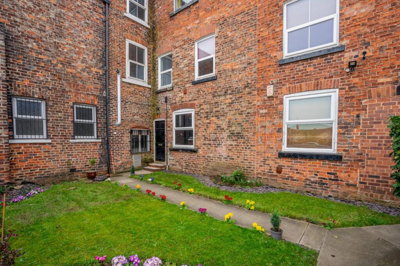
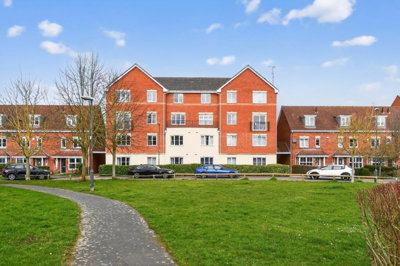
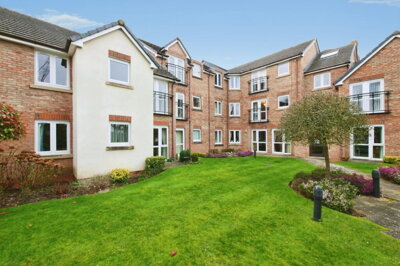
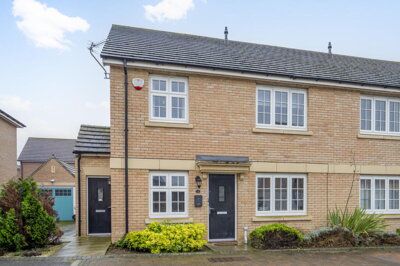
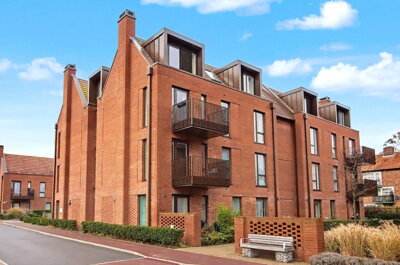
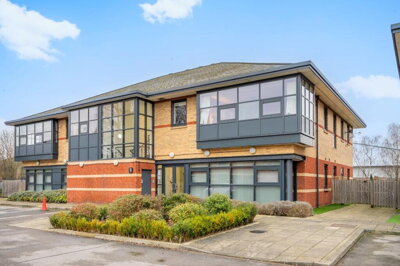
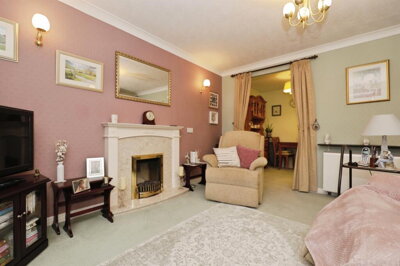
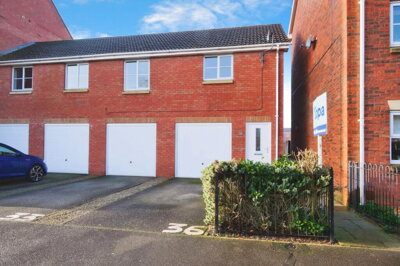
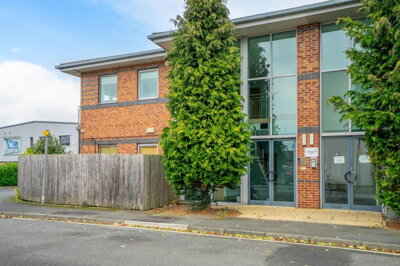
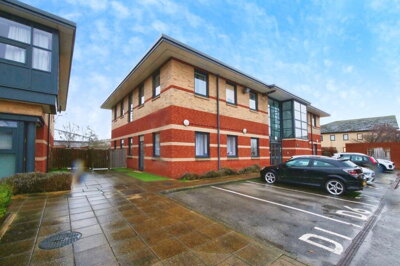
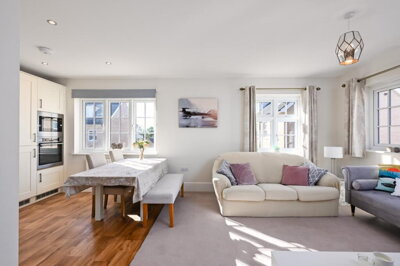
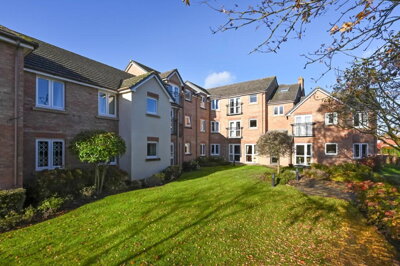
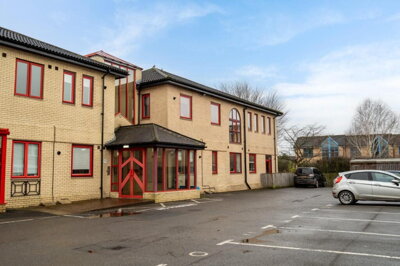
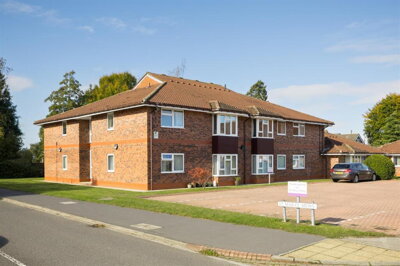
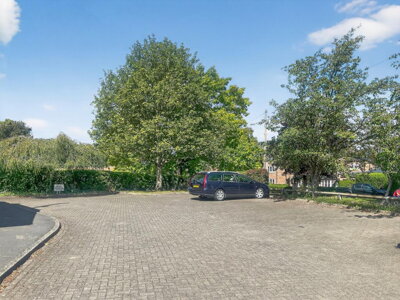
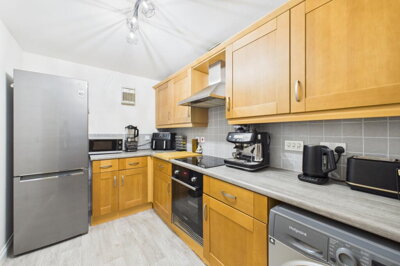
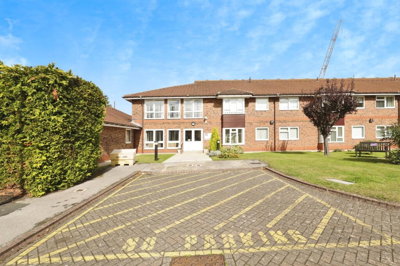
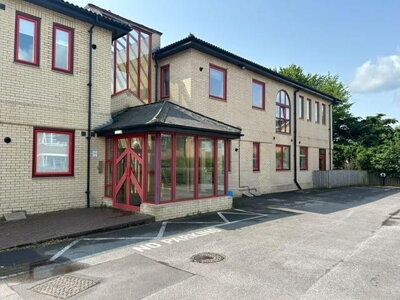
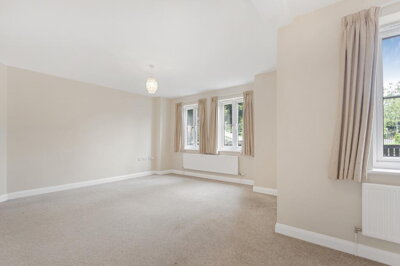
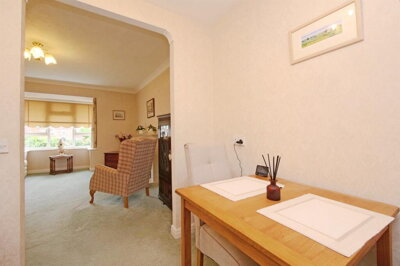
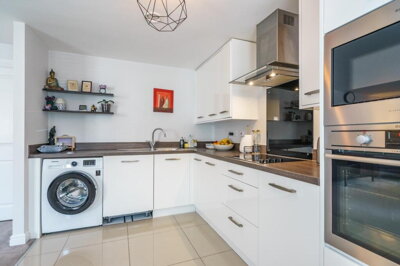
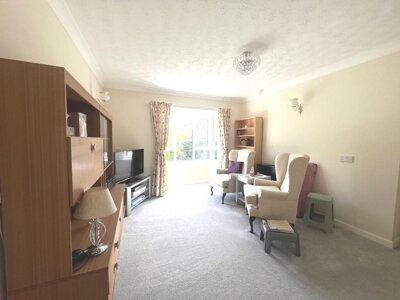
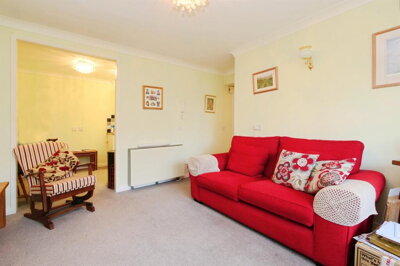
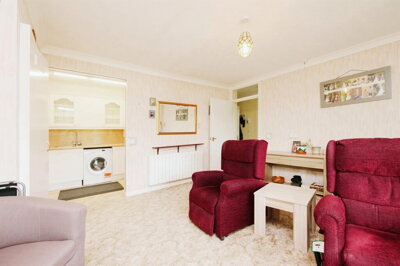
Browse 28 homes for sale in Skelton from local estate agents.
The 2 bed flat sector typically includes two separate bedrooms, dedicated living areas, and bathroom facilities. Properties in Skelton span purpose-built blocks, converted period houses, and modern apartment complexes on various floors.
Skelton sits in a market that mirrors the wider York area's appeal, yet prices still offer a bit more breathing room than central York. Detached homes sit at the top end, averaging around £478,803, so they suit families who want more space and established gardens. Semi-detached properties come in at approximately £194,250, which gives buyers a more accessible way into this sought-after village. Terraces, many from the Victorian and Edwardian periods, average around £237,200 and often show the creamy white Pease bricks that are part of Skelton's architectural story.
In the YO30 postcode area, the housing mix is fairly even, which is good news for buyers with different budgets and priorities. Detached houses account for approximately 30.5% of sales, semi-detached properties around 32.7%, terraced houses 25% of transactions, and flats approximately 11.8%. That spread means there is genuine choice, from compact terraced cottages that suit first-time buyers to sizeable detached homes with roomy gardens.
Market conditions have cooled recently, with overall prices down approximately 19.4% over the twelve months to January 2026, 15% lower than the previous year and 12% below the 2022 peak of £399,181. After a strong run of growth, that sort of correction can open the door for buyers who had been waiting for a better moment. homedata.co.uk records 8,000 property sales in the broader York postcode area over the previous twelve months, a 16% fall as higher mortgage rates and wider economic uncertainty hit confidence across the country. Even so, falling mortgage rates should help activity through 2026, and Skelton's appeal is still very much intact.

What gives Skelton its character is the contrast between historic buildings and newer homes. The Skelton Conservation Area, designated in 1973, covers The Green, Skelton Hall, and Skelton Manor, with careful management of buildings, trees, and open spaces keeping the village's core identity intact. The Village Trust takes an active role in preserving that atmosphere, and new development is expected to sit comfortably with the materials long used here, including magnesium limestone, Westmorland slate, handmade bricks, and clay pantiles.
Skelton's local economy is centred on everyday needs rather than industry. Residents rely on the village post office and general store, a friendly public house, social club, and a doctor's surgery. The commercial area lies to the south-west of the village, so convenience is close at hand without changing the residential feel. There is also a strong community rhythm here, rooted in a settlement with a documented history reaching back to the 8th century.
York's wider economy works in Skelton's favour. The city supports jobs across tourism, digital and creative industries, two major universities, financial services with major firms like Aviva and NFU Mutual, rail industry engineering, and biotechnology research at the York Biotech Campus. That breadth gives the area a steadier employment base, which in turn supports the housing market and brings new residents into the village each year.

For families, Skelton offers school provision in the village itself and straightforward access to York's stronger schools. The local primary school serves the immediate area, while the wider York market gives access to a broad range of schools at every stage. Being close to York also means good access to secondary schools, grammar schools, and sixth form colleges without long commutes, which is a real draw for parents focused on education.
The University of York and York St John University add another layer to the area's education scene. The University of York campus on Heslington Lane brings in thousands of students and staff each year, and many look to nearby villages like Skelton for quieter homes and easy links to campus. That steady demand from university-linked households helps the rental market and gives family buyers a wider pool of potential future tenants or purchasers.
York's further education colleges add vocational routes and apprenticeships, with courses ranging from construction trades to digital technology. Buyers with school-age children should still check catchment areas and admission rules carefully, because places at popular schools can be highly competitive given York's reputation for academic strength. School Ofsted reports and performance data are publicly available, and we suggest visiting schools in person so families can judge whether they feel right for day-to-day life.

Skelton is a strong commuter base for anyone working in York or travelling further out. The village lies only a few miles from York city centre, and regular bus services link it with the station, shopping streets, and main employment areas. The A1237 York outer ring road is close by too, giving useful road access to the A1(M) and the wider motorway network for journeys to Leeds, Newcastle, or the south.
York railway station gives the city excellent national reach. Fast services to London get into the capital in approximately two hours, while Edinburgh is reachable in around three hours. There are also regular trains to Leeds, Newcastle, Sheffield, and Manchester. The £25m York Station Gateway regeneration project has improved the station area as well, with better facilities, easier access, and a stronger experience for the millions of people using it each year.
For cyclists, York's growing cycle network gives a practical car-free way into the city centre. National Cycle Route 65 runs through the York area, linking Skelton with nearby villages and onward into the city. Back in the village, most daily needs, the post office, shop, pub, and doctor's surgery, are reachable on foot, which makes everyday life easier and cuts down on car use for short trips.

Current property listings on Homemove give a good sense of what sits within reach of your budget. In Skelton, the stock runs from historic cottages near The Green to newer family houses in developments such as The Meadows, The Vale, and The Dell. A local estate agent who knows the village well can be worth speaking to, because they may know about homes not yet publicly listed and can explain the differences between neighbourhoods within the village.
Before any viewings are booked, we recommend getting a mortgage agreement in principle from a lender. It strengthens your position when you make an offer and shows the seller that finance is already in place. With detached homes averaging around £478,803, knowing your borrowing limit matters. First-time buyers should also check whether they qualify for schemes such as Shared Ownership on a newly built property, while buyers with larger deposits may want to compare specialist mortgage products that could offer better rates.
Once you start visiting homes, focus on condition, construction materials, and how close the property is to local amenities. The village centre, conservation area boundaries, and flood risk near the River Ouse all need to sit in the back of your mind. It also helps to visit at different times of day and on different days of the week, so you can get a proper feel for noise, traffic, and the general atmosphere before deciding whether to offer.
After an offer is accepted, we would arrange a survey before contracts are exchanged. Skelton's mix of historic houses and post-war stock makes a Level 2 survey especially useful, since it can pick up issues common in older buildings such as damp, roof defects, and structural movement linked to the local clay geology. Our inspectors know the construction methods used here, from Victorian brickwork to post-war cavity wall building, and can talk through any problems they find. For standard properties, budget £400-600, with the final cost varying according to size, age, and construction type.
A conveyancing solicitor should be appointed to take care of the legal side of the purchase. They will carry out local authority searches for City of York Council, check flooding and drainage records, and confirm that the title is in order. For homes near the River Ouse or in known flood-risk locations, flood risk reports should be obtained and any historic flooding explained clearly. Exchange of contracts usually happens 4-6 weeks after instruction, with completion not long after that.
Completion day is when the solicitor sends the balance to the seller's representative and the keys are handed over for the new Skelton home. It is a proper milestone. Before then, make sure buildings insurance is arranged from exchange of contracts, tell the utility companies your moving date, and update electoral registration at the new address.
Buying in Skelton means taking account of a few location-specific issues that sit outside the usual property search. The geology here can be awkward, the old village centre rests on boulder clay at approximately 25 metres above sea level, while the rest of the village sits on strong clay over gravel and sand. Clay soils can shrink and swell, which is a major geohazard and can lead to subsidence or heave when moisture levels shift with seasonal rainfall or drought. Homes close to mature trees need extra attention, because root systems can affect how deep those movements go. A proper survey should look closely at foundations and any signs of historic movement, such as diagonal cracking, sticking doors, or uneven floors.
Flood risk matters as well, given Skelton's position on the east bank of the River Ouse. The Environment Agency monitoring station at Skelton shows usual river levels between 0.51m and 6.10m, and flooding to property can become possible above 6.40m. The highest recorded level of 6.79m was on November 4, 2000, and past flooding has affected homes on Alma Terrace and Postern Close. Buyers should check the flood defence status of any river-side property, including the age and condition of any barriers protecting the village. Buildings insurance needs to reflect these local risks, and lenders will expect a suitable flood risk assessment before moving ahead.
Extra rules apply to homes in the Skelton Conservation Area and to listed buildings. The village includes a number of listed structures, among them the Grade I Church of St Giles, Grade II* Skelton Manor, and several Grade II buildings including Skelton Hall, Grange Farmhouse, and Toll Bar Cottage. Buying a listed property or one within the conservation area brings planning controls that affect permitted development rights, external alterations, and even window details. Specialist surveys can be sensible for historic buildings, and any repairs need conservation-grade materials. That protects the village character, but it also places more responsibility on owners.
The age profile of Skelton's housing stock means buyers will often come across homes that need a careful look at condition and future maintenance. There is an historic core here with buildings dating back to the 13th century, 16th century manor house origins, and the 19th century hall. Post-war growth brought developments like Brecksfield from 1957 and Grange Park in the 1970s, so a good share of the stock is now between 50 and 70 years old. That age range commonly brings its own issues, including dated electrics, original plumbing, and roof coverings nearing the end of their life.
Knowing how Skelton homes were built helps you understand both their strengths and their possible problems. The village's older buildings show a long run of construction methods across several centuries. The Church of St Giles, dating from around 1240, uses magnesium limestone with Westmorland slate roofing, which says a lot about the materials available to medieval builders. Skelton Manor, with mid-16th century origins, began as a timber-framed structure before being cased in brick, and its plain tile roof reflects the shift from medieval to Renaissance building methods.
Some of Skelton's most distinctive homes are the Victorian and Edwardian terraces with creamy white Pease bricks. Those handmade bricks were produced locally, and they give the village a look that stands apart from surrounding places. A lot of these houses were built as solid walls without cavity insulation, so they may not have modern damp-proof courses and instead depend on breathable traditional materials for their performance.
Post-war development in Skelton followed the building habits of the period. From the 1950s onwards, homes usually used cavity wall construction with brick outer leaves and concrete or timber frame internal structures. Standard brick and tile construction became common for semi-detached and terraced homes in places like Brecksfield and Grange Park. These properties are often easier to maintain than the older stock, although they can still bring period-specific issues such as later cavity wall insulation problems or original components reaching the end of their working life.
Roof coverings across Skelton reflect the materials available in each era. Clay pantiles arrived in the 17th century and remain a familiar feature on older roofs, while grey, blue, and black Welsh slate became the main choice in the mid-19th century. More recent homes have used man-made slates and concrete tiles. Our inspectors look at roof condition with those local materials in mind, checking for cracked or slipped tiles, deteriorating mortar on ridge lines, and the state of flashing around chimneys and wall junctions.
When we survey properties in Skelton, several defect types come up again and again, and knowing that helps buyers prioritise viewings. Dampness is one of the most common findings, especially in solid-walled historic homes built before modern building regulations. Penetrating damp, rising damp, and condensation can all affect older Skelton houses, and the problem is sometimes made worse by unsuitable modern materials such as non-breathable paints, cements, and renders that trap moisture inside walls that were meant to breathe.
Roof defects are another regular feature in Skelton surveys. Missing or cracked tiles, damaged flashing around chimneys and valleys, worn flat roof coverings, and sagging roof structures all show up in homes across the village's age range. Poorly fitted loft insulation can cause moisture build-up and timber rot in roof spaces, especially where later improvements have reduced ventilation. Our inspectors examine accessible roof voids closely, looking for water ingress, timber decay, and signs of previous repairs.
Clay geology in Skelton means structural movement needs a close look during any survey. As the soil shrinks and swells, foundations can shift and show cracking in walls, often as diagonal cracks from window and door frames or stepped cracks running along mortar lines. Minor movement is common and often harmless, but more serious problems need specialist investigation. Large or widening cracks, leaning chimney stacks, gaps between walls and floors or ceilings, and doors or windows that stick or do not close properly all merit further assessment.
Older Skelton homes often need updates to their electrical and plumbing systems. Many properties built before the 1980s still have original wiring that has never been fully upgraded, which can create fire risks and make insurance more difficult. Lead pipework or galvanised steel pipes, once widely used in domestic plumbing, should also be replaced to prevent leaks and support a clean water supply. Our survey reports spell these issues out clearly, so buyers can negotiate with sellers or set aside funds for the work after purchase.
The average house price in Skelton is approximately £351,866, according to recent data from the YO30 postcode area on homedata.co.uk. Detached homes average around £478,803, semi-detached properties approximately £194,250, and terraced homes around £237,200. Prices have corrected too, with the market down approximately 19.4% over the twelve months to January 2026, which means some buyers are seeing better value now than at the 2022 peak of £399,181. The average price paid for properties in Skelton was £357,000 as of January 7, 2026.
City of York Council is the local authority for Skelton properties. Council tax bands run from A through to H and are based on the property's assessed value at the time of construction. The exact band depends on the individual home and its characteristics, with Band A generally the least valuable and Band H the most expensive. Buyers should check the band for any property they are considering, because it affects annual running costs and can shape how good value the home feels relative to its price. Band details are available through the City of York Council website or the Valuation Office Agency.
Skelton has a primary school of its own, serving children from the local community up to age eleven. Beyond that, the village benefits from York's strong education offer, with well-regarded secondary schools, grammar schools, and further education colleges. The University of York on Heslington Lane and York St John University in the city centre are both within reach for higher education, and York St John offers a wide range of undergraduate and postgraduate programmes. Families should still check catchment areas and admissions rules carefully, because popular schools can be oversubscribed and boundaries can change from year to year.
Transport links are a real advantage here, even with Skelton's village feel. Regular buses run into York city centre, where the railway station offers strong national rail connections to London, Edinburgh, and major northern cities. The A1237 outer ring road gives straightforward access to the A1(M) and the wider motorway network for travel to Leeds, Newcastle, or further south. York's expanding cycle network also provides car-free commuting on traffic-free routes into the centre. The £25m York Station Gateway regeneration has made a noticeable difference too, with better facilities and improved accessibility for all transport users.
Several things make Skelton attractive to property investors. Its closeness to York keeps it in demand with commuters and families who want village life with easy city access. The conservation area and listed buildings help preserve the village's character and support values. York's wider economy, including tourism, digital industries, universities, and financial services firms like Aviva and NFU Mutual, also underpins steady housing demand. Even so, the recent price correction, the clay soils with shrink-swell risk, and the village's closeness to the River Ouse all call for proper due diligence. We would always recommend thorough research and professional advice before buying.
Stamp duty land tax is worked out from the purchase price and buyer status. The standard rates are 0% up to £250,000, 5% from £250,001 to £925,000, 10% from £925,001 to £1.5 million, and 12% above £1.5 million. First-time buyers get relief on purchases up to £625,000, paying 0% up to £425,000 and 5% between £425,001 and £625,000. With Skelton's average price at around £351,866, many homes fall into the lower bands, so a typical terraced property would attract approximately £5,093 in stamp duty. Detached homes priced around £478,803 will still pay more, since the portion above £250,000 is taxed at higher rates.
Older homes in Skelton, especially those in the conservation area or built before the 1950s, need a careful inspection for familiar defects. We would look for damp in solid-walled buildings without modern damp-proof courses, roof issues around ageing tiles and flashing, movement linked to clay soil shrink-swell behaviour, and electrical systems that may not meet current safety standards. Properties built between the 1950s and 1980s can also contain asbestos in insulation, artex coatings, or floor tiles. Because Skelton includes timber framing, stone, and traditional brickwork, specialist surveys are a sensible choice for historic homes, and flood risk history should always be checked given the River Ouse nearby.
RICS Level 2 survey costs in Skelton usually fall between £400 and £600 for standard properties in the village. The final figure depends on things like property size, number of bedrooms, value, and overall complexity. Larger homes with four or more bedrooms generally cost more because they take longer to inspect, while older houses with non-standard construction or listed building status can attract extra charges. Skelton has many homes over 50 years old, with building styles ranging from Victorian brickwork to post-war housing, so our pricing reflects the level of knowledge needed to assess them properly. Properties above £500,000 typically average around £586 for a Level 2 survey.
From £400
A detailed inspection of the property's condition, with defects identified and advice given on repairs and maintenance. It is especially useful for Skelton's mix of historic and modern homes.
From £600
A fuller building survey for larger, older, or non-standard properties. We recommend it for listed buildings and historic homes in the conservation area.
From £60
An Energy Performance Certificate is required for all property sales. It gives energy efficiency ratings and suggestions for improvements.
From £499
Legal support for a property purchase, including local authority searches, title checks, and contract preparation.
Getting clear on the full cost of buying in Skelton helps with budgeting and cuts down the risk of nasty surprises during what can be a fairly involved process. The purchase price is the biggest outlay, but the extra costs add up quickly and need to be built into the plan from the start. On a typical Skelton property at the village average of £351,866, stamp duty land tax would be approximately £5,093, based on 5% on the portion above £250,000.
First-time buyers have relief that lifts the nil-rate threshold to £425,000, with 5% applying from £425,001 to £625,000. That means many first-time buyer purchases in Skelton, including terraced and semi-detached homes priced up to around £350,000, would pay no stamp duty at all. Relief does not apply above £625,000, though, so anyone buying a detached property priced around £478,803 should work out the liability carefully and include it in the total budget.
It also helps to budget for the other purchase costs. Solicitor conveyancing fees usually range from £500-1,500 depending on complexity and whether a chain is involved. Search fees of approximately £250-400 cover local authority, drainage, and environmental searches for City of York Council, with extra searches sometimes needed for properties near the River Ouse floodplain. Survey costs of £400-600 cover a RICS Level 2 Home Survey on a standard property, while larger or more complex homes cost more. Mortgage arrangement fees can be anything from zero to around 2% of the loan amount, depending on the product. Buildings insurance should be in place from exchange of contracts, removals costs vary according to distance and volume, and Land Registry fees of approximately £200-500 are needed to register the ownership transfer.

Properties for Sale In London

Properties for Sale In Plymouth

Properties for Sale In Liverpool

Properties for Sale In Glasgow

Properties for Sale In Sheffield

Properties for Sale In Edinburgh

Properties for Sale In Coventry

Properties for Sale In Bradford

Properties for Sale In Manchester

Properties for Sale In Birmingham

Properties for Sale In Bristol

Properties for Sale In Oxford

Properties for Sale In Leicester

Properties for Sale In Newcastle

Properties for Sale In Leeds

Properties for Sale In Southampton

Properties for Sale In Cardiff

Properties for Sale In Nottingham

Properties for Sale In Norwich

Properties for Sale In Brighton

Properties for Sale In Derby

Properties for Sale In Portsmouth

Properties for Sale In Northampton

Properties for Sale In Milton Keynes

Properties for Sale In Bournemouth

Properties for Sale In Bolton

Properties for Sale In Swansea

Properties for Sale In Swindon

Properties for Sale In Peterborough

Properties for Sale In Wolverhampton

Enter your details to see if this property is within your budget.
Loans, cards, car finance
Estimated property budget
Borrowing + deposit
You could borrow between
Typical borrowing
Monthly repayment
Est. at 4.5%
Loan-to-value
This is an estimate only. Your actual budget may vary depending on interest rates, credit history, and personal circumstances. For an accurate affordability assessment, speak to one of our free mortgage advisors.
This calculator provides estimates for illustrative purposes only and does not constitute financial advice. Your home may be repossessed if you do not keep up repayments on your mortgage. Estimates based on 4.5% interest rate, repayment mortgage. Actual rates depend on your circumstances.
Homemove is a trading name of HM Haus Group Ltd (Company No. 13873779, registered in England & Wales). Homemove Mortgages Ltd (Company No. 15947693) is an Appointed Representative of TMG Direct Limited, trading as TMG Mortgage Network, which is authorised and regulated by the Financial Conduct Authority (FRN 786245). Homemove Mortgages Ltd is entered on the FCA Register as an Appointed Representative (FRN 1022429). You can check registrations at NewRegister or by calling 0800 111 6768.

We use cookies to show you personalised content and improve your experience of our website. Find out more in our Privacy policy and Cookie policy.