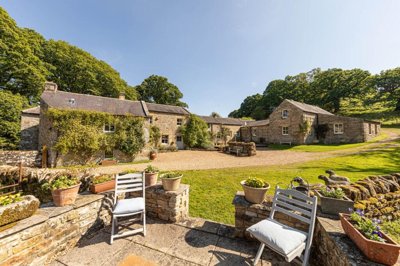
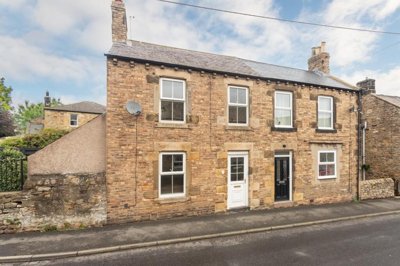
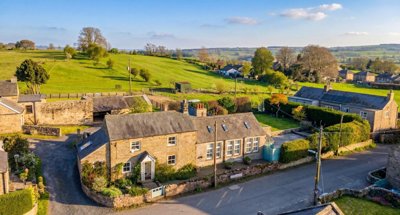
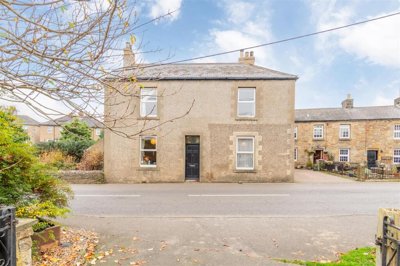
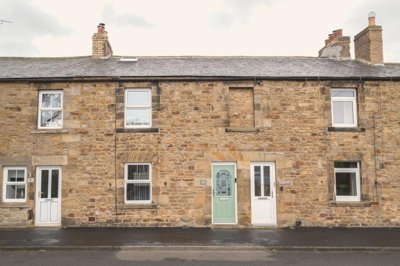
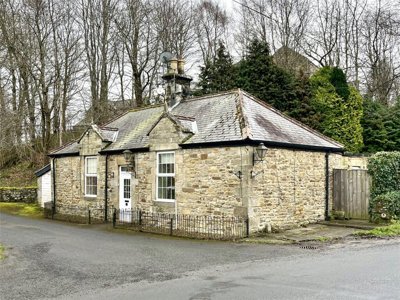
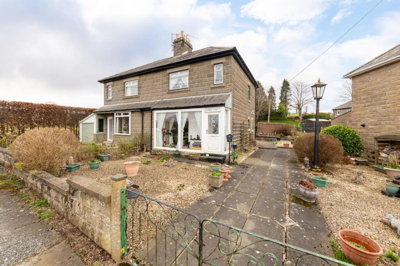
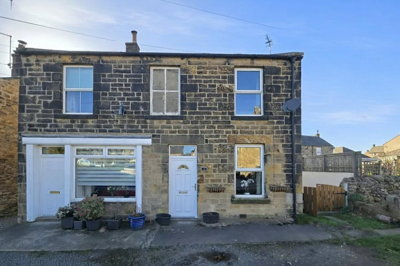
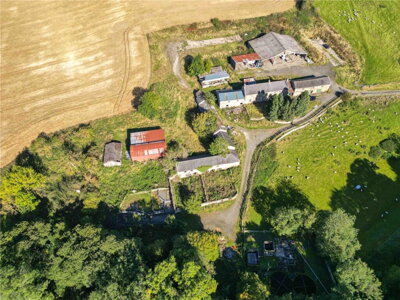
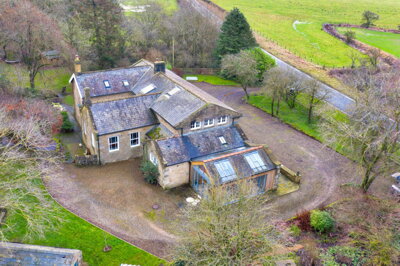
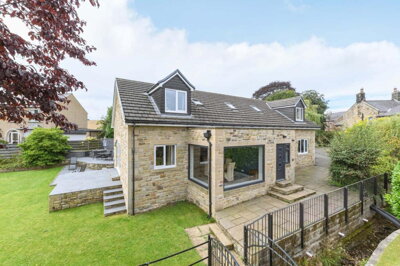
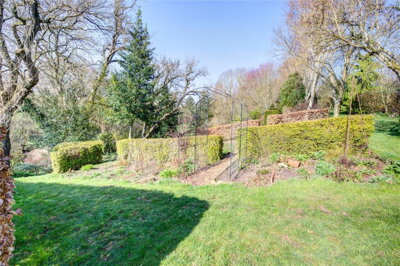
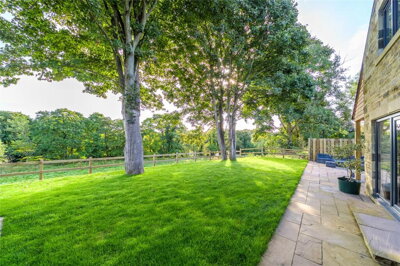
Browse 14 homes for sale in Simonburn, Northumberland from local estate agents.
£0k
0
0
0
Source: home.co.uk
Simonburn’s property market says a lot about this small Northumberland village, with period homes drawing buyers who want something properly rural and unpolished. The village sits in the NE48 postcode area, where average asking prices sit around the £396,575 mark, although the range runs from under £25,000 to nearly £5 million at the top end for major country estates. That spread brings everything from compact cottages suited to first-time buyers or investors, through to large country houses with acres of land. Recent sales underline that demand, too, with Greenhaugh Farm selling for £850,000 in late 2022 and Middleburn, a substantial property, changing hands for £520,000 in 2017.
Stone-built detached and semi-detached houses make up much of Simonburn’s stock, which fits the traditional look of the Tyne Valley. A good part of the village housing dates back well over a century, and many homes still keep the thick stone walls, flagstone floors and original fireplaces associated with genuine Northumbrian farmhouses and cottages. Buyers who value craftsmanship tend to notice these details straight away, although the same properties often need a close eye kept on maintenance and renovation. New development is still slight within the village itself, because Simonburn has held onto its historic appearance instead of expanding in the way some of the better connected Northumbrian towns have.
There are also a few landmarks that give the village extra weight, not least a distinguished Grade II Listed chapel that speaks to the area’s long heritage. Around Simonburn, listings often lean heavily on stone construction, with homes described as traditional stone-built detached properties or beautifully renovated stone-built cottages. The mix runs from compact farmworker cottages to grand Edwardian family homes, a neat reflection of how building styles have changed over the centuries. Because so many properties are older and stone-built, a thorough survey makes sense before purchase, especially for walls, roofing and traditional features.

Simonburn captures rural Northumberland living at its most straightforward, with quiet surroundings, natural beauty and a community that still feels close-knit. The village name comes from its position by the River North Tyne, with the “burn” element referring to the watercourse that has shaped this part of the Tyne Valley for centuries. Around it, farmland, woodland and moorland form a patchwork landscape where farming traditions remain visible and the pace of life stays largely free from modern development. Clean air, open skies and genuine peace are part of daily life here, which is why Simonburn appeals to people wanting a clear break from city pressures.
Community life in Simonburn follows the best Northumbrian village traditions, with local events, agricultural shows and seasonal celebrations drawing people together through the year. Hexham, the nearest market town at approximately eight miles away, acts as the main service centre for residents, with supermarkets, independent shops, restaurants and professional services all available there. It also runs a weekly market and a range of cultural events that bring in visitors from across the region. For walking, cycling and general exploring, the surrounding countryside is hard to beat, while the Pennine Way and other national trails can be reached from the village. Kielder Water and Forest Park, one of England’s largest working forests, adds watersports, wildlife watching and mountain biking trails to the list.
Heritage adds a different layer to life in Simonburn, since the village sits along the historic Hadrian’s Wall corridor that continues to pull in history enthusiasts from around the world. Living here means becoming part of a landscape shaped by Roman occupation, medieval monastery life and generations of farming. The Tyne Valley also offers excellent dark sky conditions, and Northumberland’s status as an International Dark Sky Park makes the area especially attractive to stargazers and nature lovers. The North Tyne itself is a real part of the setting, with fishing, paddling and riverside walks available as the watercourse moves through the village past water meadows and traditional fields.

For Simonburn families, schooling is centred on Hexham, where there is a broad choice from primary age through to further education. Younger children are served by primary schools in the village’s wider area, and several well-regarded village schools sit within easy driving distance, with strong academic standards and close community ties. Their smaller size often means intimate class groups, which gives teachers more room to provide individual attention and create a nurturing setting for reading, numeracy and social development. Parents who move to Simonburn usually accept the school run, but in return children grow up in a striking rural setting rather than a more urban one.
St. Mary's Catholic Primary School in Hexham is one of the primary options serving Simonburn, alongside several village primaries in nearby communities. Each offers a solid base for young learners, with catchment areas that cover the scattered settlements of the North Tyne valley and school transport arrangements for families in more remote spots. Because village primaries are small, teachers often know every child well, and the curriculum usually makes good use of the natural environment, with outdoor education playing a meaningful part in the day. Parents tend to speak highly of the care and attention in these settings, where reduced class sizes and strong pastoral support are part of the appeal.
Secondary education for Simonburn students is mainly found in Hexham, where several schools serve the wider Tynedale area, including the well regarded Hexham Middle School and Queen Elizabeth High School. These schools take pupils from Year 5 through to Sixth Form and offer a wide curriculum aimed at further education and future work. Queen Elizabeth High School is the key secondary school for the area, with education from Year 5 through to Sixth Form, strong academic results and good Ofsted ratings. Hexham also has further education facilities, so older students do not need to head to Newcastle or Carlisle for post-GCSE vocational or academic courses. Families moving in from larger towns often find the standard compares well with urban options, while the smaller school communities can feel more personal.

Transport links from Simonburn are shaped by its rural setting, so most residents rely on private cars for day-to-day travel. The village lies approximately eight miles north of Hexham, giving access to the A69 trunk road between Newcastle upon Tyne and Carlisle. That road is the main route through the Tyne Valley, and under normal traffic conditions Newcastle city centre is roughly 45 minutes away by car. Carlisle is about an hour in the opposite direction, so both cities remain reachable for commuting or day trips, although rail travel means getting to Hexham or Haltwhistle stations first. For anyone working in Newcastle, the road journey is straightforward enough to make Simonburn a workable country base.
Bus services do cover the Simonburn area, linking the village with Hexham and other Tyne Valley settlements, though the frequency is limited in the way you would expect in rural Northumberland. The 680 and X88 services connect to Hexham, Bellingham and other North Tyne Valley villages, but timetables need checking closely because some services may run only once or twice daily. Hexham and Corbridge are the nearest railway stations, both on the Northern Rail Tyne Valley line to Newcastle and Carlisle. From Newcastle Central Station, the wider national rail network opens up routes across England and Scotland. Newcastle International Airport sits approximately 30 miles east of Simonburn, so domestic flights and international links are within reach, while cyclists can make good use of the quiet lanes nearby, as long as they are happy sharing roads with faster traffic on longer journeys.
The A69 corridor is Simonburn’s main transport artery, giving residents direct routes to Hexham and Corbridge and then on to the A1(M) motorway near Newcastle. Traffic is usually lighter than on major routes, though holiday weekends and summer months can bring more vehicles as visitors head towards Northumberland National Park and the Scottish border. In winter, the rural setting means a bit more preparation is sensible, and gritting tends to focus on the main roads first. For a lot of local households, two vehicles are practical, especially where one person commutes and others need local access for school runs and everyday errands.

Our first step would be to look at current property listings in Simonburn on Homemove, so we can see what is actually available at different price points. Because the market stretches from cottages to country estates, a clear budget and a short list of must-have features will help narrow things down quickly. It is also worth registering with local estate agents who know rural Northumberland well, since off-market opportunities do sometimes come up for buyers with established local connections.
Once a property stands out, the next move is to contact the listing estate agents and arrange a viewing. In a village such as Simonburn, viewings can need a bit of co-ordination, so planning ahead makes it easier to see several homes in one trip. Many properties are occupied, either by tenants or owners, which means appointments have to be made in advance rather than turning up unannounced. It helps to take notes and photographs at each viewing, so comparing homes later is far less muddled.
Before any offer goes in, buyers should secure a mortgage agreement in principle from a lender. That shows sellers and agents that the finance is in place and strengthens the position when negotiating across the Simonburn market. With property values ranging from modest cottages to multi-million pound estates, it is important that mortgage capacity matches the homes being considered. Our team can put buyers in touch with mortgage brokers who know rural Northumberland properties well.
Because so many homes in Simonburn are old, our inspectors strongly recommend a RICS Level 2 Survey before purchase. A homebuyer report will pick up structural concerns, damp issues and repairs needed in stone-built properties, which are common here. Older houses may also have electrical systems, plumbing or heating that no longer meet modern expectations. Our team includes qualified surveyors who understand traditional Northumbrian construction methods and can assess the particular demands of period properties.
A conveyancing solicitor with rural Northumberland experience is the right choice for a Simonburn purchase. They handle the legal searches, contracts and ownership transfer for the new home. Transactions in rural areas often bring extra searches linked to rights of way, agricultural agreements and private water supplies. Our recommended conveyancers understand those points and can guide the process without fuss.
Once searches come back satisfactorily and contracts are signed, deposits are exchanged and a completion date is set. From there, the solicitor co-ordinates the final transfer of funds and keys, so the move into a new home in Simonburn can go ahead. It is wise to leave time between exchange and completion for removals, mail redirection and utility arrangements, particularly for a rural property.
Buying in Simonburn means thinking about issues that matter in rural Northumberland and often do not trouble urban purchasers. The village’s stone-built homes need close attention to wall condition, especially for damp penetration, structural movement or worn traditional mortar pointing. Many older properties use solid wall construction rather than cavity insulation, which affects thermal performance and can make condensation more of a concern. A full survey by a qualified RICS professional will bring these matters to light before purchase, which can save new owners a fair amount in remedial work. The age of many Simonburn homes also means electrical systems, plumbing and heating may need updating to modern standards.
Buyers should also check whether a property in Simonburn falls within a conservation area or carries listed building status, since that affects the changes owners can make. The village’s historic character suggests many properties may be protected in some form, which can help preserve the setting but may also limit what can be altered. Listed buildings need consent from Northumberland County Council for external alterations, and even conservation area properties may face restrictions on windows, doors, roofing materials and extensions. That matters especially where renovation or modernisation is planned. Rural homes in Northumberland may also depend on private water supplies, septic tanks or oil-fired heating systems instead of mains services, so understanding those arrangements is part of normal due diligence.
Roofing deserves close attention too, because stone-built properties often have traditional slate or stone tiles that have been repaired over many years with a mix of materials. Leadwork around chimneys and valleys can deteriorate, and repairs to traditional period roofing can be costly. Many Simonburn homes still have original fireplaces and chimneys, which may need repointing or rebuilding, while annual chimney sweeping remains important where open fires or wood burners are still used. Windows vary from original single-glazed frames to more recent double-glazed units, so buyers need to judge whether the glazing meets their comfort and energy efficiency needs.
Rural living brings practical issues that city buyers may never have had to think about, including private water supplies from boreholes or springs, drainage through septic tanks or treatment plants, and fuel deliveries for oil or LPG heating systems. Any property using a private water supply should have the water quality tested, particularly where the supply serves more than one household or has not been used recently. Septic tank arrangements need a clear understanding of capacity, location and maintenance duties, and some rural homes share communal drainage systems with joint responsibility. Heating tends to rely on oil-fired boilers or solid fuel systems, so annual servicing and fuel tank refilling become part of ordinary household upkeep.

In Simonburn and the wider NE48 postcode area, properties for sale have an average asking price of approximately £396,575. Even so, the market covers a wide spread, from modest cottages under £100,000 to country estates nearing £5 million. Recent sales in the village include Greenhaugh Farm at £850,000, Middleburn at £520,000, and 2 The Green, a semi-detached bungalow, which sold for £220,500 in 2019. That variety means buyers on different budgets can find something suitable, although competition for the most affordable homes can be keen because supply is limited.
For council tax, Simonburn properties sit under Northumberland County Council. Bands run from A through to H depending on value and type, and many traditional stone cottages and farmhouses are likely to fall into bands B to D. Buyers should check the precise band with the listing agent or during conveyancing searches, because council tax is part of the ongoing cost of ownership. Northumberland’s rates are set annually, so families need to build them into the budget alongside mortgage payments and maintenance.
Schooling for Simonburn families is provided by primary schools in nearby villages and across the wider Hexham area, and there are several well regarded options within reasonable driving distance. St. Mary's Catholic Primary School in Hexham provides faith-based education, while a number of village primaries in surrounding North Tyne communities offer traditional values and small class sizes. For secondary education, Queen Elizabeth High School in Hexham serves as the main school for the Tynedale area, with education from Year 5 through to Sixth Form, strong academic results and good Ofsted ratings. Hexham Middle School covers Years 6 through 8 before pupils move on to Queen Elizabeth High School. Families relocating to Simonburn should look carefully at catchment areas, as places can be competitive in popular rural locations and transport may need to be arranged.
Public transport from Simonburn is limited, which is exactly what the village’s rural position would suggest. Bus services including the 680 and X88 run between Simonburn and Hexham, but the frequency is low and there may only be one or two services daily. Hexham and Corbridge are the nearest railway stations, with Northern Rail services on the Tyne Valley line to Newcastle and Carlisle. Most residents use private cars as their main transport, with the A69 trunk road giving access to larger towns and cities. Newcastle International Airport, about 30 miles east of Simonburn, provides domestic and international flights for longer journeys.
For property investment, Simonburn has some appeal because homes rarely come up for sale and country properties in Northumberland remain in demand. Period stone houses with character tend to hold their value well, and the shortage of new build stock helps existing homes keep their attraction. Rental demand is likely modest given the small population, but holiday lets could work well because of tourism interest and the village’s proximity to Hadrian’s Wall, Kielder Forest and Northumberland National Park. The historic character of the village and its conservation qualities suggest values should remain stable or rise over time, although anyone investing would need to think about the practical side of managing rural rentals from a distance.
For 2024-25, stamp duty rates are set as follows, no tax on the first £250,000 of property value, 5% on the portion from £250,001 to £925,000, 10% on £925,001 to £1.5 million, and 12% on anything above £1.5 million. First-time buyers benefit from higher thresholds, with 0% on the first £425,000 and 5% between £425,001 and £625,000. On a typical Simonburn property at the average price of £396,575, a first-time buyer would pay no stamp duty, while a subsequent buyer would pay approximately £7,328. Standard buyers purchasing below £250,000 have no SDLT to pay, which keeps the lower end of the Simonburn market within reach for those without first-time buyer status.
Across Simonburn and the surrounding Northumberland countryside, many rural homes depend on private water supplies rather than mains water, including boreholes, springs or shared village supplies. Buyers need to check the source and quality of any private supply, together with recent test results and any treatment systems already in place. Drainage usually runs through septic tanks or package treatment plants, while some properties share communal systems that bring shared maintenance duties. These arrangements are part of rural living and come with ongoing costs that are different from urban homes connected to mains services.
Simonburn’s historic feel points to conservation issues and listed buildings within the village and nearby. A distinguished Grade II Listed chapel stands near the village and reinforces the area’s heritage, while also hinting that other properties may carry similar protection. Listed building status limits the changes owners can make, and Northumberland County Council consent is needed for external alterations as well as many internal ones. Within a conservation area, windows, doors, roofing materials and extensions may all be restricted. Our surveyors know how to assess listed buildings and can explain what that means for buyers considering period homes in Simonburn.
It is important to understand the extra costs that sit alongside the purchase price in Simonburn, and stamp duty land tax is one of the biggest upfront items. For standard residential purchases in 2024-25, there is no SDLT on the first £250,000, then 5% on the slice between £250,001 and £925,000. The portion from £925,001 to £1.5 million is taxed at 10%, and anything above £1.5 million is charged at 12%. With the average asking price in Simonburn around £396,575, most buyers at or near that level would face SDLT of approximately £7,328 if they are not first-time buyers. Homes below £250,000 for standard buyers, or below £425,000 for qualifying first-time buyers, attract no stamp duty at all.
First-time buyers in Simonburn get enhanced SDLT relief, with no tax on the first £425,000 and 5% charged only on the portion between £425,001 and £625,000. That can make a real difference to the upfront cost of getting onto the ladder in the village. Outside stamp duty, buyers need to budget for solicitor conveyancing costs, which usually start at around £500-1,000 for a standard transaction, plus searches and disbursements. Survey costs for a RICS Level 2 Homebuyer Report generally start from £350 and rise for larger or more complex properties. Land registry fees, bank transfer charges and removal costs add to the total, so buyers should have liquid funds available beyond deposit and mortgage money to cover these expenses comfortably.
Our inspectors offer competitive RICS Level 2 Survey pricing across the Simonburn area, with fees based on property value and type rather than a one-size-fits-all model. Given the age and character of many Simonburn homes, a thorough survey is well worth having before any commitment is made. Our team includes qualified surveyors with direct experience of traditional Northumbrian construction methods, so stone-built properties are assessed by people who understand the specific issues period homes can present. Contact us for a personalised quote based on the property under consideration.

From £350
Our qualified inspectors assess stone-built properties across Simonburn, and we identify the defects most often found in period homes.
From £499
Recommended solicitors experienced in rural Northumberland property transactions
From 4.5%
competitive mortgage deals for Simonburn property purchases
From £60
Energy performance certificates for all property types
Properties for Sale In London

Properties for Sale In Plymouth

Properties for Sale In Liverpool

Properties for Sale In Glasgow

Properties for Sale In Sheffield

Properties for Sale In Edinburgh

Properties for Sale In Coventry

Properties for Sale In Bradford

Properties for Sale In Manchester

Properties for Sale In Birmingham

Properties for Sale In Bristol

Properties for Sale In Oxford

Properties for Sale In Leicester

Properties for Sale In Newcastle

Properties for Sale In Leeds

Properties for Sale In Southampton

Properties for Sale In Cardiff

Properties for Sale In Nottingham

Properties for Sale In Norwich

Properties for Sale In Brighton

Properties for Sale In Derby

Properties for Sale In Portsmouth

Properties for Sale In Northampton

Properties for Sale In Milton Keynes

Properties for Sale In Bournemouth

Properties for Sale In Bolton

Properties for Sale In Swansea

Properties for Sale In Swindon

Properties for Sale In Peterborough

Properties for Sale In Wolverhampton

Enter your details to see if this property is within your budget.
Loans, cards, car finance
Estimated property budget
Borrowing + deposit
You could borrow between
Typical borrowing
Monthly repayment
Est. at 4.5%
Loan-to-value
This is an estimate only. Your actual budget may vary depending on interest rates, credit history, and personal circumstances. For an accurate affordability assessment, speak to one of our free mortgage advisors.
This calculator provides estimates for illustrative purposes only and does not constitute financial advice. Your home may be repossessed if you do not keep up repayments on your mortgage. Estimates based on 4.5% interest rate, repayment mortgage. Actual rates depend on your circumstances.
Homemove is a trading name of HM Haus Group Ltd (Company No. 13873779, registered in England & Wales). Homemove Mortgages Ltd (Company No. 15947693) is an Appointed Representative of TMG Direct Limited, trading as TMG Mortgage Network, which is authorised and regulated by the Financial Conduct Authority (FRN 786245). Homemove Mortgages Ltd is entered on the FCA Register as an Appointed Representative (FRN 1022429). You can check registrations at NewRegister or by calling 0800 111 6768.

We use cookies to show you personalised content and improve your experience of our website. Find out more in our Privacy policy and Cookie policy.