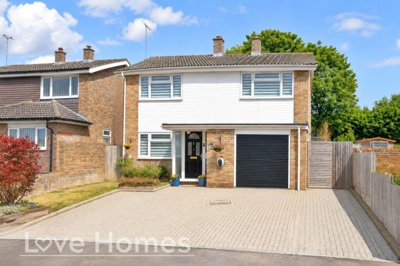
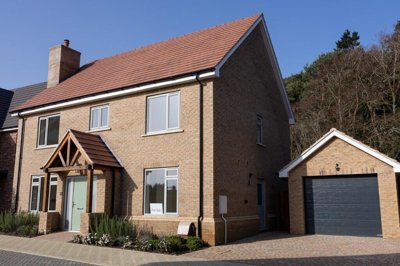
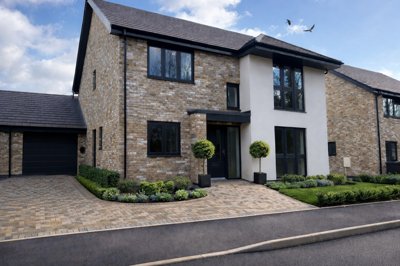
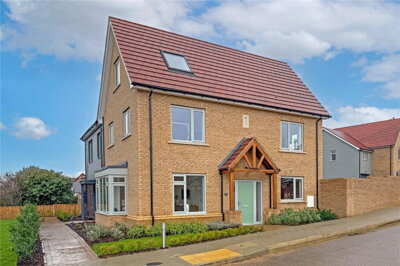
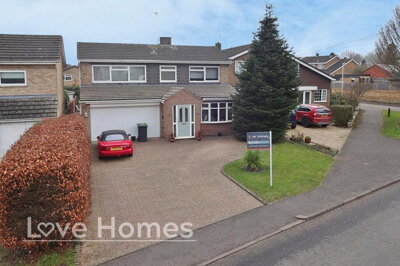
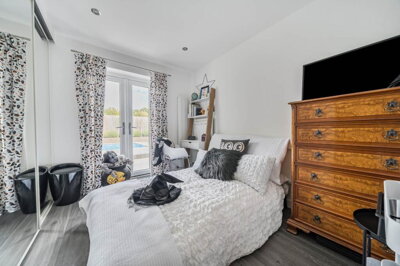
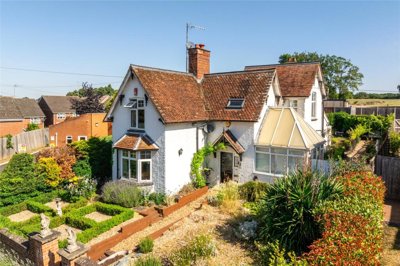
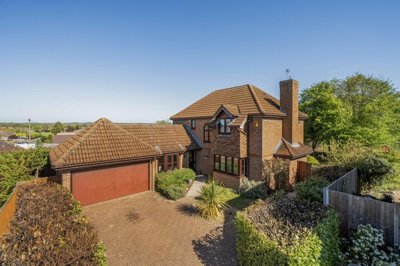
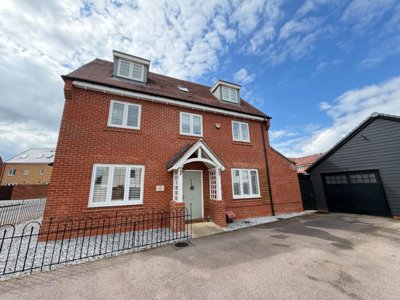
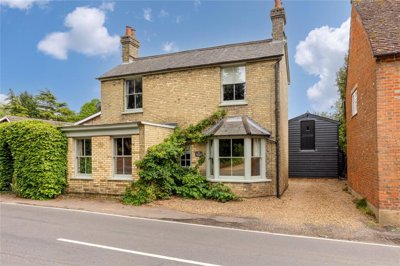
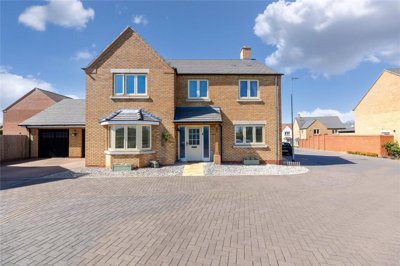
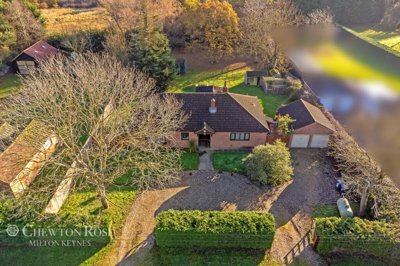
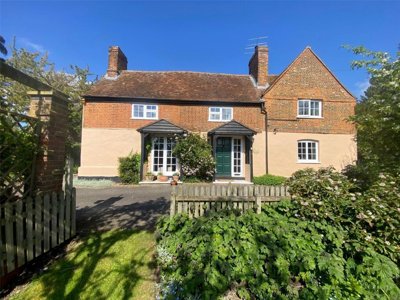
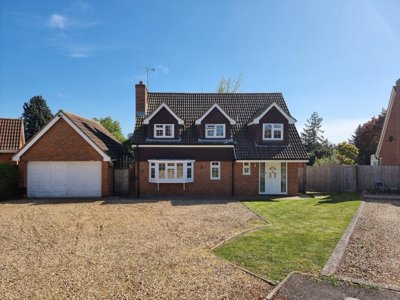
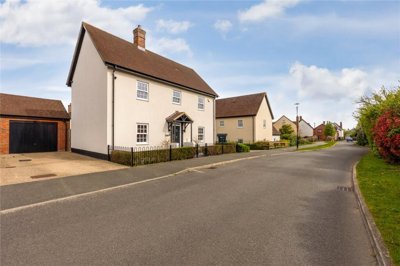
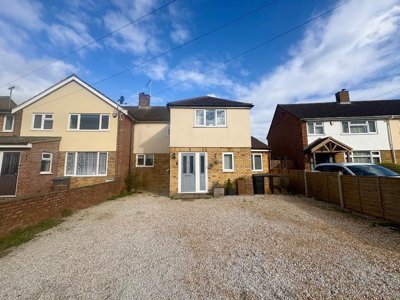
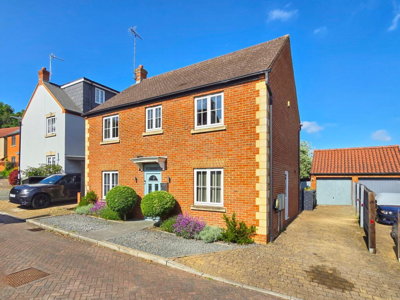
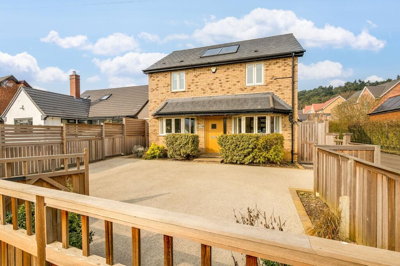
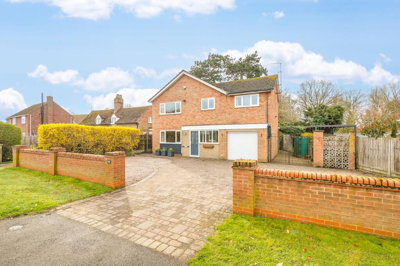
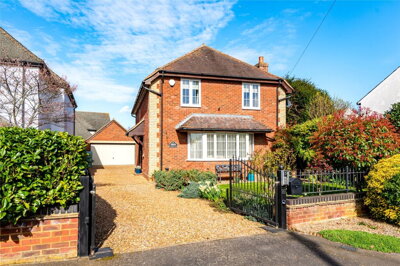
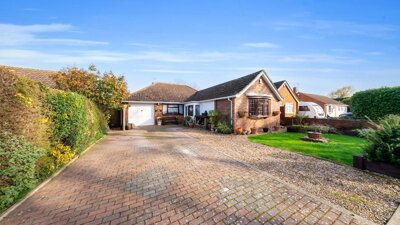
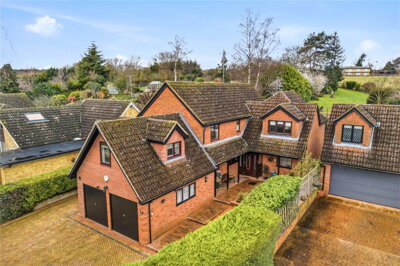
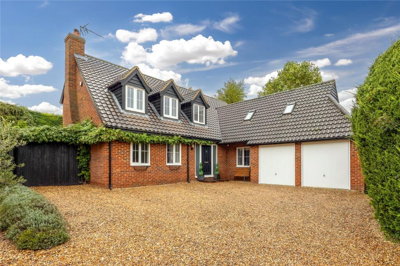
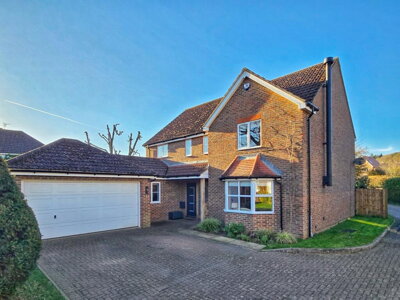
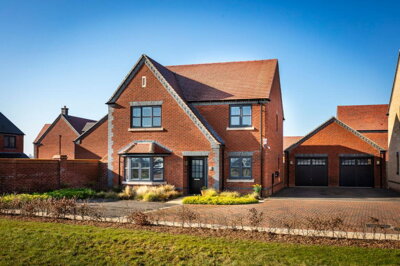
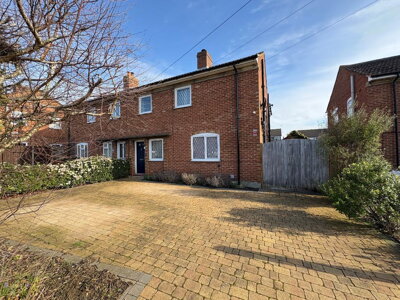
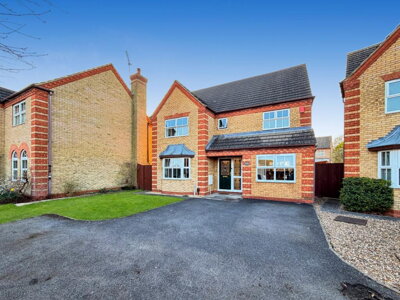
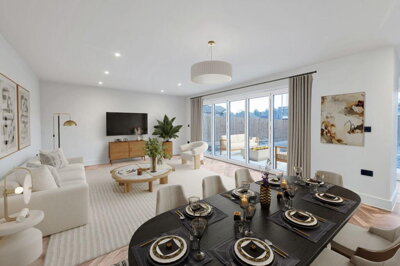
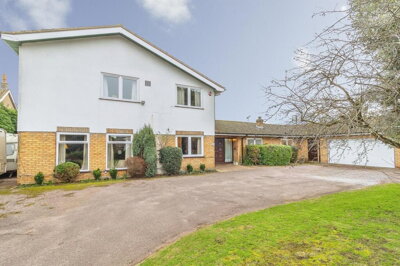
Browse 59 homes for sale in Silsoe, Central Bedfordshire from local estate agents.
The larger property sector typically features multiple bathrooms, substantial reception space, and private gardens or off-street parking. Four bedroom houses in Silsoe span detached, semi-detached, and occasionally terraced configurations, with styles ranging from period properties to modern executive homes.
£700k
15
1
111
Source: home.co.uk
Showing 15 results for 4 Bedroom Houses for sale in Silsoe, Central Bedfordshire. 1 new listing added this week. The median asking price is £700,000.
Source: home.co.uk
Detached
15 listings
Avg £706,000
Source: home.co.uk
Source: home.co.uk
Silsoe’s housing market covers plenty of ground, from compact flats to substantial detached homes, so different budgets can find a fit. Detached properties sit at the top end, with an average of £629,000, helped by the larger gardens and private parking that often come with them. Semi-detached homes average £391,000 and give families more room than a terraced house without jumping to detached prices. Terraced properties average £335,000 and can be a sensible step onto the ladder in a sought-after village. Flats are the lowest-cost option at £215,000 on average, although there are fewer of them in the local stock.
One of the main new-build schemes in Silsoe is Silsoe Grange by Bloor Homes, off High Street and using postcode MK45 4DR. The development includes 2, 3, 4, and 5 bedroom homes, with prices starting at £390,000 and reaching £720,000. That mix has drawn buyers looking for modern layouts, energy-efficient design, and the reassurance of new-build warranties, all while staying in the village. Over the last twelve months, 33 property sales were completed in Silsoe, which shows steady activity for a village of this size. Prices are up by 2.1% over the year, a sign of a market that remains stable and still attracts demand.
According to the 2021 Census, Silsoe’s housing stock is made up of 40.2% detached properties, 30.5% semi-detached homes, 19.3% terraced properties, and 9.9% flats. Detached homes therefore account for the largest share, which goes some way to explaining why they command a premium against national averages. That larger-property mix tends to appeal to families and professionals who want more room, while the terraced homes and flats keep an entry point open for first-time buyers and people downsizing.

Silsoe has about 1,700 residents living across roughly 650 households, so the village keeps a close-knit feel. People still use the local village shop, post office, and traditional pub for day-to-day life, which saves a trip to a larger town for the basics. The housing mix is varied too, with 40.2% detached properties, 30.5% semi-detached homes, 19.3% terraced properties, and 9.9% flats. That spread suits everyone from young couples and first-time buyers to growing families and those looking for a quieter place to retire.
Silsoe’s architecture tells its own story. Around 15% of properties were built before 1919 and bring the usual period features, such as solid walls, timber frames, and slate or clay tile roofs. Another 10% dates from the interwar years, while 35% was built between 1945 and 1980, much of it with cavity walls and concrete tiles. The remaining 40% is post-1980, including newer homes with better insulation and more modern layouts. Red and buff brick is the dominant look, although some homes use local stone or render, especially in the Conservation Area around High Street, West End Road, and St. James' Church.
Wrest Park is a real draw for the village. This Grade I listed country house has 90 acres of formal gardens, woodland walks, and a French-style historic landscape, all close by for residents to enjoy. It also acts as a backdrop for events through the year. In the village itself, there are local stores, post office counter services, and several pubs and eateries serving both residents and visitors. The community spirit is easy to spot in the regular events, village society activity, and the way people help look after Silsoe’s heritage for the next generation.

For families thinking about a move, Silsoe does have schooling options nearby. Silsoe Lower School takes primary-age children and covers early years and Key Stage 1 in the village. For secondary education, most residents look to Bedford, where grammar schools and comprehensive schools serve the wider area. Catchment boundaries and admissions rules matter, so we always advise checking those early, as they can affect school allocations quite a lot. Bedford also gives access to independent schools for families considering private education.
Bedford is the main secondary-school destination for Silsoe families, with a number of respected schools across the town. The trip usually takes 15-25 minutes by car, and school transport runs from the village for pupils in the relevant catchments. Families should check Ofsted ratings and admission policies before making assumptions, because those two factors can shape both day-to-day life and educational outcomes. Transport availability can also influence which homes suit families with older children, so it pays to think about schooling at the same time as the property search.
Further education is well covered in the surrounding area. Bedford College offers a broad mix of vocational and academic courses, while Cranfield University, one of the UK’s leading postgraduate institutions specialising in engineering, science, and management, is within easy reach of Silsoe. That helps give the area a well-qualified workforce and a strong research presence. It also adds to the appeal for professionals and academics who want village life without losing access to serious study and employment options. As ever, current Ofsted ratings, admissions policies, and transport arrangements should be checked carefully, as they can change routines and affect property choices.

Silsoe is well placed for commuting, which is one reason it stays popular with people working in London and the major towns nearby. The village sits close to the M1 motorway, so travel north or south is straightforward, and the A6 also runs nearby for journeys to Bedford and Luton. From Bedford station, trains to London St Pancras International are regular, and the journey time is usually around 40-50 minutes, which makes the capital a realistic daily commute. Luton Airport Parkway is also within reach, with direct rail links from Bedford and onward connections to many European destinations.
There are local bus routes linking Silsoe with Bedford and the surrounding villages, which is useful for residents without a car, retired people, and students. Parking is generally reasonable too, with most homes providing off-street space that suits their size and setting. Cyclists can head out into the surrounding countryside on scenic routes through Central Bedfordshire, although some rural roads have limited shoulder space, so a bit of caution is sensible. Put road, rail, and air together, and Silsoe is unusually well connected for a village of its size, which helps explain the steady commuter demand.
M1 junction 13 is about 8 miles from Silsoe, giving easy access to the motorway network heading towards Milton Keynes and the Midlands, or south towards London. Journeys into Bedford are usually 15-20 minutes by car, while Luton is generally around 25-30 minutes away. The nearby A6 is handy as an alternative route into Bedford, especially when the main roads are busy at peak times. People often point out how they can enjoy village life without losing practical access to jobs and amenities, which is exactly why Silsoe appeals to many professionals who split time between home and office.

Start by getting to know Silsoe properly, because the village has different neighbourhoods, property types, and price levels. Before arranging viewings, it helps to secure a mortgage agreement in principle so you know what you can borrow. Budget for solicitor fees, survey costs, and Stamp Duty, which applies at 5% on properties priced between £250,001 and £925,000 for most buyers. We can also set up property search alerts so new Silsoe listings, and homes in the surrounding area, come through as soon as they appear.
It makes sense to work with local estate agents who know Silsoe well, so viewings can be arranged for properties that actually match the brief. We suggest taking notes, photographing each home, and asking direct questions about the features that matter most. Visiting at different times of day can be revealing, especially for homes near the Flit River or inside the Conservation Area boundaries, where noise, light, and neighbour activity may vary. Seeing more than one property before offering gives a much clearer read on value and on what the market is doing.
After an offer is agreed, a RICS Level 2 Survey should be arranged to check the property condition in detail. That matters in Silsoe, because roughly 60% of homes were built before 1980, so age-related issues such as damp, outdated electrics, or subsidence linked to local clay soils are not unusual. Survey costs usually sit between £400 and £700 depending on size and value. For period homes or properties in the Conservation Area, a more detailed RICS Level 3 Building Survey may be the better call.
The legal side should be handled by a conveyancing solicitor, who will deal with searches, contract review, and land registry checks. We’d expect the solicitor to look at Conservation Area restrictions, review any planning conditions attached to the property, and make sure the paperwork is complete before completion. It is also sensible to ask for searches that cover planning history, drainage and water, and any environmental matters that could affect the home or future plans for it.
Once the searches come back clean and the finances are in place, the solicitor exchanges contracts and a completion date is fixed with the seller. On completion day, the remaining money is transferred and the keys to the new Silsoe home are handed over. Buildings insurance should be arranged before completion, as lenders normally require it. Moving in from outside the area calls for a bit of planning too, especially around access routes, parking, and any local events or community activities that can make settling into village life easier.
Buying in Silsoe means keeping an eye on a few local factors that can have a real effect on both lifestyle and investment value. The ground includes clay-rich soils, with Boulder Clay and Gault Formation deposits creating a moderate to high shrink-swell risk that can affect foundations. Signs of subsidence or movement deserve close attention, especially in older homes or properties close to mature trees. A proper RICS Level 2 Survey can flag foundation concerns and point to the next steps, which may save a lot of money later. If a property has had underpinning or other foundation work, the records should be checked carefully so the quality of the repair is clear.
The Conservation Area covering the historic village centre brings planning controls on alterations, extensions, and external changes. Buyers need to understand those limits before they commit, because they may restrict what can be done to the property. Listed buildings in Silsoe, including Silsoe House and a number of cottages, need special consent for alterations and may call for specialist surveys beyond a standard RICS Level 2 assessment. There is also some surface water flood risk in localised spots, especially near the Flit River and its tributaries, so flood reports and insurance implications should be checked early.
Silsoe’s mix of construction periods means electrical and plumbing systems vary widely, and homes built before 1980 may need upgrades to meet current safety and efficiency standards. On viewings, look for consumer unit upgrades, recent re-wiring, and modern plumbing, then build any likely costs into the budget if work is needed. Properties built before 1919 may still have timber framing, horsehair plaster, and lead pipes, all of which need specialist handling and maintenance. Energy efficiency is mixed across the village, with older solid-walled homes generally needing more heating than modern cavity-walled homes with insulation.
For flat buyers in Silsoe, leasehold or freehold is a key distinction, and lease length, ground rent, and service charges all need proper scrutiny. Short leases or ground rent clauses that rise over time can make a home harder to sell or remortgage later. Family buyers should also check catchment areas and admissions policies, since those can have a big effect on property values and resale prospects. The different build periods across Silsoe mean electrical and plumbing systems vary quite a bit, with pre-1980 homes sometimes needing upgrades to reach modern standards.

Because 60% of Silsoe homes were built before 1980, it helps to know the defects most often seen in the local stock before starting inspections. Damp is one of the common issues, particularly in older solid-walled homes where original damp proof courses may have failed or were never installed. Penetrating damp can show up where pointing has broken down or where brickwork has been left exposed to the weather without enough protection. A thorough survey should identify both the type and the cause, which then gives buyers room to negotiate repairs or adjust an offer.
Roof condition is another area that matters for Silsoe buyers, especially because roofing materials vary so much between construction periods. Pre-1919 homes usually have slate or clay tiles on traditional timber roof structures that have had decades of wear. Interwar houses often still have original clay tiles, which can become brittle or lose their bedding compound, while post-war concrete tiles are hard-wearing but can turn porous over time. Surveyors will look at the covering, structural timbers, flashing details, and ventilation during an inspection.
The clay soils beneath Silsoe bring their own foundation issues, because the shrink-swell behaviour of Boulder Clay and Gault Formation deposits can lead to movement over time. Homes with mature trees close by are especially at risk, since roots can draw moisture from the clay, causing shrinkage and sometimes subsidence or settlement. Cracks in walls and door frames should be checked closely, particularly if they have been filled in or painted over, and any sign of underpinning or earlier repair work needs review. A professional survey will show whether movement is historic and stable, or whether active issues still need attention.

The average house price in Silsoe is £479,000, based on home.co.uk listings data from February 2026. Detached properties average £629,000, semi-detached homes average £391,000, terraced properties average £335,000, and flats average £215,000. Over the past twelve months, prices have risen by 2.1%, which points to steady demand and a stable market in this Central Bedfordshire village. The higher price for detached homes reflects the village character and the generous garden sizes that shape much of the local housing stock.
Silsoe falls within Central Bedfordshire Council, and council tax bands are set according to property valuations. Most homes in the village sit within bands B through F, although the exact band depends on the individual property and can be checked via the Valuation Office Agency website. The average band tends to sit in the middle range, which fits the blend of property sizes and values in the village. Buyers should confirm the specific band with Central Bedfordshire Council or through the conveyancing process, since council tax is part of the ongoing cost of ownership.
Silsoe Lower School serves primary-age children in the village, with early years and Key Stage 1 provision within easy walking distance for most residents. For secondary school, families usually look to Bedford, where several respected options serve the Silsoe postal area. Cranfield University nearby adds postgraduate opportunities and plays a part in the area’s educated profile. We would always suggest checking current Ofsted ratings and catchment boundaries, because those can shift and directly affect schooling options for residents.
Transport links are one of Silsoe’s strong points, despite the village setting. Local buses run to Bedford and nearby areas at regular intervals, while Bedford railway station has frequent services to London St Pancras with journey times of approximately 40-50 minutes, which makes the capital a practical commute for many people. M1 junction 13 is also easy to reach, at around 8 miles away, opening up road travel to London and the North. Luton Airport is close enough for regular air travel, so Silsoe suits commuters and frequent travellers alike.
Silsoe has clear investment appeal thanks to its village character, strong commuter links, and proximity to Bedford, Luton, and Milton Keynes. The 2.1% annual price increase points to steady demand, while the limited number of homes in a small village helps support values over time. Wrest Park and Cranfield University both add to local demand, and new homes such as Silsoe Grange attract buyers who want modern features without leaving the village. Character homes and properties in Conservation Areas often keep their value well, although buyers should not underestimate the maintenance that period homes can require.
Stamp Duty on purchases in Silsoe follows the standard bands, with 0% on the first £250,000, 5% on the portion from £250,001 to £925,000, 10% on the portion from £925,001 to £1.5 million, and 12% above £1.5 million. First-time buyers may qualify for relief, paying 0% on the first £425,000 and 5% on the portion from £425,001 to £625,000, subject to the usual eligibility rules and price limits. On a typical Silsoe home at £479,000, standard Stamp Duty comes to £11,450, while a first-time buyer would pay £2,700 under the current relief rules.
Some parts of Silsoe carry low to medium surface water flood risk, especially around the Flit River and its tributaries running through the village. River flood risk is generally low across the village, though heavy rain can still cause local drainage problems. Before buying, prospective purchasers should download a flood risk report from the gov.uk website and talk through insurance questions with providers. Homes in areas flagged for surface water risk may need specific cover, but the overall flood position in Silsoe remains manageable with sensible checks and the right property choice.
Silsoe has a broad spread of property types, reflecting its growth from medieval settlement to modern village. Roughly 40.2% of homes are detached, 30.5% semi-detached, 19.3% terraced, and 9.9% flats. The stock runs from pre-1919 cottages with solid-wall construction to modern new-build homes, and 60% of properties were built before 1980. Silsoe Grange by Bloor Homes offers new 2 to 5 bedroom homes priced from £390,000 to £720,000, giving buyers a modern alternative to the period stock.
Period homes in Silsoe, especially those built before 1919, need a sharper eye because they were built in ways that differ quite a bit from modern houses. Solid brick walls without cavity insulation are common, as are original timber windows that may be better restored than replaced. Slate or clay tile roofs can also show the wear of many decades. The Conservation Area designation means exterior changes need planning consent, so that should be built into any plans for the property. Older homes often also need work to wiring, plumbing, and heating systems, and a full survey ought to flag any concerns before a buyer proceeds.
Secure financing for your Silsoe property purchase
From 4.5% APR
Legal services for your property transaction
From £499
Professional property survey to identify defects
From £400
Energy performance certificate for Silsoe properties
From £80
Budgeting properly for a Silsoe purchase matters, because the transaction costs can catch people out if they are not set out early. Stamp Duty Land Tax, or SDLT, applies to all purchases above £250,000, with standard rates of 5% on the portion between £250,001 and £925,000, 10% on amounts from £925,001 to £1.5 million, and 12% on any amount above £1.5 million. On a typical Silsoe property at the village average of £479,000, standard Stamp Duty is £11,450, calculated as £0 on the first £250,000 plus £11,450 on the amount above that threshold.
First-time buyers may qualify for SDLT relief, with 0% on the first £425,000 and 5% on the portion from £425,001 to £625,000, provided the home is their first and priced below £625,000. For a £479,000 purchase, that means £2,700 in Stamp Duty, which is a substantial saving against the standard bill. Beyond SDLT, it is wise to allow for solicitor conveyancing fees of roughly £499 to £1,500 depending on complexity, survey costs of £400 to £700 for a RICS Level 2 assessment, and Land Registry fees for registering the transfer. Mortgage arrangement charges, broker fees, and removal costs make up the rest of the usual buying budget.
After completion, the ongoing costs include council tax paid to Central Bedfordshire Council, buildings insurance, utility bills, and, for leasehold homes, possible service charges. For older properties, annual maintenance should be budgeted at around 1-2% of the property value, and more may be needed for period homes or houses with historic features that need specialist care. Every sale needs an Energy Performance Certificate, with ratings running from A to G. Poorer ratings can mean upgrade work before sale or can affect mortgageability, so buyers should allow for that in their financial planning. Because Silsoe has homes of many different ages, energy ratings vary widely, from modern houses with strong insulation to period homes that may need investment to reach comfortable standards.
Properties for Sale In London

Properties for Sale In Plymouth

Properties for Sale In Liverpool

Properties for Sale In Glasgow

Properties for Sale In Sheffield

Properties for Sale In Edinburgh

Properties for Sale In Coventry

Properties for Sale In Bradford

Properties for Sale In Manchester

Properties for Sale In Birmingham

Properties for Sale In Bristol

Properties for Sale In Oxford

Properties for Sale In Leicester

Properties for Sale In Newcastle

Properties for Sale In Leeds

Properties for Sale In Southampton

Properties for Sale In Cardiff

Properties for Sale In Nottingham

Properties for Sale In Norwich

Properties for Sale In Brighton

Properties for Sale In Derby

Properties for Sale In Portsmouth

Properties for Sale In Northampton

Properties for Sale In Milton Keynes

Properties for Sale In Bournemouth

Properties for Sale In Bolton

Properties for Sale In Swansea

Properties for Sale In Swindon

Properties for Sale In Peterborough

Properties for Sale In Wolverhampton

Enter your details to see if this property is within your budget.
Loans, cards, car finance
Estimated property budget
Borrowing + deposit
You could borrow between
Typical borrowing
Monthly repayment
Est. at 4.5%
Loan-to-value
This is an estimate only. Your actual budget may vary depending on interest rates, credit history, and personal circumstances. For an accurate affordability assessment, speak to one of our free mortgage advisors.
This calculator provides estimates for illustrative purposes only and does not constitute financial advice. Your home may be repossessed if you do not keep up repayments on your mortgage. Estimates based on 4.5% interest rate, repayment mortgage. Actual rates depend on your circumstances.
Homemove is a trading name of HM Haus Group Ltd (Company No. 13873779, registered in England & Wales). Homemove Mortgages Ltd (Company No. 15947693) is an Appointed Representative of TMG Direct Limited, trading as TMG Mortgage Network, which is authorised and regulated by the Financial Conduct Authority (FRN 786245). Homemove Mortgages Ltd is entered on the FCA Register as an Appointed Representative (FRN 1022429). You can check registrations at NewRegister or by calling 0800 111 6768.

We use cookies to show you personalised content and improve your experience of our website. Find out more in our Privacy policy and Cookie policy.