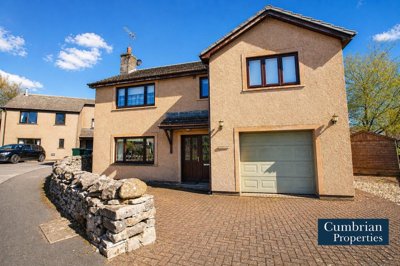
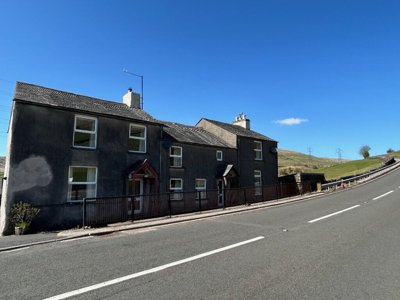
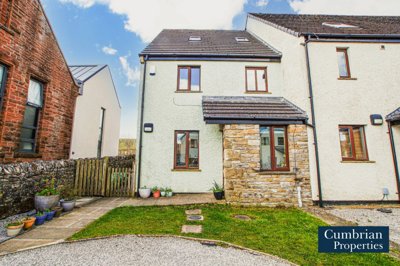
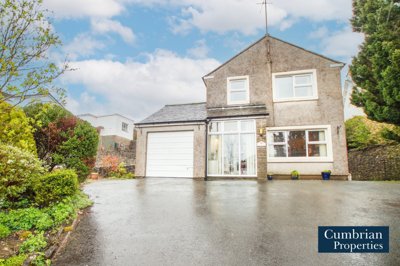
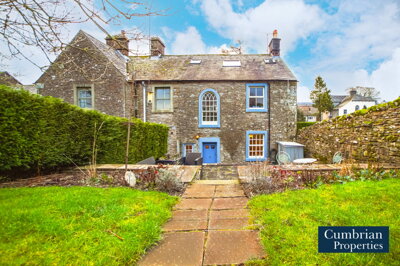
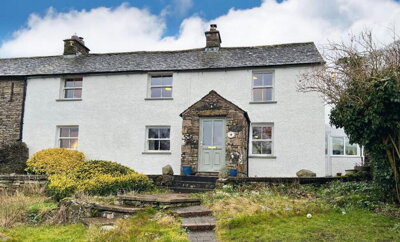
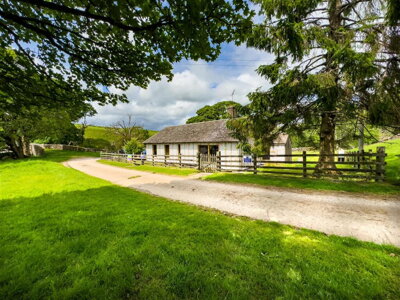
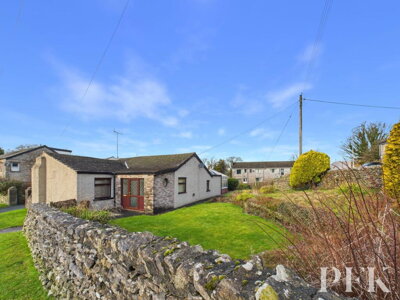
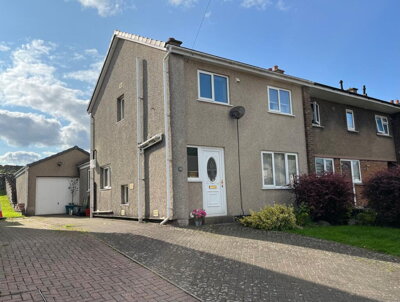
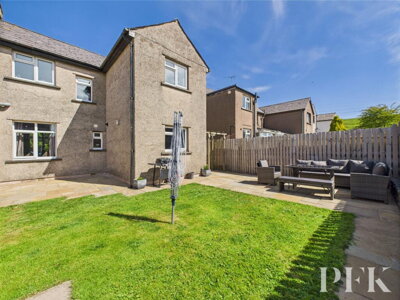
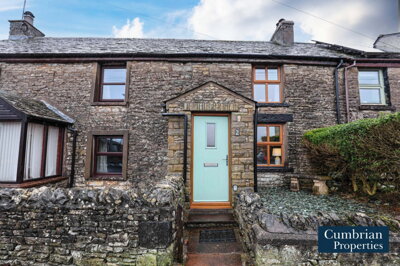
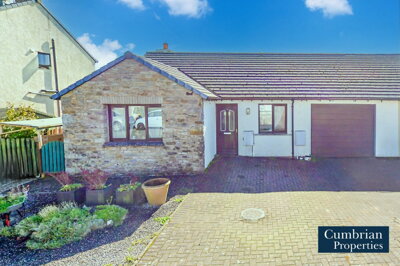
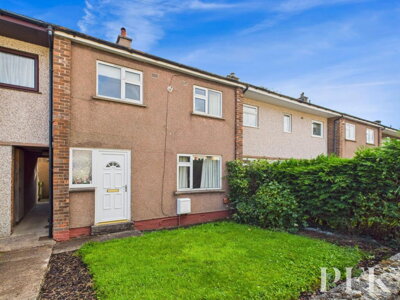
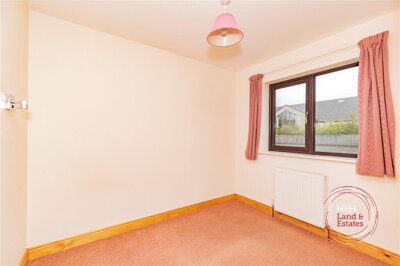
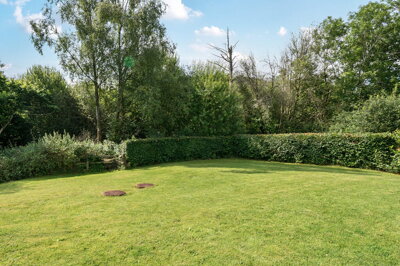
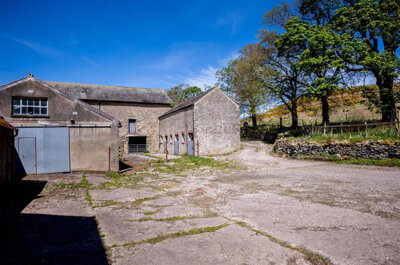
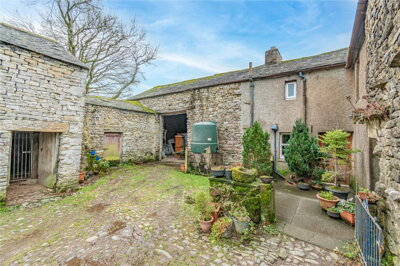
Browse 17 homes for sale in Shap Rural from local estate agents.
The Shap Rural property market offers detached, semi-detached, and terraced houses spanning various price ranges and neighbourhoods. Each listing includes detailed property information, photographs, and direct contact with the marketing agent.
Shap Rural has kept moving steadily, with house prices rising by 9% over the past year. Values are now close to the 2023 peak, which says plenty about demand in this part of Westmorland and Furness. Over the last decade, 211 properties have changed hands in Shap, so even a village of modest size has seen a fair amount of activity. Larger detached family homes have done much of the talking here, and they remain the type most likely to pull in buyers from bigger towns and cities looking for more room and a better pace of life.
Across Shap Rural, the stock runs from traditional Cumbrian farmhouses and period cottages through to newer family homes built over time. Detached properties make up a sizeable share, and many still show off the exposed stonework and generous gardens that fit the local look. Semi-detached homes usually sell for around £208,800 to £223,654, which makes them strong value for families who need more space than a town centre can usually offer. Terraced properties, with an average price of approximately £168,500 to £231,808, often keep to the classic Cumbrian formula of stone frontages and small rear gardens, part of the area’s building heritage.
New build activity in the immediate Shap Rural area stays limited, with no active developments specifically verified within the village itself. That shortage of fresh stock has helped existing homes hold their appeal, especially those with the character and solid feel that come with traditional Cumbrian building methods. The village’s historic housing includes numerous Grade II listed properties and converted farmhouses, both of which need specialist thought during the purchase process. Many homes in Shap are stone-built and date from the 18th and 19th centuries, back when the village supported the surrounding agricultural community. For buyers, that heritage is part of the charm, though it also brings maintenance duties and consent requirements for alterations.

Life in Shap Rural suits people who want the quieter side of rural living without being cut off from everything else. The village sits approximately 10 miles from Penrith and 16 miles from Kendal, so shopping, healthcare, and entertainment are all within reach while the countryside stays on the doorstep. For a place of this size, the amenity list is surprisingly strong, with a small supermarket, health centre, and pharmacy all in the mix. A post office, several local shops, and independent eateries add the basics for daily life, and regular farmers markets in nearby Penrith bring in local produce too.
Shap Abbey is probably the village’s best-known landmark, and it gives the area a clear link to its medieval past. The ruins sit beside the River Lowther, where walking routes thread through the site and the old stonework carries plenty of history. Families have the local primary school for everyday education, while the open-air swimming pool is a real asset in the summer and a good sign of the community spirit that runs through village life. The Shap Swimming Pool, run by a dedicated community trust, offers swimming lessons, lane swimming, and family sessions throughout the warmer months, which is not something many villages of this size can say.
Out beyond the village, the countryside opens up properly. Shap Rural sits on the edge of the Lake District National Park, with public footpaths crossing the nearby fells and plenty of space for walking, cycling, and other outdoor pursuits. Limestone outcrops and moorland shape the landscape, while the Howgill Fells and the Lake District peaks are close enough for more demanding walks. Cyclists can take to quiet country lanes through scenic farmland, and mountain biking is available on the nearby fells and at purpose-built trails in Whinlatter Forest Park. That mix of amenities, heritage, and natural scenery makes Shap Rural a strong draw for buyers who care about lifestyle and access to the outdoors.

Education here centres on Shap Primary School, which serves families with children of primary age and keeps the close-knit approach you would expect from a rural school. Right in the heart of the village, it benefits from small class sizes and strong local ties, with children often involved in village events and activities. For secondary education, residents usually look to Penrith, approximately 10 miles away, where there are several options, including state and independent schools. School transport services operate from the village, which helps, though families still need to factor the journey into daily routines when they are weighing up homes in Shap Rural.
Parents moving to Shap Rural would be wise to look closely at catchment areas and admissions policies, as these can shift property values from one street to the next. Admission arrangements for primary and secondary schools should be checked through the Cumbria County Council education portal or by speaking directly to school admissions offices. Visiting schools and reading the criteria properly ought to be part of any relocation plan for families with school-age children, especially where denominational schools are involved and faith-based admission criteria apply. Reception places at primary level are allocated on distance from the school, with siblings of existing pupils usually given priority under the admissions policy.
Beyond the usual school run, Penrith and Kendal give families access to further and higher education without needing to head for a major city. The wider area also has a good spread of clubs and community groups that sit alongside formal education, from sports clubs to music lessons and youth organisations. Penrith’s leisure centre adds a wider choice of facilities, including a swimming pool and gym, while local riding schools and outdoor activity centres cater for more specialist interests. Many families find that Shap and the surrounding villages have a strong social rhythm, with events, clubs, and seasonal activities giving children plenty of chances to get involved.

Connectivity is one of Shap Rural’s real strengths. The M6 runs nearby and gives direct access to major northern cities as well as the wider national road network. For commuters, Penrith railway station opens the way to Edinburgh, Glasgow, Manchester, and London, so living in the countryside does not mean losing touch with work. The M6 junction near Shap makes it easy to head north towards Carlisle and Scotland or south towards Manchester and Birmingham, which is handy for anyone with regional or national travel to handle.
Bus services link Shap Rural with the surrounding villages and with Penrith and Kendal, which matters for those without a private car. The 106 bus service runs to Penrith, while other local routes connect outlying villages and keep access open to facilities beyond the immediate settlement. The village is reasonably well placed for everyday amenities even without driving, although most residents still find a private vehicle useful for day-to-day flexibility. For people working from home, broadband speeds are improving, but anyone buying should still check the current speeds at the specific property, because performance can vary across the village and the wider area.
Public transport does its job here, with local buses linking Shap Rural to nearby villages and to Penrith and Kendal. That said, most households still lean on private cars for maximum flexibility in a rural setting like this. Cycling is also gaining ground, with quiet country lanes giving cyclists a pleasant way to travel for leisure or commuting. For air travel, Manchester Airport and Liverpool John Lennon Airport are within approximately two to three hours’ drive, and Newcastle Airport gives another route for certain destinations.

Current property listings in Shap Rural, and in the surrounding Westmorland and Furness villages, are the best way to see what your budget will buy. Local estate agents can tell us more about the differences between areas, from period cottages near Shap Abbey to modern family homes on the outskirts. It also pays to register with agents covering the area, so you receive alerts when something new comes up, because desirable homes in this sought-after village can draw interest fast from more than one buyer.
Before any viewings are booked, a mortgage agreement in principle from a lender is a sensible first step. It shows sellers and agents that the finance is lined up, which strengthens a buyer’s position in a market where the better homes can attract multiple enquiries. We would also suggest speaking to more than one lender, or a mortgage broker, to compare rates and find the best fit, including fixed-rate periods, arrangement fees, and any rural mortgage products that may suit certain property types.
We always recommend seeing several properties in Shap Rural, so location, condition, and potential can be compared properly. For older homes with stone construction or listed building status, a specialist survey is worth arranging to look at any issues linked to traditional building methods or historic features. It also helps to spend time in the neighbourhood at different points in the day and speak to residents, so the practical side of village life becomes clearer, including mobile signal strength, broadband reliability, and how easy it is to reach services.
Once the right property has been found, instruct a conveyancing solicitor with experience of rural Cumbrian properties to handle the legal side of the purchase. They will deal with searches, contracts, and the back-and-forth with the seller’s representatives during the transaction. Make sure all relevant searches are carried out, including local authority checks, environmental searches, and any specialist searches tied to a rural location, such as drainage and water searches for homes not connected to mains services.
After the survey is satisfactory and the legal work is complete, contracts are exchanged and a completion date is set with the seller. On completion day, the money is transferred and the keys to the new Shap Rural home are handed over. Buildings insurance should be arranged from the point of exchange, and utility companies need to be told the moving date so services are ready when the new home is occupied.
Traditional Cumbrian construction is common in Shap Rural, so stone walls and original features need careful checking during the buying process. Many homes are Grade II listed, which brings specific obligations around maintenance and alterations that buyers should understand before they go further. For a period property, a thorough building survey is especially important, because issues such as damp proofing, roof condition, or structural movement may not be obvious at first glance. Features like exposed stonework and original fireplaces add real appeal, but they should be weighed against the maintenance involved and any restrictions on future alterations.
Flood risk is something to think about in Shap Rural, particularly for homes near watercourses or in lower-lying parts of the village. With streams in the area and a Cumbrian climate to contend with, drainage and flood resilience deserve proper investigation before any purchase goes ahead. Rural living also means checking broadband connectivity, mobile phone signal strength, and access to services to make sure they fit the household’s needs. Some properties may have private drainage systems or shared access arrangements, which need specific enquiries during conveyancing. A drainage and water search will show whether a property is on mains sewerage and water supply or depends on private systems that the owner must maintain.
Because so many homes in Shap Rural are older, electrical and plumbing systems may need updating to meet modern standards, even where the property looks well cared for. Older stone houses can still have outdated wiring that would need a full rewire before or shortly after purchase, while plumbing may rely on tanks and cylinders instead of a modern combination boiler. Buyers should ask about recent renovations, heating replacements, and any building regulations approvals for past work. With listed properties, consent rules for alterations are usually more involved than they are for standard homes, so specialist advice is sensible before any commitments are made. A detailed survey will show where systems fall short of current standards and can support price negotiations or requests for work before completion.

Recent market data puts the average house price in the Shap area at around £228,638, though some sources put the figure closer to £260,769 depending on which property types are included. Detached homes achieve the highest prices, with averages from approximately £358,800 to £441,098, while terraced houses give a more accessible route in from around £168,500 to £231,808. Over the past year, house prices have risen by 9%, which points to healthy and growing demand in this attractive Cumbrian village. What you actually pay will still depend on the property type, condition, where it sits in the village, and whether any historic listing status adds character but also extra upkeep.
Westmorland and Furness Council covers properties in Shap Rural, and most homes in the village fall into bands A through D. The exact band depends on the property’s assessed value, and buyers can check council tax bands for individual homes through the local authority website or the information provided during conveyancing. Band D properties in the Westmorland and Furness area currently pay around £1,800 to £1,900 annually, although the council should always be asked for the precise figure because bands can vary by valuation. Shap Rural includes everything from modest terraced cottages in lower bands to substantial detached homes and converted farmhouses that may sit in bands E or F.
Shap Primary School serves the village itself, giving children in the early years and Key Stage 1 a local education with small class sizes and close community links. For secondary education, families usually look to Penrith, approximately 10 miles away, where several schools can be reached through the school transport network, including comprehensive and academy options. Catchments, admission policies, and any faith-based criteria need proper research when property choices are being made, because school placement can heavily shape family decisions and homes within certain catchment areas may carry a premium. The village also has community groups and extracurricular options to support formal education, including sports clubs, music tuition, and youth organisations running from the village hall and community centre.
Bus services give Shap Rural a link to Penrith and Kendal, which is useful for everyday travel and appointments without a private car being needed for every journey. Road access is straightforward too, thanks to the nearby M6, with junction 39 providing particularly handy access and routes to major cities such as Manchester and Carlisle. Penrith railway station, approximately 10 miles away, offers direct services to London, Edinburgh, Glasgow, and Manchester, and the fastest trains to London take around three hours. A car still helps with flexibility in this rural location, but there are public transport options for those who need them, which makes Shap Rural workable for commuters who split their time between home working and rail travel.
For property investors, Shap Rural offers several strong points, including its proximity to the Lake District National Park and the steady demand for rural Cumbrian homes from buyers chasing the Cumbrian lifestyle. House prices have grown by 9% over the past year, which suggests healthy capital appreciation potential and has brought values close to the 2023 peak. The village’s amenities, school provision, and transport links all help keep it attractive to owner-occupiers, and that supports rental demand from tenants who want quality rural accommodation. Even so, investors need to think carefully about void periods, the management demands of remote properties, and the fact that limited new build supply keeps competition for good rentals steady rather than softening it through new development.
Stamp duty land tax applies to a Shap Rural purchase under the standard England rates, and no duty is due on the first £250,000 of a main home purchase. Between £250,001 and £925,000, the rate is 5%, so a typical Shap Rural property at the village average price of around £228,638 would incur no stamp duty for a standard main home buyer. The slice from £925,001 to £1.5 million is charged at 10%, and anything above £1.5 million is charged at 12% for additional properties or investment purchases. First-time buyers get relief on properties up to £425,000, with 5% applied to the portion between £425,001 and £625,000, although that relief does not apply when buying an additional property. Your solicitor will work out the exact amount due from your purchase price and circumstances, including any multiple dwellings supplement that may apply.
From 4.5% APR
Compare mortgage rates from leading lenders
From £499
Expert conveyancing solicitors for your property purchase
From £350
Detailed survey of the property condition
From £60
Energy performance certificate for your new home
Alongside the purchase price of a Shap Rural property, it is important to budget for the extra costs so there are no surprises during the transaction and the move can complete without a shortfall. Stamp duty land tax is usually the biggest additional expense, and the amount depends on the purchase price and whether any relief applies as a first-time buyer or additional property purchaser. For a typical Shap Rural property at the village average price of around £228,638, a standard buyer purchasing their main home would pay no stamp duty on the first £250,000 but would incur 5% on the portion above this threshold, resulting in a total SDLT liability of approximately £0. Your solicitor will calculate the exact amount due from the purchase price and circumstances, and that figure should be confirmed before the move is budgeted.
Conveyancing fees for a Shap Rural purchase usually sit somewhere between £499 and £1,500, depending on how complex the transaction is and whether the property is freehold or leasehold. If the purchase involves a listed building, covenant issues, or unusual title arrangements, fees can rise because there is simply more work to do. Disbursements, including local authority searches, Land Registry fees, and bankruptcy checks, usually add several hundred pounds to the legal bill, while rural extras such as drainage and water searches can add more. If a mortgage is being arranged, lender fees can range from nothing to around £2,000, so they should be included when comparing products, because the lowest interest rate does not always give the best overall value once arrangement fees are counted in.
Removal costs, furniture purchases, and any renovation work should also be set out early when calculating the real cost of moving to Shap Rural. Buildings insurance must be in place from the point of contract exchange, and contents insurance should be organised well before completion so cover for belongings runs continuously. In Shap Rural, renovation and maintenance bills can be higher than average because so many homes use traditional stone construction, and older properties may need work to update electrical systems, improve insulation, or deal with damp issues common in historic buildings. Putting aside a contingency fund of around 10% of your purchase price is sensible, especially where an older home might reveal problems after purchase. Your mortgage advisor and solicitor can give more detailed figures based on your circumstances and the property being bought.

Properties for Sale In London

Properties for Sale In Plymouth

Properties for Sale In Liverpool

Properties for Sale In Glasgow

Properties for Sale In Sheffield

Properties for Sale In Edinburgh

Properties for Sale In Coventry

Properties for Sale In Bradford

Properties for Sale In Manchester

Properties for Sale In Birmingham

Properties for Sale In Bristol

Properties for Sale In Oxford

Properties for Sale In Leicester

Properties for Sale In Newcastle

Properties for Sale In Leeds

Properties for Sale In Southampton

Properties for Sale In Cardiff

Properties for Sale In Nottingham

Properties for Sale In Norwich

Properties for Sale In Brighton

Properties for Sale In Derby

Properties for Sale In Portsmouth

Properties for Sale In Northampton

Properties for Sale In Milton Keynes

Properties for Sale In Bournemouth

Properties for Sale In Bolton

Properties for Sale In Swansea

Properties for Sale In Swindon

Properties for Sale In Peterborough

Properties for Sale In Wolverhampton

Enter your details to see if this property is within your budget.
Loans, cards, car finance
Estimated property budget
Borrowing + deposit
You could borrow between
Typical borrowing
Monthly repayment
Est. at 4.5%
Loan-to-value
This is an estimate only. Your actual budget may vary depending on interest rates, credit history, and personal circumstances. For an accurate affordability assessment, speak to one of our free mortgage advisors.
This calculator provides estimates for illustrative purposes only and does not constitute financial advice. Your home may be repossessed if you do not keep up repayments on your mortgage. Estimates based on 4.5% interest rate, repayment mortgage. Actual rates depend on your circumstances.
Homemove is a trading name of HM Haus Group Ltd (Company No. 13873779, registered in England & Wales). Homemove Mortgages Ltd (Company No. 15947693) is an Appointed Representative of TMG Direct Limited, trading as TMG Mortgage Network, which is authorised and regulated by the Financial Conduct Authority (FRN 786245). Homemove Mortgages Ltd is entered on the FCA Register as an Appointed Representative (FRN 1022429). You can check registrations at NewRegister or by calling 0800 111 6768.

We use cookies to show you personalised content and improve your experience of our website. Find out more in our Privacy policy and Cookie policy.