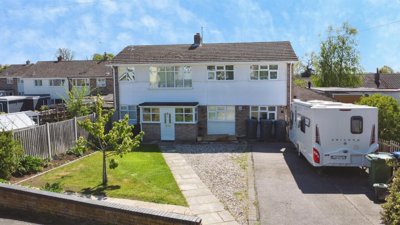
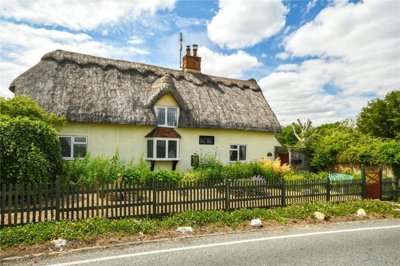
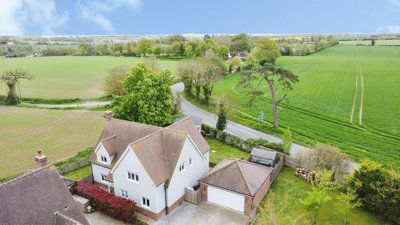
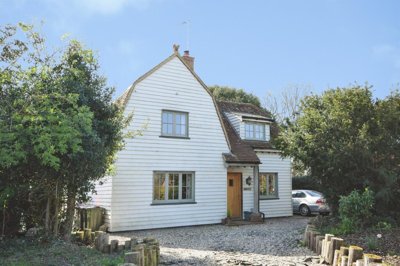
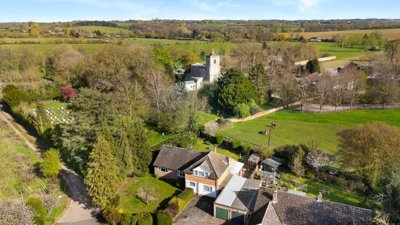
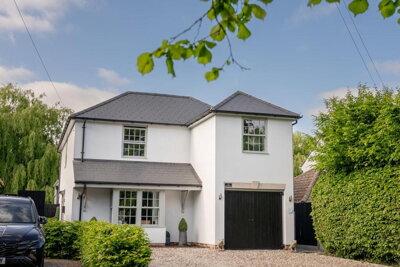
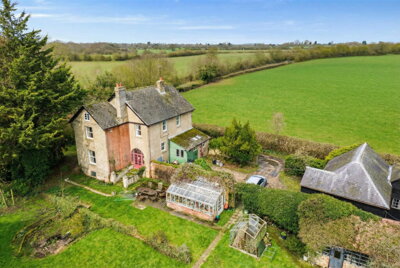
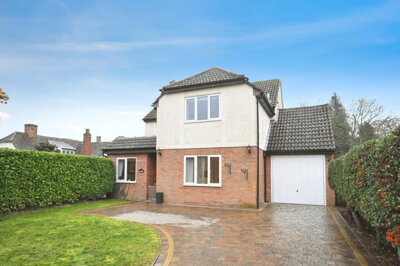
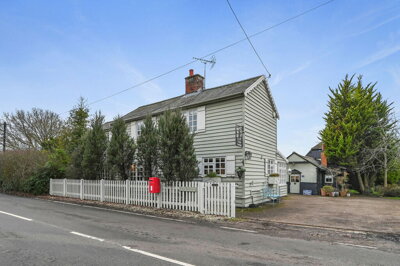
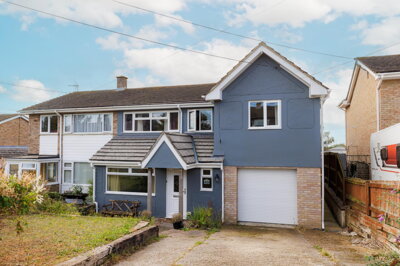
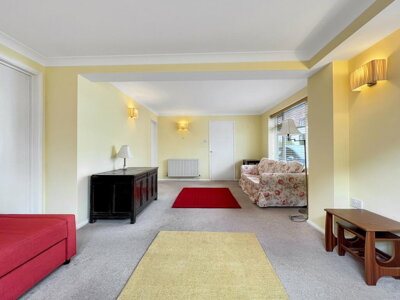
Browse 17 homes for sale in Shalford, Braintree from local estate agents.
The larger property sector typically features multiple bathrooms, substantial reception space, and private gardens or off-street parking. Four bedroom houses in Shalford span detached, semi-detached, and occasionally terraced configurations, with styles ranging from period properties to modern executive homes.
£550k
3
0
49
Source: home.co.uk
Showing 3 results for 4 Bedroom Houses for sale in Shalford, Braintree. The median asking price is £550,000.
Source: home.co.uk
Detached
3 listings
Avg £650,000
Source: home.co.uk
Source: home.co.uk
£663,777
Average Property Price
£1,068,517
Detached Average
£704,500
Semi-Detached Average
£410,682
Terraced Average
45
Properties Sold (2025)
Shalford’s property market has held up better than many, even with wider national ups and downs, and the latest figures show different patterns depending on the type of home. Our inspectors regularly find that buyers are drawn here for character houses in a semi-rural setting, without giving up strong commuting links to London and the wider South East. The average property price is £725,313, which reflects the premium that comes with a Surrey village address, although prices have shifted over the last twelve months, with home.co.uk recording a 12% decrease against the previous year. ---NEXT--- In Shalford, detached homes sit at the top end of the market, averaging about £704,375 in recent sales data. They tend to be sizeable family houses with larger gardens and off-street parking, which suits buyers looking for space and privacy. Semi-detached properties, at roughly £425,000 on average, remain a popular middle option for families who want more room than a terraced house usually offers, but at a lower price than a detached home. ---NEXT--- Terraced homes made up 33.3% of all sales in Shalford during 2025, so they were the most frequently sold property type in the village. With an average price close to £325,000, they offer a more accessible route into the Shalford market for first-time buyers and for people who want village life without paying the premium attached to larger homes. Many of these cottages retain period details, including original fireplaces, exposed beams, and cottage-style gardens, which helps explain their appeal to buyers after genuine village character. ---NEXT--- New build supply in Shalford is still fairly limited, although recent schemes have added a few more options for buyers who prefer modern finishes. Oakford Mews is one of the newer developments in the village, with 3-bedroom semi-detached houses priced from £675,000. Inside, these homes include high-specification kitchens with contemporary fittings, herringbone flooring across the ground floor, and bi-fold doors onto the rear garden. Each property also comes with off-street parking for two vehicles, a real advantage in a village where on-street parking is often in short supply. ---NEXT--- Before you start viewing, we recommend getting a mortgage agreement in principle from a lender. It puts you in a stronger position when you make an offer and shows sellers that finance is already in place. With Shalford property prices averaging around £725,313, proper mortgage advice matters if you want a clear view of what you can borrow. It is sensible to compare rates from several mortgage providers and, where needed, speak to a specialist broker who knows the Surrey market. ---NEXT--- Recent figures from homedata.co.uk and home.co.uk put the average property price in Shalford at about £725,313. Values differ sharply by property type, with detached homes averaging around £704,375, semi-detached homes about £425,000, and terraced properties near £325,000. That pricing reflects the premium attached to this Surrey village location, although recent months have brought some movement, with some sources showing falls of around 11-12% compared with previous years. For live listings and reliable pricing on individual homes, it is still best to check with local estate agents. ---NEXT--- Stamp Duty Land Tax rates from April 2025 apply to all property purchases in England. For a main residence, there is no SDLT on the first £250,000. The rate is 5% on the portion between £250,001 and £925,000, then 10% from £925,001 to £1.5 million, and 12% above £1.5 million. At Shalford’s average price of £725,313, a buyer purchasing a main residence would pay about £23,766 in SDLT. A first-time buyer purchasing the same property would pay £14,016, because relief applies to the first £425,000 on qualifying purchases. The exact amount depends on both the purchase price and your buyer status. ---NEXT--- The purchase price is only part of the budget. Buyers also need to allow for Stamp Duty Land Tax, legal fees, survey fees, and moving costs. On a terraced property at the average price of £325,000, a main residence buyer would pay around £3,750 in SDLT, based on 5% of the £75,000 above the £250,000 threshold. A first-time buyer purchasing that same property would pay £0, because the full price sits within the £425,000 first-time buyer relief threshold. That difference alone shows why it pays to understand your SDLT position before you bid. ---NEXT--- Conveyancing fees usually fall between £500 and £1,500, depending on how complex the transaction is and whether the property is freehold or leasehold. A RICS Level 2 Survey starts from around £350 for a standard home, then rises for larger properties or those that need a more detailed inspection. Our inspectors carry out surveys that flag defects often seen in Shalford homes, including issues linked to period construction and any flood resilience concerns. Buyers should also allow £200 to £300 for searches through Guildford Borough Council and other authorities, covering planning history, environmental matters, and drainage. ---NEXT--- On a detached property at the average price of £704,375, a main residence buyer would pay approximately £22,719 in SDLT at the current rates. It is a substantial extra cost, and one that buyers in the Shalford market need to factor in early. A first-time buyer purchasing the same property would pay about £13,969, thanks to relief on the first £425,000 of value. We always suggest budgeting for these costs alongside mortgage repayments, and our team can talk through the likely outgoings when we arrange your survey.
Detached homes achieve the strongest prices in Shalford, with recent sales data putting the average at around £1,068,517. These are usually substantial family properties, often with generous gardens and off-street parking, which makes them attractive to buyers who value space and privacy. Semi-detached houses, averaging roughly £704,500, offer a more affordable step down while still giving families more room than a terraced home typically would.
During 2025, terraced properties made up 33.3% of all sales in Shalford, making them the most commonly sold homes in the village. Their average price, around £410,682, gives first-time buyers and other purchasers a more approachable way into the market here without the cost attached to bigger properties. Many are traditional cottages with period touches such as original fireplaces, exposed beams, and cottage-style gardens, and that older character is a big part of their draw.
There is not a huge amount of new-build development in Shalford, but the schemes that have come forward have widened the choice for buyers who want modern layouts and finishes. Oakford Mews is one of the clearer examples, with 3-bedroom semi-detached houses from £675,000. They include high-specification kitchens with contemporary fittings, herringbone flooring across the ground floor, and bi-fold doors opening onto the rear garden. Off-street parking for two vehicles comes with each home, which is especially useful in a village setting where roadside spaces can be limited.
Planning activity nearby points to continued demand for residential development in the Shalford area. At Hepworth Garage on Horsham Road, a scheme for five 2-bedroom dwellings received planning permission, with two-storey buildings, pitched roofs, and nine dedicated parking spaces. Developments like this add to the local housing mix while still aiming to respect village character through suitable design and materials. If you are looking at a new-build purchase, it is sensible to check the specification closely, along with energy efficiency ratings and any remaining warranty cover.

Set in the Tillingbourne valley, Shalford lies about 3 miles south of Guildford and forms part of Guildford Borough in Surrey. It keeps a traditional English village feel, with historic homes, country lanes, and farmland shaping the landscape around it. The 2011 Census recorded 4,142 residents in the Shalford Civil Parish across 1,721 households, and more recent estimates suggest the population has stayed broadly stable. Day-to-day life centres on local amenities, village pubs, and the sort of community feel that smaller settlements tend to keep.
Walkers are well served here. Public footpaths and country routes link Shalford with nearby villages such as Chilworth, Gomshall, and Albury, taking in the Surrey countryside through woodland and farmland along the way. Local pubs provide a useful stop on these routes, and several offer food and accommodation as well. That mix of village character, scenery, and practical access is a large part of why Shalford keeps attracting buyers who want to leave bigger towns and cities without cutting themselves off.
We inspect plenty of homes in and around Shalford, and one thing that stands out is the number of period properties that shape the village’s identity. Housing here ranges from modest Victorian terraces to substantial Edwardian family houses, with some buildings dating back to the 17th century. Because the village developed gradually over several centuries, construction styles vary a good deal from one street to the next, and buyers need to look at each home in the context of its age and build type. That variety gives Shalford much of its appeal.

There is a strong architectural heritage in Shalford, and the number of listed buildings plays a big part in that. Shalford Mill, a Grade II* listed building from the 18th century and now in the care of the National Trust, is one of the best-known examples of the area’s industrial past. It is timber-framed, with red and brown brick cladding below and tile hanging above, including vertical diamond pattern, fishscale, and club tile hanging. Our surveyors see this sort of traditional construction detail regularly when working on older Shalford properties.
Historic buildings are concentrated through the village centre, particularly along The Street, where Grade II listed properties include numbers 16, 18, 20, 22, 24-30, 32, 34, 36-40, 49, and 51. Elsewhere, listed structures include barns at Tilthams Farm, Chinthurst Farm, and Unstead Manor, as well as the Church of St Mary the Virgin, an early Victorian church built in 1846 after the demolition of the original church mentioned in the Domesday survey. Anyone thinking of buying a listed home should be prepared for extra planning restrictions and additional maintenance responsibilities.
Historic and listed buildings in Shalford need a different eye during a survey, and our inspectors take that seriously. Timber-framed sections, original brickwork, and older period features often call for maintenance methods that do not match modern construction practice. We usually advise buyers to allow for possible extra upkeep costs with this kind of property and, where needed, to involve specialist surveyors. The character is often well worth it, but a sound purchase depends on understanding condition, defects, and any remedial work before you commit.
For commuters, Shalford is well placed. The village gives residents access to key transport routes while still keeping a quieter village setting, and the A281 is close by for straightforward connections into Guildford and across the wider Surrey road network. From Guildford station, regular trains run to London Waterloo in about 35 minutes, which is one of the reasons Shalford appeals so strongly to buyers working in the capital and nearby business areas. We often see transport links playing a major part in buyer decisions here.
Residents without a car are not cut off, as local bus services link Shalford with Guildford town centre and neighbouring villages. That gives access to the larger shopping, healthcare, and leisure facilities in Guildford while keeping home life in a quieter village setting. By road, there are also routes towards Cranleigh, Dorking, and the coast, so the village works well for day trips and weekends away. For many buyers, that balance of rural character and everyday practicality is exactly the point.
By car, Shalford has useful access beyond the immediate area. The nearby A3 connects the village with the wider motorway network and provides routes towards Portsmouth, Southampton, and the South Coast. Via the A3, the M25 is also within reach, opening up journeys to Heathrow, Gatwick, and other major destinations. Those links make village living realistic for plenty of South East commuters, and our team often helps buyers think through what different Shalford locations mean in day-to-day travel terms.
Families moving to Shalford have several education options within the wider Guildford area. Shalford Primary School serves the village and nearby communities, and there are other primary schools in surrounding towns and villages as well. These schools generally cover Reception to Year 6, combining core classroom teaching with extracurricular activities. The village school has close community links, which fits the family-focused feel of Shalford itself.
Secondary provision is broader than you might expect for a Surrey village, largely because Guildford is so close. Families in the Shalford catchment area can look at secondary schools in Guildford and nearby towns, with both comprehensive and selective options available. We regularly see catchment considerations influencing property values, so buyers with school-age children should check likely school places before they commit to a purchase. Looking at Ofsted reports and performance data is a practical first step.
After GCSE level, students have access to sixth form options through secondary schools and colleges in Guildford. Guildford College and other nearby providers offer both vocational and academic routes, alongside standard sixth form study, so there is a decent spread of pathways for school leavers. For buyers who place a high value on education, that range within easy reach of Shalford adds to the village’s appeal for families at different stages.
Flood risk needs careful thought in Shalford and the wider Tillingbourne valley, as parts of the area sit within several Flood Warning Areas. Our inspectors pay close attention to homes near the Tillingbourne at Chilworth and Shalford, and to those around the Law Brook at Chilworth. The River Wey at Godalming, Peasmarsh, and Shalford is also covered by a flood warning area. Buyers should always check the position of the specific property they are considering.
Recent monitoring suggests that flood incidents do happen around Shalford, but the overall risk profile has stayed fairly steady. When our surveyors inspect homes in locations that may be affected, they look at flood resilience measures, the property's level, any flood defences already in place, and any record of previous flooding. A house with sensible resilience measures may offer stronger long-term protection for your investment, but personal circumstances and appetite for risk still matter.
Buyers who want to dig into flood history can use Guildford Borough Council’s historic flood map, which covers Shalford and offers a useful picture of past events. The Environment Agency flood risk maps are another valuable source, although they should be read alongside local knowledge and what is true of the individual property. We recommend making current flood risk assessments part of your checks, especially for homes in known flood warning areas, low-lying spots, or close to watercourses.

It helps to spend time getting to know Shalford and the wider Guildford area before narrowing down a purchase. Walk the village, look at the local amenities, and test the transport links at different times of day and on different days of the week. That is often the best way to judge traffic, the effect of the nearby A281, and how the village actually feels in practice. Our inspectors usually suggest doing this before committing, because one part of Shalford can feel quite different from another depending on road position and access to facilities.
Before arranging viewings, get a mortgage agreement in principle from your lender. Sellers take offers more seriously when funding is already lined up, and it also gives you a firmer sense of what you can spend. With average property prices in Shalford around £663,777, clear mortgage advice is a sensible starting point. Compare products from more than one lender and, if needed, speak with a broker who understands the Surrey property market.
When you begin viewing homes in Shalford, take your time. Check the condition carefully, look out for damp and possible structural movement, and think about basics such as natural light, room proportions, and garden size. We also suggest asking about the age of the property, previous ownership, and any recent works or renovations. If the house is listed or lies within a flood warning area, it is worth asking extra questions about maintenance records and any flood resilience measures already installed.
After an offer is accepted, the next step should be a RICS Level 2 Survey so the condition of the property is assessed properly. That matters even more in Shalford, where many homes are older and built with traditional methods such as timber framing. Our surveyors are used to spotting defects common in period properties, including problems with original windows, historic brickwork, and ageing roof structures. The survey gives you a clearer picture of repairs or defects that may need attention before completion.
We recommend appointing a solicitor to deal with the legal side of the purchase as early as possible. They will order searches, including local authority checks through Guildford Borough Council, examine the contract papers, and handle the transfer of ownership. A solicitor with experience of Surrey transactions can make the process smoother. Searches should cover matters such as planning restrictions, rights of way, and any other issues that could affect how you use the property.
Once the searches are back, the contract is agreed, and everything is ready to go, contracts are signed and deposits are exchanged. A completion date is then fixed, and on that day the balance of funds is transferred and the keys are released for your new Shalford home. If you need recommendations, our team can point you towards conveyancing solicitors who know the Shalford area and understand the quirks that can come with Surrey village property.
Current market figures from homedata.co.uk and home.co.uk place the average property price in Shalford at roughly £663,777. By type, detached homes are averaging around £1,068,517, semi-detached properties approximately £704,500, and terraced homes around £410,000. Those numbers reflect the premium usually attached to a Surrey village location, although recent months have brought some movement, and some sources report decreases of around 11-12% compared with previous years. For the most accurate picture on any specific property, we would still suggest checking current listings with local estate agents.
For council tax, Shalford properties fall within Guildford Borough Council. The exact band depends on the valuation of the home, but many village properties tend to sit in bands C through E depending on their size and character. You can confirm the band for a particular address through the Valuation Office Agency website or from the listing details where available. Guildford Borough Council sets the yearly rates for all homes within the Shalford parish boundary, so the band is an important part of working out your overall budget.
Schooling is one of the reasons families look closely at Shalford. The village has Shalford Primary School, while secondary options are found in Guildford and nearby towns. We always suggest checking Ofsted reports rather than relying on local reputation alone, as they give a fuller picture of standards and facilities. Guildford offers both comprehensive and selective schools, so families have a wider choice than in many villages, but catchment areas and travel arrangements can still have a real effect on which property makes sense.
Transport is one of Shalford’s strong points. Bus services connect the village with Guildford town centre and nearby villages, giving residents a practical option if they do not drive. Guildford station has regular trains to London Waterloo, with journey times of about 35 minutes, which helps explain the area’s appeal to commuters. Add in easy access to the A281 and the wider Surrey road network, and the village works well for people who need to reach major employment centres while living somewhere quieter.
From an investment angle, Shalford and the wider Guildford area have several things in their favour. Demand is supported by the appeal of village living combined with strong transport links, and buyers continue to value that mix. Guildford has also seen continued infrastructure investment, including transport improvements, which can support values over time. Recent figures do show some price fluctuation, but the underlying appeal of Surrey village locations with reliable commuting links remains. As ever, anyone buying as an investment should look carefully at local market trends, rental yields, and development plans before going ahead.
Stamp Duty Land Tax rates from April 2025 apply across England. For main residences, there is no SDLT on the first £250,000 of the purchase price. The slice between £250,001 and £925,000 is charged at 5%, then 10% from £925,001 to £1.5 million, and 12% above £1.5 million. Based on Shalford’s average property price of £663,777, a main residence buyer would pay about £20,689 in SDLT. A first-time buyer purchasing the same property would pay £10,939, because relief applies to the first £425,000 on qualifying purchases. The final figure depends on the exact purchase price and your buyer status.
Shalford has a notable stock of listed buildings, and that historic fabric is a big part of the village’s identity. Shalford Mill is Grade II* listed and dates from the 18th century, while many homes on The Street and nearby roads are Grade II listed. Listed barns can also be found at Tilthams Farm, Chinthurst Farm, and Unstead Manor, and the Church of St Mary the Virgin is another important historic building. Buyers looking at listed homes or properties in Conservation Areas should expect tighter planning controls and potentially higher maintenance commitments, which is why a careful survey matters.
Several Flood Warning Areas affect Shalford, including land near the Tillingbourne at Chilworth and Shalford, the Law Brook at Chilworth, and the River Wey at Godalming, Peasmarsh, and Shalford. We advise buyers to check the position of any property they are considering against Environment Agency maps and Guildford Borough Council flood records. Homes in these areas may need closer attention on insurance and flood resilience measures, although the overall local risk remains manageable if the right precautions are taken. Local context and the details of the individual property both count here.
Many Shalford properties are older buildings, and that means construction type should be part of the buying decision. During viewings, it is worth looking closely at the materials used and the general condition of the structure. Some houses include timber-framed sections, original brickwork, or other period details that need more specialist maintenance knowledge. Shalford Mill is a good illustration of the historic methods used locally, with timber framing, brick infill, and tile hanging all seen in older village buildings. Once you know the age and build type, it is much easier to anticipate likely repair issues and costs.
Shalford is a Conservation Area, which means there can be added planning control over alterations and extensions. Anyone buying here should check what restrictions apply to the particular property, especially if future changes or improvements are part of the plan. Our inspectors regularly assess homes within Conservation Areas and can explain what that status may mean in practical terms during the survey. The special character people value in places like Shalford does come with obligations.
Flood risk should sit firmly on the due diligence list for buyers looking at Shalford. Check the Environment Agency flood risk maps, then look at any historic flood records for the exact property and its immediate area. Homes with sensible flood resilience measures may offer better long-term security, but it is also important to check planning history and any restrictions that could limit future changes to the building. Our surveyors review these points during inspection and will raise any concerns we identify.
Extra buying costs can add up quickly, so it is worth pricing them in from the start. For a terraced property at the average price of £410,682, a main residence buyer would pay around £8,034 in SDLT, calculated at 5% on the £160,682 above the £250,000 threshold. A first-time buyer purchasing the same property would pay £0, because the full price remains within the £425,000 first-time buyer relief threshold. Knowing figures like these before bidding makes budgeting far more accurate.
Conveyancing costs are usually in the region of £500 to £1,500, depending on the complexity of the purchase and whether the property is freehold or leasehold. A RICS Level 2 Survey generally starts at about £350 for a standard home, with higher fees for larger or more complex properties. Our inspectors carry out surveys that pick up issues often found in Shalford homes, including defects linked to period construction and any flood resilience concerns. Buyers should also allow £200 to £300 for searches through Guildford Borough Council and other authorities, covering planning history, environmental searches, and drainage.
Buying at the upper end of the Shalford market carries a sizeable SDLT bill. On a detached property priced at the average of £1,068,517, a main residence buyer would pay about £36,426 in SDLT under the current rates. A first-time buyer purchasing that same property would pay approximately £27,176, with relief applied to the first £425,000 of value. Costs at this level need to be budgeted alongside the mortgage from the outset, and our team can help you map out the likely overall spend when you book your survey.

From 4.5%
Expert mortgage advice shaped around your circumstances and the Shalford property market
From £499
Specialist solicitors for your Shalford purchase, with Guildford area experience
From £350
Comprehensive property surveys for Shalford period homes and modern properties
From £60
Energy performance certificate required on all property sales
Properties for Sale In London

Properties for Sale In Plymouth

Properties for Sale In Liverpool

Properties for Sale In Glasgow

Properties for Sale In Sheffield

Properties for Sale In Edinburgh

Properties for Sale In Coventry

Properties for Sale In Bradford

Properties for Sale In Manchester

Properties for Sale In Birmingham

Properties for Sale In Bristol

Properties for Sale In Oxford

Properties for Sale In Leicester

Properties for Sale In Newcastle

Properties for Sale In Leeds

Properties for Sale In Southampton

Properties for Sale In Cardiff

Properties for Sale In Nottingham

Properties for Sale In Norwich

Properties for Sale In Brighton

Properties for Sale In Derby

Properties for Sale In Portsmouth

Properties for Sale In Northampton

Properties for Sale In Milton Keynes

Properties for Sale In Bournemouth

Properties for Sale In Bolton

Properties for Sale In Swansea

Properties for Sale In Swindon

Properties for Sale In Peterborough

Properties for Sale In Wolverhampton

Enter your details to see if this property is within your budget.
Loans, cards, car finance
Estimated property budget
Borrowing + deposit
You could borrow between
Typical borrowing
Monthly repayment
Est. at 4.5%
Loan-to-value
This is an estimate only. Your actual budget may vary depending on interest rates, credit history, and personal circumstances. For an accurate affordability assessment, speak to one of our free mortgage advisors.
This calculator provides estimates for illustrative purposes only and does not constitute financial advice. Your home may be repossessed if you do not keep up repayments on your mortgage. Estimates based on 4.5% interest rate, repayment mortgage. Actual rates depend on your circumstances.
Homemove is a trading name of HM Haus Group Ltd (Company No. 13873779, registered in England & Wales). Homemove Mortgages Ltd (Company No. 15947693) is an Appointed Representative of TMG Direct Limited, trading as TMG Mortgage Network, which is authorised and regulated by the Financial Conduct Authority (FRN 786245). Homemove Mortgages Ltd is entered on the FCA Register as an Appointed Representative (FRN 1022429). You can check registrations at NewRegister or by calling 0800 111 6768.

We use cookies to show you personalised content and improve your experience of our website. Find out more in our Privacy policy and Cookie policy.