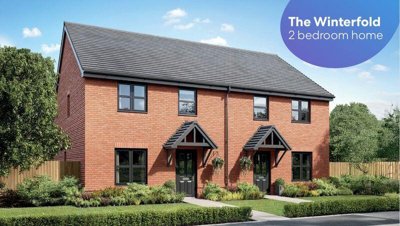
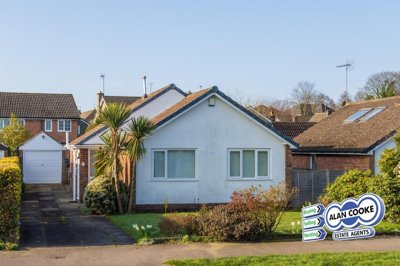
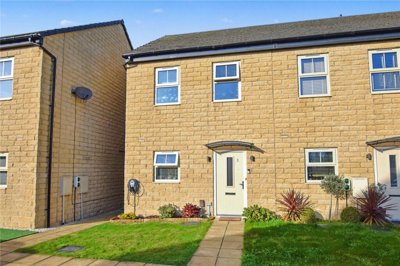
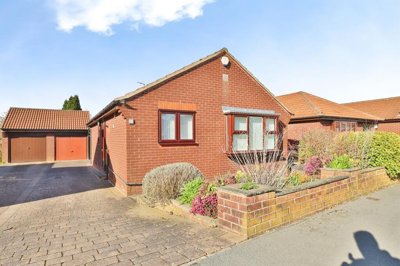
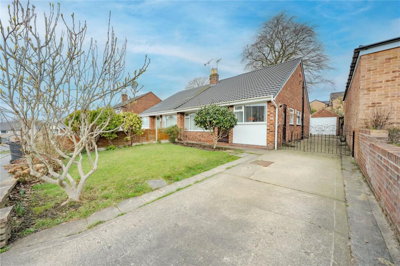
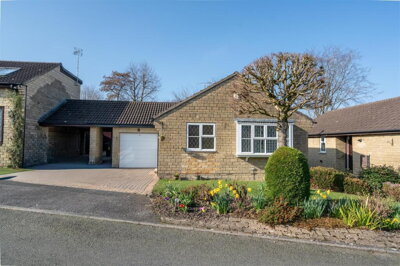
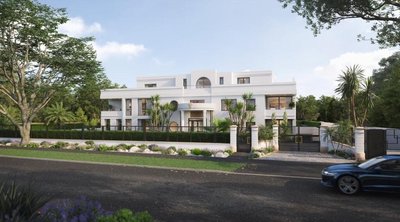
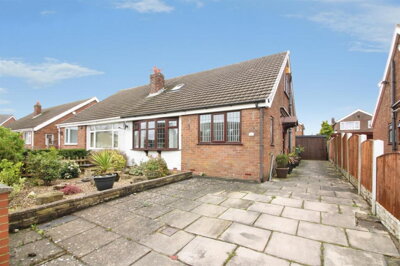
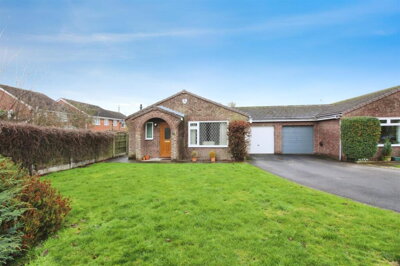
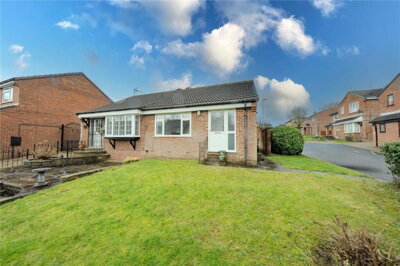
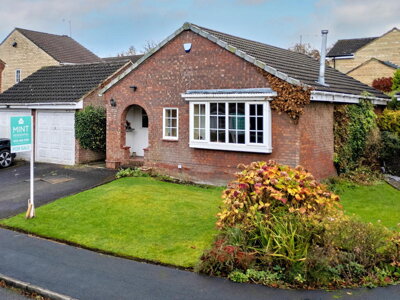
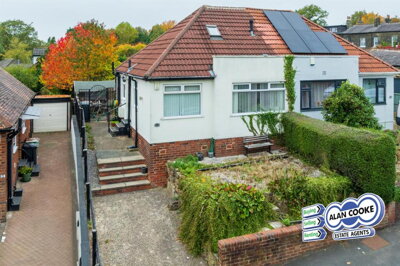
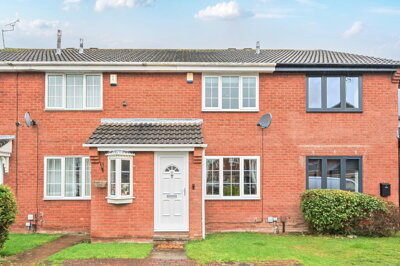
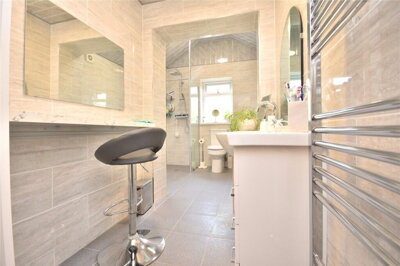
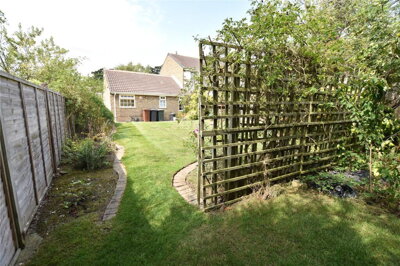
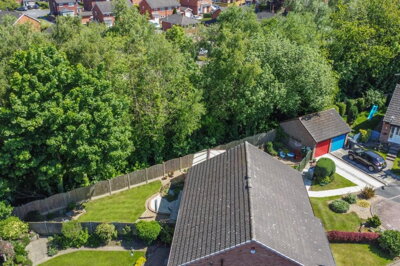
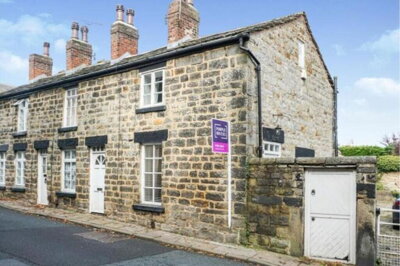
Browse 30 homes for sale in Shadwell, Leeds from local estate agents.
The 2 bed house market features detached, semi-detached, and terraced properties with two separate bedrooms plus living spaces. Properties in Shadwell range from Victorian and Edwardian period homes to modern new builds, with pricing varying across different neighbourhoods.
£315k
1
0
23
Source: home.co.uk
Showing 1 results for 2 Bedroom Houses for sale in Shadwell, Leeds. The median asking price is £315,000.
Source: home.co.uk
Terraced
1 listings
Avg £315,000
Source: home.co.uk
Source: home.co.uk
Flats dominate the recent sales picture in the Shadwell research pack, which is useful to know if you are comparing apartments against larger family homes. homedata.co.uk records show an average flat price of £497,135, while terraced homes average £658,000 and detached homes reach £818,333, so the gap between property types is wide. That spread matters because it tells buyers where the market is deepest and where choice may be thinner. Semi-detached figures were not verified in the data we were given, which is another sign that this is a small and sometimes patchy market rather than a high-volume suburb.
New-build activity appears limited within the strict Shadwell boundary, although nearby schemes are sometimes grouped into search results for convenience. The research pack mentions London Dock in Wapping, with apartments from about £655,000 to £2,100,000, plus nearby Cavell Street new-build homes in the £477,500 to £591,000 range. Those schemes show the sort of pricing buyers can encounter close by, but they should not be confused with homes inside the exact Shadwell boundary. If you want a clearer picture of new supply, check whether each development is genuinely local before you compare amenities, service charges, and long-term resale appeal.

The area profile describes Shadwell as a place shaped by maritime history, dockland regeneration, and brick-built streets that have changed over centuries rather than decades. Historical notes in the research show rapid growth between 1630 and 1650, with 703 buildings recorded in 1650, many of them low-rise and subdivided, which helps explain why the housing stock feels layered and varied. St Paul’s Church, rebuilt in 1669 after an earlier structure from 1656, remains one of the clearest markers of that older fabric, while the 1980s Shadwell Basin Housing development adds a more modern, colourful counterpoint. Buyers who like places with visible history tend to find this type of neighbourhood much more engaging than a standard post-war layout.
Demographically, the research pack points to 13,279 residents, 4,492 households, and an average household size of 3.0, which suggests a compact community with a mix of singles, couples, and families. One older census measure showed 22% of households were overcrowded in 2011, so room sizes and layout quality are worth checking carefully when you view converted homes or smaller flats. Flood risk is listed as very low, which is reassuring for buyers near water or former dockland, and Shadwell Basin itself now supports kayaking and cruising rather than industrial use. Conservation areas such as St Paul’s Church and St George in the East also mean the streetscape is protected in places, so the look and feel of the area can stay stable over time.
The research data describes Shadwell as attractive to commuters because of its central location and excellent transport links, even though the dataset we were given does not include a verified station-by-station Leeds journey table. That means the best practical approach is to test the exact route from the home you like, at the time you would normally travel. If you work irregular hours, check both peak and off-peak options so you know how flexible the commute really is. Buyers who plan to split travel between rail, bus, and walking should pay close attention to the final mile from the door to the platform or stop.
Parking can be just as important as public transport in a compact area like this, especially if you own a car but use it only at weekends. Viewers should also ask whether resident permits, visitor parking, or shared bays apply, because that detail can change the day-to-day convenience of a street more than the postcode does. Cycling and walking may suit buyers who want to keep transport costs down, but the quality of the route still depends on the exact location of the property. If commute time is a priority, choose the transport test before the offer rather than after exchange.

The research pack we were given does not include verified school names, catchment maps, or Ofsted results for the exact Shadwell boundary, so I would not guess at a shortlist. That makes local checking especially important for family buyers, because school access can change street by street. If you are buying in the Leeds location, use Leeds City Council admissions guidance and the latest school map before you commit to an offer. For the London research pack, the same rule applies with the relevant borough admissions page and the newest inspection data.
Parents should also look beyond headline ratings and think about the daily routine around the school run. A home that looks ideal on paper can become awkward if the route is busy, the crossing points are poor, or a nursery and primary school sit in different directions. Sixth forms and further education colleges matter too, particularly if you want to avoid another move in a few years. When you view, ask the agent what local families say about practical timing, not just league-table results.
Buyers who need nursery, primary, or secondary places should confirm admissions deadlines before they make a mortgage offer. Waiting until after an offer is accepted can be risky if the preferred school is already oversubscribed. Because the supplied market data for Shadwell points to another district with older housing stock, it is also sensible to check whether any move could affect transport to school or wraparound care. A quick review of catchment, waiting lists, and travel time can save a lot of pressure later.
Start by confirming the precise Shadwell boundary you are buying in, because the research data we hold appears to match a different Shadwell market from the Leeds location you asked for. Compare the property against the postcode, the street, and the local authority so you know which rules and services apply.
Get a mortgage agreement in principle before you arrange viewings, since it shows sellers and agents that you are serious and ready to move. This is especially useful where stock is limited or where well-priced homes attract quick interest.
Look closely at lease length, service charges, communal maintenance, and signs of wear in older brick properties or converted flats. In an area with conservation areas and listed buildings, the details you cannot see from the kerb can matter just as much as the decor.
A RICS Level 2 survey suits conventional homes in reasonable condition, while a Level 3 survey is better for older, altered, or listed properties. Given the age and variety of the housing stock in the research pack, it is wise not to assume every home needs the same level of inspection.
Ask your conveyancer to check title documents, searches, lease terms, planning history, and any conservation or flood-related issues. That step matters more than many buyers expect, especially where a property has been converted or stands within a protected area.
Once your offer, survey, and legal checks are all in place, agree a completion date that gives you enough time to organise removals and insurance. After exchange, your purchase becomes legally binding, so make sure the remaining funds are ready and the final paperwork is signed off.
Older homes in the research pack are often built in traditional brick, which is attractive but worth inspecting carefully for mortar wear, damp, and signs of previous alteration. Conservation areas such as St Paul’s Church and St George in the East can protect the setting of a street, yet they may also mean planning consent is tighter than in an ordinary residential road. That is good news for preserving character, but it can limit the sort of changes you may want to make later. Buyers who like historic architecture should view those restrictions as part of the package rather than a surprise.
Flats need a different kind of scrutiny, particularly where service charges, ground rent, and reserve funds can affect your monthly budget. The limited transaction volume in Shadwell suggests that every well-kept flat stands out, so poor maintenance can be easier to spot and harder to overlook. Lease length is another key point, because a short lease can affect value and mortgageability long before it affects the appearance of the home. If you are looking at a dockside or regenerated scheme, ask for the latest accounts and the managing agent details before you offer.
Flood risk is reported as very low, which is reassuring for buyers near former dockland or water-adjacent streets, but searches should still be completed on every purchase. The area’s history as a low-lying marsh means ground conditions deserve attention, even if the latest data does not show a major risk problem. More conventional issues in older homes, such as dated electrics, roof wear, or hidden conversion defects, are still worth checking through a proper survey. A careful buyer will treat the survey and legal searches as part of the buying price, not as optional extras.
homedata.co.uk records show an average house price of £502,242 over the last 12 months in the Shadwell research pack we were given. Flats averaged £497,135, terraced homes £658,000, and detached homes £818,333, which shows a wide spread between property types. Prices were also 7% lower than the previous year and 41% below the 2019 peak of £851,000. That softer trend can help buyers who want more room to negotiate, especially if a home has been on the market for a while.
Council tax band depends on the exact property, not just the area name, so you need to check the individual home before you make an offer. The research pack we were given does not list council tax bands, and because the supplied market data appears to match another Shadwell district, I would confirm the local authority record directly. If you are buying in the Leeds boundary, check Leeds City Council and the agent’s particulars; if you are buying the London research area, confirm with the relevant borough. Flats and homes in conservation areas can also bring other monthly costs alongside council tax, such as service charges.
The data supplied to us does not include verified school names or Ofsted ratings for the exact Shadwell boundary, so I would not invent a shortlist. The right answer depends on the specific street, because catchments and admission priorities can change quickly. If you are buying in Leeds, check the latest Leeds City Council admissions information and Ofsted reports before you book a second viewing. Family buyers should also test the school run in person, since transport and travel time can matter as much as the rating.
The research pack describes Shadwell as having excellent transport links and strong commuter appeal, but it does not provide a verified station-by-station journey table for the Leeds location you asked about. That means the safest move is to test the route from the exact home at the time you would normally travel. Buyers should also look at parking, walking distance to the nearest stop, and whether the commute still works in bad weather or after dark. A short drive to a station is not the same as a genuinely easy commute, so check the whole journey.
The current sold-price data suggests a softer market than a few years ago, which can appeal to value-focused buyers and investors who want a more attractive entry price. With only 25 residential sales in the last 12 months, stock appears limited, so good homes may still stand out quickly. Investors should weigh rent potential against service charges, lease length, and the age of the building, especially where flats dominate the market. A home that looks cheap on day one can become expensive if the lease, maintenance, or insurance costs are poor.
For a standard buyer, the 2024-25 SDLT rules charge 0% up to £250,000, then 5% from £250,000 to £925,000. On an average-priced Shadwell home of £502,242, that works out at about £12,612 before any additional surcharge or relief. First-time buyers pay 0% up to £425,000 and 5% on the slice from £425,000 to £625,000, so the same price would mean roughly £3,862 if you qualify. Your solicitor will usually calculate the final amount and file the return after completion.
Yes, a survey is a sensible part of the buying process, especially where homes are older, converted, or within conservation areas. A RICS Level 2 survey suits many conventional properties, but the age and variety in the research pack suggest that some homes may be better served by a Level 3 report. Surveys can flag damp, roof wear, altered layouts, and other issues that are not obvious during a quick viewing. Spending a little now can help you avoid a much bigger repair bill later.
Stamp duty is one of the biggest upfront costs for buyers, so it is worth calculating it early rather than leaving it until exchange. For a standard purchase in 2024-25, the 0% band runs to £250,000, the 5% band runs from £250,000 to £925,000, the 10% band from £925,000 to £1.5 million, and the 12% band applies above that. On the average Shadwell price of £502,242, the charge is roughly £12,612 before any additional home surcharge or special relief. If you are a first-time buyer and qualify for relief, the same price would bring the bill down to about £3,862 because the 0% threshold reaches £425,000.
Buyers should also budget for valuation fees, survey costs, mortgage arrangement fees, legal work, and local searches. A RICS Level 2 survey starting from about £455 and conveyancing from £499 are both sensible planning figures, especially if you want to keep your move well organised. Older or listed homes can push survey costs higher, while flats with service charges may bring annual costs that matter more than a small difference in the asking price. Planning the full cost of purchase early helps you move confidently when the right Shadwell home appears.
Properties for Sale In London

Properties for Sale In Plymouth

Properties for Sale In Liverpool

Properties for Sale In Glasgow

Properties for Sale In Sheffield

Properties for Sale In Edinburgh

Properties for Sale In Coventry

Properties for Sale In Bradford

Properties for Sale In Manchester

Properties for Sale In Birmingham

Properties for Sale In Bristol

Properties for Sale In Oxford

Properties for Sale In Leicester

Properties for Sale In Newcastle

Properties for Sale In Leeds

Properties for Sale In Southampton

Properties for Sale In Cardiff

Properties for Sale In Nottingham

Properties for Sale In Norwich

Properties for Sale In Brighton

Properties for Sale In Derby

Properties for Sale In Portsmouth

Properties for Sale In Northampton

Properties for Sale In Milton Keynes

Properties for Sale In Bournemouth

Properties for Sale In Bolton

Properties for Sale In Swansea

Properties for Sale In Swindon

Properties for Sale In Peterborough

Properties for Sale In Wolverhampton

Enter your details to see if this property is within your budget.
Loans, cards, car finance
Estimated property budget
Borrowing + deposit
You could borrow between
Typical borrowing
Monthly repayment
Est. at 4.5%
Loan-to-value
This is an estimate only. Your actual budget may vary depending on interest rates, credit history, and personal circumstances. For an accurate affordability assessment, speak to one of our free mortgage advisors.
This calculator provides estimates for illustrative purposes only and does not constitute financial advice. Your home may be repossessed if you do not keep up repayments on your mortgage. Estimates based on 4.5% interest rate, repayment mortgage. Actual rates depend on your circumstances.
Homemove is a trading name of HM Haus Group Ltd (Company No. 13873779, registered in England & Wales). Homemove Mortgages Ltd (Company No. 15947693) is an Appointed Representative of TMG Direct Limited, trading as TMG Mortgage Network, which is authorised and regulated by the Financial Conduct Authority (FRN 786245). Homemove Mortgages Ltd is entered on the FCA Register as an Appointed Representative (FRN 1022429). You can check registrations at NewRegister or by calling 0800 111 6768.

We use cookies to show you personalised content and improve your experience of our website. Find out more in our Privacy policy and Cookie policy.