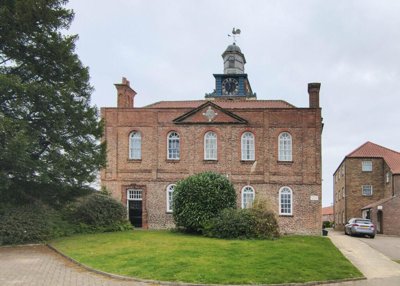
Browse 1 home for sale in Scorton, North Yorkshire from local estate agents.
One bed apartments provide a separate bedroom alongside distinct living space, bathroom, and kitchen areas. Properties in Scorton are available in various building types including mansion blocks, contemporary developments, and house conversions.
£87k
1
0
40
Source: home.co.uk
Showing 1 results for 1 Bedroom Flats for sale in Scorton, North Yorkshire. The median asking price is £87,000.
Source: home.co.uk
Flat
1 listings
Avg £87,000
Source: home.co.uk
Source: home.co.uk
Scorton’s property market mirrors the pull of rural Lancashire living, with enough variety to suit different budgets and ways of life. Detached homes sit at the top of the market at around £437,000, giving the space and privacy that tend to appeal to families and anyone after a more traditional country setting. Semi-detached properties average £220,000 and are often the best-value route into the village. Terraced homes in Scorton usually sell for around £165,000, while flats are still relatively scarce at approximately £120,000, which says a lot about how house-led the local stock really is.
Buyers in Scorton also have two notable new build schemes to choose from. The Paddocks, by Story Homes on Wyre View, offers 3, 4, and 5-bedroom detached and semi-detached homes priced from £299,995 to £549,995. Scorton Green, from Rowland Homes on Gubberford Lane, brings a similar family-focused mix from £280,000 to £500,000. For anyone hoping to buy brand new within the village boundary, that is a rare chance, with modern construction, energy efficiency, and warranties all in the package. We refresh our listings throughout the day, so new homes for sale in Scorton are easier to spot as soon as they appear.
Scorton’s housing stock stretches across several architectural periods, from 18th and 19th century farmhouses to contemporary new builds. Pre-1919 homes usually have solid walls, often built in local red brick or gritstone, with lime mortar and slate or clay tile roofs. Homes from the post-war years through to 1980 more often use cavity wall construction, timber floors, and concrete tiles or traditional slate. Knowing how these houses are put together gives buyers a better sense of maintenance needs and the issues that can come with different ages of property. Our platform lets you filter by property type, bedrooms, and price range, which keeps the search focused on homes that actually fit.

Life in Scorton feels properly village-like, with a strong sense of community and a pace that is pleasantly unhurried. There are roughly 800-1,000 residents living in 350-450 households, which gives the place an intimate feel where neighbours know one another and local events bring people together through the year. The mix includes long-established families, retired couples, and young families drawn to the village for a calmer way of life. The pub acts as a social anchor, and the local shop covers everyday essentials without a trip into a larger town.
Beyond the village edge, the landscape opens out into rolling countryside, farmland, and the gentle line of the River Wyre. It is the sort of setting that invites long walks, bike rides, and plenty of time outdoors enjoying Lancashire’s scenery. The area geology, with glacial till over Carboniferous bedrock and a high clay content, has influenced the way local buildings were traditionally built, especially in red brick and gritstone. Older homes often pair those materials with slate or tile roofs, which gives Scorton its distinct look. The village Conservation Area protects the historic core, including traditional farmhouses, cottages, and St. Peter’s Church, so that character stays in place for future generations.
Scorton’s local economy is supported by small businesses and services that cater to residents and visitors alike. The village holds occasional markets and events that highlight local producers and craftspeople, while nearby farmland continues to support agricultural work that has shaped the area for generations. Many residents commute to employment centres in Lancaster, Preston, and further afield, using the village’s location near major transport routes while keeping the advantages of countryside living. Scorton and the surrounding rural area sit within the PR3 postcode, and postal services and deliveries are well established despite the semi-rural setting.

For families thinking about a move, Scorton offers schooling within easy reach. Scorton Primary School serves the village and the surrounding rural area, taking children from Reception through to Year 6. It provides a nurturing setting in the early years, with staff who know the children well. For secondary school, pupils usually travel on to Garstang or Lancaster, where there are several choices with strong academic and extracurricular provision. Dedicated bus services run from the village to secondary schools across the wider area, which helps make the daily routine manageable.
Secondary options within a reasonable journey include schools in the Garstang area, which takes many Scorton families for Year 7 onwards. Lancaster has several schools too, including grammar schools and comprehensive options, so families can choose according to academic ability and preference. Those who pass the Lancaster Grammar Schools entrance examination can access those long-established schools, while families wanting a comprehensive route will find solid options across the Lancaster and Morecambe area. Independent schools in the Lancaster region also give families another route to consider.
Anyone looking to buy in Scorton should check catchment areas and admission arrangements early on, because they can make a real difference to day-to-day family life. School policies change from time to time, and catchment boundaries do not always line up neatly with property locations, so it makes sense to confirm the details directly with the schools before committing to a purchase. Many families moving from urban areas find the village primary school offers a more personal experience than larger town schools, with class sizes that allow teachers to give more individual attention. A visit to the schools, plus a conversation with headteachers before you finalise the purchase, helps make sure the education on offer fits your children’s needs and ambitions.

Transport from Scorton manages to balance rural peace with practical access to larger centres. The A6 runs through the village, giving direct routes north to Lancaster and south towards Preston and the M6 motorway. Lancaster city centre is around 8 miles north of Scorton, usually a 20-minute drive, depending on traffic. For commuters heading to Preston, Lancaster, or the wider North West, that makes Scorton a workable middle ground between country living and getting to work. Junction 33 of the M6 is also reached via the A6, putting the national motorway network within easy reach.
Bus services link Scorton with Garstang, Lancaster, and other nearby towns and villages. Lancaster railway station offers mainline services to Manchester, Liverpool, Leeds, and beyond, with regular trains running through the day. Direct trains from Lancaster to Manchester take about 1 hour 15 minutes, while Liverpool Lime Street is roughly 1 hour 30 minutes away. Leeds is reached via the Leeds Morecambe line with a change at Lancaster, and the total journey time is around 2 hours. That makes the station a useful base for anyone who works in a city but would rather live in the countryside.
Day-to-day commuting usually means travelling by car to mainline rail services or to work, so off-street parking becomes a real selling point in Scorton. Homes with private driveways or garages attract a premium, because on-street parking can be tight at busier times. Cyclists can use scenic routes through the Lancashire countryside, although the hills mean regular bike commuting needs a decent level of fitness. Lancaster bus station adds another layer of public transport connection, while Preston brings more rail services and coach links for longer journeys.

Start by looking through our listings to see what fits your budget. With average prices around £342,000 and homes ranging from terraced properties to detached family houses, a clear price limit helps narrow the search quickly. It is also worth speaking to local estate agents who know the village well, as they may hear about coming-soon homes before they reach the main portals. Set up property alerts through our platform and you will get immediate updates when new homes for sale in Scorton match what you are looking for.
Before you book viewings, get a mortgage agreement in principle from a lender. Sellers tend to see that as a sign you are serious and already have the finance lined up, which can strengthen your position when you make an offer. Our mortgage comparison tools can help you check rates and find a lender that fits your circumstances. Having that paperwork ready keeps things moving and can matter quite a bit in Scorton’s competitive village market, where prepared buyers often have the edge.
Once you are viewing homes, take time to judge the property itself and the surrounding neighbourhood, not just the room sizes. Think about schools, transport, and how close the practical amenities are to where you will live day to day. Through our platform, you can arrange viewings with the listed estate agents and ask questions about both the home and the local area. It helps to take notes and snap a few photos as you go, because village properties can look surprisingly alike at first glance.
After your offer is accepted, arrange a RICS Level 2 Survey before you move any further with the purchase. For a typical 3-bedroom semi-detached property in Scorton, the cost is usually between £450 and £600, while larger detached homes may come in at £550 to £750. The survey will flag structural problems such as damp, roof defects, and possible subsidence risks linked to the local clay soils. Because Scorton has a fair number of pre-1919 properties, that kind of check is especially useful for cottages and farmhouses.
Next, appoint a conveyancing solicitor to take care of the legal side. Your solicitor will carry out searches, review the contracts, and work with the seller’s legal team to keep the transaction on track. Homemove offers conveyancing from verified solicitors who know rural Lancashire property transactions, with fixed fees starting from £499. If the property sits in Scorton’s Conservation Area or is a listed building, extra specialist advice may be needed on planning restrictions and consent requirements.
Once the searches come back satisfactory and the mortgage funds are confirmed, contracts are exchanged and the deposit is paid. Completion usually follows within weeks, and that is when you receive the keys to your new Scorton home. Our conveyancing team keeps you updated through each stage so the process feels clear rather than mysterious. On completion day, collect the keys from the estate agent and start settling into village life.
Scorton buyers should keep an eye on a few local factors that can affect an investment. The geology brings a moderate shrink-swell risk because of the clay soils, and that can lead to foundation movement where mature trees are nearby. In older homes, signs such as cracks in walls, sticking doors, and uneven floors can point to subsidence or structural movement. A thorough RICS Level 2 Survey should pick up those issues before you commit. Where there is heavy planting close to the building footprint, foundations and drainage deserve a closer look.
Flood risk also deserves proper attention in Scorton, especially for homes near the River Wyre and its tributaries. Some parts face moderate to high surface water flooding risk, particularly during heavy rainfall. Check where the property sits in relation to flood plains and review any flood risk assessments before you buy. Insurance can cost more in flood-risk zones, so that needs to sit in the budget from the outset. Modern schemes such as The Paddocks and Scorton Green are usually positioned to keep flood risk down, while some older village homes may be more exposed to surface water during extreme weather.
Because Scorton has a Conservation Area and several listed buildings, buyers should be aware that planning rules can be tighter in and around the village centre. Listed buildings need Listed Building Consent for alterations, and standard permitted development rights may be reduced within the Conservation Area. If you are planning works or extensions, speak to Wyre Borough Council planning department before you go any further. These rules help preserve Scorton’s character, but they can also shape what you can do with the property, so it is better to know early. If recent renovation or extension work has already been done, the proper permissions should be recorded, and our listings show that information where it is available.

The average property price in Scorton is £342,000 as of February 2026, based on recent transaction data from the last 12 months. Detached homes average around £437,000, semi-detached properties about £220,000, terraced homes around £165,000, and flats close to £120,000. Prices have risen by 3.0% over the past 12 months, which reflects steady demand for homes in this sought-after rural village. With approximately 25 property sales recorded in the past year, the market still turns over a modest but steady number of homes despite the limited stock.
Scorton falls under Wyre Borough Council, and most homes sit in council tax bands A through D. Band A properties, usually the lower-value homes, pay approximately £1,200-1,400 a year, while band D homes are around £1,600-1,800 per year. You can check the exact band for any property through the Valuation Office Agency website using the address or postcode PR3. Larger detached homes in the village, which are often in the higher bands, can pay £2,000 or more annually.
Scorton Primary School serves the village and surrounding area, and it takes children up to age 11. For secondary education, pupils usually move on to schools in nearby Garstang or travel to Lancaster, where there are several strong options, including Lancaster Grammar Schools for those who pass the entrance exam. Anyone buying in Scorton should check current catchment areas and admission policies, because they can change and affect which school children can attend. Independent schools in the Lancaster area add another layer of choice for families with particular educational priorities.
Bus services link Scorton with Garstang and Lancaster, giving regular access to those towns for shopping, appointments, and rail connections. Lancaster railway station offers mainline services to Manchester, Liverpool, Leeds, and other major cities, with direct trains to Manchester taking about 1 hour 15 minutes. The A6 runs through the village, giving direct access to Lancaster, roughly 8 miles away, and a route to the M6 motorway at junction 33, which keeps car travel practical for most day-to-day needs. Still, if you work in a city and do not have a car, the limited frequency of rural bus services is worth weighing up before you settle on Scorton.
Scorton has a few things going for it as a property investment location, not least limited new housing supply, a strong sense of community, and close links to Lancaster’s growing employment base. The arrival of The Paddocks and Scorton Green suggests developers see value in the local market. Rental demand comes from commuters, smaller families, and people wanting village life, with typical 3-bedroom homes potentially earning £800-£1,100 per month. Even so, rural markets tend to be less liquid than urban ones, so capital growth expectations should stay realistic and medium to long-term holding periods make more sense.
Stamp Duty Land Tax (SDLT) rates from April 2025 are 0% on the first £250,000 of purchase price, 5% on £250,001 to £925,000, 10% on £925,001 to £1.5 million, and 12% on amounts above £1.5 million. First-time buyers purchasing properties up to £625,000 pay 0% on the first £425,000 and 5% between £425,000 and £625,000, as long as they have never owned property before. At the £342,000 average price for a typical Scorton home, most buyers would pay no SDLT, while higher-value purchases would be charged according to the relevant threshold.
With Scorton’s mix of older homes, the most common defects include rising or penetrating damp in pre-1919 buildings with solid walls and possibly weak damp-proof courses. Roof issues affect many traditional houses with slate or clay tile coverings, where slipped tiles, damaged flashing, or tired felt can allow water in. Older structural timbers may also show woodworm or rot, especially where damp has already taken hold. Homes with mature trees close by on the local clay soils can face subsidence or heave as moisture levels in the ground shift through the seasons.
Scorton village includes a designated Conservation Area that covers the historic core, and several properties are listed buildings, among them traditional farmhouses and St. Peter’s Church. Within the Conservation Area, permitted development rights are more limited than usual, so planning permission may be needed for some extensions, outbuildings, or alterations that would not require consent elsewhere. Listed buildings carry further restrictions and need Listed Building Consent for almost any work affecting their character or structure. Wyre Borough Council planning department can give specific guidance on any property you are thinking of buying.
Competitive mortgage rates for Scorton property purchases
From 4.5% APR
Expert solicitors handling your Scorton property purchase
From £499
Professional property survey identifying defects before purchase
From £450
Energy performance certificate for your new Scorton home
From £80
Knowing the full cost of buying in Scorton helps you budget properly and avoid unwelcome surprises during the purchase. Beyond the price of the property, buyers need to allow for Stamp Duty Land Tax, solicitor fees, survey costs, mortgage arrangement fees, and other charges. For a home at the current Scorton average price of £342,000, a standard buyer, not a first-time buyer, would pay no SDLT on the first £250,000 and 5% on the remaining £92,000, which comes to £4,600 in stamp duty. First-time buyers at this price point would pay no SDLT at all, because the full amount sits within the first-time buyer relief threshold.
Survey costs are a key part of the buying process, especially in Scorton where many properties are over 50 years old. A RICS Level 2 Survey for a typical 3-bedroom semi-detached property usually costs between £450 and £600, while larger 4-bedroom detached homes are more likely to be £550 to £750. These surveys pick up structural issues, damp, roof problems, and other defects that may not be obvious during a viewing. Given the local clay soils and the shrink-swell risk that comes with them, the survey is particularly valuable for homes with mature trees or in older streets. Listed buildings, or properties in poor condition, may be better served by a more detailed RICS Level 3 Building Survey.
Solicitors usually charge £499 to £1,200 for conveyancing on a residential property, depending on how complex the transaction is and whether it sits in a chain. You will also need to account for search fees, around £250-£400 for local authority, drainage, and environmental searches, plus land registry fees and teleport fees, which can take total legal costs to around £1,000-£2,000. Mortgage arrangement fees vary by lender, from £0 to £2,000, although many borrowers add them to the mortgage. It is also sensible to budget for removal costs, any estate agent fees if you are selling, and a contingency of around 5% of the purchase price for unforeseen expenses when planning your move to Scorton.

Properties for Sale In London

Properties for Sale In Plymouth

Properties for Sale In Liverpool

Properties for Sale In Glasgow

Properties for Sale In Sheffield

Properties for Sale In Edinburgh

Properties for Sale In Coventry

Properties for Sale In Bradford

Properties for Sale In Manchester

Properties for Sale In Birmingham

Properties for Sale In Bristol

Properties for Sale In Oxford

Properties for Sale In Leicester

Properties for Sale In Newcastle

Properties for Sale In Leeds

Properties for Sale In Southampton

Properties for Sale In Cardiff

Properties for Sale In Nottingham

Properties for Sale In Norwich

Properties for Sale In Brighton

Properties for Sale In Derby

Properties for Sale In Portsmouth

Properties for Sale In Northampton

Properties for Sale In Milton Keynes

Properties for Sale In Bournemouth

Properties for Sale In Bolton

Properties for Sale In Swansea

Properties for Sale In Swindon

Properties for Sale In Peterborough

Properties for Sale In Wolverhampton

Enter your details to see if this property is within your budget.
Loans, cards, car finance
Estimated property budget
Borrowing + deposit
You could borrow between
Typical borrowing
Monthly repayment
Est. at 4.5%
Loan-to-value
This is an estimate only. Your actual budget may vary depending on interest rates, credit history, and personal circumstances. For an accurate affordability assessment, speak to one of our free mortgage advisors.
This calculator provides estimates for illustrative purposes only and does not constitute financial advice. Your home may be repossessed if you do not keep up repayments on your mortgage. Estimates based on 4.5% interest rate, repayment mortgage. Actual rates depend on your circumstances.
Homemove is a trading name of HM Haus Group Ltd (Company No. 13873779, registered in England & Wales). Homemove Mortgages Ltd (Company No. 15947693) is an Appointed Representative of TMG Direct Limited, trading as TMG Mortgage Network, which is authorised and regulated by the Financial Conduct Authority (FRN 786245). Homemove Mortgages Ltd is entered on the FCA Register as an Appointed Representative (FRN 1022429). You can check registrations at NewRegister or by calling 0800 111 6768.

We use cookies to show you personalised content and improve your experience of our website. Find out more in our Privacy policy and Cookie policy.