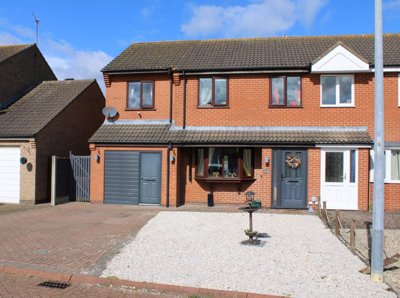
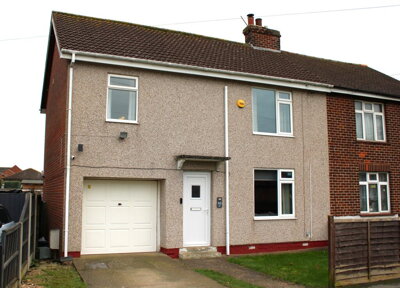
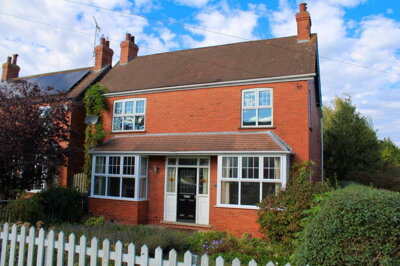
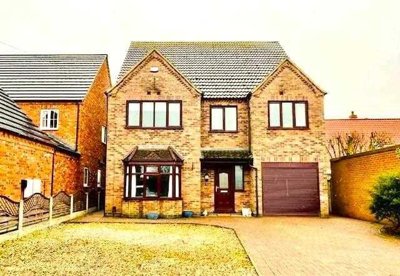
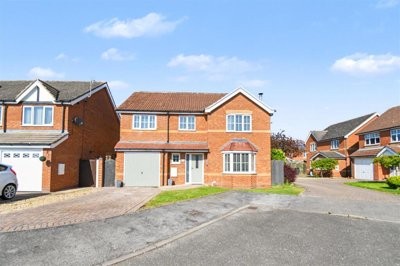
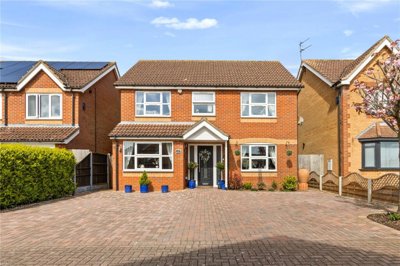
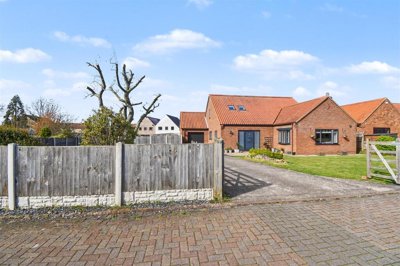
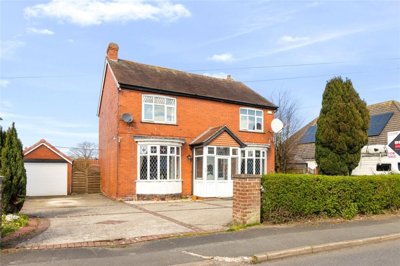
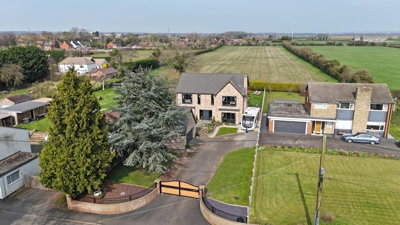
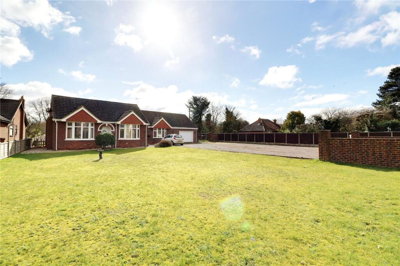
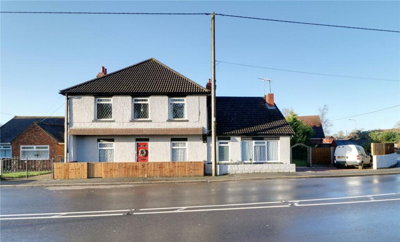
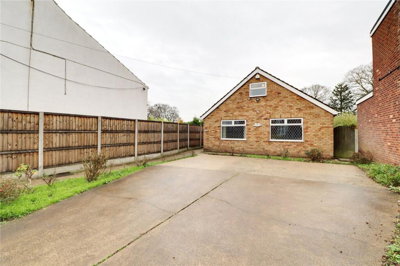
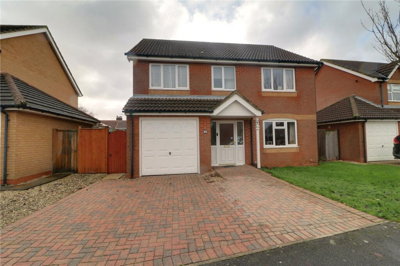
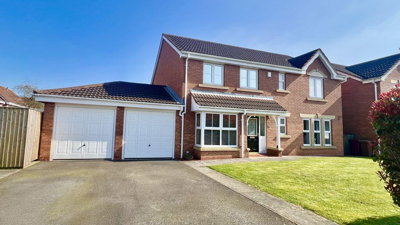
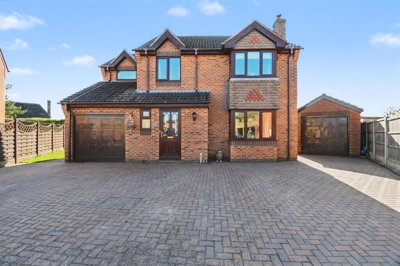
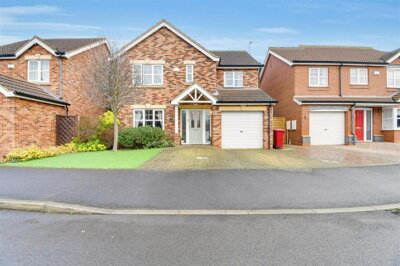
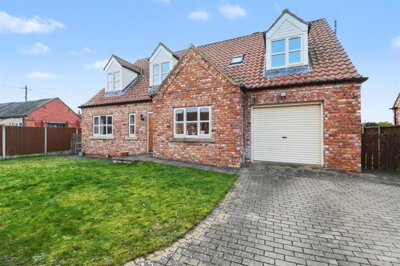
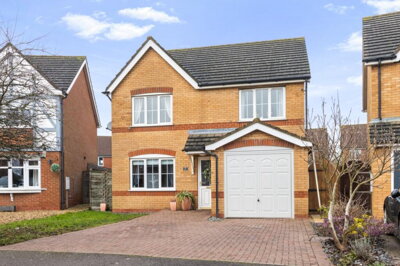
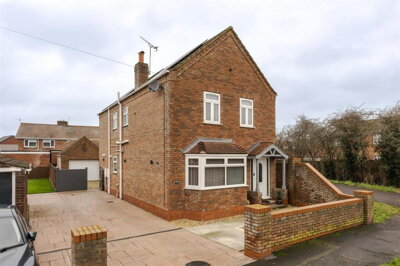
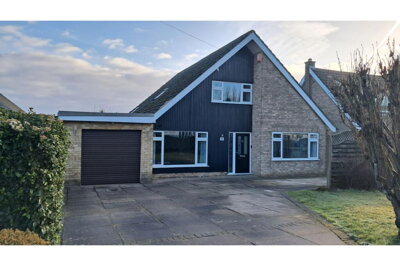
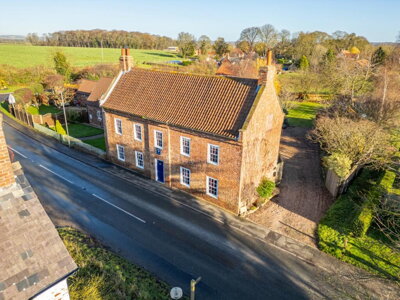
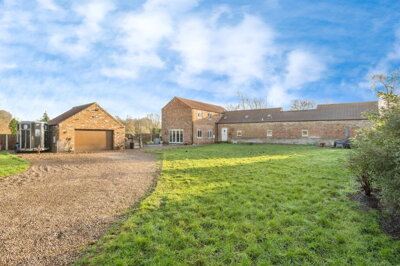
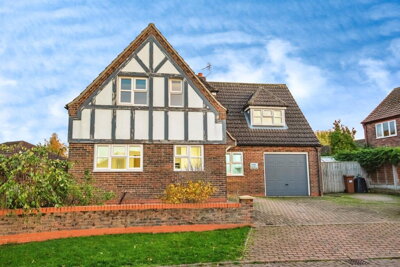
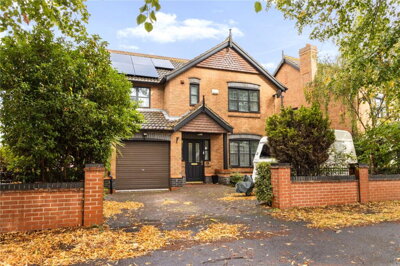
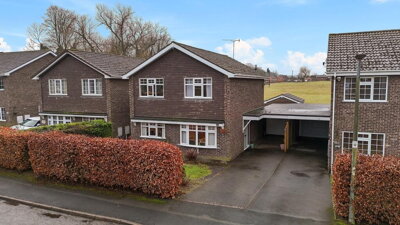
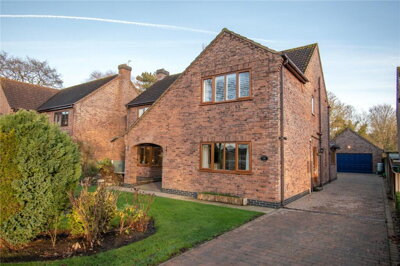
Browse 26 homes for sale in Scawby, North Lincolnshire from local estate agents.
The larger property sector typically features multiple bathrooms, substantial reception space, and private gardens or off-street parking. Four bedroom houses in Scawby span detached, semi-detached, and occasionally terraced configurations, with styles ranging from period properties to modern executive homes.
£420k
1
0
109
Source: home.co.uk
Showing 1 results for 4 Bedroom Houses for sale in Scawby, North Lincolnshire. The median asking price is £420,000.
Source: home.co.uk
Detached
1 listings
Avg £420,000
Source: home.co.uk
Source: home.co.uk
Scawby gives buyers a broad spread of homes, from older village properties to more recent family houses, which is part of the draw for families, professionals, and retirees looking for village life in North Lincolnshire. In our current listings, detached homes are coming in at around £300,000, which reflects the pull of larger houses with gardens in a well-connected rural setting. Semi-detached properties average approximately £190,000, giving buyers solid value without stepping up to detached-house pricing. For a lower entry point, terraced homes in the village centre typically begin from £150,000.
There is no shortage of new build activity in Scawby at the moment. The Paddocks on Scawby Road (DN20 9BE), from Keigar Homes, includes 3, 4, and 5 bedroom detached and semi-detached houses priced from £250,000 to £450,000. Scawby Gardens on Messingham Road (DN20 9HF), built by Cyden Homes, offers comparable 3 to 5 bedroom layouts from £220,000 to £400,000. For buyers who want modern build standards, better energy performance, and the reassurance of a warranty-backed purchase, both schemes are worth close attention.
Across the village, the housing mix is quite clear-cut. Around 40-45% of homes are detached, mostly around the outer parts of the village and on roads heading towards Brigg and Messingham. Semi-detached housing makes up 30-35% of stock and forms much of the core family market, with many of these homes dating from the post-war growth of the 1950s and 1960s. Terraced properties account for 15-20%, clustering nearer the older centre and the Conservation Area. Flats make up less than 5%, and are usually conversions within larger period buildings.
Values in Scawby have been notably steady. The annual increase of 1% points to a market that is healthy without the sharp swings often seen in larger towns and cities. That sort of consistency tends to appeal to buyers who want measured property growth rather than the uncertainty of overheated urban markets. The village also sees around 45 transactions a year, which is a useful level of activity for a settlement of this size.

Life in Scawby has much of what people picture when they think of an English village, and the Conservation Area plays a big part in that by protecting its architectural and historic character. Among the standout heritage buildings are Scawby Hall and St Hybald's Church, both Grade I listed and central to the village's identity. With about 950 households and a population of 2,200 residents, Scawby feels close-knit without feeling cut off. The make-up of the village includes long-established families, professionals travelling into nearby towns, and older residents who have been part of the community for decades.
The look of Scawby is shaped largely by red brick homes with clay or concrete tiled roofs, giving the village a consistent streetscape that has grown since the post-war expansion of the mid-twentieth century. In broad terms, the stock is split into 40-45% detached homes, 30-35% semi-detached houses, 15-20% terraces, and less than 5% flats. Around 60-70% of all homes are now over 50 years old. Day-to-day amenities cover village shops, traditional pubs, and recreation, and Brigg and Scunthorpe are close enough for wider retail, healthcare, and leisure needs within a short drive.
What keeps Scawby lively is its local network of groups, events, and the pub culture that still matters across rural North Lincolnshire. The village hall is busy through the year, and the primary school is a natural meeting point for families. Planning issues linked to the Conservation Area are actively handled by the parish council, which helps keep new development and alterations in step with the older character of the place. For people arriving from elsewhere, that shared sense of belonging is often one of the main reasons to settle here.
Scawby's homes span several building eras, and each one brings its own quirks. We estimate that 20-25% of properties date from before 1919, including older farmhouses, estate cottages, and early village houses with thick solid walls and original features. More modest additions arrived during the inter-war years of 1919-1945. The biggest phase of growth came between 1945-1980, which now accounts for 30-35% of stock. Homes built since 1980, including the newest developments, make up the remaining 25-30% and usually come with more modern standards of construction and stronger energy performance.

It helps to know how most Scawby homes were built before buying, because construction type says a lot about upkeep and performance. Most houses built after the 1930s use traditional cavity wall construction, with two brick skins linked by metal wall ties and a gap between them that can hold insulation. Kept in good order, that usually gives decent thermal efficiency and resistance to moisture. Externally, red brick is the dominant finish, typical of North Lincolnshire, often in stretcher bond on standard homes and sometimes in more decorative patterns on older properties.
Roofs across much of Scawby are pitched and timber-framed, usually with trusses supporting clay or concrete tiles. In the Conservation Area, and on older listed buildings, you may also find traditional cut timber roof structures with principal rafters and purlins, which can create extra loft space and a character that newer houses rarely match. During viewings, we would pay close attention to the roof covering, because ageing tiles and perished felt underlay are common issues once a property is over 40 years old.
Under the ground, Scawby sits on superficial deposits of till, or boulder clay, above bedrock from the Ancholme Clay Group and parts of the Lincolnshire Limestone Formation. That matters. Boulder clay can be awkward for foundations because it has moderate to high shrink-swell behaviour in prolonged wet or dry spells. Homes built before modern foundation standards, usually pre-1970s, often have shallower strip foundations and can be more exposed to movement. Where possible, we would look for properties with deeper modern foundations, or evidence that strengthening works have already been carried out.
Older services are another point to watch. In properties built before 1980, the electrics and plumbing often fall below current expectations and may need upgrading. Wiring from before the 1970s can include rubber or fabric insulation that deteriorates with age, and lead pipework was still common before the mid-twentieth century. Consumer units in older homes may also miss the RCD protection required under current regulations. If you are buying a period property, it is sensible to allow for rewiring and re-plumbing within the renovation budget.
For families moving into the village, schooling starts locally. Scawby CEP School is the main primary provision and serves children from reception to Key Stage 2. Its village setting tends to mean smaller classes and strong local ties, which many families like for early education. Catchment areas and admissions can change, though, so we always suggest checking the latest position directly with North Lincolnshire Council before relying on a place.
Secondary education means travelling out of the village, most often to Brigg for Key Stages 3 and 4. Scunthorpe adds further options, including grammar school routes for academically able pupils, and these can be reached using the available transport arrangements from Scawby. For sixth form and further education, many students head to Scunthorpe or Gainsborough, where the range of A-level and vocational courses is wider. Before buying, families should look closely at Ofsted ratings, admissions policies, and the practical side of transport, so there is no disruption later.
One advantage for families is choice. Brigg Grammar School provides selective secondary education for pupils who pass its entrance assessment, while other nearby schools offer comprehensive provision. Travel from Scawby to secondary schools in Brigg and Scunthorpe is usually supported by school transport, but it is still wise to confirm current arrangements and any costs before committing to a purchase. As a guide, the trip to these schools is commonly around 15 to 30 minutes by car, which keeps day-to-day travel manageable for most households.

Scawby is well placed for getting around North Lincolnshire. The M180 gives direct access into the wider road network, linking residents with major employment areas, and the A15 nearby provides a straightforward route north towards Hull and south towards Lincoln. That combination makes the village especially practical for commuters working across the Humber region. Residents can reach jobs in Scunthorpe, Grimsby, Hull, and Lincoln without unusually long trips, which helps explain why professionals looking for rural calm but decent connectivity continue to favour the area.
Not everyone in Scawby relies entirely on the car. Bus services connect the village with Brigg and Scunthorpe, which is important for people who do not drive or simply prefer not to commute that way. Rail journeys are usually picked up from Barnetby or Brigg, both of which link into larger cities and wider national routes. Humberside Airport is also within a reasonable drive for domestic and international travel. Rural lanes around the village suit cyclists, although anyone planning to ride regularly to Scunthorpe or Brigg should map routes carefully because dedicated cycling infrastructure outside town limits is limited.
In practice, most commuting from Scawby is by car, which is typical for a village setting. Scunthorpe is about 20-25 minutes away by road. Hull can usually be reached within 45 minutes using the M180 and M62, and Lincoln is roughly 50 minutes away. That puts several employment hubs within realistic daily reach, which is why the village often appeals to people working in manufacturing, logistics, healthcare, and public services who want regional access without living in a town centre.

Start by browsing property listings on Homemove so you can get a feel for current pricing and stock levels in Scawby. We also recommend checking recent sale prices for comparable homes and narrowing down which parts of the village suit you best, whether that is the Conservation Area in the centre or newer schemes such as The Paddocks and Scawby Gardens. A clear view of local conditions gives you a stronger footing when judging value and negotiating.
Before you book viewings, it helps to have finance lined up. Speak to a mortgage broker or lender and get an agreement in principle in place, as that shows estate agents and sellers that you are ready to proceed. It can make a real difference whether you are looking at a terraced house around £150,000 or a detached property at £300,000. Sorting this early also saves wasted time if the right home appears.
Once you have shortlisted the right homes, arrange viewings and look beyond the surface finish. We would pay attention to the age of the building, the materials used, and any visible signs of structural trouble. In Scawby, red brick houses standing on boulder clay can call for extra caution because of the local shrink-swell risk. Taking notes and photographs as you go makes later comparisons much easier.
After an offer is accepted, the next step is to instruct a qualified surveyor for a Level 2 HomeBuyer Report. On a typical 3-bedroom semi-detached house, fees are usually around £450 to £650, while a larger detached property may come in at £550 to £800. The report can pick up on issues often found in older homes, including damp, roof defects, and timber problems. With 60-70% of Scawby properties now over 50 years old, that professional check is often money well spent.
Next comes the legal side. A solicitor will deal with searches, contracts, and registration of the purchase, with standard conveyancing in North Lincolnshire typically starting from £499. Costs can rise where a property is leasehold or sits within the Conservation Area and needs extra checks. Your solicitor will also carry out local authority searches with North Lincolnshire Council to uncover planning restrictions, environmental matters, and anything else that could affect the property.
Your solicitor then works with the seller's legal team through to exchange of contracts, which is the stage where you pay the deposit and become committed to the purchase. Completion usually follows in 2-4 weeks, and that is when the keys are released and you can move into your Scawby home. Buildings insurance should be set up from exchange, because that is the point at which the financial risk normally passes to the buyer.
Scawby's geology is not something buyers should brush past. The boulder clay beneath the village brings a moderate to high shrink-swell risk, especially in prolonged wet or dry periods, and that can affect foundations and longer-term maintenance. Homes built before modern standards were introduced are more likely to show movement. We would want a thorough survey in place and, during viewings, we would watch for cracked walls, sticking doors or windows, and any sign of subsidence or heave, particularly in properties dating from before the 1970s.
Flooding is usually a lower-order concern here, with risk in Scawby generally classed as low to moderate and more often linked to surface water runoff than river flooding, as the village is inland and away from major watercourses. Even so, homes in lower-lying spots or close to drainage channels deserve extra scrutiny during the survey. Buyers looking within the Conservation Area should also remember that alterations, extensions, and external changes are more tightly controlled to protect the historic character. Listed buildings bring further responsibilities, including the need to use appropriate traditional materials and repair methods.
Most homes built after the 1930s in Scawby use traditional red brick cavity wall construction, while the older stock may have solid walls that need a different approach to insulation. Houses from before 1980 can also come with dated wiring or plumbing that needs bringing up to current standards. During a viewing, we would check the roof covering, look for signs of damp getting in, and pay attention to how well rainwater goods and external joinery have been maintained.
Older Scawby homes can show a fairly recognisable set of defects, and they are worth checking carefully. Rising damp is common in period properties with solid walls or failed damp-proof courses, often showing up as tide marks on plaster and peeling finishes at ground floor level. Timber trouble is another regular issue, with woodworm, wet rot, and dry rot affecting roof timbers, floor joists, and window frames where water has penetrated or ventilation is poor. On top of that, pre-1970s electrics are often outdated enough to need full rewiring before the property is occupied.

As of early 2026, the average house price in Scawby is approximately £240,000. Detached homes average £300,000, semi-detached houses usually change hands at around £190,000, terraced properties begin from about £150,000, and flats average close to £110,000. Over the last twelve months, values have been fairly steady, with only a slight rise of around 1%. That points to a settled market rather than one racing ahead, which is often attractive to buyers who prefer stable pricing over sharper urban volatility.
For council tax, Scawby properties fall under North Lincolnshire Council. Bands run from A to H, depending on the assessed value of the home. In practice, many terraced houses and smaller semi-detached properties sit in bands A to C, while larger detached family homes are more often found in bands D to F. Buyers should always confirm the exact band through the estate agent or during conveyancing, because council tax is a recurring annual cost and can affect affordability. The current North Lincolnshire Council charges for 2024-25 should be checked as part of your budgeting.
Primary provision in the village is centred on Scawby CEP School, which covers reception through Key Stage 2 and is well regarded for its local ties and smaller class sizes. For secondary education, families usually look to Brigg and Scunthorpe, with access by school transport or car. Catchment rules can matter, so parents should check current admissions policies before making plans. Scunthorpe also offers grammar school options for academically suitable pupils, giving children in the Scawby area access to selective secondary routes. We would suggest reviewing current Ofsted ratings and visiting schools before settling on a purchase.
Getting out of the village is straightforward enough, though the balance between car and public transport is what you would expect in a rural location. Bus services run to Brigg and Scunthorpe, helping with commuting and everyday trips. Rail options are picked up from Barnetby and Brigg stations, with wider connections and routes towards cities such as Sheffield, Lincoln, and Grimsby. Close access to the M180 and the A15 is a real advantage for drivers travelling across the Humber region. Public transport is useful, but frequency can be thinner than in urban areas, so many daily commuters will still find car ownership practically essential.
From an investment angle, Scawby offers steadier prospects than flashier markets. Demand is supported by commuters travelling to Scunthorpe, Hull, and Lincoln, and village homes can appeal to tenants who want character and space at more reasonable prices than many urban alternatives. The Paddocks and Scawby Gardens also point to continuing developer confidence in the area. Homes in the Conservation Area, or listed properties, may follow a slightly different value pattern because of planning controls, though they can be especially appealing to tenants looking for period character. With annual growth running at 1%, this is more a market for long-term rental income and gradual capital growth than rapid gains.
For 2024-25, Stamp Duty Land Tax in Scawby follows the standard bands. No tax is due on the first £250,000. The portion from £250,001 to £925,000 is charged at 5%, the next band up to £1.5 million at 10%, and anything above that at 12%. First-time buyers have different relief, with 0% up to £425,000 and 5% from £425,001 to £625,000, while no relief applies above £625,000. On the average Scawby price of £240,000, most buyers would pay no stamp duty, but anyone paying more should calculate the exact amount based on the purchase price and their status. Buyers of an additional property also need to factor in the 3% surcharge.
Ground conditions deserve close attention in this part of North Lincolnshire. Homes in Scawby that sit on boulder clay have a moderate to high shrink-swell risk, so foundations can shift during long wet or dry spells. That movement may show as cracked walls, subsidence, or heave, and older homes with shallower foundations are usually the most exposed. In some areas, the Ancholme Clay Group beneath Scawby can make those seasonal movement patterns more pronounced. We would recommend a detailed RICS Level 2 or Level 3 survey with clear comment on foundation performance, and we would be especially cautious where mature trees stand close to the building because roots can draw moisture from clay soils in dry weather. Insurance terms can also vary where there is a known history of ground movement.
Owning a property in the Scawby Conservation Area comes with extra planning controls over external alterations, extensions, and demolition so the village keeps its historic character. Works to listed buildings, including Scawby Hall and St Hybald's Church, need listed building consent from North Lincolnshire Council as well as the usual planning permission. These controls can limit permitted development rights, meaning projects such as dormer loft conversions, rear extensions, or major external changes may need formal approval even where they would normally proceed without it. Anyone buying with renovation plans should check the planning position before purchase and allow for the added time and cost involved in Conservation Area approvals.
Buyers in Scawby need to budget for more than the agreed purchase price. Stamp Duty Land Tax, survey fees, legal costs, and third-party searches all sit on top of the headline figure and can add up quickly. For first-time buyers purchasing at the local average of £240,000, no SDLT would usually be payable under current thresholds, provided the relief rules apply and the property will be the main residence. Buyers of a second property, or those purchasing as an investment, face the extra 3% surcharge.
Survey pricing in Scawby is fairly typical for this sort of market. A RICS Level 2 HomeBuyer Report on a standard 3-bedroom semi-detached property generally costs £450 to £650, while a larger 4-bedroom detached house is more likely to fall between £550 and £800. Because a large share of the village stock is older, homes over 50 years old may justify moving up to a RICS Level 3 Building Survey, which costs more but gives a fuller assessment of structure and defects. Given that 60-70% of Scawby homes are over 50 years old, that extra spend can often be justified by the detail it provides.
There are other purchase costs to plan for as well. Registration fees for recording ownership are typically £200-£500 depending on the property value, mortgage arrangement fees are often around 0-1% of the loan amount, and removal costs need to be added in as well. Searches through North Lincolnshire Council cover the environmental, planning, and drainage enquiries needed for conveyancing. Buildings insurance should start from exchange of contracts, and life cover or mortgage protection can give extra security where borrowing is significant. On a purchase at around £240,000, buyers can easily face total additional costs of approximately £3,000 to £5,000 on top of the deposit and any stamp duty.

From 4.5%
Mortgage advice for Scawby buyers, with competitive rates and practical guidance
From £499
Legal support from experienced professionals for your North Lincolnshire property purchase
From £450
Professional property surveys for Scawby homes
From £600
Comprehensive building surveys for older Scawby properties
Properties for Sale In London

Properties for Sale In Plymouth

Properties for Sale In Liverpool

Properties for Sale In Glasgow

Properties for Sale In Sheffield

Properties for Sale In Edinburgh

Properties for Sale In Coventry

Properties for Sale In Bradford

Properties for Sale In Manchester

Properties for Sale In Birmingham

Properties for Sale In Bristol

Properties for Sale In Oxford

Properties for Sale In Leicester

Properties for Sale In Newcastle

Properties for Sale In Leeds

Properties for Sale In Southampton

Properties for Sale In Cardiff

Properties for Sale In Nottingham

Properties for Sale In Norwich

Properties for Sale In Brighton

Properties for Sale In Derby

Properties for Sale In Portsmouth

Properties for Sale In Northampton

Properties for Sale In Milton Keynes

Properties for Sale In Bournemouth

Properties for Sale In Bolton

Properties for Sale In Swansea

Properties for Sale In Swindon

Properties for Sale In Peterborough

Properties for Sale In Wolverhampton

Enter your details to see if this property is within your budget.
Loans, cards, car finance
Estimated property budget
Borrowing + deposit
You could borrow between
Typical borrowing
Monthly repayment
Est. at 4.5%
Loan-to-value
This is an estimate only. Your actual budget may vary depending on interest rates, credit history, and personal circumstances. For an accurate affordability assessment, speak to one of our free mortgage advisors.
This calculator provides estimates for illustrative purposes only and does not constitute financial advice. Your home may be repossessed if you do not keep up repayments on your mortgage. Estimates based on 4.5% interest rate, repayment mortgage. Actual rates depend on your circumstances.
Homemove is a trading name of HM Haus Group Ltd (Company No. 13873779, registered in England & Wales). Homemove Mortgages Ltd (Company No. 15947693) is an Appointed Representative of TMG Direct Limited, trading as TMG Mortgage Network, which is authorised and regulated by the Financial Conduct Authority (FRN 786245). Homemove Mortgages Ltd is entered on the FCA Register as an Appointed Representative (FRN 1022429). You can check registrations at NewRegister or by calling 0800 111 6768.

We use cookies to show you personalised content and improve your experience of our website. Find out more in our Privacy policy and Cookie policy.