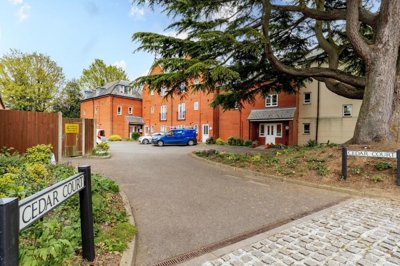
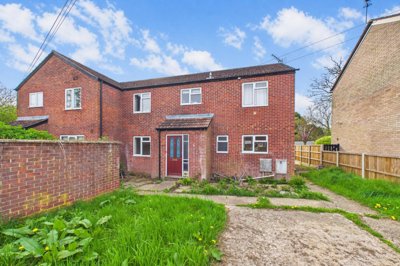
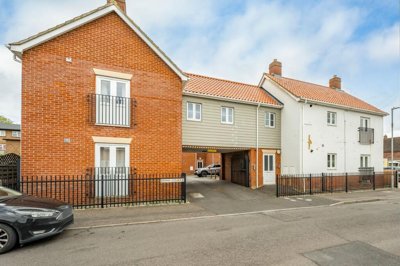
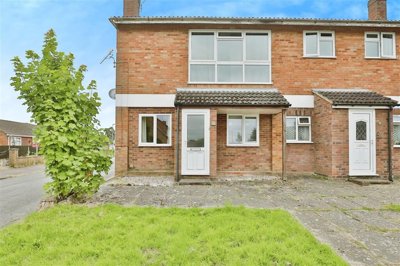
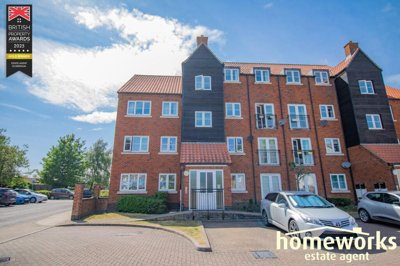
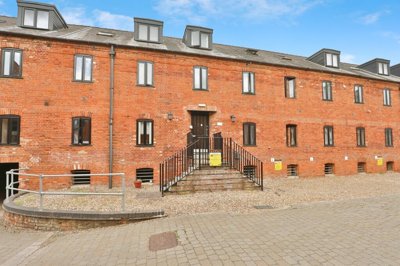
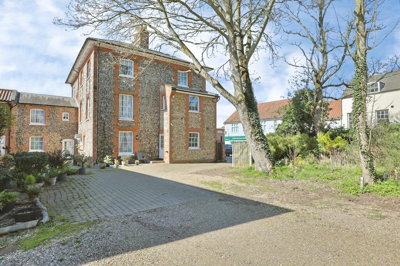
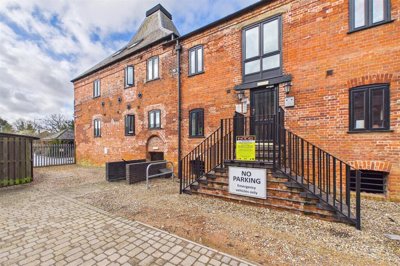
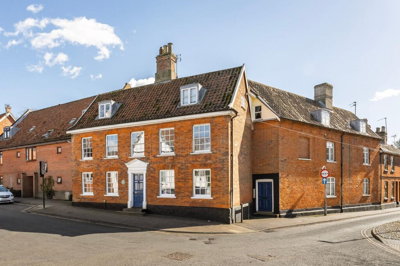
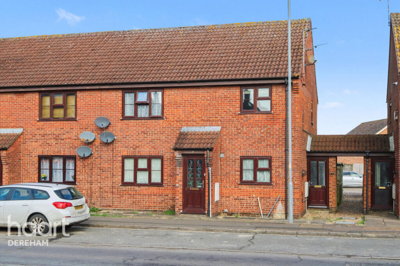
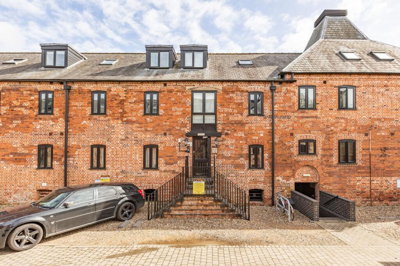
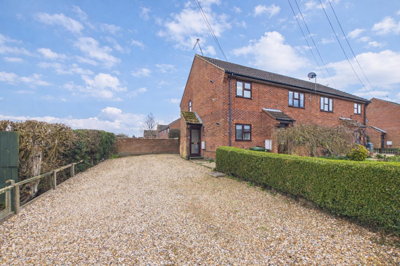
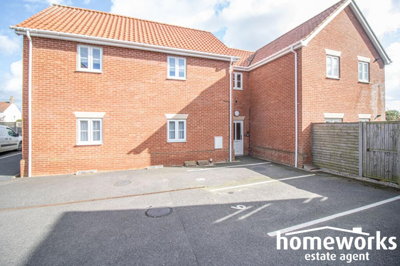
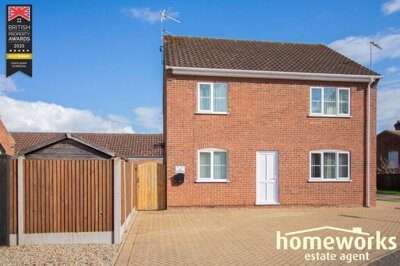
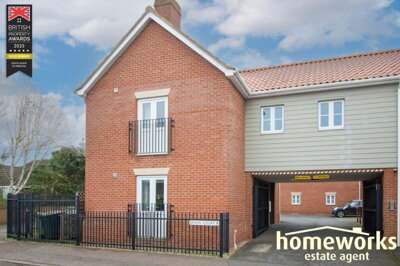
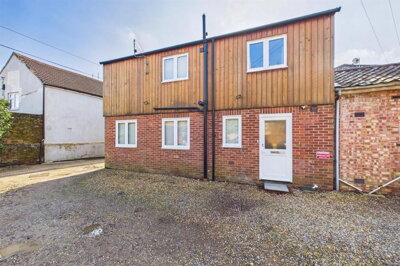
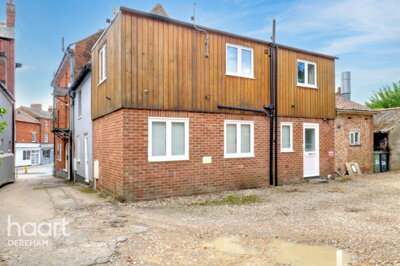
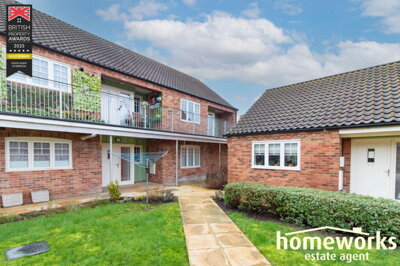
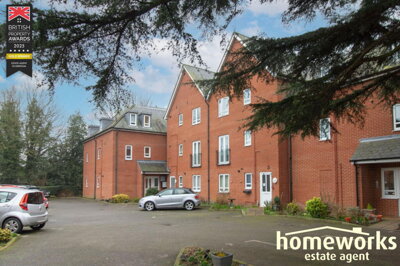
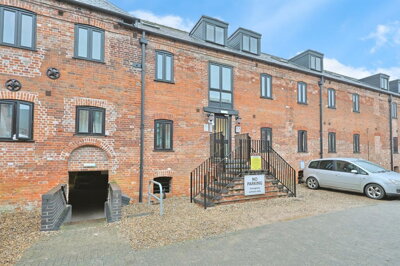
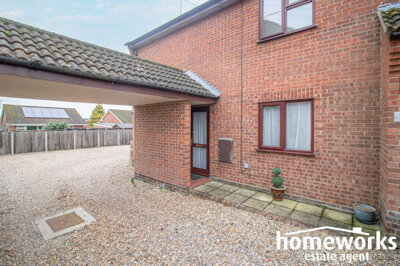
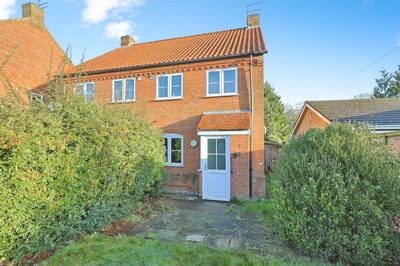
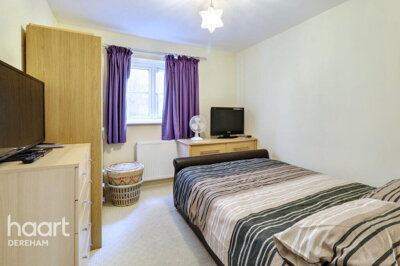
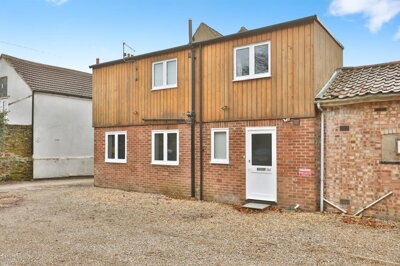
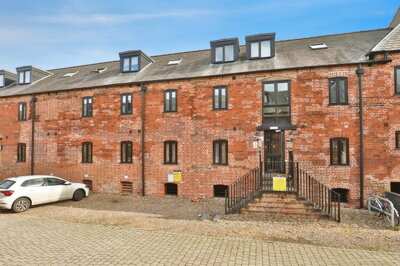
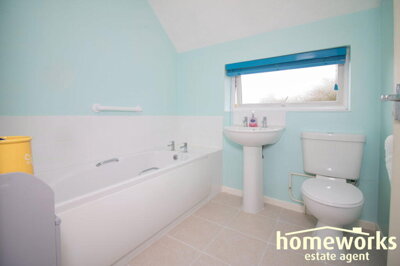
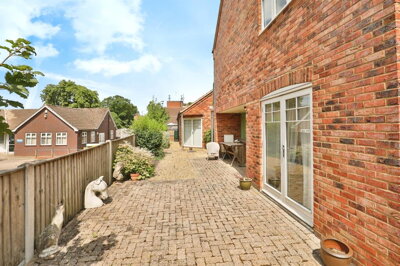
Browse 35 homes for sale in Scarning, Breckland from local estate agents.
Studio apartments feature open-plan living spaces without separate bedrooms, incorporating sleeping, living, kitchen, and bathroom facilities. The Scarning studio market includes properties in modern apartment complexes, converted Victorian and Georgian buildings, and purpose-built developments.
£0k
0
0
0
Source: home.co.uk
Showing 0 results for Studio Flats for sale in Scarning, Breckland.
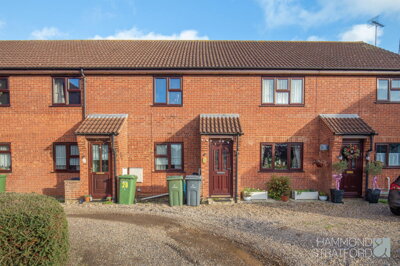
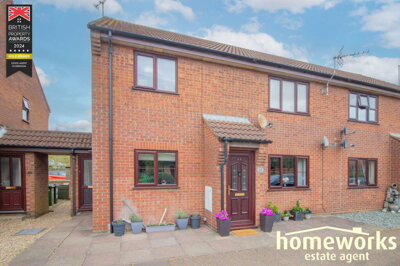
Scarning’s property market offers a broad spread of homes for different budgets and tastes. Detached houses sit at the top end, with average prices around £331,663, and they tend to come with generous gardens and roomy layouts that suit growing families. Semi-detached properties average approximately £251,154, so they represent strong value for buyers wanting a comfortable family home without paying detached-house prices. Terraced homes average around £199,999, giving first-time buyers and downsizers a more accessible way into village life.
Over the past year, Scarning has shown some interesting movement. home.co.uk records prices approximately 2% higher than the previous year, although other data points to a softer patch, with price reductions appearing across certain property types and listings. For buyers, that can open up a better negotiating position when offers go in. The village also draws interest from people moving from Norwich and Cambridge, attracted by the local character, schooling options, and lower property prices than those found in larger urban centres.
The housing stock in Scarning covers several eras, from period cottages with traditional Norfolk brickwork to newer developments on the village edge. That mix gives buyers a choice between older homes with plenty of character, sometimes needing modernisation, and more recent properties with up-to-date insulation, wiring, and heating systems. It also helps explain the range of prices across the village, keeping Scarning within reach for buyers on different budgets.

Scarning sits comfortably in Breckland, Norfolk, where heathland, ancient woodland, and a web of country lanes link traditional villages together. The village itself has housing from several decades, from character cottages through to modern family homes built more recently. Nearby Scarning Fen adds another layer, with wildlife habitats and walking routes that give residents easy access to the Norfolk countryside. Beyond that, farmland shapes the quiet agricultural feel that runs through this part of East Anglia.
Village life in Scarning has a gentle pace, and many residents value that while still being close to Dereham’s facilities. The nearby market town brings weekly markets, independent shops, pubs serving local ales, and essentials such as GP surgeries and pharmacies. Wider attractions include historic churches, National Trust properties, and the Norfolk Broads, which sit within an hour’s drive. Throughout the year, local events help bring people together, which often makes it easier for newcomers to feel settled.
Breckland’s geology is mainly chalk, clay, and sand, and that shapes drainage and garden conditions in Scarning. Where properties sit on clay subsoils, dry spells can bring shrink-swell movement, so a building condition assessment is especially useful for older homes. Some soils drain freely, which usually means less garden maintenance than in wetter parts of the country, though an irrigation plan can still help during very dry summer months.
For leisure, residents can make use of public footpaths across farmland and towards Scarning Fen, where birdwatchers often spot wetland species. Dereham adds more to the mix, with a swimming pool, sports centres, and a cinema, so families do not need to travel far for a night out or an activity session. Norwich is still within easy reach for theatres, museums, and restaurants via the direct A47 corridor, which makes day trips straightforward.

Families moving to Scarning will find schooling options both in the village and in nearby Dereham. Primary education is available locally, with several schools serving Scarning families within easy commuting distance. Many parents appreciate the smaller-scale feel and the extra attention children often receive in rural schools. Because the village sits within Breckland, it is sensible to look closely at catchment areas and admissions criteria during the property search.
In Dereham, secondary schools offer GCSE courses and sixth form provision for older students. Parents should check current Ofsted ratings and admissions policies directly with Norfolk County Council, since both performance and catchment lines can change. For those looking at private education, Norfolk has several independent schools, and some provide transport from the Dereham area. University-level study is available in Norwich at the University of East Anglia and Norwich University of the Arts, both reachable via the A47 corridor for older children staying in Scarning while they study.
The school run from Scarning is usually simple enough, and many families can reach primary schools in around ten minutes by car. Secondary pupils generally travel into Dereham, and school buses run from the village for households without private transport. Parents who put school access at the top of the list should ask for the exact address of any property they are considering and confirm the latest catchment arrangements with Norfolk County Council admissions, because those details affect school allocation.
For younger children, nursery and preschool places are available in Dereham and surrounding villages before primary school starts. These settings can have waiting lists, so families with toddlers should check availability early and register interest as soon as they begin planning a move. After-school clubs and holiday schemes also support working parents, which helps Scarning work well for households where both adults are employed in Dereham or commuting further afield.

Transport is one of Scarning’s real strengths for commuters and anyone needing regional access. The A47 runs close by, giving a direct dual-carriageway link to Norwich, which sits approximately 20 miles north. That corridor connects Scarning to Norwich’s jobs, retail centres, and Norwich Airport, with its domestic and European flights. The drive into Norwich usually takes around 30-40 minutes, so people who work in the city can still live in a village setting.
Bus services link Scarning with Dereham and neighbouring villages, giving residents a car-free option for shopping and everyday travel. Dereham railway station sits on the Bittern Line and provides links to Norwich and, through Norwich, to the wider national rail network. For longer trips, Norwich railway station has regular services to London Liverpool Street, with journey times of approximately two hours. Cambridge and King’s Lynn are also within reach by road via the A47 and A10, widening both work and leisure choices beyond Norfolk.
For those commuting into Norwich, the A47 usually runs well outside peak periods, though morning and evening rush hours can slow traffic as the city centre builds up. Park-and-ride sites on the outskirts of Norwich give drivers a way to avoid central congestion, with services running through the day. Cyclists can use the Wensum Valley cycle route for leisure rides, although the dedicated cycling network between Scarning and Dereham remains limited.
Norwich Airport handles domestic routes to Edinburgh, Manchester, and Aberdeen, together with seasonal European destinations that holidaymakers often favour. Because the airport is close by, residents can access wider travel links without a long trek to a major hub, although regular London travellers may still prefer the train given Norwich’s direct two-hour service to London Liverpool Street. For business travel, the mix of airport access and quiet village living in Scarning is a real draw.

Start by looking through current listings on home.co.uk so you can get a feel for property types, prices, and availability in Scarning and the wider Dereham area. It also helps to visit the village at different times of day to judge the atmosphere and check the local amenities for yourself. Pay close attention to the blend of older cottages and newer developments, as that often points you towards the neighbourhood that fits best.
Before making an offer, speak to a mortgage broker and get an agreement in principle in place. That strengthens your position with sellers and shows you are serious. With current interest rates where they are, it makes sense to compare several lenders so you can find the most competitive deal. Brokers who know Norfolk property values can also give borrowing figures based on Scarning’s average prices of around £287,612.
Once you have a shortlist, book viewings and take time to assess the home’s condition, the surrounding streets, and how close it sits to schools and transport links. It is also worth visiting Scarning Fen to get a proper sense of the local landscape. Viewing more than one property matters, because the market offers a spread of styles and price points.
After your offer is accepted, arrange a Level 2 Homebuyer Report so the property condition is properly assessed. That survey will highlight defects, structural problems, and maintenance work that could affect either your decision to buy or the price you agree. In Scarning, where older homes are common, this is especially useful for properties over 50 years old.
Choose a solicitor with experience in Norfolk property transactions to manage the legal work, searches, and contracts. Familiarity with Breckland Council requirements can help things move more smoothly through conveyancing. The searches should also include drainage and water authority checks, which matter in Norfolk because of the varied geology.
Before exchange, finalise the mortgage, complete the remaining searches, and arrange building insurance. On completion day, collect the keys and begin your new life in Scarning. Give yourself time to set up utilities and redirect mail from your previous address.
Buyers looking at Scarning should take the mix of construction ages and building styles seriously. Older homes, including converted cottages and period properties, may use traditional methods that differ quite a bit from modern standards. Roofs, foundations, and drainage systems all deserve close attention, especially given the age profile of some village properties. A thorough RICS Level 2 survey can highlight problems before you commit, and it may give room to negotiate if defects turn up.
Flood risk also deserves a proper look, especially for homes near lower-lying parts of Scarning and around Scarning Fen, where surface water drainage may struggle in heavy rain. Prospective buyers should check the Environment Agency flood maps for specific postcodes and think about the property’s elevation and drainage history. More generally, drainage and damp penetration are common concerns in Norfolk properties, so signs of damp, mould, or recent damp-proofing work should be checked carefully. Planning history is another useful line of enquiry, particularly if extensions or alterations could affect neighbouring homes or future development potential.
Homes built before the 1970s may need electrical rewiring, since wiring standards have changed a great deal over time. A qualified electrician can assess the wiring during the survey process, and a full rewire usually costs from £3,000 to £8,000 depending on property size. Heating should also be checked in older Scarning homes, where oil-fired and LPG boilers are common in areas without mains gas. Energy-efficiency upgrades such as cavity wall insulation and double glazing can make a real difference to running costs in period properties.
Scarning sits within the Breckland area’s chalk and clay geology, so some homes can be affected by ground movement, especially on clay soils during long dry periods. Any sign of previous subsidence or underpinning needs careful investigation, and sellers have to disclose known structural issues. Properties close to mature trees need extra attention too, because root activity can affect foundations over time. A full building survey should pick up these points and help buyers make a sound decision.

The average property price in Scarning is approximately £287,612 according to home.co.uk, while homedata.co.uk shows sold prices recorded around £280,000 to £287,612 on current market data. Detached homes average £331,663, semi-detached properties around £251,154, and terraced houses approximately £199,999. Over the past year the market has moved around a bit, with some sources reporting activity while others point to cooling in certain segments and more price reductions on listed homes.
For council tax, Scarning properties fall under Breckland Council. The banding depends on valuation, from Band A for lower-value homes through to higher bands for more premium detached houses. Buyers should check the current band directly with Breckland Council, as valuations and bands can be challenged and changed over time. The council also sets out current rates and any discounts for single occupants or certain property types. Council tax bills usually contribute towards refuse collection, local police services, and county council services across Norfolk.
Families in Scarning can use primary schools in the village itself and in Dereham, with several Ofsted-rated good or outstanding primaries within a reasonable distance. Secondary options in Dereham cover the local catchment, and parents are wise to check current Ofsted reports and admissions criteria on the Norfolk County Council website. School performance data, catchment maps, and transport arrangements should all be checked before committing to a purchase if education matters to the household. For most Scarning homes, the drive to primary schools in Dereham is usually within ten minutes by car.
Bus routes connect Scarning with Dereham and nearby villages, giving residents a regular option for travel without needing a car. Dereham railway station runs Bittern Line services to Norwich, with onward connections to Cambridge and London. The A47 trunk road is the main road link, and it gives reliable access to Norwich in 30-40 minutes by car. Norwich Airport broadens the travel picture with domestic flights and seasonal European destinations. For London commuters, the two-hour train service from Norwich offers a practical alternative to driving.
Scarning has a few clear attractions for property investors, not least its relative affordability compared with Norwich and its strong transport links through the A47 corridor. Its position near Dereham and the A47 helps support rental demand from professionals and families who want village living with easy town access. Capital growth will still depend on the wider Norfolk market and any future infrastructure work in the area. Current rental yields compare well with some coastal Norfolk locations, so Scarning is certainly worth a look for landlords wanting tenant demand from commuters and local workers.
Stamp duty land tax applies to every property purchase in England, including Scarning. The standard rates begin at 0% up to £250,000, then move to 5% on the portion between £250,001 and £925,000. First-time buyers get relief on purchases up to £425,000, paying 0% on the first £425,000 and 5% between £425,001 and £625,000. Above £625,000, standard rates apply without first-time buyer relief. Because Norfolk prices are relatively modest, many Scarning purchases fall into lower SDLT bands, which keeps purchase costs down compared with London or the South East.
Any flood risk hotspots in Scarning need postcode-level checking through the Environment Agency flood maps. Homes near Scarning Fen should be assessed carefully for surface water drainage, since lower-lying ground can struggle during periods of heavy rainfall. The chalk, clay, and sand geology across Breckland usually drains well, although clay-rich areas can still see water pooling at the surface. Our team recommends a drainage and flood search during conveyancing so any historical flooding issues linked to a specific property are picked up early.
Scarning includes a wide mix of homes, from detached family properties with generous gardens to semi-detached houses that suit families well, and terraced homes that offer a more accessible entry point into the village. Traditional Norfolk cottages with period features appeal to buyers after character, while newer developments built in recent decades bring more contemporary living standards. The housing stock stretches from pre-war properties through to homes built in the 2020s, so buyers can choose from a broad spread of styles and budgets.
It pays to understand the full cost of buying in Scarning before you commit, so the budget is realistic and there are no surprises part-way through the transaction. Stamp duty land tax is the biggest extra cost after the price of the home itself. With Scarning’s average property price at approximately £287,612, most buyers paying near that level would not pay SDLT under the current thresholds, because the first £250,000 is taxed at 0%. That is a useful reflection of Norfolk’s relative affordability and a welcome saving for buyers.
Other purchase costs include solicitor fees for conveyancing, which usually fall between £500 and £1,500 depending on how complex the case is and whether the property is freehold or leasehold. Survey costs for a RICS Level 2 Homebuyer Report generally begin from around £350 for standard properties, while larger or older homes may need a more detailed inspection. Land registry fees, search costs from Breckland Council, and bankruptcy checks add further smaller expenses, usually totalling about £200-£400. Buyers should also allow for mortgage arrangement fees, which vary by lender and may be paid upfront or added to the mortgage. Building insurance must be in place before completion so the property is protected from day one of ownership.
For first-time buyers purchasing homes under £425,000, SDLT relief means no tax is due on the first £425,000 of the purchase price. That can save thousands compared with standard rates, which makes Scarning especially accessible for people stepping onto the property ladder. Where the price sits above £425,000 but below £625,000, 5% SDLT applies to the amount above £425,000, with higher rates kicking in for more expensive homes. First-time buyers should check they meet every eligibility rule for the relief, including not having owned property anywhere in the world before.
Mortgage costs go beyond the arrangement fee and also include valuation fees charged by lenders to assess the property security, usually between £150 and £1,500 depending on value. Broker fees can apply for mortgage advice, although many brokers provide free initial consultations. Survey costs are money well spent in Scarning, given the range of property ages, and a RICS Level 2 survey can uncover defects that affect value or need urgent attention after purchase. It is also sensible to budget for moving costs, whether that means van hire or removal company fees, so the financial plan for a Scarning purchase is complete.

From 3.85%
Compare mortgage deals from trusted lenders
From £499
Expert property solicitors handling your legal work
From £350
Professional home survey by qualified inspectors
From £85
Energy performance certificate for your property
Properties for Sale In London

Properties for Sale In Plymouth

Properties for Sale In Liverpool

Properties for Sale In Glasgow

Properties for Sale In Sheffield

Properties for Sale In Edinburgh

Properties for Sale In Coventry

Properties for Sale In Bradford

Properties for Sale In Manchester

Properties for Sale In Birmingham

Properties for Sale In Bristol

Properties for Sale In Oxford

Properties for Sale In Leicester

Properties for Sale In Newcastle

Properties for Sale In Leeds

Properties for Sale In Southampton

Properties for Sale In Cardiff

Properties for Sale In Nottingham

Properties for Sale In Norwich

Properties for Sale In Brighton

Properties for Sale In Derby

Properties for Sale In Portsmouth

Properties for Sale In Northampton

Properties for Sale In Milton Keynes

Properties for Sale In Bournemouth

Properties for Sale In Bolton

Properties for Sale In Swansea

Properties for Sale In Swindon

Properties for Sale In Peterborough

Properties for Sale In Wolverhampton

Enter your details to see if this property is within your budget.
Loans, cards, car finance
Estimated property budget
Borrowing + deposit
You could borrow between
Typical borrowing
Monthly repayment
Est. at 4.5%
Loan-to-value
This is an estimate only. Your actual budget may vary depending on interest rates, credit history, and personal circumstances. For an accurate affordability assessment, speak to one of our free mortgage advisors.
This calculator provides estimates for illustrative purposes only and does not constitute financial advice. Your home may be repossessed if you do not keep up repayments on your mortgage. Estimates based on 4.5% interest rate, repayment mortgage. Actual rates depend on your circumstances.
Homemove is a trading name of HM Haus Group Ltd (Company No. 13873779, registered in England & Wales). Homemove Mortgages Ltd (Company No. 15947693) is an Appointed Representative of TMG Direct Limited, trading as TMG Mortgage Network, which is authorised and regulated by the Financial Conduct Authority (FRN 786245). Homemove Mortgages Ltd is entered on the FCA Register as an Appointed Representative (FRN 1022429). You can check registrations at NewRegister or by calling 0800 111 6768.

We use cookies to show you personalised content and improve your experience of our website. Find out more in our Privacy policy and Cookie policy.