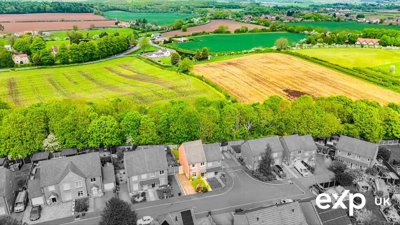
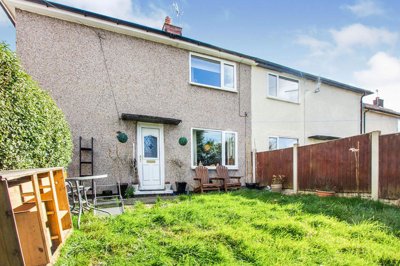
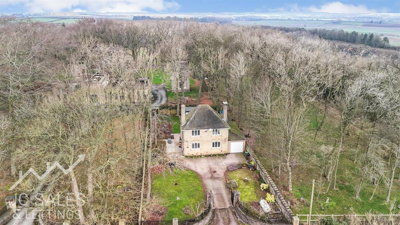
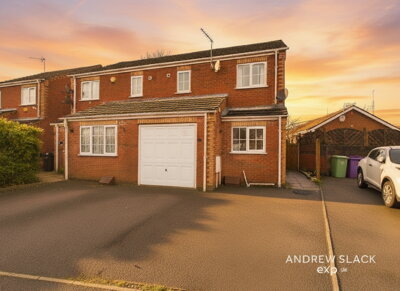
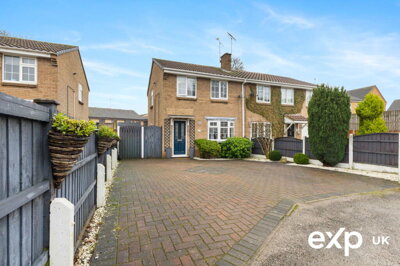
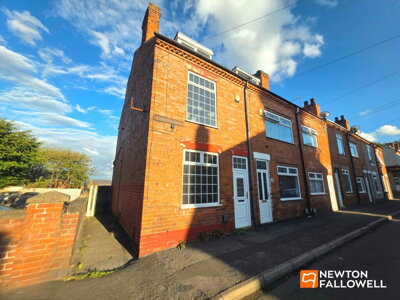
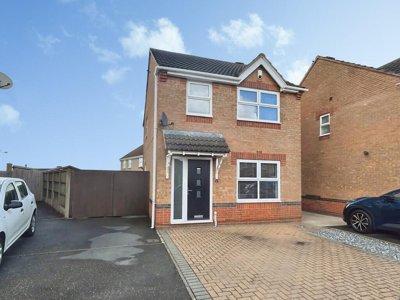
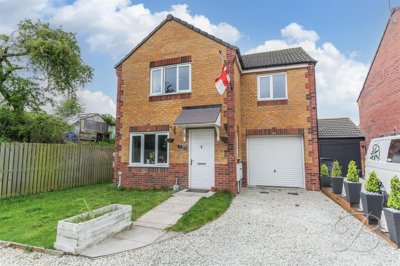
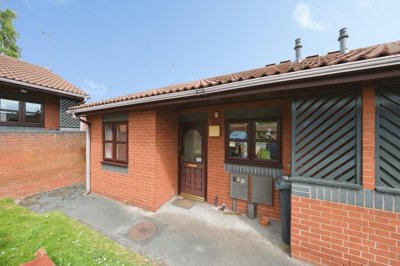
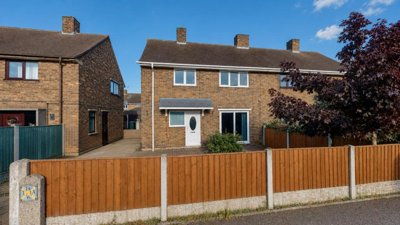
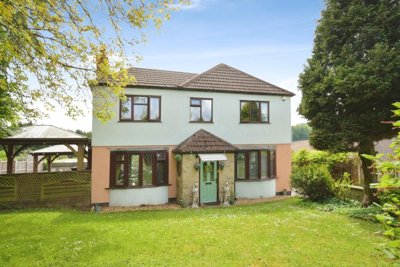
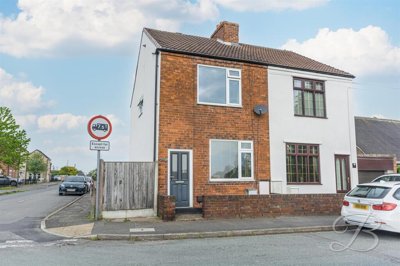
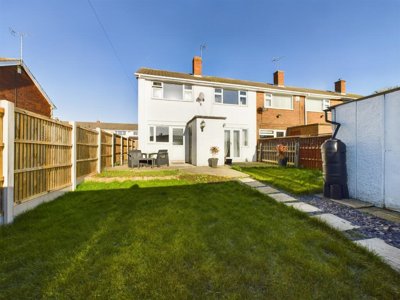
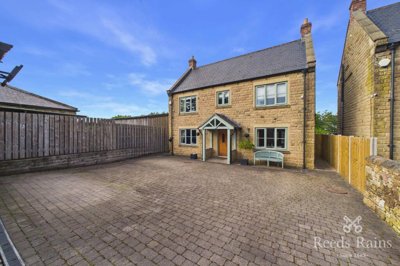
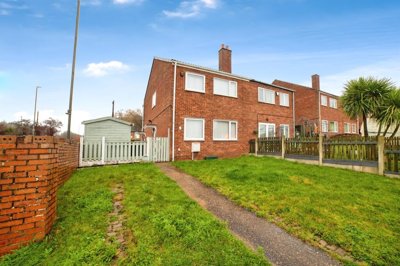
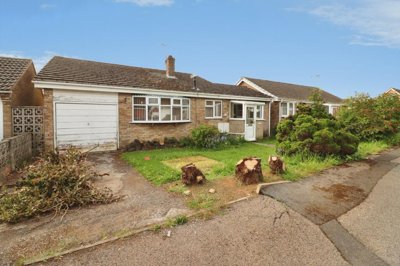
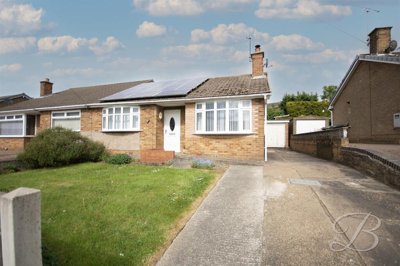
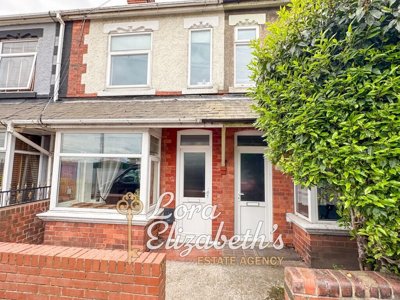
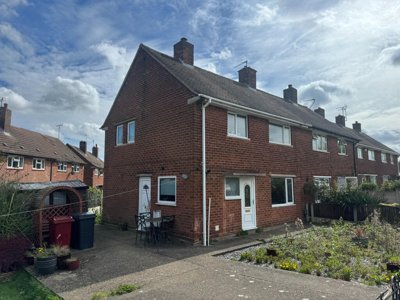
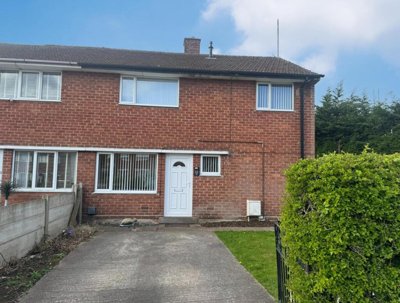
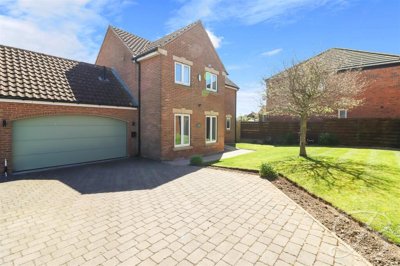
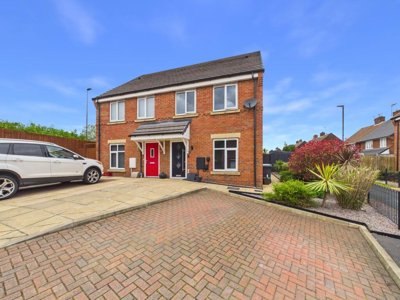
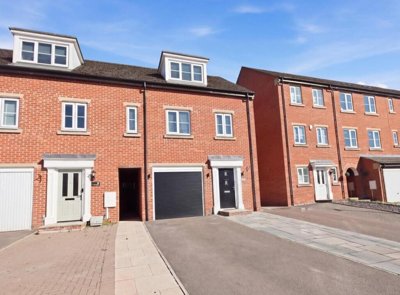
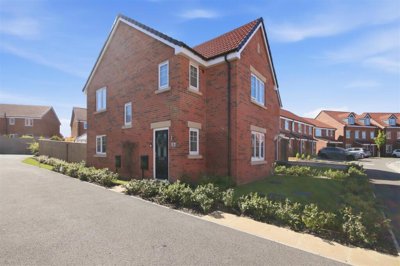
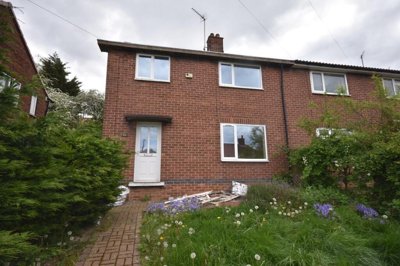
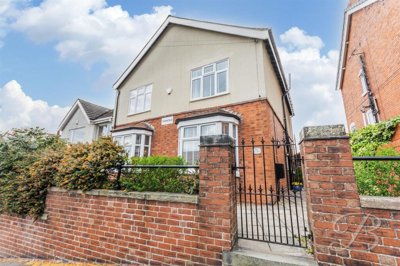
Browse 313 homes for sale in Scarcliffe, Bolsover from local estate agents.
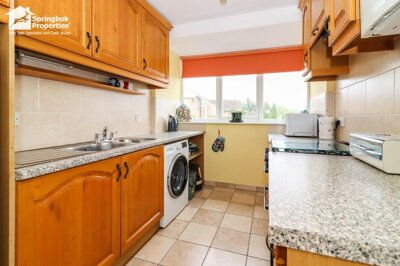
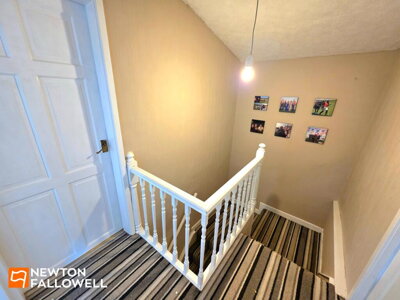
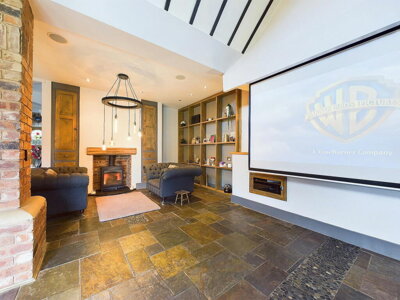
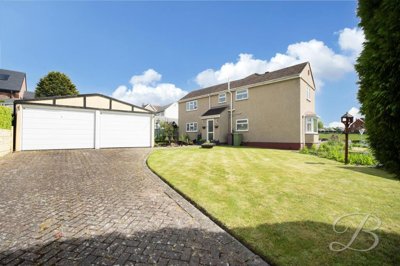
The Scarcliffe property market offers detached, semi-detached, and terraced houses spanning various price ranges and neighbourhoods. Each listing includes detailed property information, photographs, and direct contact with the marketing agent.
£585k
5
0
104
Source: home.co.uk
Showing 5 results for Houses for sale in Scarcliffe, Bolsover. The median asking price is £585,000.
Source: home.co.uk
Detached
4 listings
Avg £617,500
Terraced
1 listings
Avg £120,000
Source: home.co.uk
Source: home.co.uk
Scarcliffe’s property market has been edging upwards rather than racing ahead, with house prices up by 1.9% over the past twelve months according to home.co.uk listings data and homedata.co.uk data. That steadier pace suits the village: buyers are often looking here because their budget goes further than it does in nearby towns and cities, especially if they want more room indoors and out. There were 10 property sales recorded in the last year, so it is a small market, but not a dormant one.
In Scarcliffe and the wider Palterton ward, the housing stock still feels very much like a Derbyshire village market. Semi-detached homes make up approximately 39.5% of properties, which puts them ahead of every other type. Detached houses account for around 30.1%, terraced homes for 24.3%, and flats only 5.4%. In practice, that means buyers are usually looking at houses rather than apartments, often with gardens, drives, garages, or at least more outdoor space than they would expect in a town centre.
Prices change quite sharply once you move between property types. Detached houses average £290,000 in Scarcliffe, usually reflecting larger plots, more internal space, and layouts that suit families or home working. Semi-detached properties, at around £175,000, are often the practical middle ground, with three bedrooms and usable gardens. Terraced homes start from approximately £140,000, giving first-time buyers and investors a lower-cost route into the village. New build developments within Scarcliffe itself remain limited, so most buyers are viewing established homes, many dating from the early 20th century through to the 1980s.
The age of a Scarcliffe property can tell you a lot before you even get to the viewing. Much of the village housing falls into the post-war to 1980s period, but there are also pre-1919 solid-wall homes alongside later cavity-wall construction. That matters for heat loss, damp risk, maintenance, and the likely cost of upgrades. Our surveyors always look closely at the construction type, because two houses on the same street can need very different budgets.

Scarcliffe is a historic village in the Bolsover district of Derbyshire, within the East Midlands region. It is modest in size, with 1,173 residents across 494 households according to the 2021 Census, but it has a stronger village identity than those figures suggest. Local events, long-standing traditions, and day-to-day familiarity between neighbours are part of the appeal. The village centre includes a traditional pub, while the Church of St Leonard gives Scarcliffe a visible link with its older heritage.
Scarcliffe’s economy has moved on from its older agricultural and coal mining base. Today, plenty of residents travel out for work to Bolsover, Mansfield, Chesterfield, and Sheffield, helped by access to the nearby M1 motorway. There is still local employment through small businesses, farming, and services supporting the village and surrounding countryside. For professionals who want rural living without cutting themselves off from larger job markets, that mix is a big part of Scarcliffe’s draw.
Around the village, the landscape opens out into rolling Derbyshire countryside, with farmland, pastoral views, and smaller watercourses shaping the setting. The underlying geology is dominated by Carboniferous rocks, including coal measures, sandstones, and shales, with superficial deposits of glacial till and alluvium in lower areas. Most Scarcliffe homes are built from traditional red brick, although some older properties include local stone, which breaks up the street scene nicely. Scarcliffe Brook adds to the rural feel, but it also means buyers should take surface water flooding seriously in some low-lying parts of the village, where risk can be moderate to high during heavy rainfall.
Scarcliffe has not lost its older character. Scarcliffe Hall and the Church of St Leonard are among the notable buildings, and these Grade II listed structures help anchor the village visually as well as historically. Buyers drawn to period homes should pay particular attention to the village centre, where older properties may still retain original features, provided previous owners have looked after them properly.
Families moving to Scarcliffe have a choice of schools in the surrounding area rather than everything sitting inside the village itself. Primary-age children usually attend schools in nearby villages and towns, with several rated Good or Outstanding by Ofsted within a sensible driving distance. Rural school transport is often part of the arrangement for eligible families. Smaller local primaries can be a real advantage for younger pupils, especially where class sizes allow staff to give children more individual support.
For secondary education, families generally look towards Bolsover, Shirebrook, and Mansfield. Catchment areas and admission rules need checking early, because they can affect which school a child is offered. Across the district, schools have continued to invest in facilities and curriculum options. For sixth-form routes, Chesterfield and Mansfield colleges provide A-level and vocational courses, while Sheffield adds access to some of the region’s better-known education providers.
School travel is one of the practical points Scarcliffe families need to weigh up before choosing a house. The Bolsover School and The Manor Academy in Shirebrook both serve the wider local area, and buses are typically available for pupils within catchment zones. We often find parents want to visit schools before committing to a purchase, especially where admissions are competitive. Early registration is sensible for families with school-age children, as waiting lists at oversubscribed schools can change quickly.
Transport is one reason Scarcliffe works well for commuters despite feeling rural. The M1 motorway is close enough to give straightforward routes north towards Sheffield and south towards Nottingham. By car, Sheffield city centre is usually around 40 minutes away, while Nottingham is approximately 45 minutes, depending on traffic. For buyers who want village life but still need access to bigger employment centres, that balance is hard to ignore.
Public transport is more limited than in a town, but it is still workable for many residents. Bus services link Scarcliffe with Bolsover, Mansfield, and Chesterfield. From Chesterfield railway station, there are direct trains to London St Pancras International, with journey times of around two hours, along with services to Sheffield, Derby, and Nottingham on the Midland Main Line. Scarcliffe does not have its own station, so rail commuters need to build in the trip to Chesterfield, but the option is there.
Day-to-day driving is supported by the local road network around the village. The A617 runs through nearby Bolsover and links to the M1 at junctions 29 and 30, giving drivers more than one route choice. Peak-time journeys still need checking, particularly around school times and during school holidays when traffic behaves differently. Within Scarcliffe itself, parking is usually less pressured than in urban areas, and many homes have off-street parking or garage space.

Start by checking current Scarcliffe listings on Homemove. With around 10 sales annually and limited stock, you need a clear view of what your budget can realistically secure. Property alerts are useful here, because good homes in a small village market can be noticed quickly.
After you have picked out possible homes, speak to the listing estate agents and arrange viewings. Agents who know Scarcliffe can often tell you useful details about a particular lane, plot, or neighbourly setting that will not come across from photos alone. Take a list with you, not just of must-haves, but of compromises you are genuinely prepared to make.
Before offering, get a mortgage agreement in principle from a lender. Sellers take you more seriously when they can see your finances are lined up, and it can help if there is more than one interested buyer. Homemove can introduce mortgage brokers who compare rates suited to your situation. With Scarcliffe’s average property price at £215,700, most buyers should find suitable mortgage products available.
A RICS Level 2 Survey, often called a HomeBuyer Report, is a sensible step before completion. Many Scarcliffe properties are over 50 years old, and some sit in an area where ground conditions need proper checking. For a typical 3-bedroom home, survey costs are usually between £400 and £700. Our surveyors look for defects linked to the property’s age and construction, then flag anything that should be priced, negotiated, or investigated before you commit.
You will also need a solicitor to deal with the legal side of the purchase. They will order searches, review the contract papers, and deal with registration after completion. Because Scarcliffe has a mining past, ask them to obtain a Coal Authority Mining Report to check for historic underground workings that could affect the property. The report typically costs around £25, which is a small outlay for important reassurance.
Once searches are clear and your finance is in place, you can exchange contracts and pay your deposit. Completion normally follows within a few weeks, at which point the keys are released and the move can begin. We recommend arranging buildings insurance from exchange, because that is when the contract becomes legally binding.
Buying in Scarcliffe comes with a few local checks that would not matter as much elsewhere. The village lies within a former coal mining district, so historic underground activity can be relevant even though deep mining has ended. Shallow workings may still create a risk of ground instability in some locations. Before completion, your solicitor should obtain a Coal Authority Mining Report, which sets out any past mining activity that might affect foundations or long-term stability.
The ground beneath Scarcliffe is another point to take seriously. Clay soils can show shrink-swell behaviour, especially after drought or prolonged rainfall. Houses with trees close to the foundations, or those affected by poor drainage, may be more exposed to subsidence or heave movement. A RICS Level 2 Survey will assess visible signs of foundation movement, cracking, and structural distortion. Older homes also need careful damp checks, particularly solid-wall properties where rising damp can be more of a concern.
Flood risk should not be skipped during due diligence. Scarcliffe’s overall risk from rivers and the sea is low to very low, but some areas have moderate to high surface water flooding risk, particularly around Scarcliffe Brook and smaller watercourses. If a property sits in a low-lying part of the village, ask directly about past flooding or water damage. Drainage, flood resilience measures, and insurance availability all matter, because ongoing costs can be higher in affected spots.
Because much of Scarcliffe’s housing stock is older, original features and hidden systems deserve a close look. Electrical wiring in homes built before the 1980s may still be original or only partly updated, so further work could be needed to meet modern expectations. Plumbing in older houses may include galvanised steel or ageing copper pipework, sometimes with sediment built up over decades. A good survey helps uncover these issues before they turn into expensive surprises.

The average house price in Scarcliffe is £215,700 as of February 2026, according to property market data from home.co.uk and homedata.co.uk. Detached properties average around £290,000, semi-detached homes are approximately £175,000, and terraced properties start from around £140,000. Prices have risen by 1.9% over the past twelve months, which points to a stable village market rather than sharp short-term movement.
Scarcliffe properties fall under Bolsover District Council for council tax. Bands run from A to H, though most village homes sit in bands A through C because values are generally more modest than in nearby cities. You can check a specific property through the Valuation Office Agency website using its address, and your solicitor will also confirm the band during conveyancing. Bills usually include Bolsover District Council services as well as Derbyshire County Council charges for areas such as education and highways.
Primary schooling for Scarcliffe families is provided through nearby villages and towns in the Bolsover district, with several local schools rated Good or Outstanding by Ofsted. Catchments need checking carefully, as proximity can affect admissions and popular schools may be competitive. Secondary options include schools in Bolsover and Shirebrook, while Chesterfield and Mansfield offer further education colleges for post-16 students. Transport time to secondary school should be part of the property decision, not an afterthought.
Bus routes connect Scarcliffe with Bolsover, Mansfield, and Chesterfield for everyday travel. Chesterfield railway station, around 8 miles away, has direct services to London St Pancras, Sheffield, Derby, and Nottingham on the Midland Main Line. Road links are helped by the nearby M1 motorway, with Sheffield approximately 40 minutes away by car and Nottingham around 45 minutes. For commuters working in Sheffield or Nottingham, Scarcliffe can mean lower property costs without making the journey unreasonable.
Scarcliffe can suit investors as well as owner-occupiers, partly because annual price growth is running at 1.9% and the village appeals to commuters looking for more affordable homes near larger employment centres. Supply is naturally limited in a small village, while demand is supported by buyers priced out of cities such as Sheffield and Nottingham. Rental interest is likely to come from young families and professionals working in nearby towns who still want a rural setting. The village character helps protect long-term appeal when the wider market wobbles.
Stamp Duty Land Tax (SDLT) rates from April 2025 are 0% on the first £250,000 of property value, 5% on £250,001 to £925,000, 10% on £925,001 to £1.5 million, and 12% on amounts above £1.5 million. First-time buyers receive relief on the first £425,000 at 0%, with 5% charged between £425,001 and £625,000. Because Scarcliffe’s average price is £215,700, many buyers would pay no SDLT, although the relief still matters for first-time buyers purchasing at the median price or above.
Because Scarcliffe is a former coal mining area, we would strongly recommend a Coal Authority Mining Report before purchase to check for historic underground workings that may affect foundations. The local clay geology also brings possible shrink-swell risks, so a RICS Level 2 Survey is important for spotting structural movement, cracking, or related defects. Some lower areas near Scarcliffe Brook have moderate to high surface water flooding risk, which needs checking carefully for properties in those positions. Large trees close to a house should also be assessed for root activity and moisture changes in the clay substrate.
From 4.5%
Expert mortgage advice and competitive rates for Scarcliffe buyers
From £499
Specialist solicitors for your Scarcliffe property purchase
From £400
Professional property surveys for homes in Scarcliffe
From £25
Essential mining search for former coal mining areas
Budgeting for a Scarcliffe purchase means looking beyond the headline price. Stamp Duty Land Tax (SDLT), solicitor fees, survey costs, and moving expenses all need to be included before you decide what you can afford. The useful part for many buyers is that Scarcliffe’s average property price of £215,700 sits below the standard SDLT threshold, so a large number of purchases will attract little or no stamp duty. Compared with more expensive regional markets, that can leave buyers with more money for surveys, repairs, or the move itself.
At Scarcliffe’s average price of £215,700, a standard buyer would have SDLT charged at 0% on the first £250,000, leaving no stamp duty to pay. First-time buyers at the same price would also pay zero SDLT, because the £425,000 relief threshold comfortably covers the purchase. The calculation changes for more expensive detached homes averaging £290,000, where buyers should budget for SDLT if the agreed price is above £250,000.
Other purchase costs can add up. Solicitor conveyancing fees typically range from £500 to £1,500, depending on the complexity of the transaction and whether the property is freehold or leasehold. A RICS Level 2 Survey for a typical 3-bedroom Scarcliffe home is usually between £400 and £700, with larger properties costing more. Given the village’s mining history and the age of many homes, we see a proper survey as money well spent. Removal costs, mortgage arrangement fees, and buildings insurance should also be included when you work out the full cost of buying in Scarcliffe.

Properties for Sale In London

Properties for Sale In Plymouth

Properties for Sale In Liverpool

Properties for Sale In Glasgow

Properties for Sale In Sheffield

Properties for Sale In Edinburgh

Properties for Sale In Coventry

Properties for Sale In Bradford

Properties for Sale In Manchester

Properties for Sale In Birmingham

Properties for Sale In Bristol

Properties for Sale In Oxford

Properties for Sale In Leicester

Properties for Sale In Newcastle

Properties for Sale In Leeds

Properties for Sale In Southampton

Properties for Sale In Cardiff

Properties for Sale In Nottingham

Properties for Sale In Norwich

Properties for Sale In Brighton

Properties for Sale In Derby

Properties for Sale In Portsmouth

Properties for Sale In Northampton

Properties for Sale In Milton Keynes

Properties for Sale In Bournemouth

Properties for Sale In Bolton

Properties for Sale In Swansea

Properties for Sale In Swindon

Properties for Sale In Peterborough

Properties for Sale In Wolverhampton

Enter your details to see if this property is within your budget.
Loans, cards, car finance
Estimated property budget
Borrowing + deposit
You could borrow between
Typical borrowing
Monthly repayment
Est. at 4.5%
Loan-to-value
This is an estimate only. Your actual budget may vary depending on interest rates, credit history, and personal circumstances. For an accurate affordability assessment, speak to one of our free mortgage advisors.
This calculator provides estimates for illustrative purposes only and does not constitute financial advice. Your home may be repossessed if you do not keep up repayments on your mortgage. Estimates based on 4.5% interest rate, repayment mortgage. Actual rates depend on your circumstances.
Homemove is a trading name of HM Haus Group Ltd (Company No. 13873779, registered in England & Wales). Homemove Mortgages Ltd (Company No. 15947693) is an Appointed Representative of TMG Direct Limited, trading as TMG Mortgage Network, which is authorised and regulated by the Financial Conduct Authority (FRN 786245). Homemove Mortgages Ltd is entered on the FCA Register as an Appointed Representative (FRN 1022429). You can check registrations at NewRegister or by calling 0800 111 6768.

We use cookies to show you personalised content and improve your experience of our website. Find out more in our Privacy policy and Cookie policy.